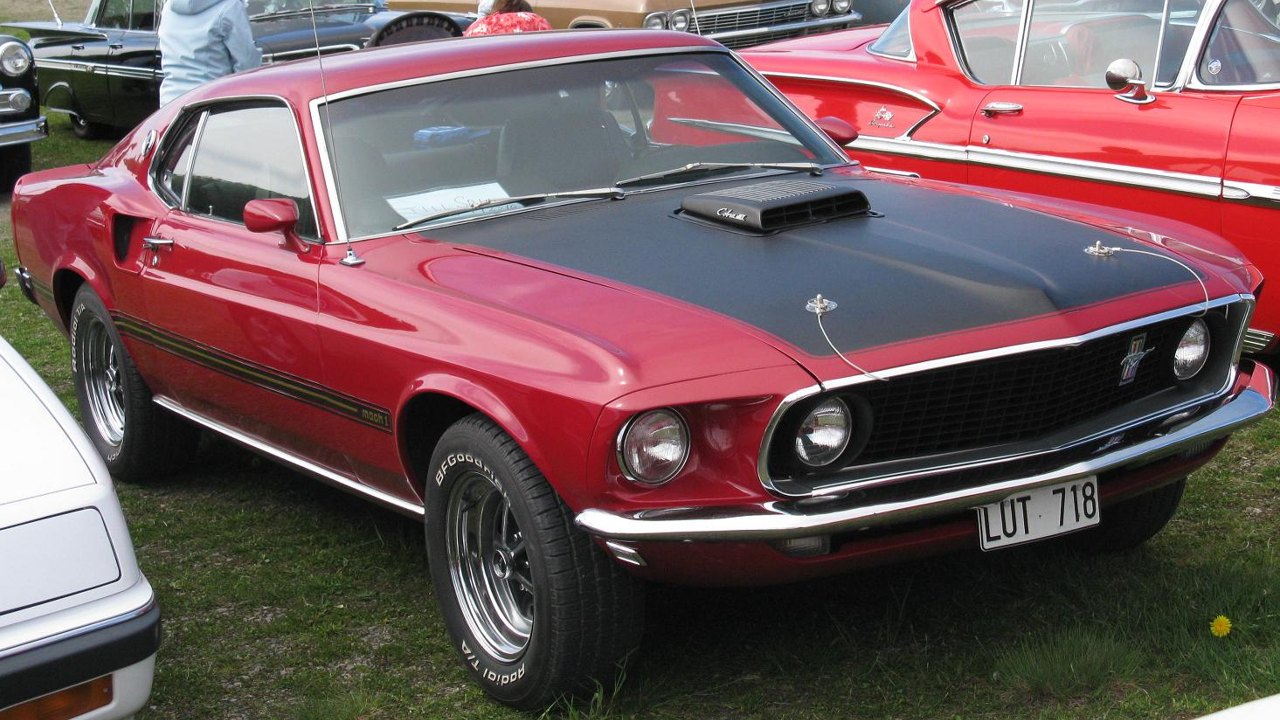
Buying a classic car can be exciting, but enthusiasm should never replace careful research. Some models have multiple engine options, year-to-year changes, and trim packages that can dramatically affect value. Others are known for rust problems, missing documentation, or replacement parts that are difficult to find. Taking the time to understand a vehicle’s history can help buyers avoid expensive surprises and make smarter decisions before submitting an offer.
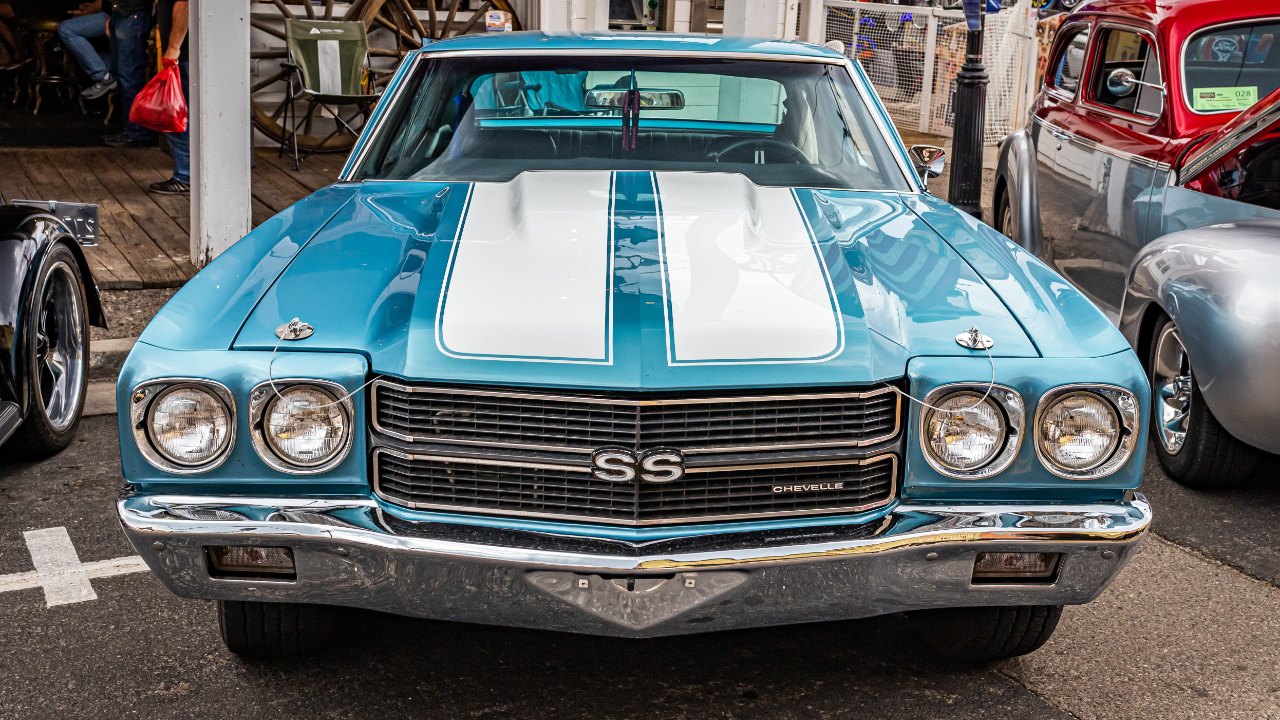
1967 Chevrolet Chevelle SS
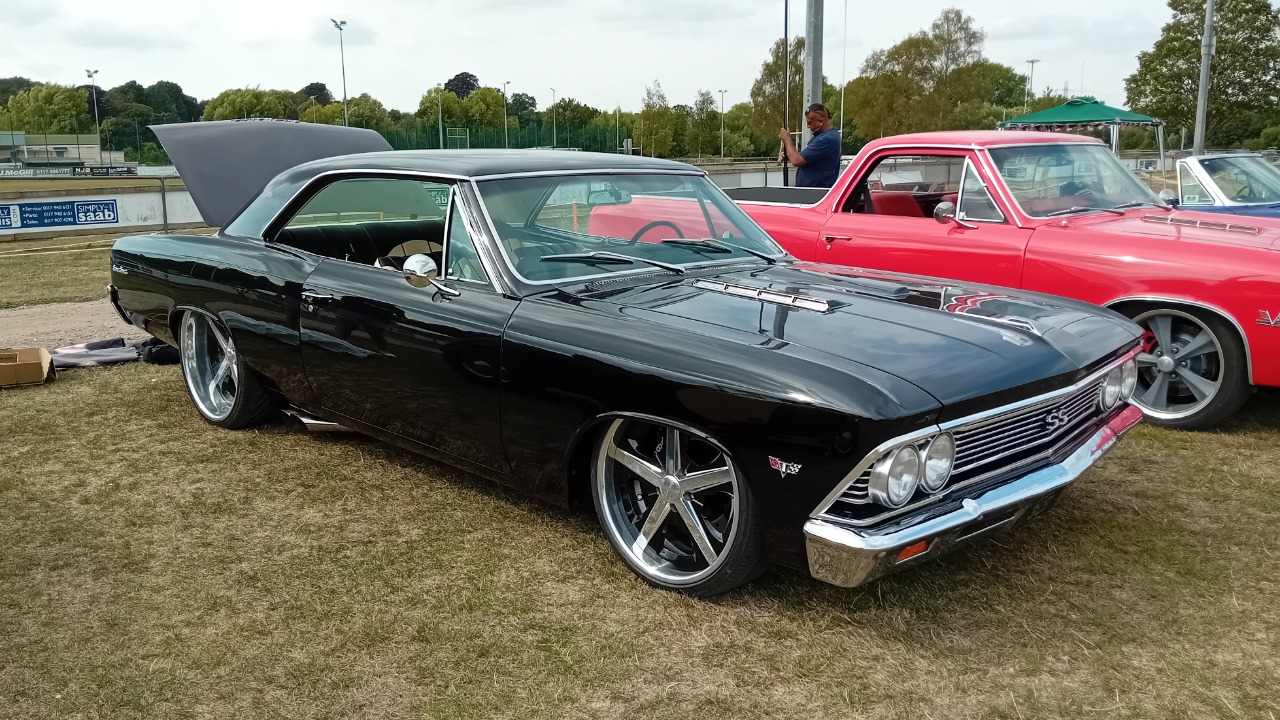
The 1967 Chevrolet Chevelle SS remains one of the most popular American muscle cars, which also makes it one of the most frequently cloned. Many standard Chevelles have been converted to resemble factory-built SS models over the years. Buyers should carefully verify engine codes, trim tags, and documentation before making a purchase. A small detail can significantly affect both authenticity and value.
1969 Ford Mustang Mach 1

The Ford Mustang Mach 1 offers numerous engine and equipment combinations that can make one example far more valuable than another. Originality plays a major role in determining collector interest, especially when it comes to drivetrains and factory options. Researching production numbers and verifying documentation can help buyers avoid paying premium prices for a heavily modified vehicle.
1970 Plymouth Road Runner

The Plymouth Road Runner is another muscle car that rewards careful research. Engine choices ranged from relatively common V8s to highly desirable performance options that dramatically influence market value. Matching numbers, factory records, and original equipment should all be examined before an offer is made. Buyers who skip these steps can easily overpay.
1968 Dodge Charger
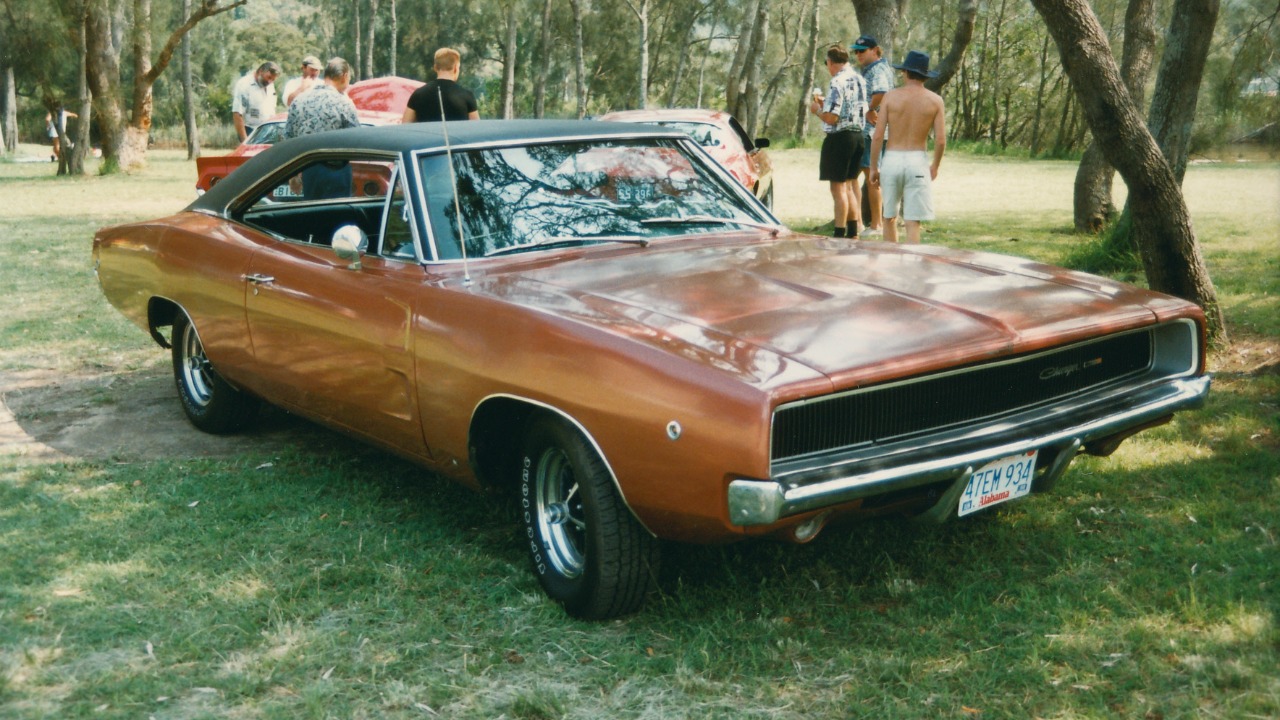
The Dodge Charger remains one of the most recognizable muscle cars ever built, which has contributed to a growing number of restored and modified examples. Buyers should pay close attention to body condition because rust repairs can become extremely expensive. Documentation and originality should also be carefully reviewed, particularly on high-performance models.
1963 Buick Riviera
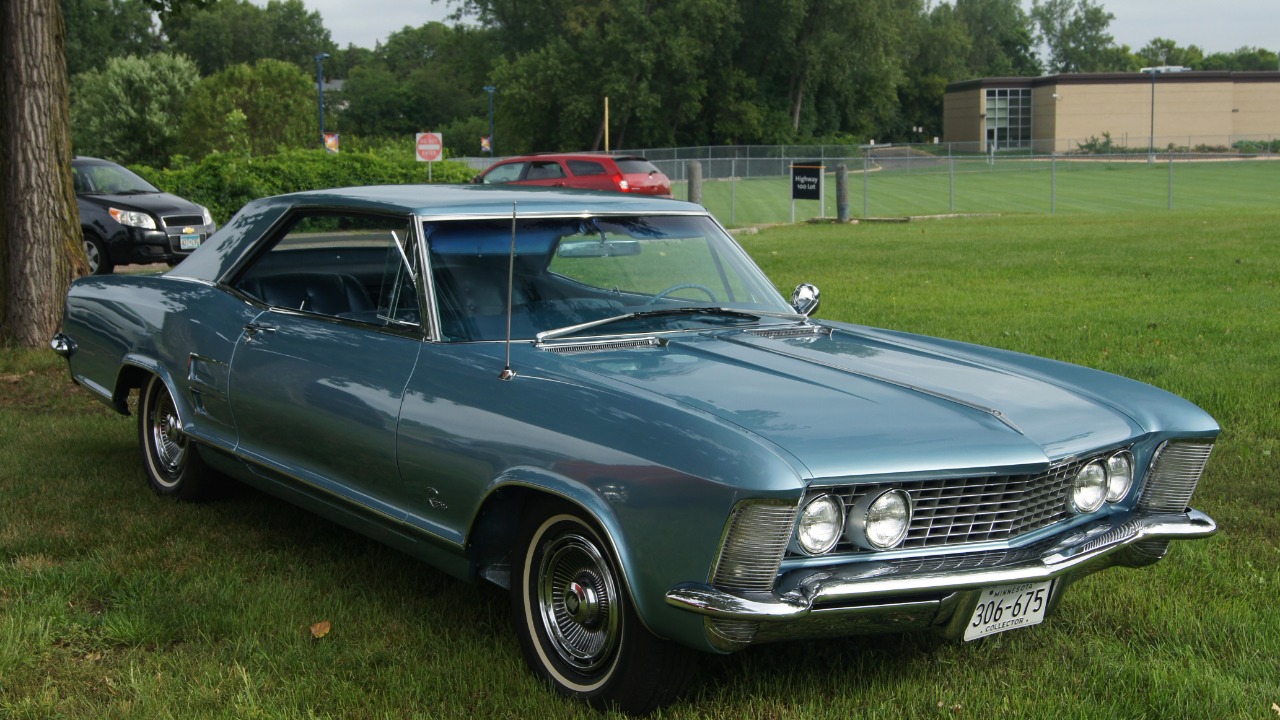
The first-generation Buick Riviera appears straightforward, but subtle differences between model years can affect desirability. Trim packages, engine options, and restoration quality all deserve close examination. Buyers should also inspect body panels for hidden rust and verify the condition of interior components. Thorough research often separates a smart purchase from a costly mistake.
1971 Chevrolet Corvette
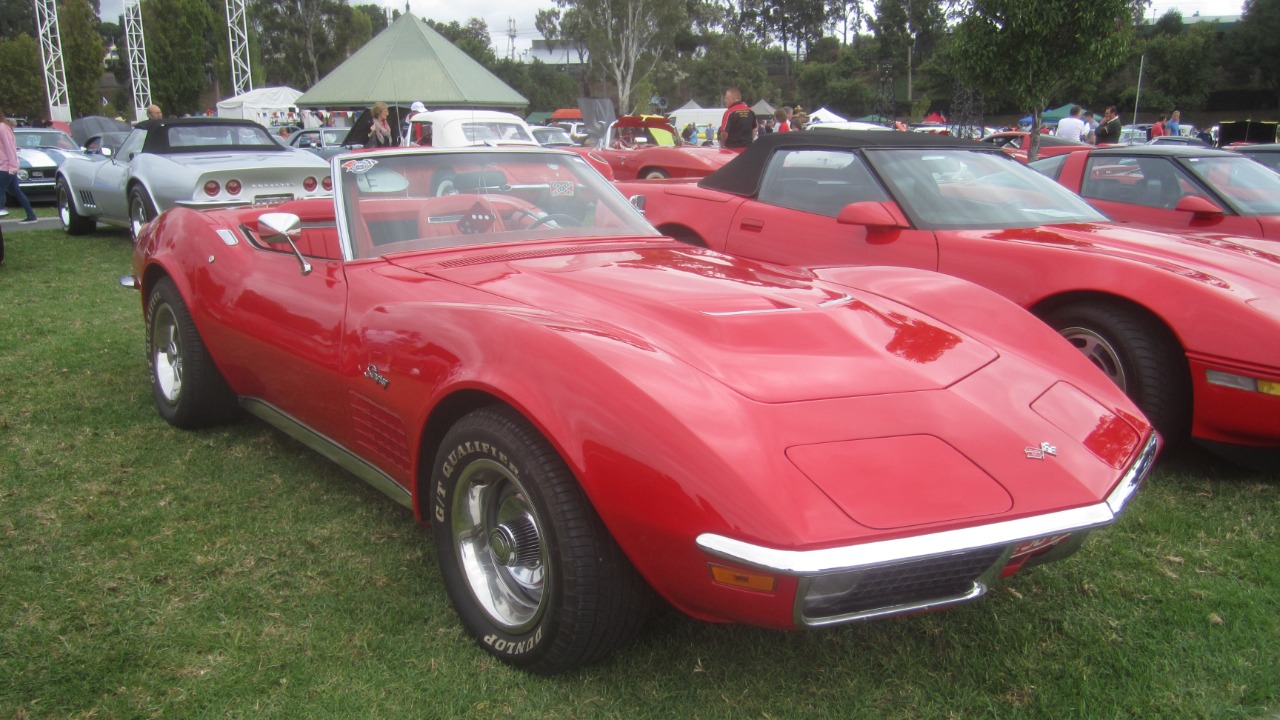
The 1971 Chevrolet Corvette attracts buyers because it combines classic styling with strong V8 performance. However, values can vary considerably depending on originality, equipment, and overall condition. Replacement parts are widely available, but poorly executed restorations can create long-term problems. Understanding the car’s history can help buyers make more informed decisions.
1966 Oldsmobile 442
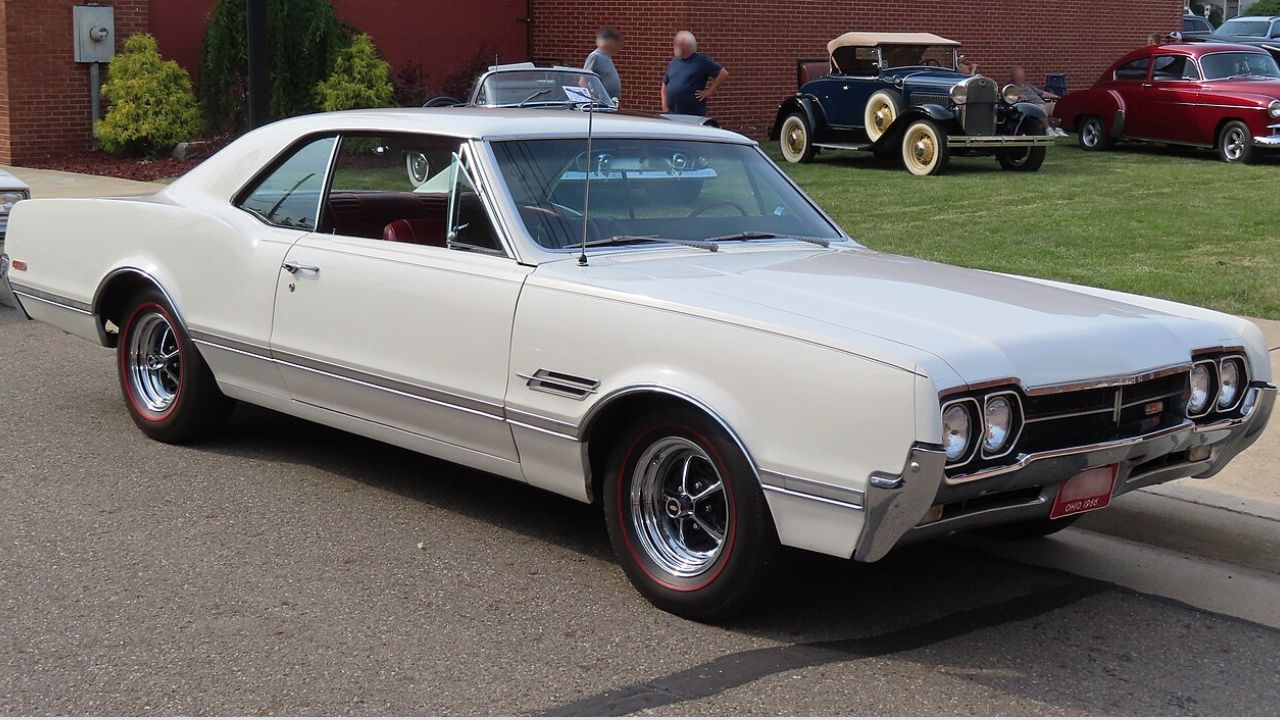
The Oldsmobile 442 is a respected muscle car with several production variations that can confuse inexperienced buyers. Documentation becomes especially important when verifying factory equipment and drivetrain specifications. Because many examples have been modified over the years, researching production details can help determine whether a vehicle remains true to its original configuration.
1967 Pontiac Firebird
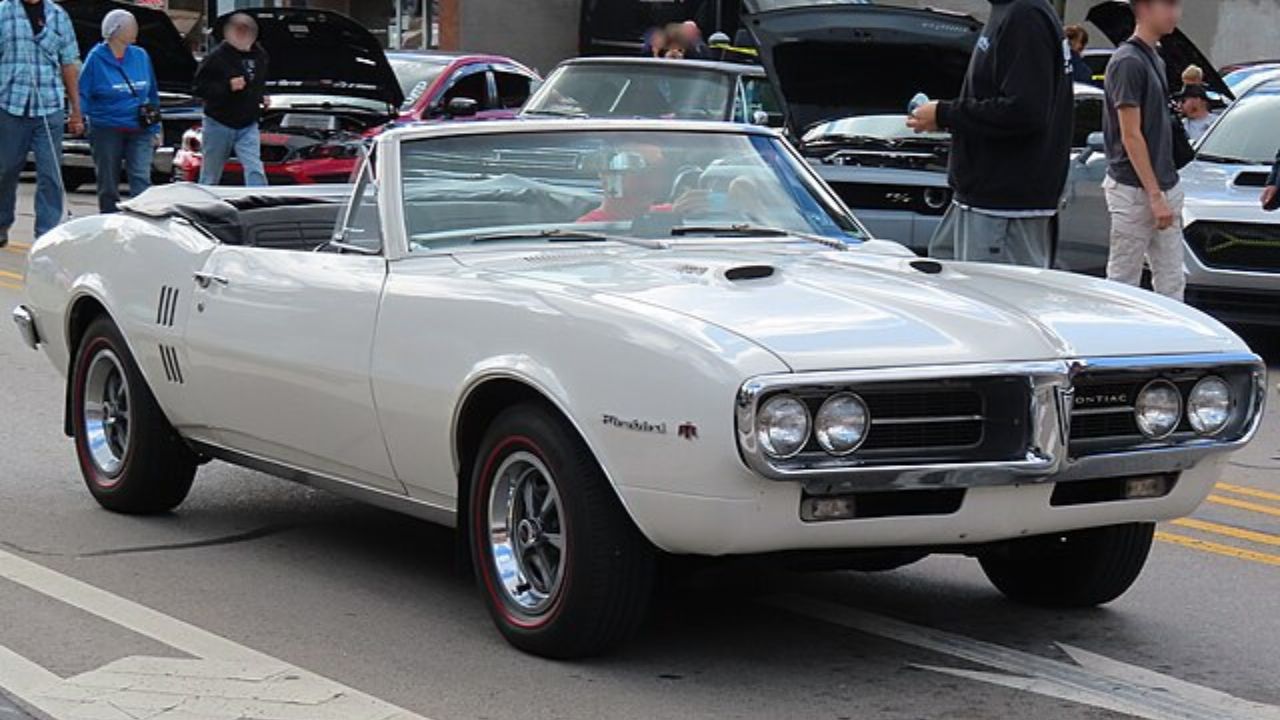
The Pontiac Firebird offers strong collector appeal, but buyers should understand the differences between trim levels and engine packages before entering negotiations. Body condition is particularly important because rust can hide beneath otherwise attractive paint. Taking time to verify originality can protect buyers from expensive restoration work later.
1969 Mercury Cougar XR-7
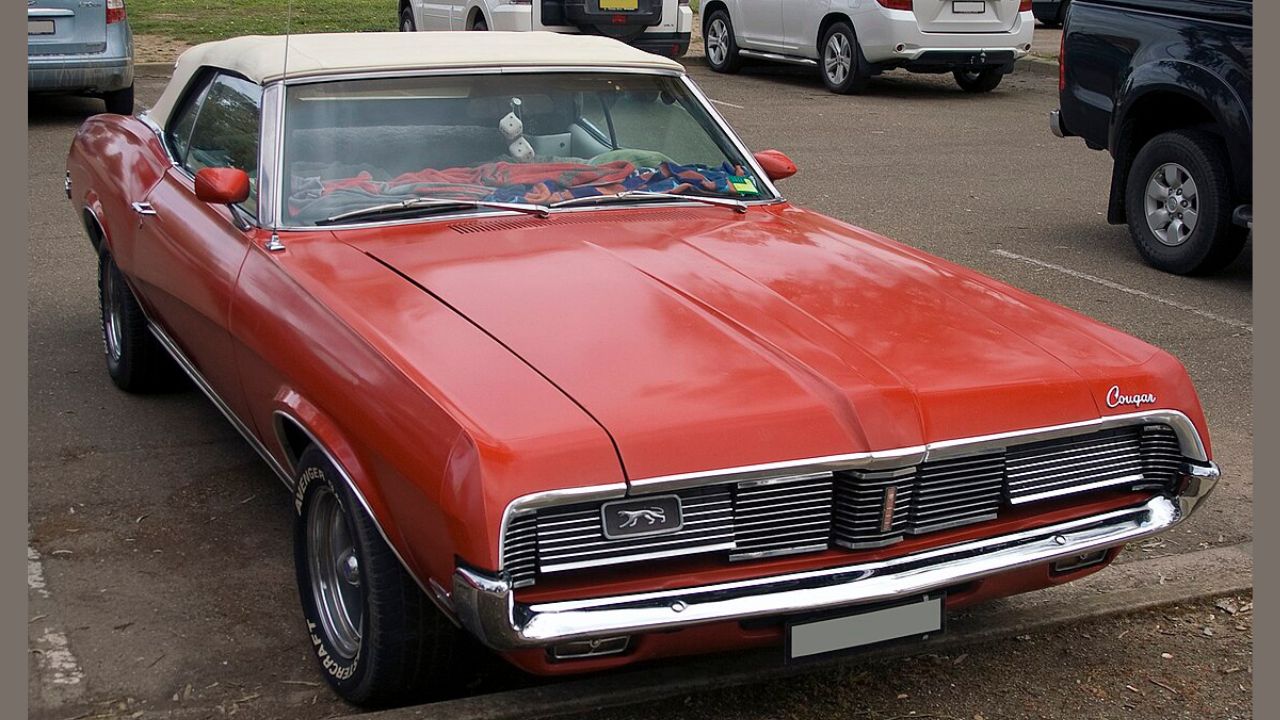
The Mercury Cougar XR-7 combines pony car styling with premium features, but finding original components can sometimes be challenging. Buyers should inspect interior trim, lighting systems, and mechanical components to determine how closely a vehicle matches factory specifications. Researching replacement part availability can also prevent unexpected expenses after the purchase.
1970 Buick GS 455
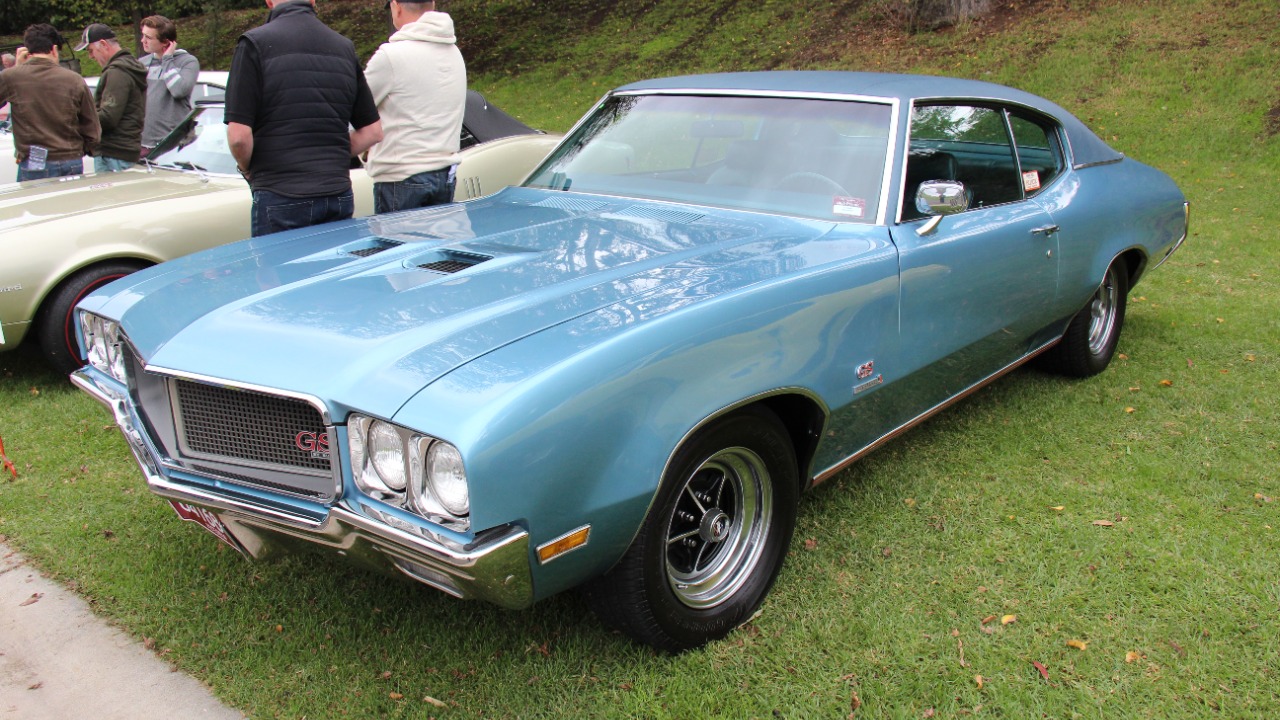
The Buick GS 455 remains one of the most respected muscle cars of its era, but performance upgrades and aftermarket modifications are common. Buyers should verify engine information, examine maintenance records, and inspect the vehicle for evidence of major alterations. A careful review can reveal whether a car represents an authentic collector vehicle or an expensive restoration project.
More from Fast Lane Only
- Unboxing the WWII Jeep in a Crate
- 15 rare Chevys collectors are quietly buying
- 10 underrated V8s still worth hunting down
- Police notice this before you even roll window down
*Research for this article included AI assistance, with all final content reviewed by human editors.