Few American performance cars have shown the staying power of the Pontiac Firebird. Introduced in 1967, the Firebird survived changing emissions standards, fuel shortages, shifting consumer tastes, and fierce competition from rival pony cars. Over four decades, Pontiac continually adapted the formula while preserving the performance image that made the car successful. These Firebird models helped keep the name alive and proved that the badge never seemed to quit.
1967 Pontiac Firebird 400

The Firebird 400 gave Pontiac an immediate presence in the growing pony car market. Its powerful V8 engine, aggressive styling, and strong performance helped it establish an identity separate from the Chevrolet Camaro. Buyers responded positively to Pontiac’s approach, and the model quickly became an important part of the brand’s performance lineup. It laid the foundation for every Firebird that followed.
1969 Pontiac Firebird Trans Am
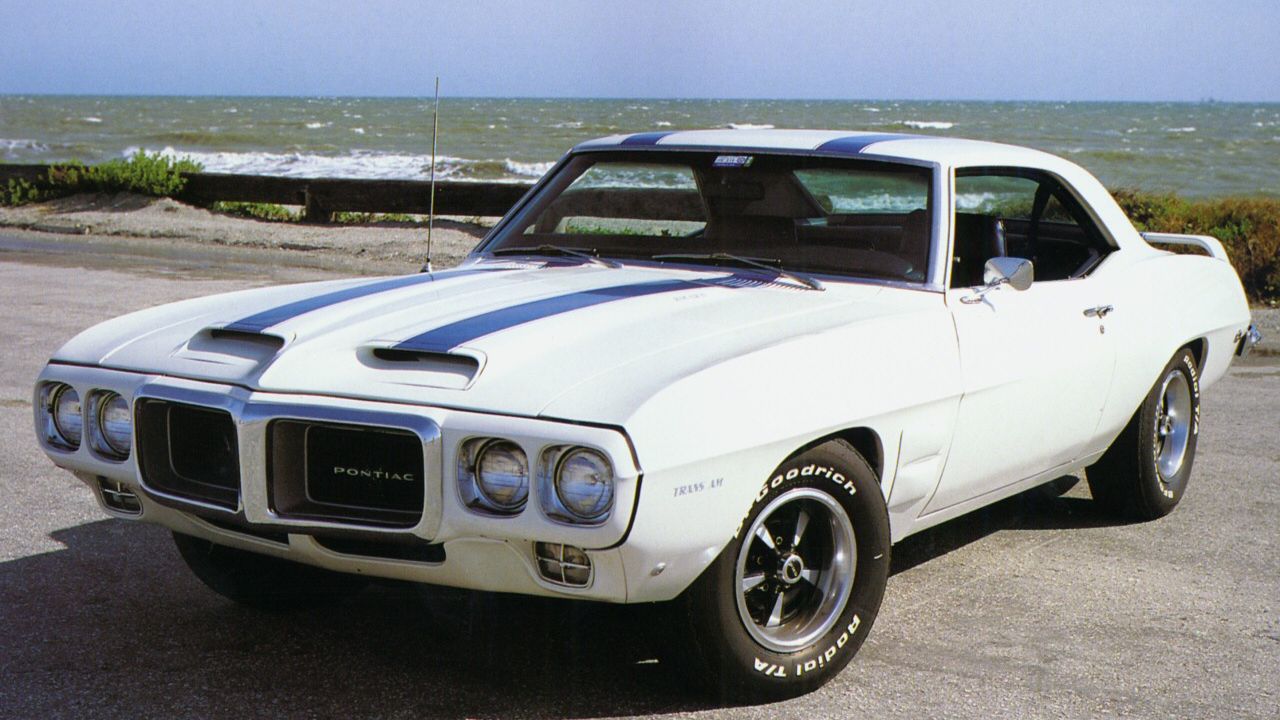
The 1969 Firebird Trans Am introduced a performance package that would eventually become one of Pontiac’s greatest success stories. Distinctive styling features, upgraded suspension components, and increased performance helped separate it from standard models. Production remained limited, but the Trans Am established a reputation that continued growing throughout the following decades.
1970 Pontiac Firebird Formula 400
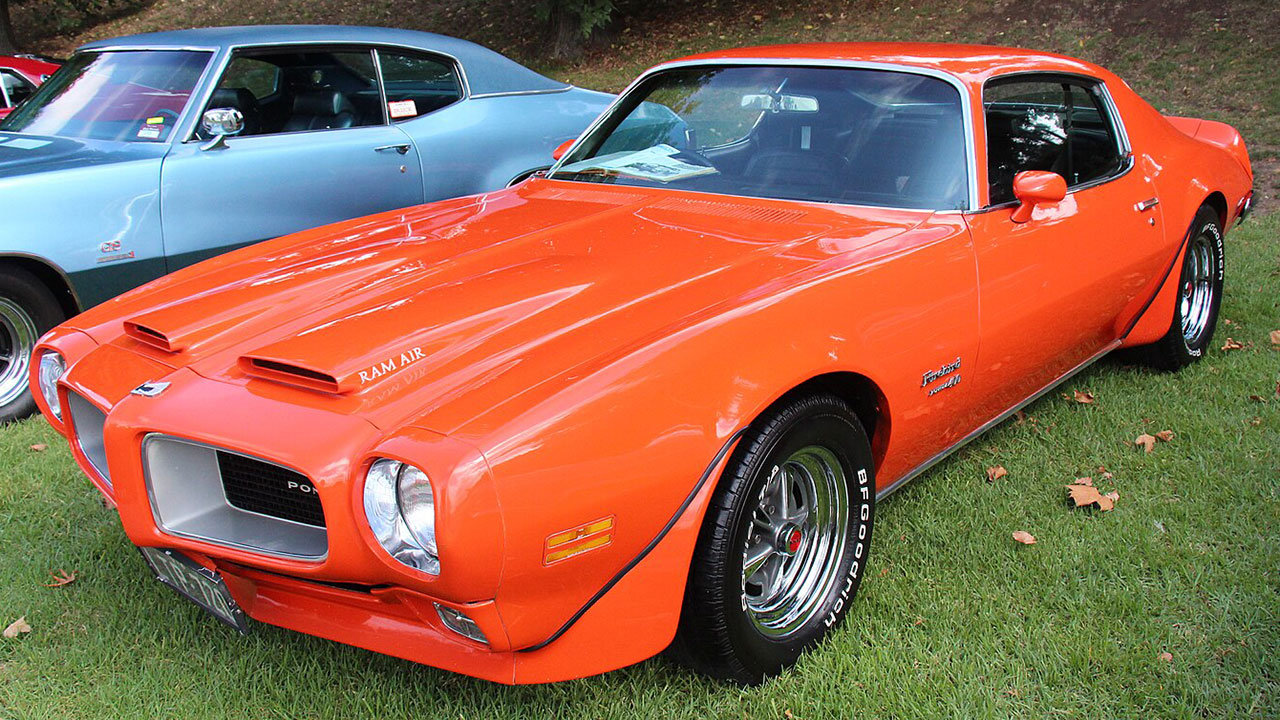
The redesigned 1970 Firebird Formula 400 introduced one of the most recognizable body styles in the model’s history. Its sleek appearance and powerful engine options helped Pontiac strengthen its position in the performance market. The Formula 400 offered a balanced alternative to the more aggressive Trans Am while preserving the driving excitement enthusiasts expected.
1973 Pontiac Firebird Trans Am Super Duty 455
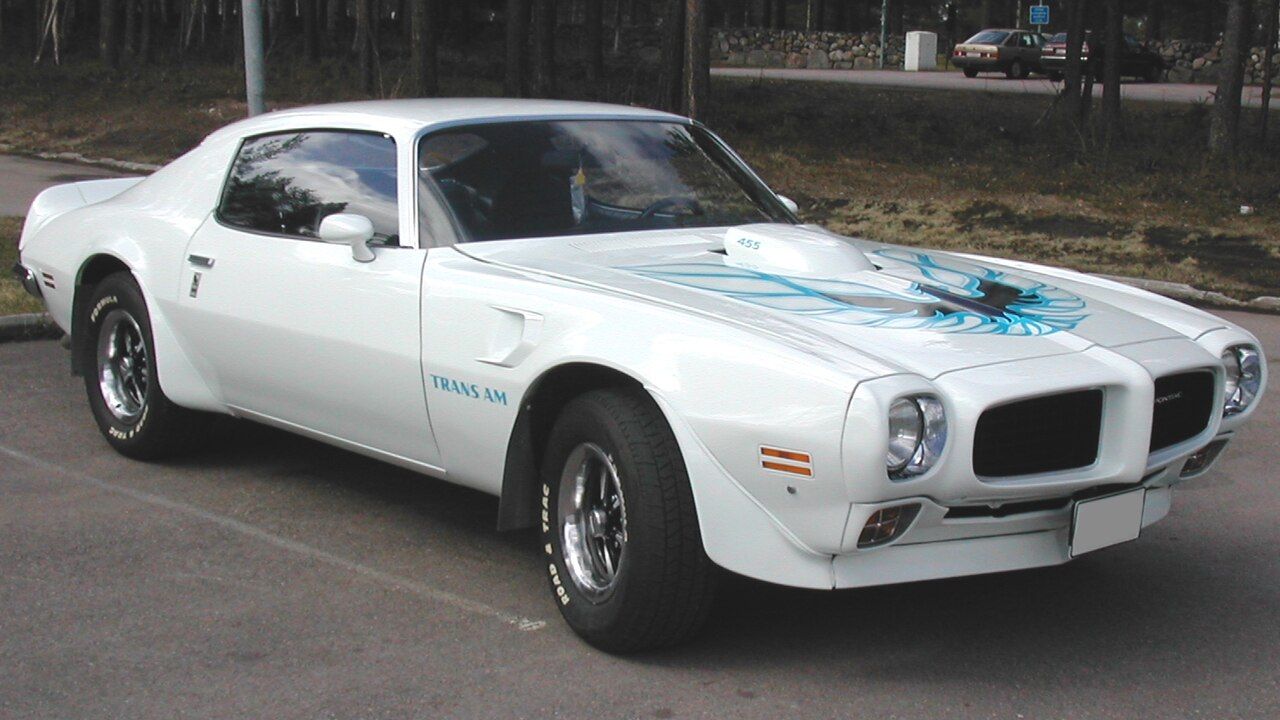
The Super Duty 455 arrived during a difficult period for performance cars, yet it delivered impressive capability when many manufacturers were reducing horsepower. Its hand-built engine and upgraded mechanical components helped preserve Pontiac’s performance reputation. Collectors continue to admire this model because it proved that muscle cars still had life left in them during the early 1970s.
1976 Pontiac Firebird Formula
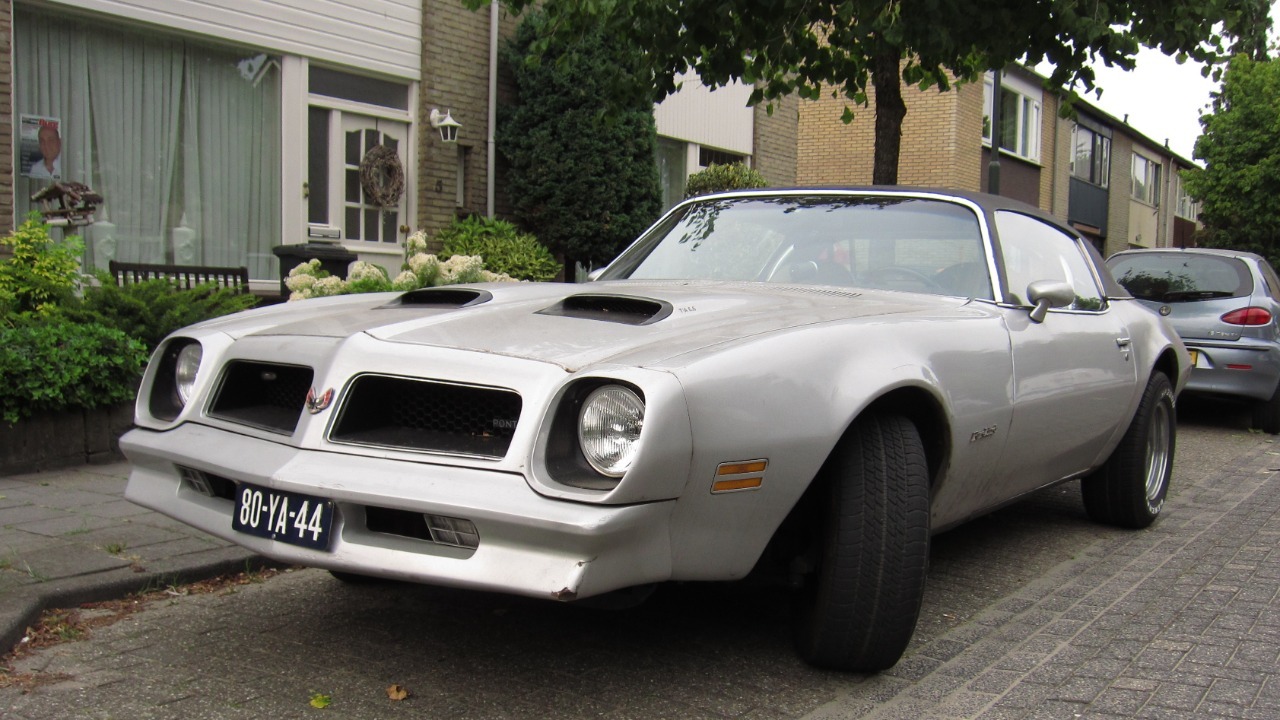
The 1976 Firebird Formula helped maintain interest in performance coupes during a decade shaped by stricter regulations and changing priorities. Its distinctive styling and available V8 engines continued attracting buyers who wanted something more exciting than an ordinary car. The Formula kept the Firebird relevant while many competing performance models disappeared.
1977 Pontiac Firebird Trans Am
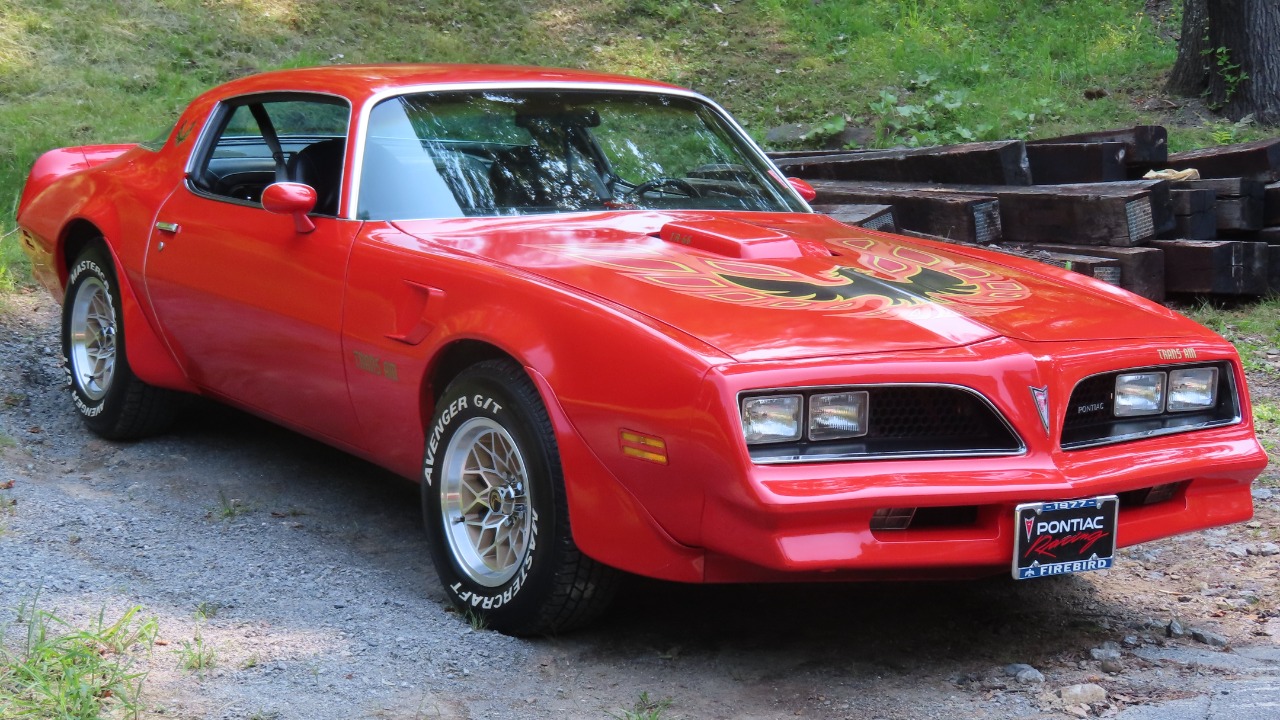
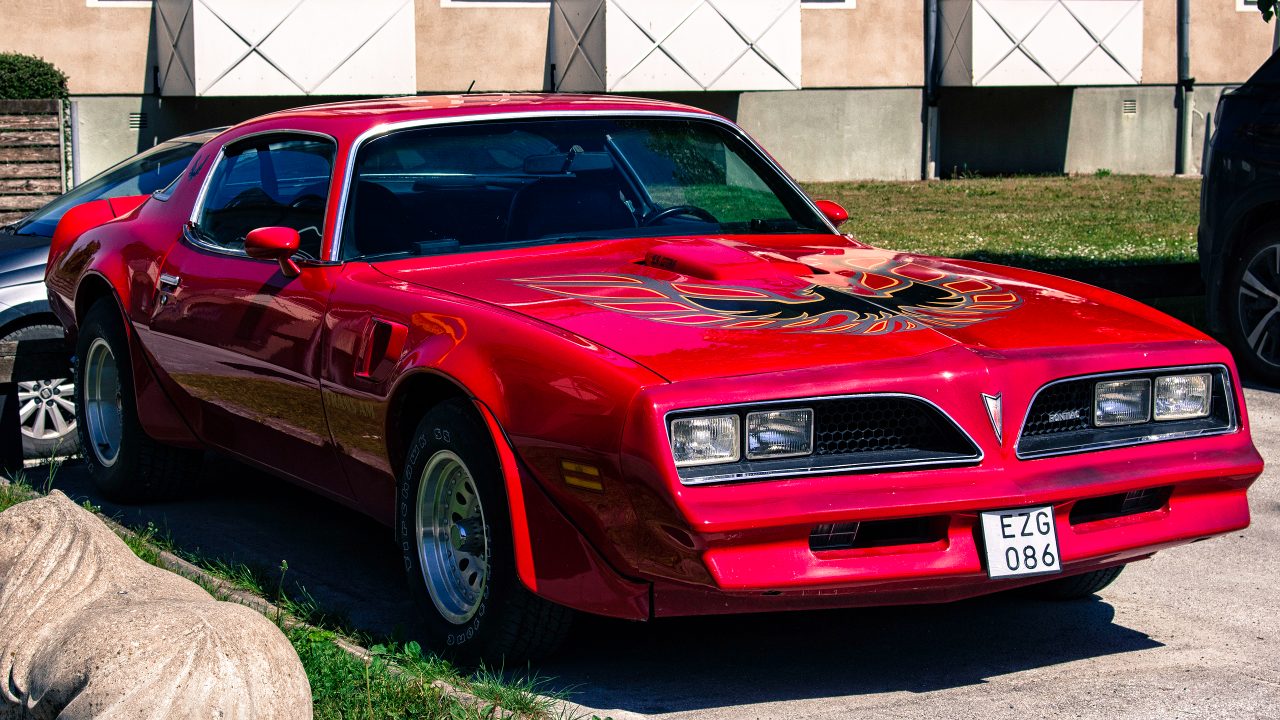
The 1977 Firebird Trans Am became one of the most recognizable cars of the decade thanks to its aggressive styling and growing popularity in popular culture. Its bold appearance introduced the Firebird to an entirely new audience and dramatically increased demand. Even today, it remains one of the first vehicles many people associate with Pontiac performance.
1982 Pontiac Firebird Trans Am
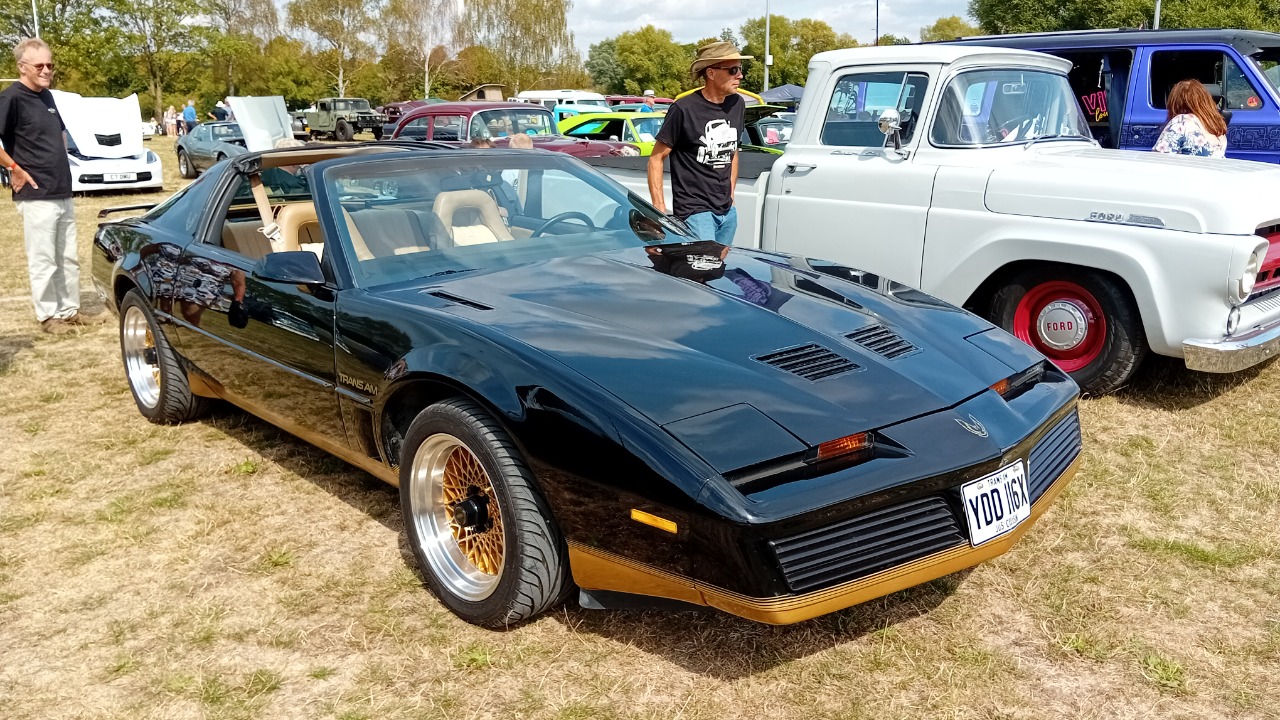
The third-generation Firebird introduced lighter construction, improved aerodynamics, and a more modern design. These changes helped Pontiac adapt to a rapidly changing automotive market without abandoning the Firebird’s performance identity. The new generation successfully carried the name into the 1980s and ensured its continued relevance among younger buyers.
1996 Pontiac Firebird Trans Am
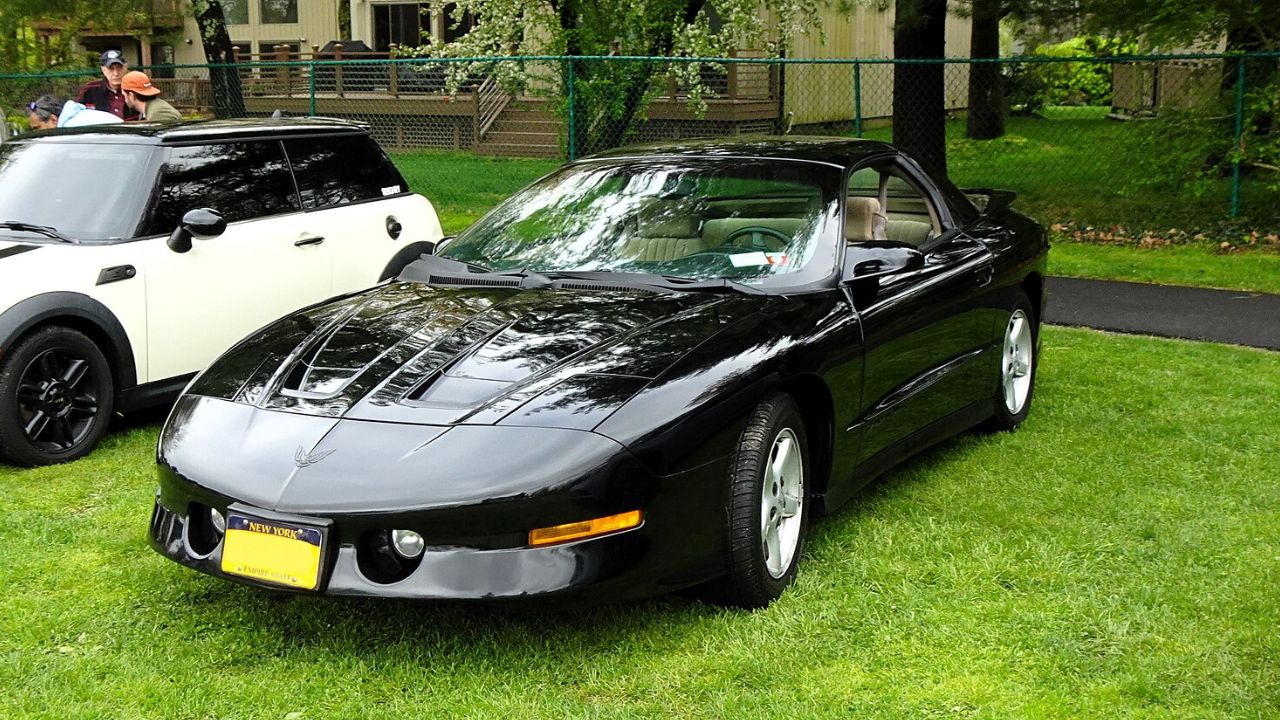
The 1996 Firebird Trans Am benefited from continued improvements in performance and technology. Better engines and chassis development allowed it to compete effectively against a new generation of sports cars. Its combination of speed and affordability attracted enthusiasts who wanted modern performance without the high cost associated with imported rivals.
2002 Pontiac Firebird Trans Am WS6
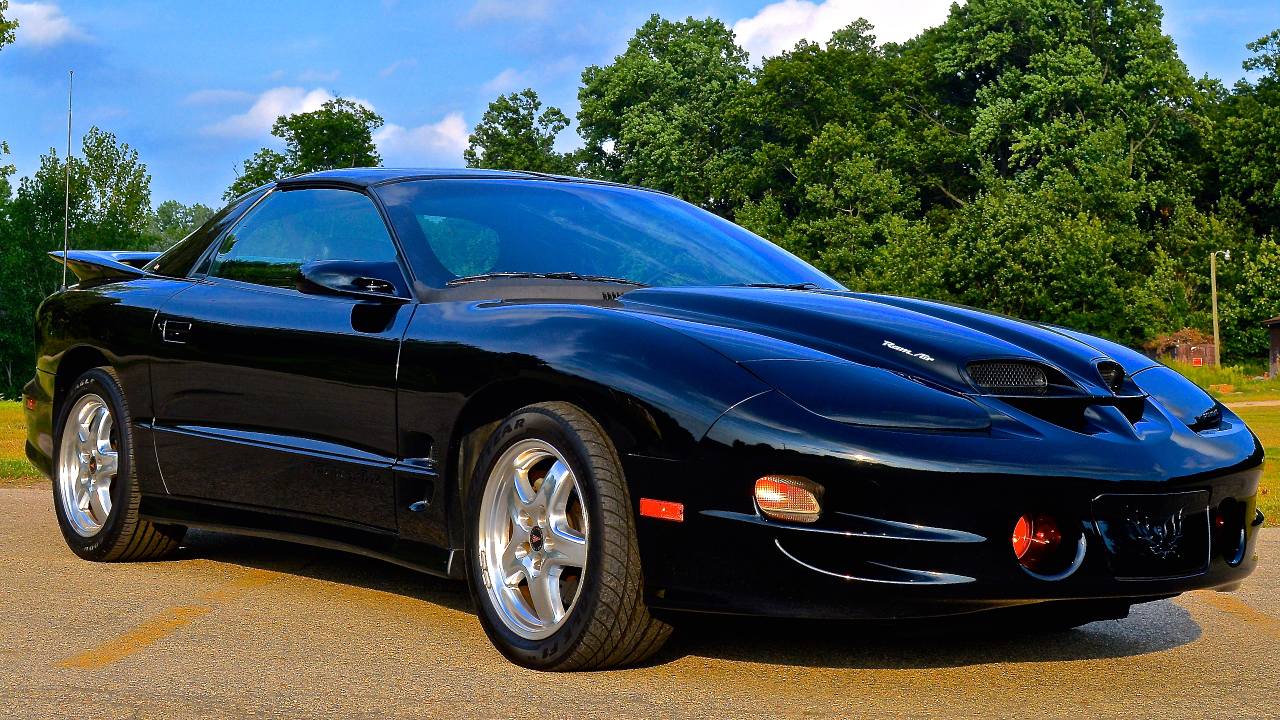
The 2002 Firebird Trans Am WS6 marked the end of an era for Pontiac. Its functional hood, suspension upgrades, and powerful LS1 V8 represented the strongest version of the fourth-generation Firebird. Although production ended after the 2002 model year, enthusiasm for the Firebird never disappeared. The WS6 ensured that the name left the market on a high note.
More from Fast Lane Only
- Unboxing the WWII Jeep in a Crate
- 15 rare Chevys collectors are quietly buying
- 10 underrated V8s still worth hunting down
- Police notice this before you even roll window down
*Research for this article included AI assistance, with all final content reviewed by human editors.