The 1970s produced some of the most interesting cars in American and European automotive history. Performance was changing, luxury cars were becoming more refined, and manufacturers were experimenting with smaller designs and new technology. Some models have become icons, while others remain favorites among enthusiasts who appreciate what made the decade different. These ten continue to command respect decades later.
Pontiac Firebird Trans Am
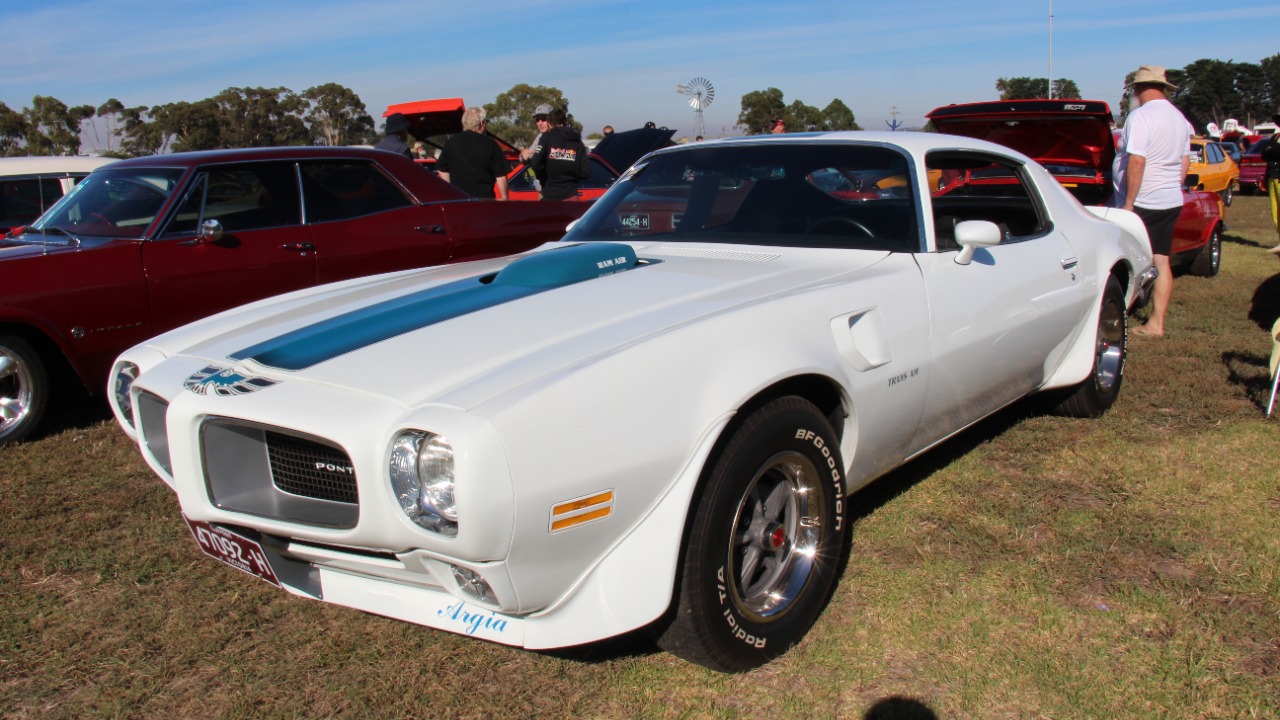
The Pontiac Firebird Trans Am kept the performance-car spirit alive during a difficult decade for horsepower. Its aggressive styling, available V8 engines, and unmistakable graphics gave it an identity few competitors could match. Later versions became especially recognizable through popular culture. Despite changing regulations and fuel concerns, the Trans Am demonstrated that enthusiasts still wanted cars that looked and felt exciting.
Datsun 240Z
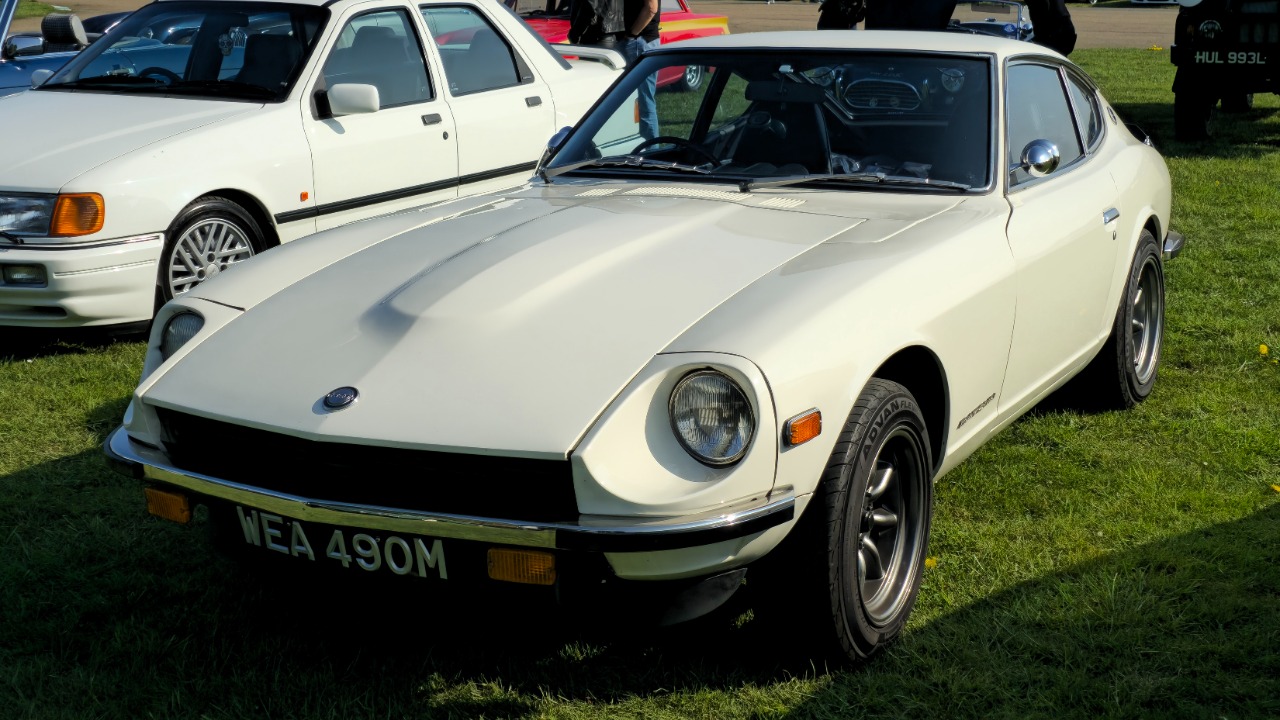
The Datsun 240Z brought sleek sports-car styling, six-cylinder power, and impressive handling to buyers at a price that undercut many European competitors. Its long hood and compact proportions gave it an unmistakable appearance, while its relatively simple mechanical design helped establish a strong enthusiast following. The 240Z became one of the most influential Japanese sports cars of the decade.
Porsche 911
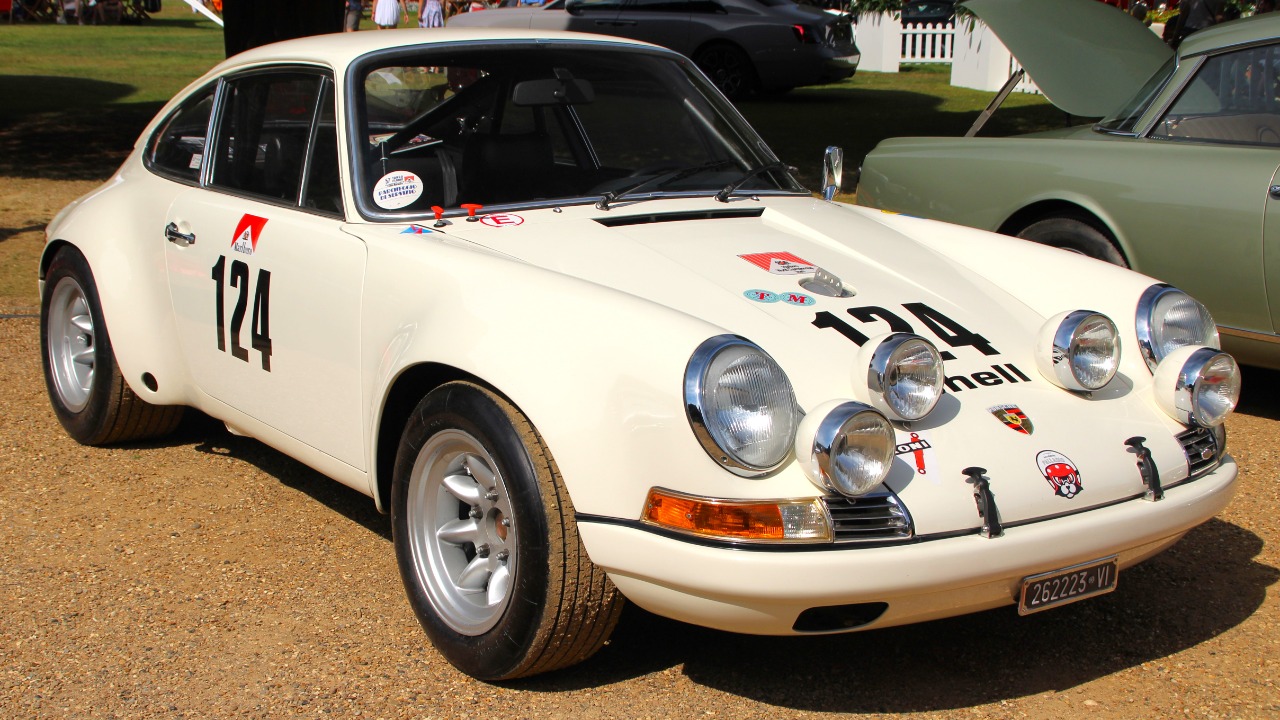
The Porsche 911 continued developing throughout the 1970s, building a reputation for engineering, handling, and distinctive design. Its rear-engine layout remained unusual, but careful development turned that configuration into one of the world’s most recognizable performance formulas. The 911’s ability to combine everyday usability with serious driving ability helped establish a legacy that remains strong today.
BMW 2002
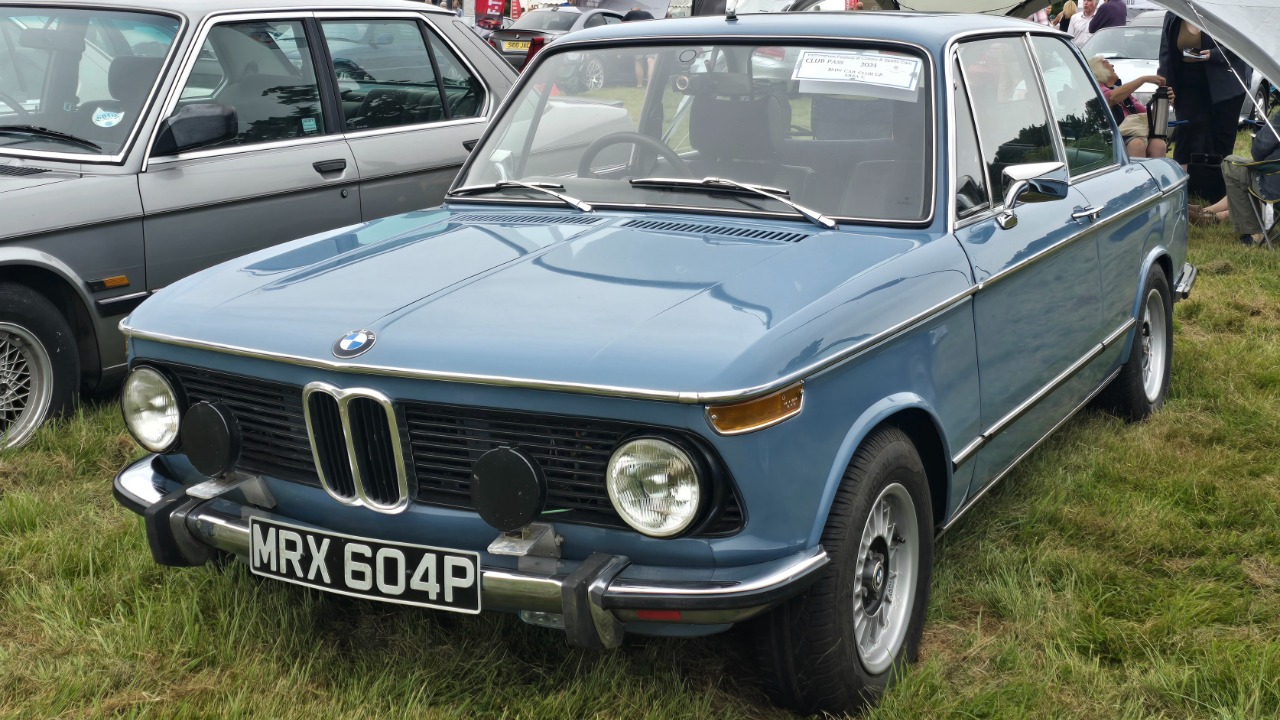
The BMW 2002 helped introduce a broader audience to the idea of a compact sports sedan. Its lightweight body, responsive handling, and lively four-cylinder engine made it entertaining without requiring huge power. The simple design also became a favorite among enthusiasts who valued balance over outright speed. The 2002 played an important role in establishing BMW’s performance-oriented reputation.
Ford Mustang Cobra II
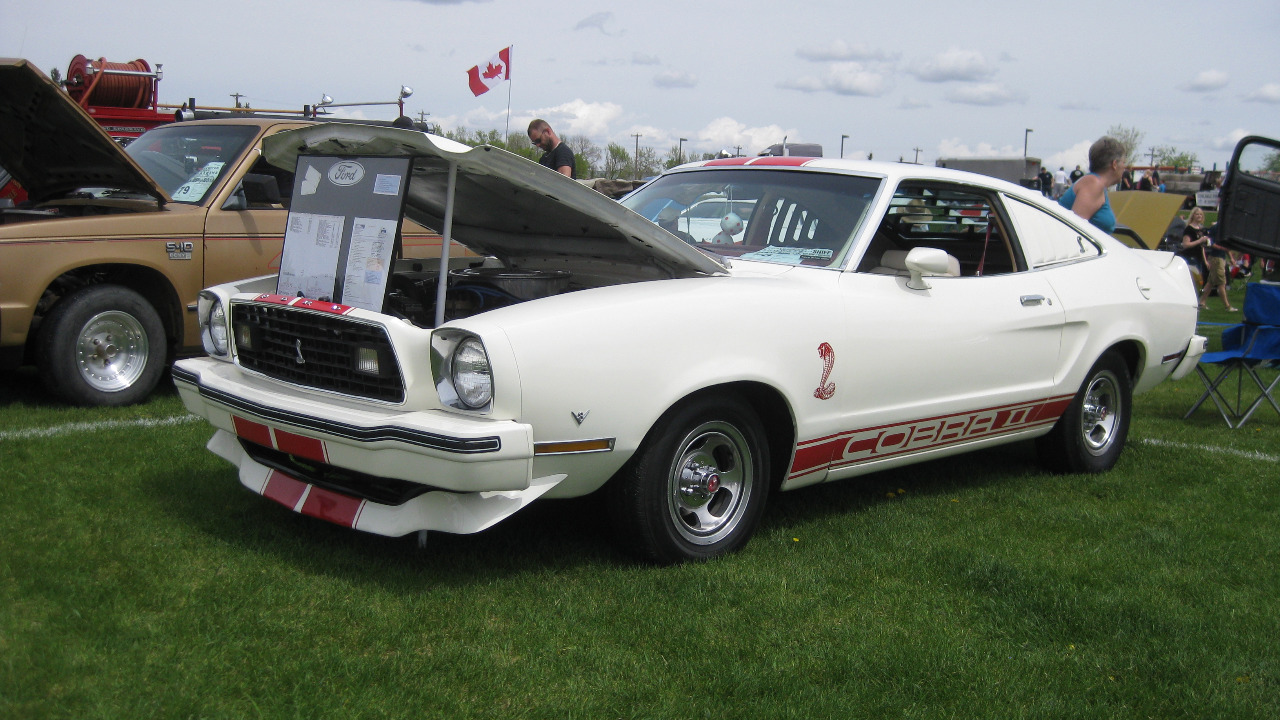
The Mustang Cobra II reflected the changing realities of the 1970s Mustang. Its bold graphics, sporty trim, and available V8 gave it more visual attitude than many ordinary compact cars. Although performance was modest compared with earlier Mustangs, the Cobra II helped keep the Mustang name alive during a challenging period. Today, its unmistakable styling has developed a nostalgic following.
Chevrolet Monte Carlo
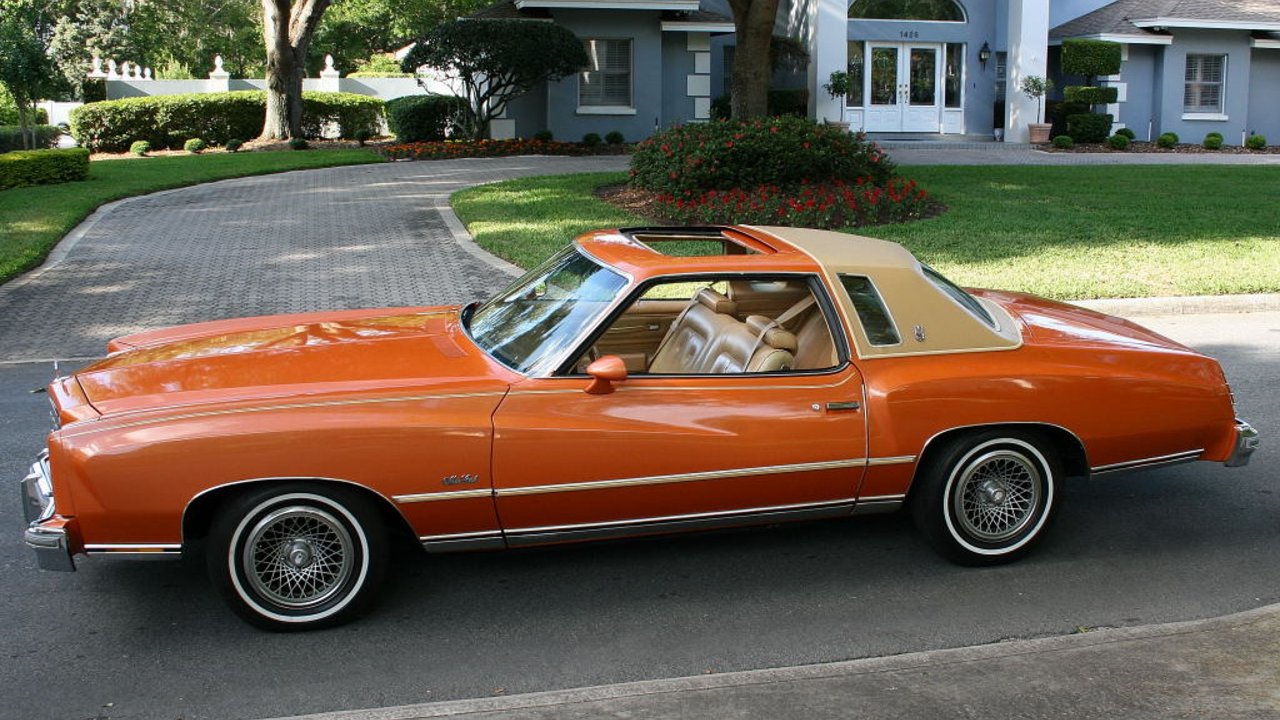
The Chevrolet Monte Carlo became a defining personal luxury coupe of the decade. Its long hood, formal roofline, comfortable interior, and available V8 engines made it equally suited to suburban cruising and long highway trips. It captured the period’s fascination with larger personal cars even as the industry was beginning to move toward smaller vehicles.
Cadillac Seville

The Cadillac Seville represented one of the brand’s biggest departures from its traditional formula. Its smaller dimensions and European-inspired proportions reflected changing expectations for luxury cars. The Seville retained a comfortable cabin while becoming easier to maneuver and more efficient than Cadillac’s enormous traditional models. It showed that even America’s most established luxury brand could adapt to a rapidly changing market.
Volkswagen Golf GTI
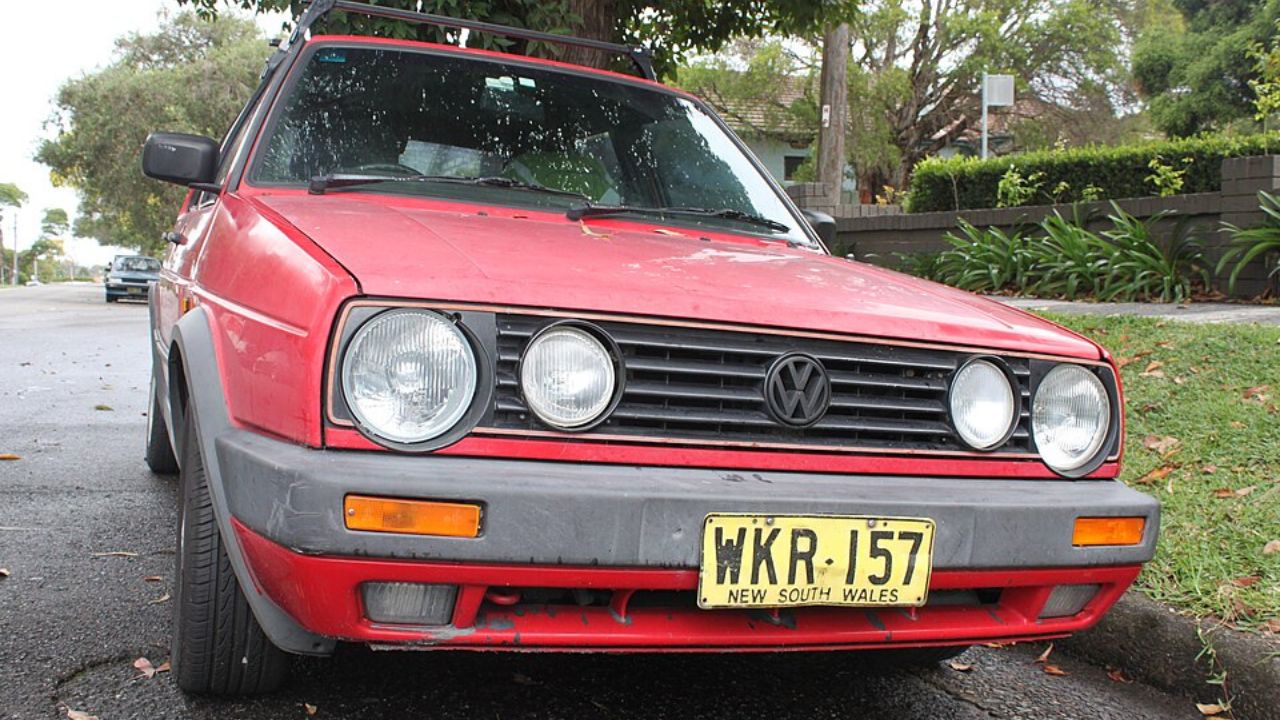
The Volkswagen Golf GTI helped establish the modern hot-hatch formula. It combined a practical hatchback body with a lightweight chassis, responsive handling, and a lively engine. The result was a car that could handle commuting during the week and entertaining driving on the weekend. Its influence can still be seen in performance hatchbacks sold today.
Lamborghini Countach

The Lamborghini Countach turned the idea of the exotic supercar into something dramatically more theatrical. Its wedge-shaped body, scissor doors, and aggressive proportions made it look like a concept car that had somehow escaped onto public roads. Performance matched the visual drama, thanks to its powerful V12. Few cars better captured the excess and ambition associated with 1970s supercar design.
Toyota Celica
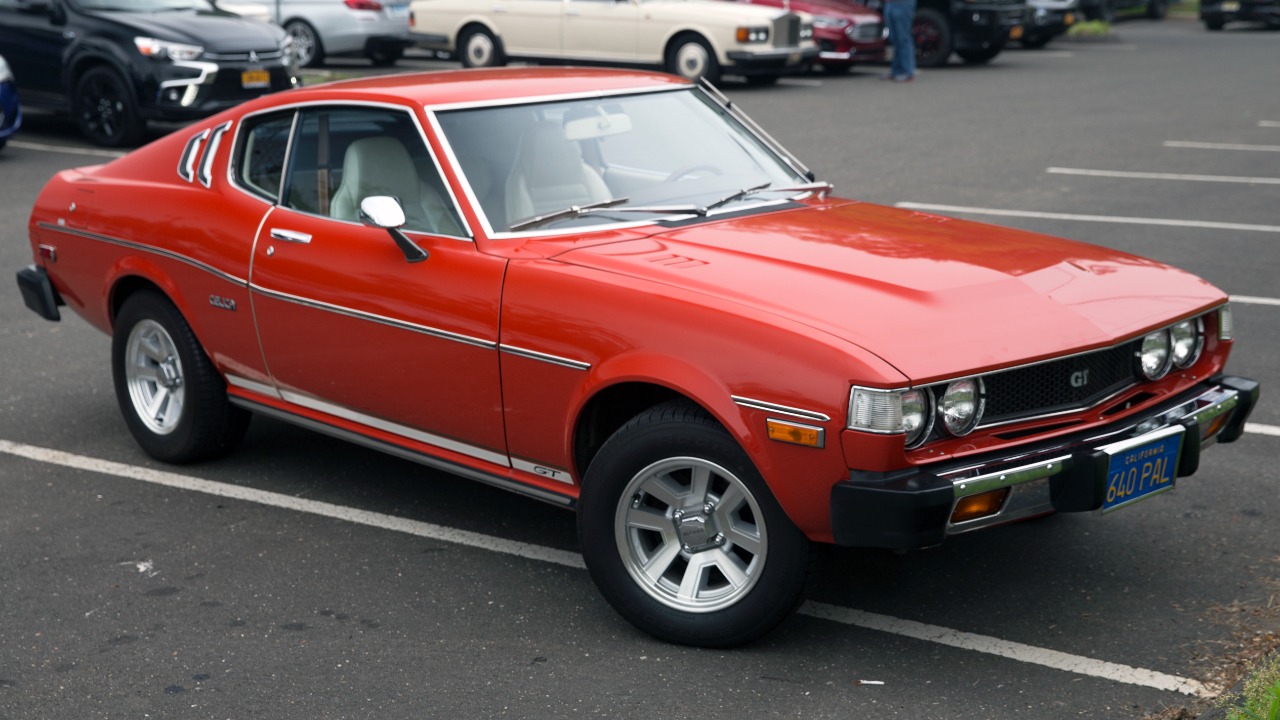
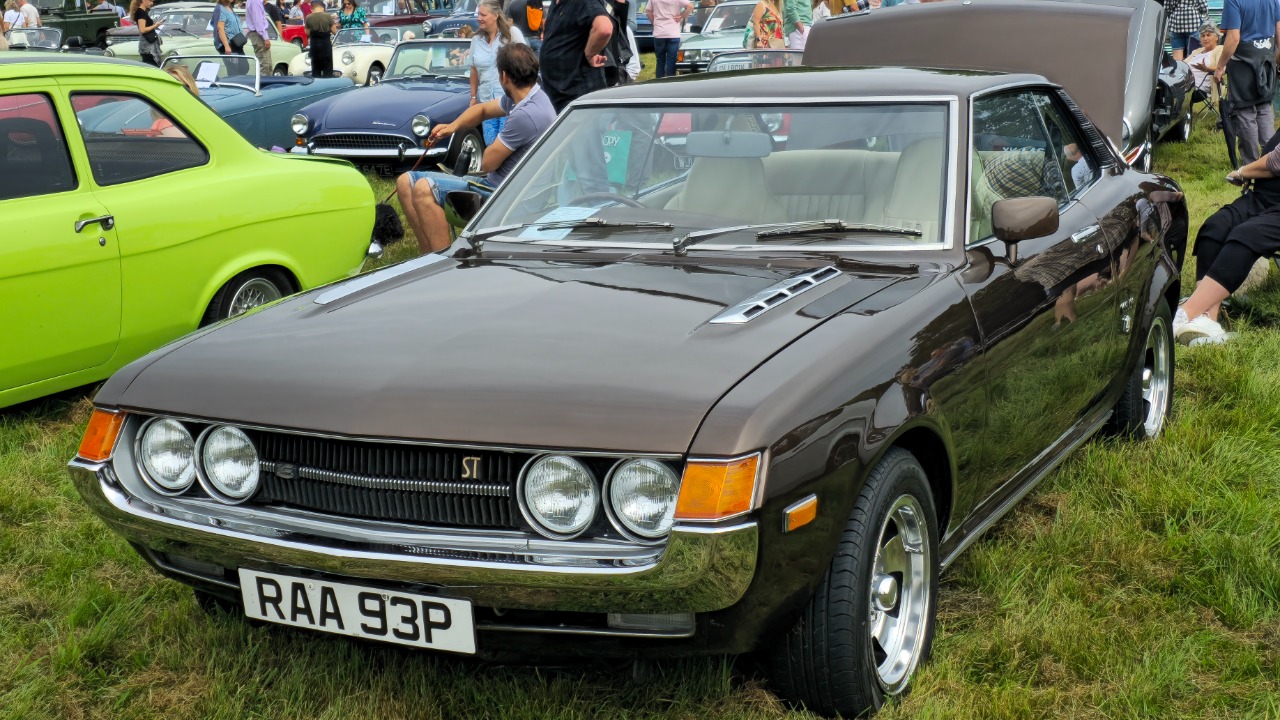
The Toyota Celica gave buyers a stylish and affordable alternative to larger American coupes and expensive European sports cars. Its compact proportions, sporty design, and dependable mechanical foundation helped it gain a strong following. The Celica also demonstrated how quickly Japanese manufacturers were becoming serious competitors in the global performance and enthusiast markets.
More from Fast Lane Only
- Unboxing the WWII Jeep in a Crate
- 15 rare Chevys collectors are quietly buying
- 10 underrated V8s still worth hunting down
- Police notice this before you even roll window down
*Research for this article included AI assistance, with all final content reviewed by human editors