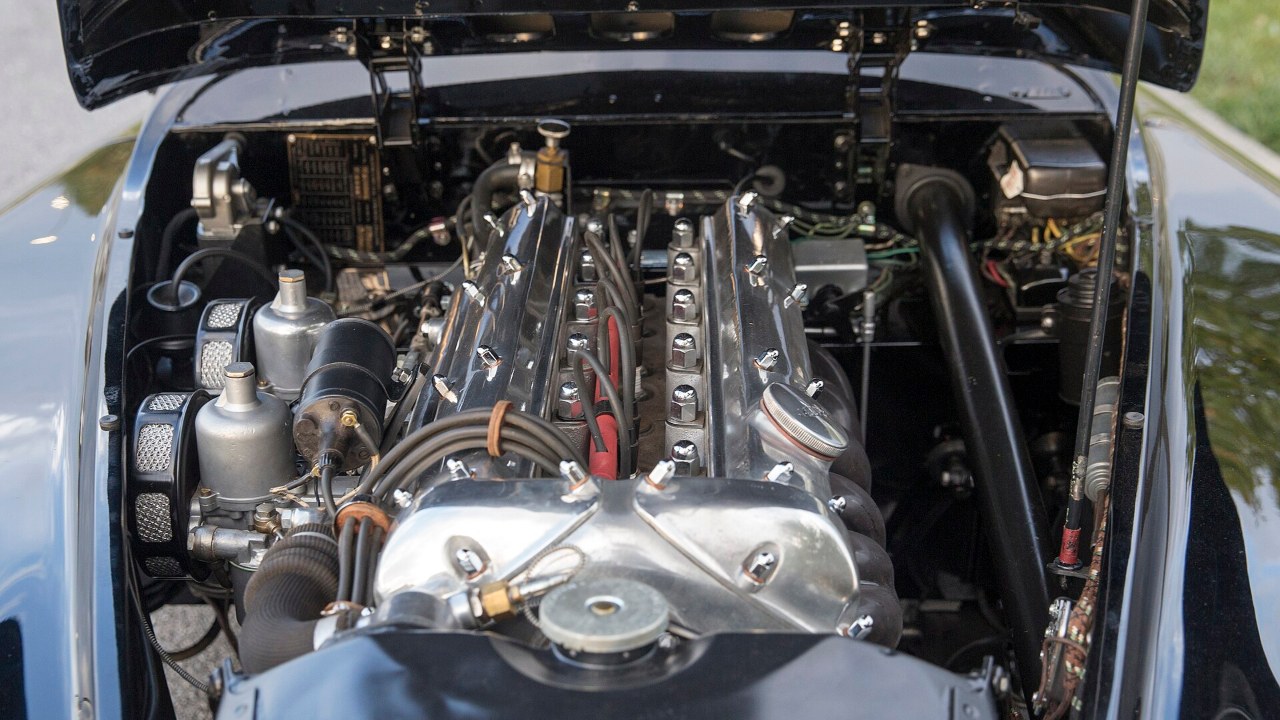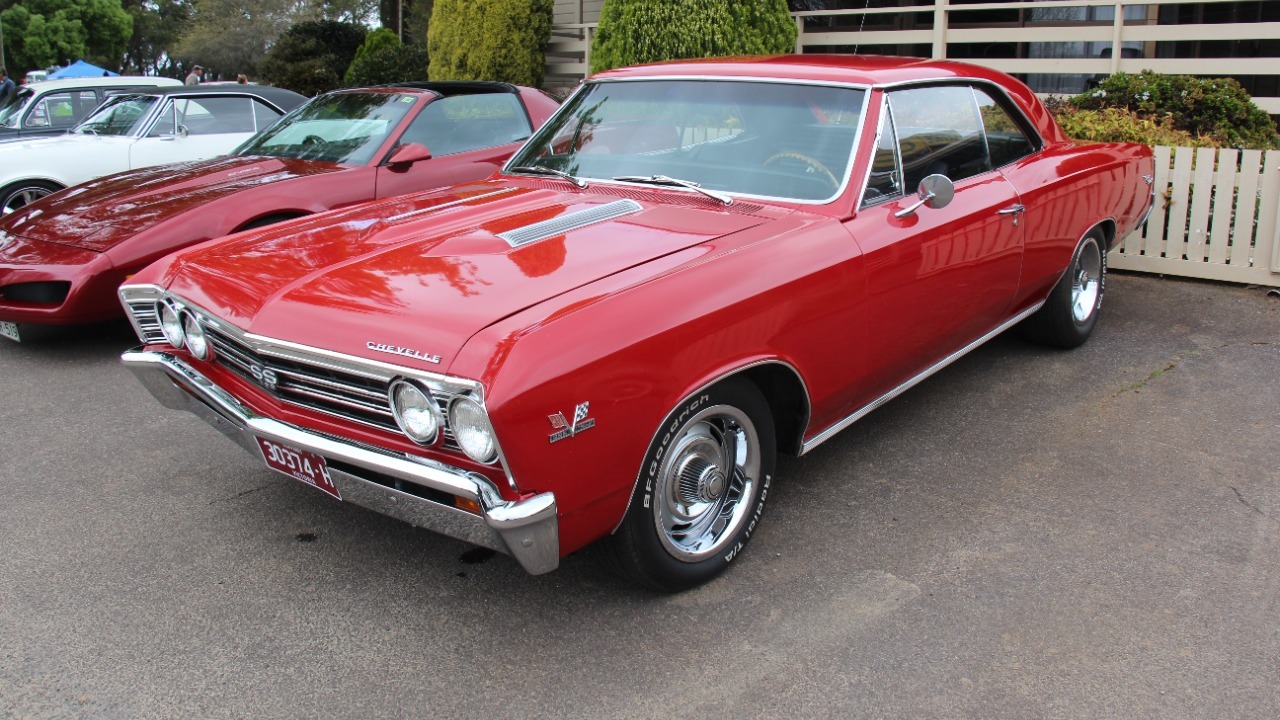
Drag racing is hard on cars, yet some machines became famous for surviving years of launches, hard shifts, and high-rpm passes. Their durability came from simple mechanical layouts, strong engines, sturdy drivetrains, and platforms that could take repeated punishment. These ten classic drag racers earned reputations for being remarkably tough while still delivering serious straight-line performance.
Chevrolet Nova
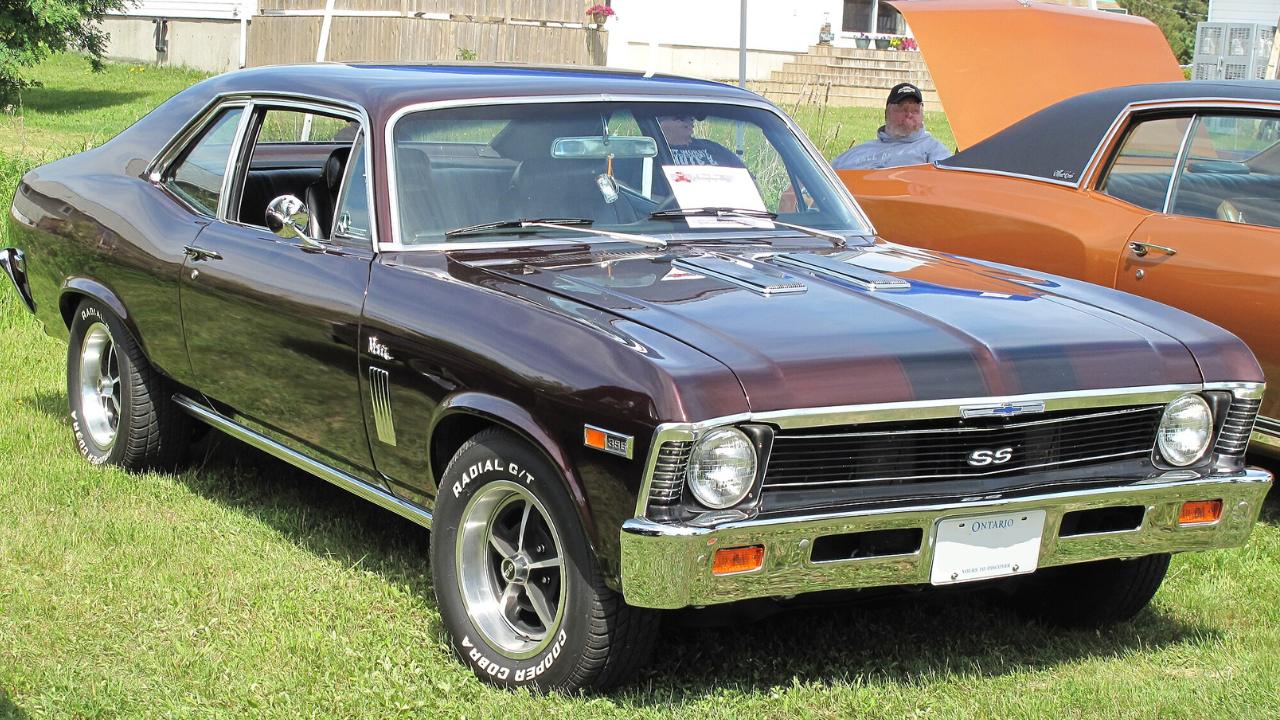
The Chevrolet Nova became a favorite drag-racing platform because its compact body could accommodate powerful V8 engines without excessive weight. Its simple chassis and enormous aftermarket made repairs and upgrades straightforward. Many were modified for competition, but the underlying platform remained remarkably durable. A properly prepared Nova could survive repeated passes while remaining relatively easy to maintain.
Ford Mustang
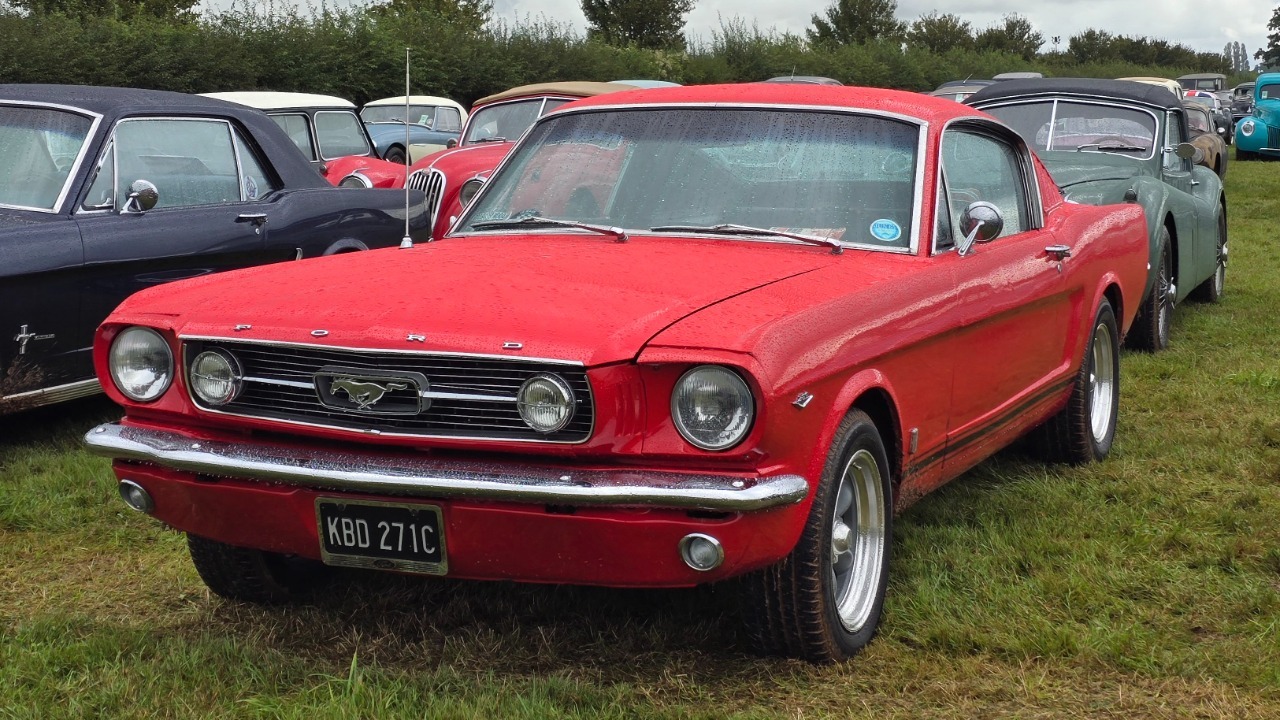
The Mustang became one of the most popular drag-racing cars in America because performance parts were everywhere and V8 power was readily available. Its straightforward rear-wheel-drive layout made modifications relatively simple. Generations of racers learned to build and maintain Mustangs, creating an enormous knowledge base. That support helped many competition cars survive years of hard use.
Chevrolet Camaro
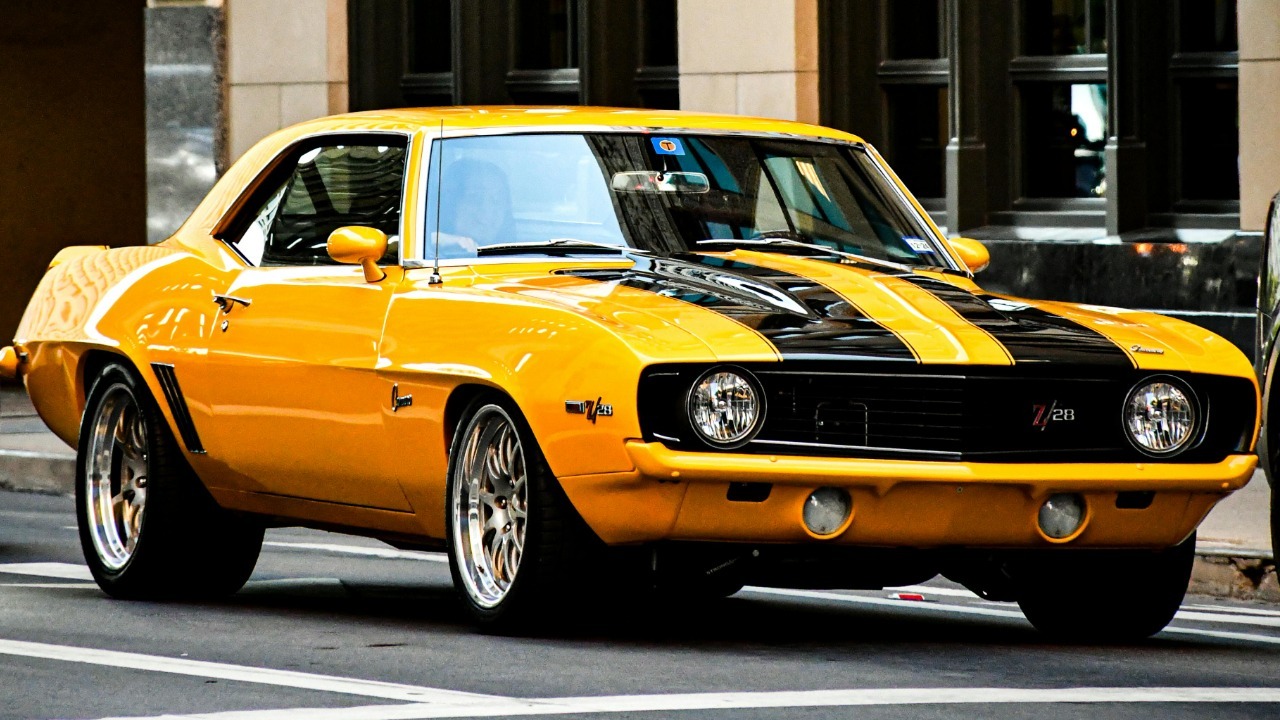
The Camaro offered a lightweight body, strong V8 options, and a chassis well suited to straight-line performance. Its popularity meant racers had access to an enormous range of replacement and performance components. Even heavily used examples could be rebuilt repeatedly. That combination of simplicity and support made the Camaro one of the most enduring platforms in American drag racing.
Plymouth Duster
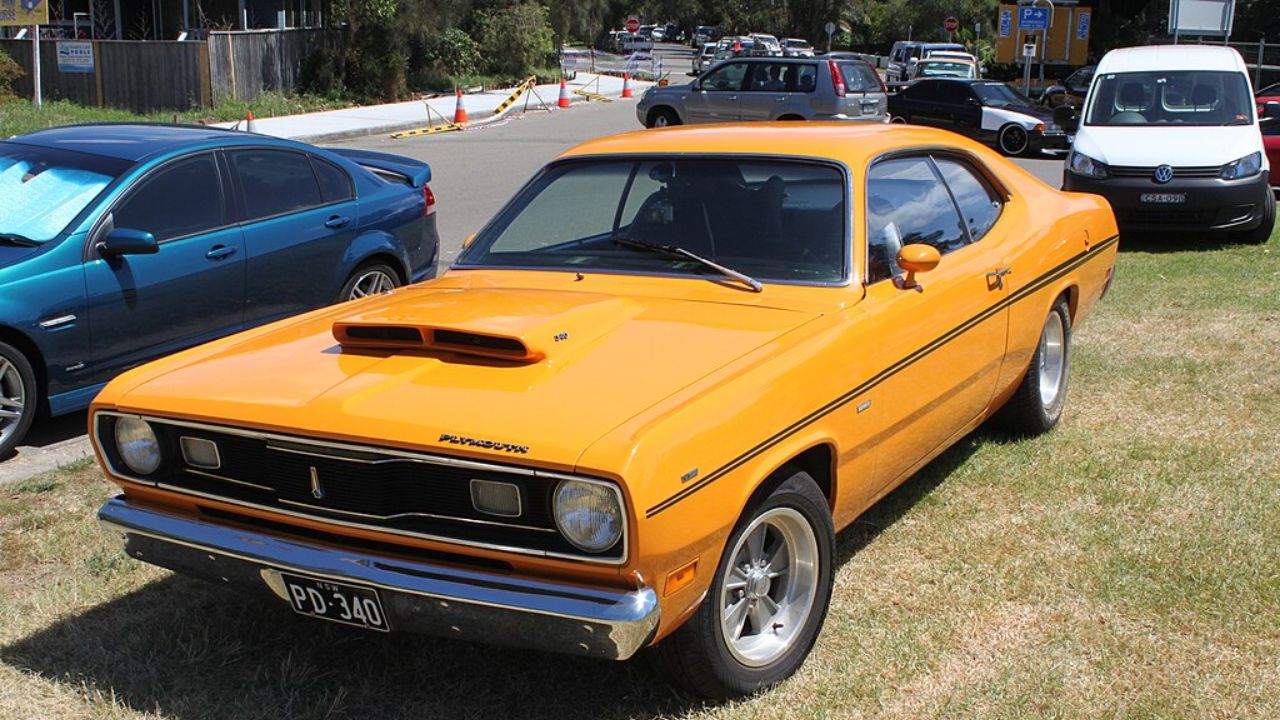
The Duster’s relatively compact body and simple mechanical layout made it an excellent foundation for a budget-minded drag car. V8 versions provided a strong starting point, while the lightweight body helped acceleration. Many were modified beyond recognition, but their basic architecture proved tough. The Duster remains an underrated choice for enthusiasts interested in traditional Mopar drag racing.
Dodge Dart
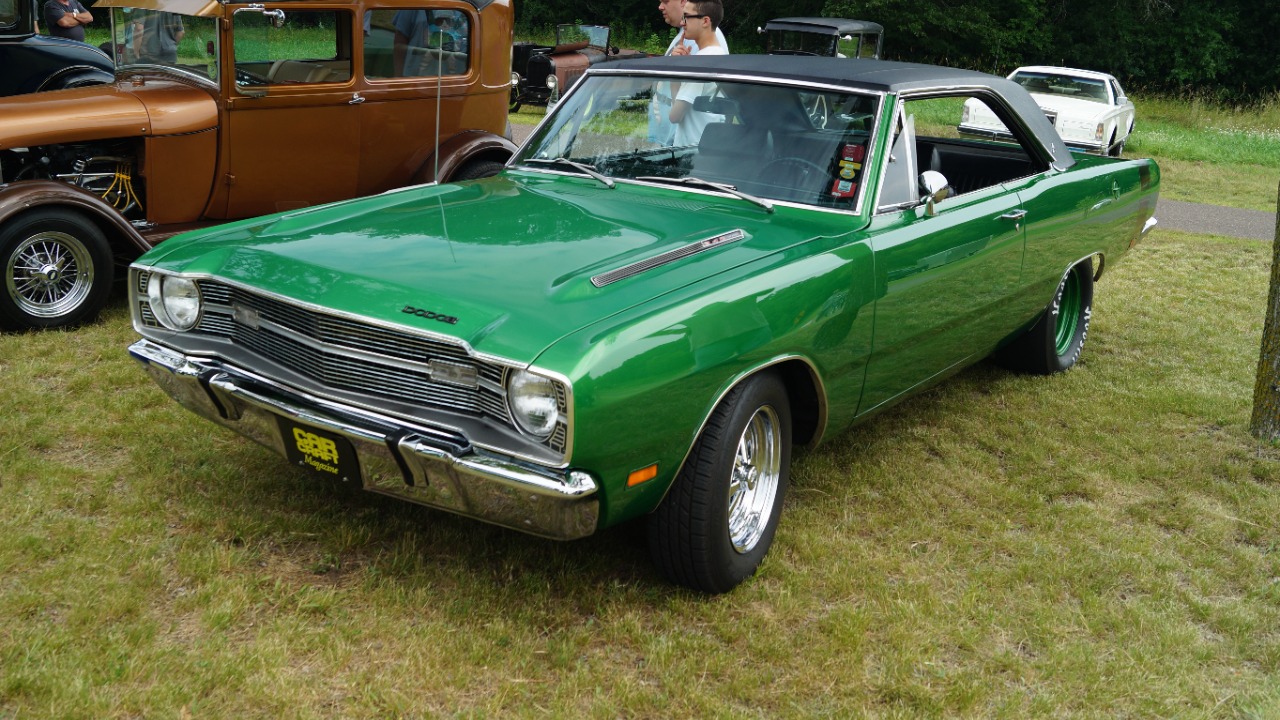
The Dodge Dart offered the same basic advantages that made many classic Mopar products successful at the strip. Its compact dimensions, rear-wheel-drive chassis, and available V8 engines created plenty of performance potential. The platform could handle serious modifications without requiring exotic engineering. Surviving examples remain popular with racers because parts and technical knowledge are still plentiful.
Ford Fairlane

The Ford Fairlane offered a useful balance between relatively manageable weight and substantial V8 power. It was not as famous as the Mustang, but racers discovered that the platform could be transformed into a formidable straight-line machine. Its conventional mechanical layout also made maintenance relatively straightforward. Well-built Fairlane drag cars could withstand years of competition.
Pontiac Firebird
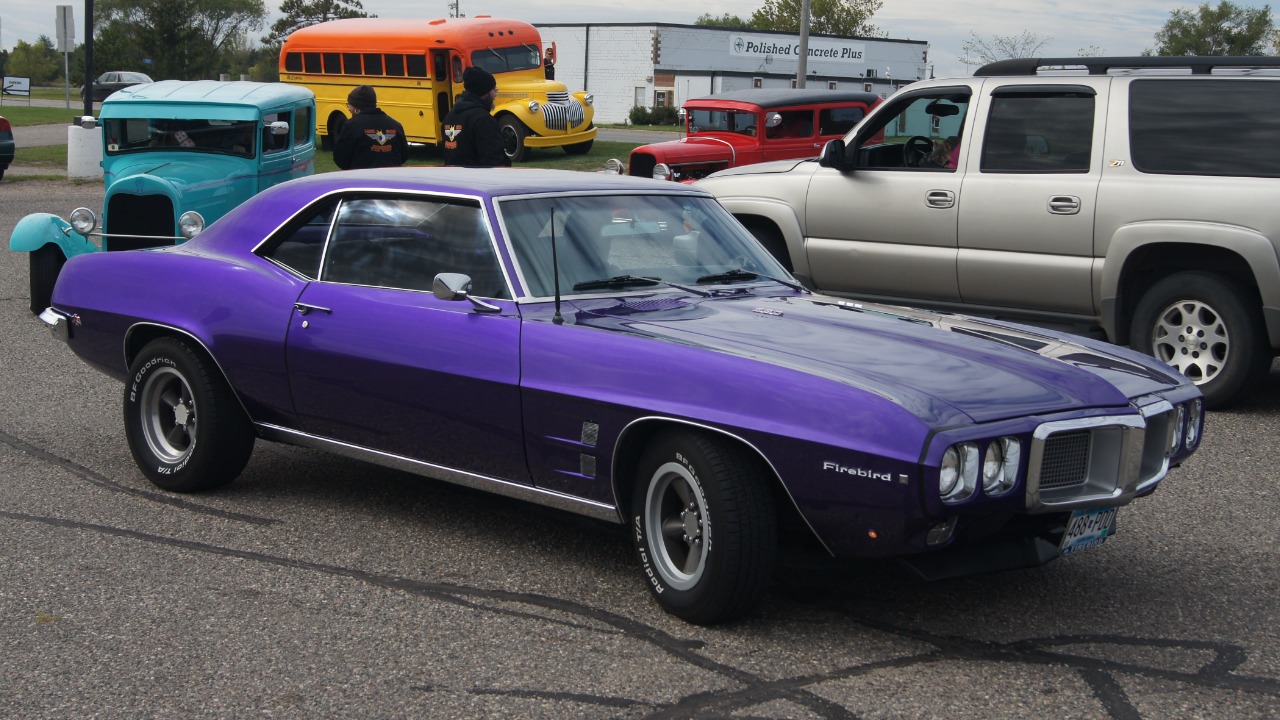
The Firebird provided a strong rear-wheel-drive platform with plenty of V8 options and a large enthusiast following. Its combination of performance potential and parts availability made it popular with racers. Many examples were modified extensively, but the underlying architecture remained durable. Properly prepared Firebirds could handle repeated hard launches and demanding track use.
Chevrolet Chevelle
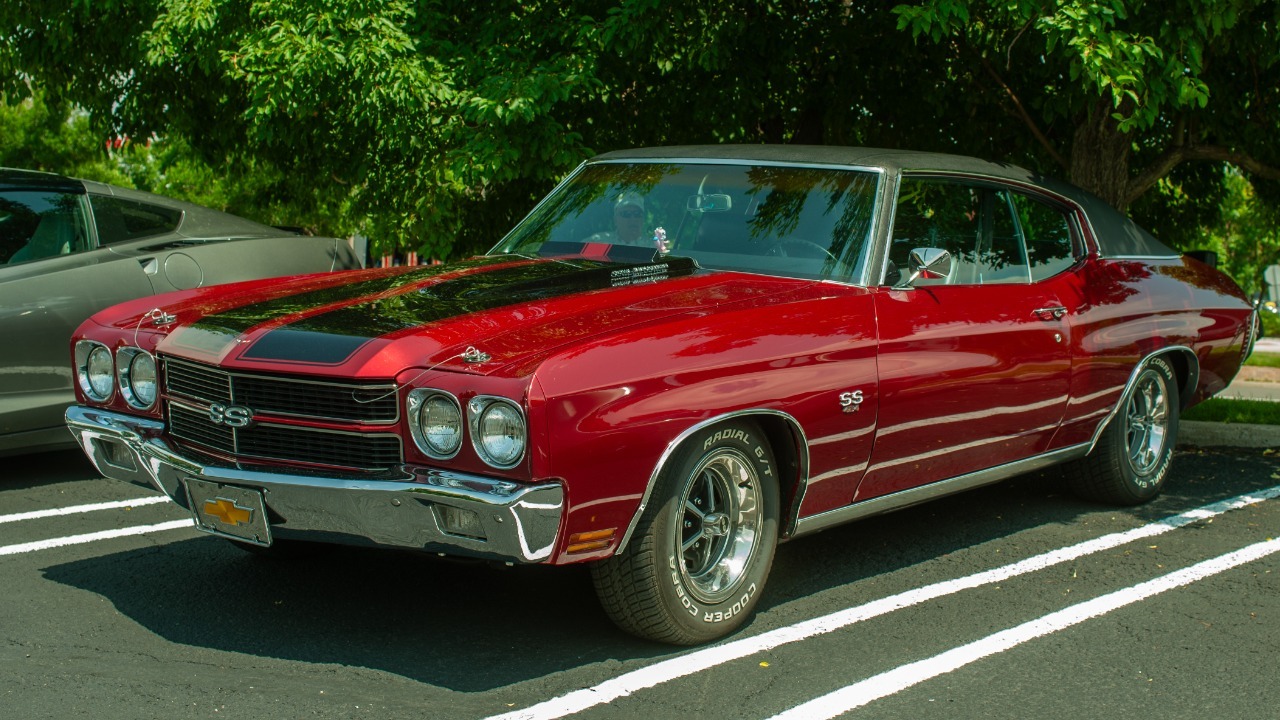
The Chevelle became one of America’s most famous muscle cars, but its broad body and strong drivetrain also made it an effective drag-racing platform. Big-block engines delivered enormous torque, while the rear-wheel-drive chassis was well suited to straight-line acceleration. Many were raced heavily, yet surviving competition examples continue to demonstrate the strength of the original design.
Oldsmobile Cutlass
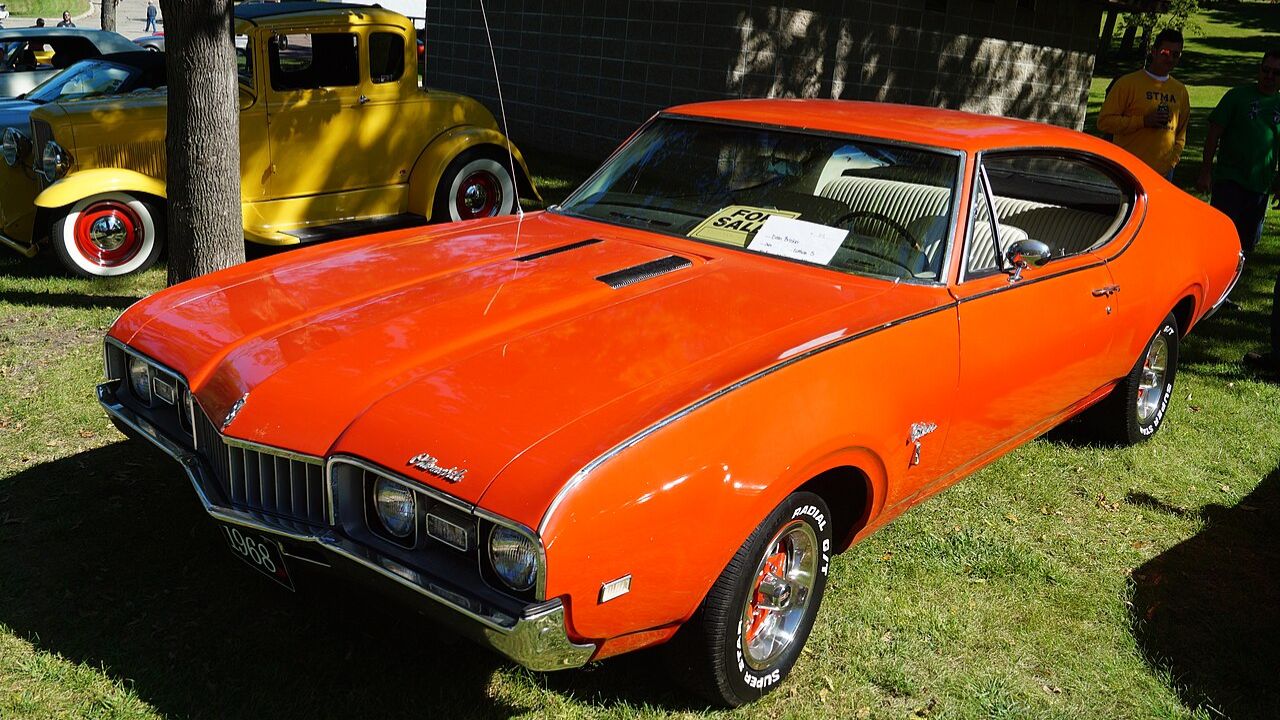
The Cutlass offered a sturdy rear-wheel-drive platform that could accommodate powerful V8 engines and serious drivetrain upgrades. Its broad availability made replacement parts relatively easy to find, while its mechanical layout was familiar to many mechanics. Although less associated with drag racing than some Mopar and Chevrolet models, properly prepared Cutlasses could be extremely capable.
Buick Skylark
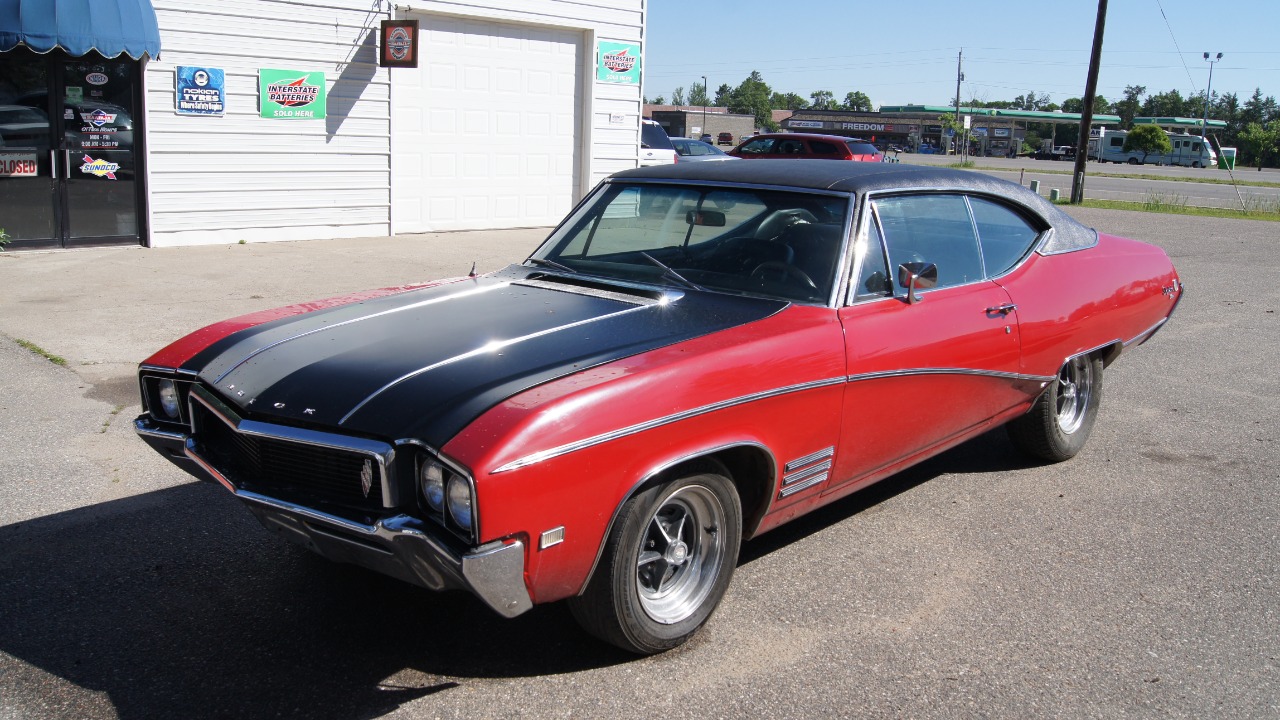
The Buick Skylark provided a lighter and more compact alternative to Buick’s larger cars while retaining access to strong V8 power. Its conventional drivetrain made modifications relatively straightforward, and its chassis could handle substantial performance upgrades. Many examples disappeared through ordinary use, but surviving performance-oriented Skylarks demonstrate how effectively the platform could be transformed into a durable drag racer.
More from Fast Lane Only
- Unboxing the WWII Jeep in a Crate
- 15 rare Chevys collectors are quietly buying
- 10 underrated V8s still worth hunting down
- Police notice this before you even roll window down
*Research for this article included AI assistance, with all final content reviewed by human editors