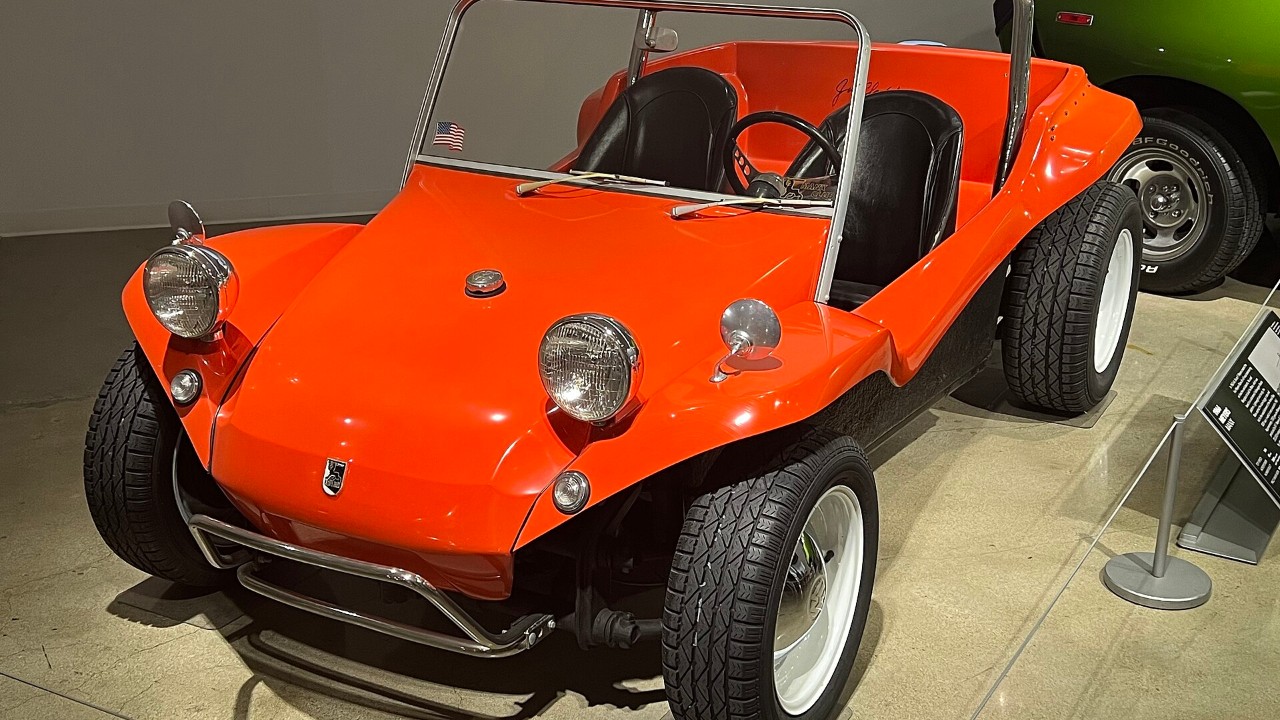
A kit car once let a buyer with a Volkswagen Beetle and a free weekend drive away in something that looked like a race car. In the 1960s and 1970s, that promise built whole companies. Some sold thousands of fiberglass bodies. Others sold a few dozen and then vanished from the magazines.
However, the cars that made the most noise are not always the ones that earned the most respect. Copies swamped some designs. Rule-makers hassled others. A few simply arrived before buyers were ready for a car that came in boxes.
These are our picks: ten kit cars we think deserved more attention than they got. Each one is a real design with a real story, from a California beach buggy to a British supercar you could finish in your garage. The verdicts are our opinion. The facts behind them come from the makers, period magazines and collector sources.
1. 1964 Meyers Manx
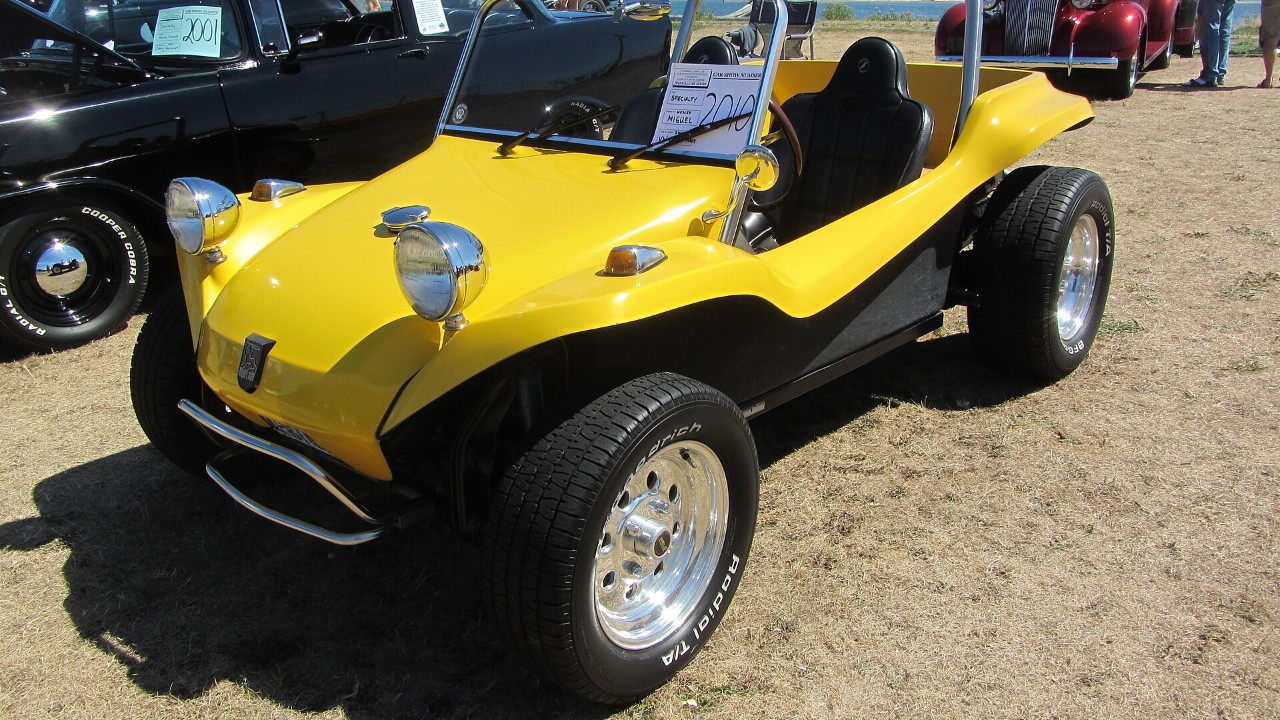
Bruce Meyers was an engineer, artist, boat builder and surfer in Newport Beach. He built his first prototype, nicknamed “Old Red,” in his garage between late 1963 and May 1964. His company, B. F. Meyers & Co., then sold kits from Fountain Valley, California, until 1971. The name came from the stubby, high-tailed Manx cat.
The idea was simple. You cut a Volkswagen Beetle pan, shortened the wheelbase by 14 1/4 inches and bolted on an open fiberglass tub with no roof, windows or fenders. That light little buggy then won the first Mexican 1000 in 1967, the race that became the Baja 1000. It beat motorcycles, trucks and other cars to do it.
So why does it belong here? Meyers sold roughly 6,000 original kits, yet copies have been estimated at a quarter of a million worldwide, and he lost his patent fight. In our view, most people who say “Manx” have never seen a real one. The prototype finally joined the National Historic Vehicle Register in 2024, which is the recognition we think it deserved decades earlier.
2. 1970 Bradley GT

Bradley Automotive worked out of Plymouth, Minnesota, a long way from the California kit scene. It delivered its first production GT in September 1970 and kept the car going until 1981. Like many kits of the era, the GT bolted onto the chassis of an original Volkswagen Beetle. That meant a buyer could rebuild a tired Bug into a kit car with a sports-car profile.
The styling was the hook. Instead of conventional doors, the two-seat coupe used gull-wing roof panels to keep the weather out. Sales were strong for a kit, too. Estimates put GT output near 6,000 cars, followed by about 500 of the more refined GT II from November 1976.
Then Bradley tried something few small makers dared. Its 1980 GTE was an electric version built on the GT II, with 16 six-volt batteries wired for 96 volts and a General Electric motor. Only 50 were built. Our take: a Midwest kit maker selling battery cars in 1980 deserves a bigger spot in electric-car history than it gets. If you find a GTE today, keep it original, because that battery story is the whole point.
3. 1971 Sterling Nova kit car

The Nova began in England with a 23-year-old designer named Richard Oakes. He had no formal training, and he worked on it with his friend Phil Sayers. Advanced Automotive Design started Series One production late in 1971 in a Southampton warehouse. A Hot Car cover story followed in March 1972.
Its party trick was the roof. The whole canopy lifted forward, so you climbed in rather than opening a door. Underneath sat a VW Beetle chassis, which kept the kit cheap and easy to service. As a result, the design spread worldwide under licence: Sterling in the United States, Eureka in Australia, Eagle in South Africa, Spider in New Zealand and Puma GTV in Italy, according to the Sterling kit car history archive.
Because it wore so many names, the Nova rarely got credit as one car. In our view, that is exactly why it deserves a second look. A wedge this low, on Beetle parts, looked like a concept car parked at the curb. If you shop for one, check the canopy hinges and seals first, since they carry the design.
4. 1968 Fiberfab Jamaican
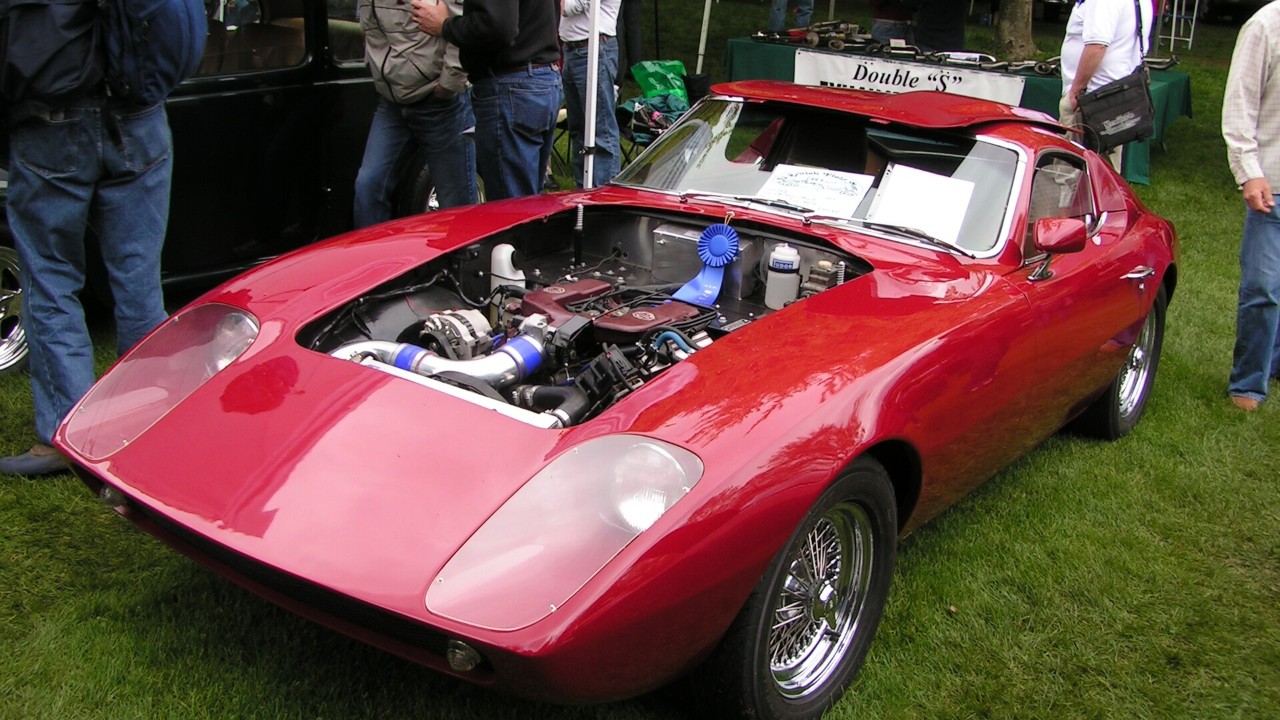
Fiberfab started in Palo Alto, California, in 1964, founded by Warren “Bud” Goodwin and John E. Hebler. The Jamaican arrived in 1968. Chris and Russell Beebe designed it and built the molds, and the name honored Jamaica Goodwin.
What set it apart was flexibility. The body could fit a Triumph TR3 or TR4, an MGA or an Austin-Healey chassis. That meant a British roadster with a tired body could become a sleek fiberglass coupe. Few kit car makers of the 1960s offered that many routes in. Later, the Jamaican II offered a custom Fiberfab chassis built to take a V8, plus a version for the VW Beetle pan.
The Jamaican also outlived its original home. Fiberfab Canada began building it in 1970 and kept the line until May 1978. Even so, the car sits in the shadow of flashier Fiberfab models like the Valkyrie. Our view: the Jamaican was the smarter product, because it gave British-car owners a way forward. Before you buy one, find out which donor chassis sits under it, since that decides parts and value.
5. 1959 Kellison J-4R
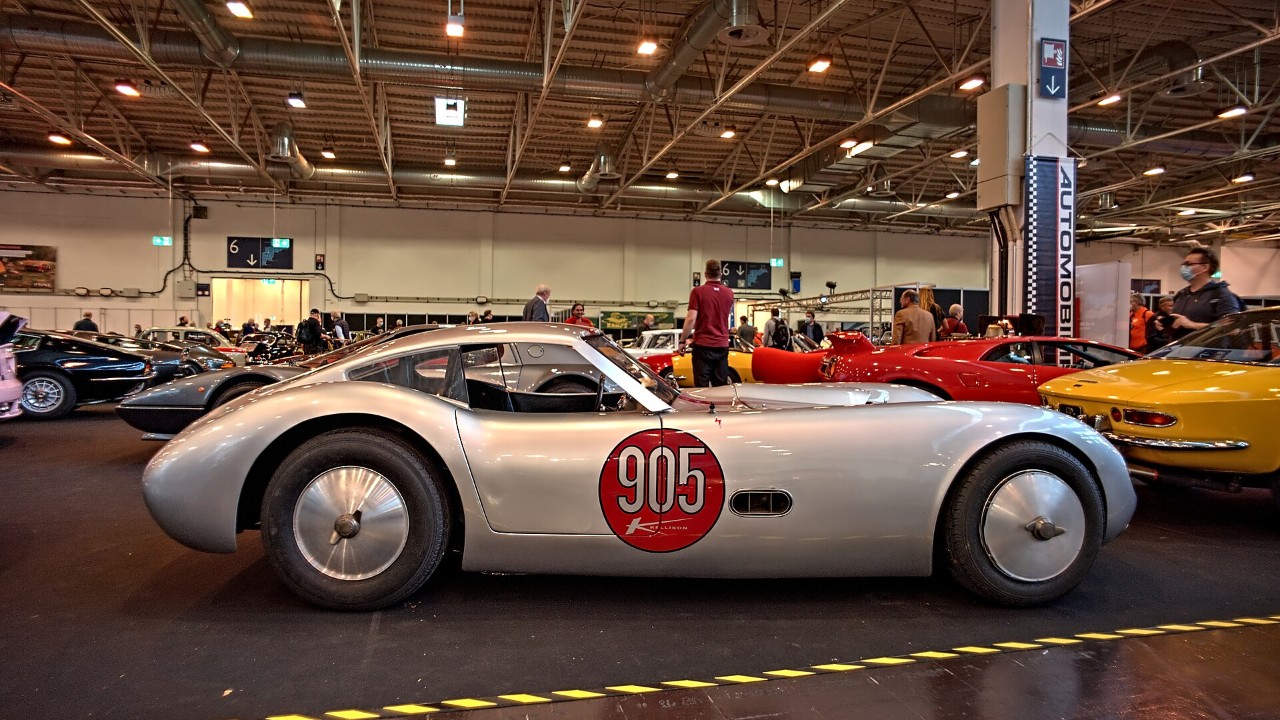
James Kellison was a U.S. Air Force pilot who turned to fiberglass sports cars. His bodies came in several sizes for different chassis. The J-4, however, rode on Kellison’s own tubular steel frame, and a standard turnkey car used a Chevy 283 V8 with a four-speed.
The prices tell the story. A J-4 body kit cost $365. A complete turnkey J-4 cost $6,700, which Silodrome notes was more than a new Corvette. The low, long-nosed coupe looked ready for a race grid, and Kellison bodies did race in the late 1950s and early 1960s. One J-4R, for example, went new to SCCA executive director Don Rodimer.
In our opinion, the Kellison deserved more attention because it bridged the gap between hot rod and sports car. It offered Corvette-style power in a lighter, sleeker shell. Yet the name never reached mainstream buyers. Today the cars turn up mostly at vintage races and specialist sales, far from the kit car shows where they began. If you want one, insist on period history, because a known race record adds real credibility.
6. 1958 Devin D
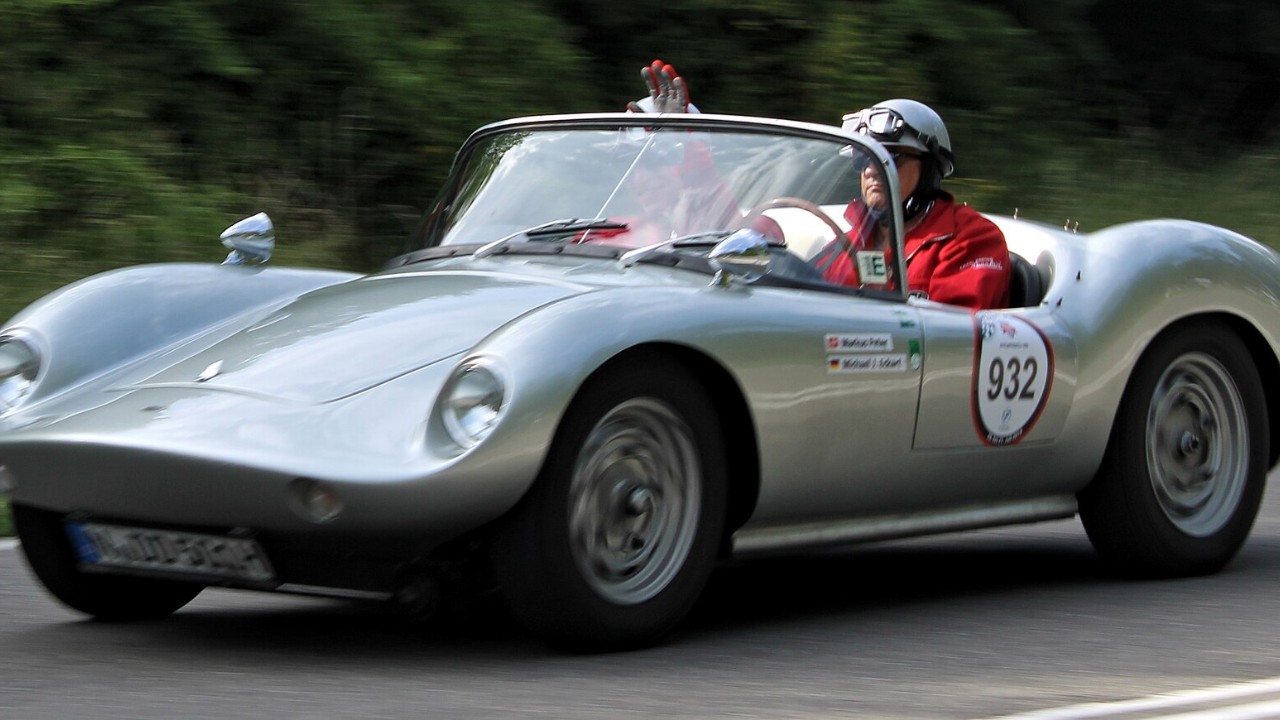
Bill Devin ran Devin Enterprises from 1955 to 1964. He began selling fiberglass bodies in 1956, and his best-known shell cost $295. Devin made those bodies from 50 sectional molds that combined into 27 sizes, so almost any chassis could wear one.
The Devin D, introduced in 1958, was something more complete. It used a Devin-designed ladder frame with an 82-inch wheelbase and VW-derived front suspension. Buyers chose a Volkswagen flat-four or a Porsche flat-four. The whole car weighed about 1,180 pounds, so even modest power felt lively. Those numbers made it a proper sports car, not just a kit car body on a borrowed frame.
Pricing made sense for many budgets. A body-and-frame kit cost $895. A turnkey car cost $2,950 with VW power or $3,350 with Porsche power. Even so, only about 46 Devin Ds are thought to exist. Our take: this was a junior Porsche Spyder for the price of a used sedan, and it deserved far wider fame. Check the frame number before you pay, because Devin bodies on other chassis are far more common.
7. 1996 Factory Five Roadster

Factory Five started building Cobra replica kits in 1995, according to the company’s own account. It works out of Wareham, Massachusetts. Its early Roadster took the shape of the AC Cobra, the car behind the Shelby Cobra that terrified Europe, and paired it with a modern chassis.
The clever part was the donor car. Rather than chase rare British parts, Factory Five built around the Ford Mustang. Over a million Mustangs left the line between 1987 and 2004. More than half of the company’s customers have built their kits with donor Mustang parts. That made a V8 roadster possible for someone with a toolbox and a junkyard. It also kept running costs sane, since Mustang parts sit on shelves across the country.
The design kept evolving. A Mark IV arrived in 2010, and Factory Five began building the Mk5 in 2025 at a starting price of $24,990. So why include a car that sold so well? Because many people lump it in with every other replica. In our view, it changed how Americans build cars at home. If you buy a finished one, ask for build photos, since quality depends on the builder.
8. 1973 Caterham Seven
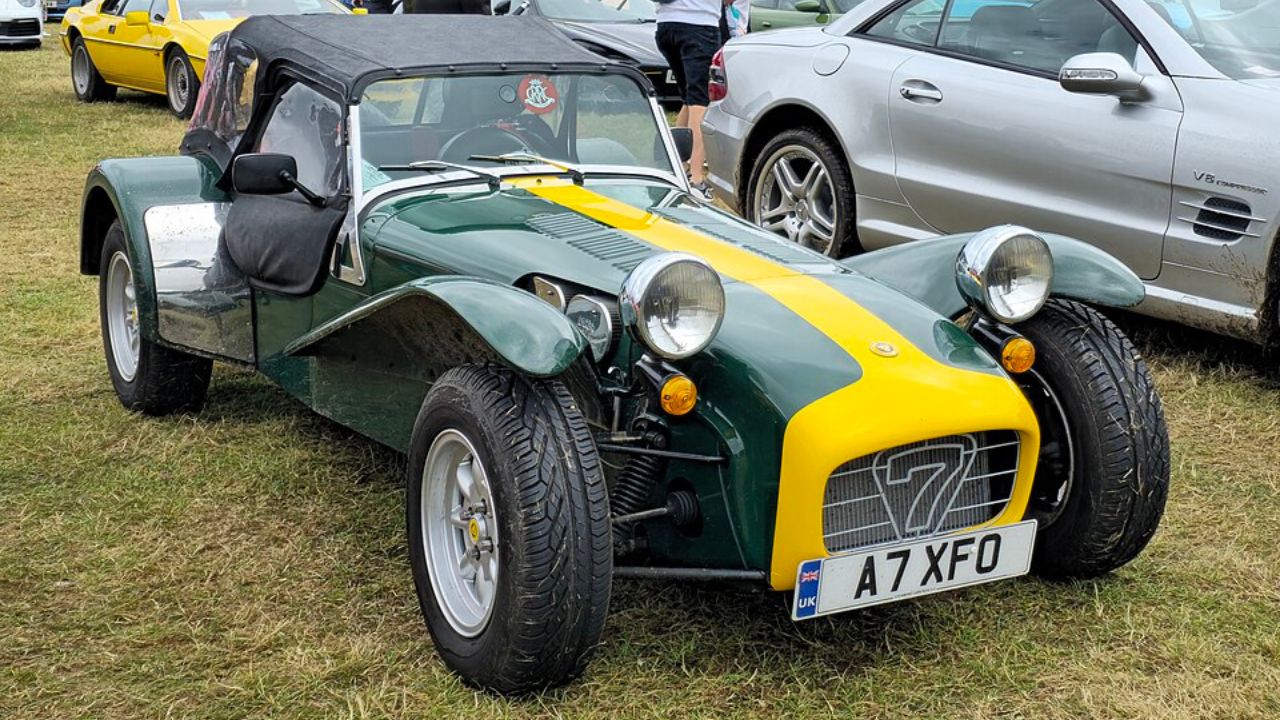
Lotus sold the rights to the Seven to Caterham Cars in 1973. When Caterham used up its Lotus Series 4 kits in 1974, it went back to the older Series 3 shape and built its own car. That decision kept the Seven alive for half a century. It also turned a Lotus model into the kit car many people picture first.
The Seven also picked a fight with the rule-makers. In 1976, the RAC banned Sevens from production-car racing. Caterham boss Graham Nearn answered with T-shirts that read “Caterham Seven, the car that’s Too Fast to Race.” He also lobbied his local member of Parliament, and the ban ended in 1980.
One current version goes small instead of big. The Seven 170 uses a turbocharged Suzuki three-cylinder making 84 horsepower, and the R-spec car weighs 440 kilograms. Our take: the Caterham gets attention from enthusiasts, but mainstream buyers see a toy. We think it remains the purest kit car you can buy. Choose the kit version only if you have the patience to build it carefully.
9. 1999 Ultima GTR
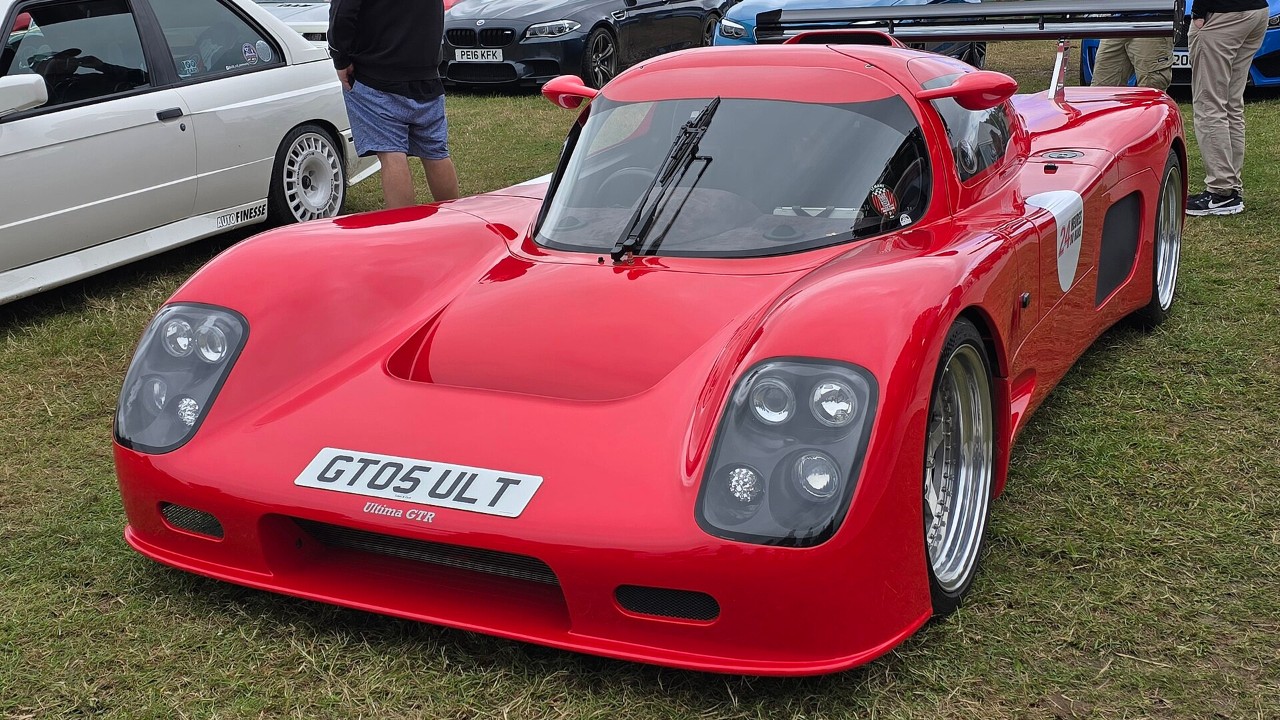
Ultima Sports, based in Hinckley, Leicestershire, sold the GTR from 1999 as both a kit and a factory-built turnkey car. That choice made it unusual. You could build a mid-engined supercar at home or simply pay Ultima to finish it.
The recipe was pure muscle. Kit builders could fit various engines. However, the factory standard was a Chevrolet small-block V8 from American Speed, paired with a Porsche or Getrag transaxle, and every turnkey car got that combination. A lightweight body wrapped around a racing-style chassis did the rest. For many builders, it was the most serious kit car they could put in a home garage.
Ultima kept the GTR on sale until early 2015, when the Evolution replaced it. Yet outside Britain, few people know the name, even among fans of mid-engined cars. In our view, that is a shame. The GTR offered supercar shape and pace with American engine parts you could buy anywhere. If you look at one, ask whether a kit builder or the factory assembled it, because that changes both value and peace of mind.
10. Westfield XI

Chris Smith was a devoted Lotus fan who raced a Lotus 17 in historic events. He built two chassis inspired by the Lotus Eleven for a friend. After one appeared in a magazine, he moved into full-time production in 1982. A Seven-style model joined in 1983, and Westfield delivered 110 cars that year, as Motor Sport reported in March 1984.
The XI kept costs down with donor parts. Buyers supplied the MG Midget engine, gearbox, rear axle and brakes. In 1984, the most complete XI kit cost £2,268, and a builder could finish a running car for about £3,000. Meanwhile, the square-tube steel chassis, aluminum inner panels and fiberglass body gave it the swoopy look of a 1950s Le Mans racer.
Today, the XI is only a small part of Westfield’s output. Most buyers want the Seven-style cars. Our take: the XI is the more beautiful car, and it deserved a bigger following. If you want one, budget for a healthy BMC A-Series engine, because that small donor motor powers the whole experience.
More from Fast Lane Only