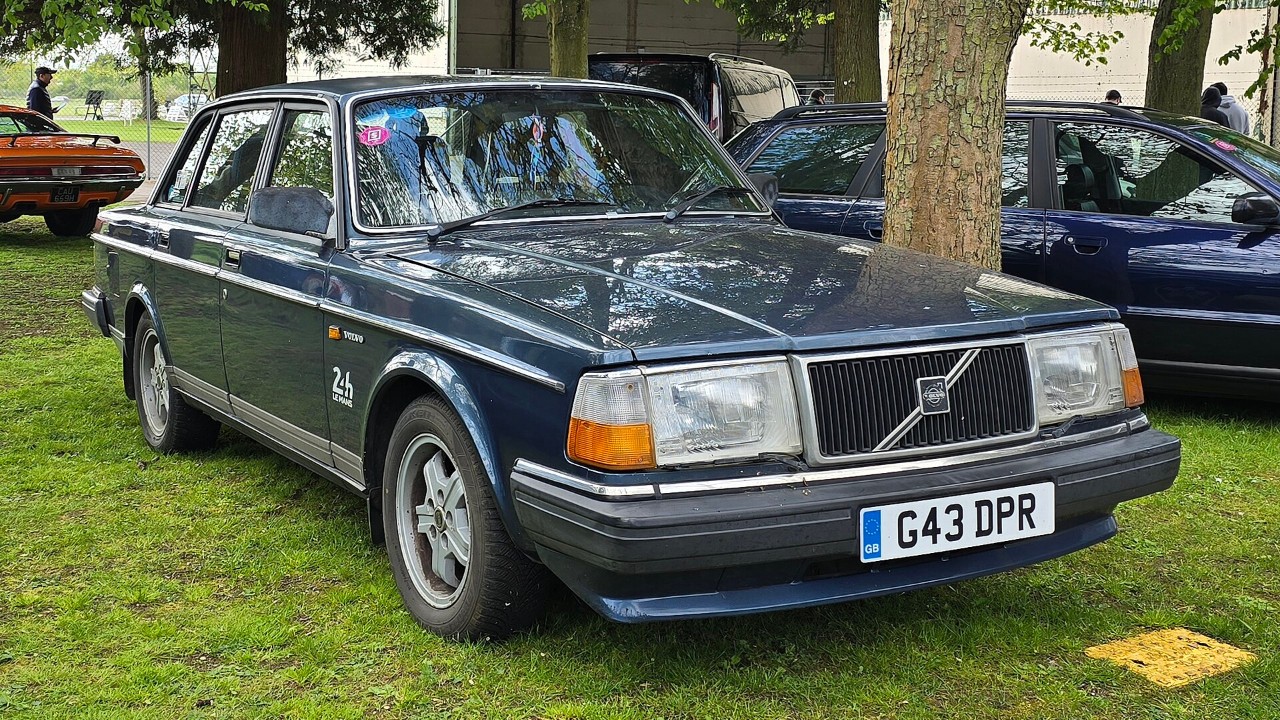
In 1976, America’s federal safety agency chose the Volvo 244 as its standard for future safety work. Years later, the Volvo 240 GL sedan carried that reputation into the 1990s. That is the magic of a great family sedan: it does a dull job so well that you stop noticing it.
Most four-door family cars end up traded in, worn out or forgotten. However, a few earned a loyalty that has nothing to do with speed or style. They started every morning, carried everything and asked for very little in return.
These seven are our picks for the family sedans we would refuse to sell at any price. The specs, production totals and history come from maker records, period reviews and long-running owner coverage. Our “never sell” verdict, however, is purely opinion, and we explain why for each one.
1. 1992 Volvo 240 GL sedan
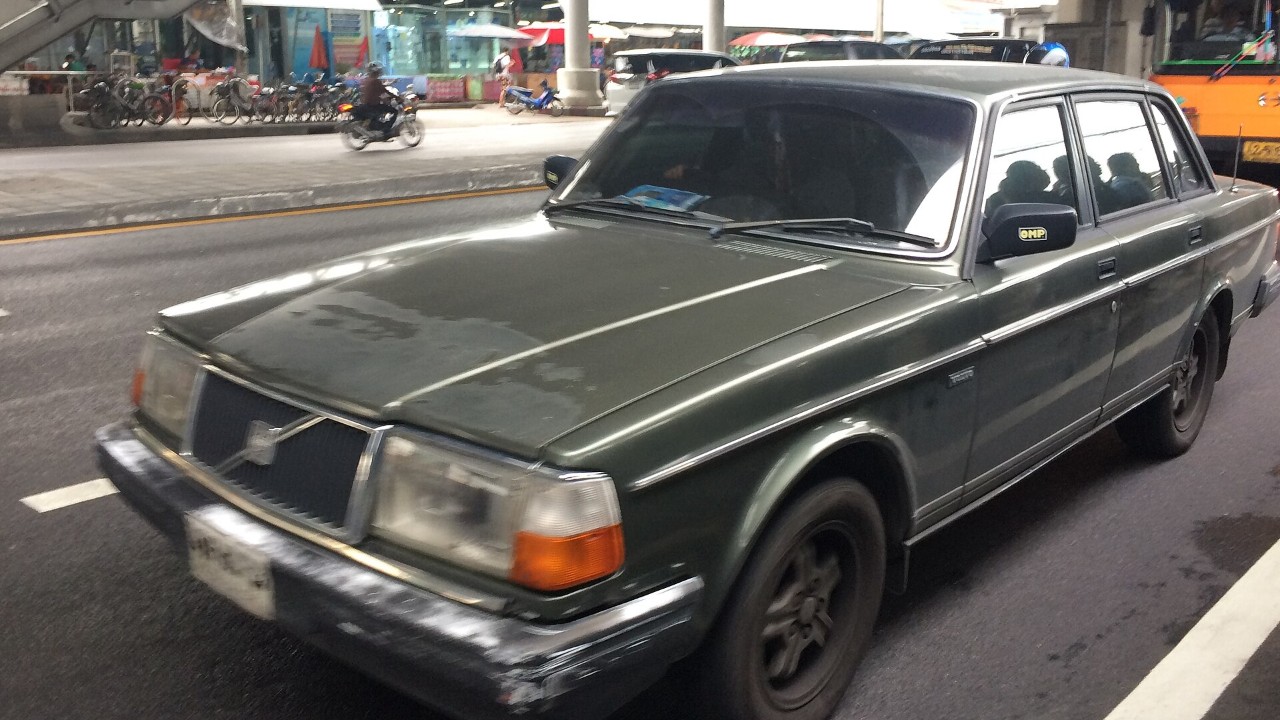
The Volvo 240 GL closed out one of the longest runs in the business. According to Volvo’s own history of the 240, the car appeared in August 1974, and more than 2.8 million were built over 19 years. The last one left the line in May 1993.
Even so, the safety story is the headline. In 1976, the U.S. National Highway Traffic Safety Administration picked the 244 as its standard for future safety work. Volvo says that was because it protected occupants better than any car of comparable size. In addition, Volvo says the 240 was the first car in the world fitted with a catalytic converter and Lambda sensor, launched in the USA in 1976.
By the 1992 model year, Volvo had made 160 detail improvements, from heater controls to front seats. Non-turbo cars used the B230F four-cylinder, introduced in 1985. GL stood for Grand Luxe, so this was the nicer trim. Our take: a late 240 GL is the most honest car on this list, and we would keep ours until the wheels fell off.
2. 1984 Mercedes-Benz 300D W123

The W123 was the most successful Mercedes-Benz of its time, with 2.7 million sold. Many German taxi firms chose it because of its reputation for durability. In fact, reaching 500,000 kilometres with only minor mechanical issues was common for taxi W123s.
The 300D used a 3.0-litre, five-cylinder OM617 diesel. It was slow, but it was famously stubborn. For example, The Truth About Cars found a 1985 300D Turbodiesel in a junkyard with 411,448 miles on the clock. Its factory manuals were still in the glovebox after 35 years. The writer called the OM617 “nearly immortal” and the seat material “indestructible MB-Tex.”
A 1984 car comes from the final stretch of production. Mercedes ended W123 sedan production in autumn 1985, while coupes and estates ran until January 1986. As a result, a late car benefits from about a decade of development. In our view, a well-kept 300D is the family sedan you hand down, not the one you sell.
3. 1989 Ford Taurus SHO
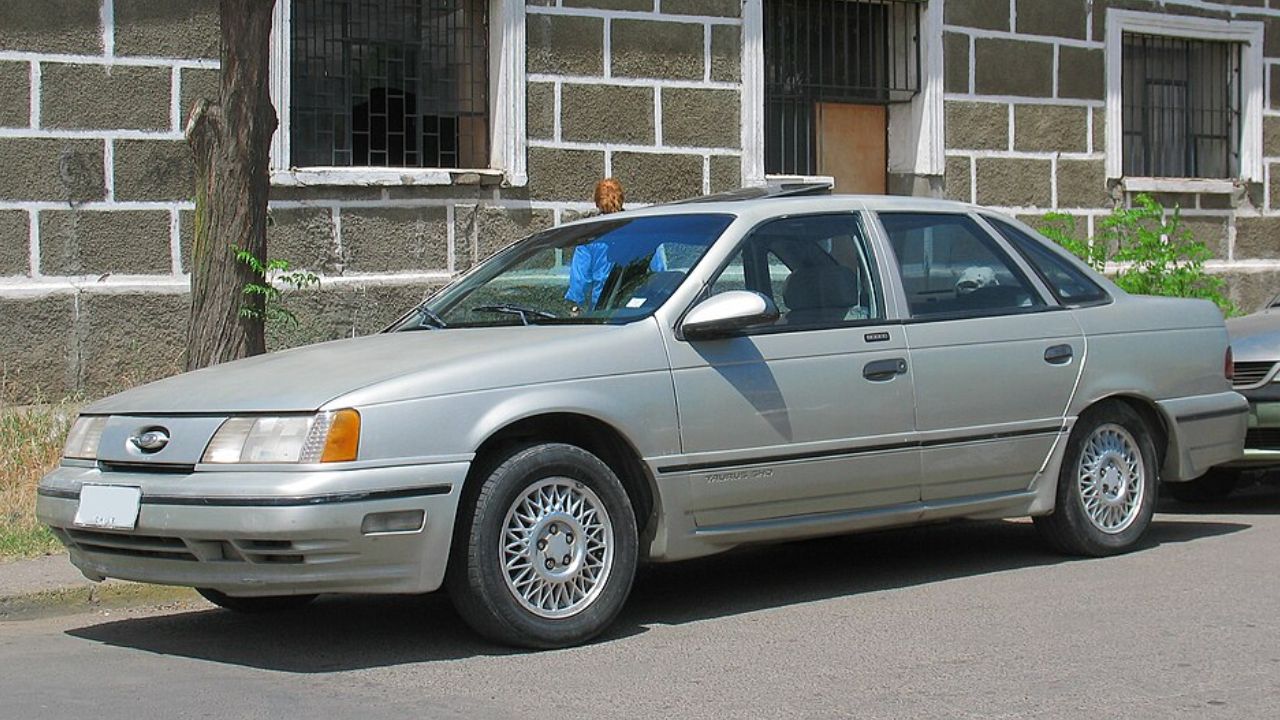
The Taurus SHO looked like the sedan at the rental counter, and that was the joke. Underneath, however, Ford fitted a 220-horsepower, 3.0-litre V6 built by Yamaha that revved to 7,000 rpm. A five-speed manual, designed and made by Mazda, sent the power to the front wheels.
The numbers were serious for a four-door. The SHO ran from 0 to 60 mph in 6.6 seconds, and it covered the quarter mile in about 15 seconds. Car and Driver reported a top speed of 143 mph in its December 1989 issue. Ford had originally planned the SHO as a limited-production model, yet it went on to span three generations.
That split personality is why it belongs here. On Monday, it carried the family and the groceries. On Saturday, it could embarrass sports cars at a stoplight. Our take: a clean first-year SHO with the manual is the family car we would hide from the buyer who wants it most. It is simply too much fun to let go.
4. 1994 Toyota Camry LE V6
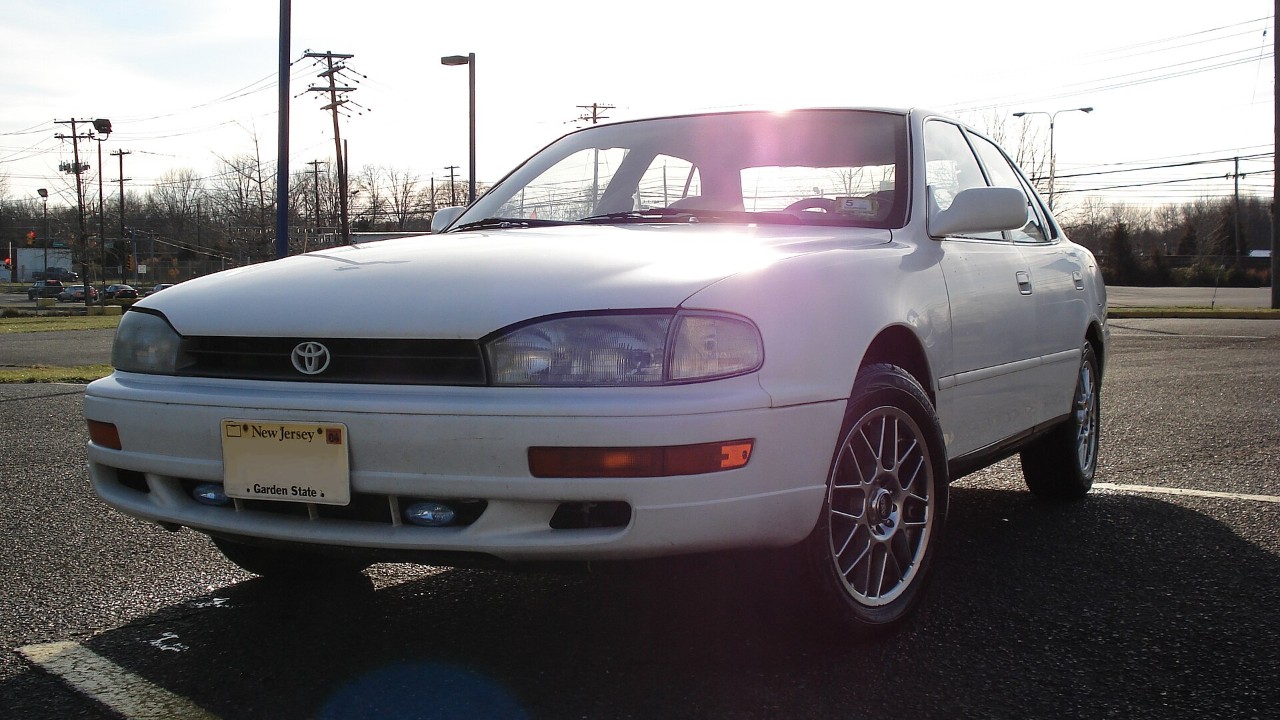
The 1994 Camry was a Kentucky car through and through. Toyota built the first U.S. example of this generation at Georgetown on September 3, 1991. By 1994, the Camry had already made Car and Driver’s Ten Best list for both 1992 and 1993.
For 1994, the V6 got better. Toyota replaced the 3VZ-FE with the all-new 1MZ-FE, rated at 188 horsepower in North America. Dual front airbags also became standard that year, while earlier cars had only a driver’s airbag. Toyota also added a coupe for 1994, although it sold only modestly. In LE trim, meanwhile, the V6 was an option, so a 1994 LE V6 had the best engine with the plusher cabin.
The car’s appeal is hard to put in a spec sheet. It was smooth, quiet and solid, without any drama. Still, we think that is exactly the point of a family car. In our view, the 1994 Camry LE V6 is the most sensible car on this list. We would keep one because there is simply no good reason to sell it.
5. 1988 Saab 900 Turbo sedan

The Saab 900 was introduced on May 12, 1978, for the 1979 model year. Its engine sat in the car “backwards,” with power taken from the front of the crankshaft. The hood also hinged at the front, an unusual Saab touch. When the 900 Turbo arrived, it made 145 PS.
Many people think of the 900 as a hatchback. However, Saab added a four-door sedan for the 1981 model year after showing it at the 1980 Geneva Motor Show. The 1988 car brought useful updates. It got a water- and oil-cooled turbocharger, and it shared its brakes and wheel hubs with the larger Saab 9000. In addition, the parking brake moved from the front wheels to the rear. To see why this car earned such loyal fans, read how the 1983 Saab 900 Turbo earned cult loyalty.
Saab built 908,817 of the classic 900s in all, including 48,888 convertibles. Our take: a 1988 900 Turbo sedan is a family car with a personality, and it is the one we would most miss if we let it go.
6. 1992 Honda Accord EX sedan
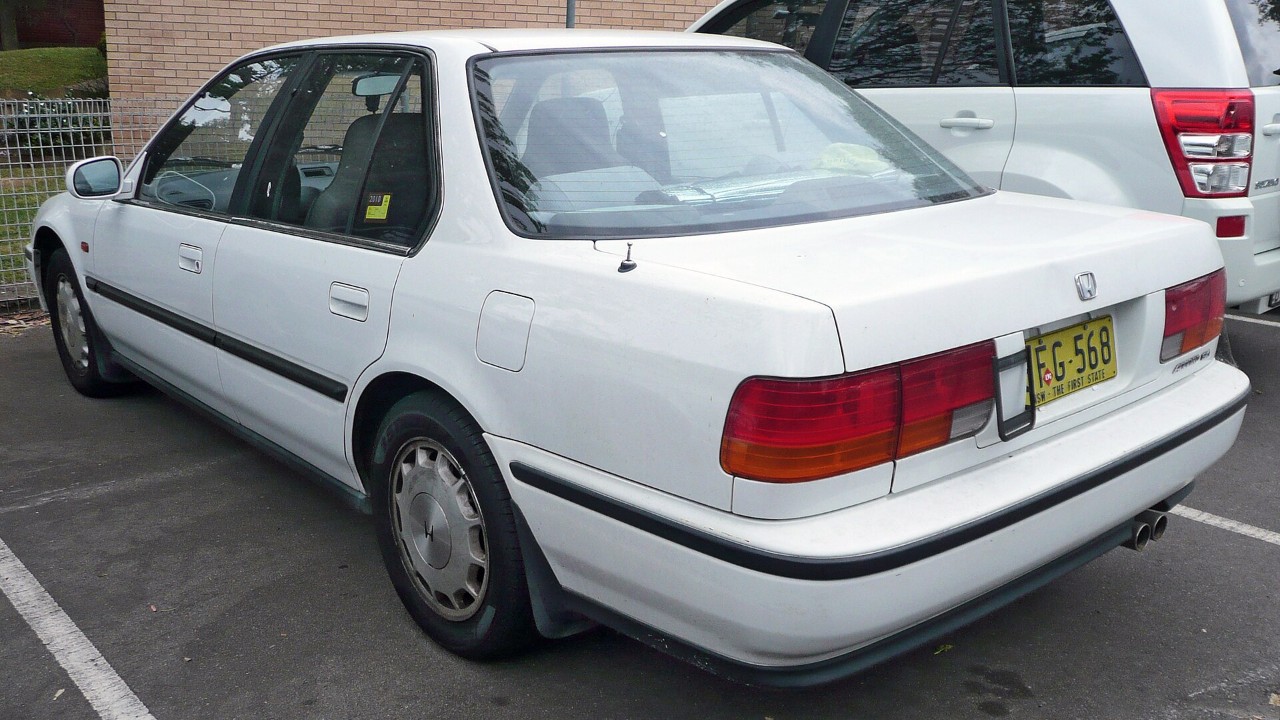
The fourth-generation Accord arrived for 1990, and the EX sat at the top of the range. According to Curbside Classic’s look at the 1993 Accord EX, the EX used an upgraded 2.2-litre, 16-valve four rated at 140 horsepower at 5,600 rpm. A 1993 EX weighed about 2,728 pounds.
That light weight and free-revving engine made the Accord feel lively for a family car. Owners in the Curbside Classic story describe their cars as remarkably reliable. For instance, one writer called the car “absolutely, unquestioningly reliable,” and readers reported engines that passed 350,000 kilometres. Another writer called his wife’s LX “the most trouble-free, reliable car that has ever crossed my path.”
The weak spot was rust. The same story says the car’s Achilles heel was “tinworm,” so a dry-climate car is the one to own. In our view, the 1992 Accord EX is Honda at its peak, simple, precise and built with care. A rust-free example is the kind of car we would park in the garage and refuse every offer on.
7. 1992 Ford Crown Victoria LX
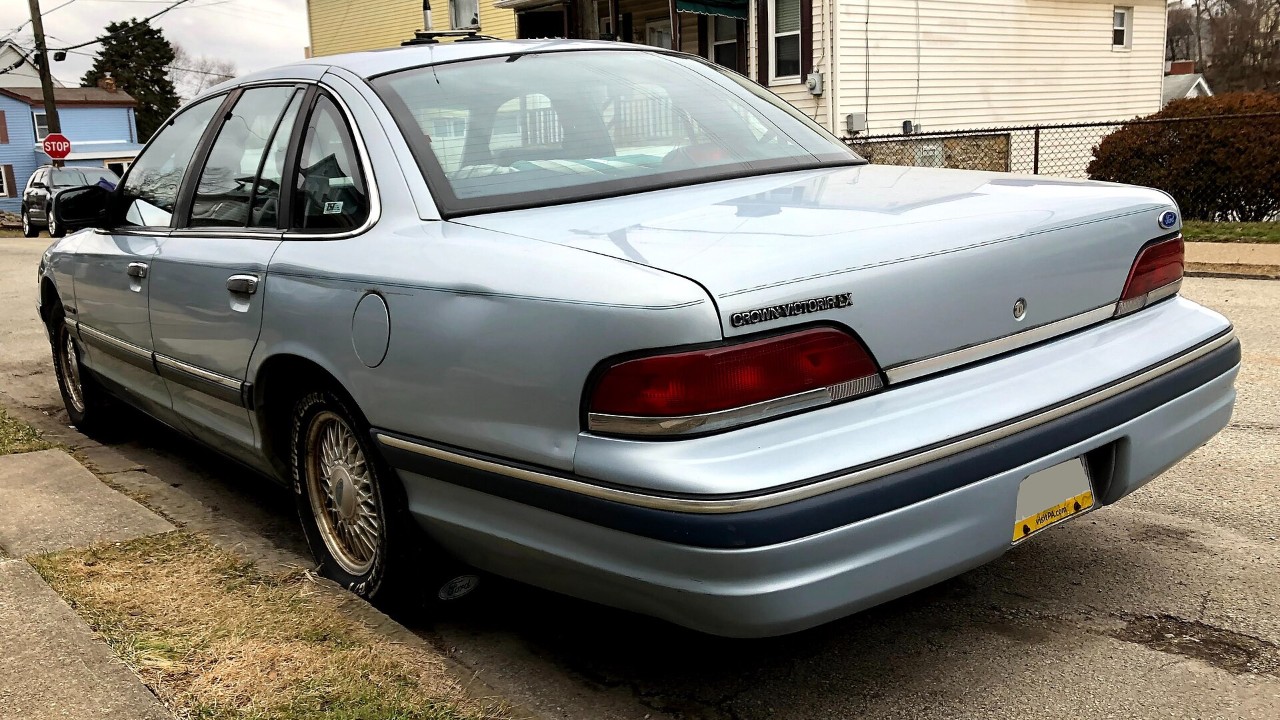
Ford unveiled the new Crown Victoria on November 28, 1990, and production began in January 1991 as a 1992 model. It rode on the rear-wheel-drive, body-on-frame Panther platform, shared with the Mercury Grand Marquis and Lincoln Town Car. That is old-school construction, but in our view it is part of the car’s charm.
The 1992 car also used Ford’s 4.6-litre V8. It made 190 horsepower with single exhaust or 210 horsepower with dual exhaust. Ford offered base and LX trims, and the LX made up most non-fleet sales. Ford Canada’s St. Thomas Assembly plant went on to build more than 1.5 million Crown Victorias, including Police Interceptors, before production ended on September 15, 2011.
Later, Police Interceptor and long-wheelbase taxi versions made the Crown Vic famous. For more on that side of its story, see why the Crown Victoria became a favorite far outside police fleets. However, the civilian LX was the comfortable version, in our view the best way to enjoy that soft, old-school ride. Our take: a first-year Crown Victoria LX is the big American sedan we would never trade, because nothing new rides or repairs quite like it.
More from Fast Lane Only