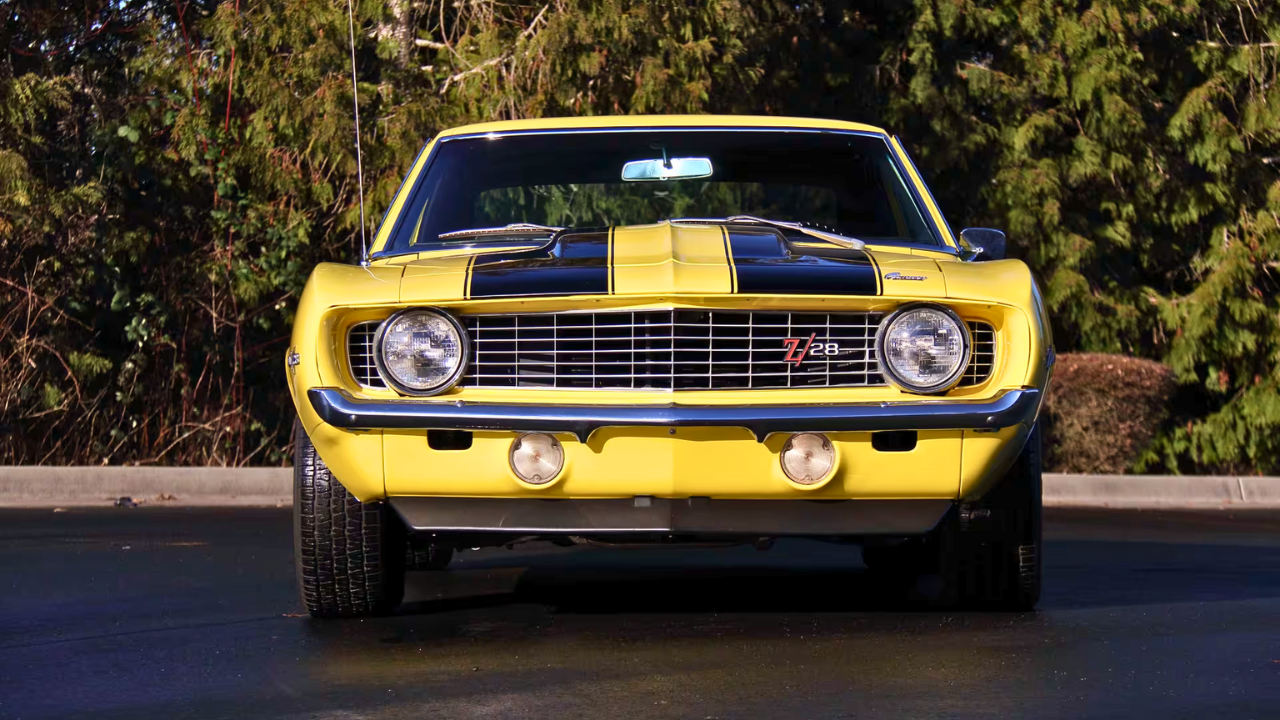
The 1969 Camaro Z28 wasn’t the fastest car on the drag strip, and it didn’t come with a monster big-block under the hood. But it was never meant to be that kind of muscle car. Built to homologate Chevy’s entry into Trans Am racing, the Z28 was a factory-built road course weapon hiding in plain sight. With a high-revving 302, tight suspension, and a four-speed manual only, it was all about balance, handling, and staying in the powerband. Here are 10 facts that explain why the ’69 Z28 still commands respect today.
1. The Z28 Packed a High-Revving 302 V8
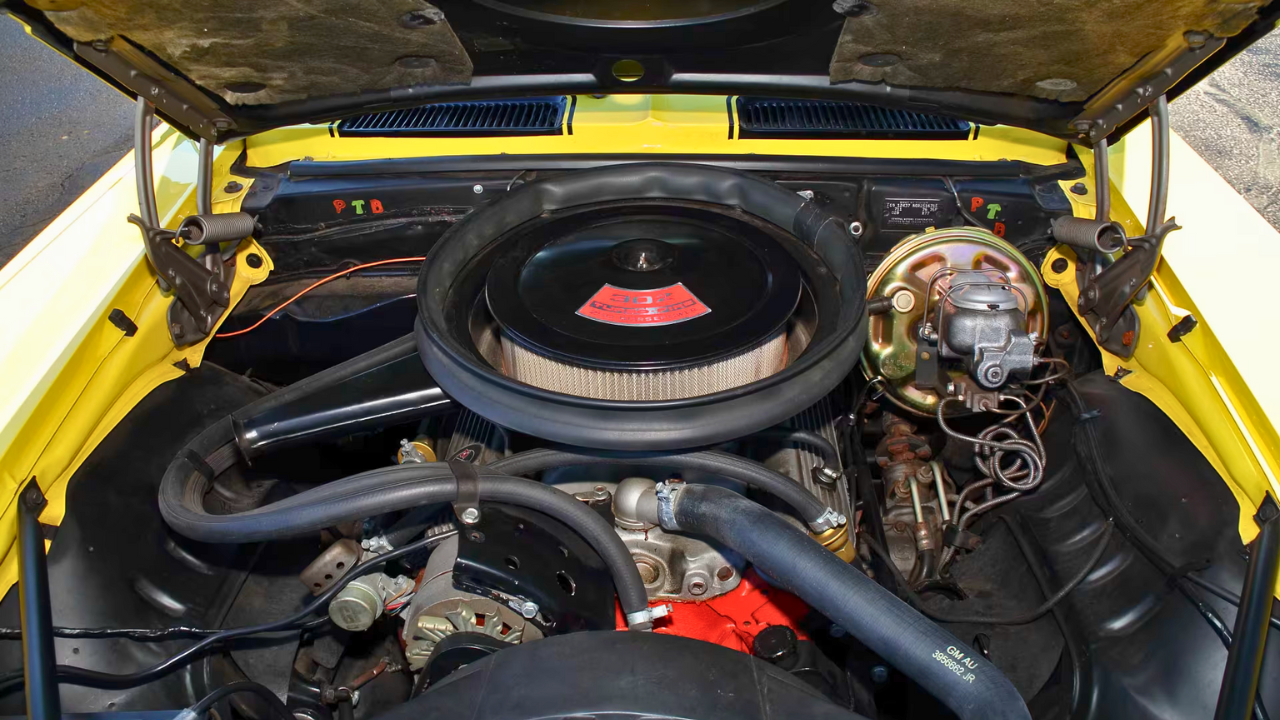
The 1969 Camaro Z28 came with a 302-cubic-inch small-block V8 specifically built to meet Trans Am racing rules. It was officially rated at 290 horsepower, but most agree it was making closer to 350 in reality.
What made the 302 special was how it revved—it loved living near 7,000 RPM. Mated to a standard 4-speed Muncie manual and often paired with a 4.10 rear axle, it was built for serious driving. Chevy designed this car to win on the track, not just on paper.
2. It Could Run the Quarter in the High 14s
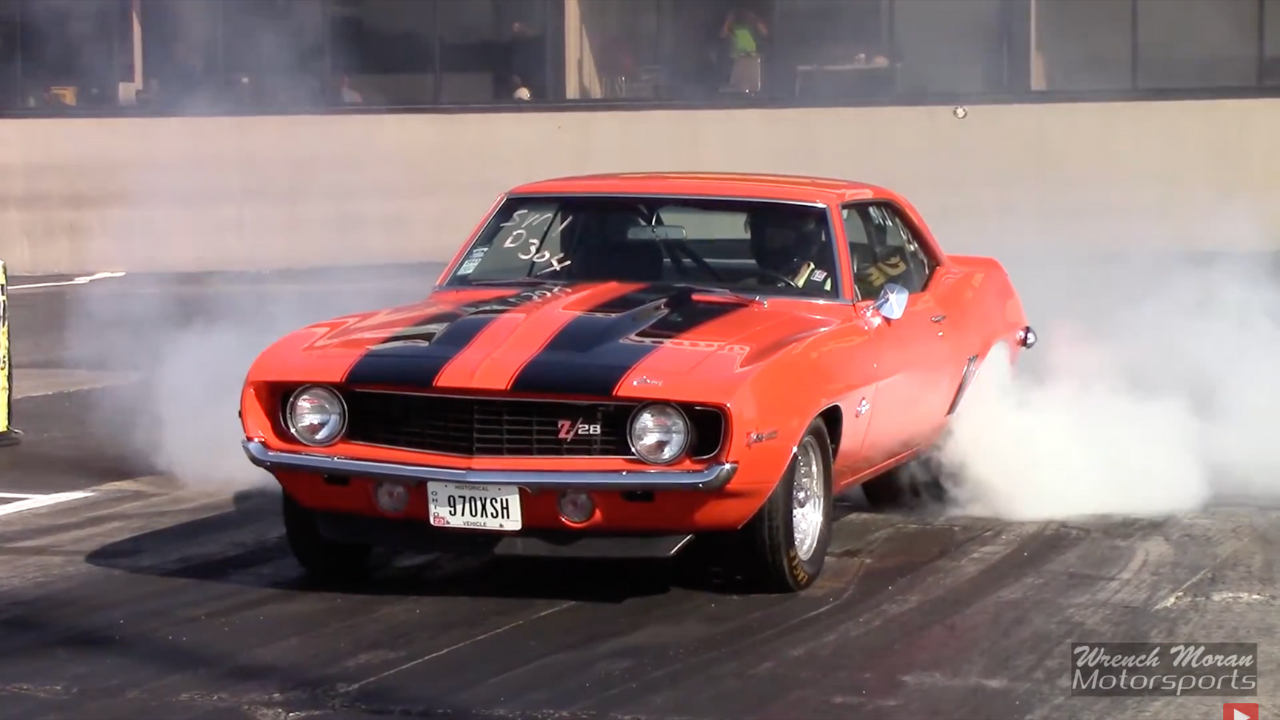
The Z28 wasn’t a drag strip brute, but with the right driver and gearing, it could run the quarter mile in the high 14-second range. That was quick for a high-winding small block meant for road racing, not straight-line sprints.
Its lightweight and aggressive gearing made up for the modest displacement. With sticky tires and a good launch, the Z28 could keep up with bigger, heavier muscle cars—especially when the road had some twists and turns involved.
3. It Came Standard with Front Disc Brakes
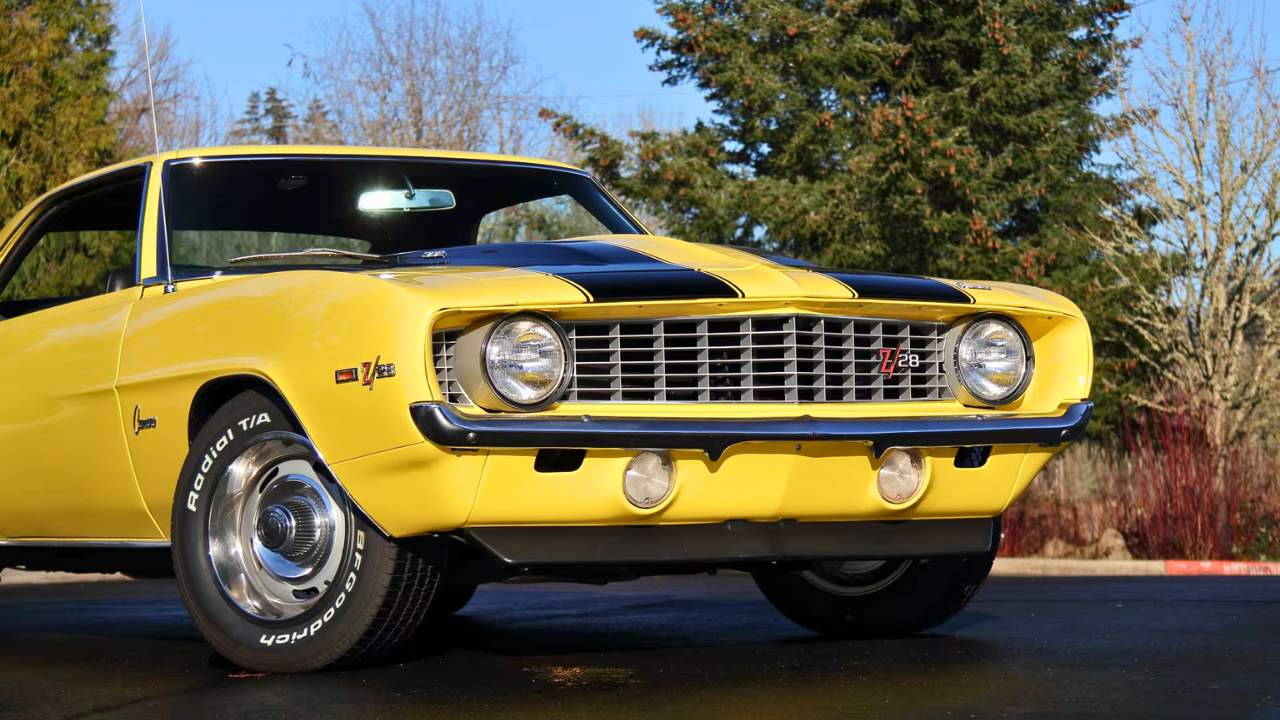
While many muscle cars of the day made front disc brakes optional, the Z28 came standard with them. That made a huge difference when it came time to slow things down after a hard run or a hot lap.
It used 11-inch rotors up front and drums in the rear, and with the optional power assist, the braking performance was solid for the time. This wasn’t just a go-fast car—it was built to handle all aspects of performance.
4. Special Suspension Gave It Serious Grip
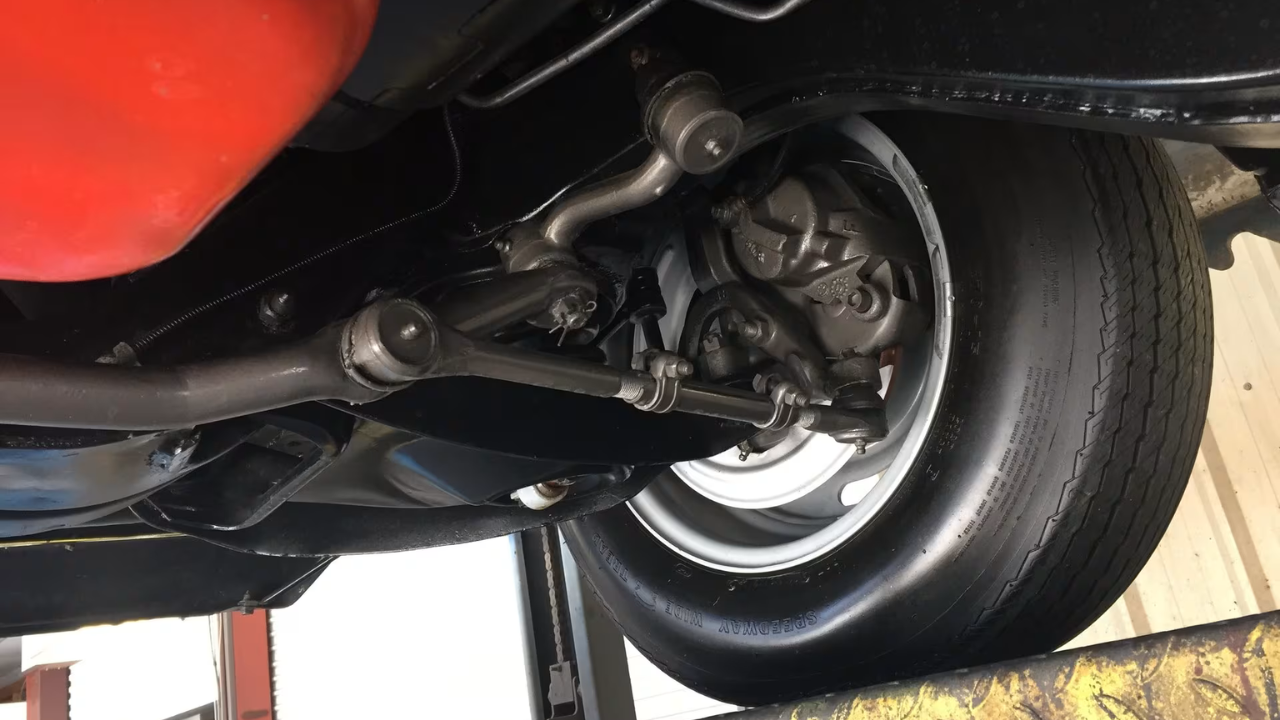
The Z28 came with Chevy’s F41 suspension package, which included heavy-duty springs, beefed-up shocks, and a thicker front sway bar. Buyers also got a rear sway bar, something most base Camaros didn’t offer.
The setup gave the Z28 sharper handling and reduced body roll—exactly what it needed for road racing. Combined with quick-ratio steering and wide E70-15 tires, the car could hold its own in tight corners. This was a factory-built track car you could drive every day.
5. The Cowl-Induction Hood Was Functional
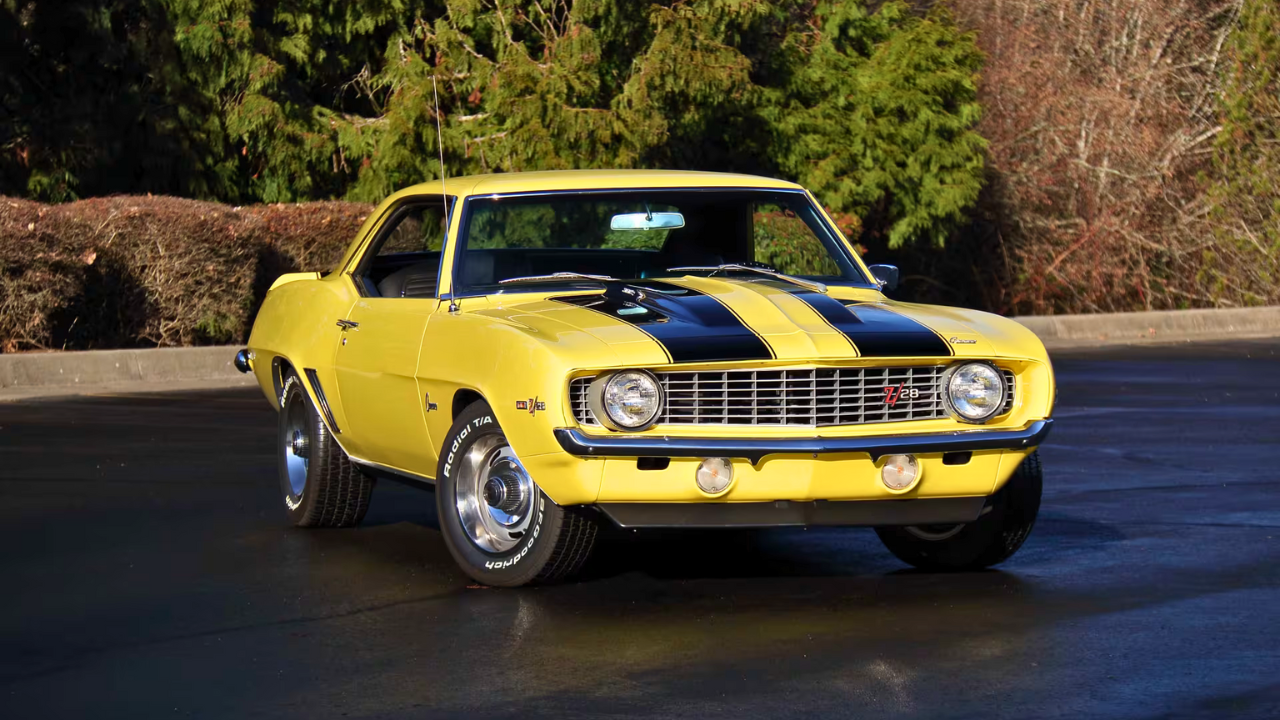
One of the Z28’s most recognizable features was the optional cowl-induction hood. It wasn’t just for looks—at wide-open throttle, a flapper door opened to draw in cooler, denser air from the base of the windshield.
That small change could add a few horsepower at high speeds and improve throttle response. It also looked the part, especially paired with racing stripes and Rally wheels. Plenty of Z28s were ordered with it, making it one of the most desirable options.
6. Muncie 4-Speed Was the Only Transmission Offered
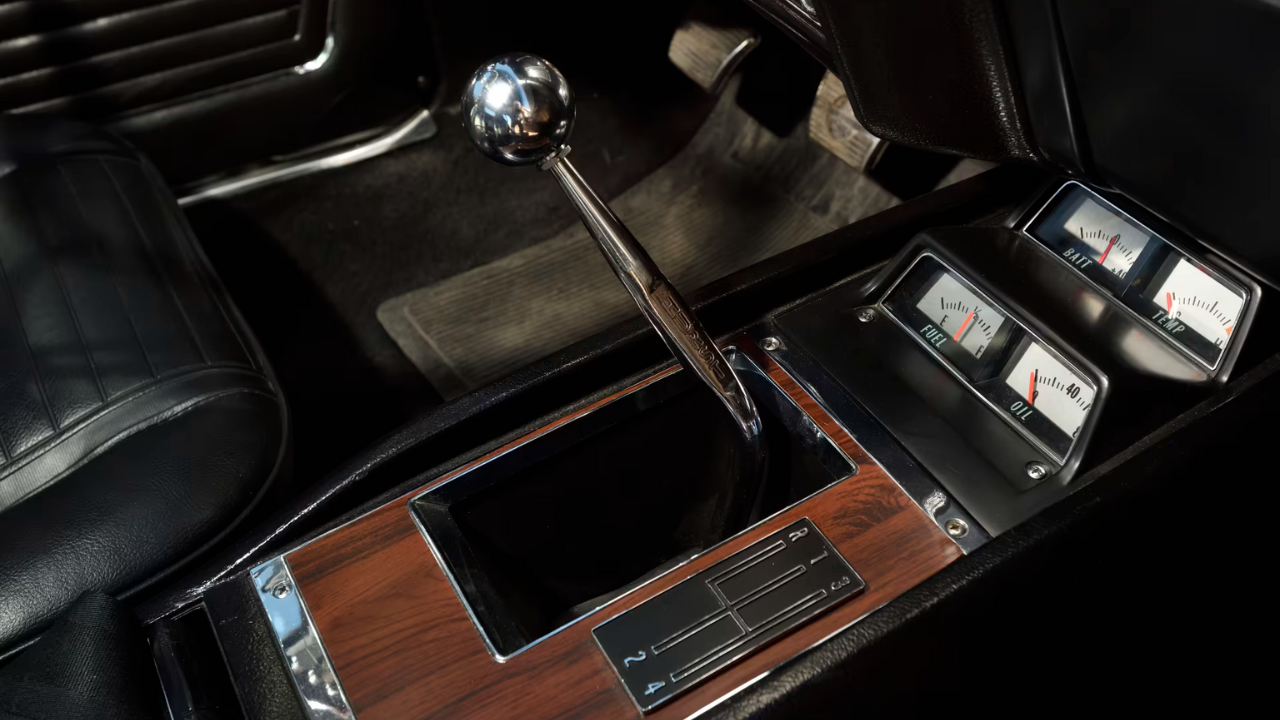
Every 1969 Z28 came with a Muncie 4-speed manual—no automatics here. Buyers could choose from the M20 wide-ratio or M21 close-ratio, depending on how they planned to drive it. A heavy-duty clutch and Hurst shifter came standard.
That setup gave the car its raw, mechanical feel. Shifting gears was part of the experience, especially with the high-revving 302. It made the Z28 feel like a race car for the street—because that’s basically what it was.
7. Rally Gauges Were Optional but Popular
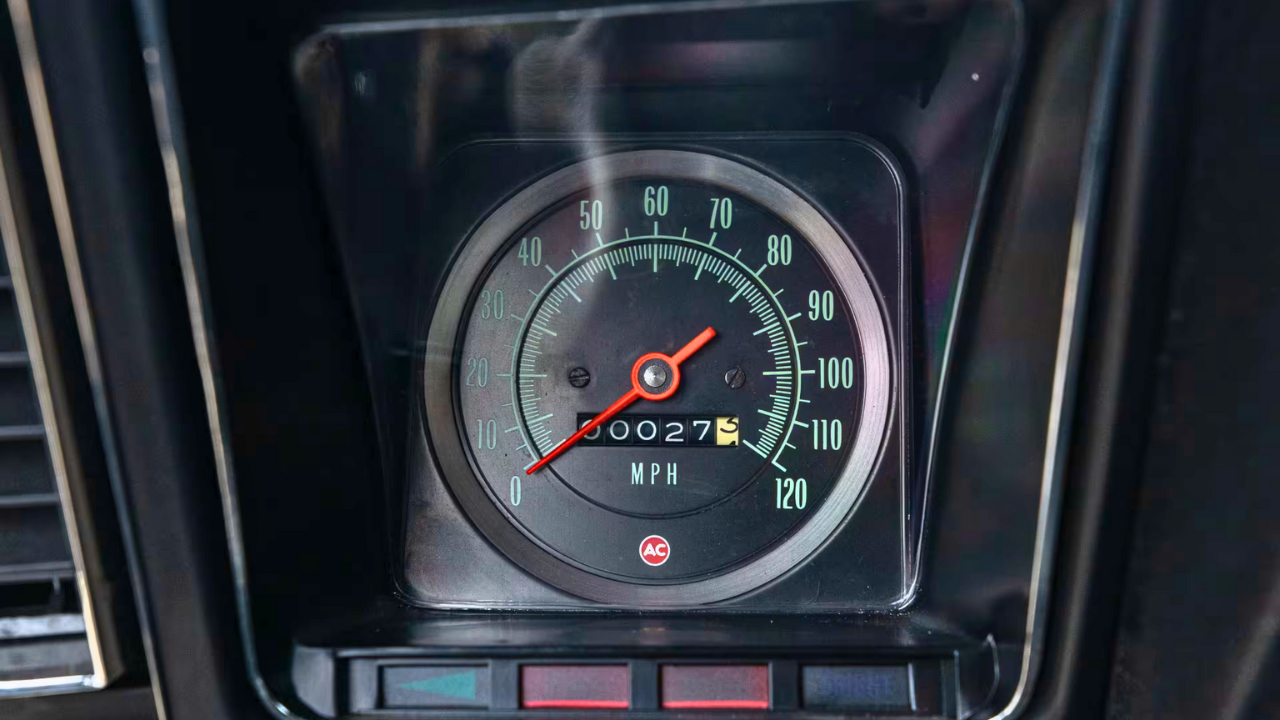
You didn’t get a full gauge package by default, but many buyers opted for the U17 Rally Gauge Cluster. It added a center console with oil pressure, battery, fuel, and temperature gauges, plus a factory tach and clock.
The tach sat in the left pod, replacing the base-model fuel gauge, and redlined at 6,000 RPM. It completed the Z28’s sporty interior and gave the driver real-time feedback on how hard that 302 was working. Today, cars with the full gauge setup are more collectible.
8. Only 20,302 Units Were Built
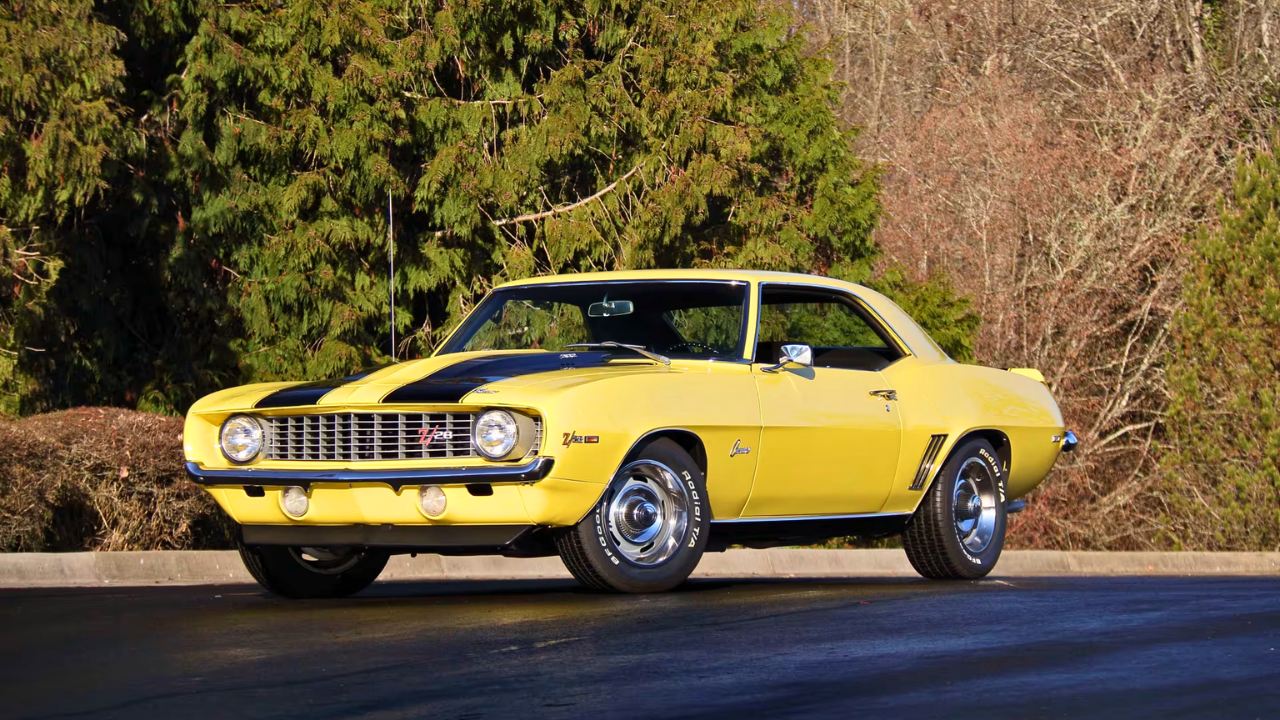
In 1969, Chevrolet produced 20,302 Camaro Z28s. That was a jump from just over 7,000 the year before, as word spread about its track credentials and aggressive looks. Still, it was just a fraction of total Camaro production that year.
That relative rarity, combined with its unique engine and racing background, helped turn the Z28 into a collector’s favorite. Finding one with matching numbers and original parts today can take some serious hunting—and a healthy budget.
9. It Was Born for Trans Am Racing
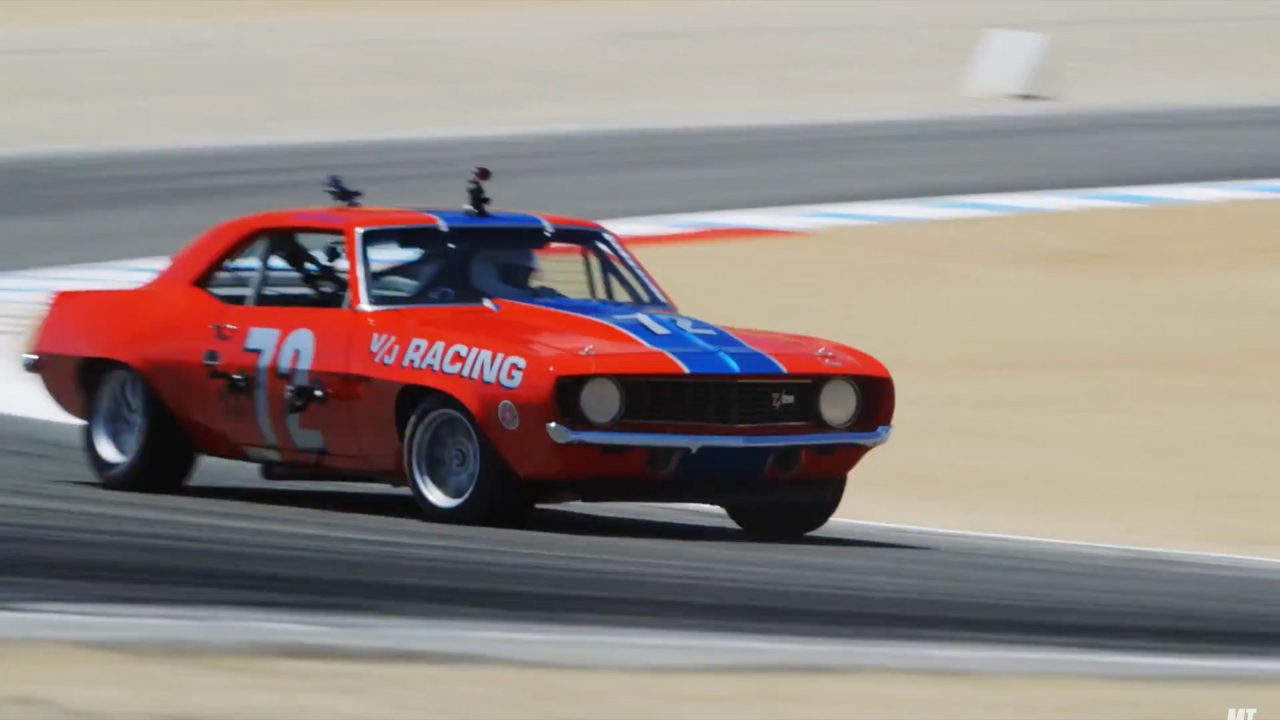
The entire reason the Z28 existed was to compete in the SCCA’s Trans Am series, where displacement was capped at 305 cubic inches. Chevrolet built the 302 by combining a 327 block with a 283 crank to stay under the limit.
It was a street-legal homologation special—Chevy had to sell it to race it. That racing DNA gave it sharper reflexes and better balance than most big-block muscle cars. It was never about brute force—it was about handling, revs, and strategy.
10. The 1969 Model Had a Unique, Extended Run
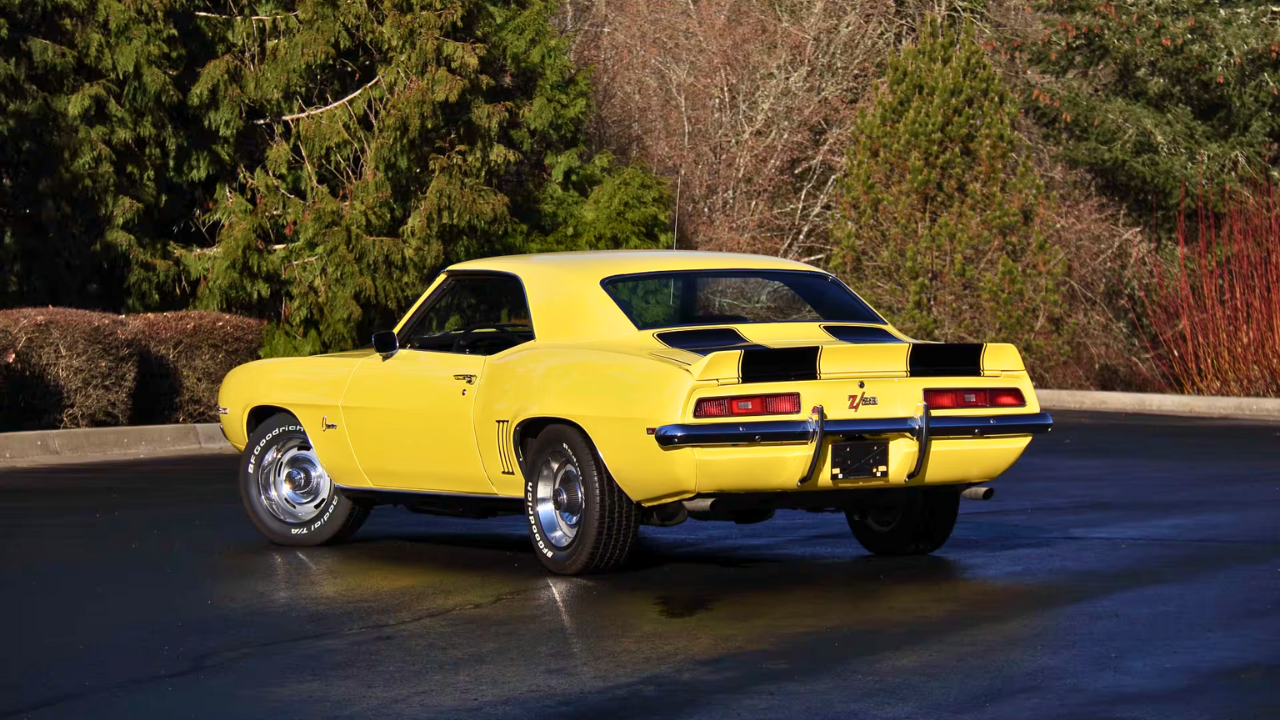
The 1969 Camaro Z28 had a production run that stretched longer than expected due to delays with the 1970 redesign. Chevy kept building the ’69 models well into November of that year, making it one of the longest-running single-year Camaro designs.
The extra time gave Chevy a boost in Z28 production and helped solidify the car’s legacy. With its sharper body lines, factory stripes, and that screaming small-block, the ’69 Z28 became the blueprint for what a road-ready race car could be.
*This article was hand crafted with AI-powered tools and has been car-fully, I mean carefully, reviewed by our editors.