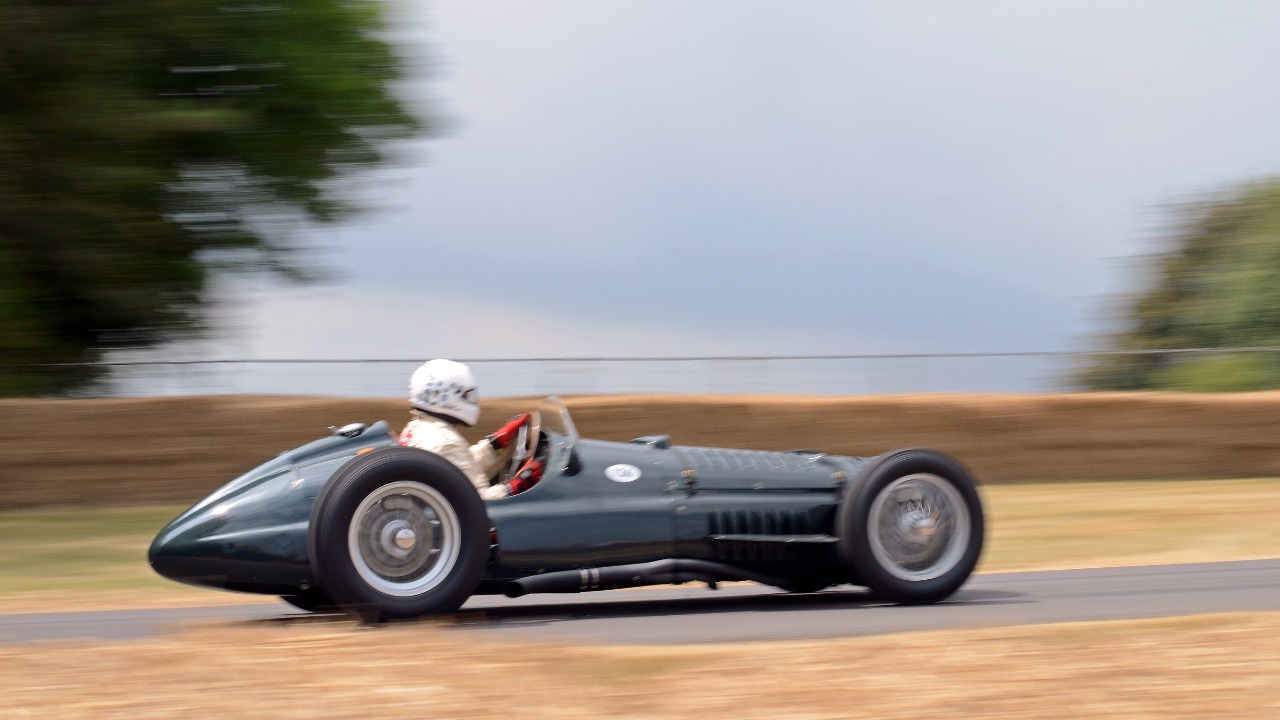
Some race cars became unforgettable not only because of speed or victories, but because of the noises they produced at full throttle. Unique engine layouts, extreme RPM, turbocharging, and unconventional engineering created sounds that instantly separated these machines from every competitor nearby. Even decades later, enthusiasts can identify many of these race cars with their eyes closed purely from the unforgettable sounds echoing across racetracks.
Mazda 787B
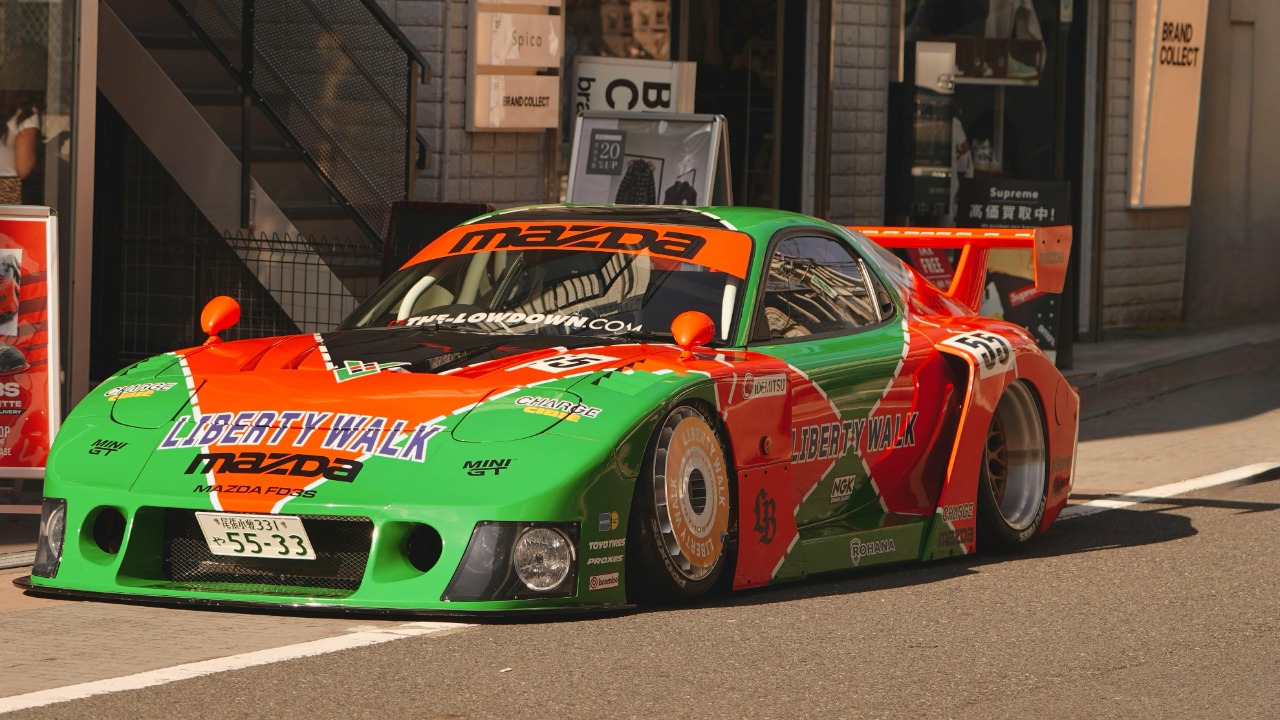
The Mazda 787B produced one of the most recognizable sounds in motorsport history thanks to its screaming four-rotor R26B engine. Unlike traditional piston engines, the rotary created a high-pitched mechanical howl that grew more intense as RPM climbed. Fans at the 24 Hours of Le Mans immediately recognized the car long before seeing it appear. Its sound remains legendary among endurance-racing enthusiasts today.
BRM P15
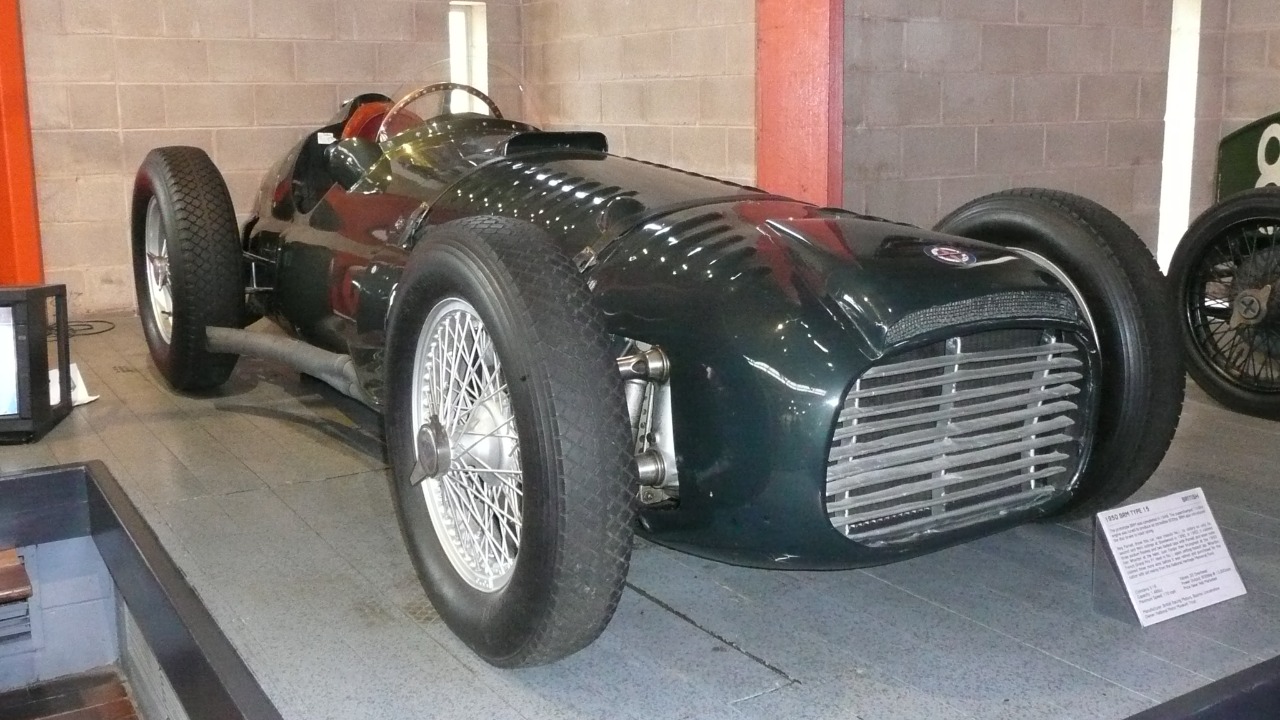
The BRM P15 sounded completely different from every rival because its tiny supercharged V16 engine revved at astonishing speeds during the early 1950s. The combination of sixteen cylinders and a screaming supercharger created a shrill mechanical wail unlike almost anything else in Grand Prix history. Spectators described the sound as both beautiful and terrifying simultaneously. Even brief demonstration runs today still leave motorsport fans stunned by its uniqueness.
Porsche 917/30
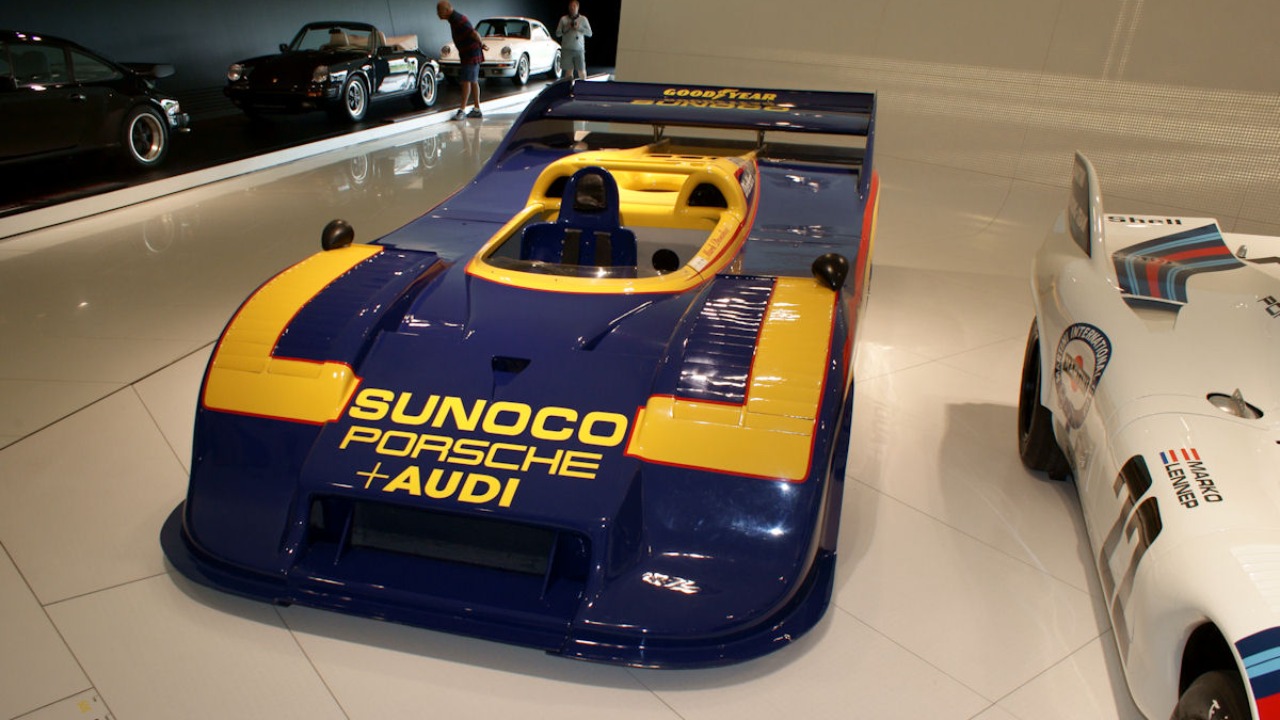
The Porsche 917/30 became famous for producing an overwhelming turbocharged roar combined with violent wastegate noises during acceleration. Its flat-twelve engine generated enormous horsepower in Can-Am competition, creating a sound that matched the car’s terrifying speed. Drivers and spectators alike remembered the brutal combination of turbo lag followed by explosive mechanical fury. Few race cars ever sounded so aggressive under full boost.
Ferrari 312T
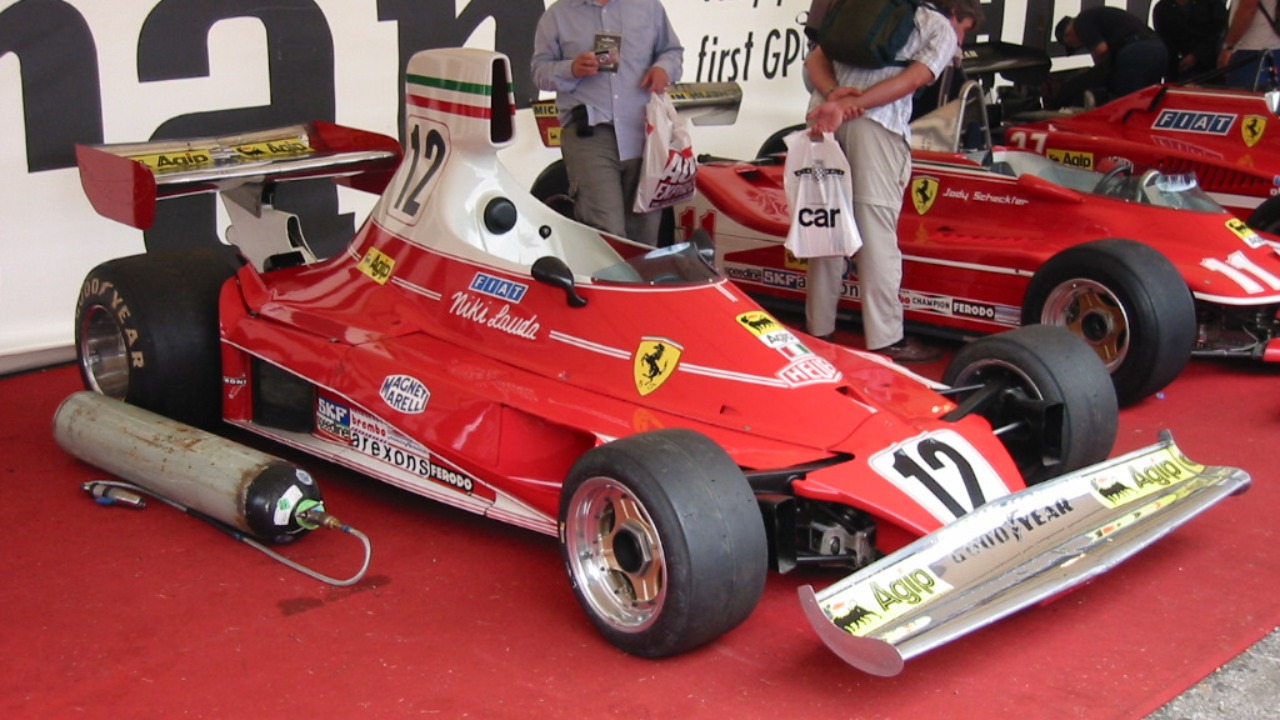
The Ferrari 312T delivered one of Formula One’s most emotional exhaust notes through its naturally aspirated flat-12 engine. The sound blended smoothness and aggression in a way unique to Ferrari’s 1970s Grand Prix cars. As RPM increased, the engine produced a rich mechanical scream that echoed beautifully around circuits worldwide. Many fans still consider it among the greatest-sounding Formula One cars ever created.
Chaparral 2J
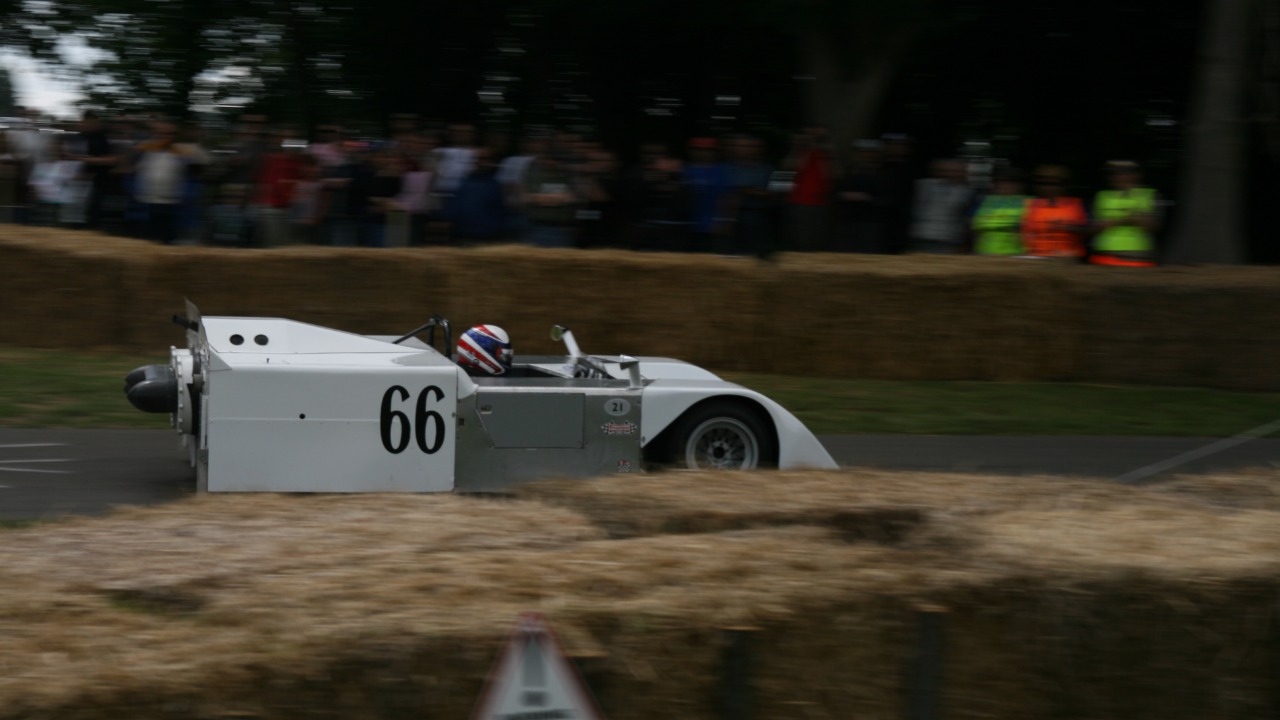
The Chaparral 2J sounded bizarre because giant fans mounted at the rear constantly pulled air from beneath the car to create downforce. Combined with its powerful V8 engine, the fan system created strange vacuum-like noises unlike anything else in motorsport. Rivals found the sound as intimidating as the car’s cornering ability. The 2J’s unusual engineering made it one of racing history’s strangest and most unforgettable machines.
Honda RA272
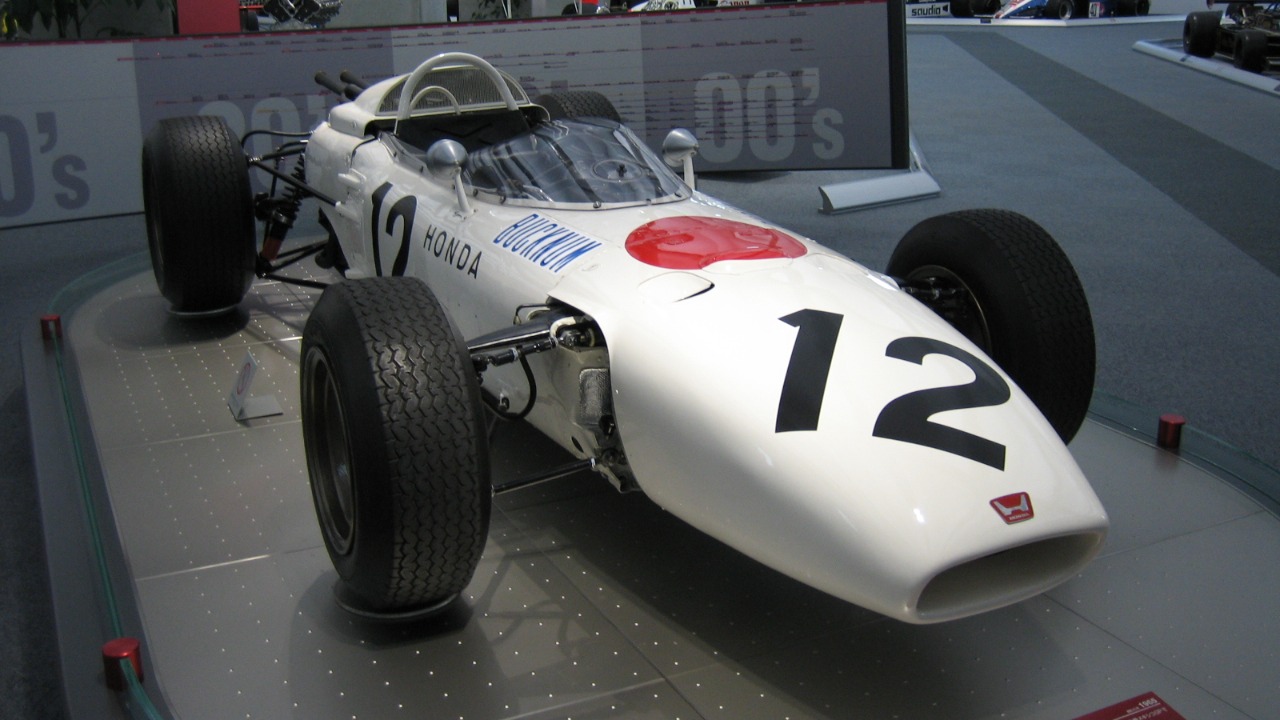
The Honda RA272 stood apart because its tiny high-revving V12 engine produced an incredibly sharp and exotic sound during an era dominated by larger European engines. Honda engineers focused heavily on extreme RPM capability, creating a shrieking exhaust note spectators instantly noticed. The engine’s unique tone reflected Honda’s motorcycle engineering roots clearly. Its sound became part of Japan’s early Formula One identity.
Audi R10 TDI
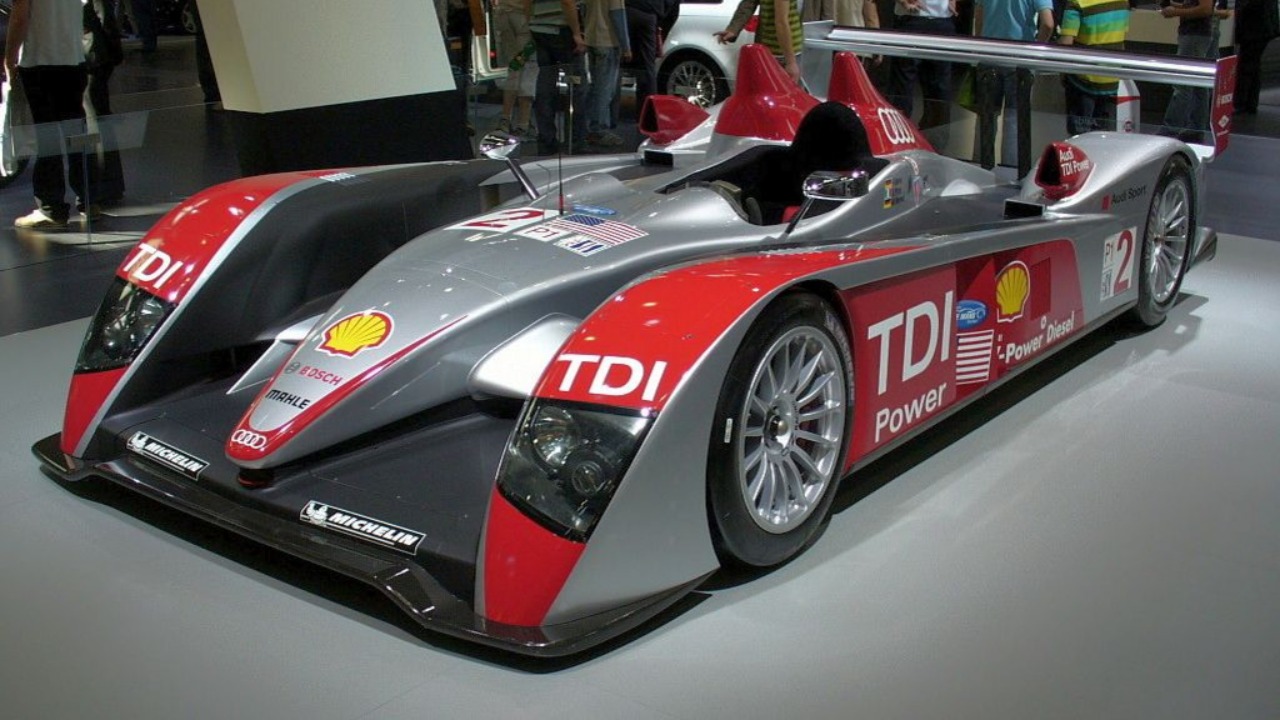
The Audi R10 TDI shocked racing fans because it sounded dramatically quieter and deeper than traditional gasoline-powered endurance racers. The turbocharged diesel V12 produced a low mechanical rumble instead of the screaming exhaust notes expected at Le Mans. Spectators often realized the Audi was approaching only moments before it appeared. Its unusual sound became symbolic of diesel technology entering elite endurance racing successfully.
Tyrrell P34
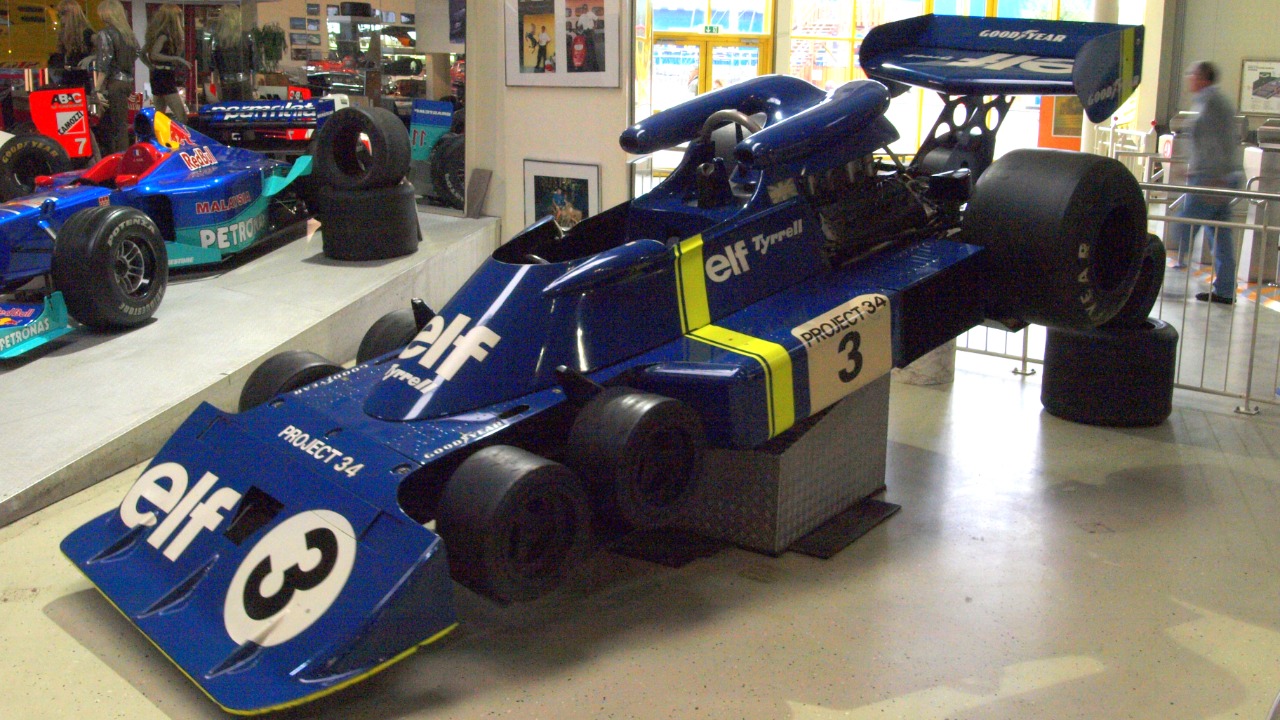
The Tyrrell P34 attracted attention visually, but its Cosworth-powered soundtrack combined with the strange appearance made it unforgettable on track. The car’s unusual proportions amplified crowd fascination whenever it accelerated through corners and down straights. Fans often remembered the bizarre experience of hearing a traditional Formula One scream coming from a machine that looked unlike anything else in Grand Prix history.
Subaru Impreza WRC Boxer Engine Cars
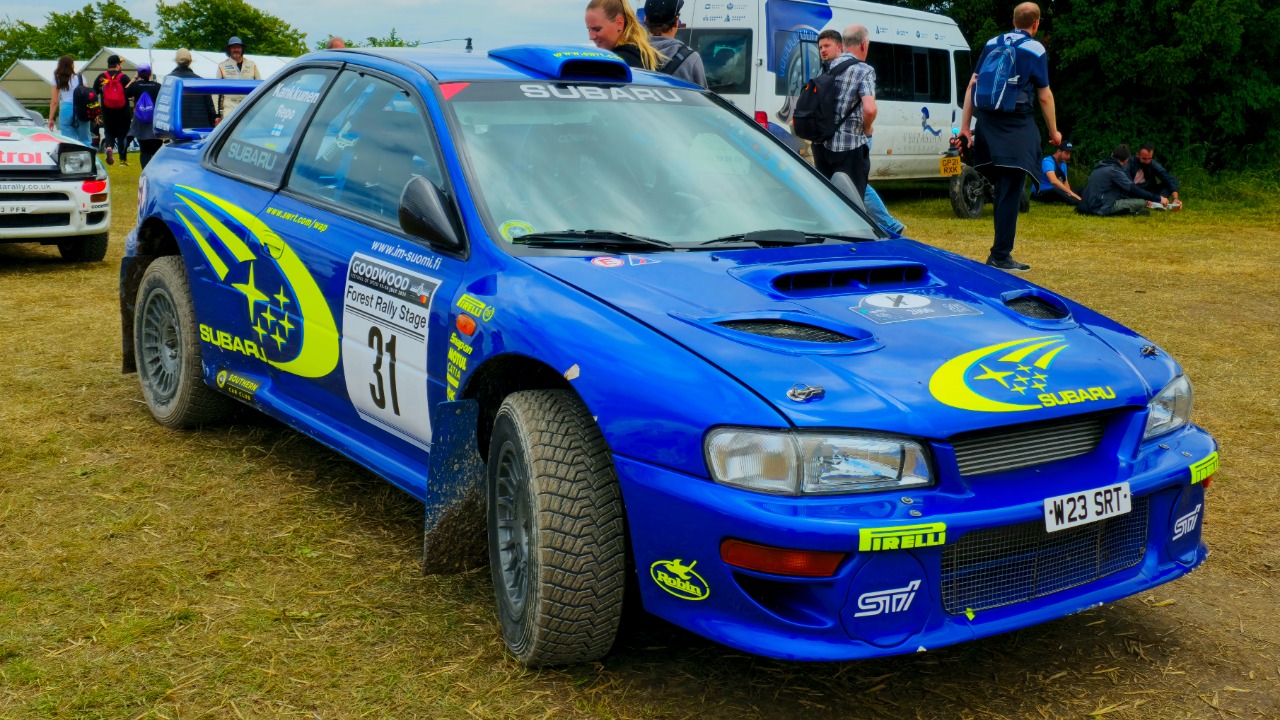
The Subaru Impreza WRC became legendary because of the unmistakable rumble produced by Subaru’s turbocharged flat-four boxer engine. Unequal-length exhaust headers created a deep offbeat rhythm unlike the smoother sounds of rival rally cars. Combined with anti-lag explosions and gravel-stage acoustics, the Subaru produced one of rally racing’s most beloved soundtracks. Fans still associate that distinctive rumble instantly with Subaru’s golden rally era.
More from Fast Lane Only