Some cars introduced ideas that seemed strange or unnecessary when they were new, only for the rest of the industry to eventually follow their lead. These overlooked models experimented with new layouts, safety features, aerodynamics, comfort, or engineering solutions before those ideas became common. Many were never big sellers, but their influence was real. Today, they offer a fascinating look at how quickly automotive design can move ahead of its time.
Citroën DS
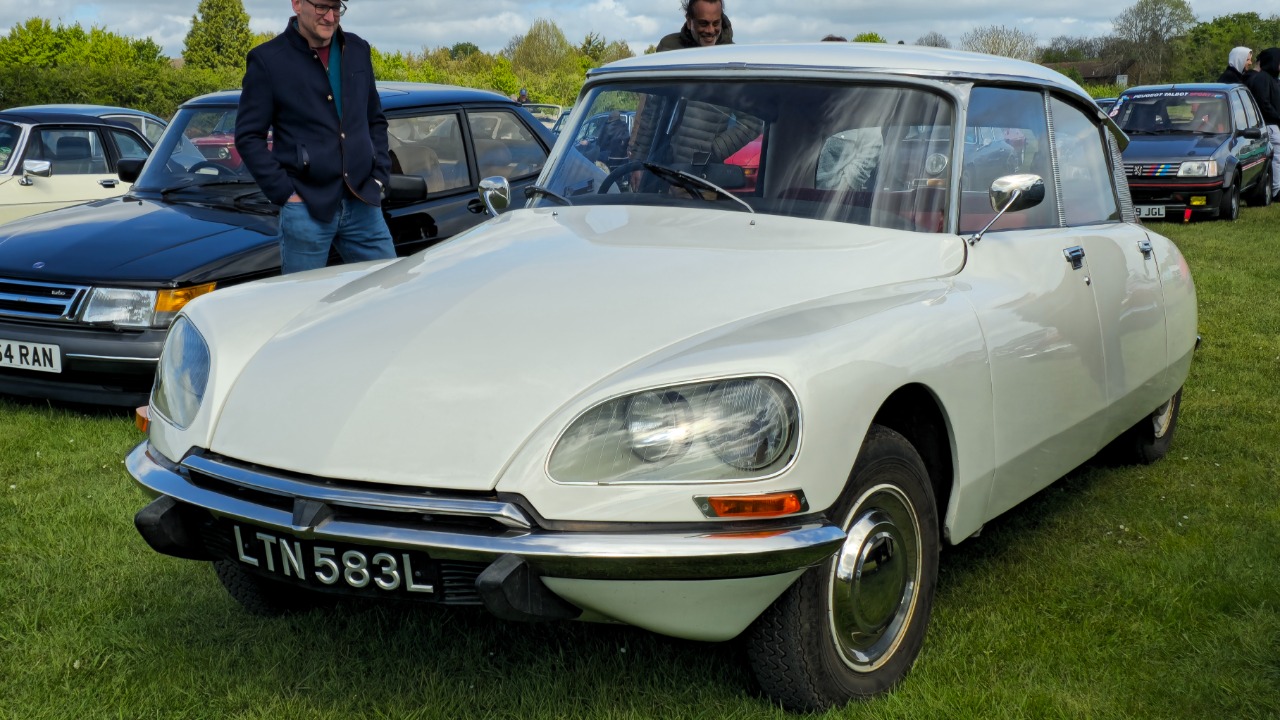
The Citroën DS looked futuristic when it arrived and backed up its appearance with genuinely advanced engineering. Its hydropneumatic suspension delivered an unusually smooth ride, while the aerodynamic body reduced wind resistance. It also introduced innovative braking and steering technology for its time. The DS was expensive and complicated, but many of its ideas influenced the direction of European automotive engineering for decades.
Tucker 48
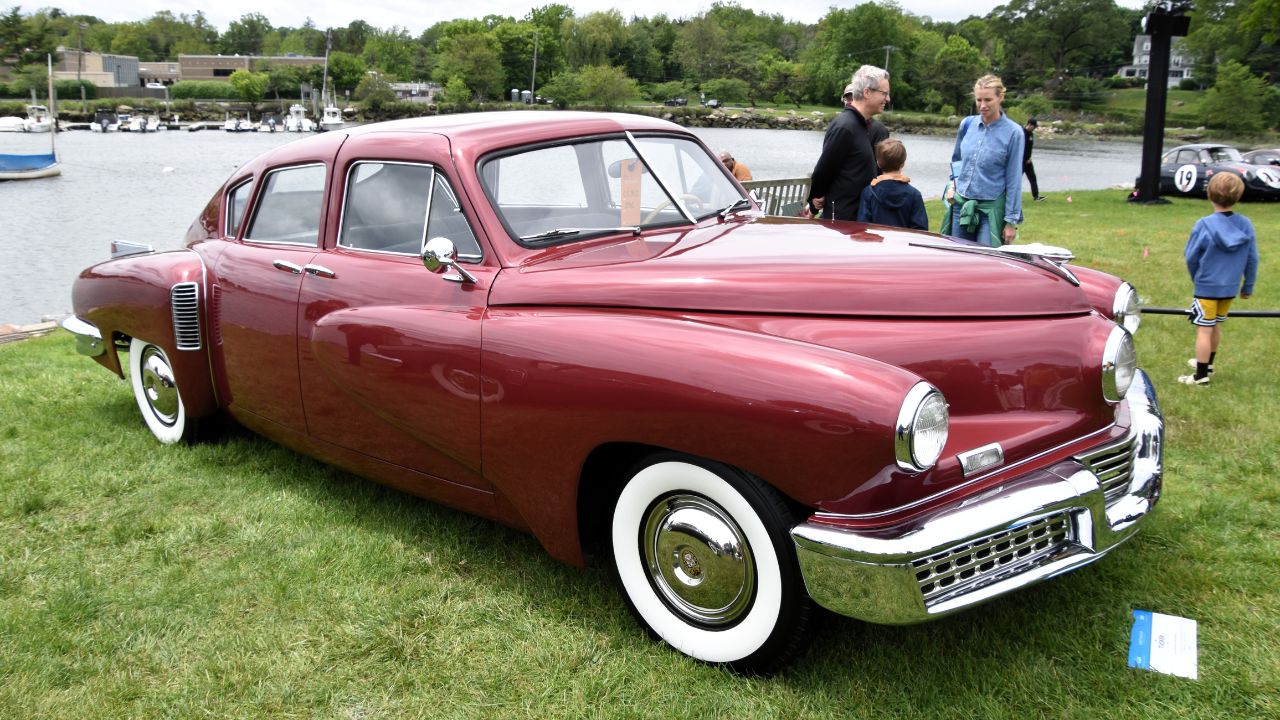
The Tucker 48 attempted to rethink the American automobile from the ground up. Its rear-mounted engine, padded dashboard, center headlight, and reinforced passenger compartment were unusual features for the period. Production ended after only a short run, leaving the car with an almost mythical reputation. Its brief existence makes it difficult to call a commercial success, but its ideas were undeniably ambitious.
Oldsmobile Toronado
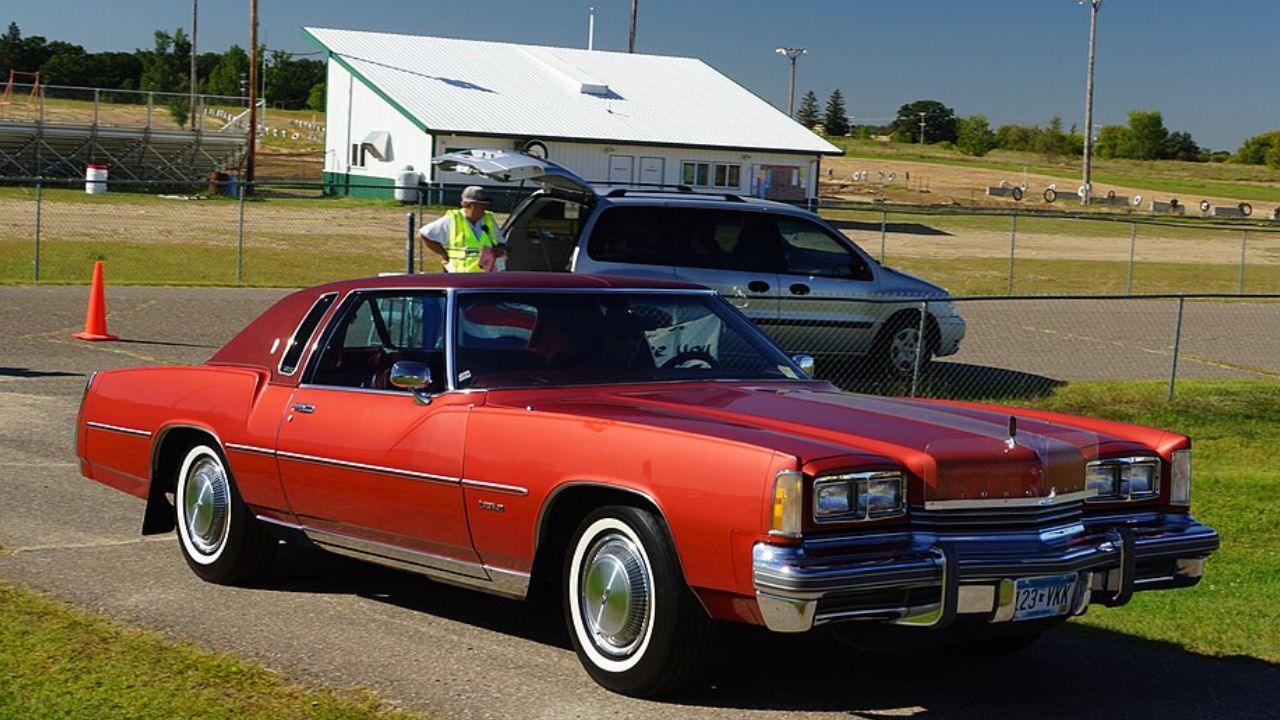
The Oldsmobile Toronado brought front-wheel drive to a large American performance-oriented coupe at a time when rear-wheel drive dominated the market. Its engineers developed an unusual drivetrain arrangement that allowed a powerful V8 to fit under the hood without a traditional transmission tunnel. The dramatic styling attracted attention, but the engineering was even more significant. The Toronado proved that front-wheel drive could work in a large American car.
NSU Ro 80
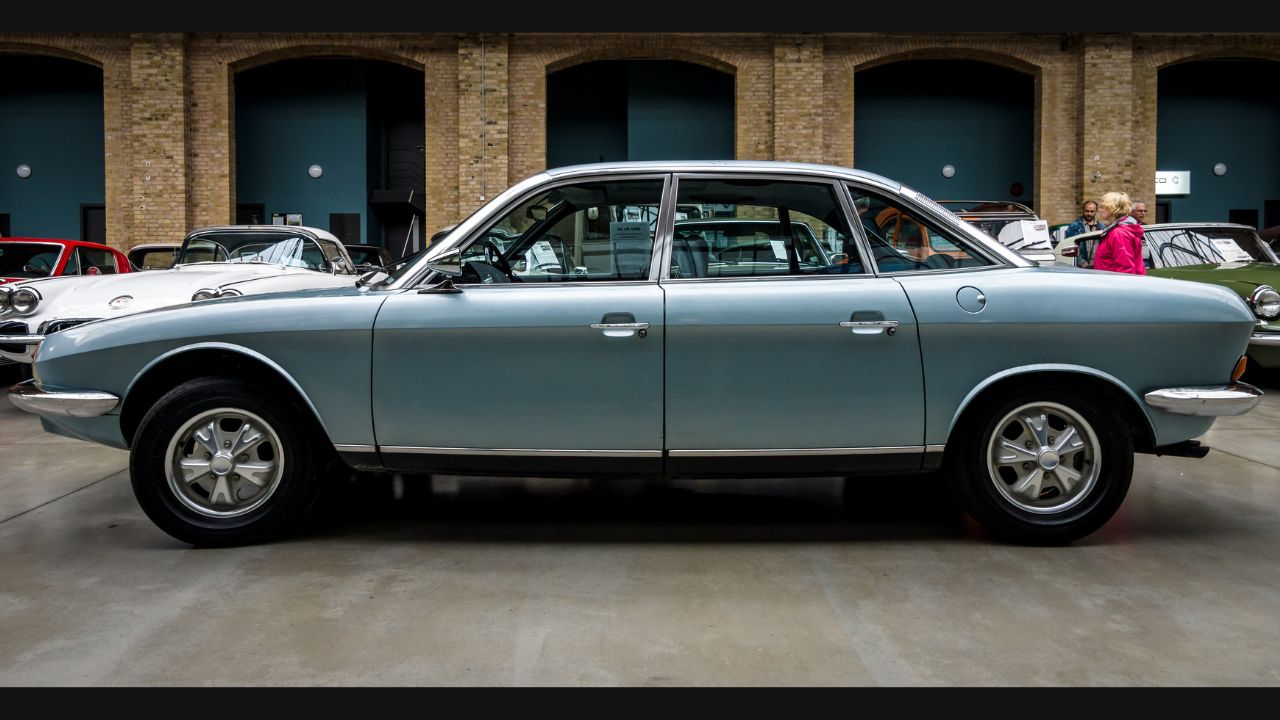
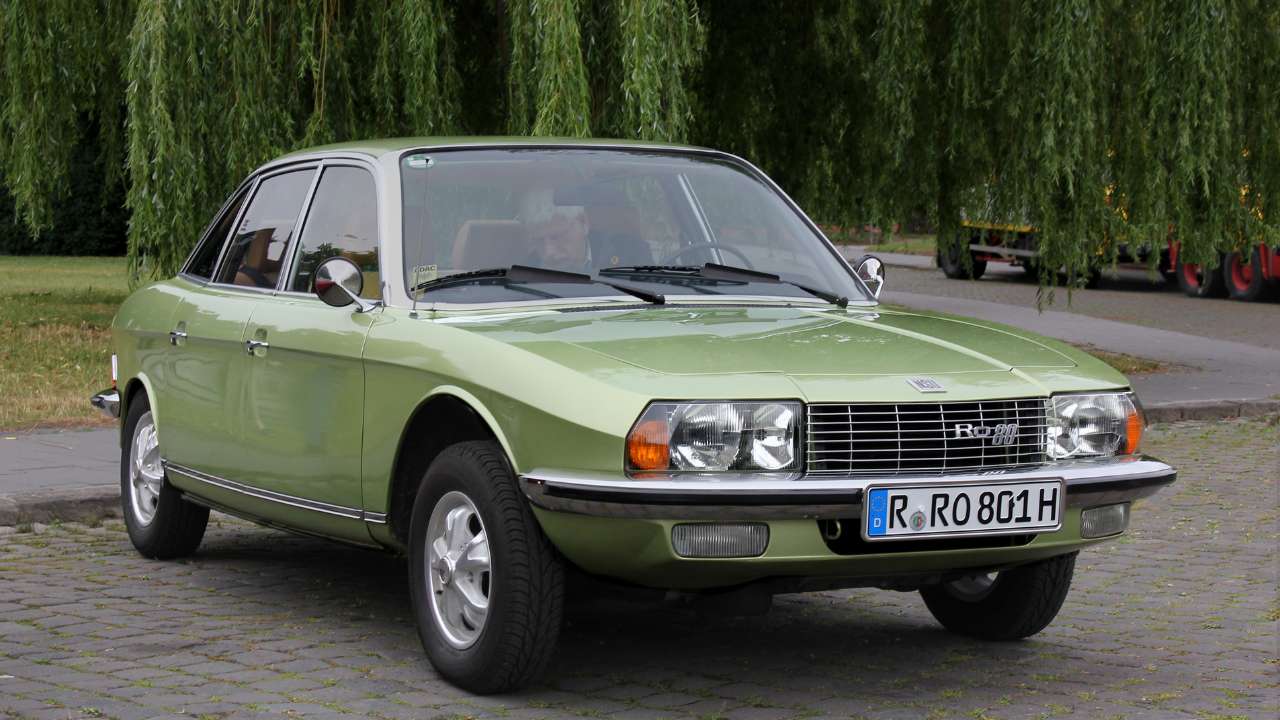
The NSU Ro 80 introduced a futuristic design along with a rotary engine and front-wheel drive. Its smooth body shape looked remarkably modern compared with many conventional sedans of the period. The rotary engine provided strong performance for its size, although reliability problems damaged the model’s reputation. Despite its commercial struggles, the Ro 80 demonstrated how far manufacturers were willing to experiment with alternative powertrains.
Citroën SM
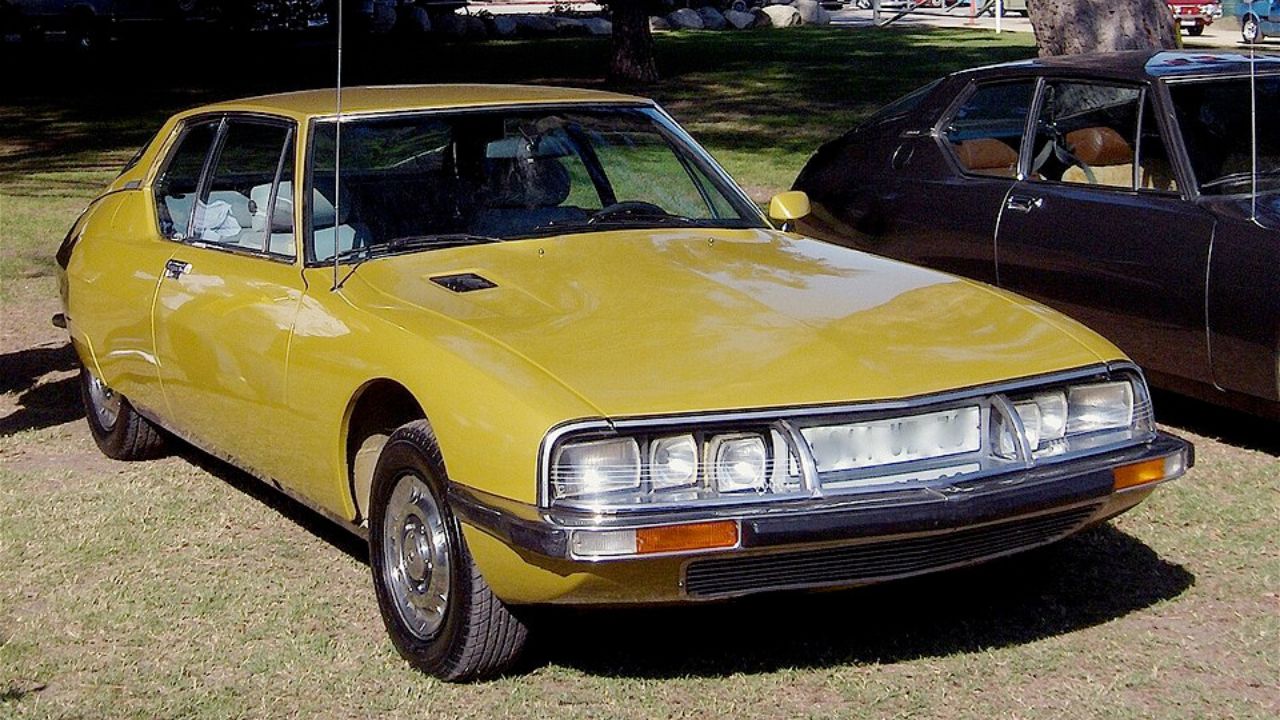
The Citroën SM combined advanced French engineering with a Maserati-derived V6 engine, creating one of the most unusual grand touring cars of its era. Its aerodynamic body, sophisticated suspension, and innovative steering system made it feel completely different from conventional luxury cars. Production numbers remained low, but the SM showed that comfort, performance, and advanced technology could coexist in one remarkably distinctive automobile.
Renault 5
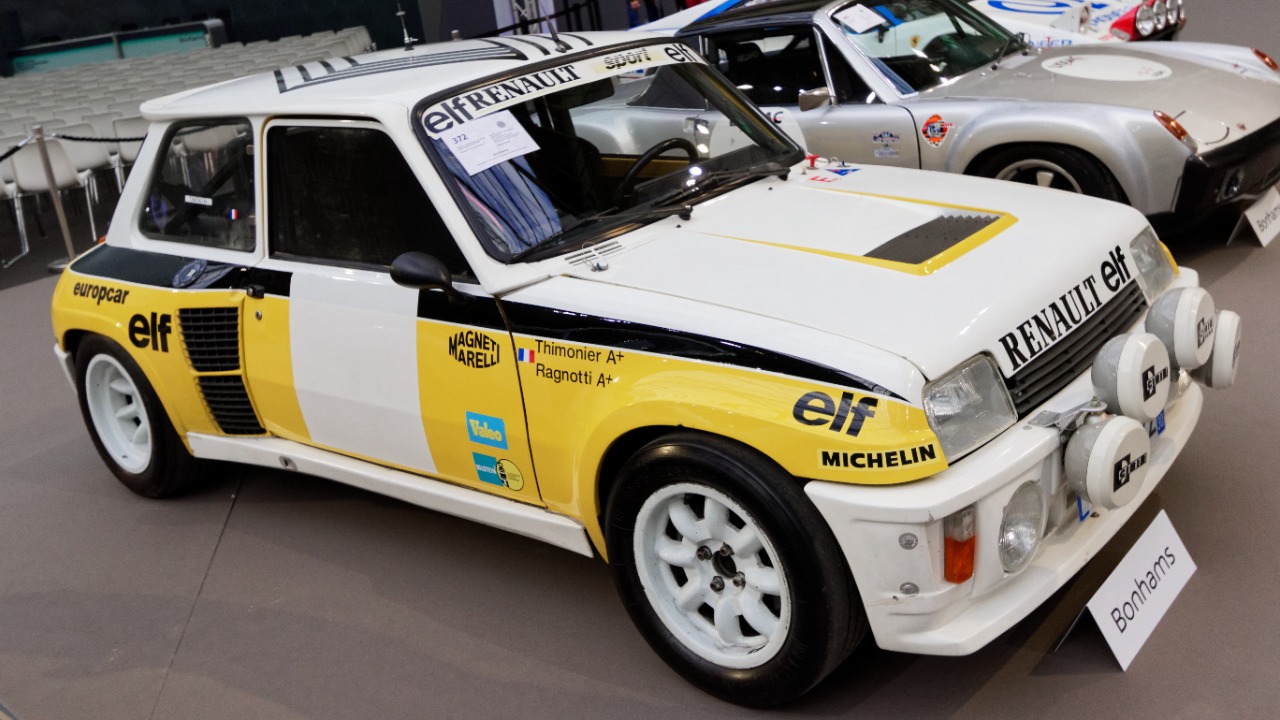
The Renault 5 introduced a compact hatchback formula that became extremely influential in Europe. Its front-wheel-drive layout, short body, and practical rear hatch made it easy to maneuver in crowded cities while still providing useful interior space. The concept was simple but highly effective. As European buyers increasingly embraced compact cars, the Renault 5’s basic approach became a blueprint for countless models that followed.
Audi 100
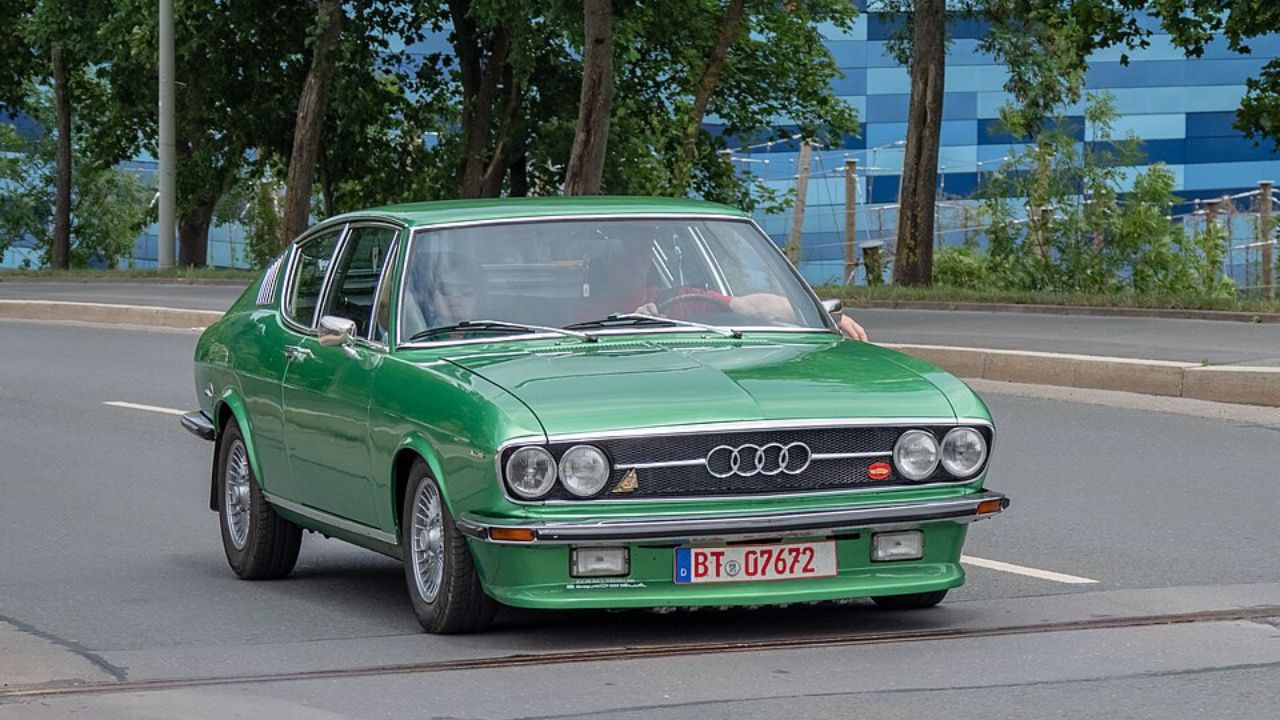
The Audi 100 helped demonstrate the advantages of aerodynamic design and front-wheel drive in a mainstream family sedan. Its clean shape reduced drag while creating a spacious interior for its size. At a time when many large cars still relied heavily on conventional layouts and styling, the Audi looked remarkably modern. Its approach helped influence the more efficient and aerodynamic European sedans that followed.
Saab 99

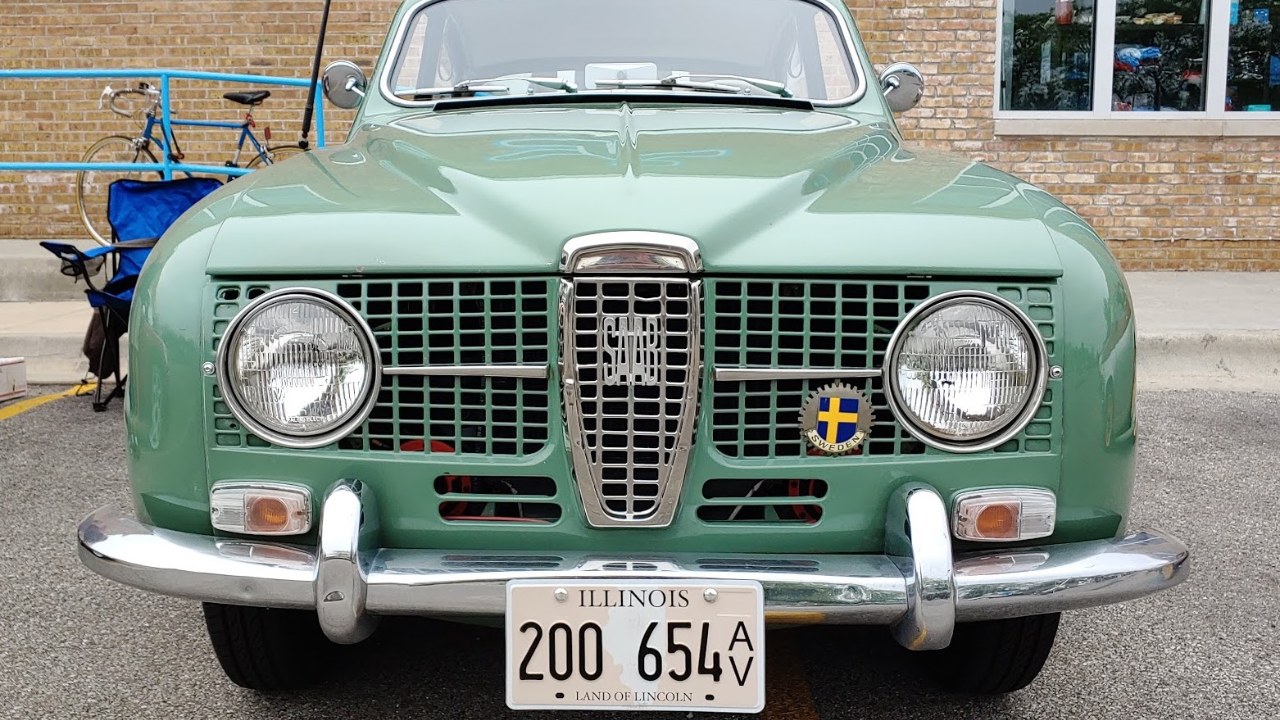
The Saab 99 brought aviation-inspired thinking into everyday automotive design. Its strong passenger compartment, unusual ignition placement, and front-wheel-drive layout were distinctive, while later versions introduced turbocharging to the mainstream family car market. Saab’s approach to safety and performance often differed from larger manufacturers. The 99 showed that a practical family car could also incorporate technology that would later become much more common.
Volvo 240

The Volvo 240 may not look futuristic today, but its approach to safety was highly influential. Strong crash protection, large energy-absorbing structures, and careful attention to passenger survival helped establish Volvo’s reputation. The car also proved remarkably durable in everyday use. Its boxy shape became iconic, but the engineering underneath helped push safety standards forward across the industry.
Honda CR-X
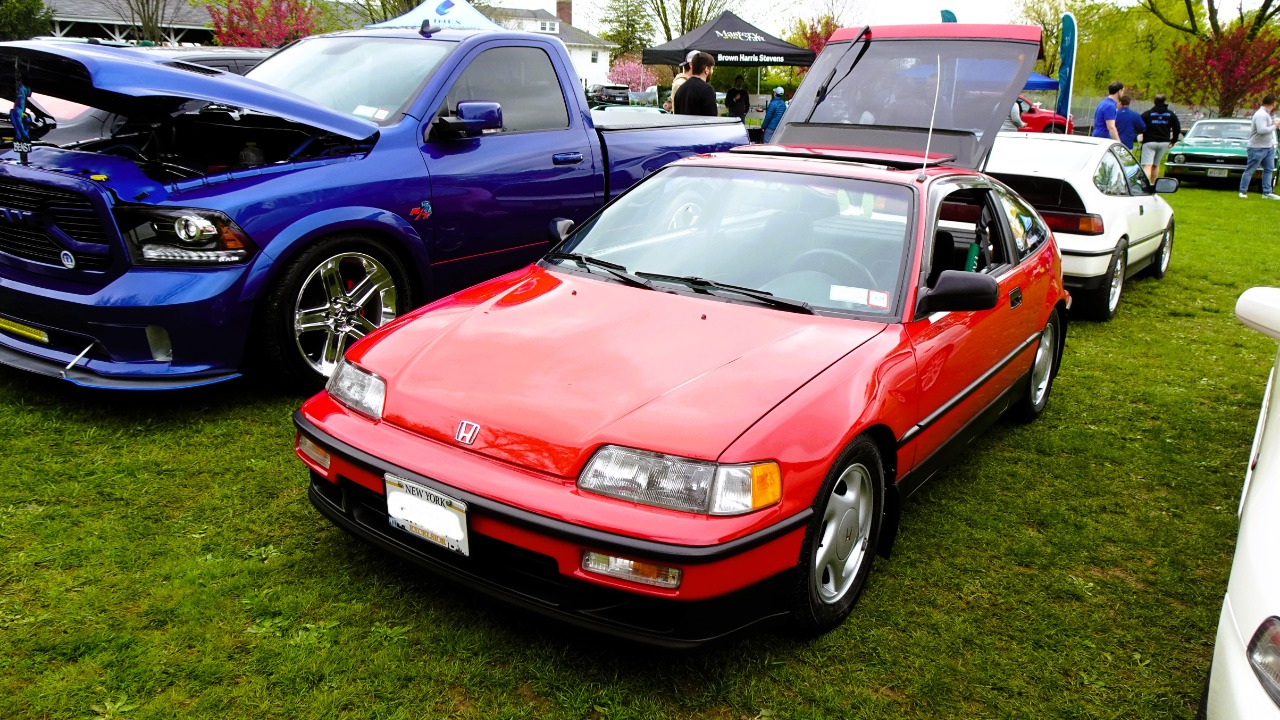
The Honda CR-X showed how lightweight construction and aerodynamic design could create impressive efficiency without making a car dull. Its compact two-seat-focused layout, front-wheel drive, and economical four-cylinder engines appealed to buyers who wanted something inexpensive and fun. Later performance versions added even more character. The CR-X helped demonstrate that small cars could be efficient, practical, and genuinely enjoyable to drive.
More from Fast Lane Only
- Unboxing the WWII Jeep in a Crate
- 15 rare Chevys collectors are quietly buying
- 10 underrated V8s still worth hunting down
- Police notice this before you even roll window down
*Research for this article included AI assistance, with all final content reviewed by human editors.