Some two-seat sports cars arrived with enormous expectations, while others became famous for their styling, performance, or celebrity status. Even after the excitement faded, many continued to attract enthusiasts because of their enjoyable driving experience, distinctive designs, and lasting mechanical appeal. These ten proved they could remain interesting long after their original hype disappeared.
Mazda MX-5 Miata
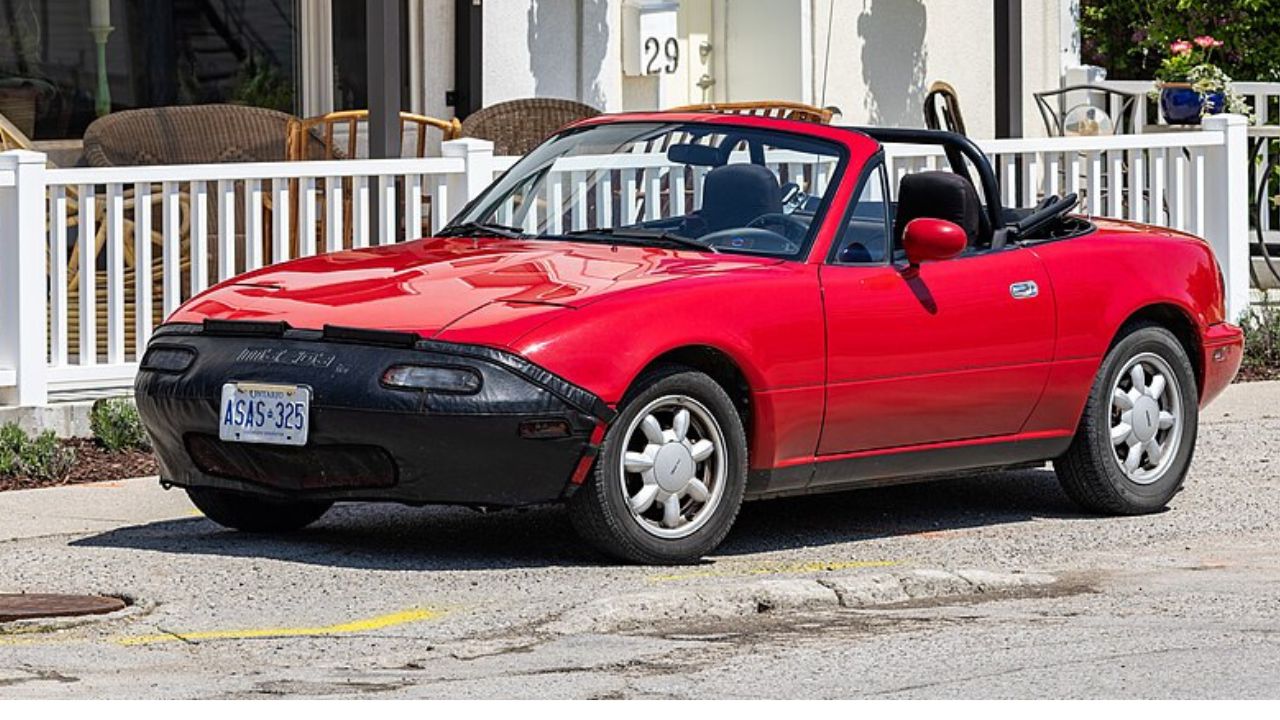
The Mazda MX-5 Miata became famous for proving that a sports car did not need enormous horsepower to be enjoyable. Its lightweight body, simple rear-wheel-drive layout, and responsive handling made it fun on ordinary roads. Decades after its introduction, the Miata remains popular because its basic formula still works. Its long-lasting appeal helped it become one of the world’s most recognizable affordable roadsters.
Toyota MR2
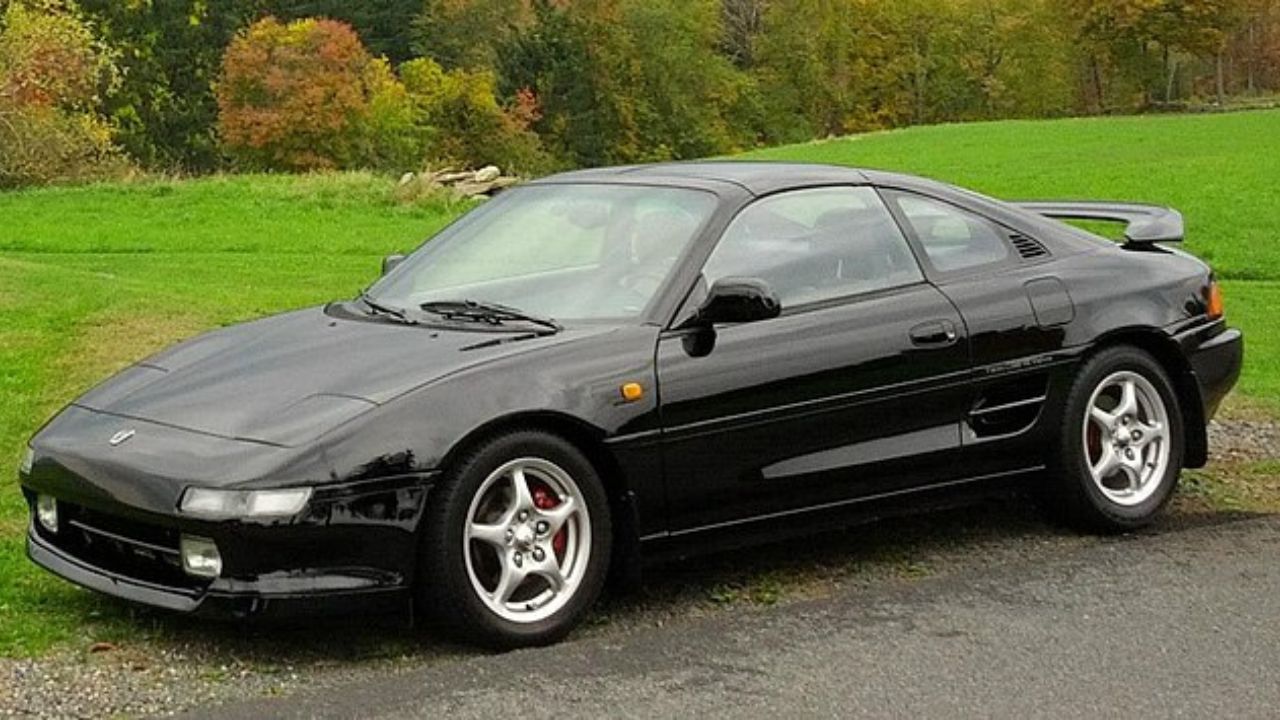
The Toyota MR2 brought mid-engine handling to a much more affordable audience. Its compact dimensions and distinctive styling made it different from conventional sports cars, while Toyota’s reputation for reliability helped attract everyday enthusiasts. Although excitement around the MR2 eventually faded, interest in the model returned among collectors and younger enthusiasts. Its unusual engineering continues to make it stand out among Japanese sports cars.
Honda S2000
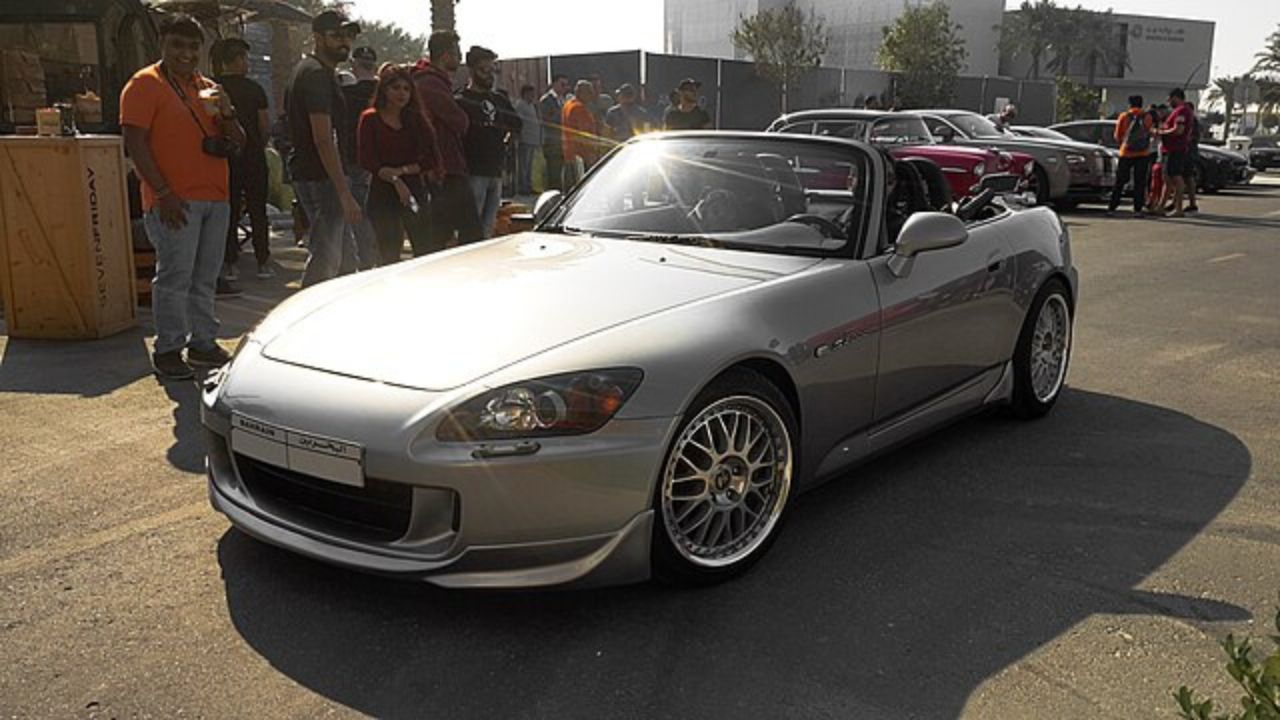
The Honda S2000 arrived with a high-revving four-cylinder engine and a sharp rear-wheel-drive chassis. Its engine could deliver an unusually exciting experience without relying on a large displacement. After production ended, appreciation for the S2000 continued to grow as enthusiasts recognized its combination of reliability, balance, and driver involvement. Today, it is widely regarded as one of Honda’s most memorable sports cars.
Chevrolet Corvette
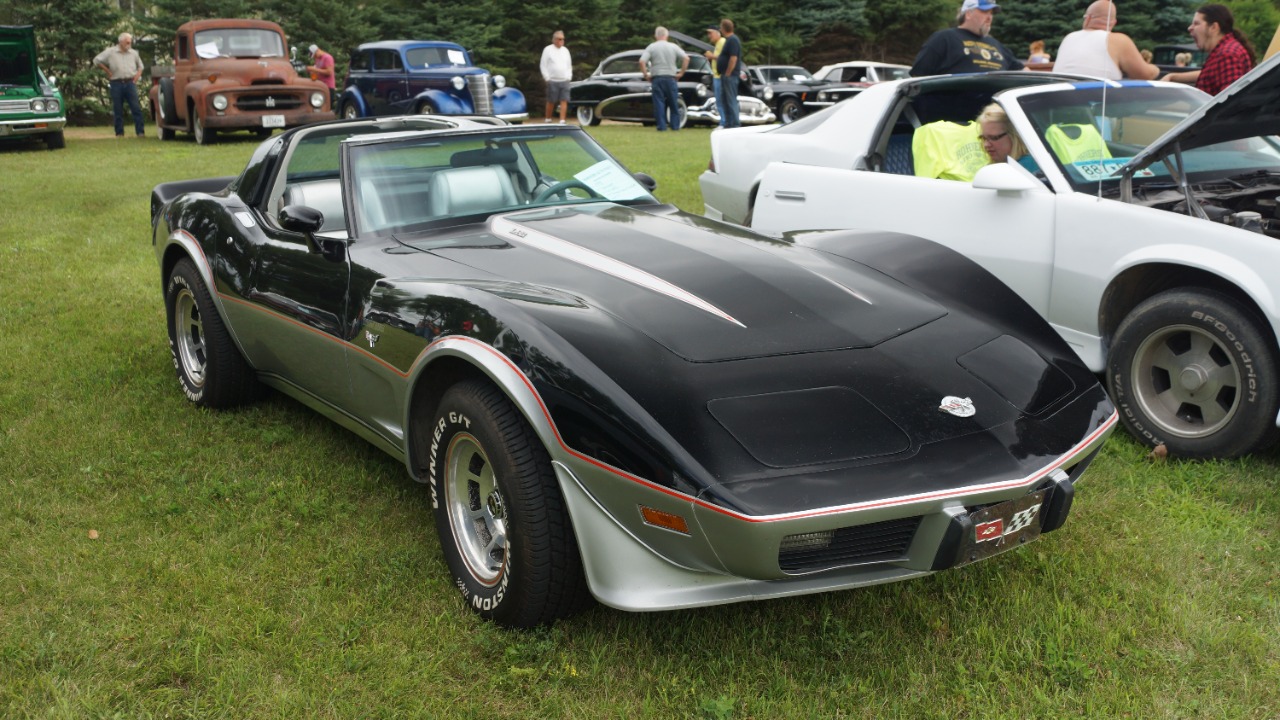
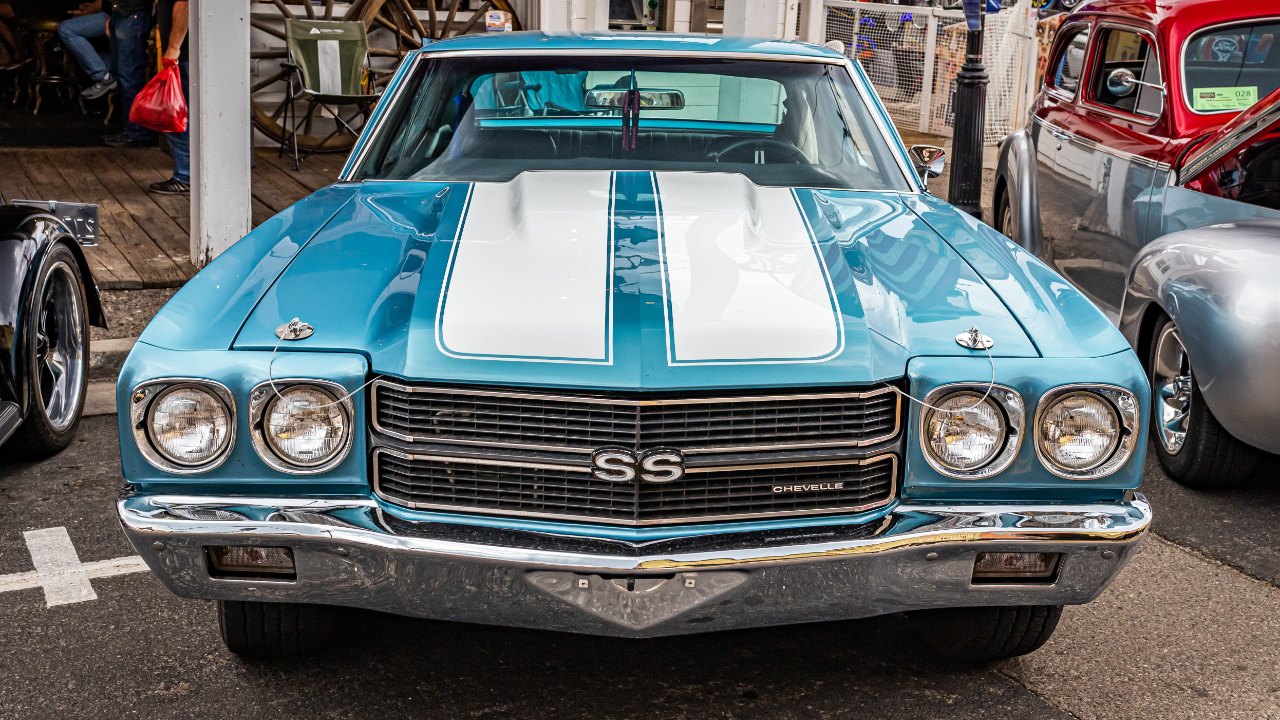
The Chevrolet Corvette has survived countless changes in automotive fashion while remaining an important American performance car. Its fiberglass body, powerful engines, and distinctive styling helped establish a unique identity. Individual generations experienced different levels of popularity, but the Corvette name continued to attract buyers and enthusiasts. Its longevity demonstrates that a well-established sports-car formula can remain relevant for decades.
Porsche Boxster
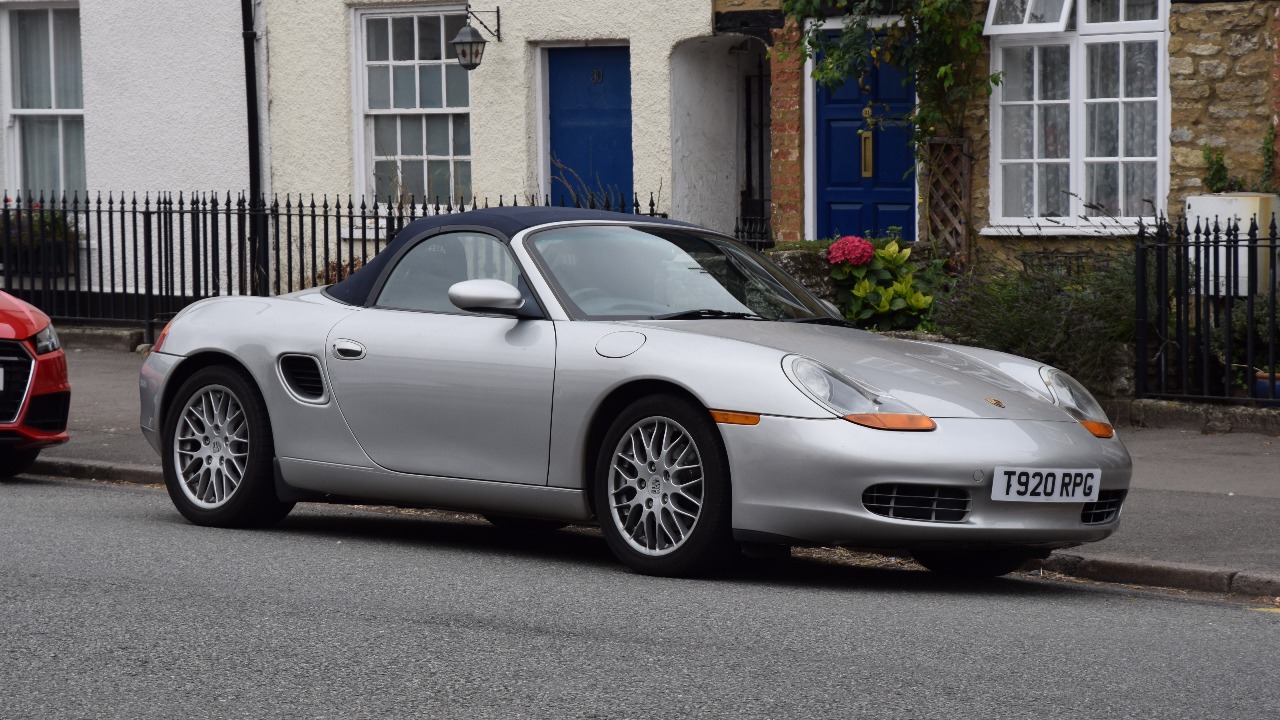
The Porsche Boxster helped bring the Porsche brand to a wider group of sports-car buyers. Its mid-engine layout provided excellent balance, while its two-seat convertible design gave it strong visual appeal. Although it was initially viewed by some as an entry-level Porsche, the Boxster eventually earned respect for its handling and engineering. Its continued popularity shows that its original concept had lasting substance.
BMW Z3
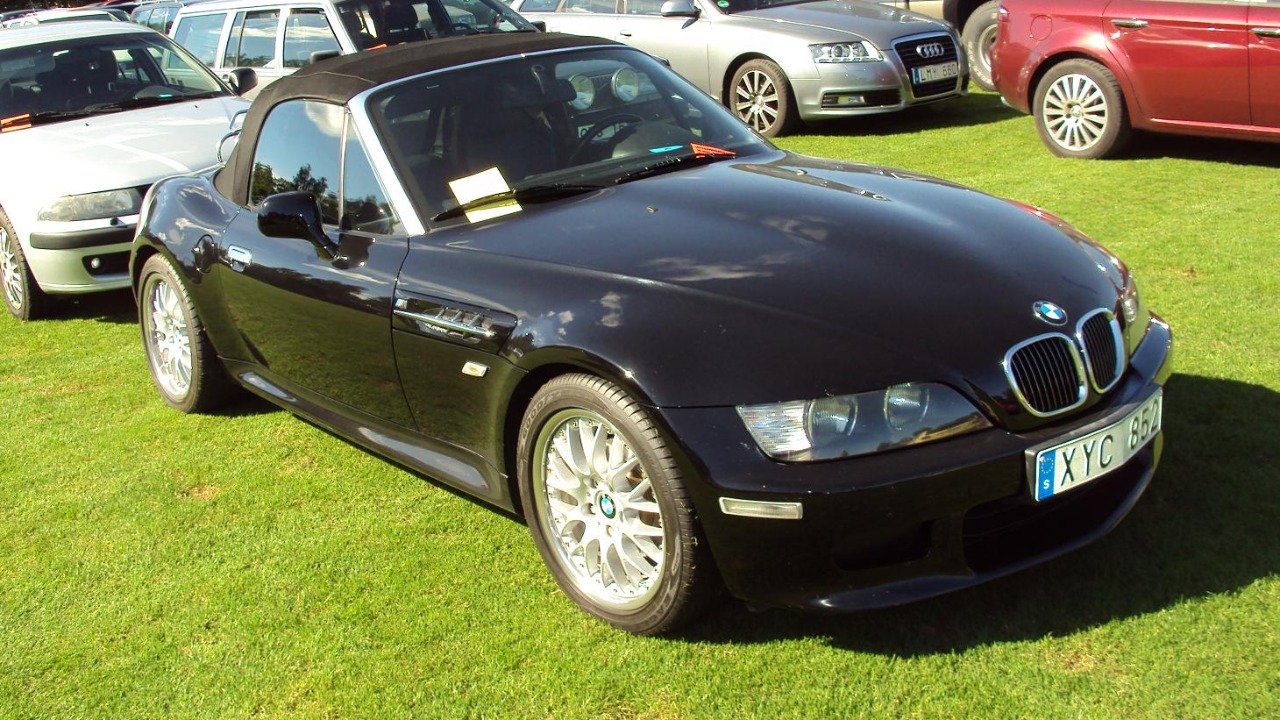
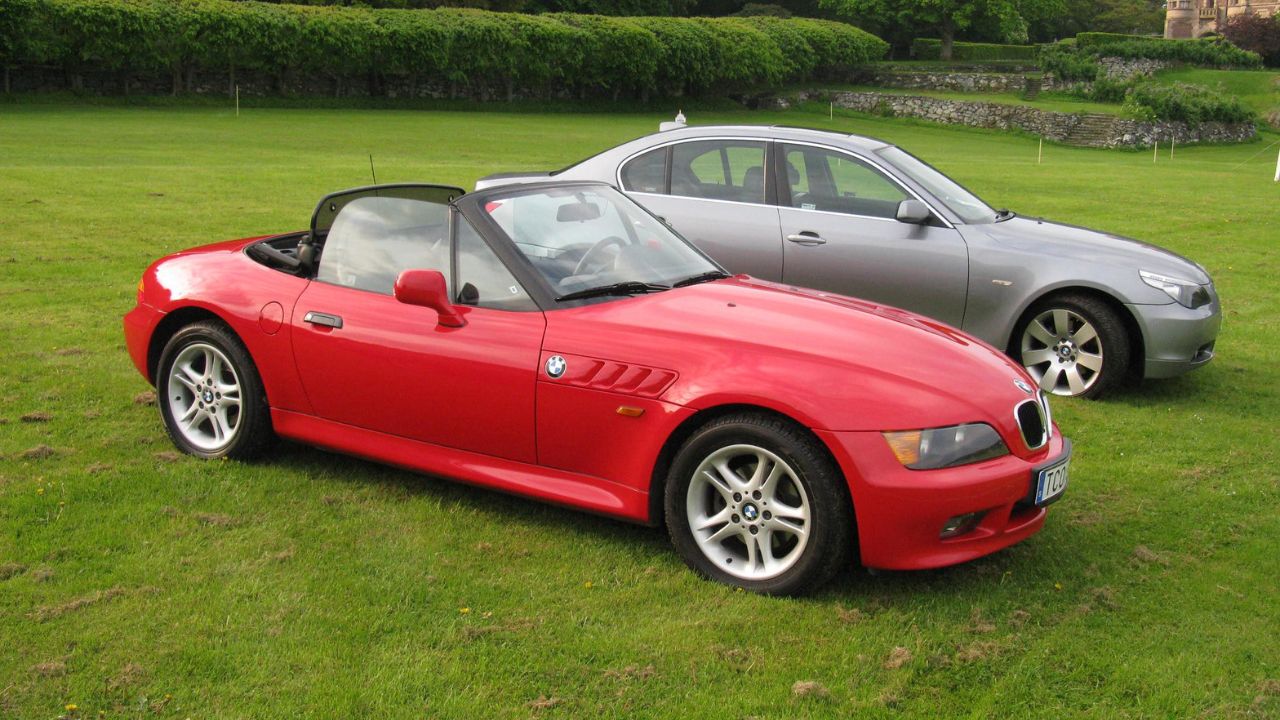
The BMW Z3 became famous after appearing prominently in popular culture, giving the small roadster considerable attention. Beneath the publicity was a rear-wheel-drive sports car with a distinctive design and enjoyable driving character. As the initial hype disappeared, enthusiasts continued appreciating the Z3 for its simplicity and classic proportions. Today, clean examples can still provide an affordable way into classic BMW roadster ownership.
Mercedes-Benz SLK
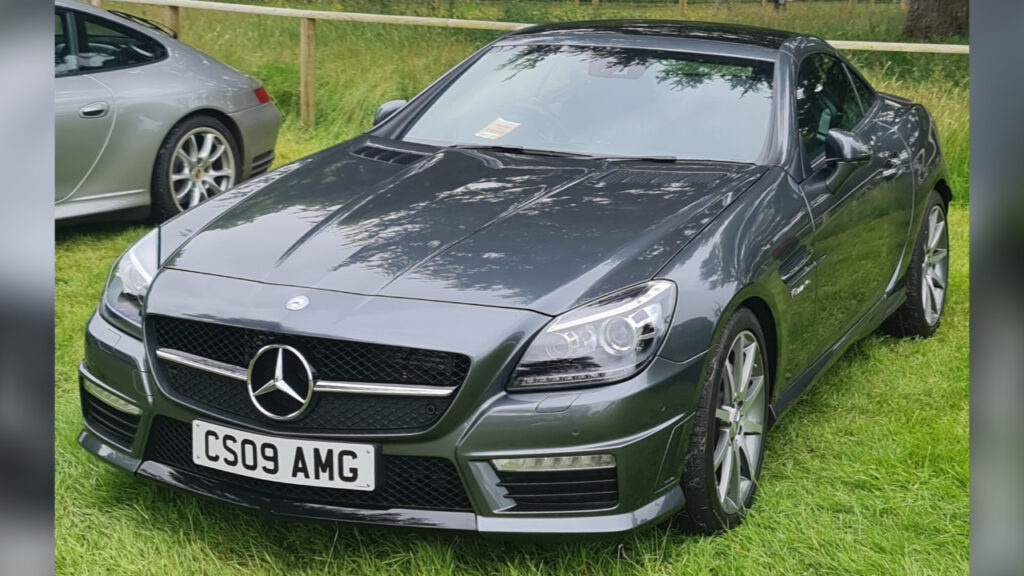
The Mercedes-Benz SLK brought a compact two-seat roadster into Mercedes-Benz’s lineup with a clever retractable hardtop. Its combination of luxury, technology, and open-air driving helped attract buyers who wanted something more sophisticated than a traditional roadster. As newer models appeared, the early SLK became less fashionable. However, its distinctive design and comfortable driving experience have helped it retain enthusiast interest.
Fiat 124 Spider
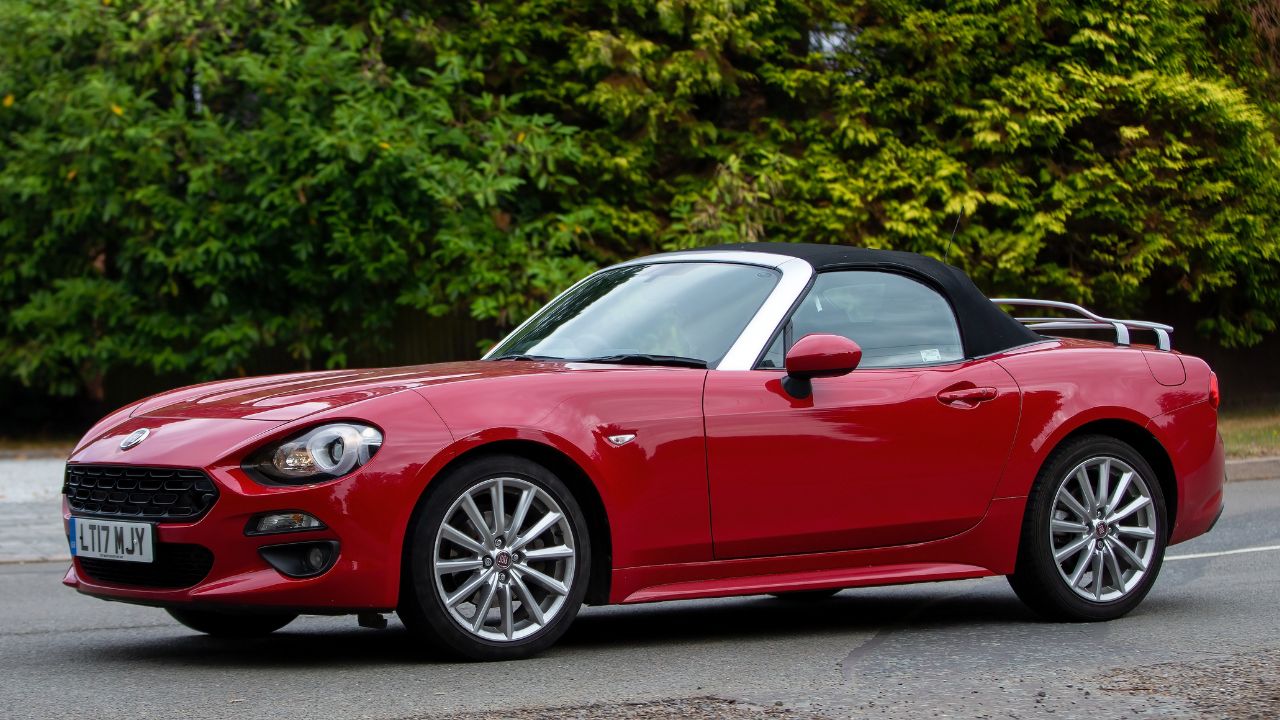
The Fiat 124 Spider became popular for its elegant Italian styling and enjoyable open-top driving experience. Its relatively simple mechanical design made it approachable compared with more expensive European sports cars. Although its popularity declined after production ended, the model eventually gained renewed attention from classic-car enthusiasts. Its graceful proportions and traditional roadster layout have allowed it to remain attractive long after its original market success.
Triumph Spitfire
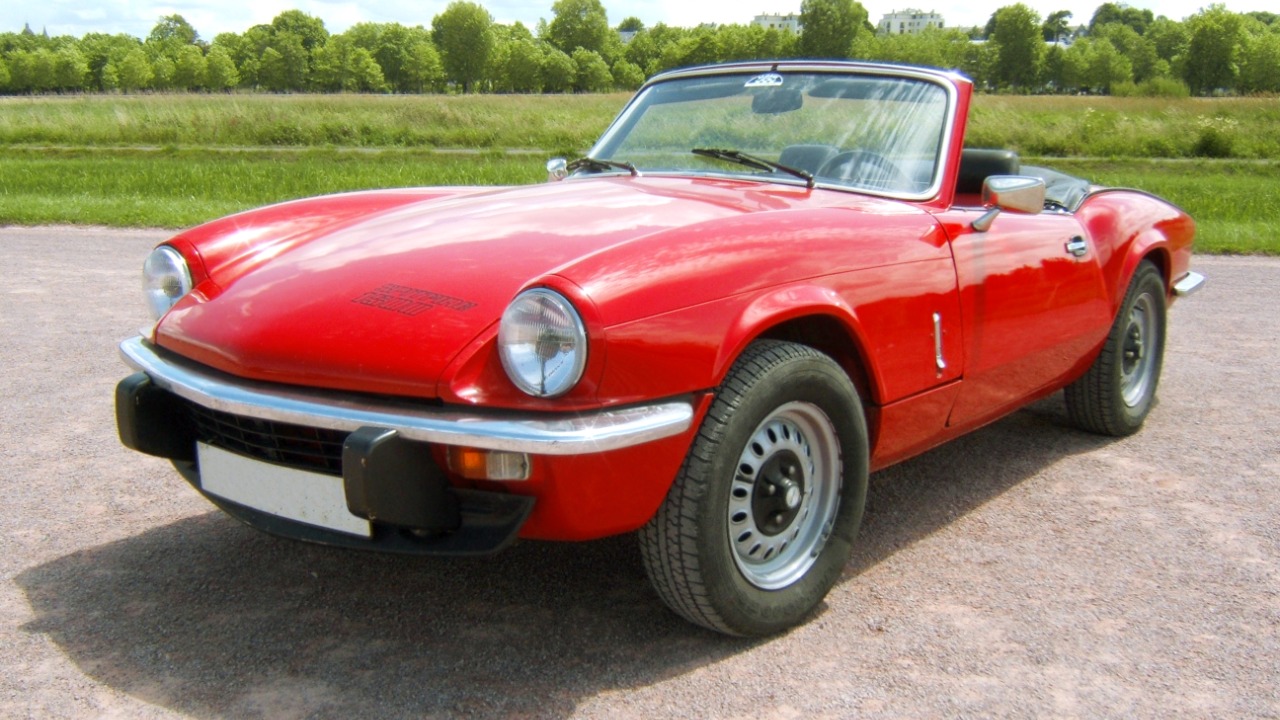
The Triumph Spitfire offered lightweight British roadster fun in a small and affordable package. It never depended on huge horsepower or advanced technology. Instead, its appeal came from simple controls, open-air driving, and distinctive styling. Although modern performance cars eventually made it seem slow, enthusiasts continued preserving the Spitfire because of its character. Its uncomplicated nature helped it survive long after its original popularity faded.
Datsun 240Z
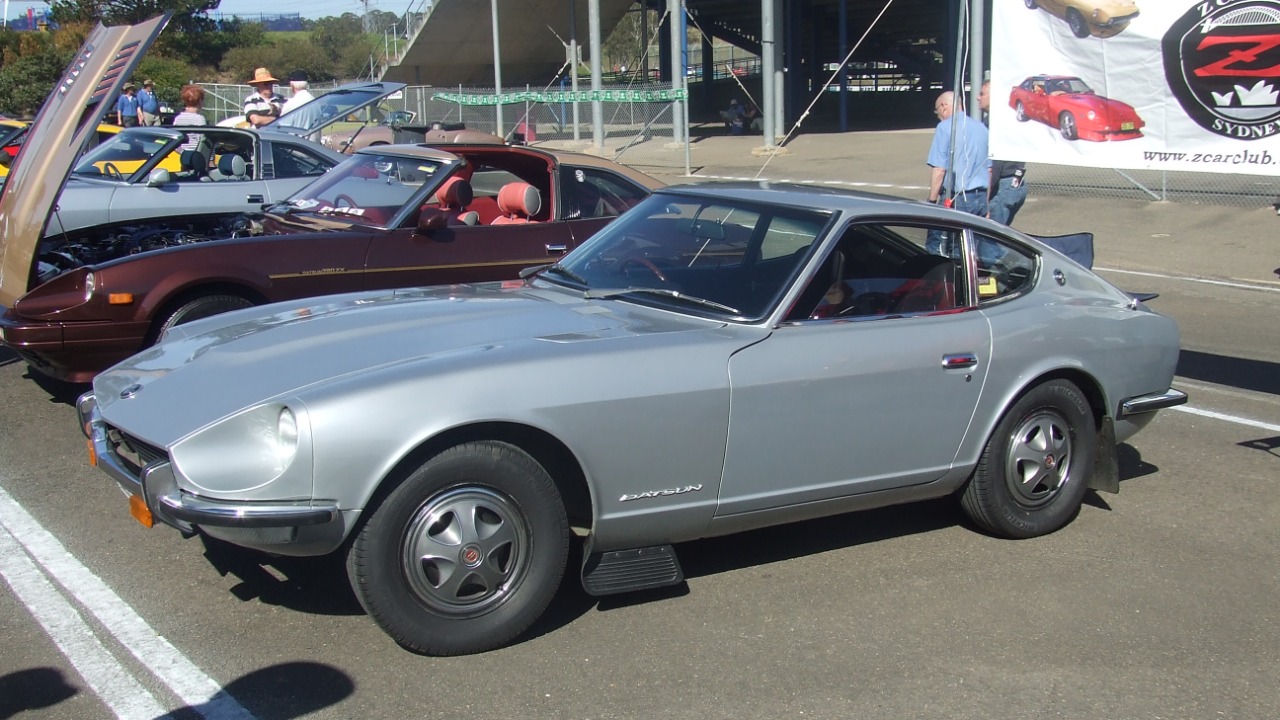
The Datsun 240Z changed expectations for affordable sports cars by combining attractive styling, a smooth inline-six, and rear-wheel drive. It offered a compelling alternative to more expensive European models while maintaining a distinctly Japanese identity. Its original popularity eventually gave way to newer performance cars, but interest in the 240Z returned strongly among collectors. Its design and driving character have helped it outlive decades of changing automotive trends.
More from Fast Lane Only
- Unboxing the WWII Jeep in a Crate
- 15 rare Chevys collectors are quietly buying
- 10 underrated V8s still worth hunting down
- Police notice this before you even roll window down
*Research for this article included AI assistance, with all final content reviewed by human editors