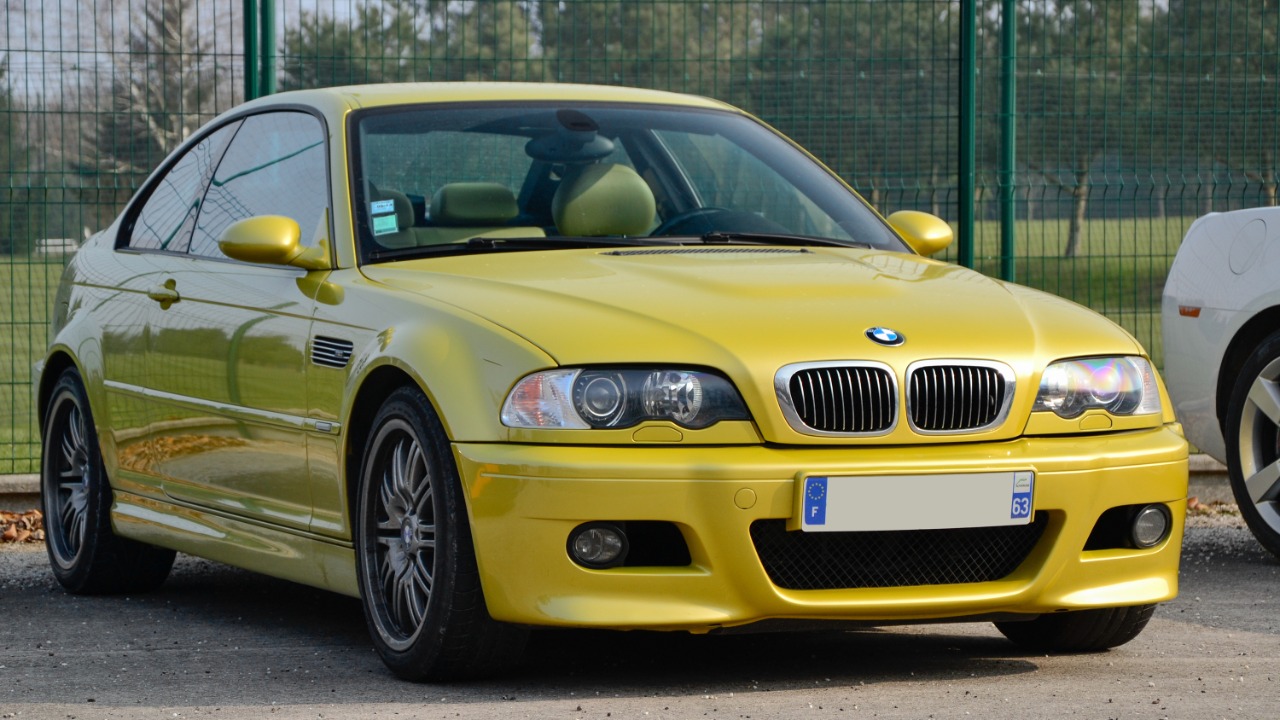
Not every fast car announces itself with giant wings, bright graphics, or deafening exhaust systems. Some fourth-generation performance models built reputations by delivering impressive acceleration and handling while maintaining understated styling and everyday usability. These cars surprised rivals, embarrassed more expensive competitors, and proved that serious speed often hides beneath calm, unassuming sheet metal.
Chevrolet Camaro Z28 (Fourth Generation)
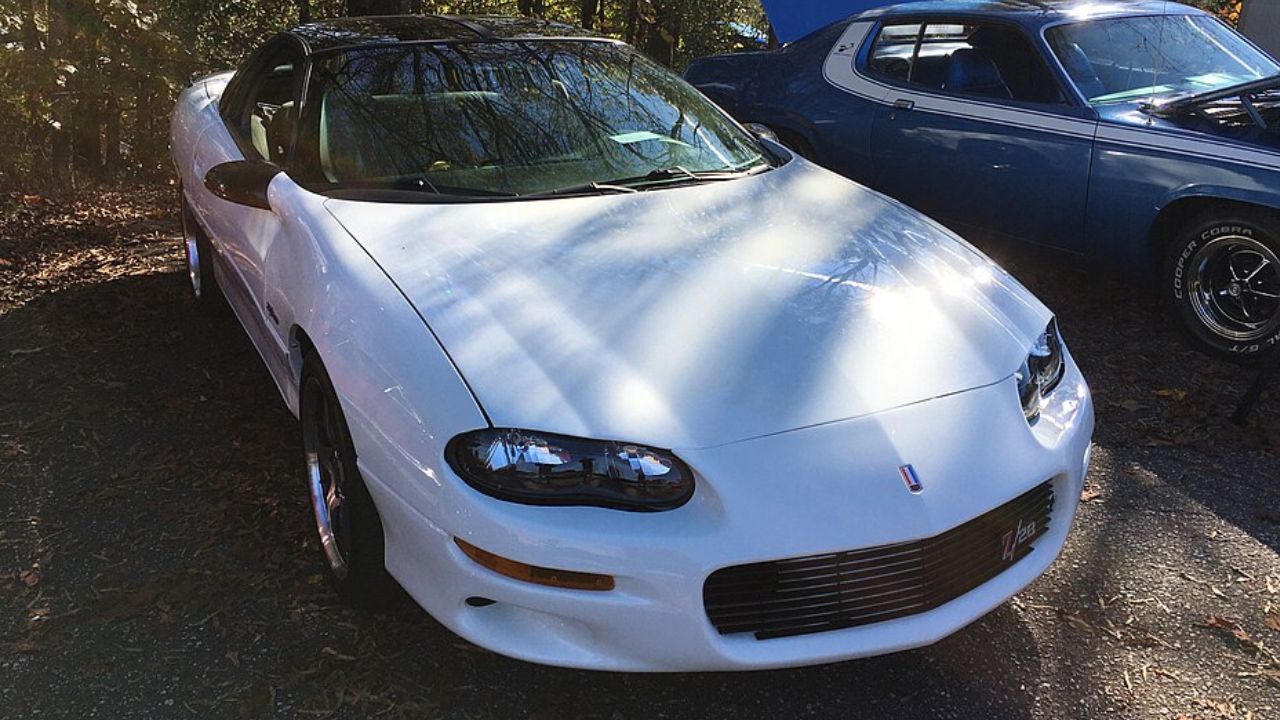
The fourth-generation Chevrolet Camaro Z28 became dramatically quicker once the LS1 V8 arrived in 1998. Built by Chevrolet, it delivered strong horsepower and impressive torque in a relatively lightweight platform. Its smooth bodywork lacked the visual aggression of earlier muscle cars, causing many drivers to underestimate it. On the street and drag strip, however, the Z28 consistently delivered serious straight-line performance. It quietly became one of the best performance bargains of its era.
Toyota Supra Mk4

The fourth-generation Toyota Supra gained legendary status over time, but its early styling remained surprisingly restrained compared to exotic rivals. Developed by Toyota, it featured the twin-turbocharged 2JZ-GTE inline-six capable of enormous power gains. Even in factory form, acceleration and high-speed stability rivaled far more expensive sports cars. Excellent reliability further enhanced its appeal among enthusiasts. The Supra quietly proved that refined engineering could outperform louder, flashier competitors.
Honda Prelude Si (Fourth Generation)

The fourth-generation Honda Prelude Si focused more on balance and precision than outright visual aggression. Produced by Honda, it featured advanced four-wheel steering and a high-revving four-cylinder engine that rewarded skilled driving. Lightweight handling and responsive chassis tuning made it deceptively quick on technical roads. Many buyers overlooked it in favor of more powerful coupes. Over time, enthusiasts recognized the Prelude as one of the sharpest-handling front-wheel-drive cars of the decade.
Pontiac Firebird Formula
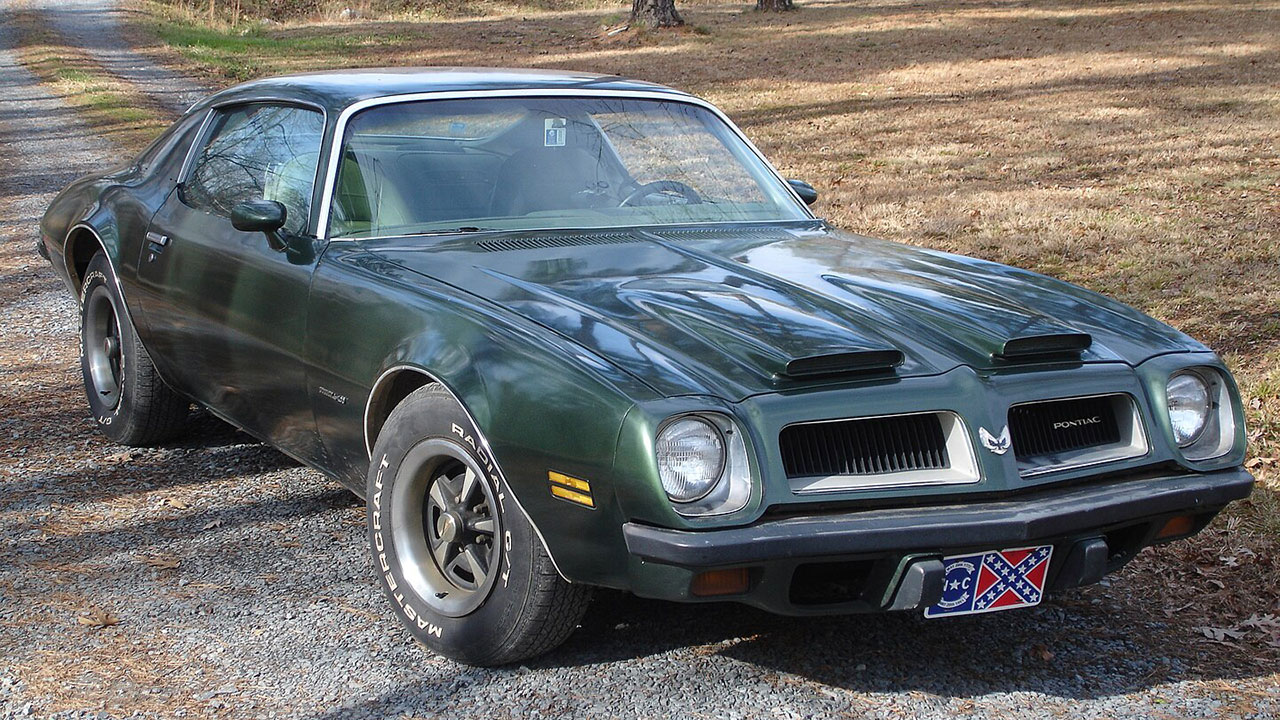
The fourth-generation Pontiac Firebird Formula delivered nearly the same performance as the Trans Am with far less visual drama. Built by Pontiac, it shared powerful LT1 and later LS1 V8 engines while avoiding oversized spoilers and aggressive body add-ons. That understated appearance made it a genuine sleeper on American roads. Strong acceleration and highway speed capability surprised unsuspecting competitors regularly. The Formula became respected among enthusiasts who preferred performance without excessive attention.
Mazda RX-7 FD
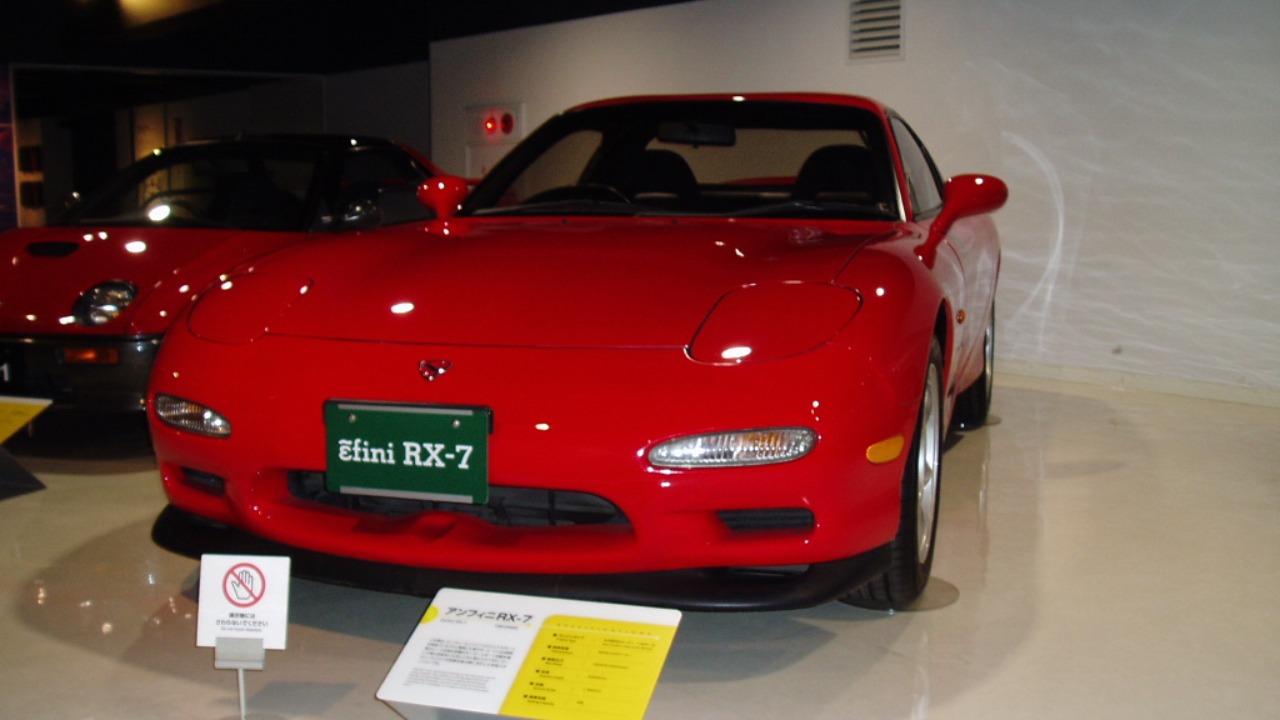
The fourth-generation Mazda RX-7 emphasized elegance and balance over intimidating styling. Developed by Mazda, it used a twin-turbocharged rotary engine in a lightweight chassis with near-perfect weight distribution. Smooth body lines concealed serious performance capability beneath the surface. Drivers appreciated its razor-sharp steering and fluid handling characteristics. The RX-7 quietly delivered world-class sports car performance without relying on oversized engines or exaggerated styling cues.
Volkswagen Golf R32 (Fourth Generation)
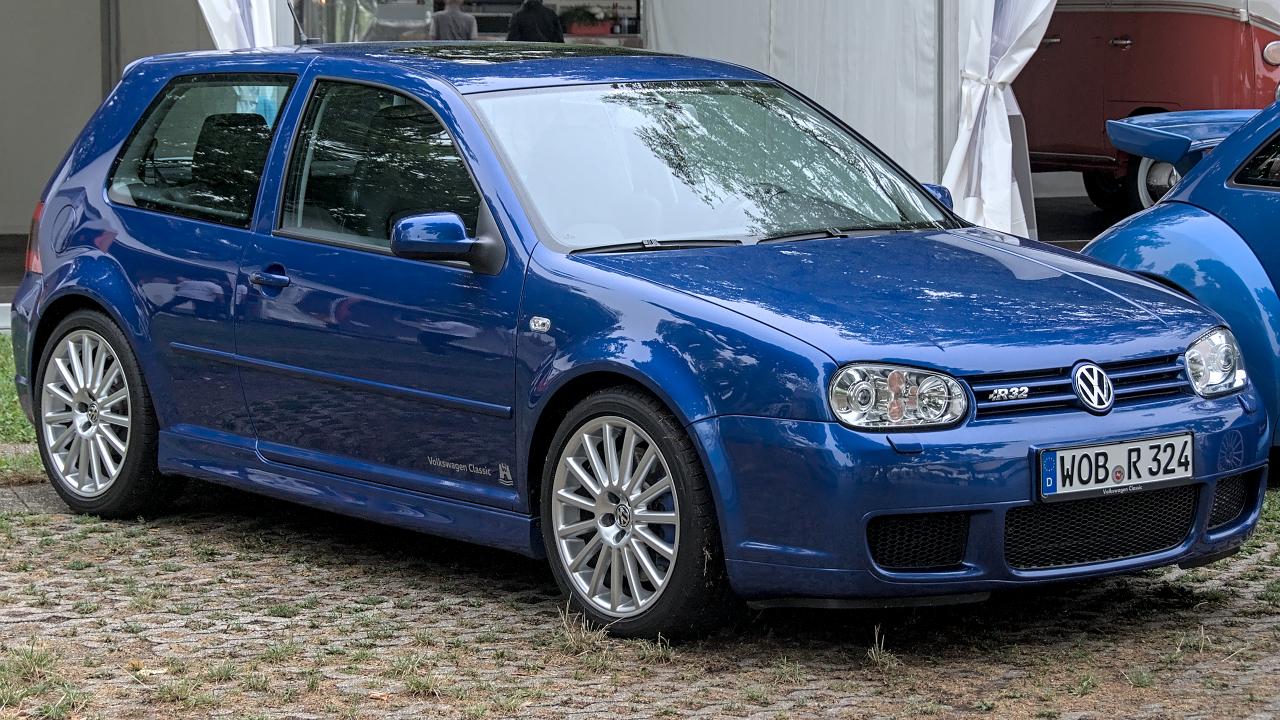
The fourth-generation Volkswagen Golf R32 blended hatchback practicality with genuinely surprising speed. Produced by Volkswagen, it paired a narrow-angle VR6 engine with all-wheel drive for strong traction and acceleration. Subtle styling changes distinguished it from ordinary Golfs without making it visually extreme. Its refined cabin and smooth power delivery appealed to mature enthusiasts. The R32 quietly helped establish the blueprint for modern high-performance hot hatches.
Ford Mustang SVT Cobra (SN95 Fourth Generation)
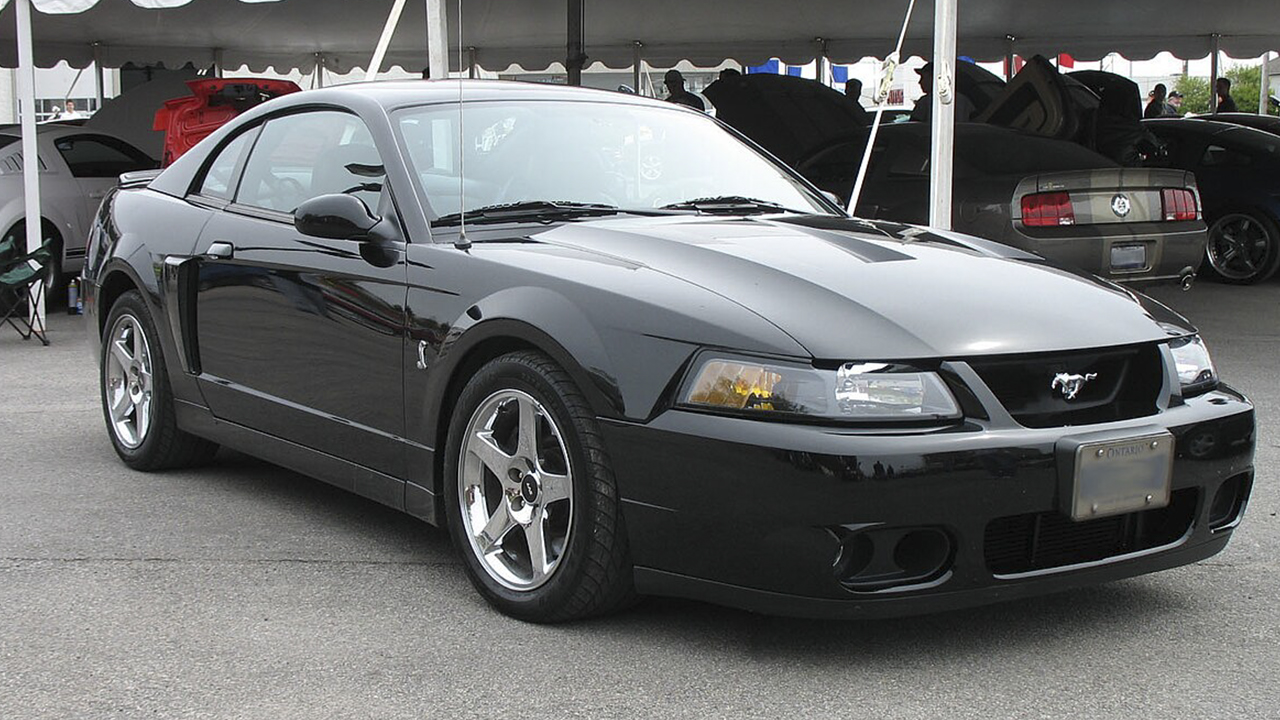
The SN95-generation Mustang SVT Cobra offered serious capability beneath relatively conservative styling updates. Developed by Ford Motor Company through the SVT division, it featured upgraded V8 engines, improved suspension tuning, and stronger braking systems. While less flamboyant than some rivals, it delivered impressive straight-line speed and tuning potential. Later supercharged Cobra models became especially feared among street racers. The SVT Cobra quietly maintained Mustang performance credibility throughout the 1990s and early 2000s.
BMW M3 E46
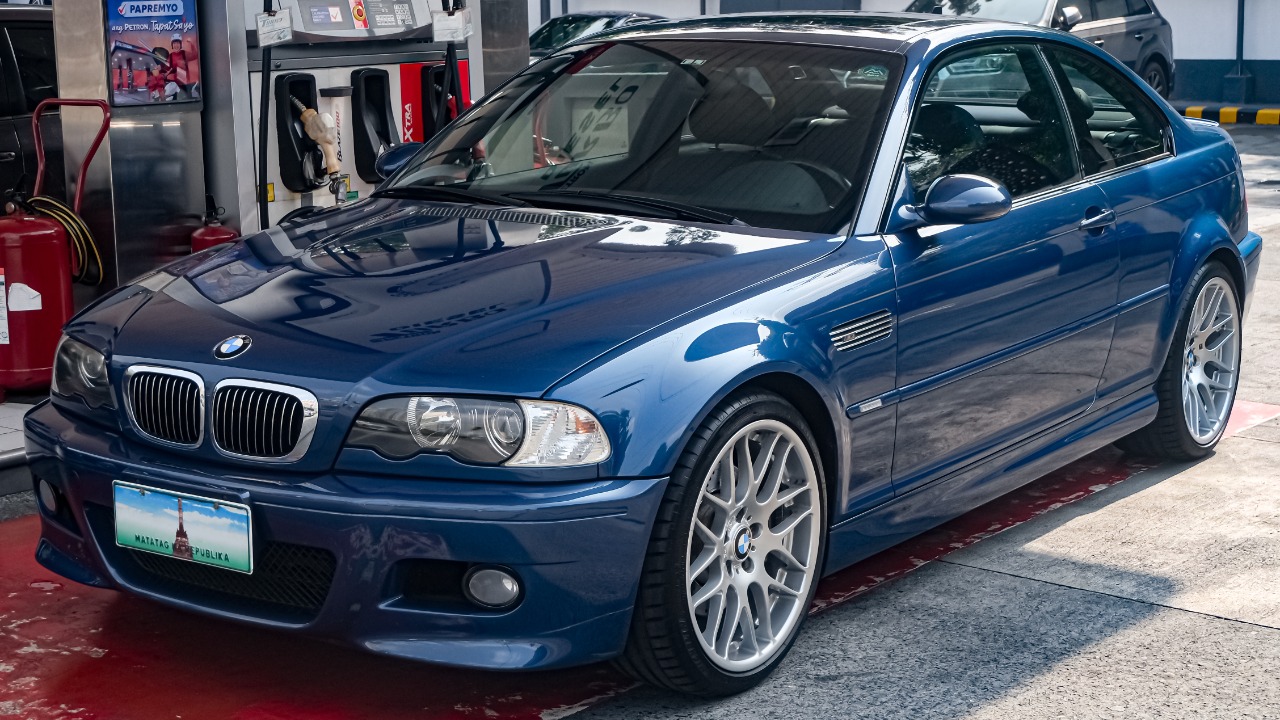
The fourth-generation BMW M3 balanced refinement with hidden aggression exceptionally well. Built by BMW, it used a high-revving inline-six and perfectly balanced chassis to create performance that exceeded its understated appearance. Unlike many overt sports cars, the M3 blended comfortably into everyday traffic. On winding roads and racetracks, however, it revealed extraordinary capability. The E46 M3 quietly became one of the most respected driver’s cars of its generation.
Nissan Maxima SE (Fourth Generation)
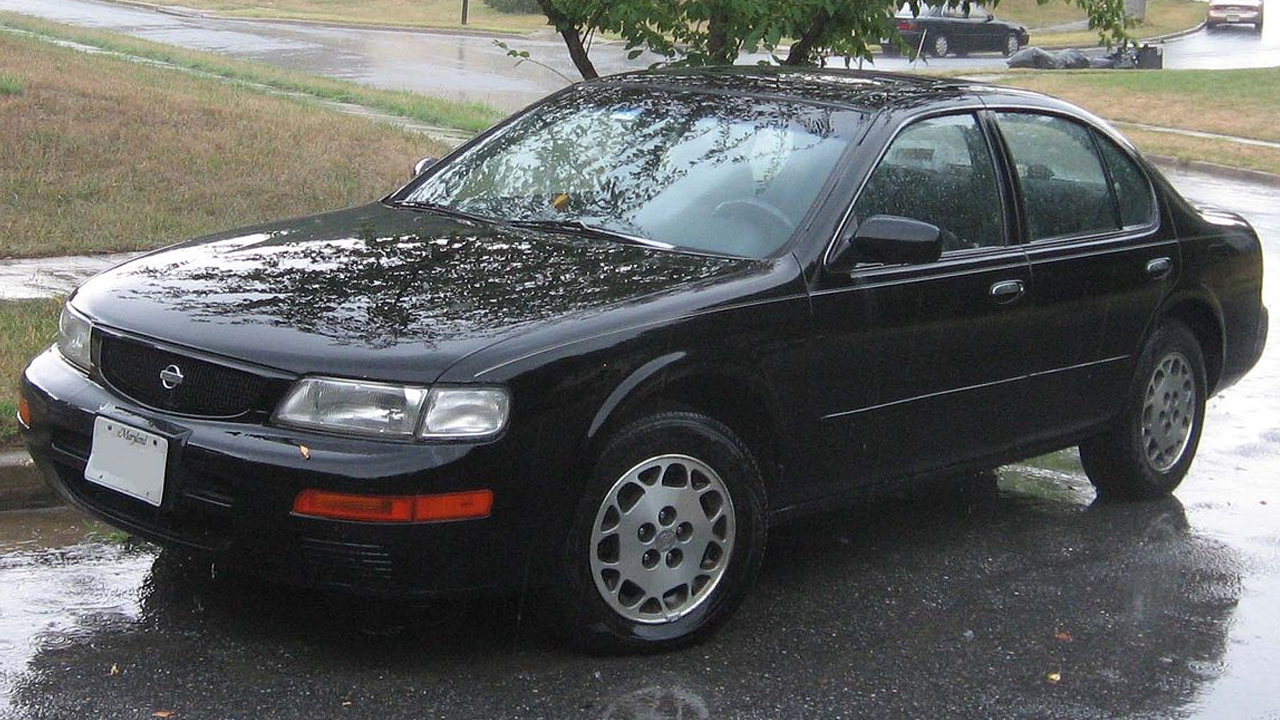
The fourth-generation Nissan Maxima SE earned the nickname “four-door sports car” for good reason. Produced by Nissan, it used a smooth and powerful V6 paired with surprisingly responsive handling for a midsize sedan. Conservative styling kept expectations low among casual observers. Drivers quickly discovered strong acceleration and confident highway performance once behind the wheel. The Maxima SE quietly demonstrated that everyday family sedans could deliver genuine enthusiast appeal.
Chevrolet Corvette C4 LT4

The later C4 Corvette equipped with the LT4 engine quietly corrected many criticisms aimed at earlier versions. Developed by Chevrolet, it featured improved horsepower, sharper throttle response, and refined suspension tuning. While its styling had become familiar by the late 1990s, performance remained genuinely impressive. High-speed stability and strong cornering capability rivaled far newer sports cars. The LT4 Corvette proved that mature platforms could still deliver serious speed without needing dramatic redesigns.
More from Fast Lane Only