The original muscle-car era created more than just fast street machines. It established design philosophies, performance expectations, and enthusiast traditions that still shape modern automotive culture decades later. From massive V8 engines to aggressive styling and affordable speed, these icons influenced every generation of performance cars that followed and helped define what American horsepower truly meant.
Ford Mustang
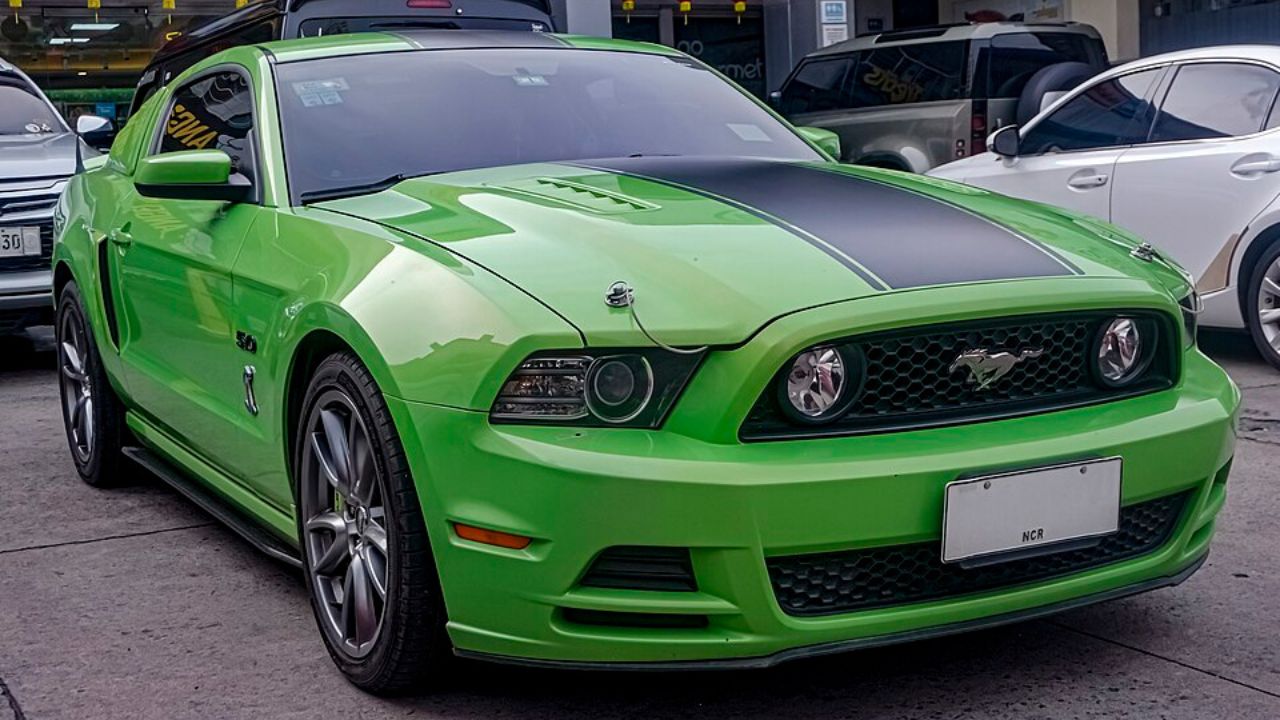
The Ford Mustang launched an entirely new category of affordable performance cars almost overnight. Developed by Ford Motor Company, it combined sporty styling, accessible pricing, and multiple engine choices that appealed to a broad audience. Younger buyers embraced its personalization potential immediately. Its success forced nearly every major manufacturer to develop competing pony cars. The Mustang influenced future generations by proving performance cars could be stylish, practical, and attainable at the same time.
Chevrolet Camaro
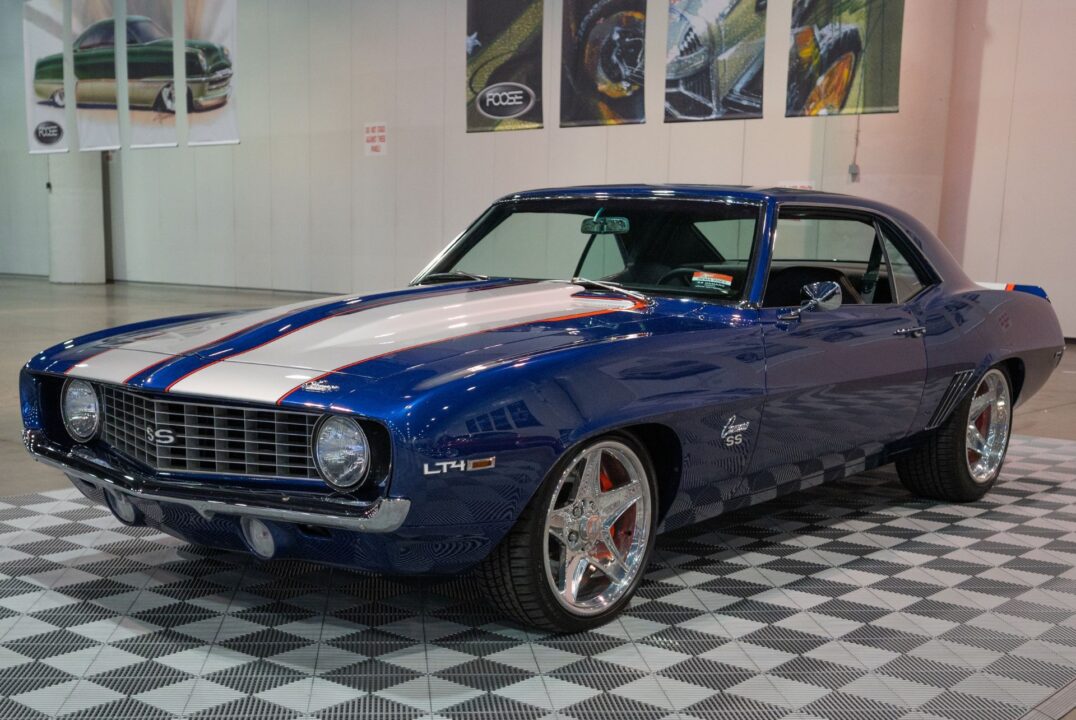
The Chevrolet Camaro arrived as a direct response to Mustang dominance and quickly became a muscle-era institution itself. Produced by Chevrolet, it blended aggressive styling with powerful small-block and big-block V8 options. Racing success in Trans-Am competition strengthened its enthusiast credibility significantly. Camaro generations continued evolving while preserving strong ties to their original performance identity. The Camaro influenced future performance cars by balancing street presence, affordability, and motorsport-inspired engineering exceptionally well.
Dodge Charger
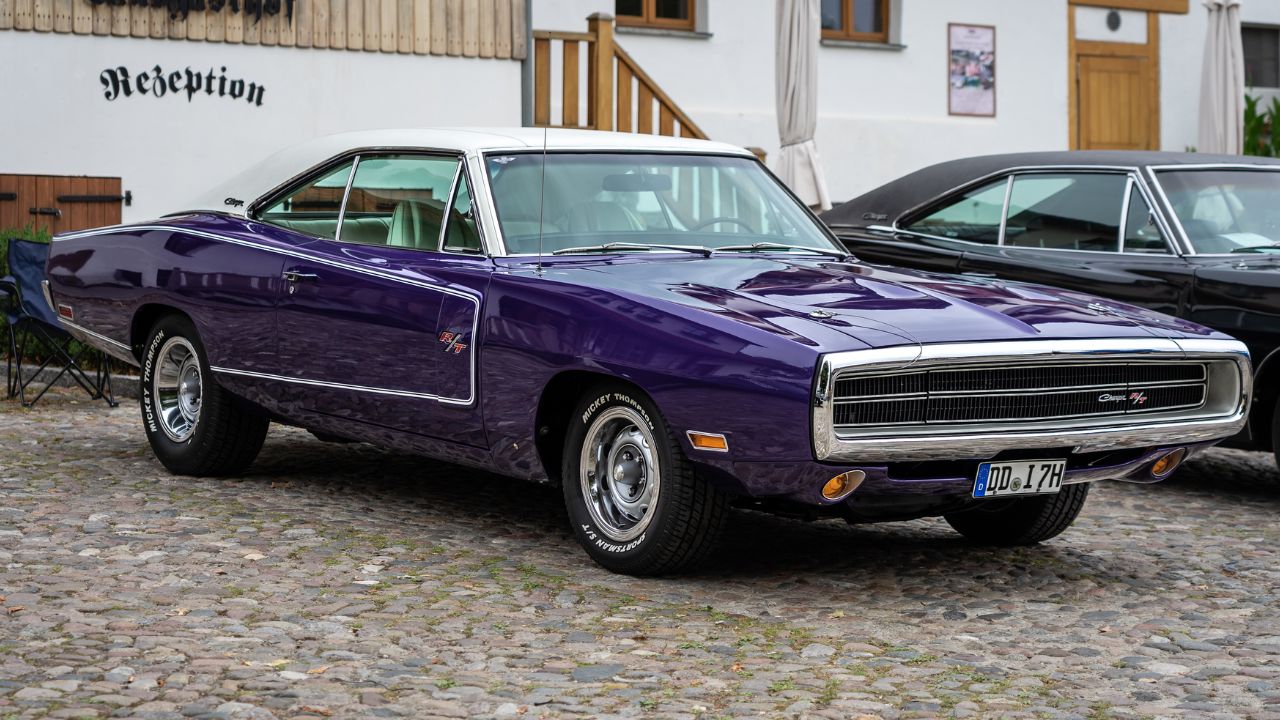
The Dodge Charger established a more dramatic and intimidating interpretation of American muscle. Built by Dodge, it combined fastback styling, powerful engines, and unmistakable road presence that captured the imagination of enthusiasts immediately. Big-block and Hemi variants became symbols of raw American horsepower culture. Its aggressive image influenced decades of performance design afterward. The Charger proved muscle cars could combine style, comfort, and brutal acceleration in one unforgettable package.
Pontiac GTO
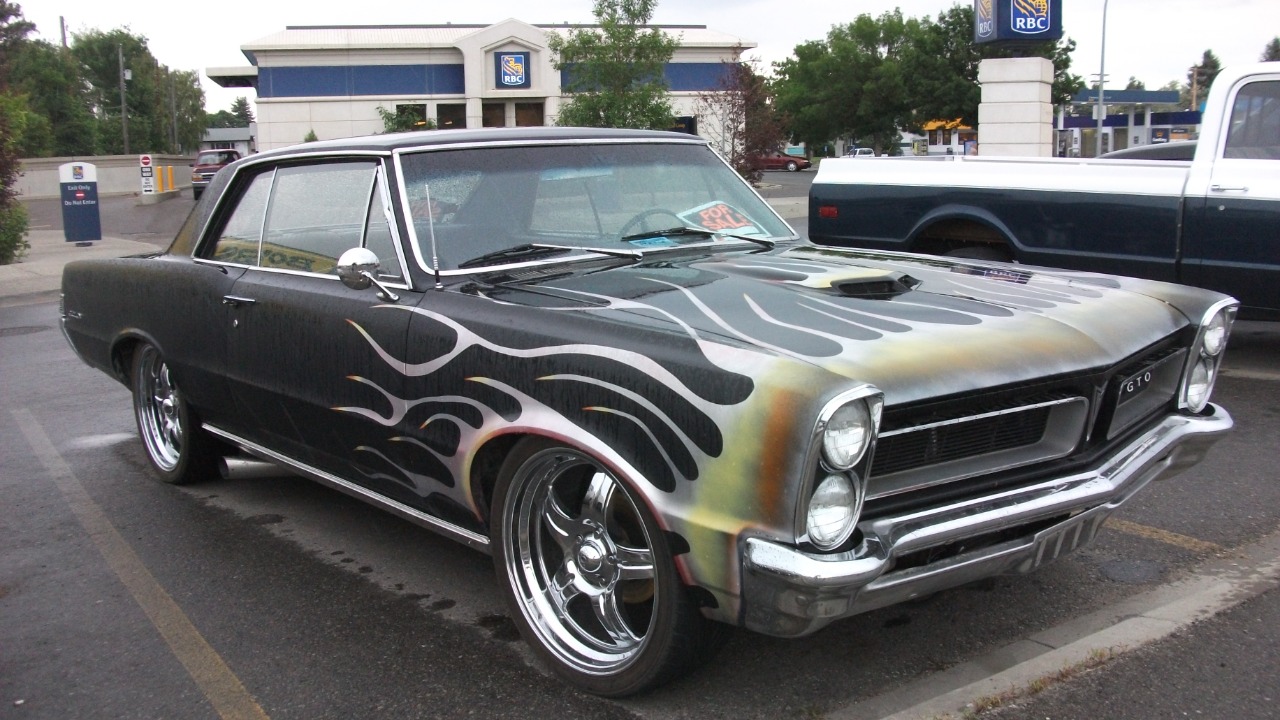
The Pontiac GTO is widely credited with igniting the muscle-car movement itself. Developed by Pontiac, it inserted large-displacement V8 power into a midsize platform and demonstrated massive demand for affordable high-performance street cars. Strong marketing and impressive drag-strip capability elevated its popularity quickly. Rival manufacturers rushed to develop competing models almost immediately. The GTO influenced every future muscle car by establishing the basic formula Detroit followed for years afterward.
Plymouth Road Runner
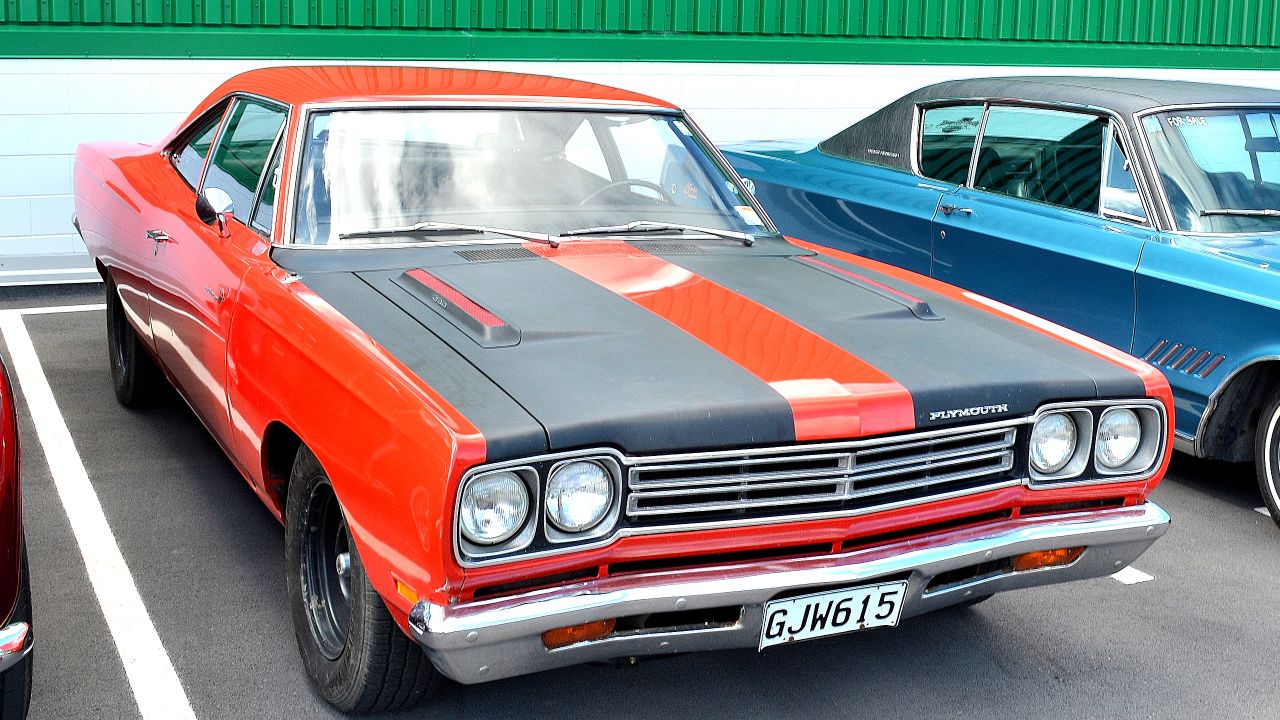
The Plymouth Road Runner redefined muscle-car philosophy by emphasizing affordable speed over luxury features. Produced by Plymouth, it stripped away unnecessary extras while focusing heavily on powerful V8 performance and aggressive attitude. Younger buyers responded enthusiastically to its rebellious image and lower pricing. Its success demonstrated that raw performance mattered more than refinement within muscle culture. The Road Runner influenced generations of enthusiast-focused performance cars built around value and attitude rather than prestige.
Chevrolet Chevelle SS
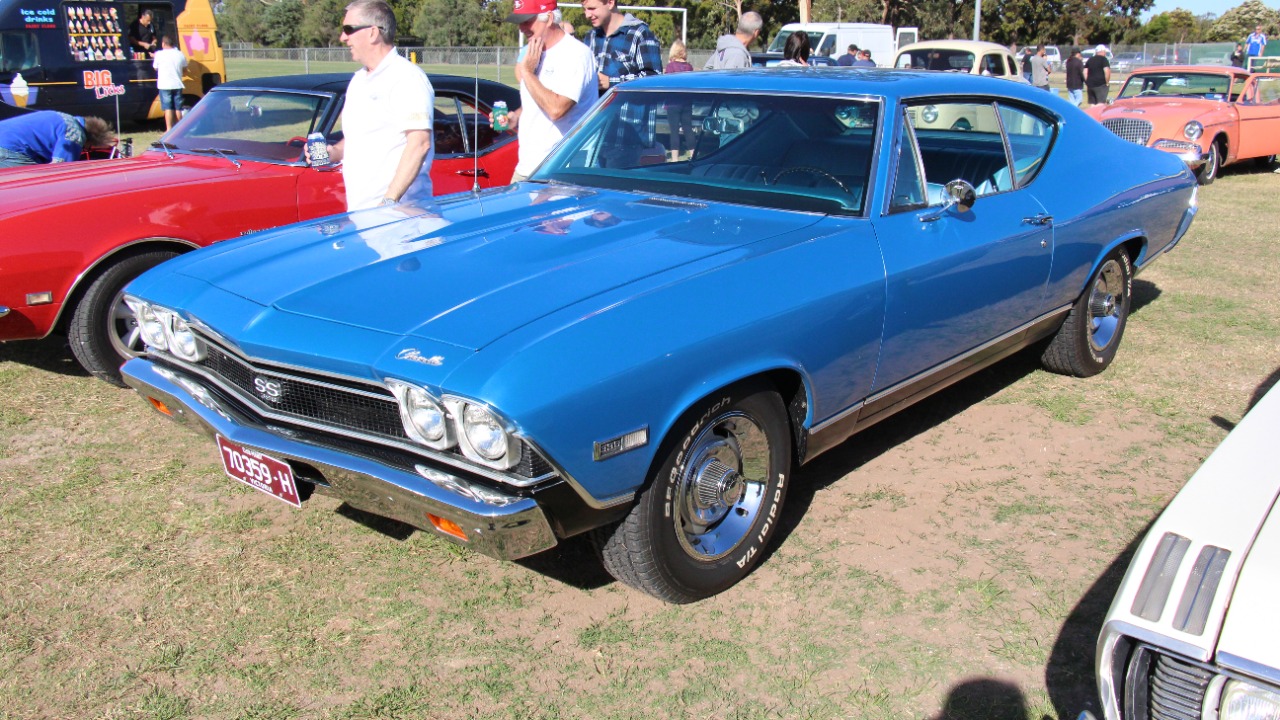
The Chevrolet Chevelle SS became one of the defining big-block muscle cars of the late 1960s and early 1970s. Built by Chevrolet, it combined midsize practicality with enormous V8 power capable of dominating stoplight races nationwide. LS6-equipped versions especially terrified competitors with brutal acceleration. Clean styling helped maintain broad appeal beyond hardcore racers alone. The Chevelle SS influenced later muscle cars by proving practical platforms could still deliver extraordinary street performance.
Buick GSX
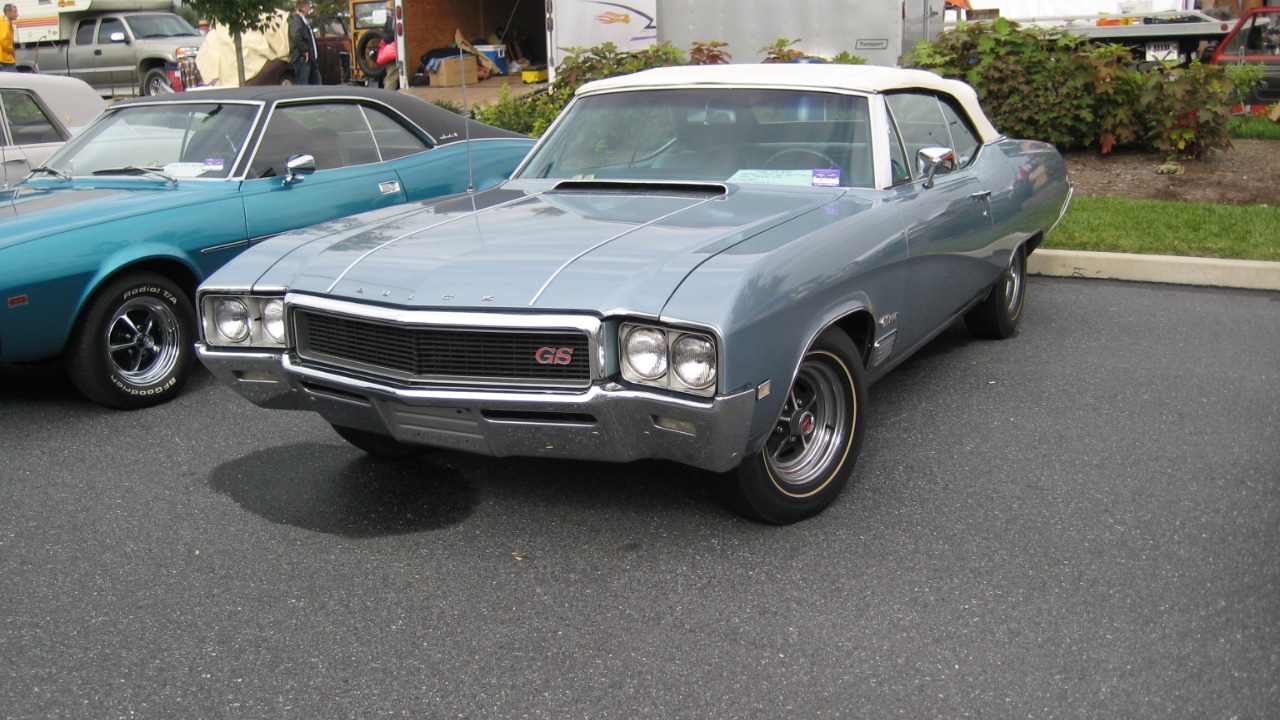
The Buick GSX demonstrated that luxury-oriented brands could produce serious muscle-car performance without abandoning refinement entirely. Developed by Buick, it used massive torque-rich V8 engines alongside bold styling and comfortable interiors. Bright paint colors and hood-mounted tachometers added dramatic personality. Many rivals underestimated its acceleration capabilities initially. The GSX influenced future grand touring muscle cars by blending comfort and brutality more effectively than many competitors of its era.
AMC Javelin AMX
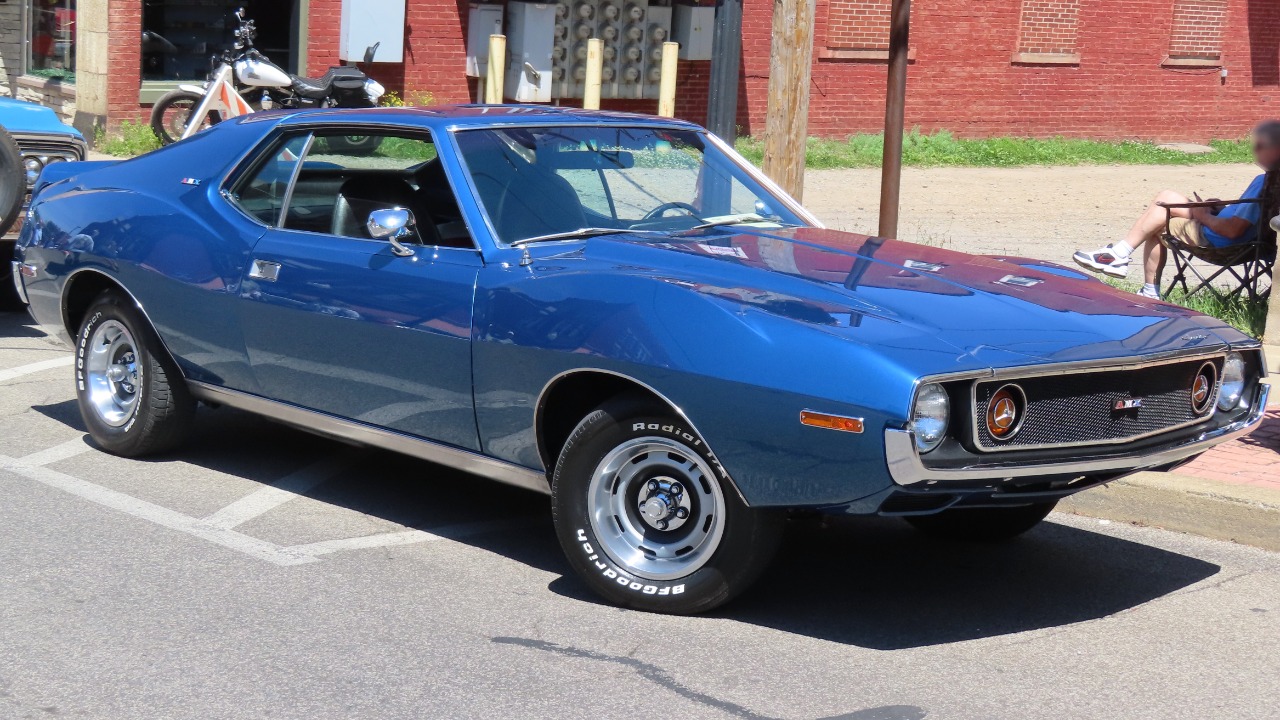
The AMC Javelin AMX brought individuality and competition-focused engineering into the muscle-car landscape. Produced by American Motors Corporation, it featured aggressive styling and strong V8 performance despite AMC’s smaller size compared to Detroit’s giants. Success in Trans-Am racing strengthened its reputation among serious enthusiasts. Unique proportions helped it stand apart visually from mainstream rivals. The Javelin AMX influenced later niche performance cars by proving smaller manufacturers could still shape enthusiast culture meaningfully.
Oldsmobile 442
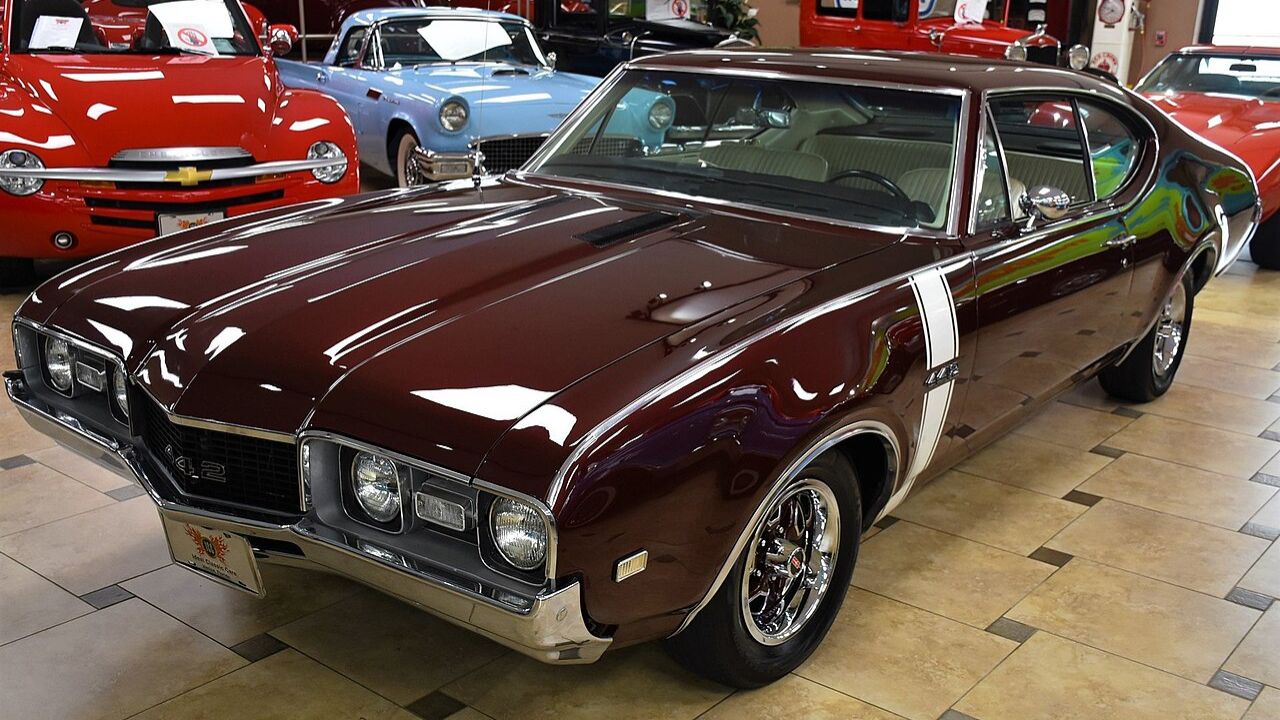
The Oldsmobile 442 became respected for delivering balanced performance with a more refined personality than some rivals. Built by Oldsmobile, it combined powerful V8 engines with strong suspension tuning and upscale interior appointments. Functional induction systems and distinctive styling reinforced its credibility among enthusiasts. Drivers appreciated its blend of comfort and genuine muscle-car capability. The 442 influenced future performance sedans and grand touring muscle cars focused on versatility alongside speed.
Dodge Challenger
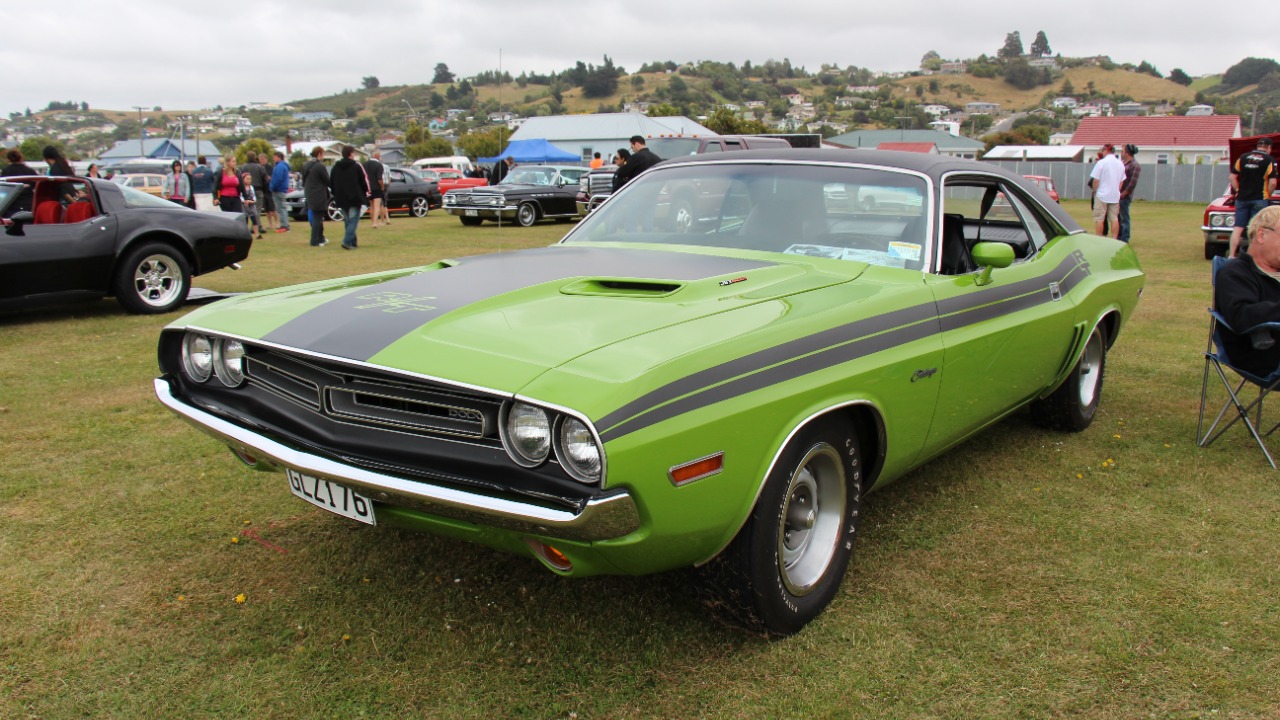
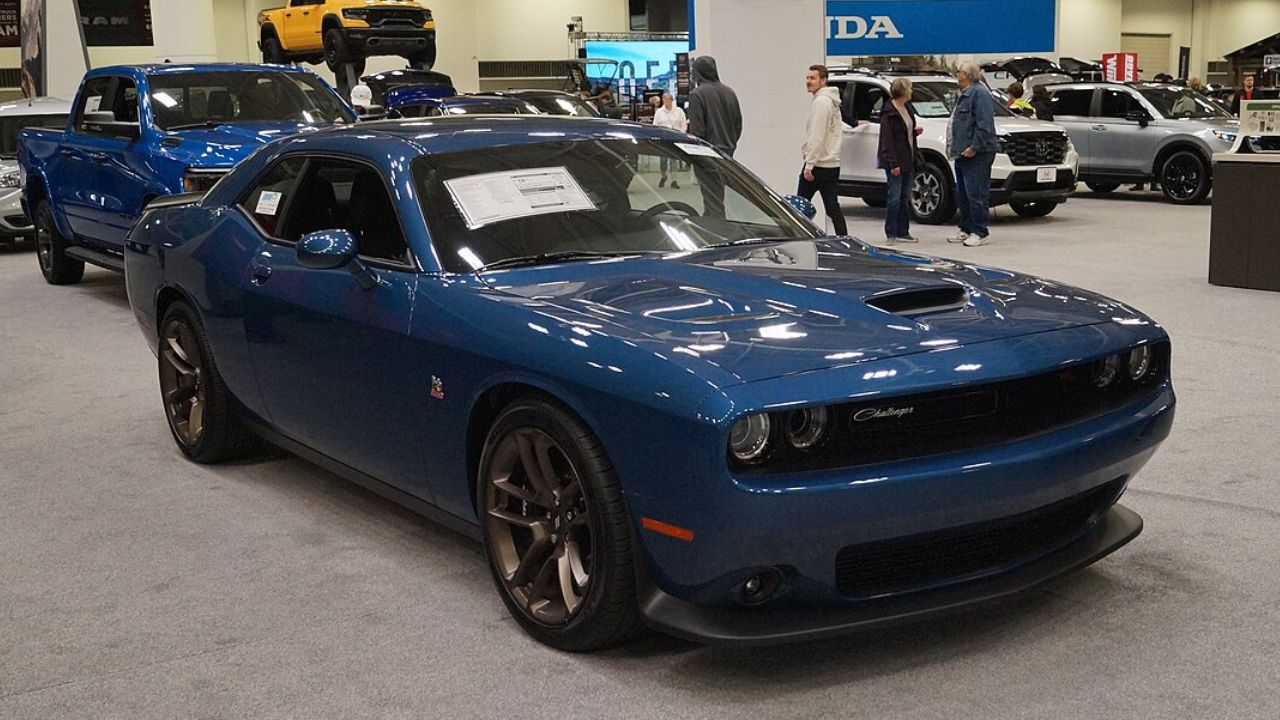
The Dodge Challenger entered the muscle-car era slightly later than many competitors but immediately established a powerful identity. Developed by Dodge, it offered a wide range of engines from small-block V8s to the legendary 426 Hemi. Wide-body proportions and aggressive styling created enormous street presence. Its modern revivals continue drawing heavily from the original formula today. The Challenger influenced future generations by proving heritage-driven design and massive horsepower could remain timelessly appealing.
More from Fast Lane Only