When Ford set out to beat Ferrari at Le Mans in the 1960s, they didn’t just build a fast car—they built a legend. The GT40 wasn’t born from racing tradition. It was a calculated, aggressive move by a company that wanted to make a point. And it did—four straight wins at Le Mans from 1966 to 1969, with engineering and driving talent from both sides of the Atlantic.
But not all GT40s were created equal. Some were factory race cars. Others were engineering testbeds or development prototypes. Here are 10 of the most iconic GT40s to ever turn a wheel.
GT40 Mk II No. P/1046 – The 1966 Le Mans Winner
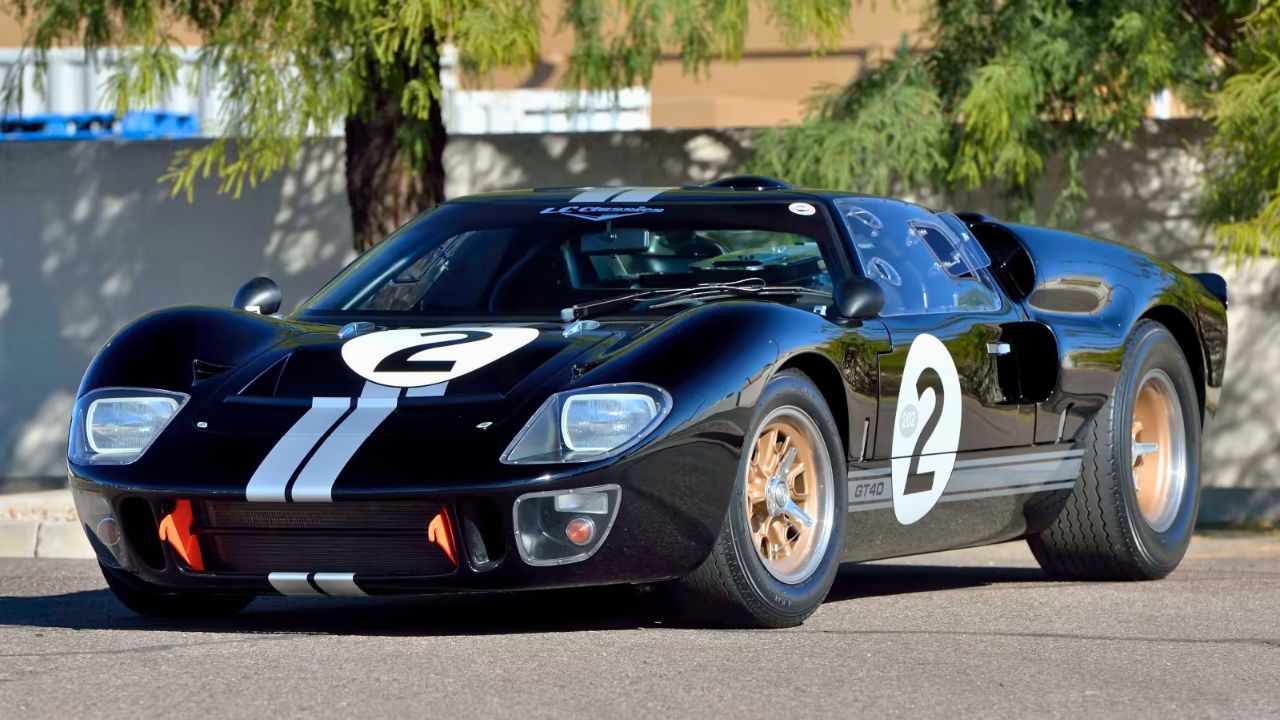
This is the car that made history. Chassis P/1046 was the GT40 Mk II that crossed the finish line first at Le Mans in 1966, driven by Bruce McLaren and Chris Amon. It was powered by a 427-cubic-inch FE V8 making over 485 horsepower, paired with a heavy-duty Kar-Kraft T-44 4-speed transaxle.
While the finish was controversial due to Ford’s attempted photo finish, P/1046 was officially awarded the win. Restored in recent years to its original Le Mans configuration, it stands today as the car that started Ford’s four-year dominance in endurance racing.
GT40 Mk I No. GT/108 – The First Road Car Prototype

GT/108 was the first GT40 built specifically for road use. Constructed in 1965, it featured the lighter-weight Mk I chassis and a 289-cubic-inch V8. While it never competed on track, it marked Ford’s shift toward producing customer and promotional road cars.
It was fitted with a full interior, carpeting, and slightly more refined trim compared to its racing siblings. Only a handful of road-going Mk I GT40s were ever built, and GT/108 is one of the earliest and best-preserved. It helped prove that the GT40 wasn’t just a race car—it could be civilized, too.
GT40 Mk IV No. J-5 – The 1967 Le Mans Winner
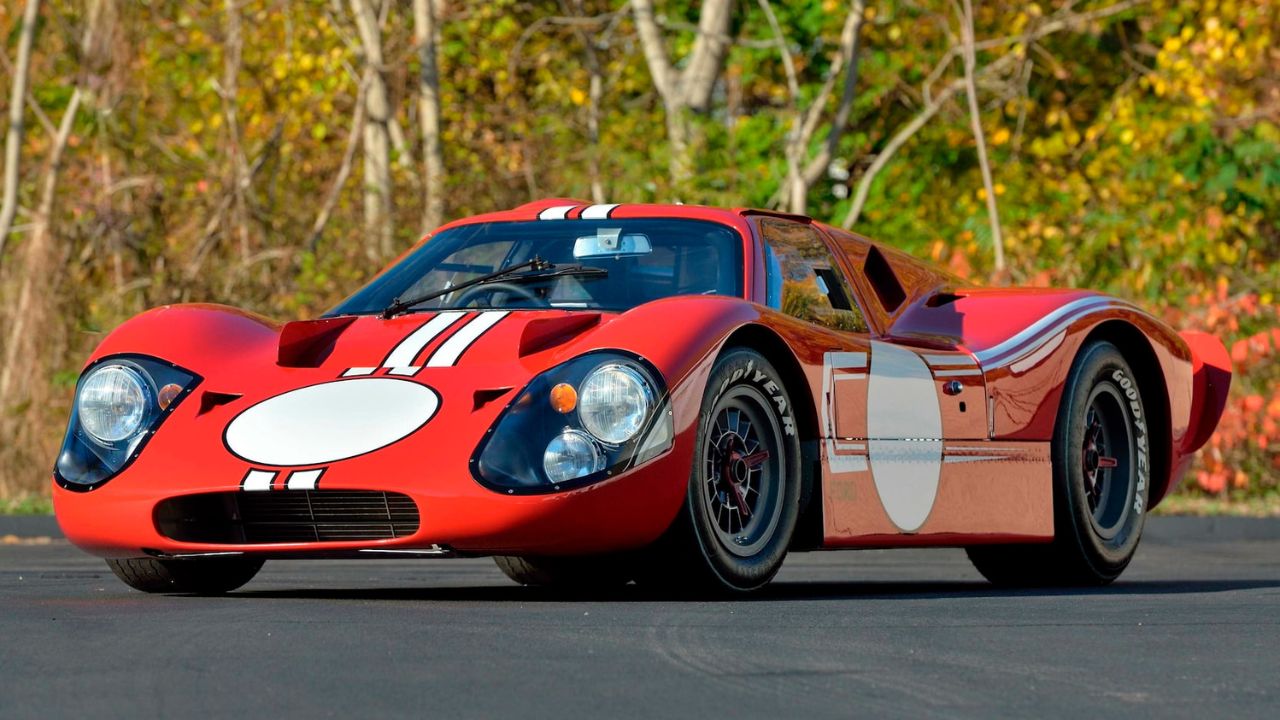
J-5 was the only Mk IV to win at Le Mans, driven by Dan Gurney and A.J. Foyt. Built with an all-American team, it featured a bonded aluminum honeycomb chassis and a more aerodynamic body than earlier GT40s. Its 427 V8 delivered brutal power and endurance.
The Mk IV was longer and faster than the Mk II and hit over 210 mph on the Mulsanne Straight. Gurney and Foyt’s win made them the first (and only) all-American team to win Le Mans in an American car, designed and built in the U.S.
GT40 Mk I No. P/1075 – The Back-to-Back Le Mans Winner

If any GT40 earned legend status beyond a single race, it’s P/1075. This Gulf-liveried Mk I won Le Mans in both 1968 and 1969—first with Pedro Rodríguez and Lucien Bianchi, then with Jacky Ickx and Jackie Oliver. It’s the only GT40 to win Le Mans twice.
Under the rear clamshell sat a 302-cubic-inch V8 with around 425 horsepower, backed by a ZF 5-speed transaxle. Lightweight and reliable, P/1075 was the car that proved consistency could beat raw power at Le Mans.
GT40 Mk I No. GT/101 – The First GT40 Ever Built
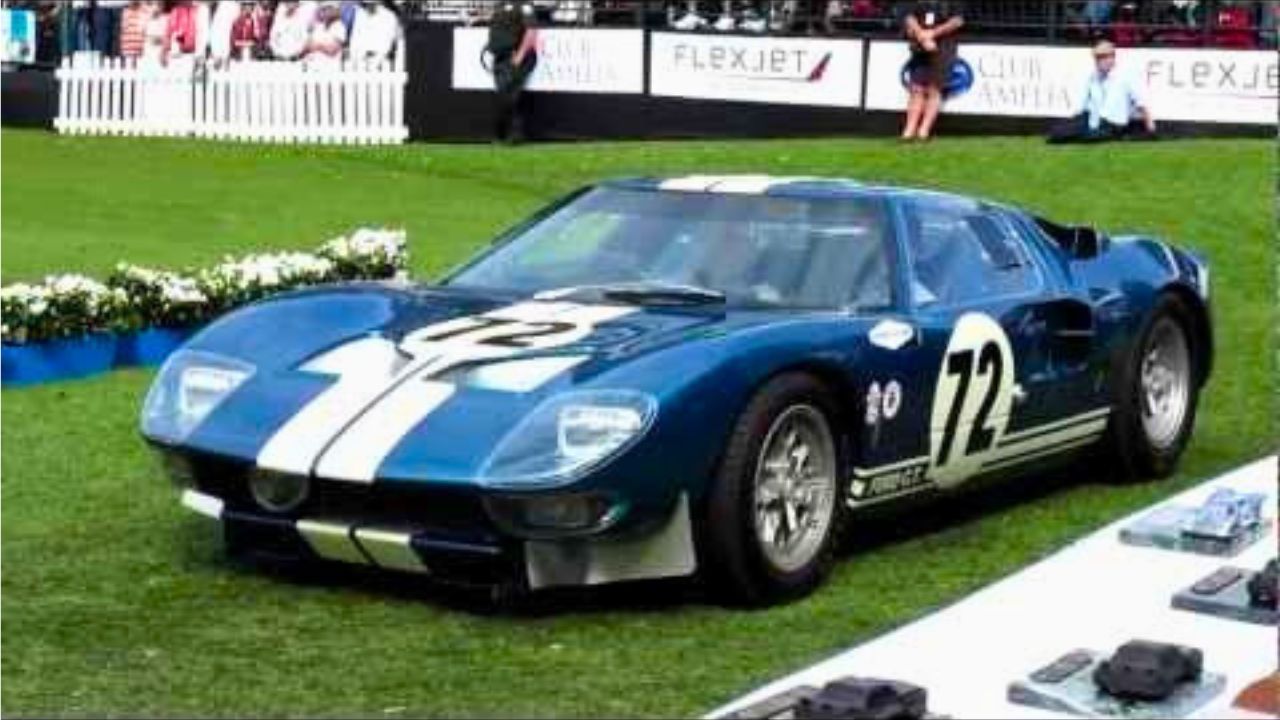
GT/101 was the original prototype GT40, built in 1964 at Ford Advanced Vehicles in Slough, England. It debuted with a 255ci V8 and was the foundation of Ford’s earliest endurance testing. This chassis helped identify key issues like high-speed lift and cooling problems.
Though it never raced at Le Mans, GT/101 was tested extensively and became the starting point for everything that followed. After being damaged during testing, it was scrapped—but its role in shaping the GT40 cannot be overstated.
GT40 Mk III – The Rare Street-Driven GT40
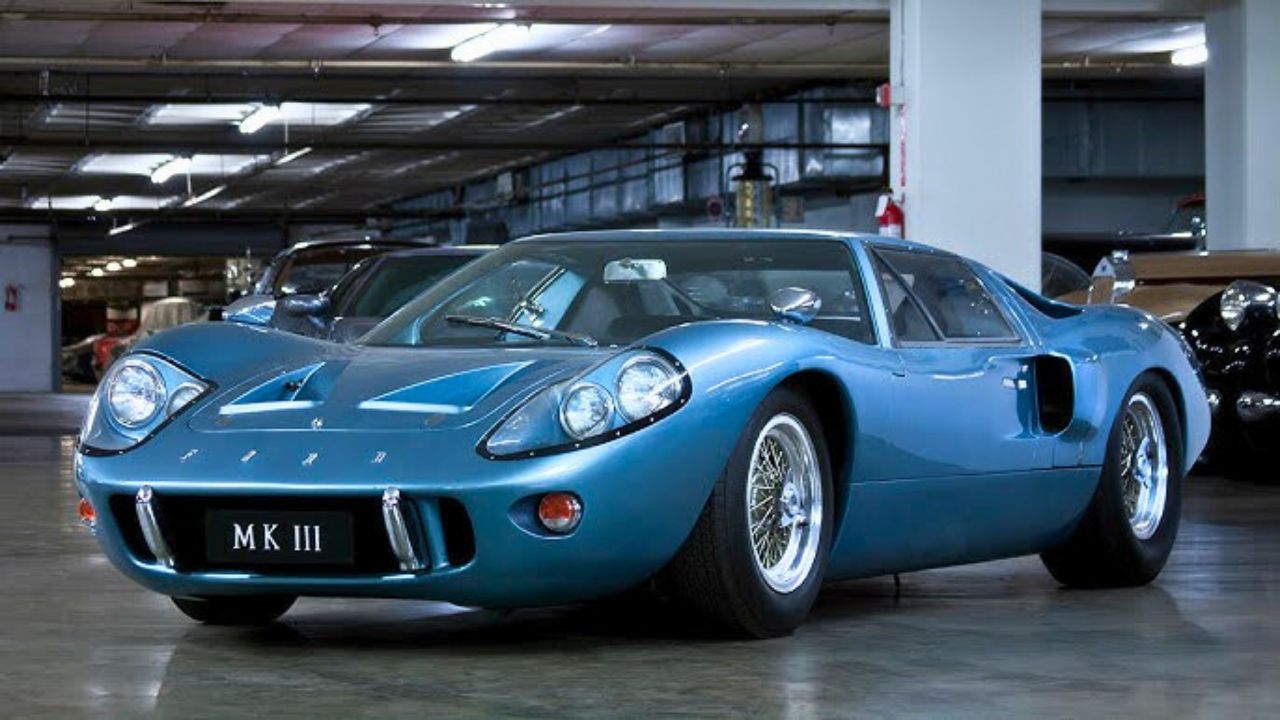
The Mk III was Ford’s official road-going GT40, aimed at a wealthy clientele who wanted Le Mans style with street manners. Only seven were built. It featured a more forgiving suspension, softer engine tuning, and a longer rear for better luggage space.
Power came from a 289 V8 making around 306 horsepower. It had actual door locks, a quieter cabin, and creature comforts like air vents and a glovebox. Though rarely seen today, the Mk III was the most livable version of an otherwise brutal machine.
GT40 Mk II No. XGT-1 – Shelby American’s Development Car
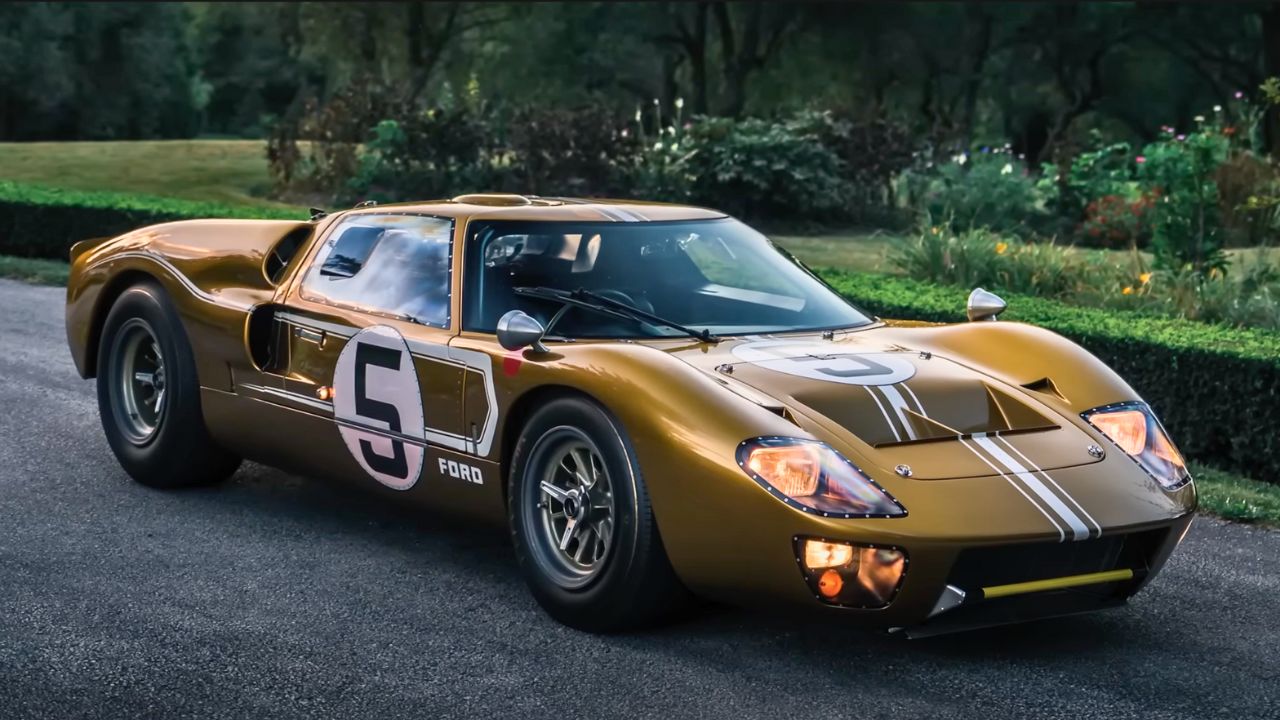
XGT-1 was used by Shelby American as a development and test car for the 1966 Le Mans program. It featured a 427 V8, reinforced frame, and upgraded cooling systems, all of which helped fine-tune the endurance spec used by the winning cars.
Shelby’s crew pushed this car hard during testing, and it became a rolling lab for the tweaks that made the Mk II reliable enough to go 24 hours at full throttle. XGT-1 never saw the green flag at Le Mans, but its fingerprints were all over the cars that did.
GT40 Mk I No. P/1074 – The Lightweight Gulf Car

Built from the ground up as a lightweight endurance racer, P/1074 was based on the same platform as P/1075 but optimized for sprint races. It ran lighter bodywork and had Gulf sponsorship from the start.
This car was famously used as a camera car during the filming of Steve McQueen’s Le Mans in 1970, and later converted back into race form. Today, P/1074 is both a piece of film history and a rare example of a GT40 with multiple lives on and off the track.
GT40 Mk I No. P/1007 – Carroll Shelby’s Personal GT40

Chassis P/1007 was originally a factory-built Mk I race car but was later converted into a road car and used by none other than Carroll Shelby himself. Shelby drove the car extensively in the late ’60s and made his own performance upgrades.
It retained the 289 V8 and ZF gearbox, but with custom suspension tuning and interior tweaks. Today, it stands as a reminder that the GT40 wasn’t just a corporate exercise—it had champions who believed in it enough to drive it every day.
GT40 Mk I No. P/1030 – The Street Sleeper
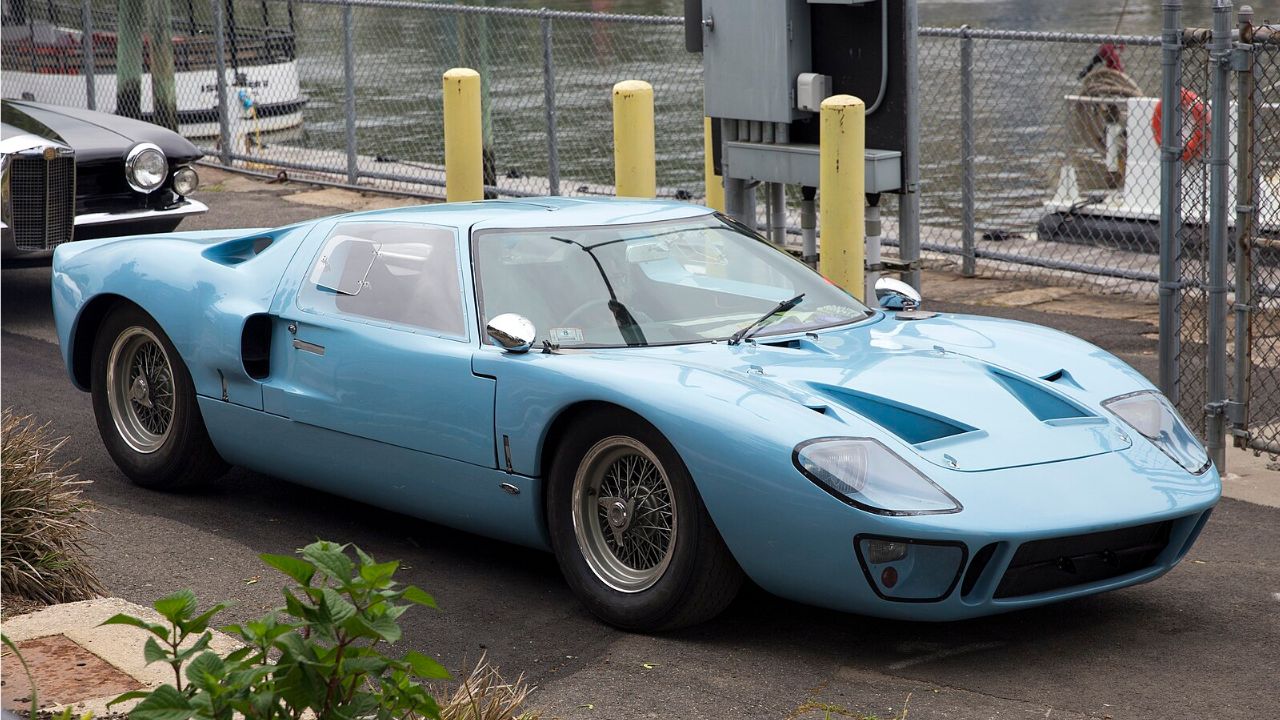
P/1030 started life as a race car but was never campaigned seriously. Instead, it was sold to a private buyer who converted it into a fully street-legal monster. The 289 under the hood made plenty of power, but the car was known for being remarkably docile at low speeds.
Unlike the more famous GT40s that lived at the track, this one showed what the platform could do when dialed back just enough for street use. Today it survives as one of the better-known road-registered GT40s still in original spec.
*This article was hand crafted with AI-powered tools and has been car-fully, I mean carefully, reviewed by our editors.