Most muscle‑car roundups stick to the usual suspects—the Mustangs, Camaros, and GTOs you’ve seen in every car show. But out there, tucked into dealer backlots or hidden in private collections, are machines you almost never spot on the street. These cars weren’t just low in production; they carried serious hardware and wild factory options that set them apart from the crowd.
In the sections that follow, we’ll dive into ten of these sleepers—cars with big‑block engines, purpose‑built suspensions, and cockpit details you won’t find on the showroom floor. Each one has fewer than a few hundred examples built, and each one still turns heads when it rolls by. Buckle up for a look at muscle’s best‑kept secrets.
1969 Chevrolet COPO Camaro 427 L72

Under the hood of the COPO Camaro sat a 427‑cubic‑inch L72 V8 rated at 425 hp and 460 lb‑ft of torque, mated to a Muncie four‑speed manual or heavy‑duty Turbo Hydra‑Matic. The COPO package reinforced the unibody with extra braces and upgraded cooling, keeping a muscle‑heavy car surprisingly composed.
Front suspension featured unequal‑length A‑arms with coil springs, while the rear used multi‑leaf springs and gas shocks. Inside, you’d find vinyl bucket seats, Rally Sport gauges, and a center console with Hurst floor shifter. With only 162 factory‑verified examples produced, you rarely see one in stock trim.
1969 Plymouth Hemi Coronet R/T Convertible
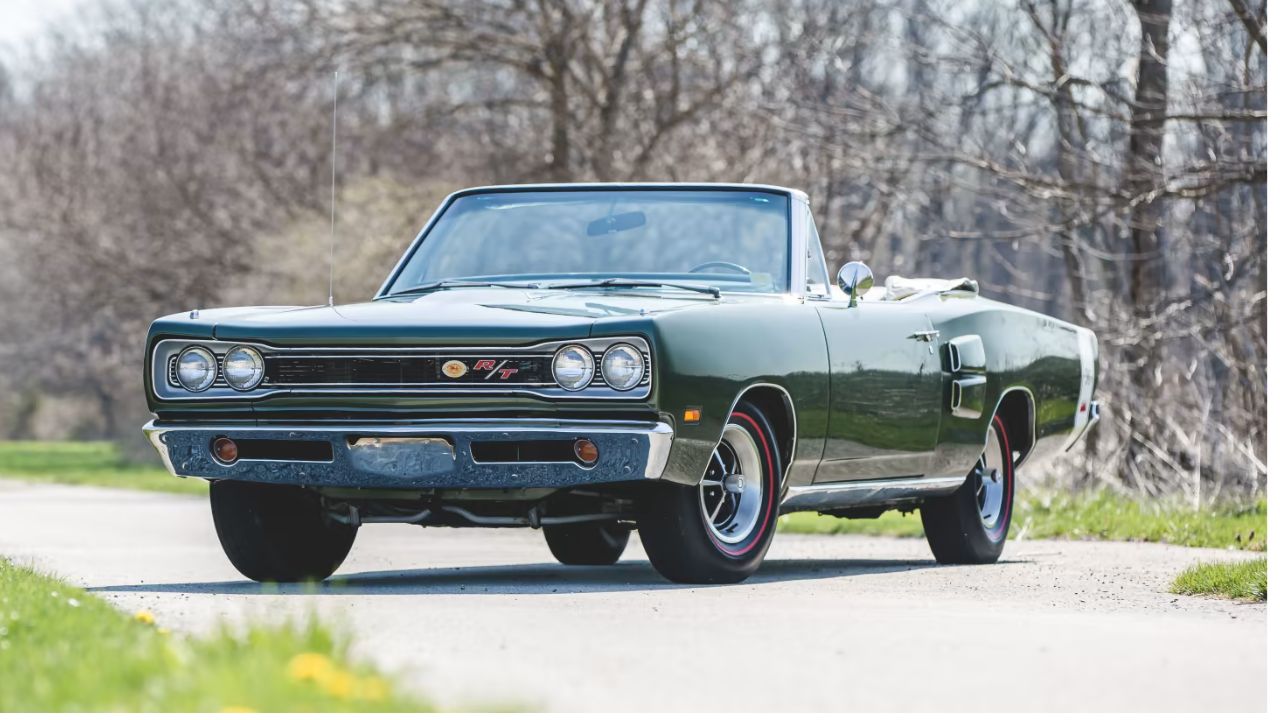
Plymouth’s 1969 Coronet R/T convertible was available with the 426 Hemi V8 pushing 425 hp and over 490 lb‑ft of torque, paired with a three‑speed TorqueFlite automatic. The fiberglass “Hemi” hood and functional scoops weren’t just flair—they fed air to that big‑block monster.
Suspension included heavy‑duty torsion bars up front and four‑leaf springs in back, tuned for launch grip. Inside, high‑back bucket seats, Hurst T‑shifter, and Rallye instrumentation let you monitor oil pressure and water temp. Only five left‑hand‑drive models rolled out to dealers, making survivors almost mythical.
1970 Hurst Hemi Under Glass
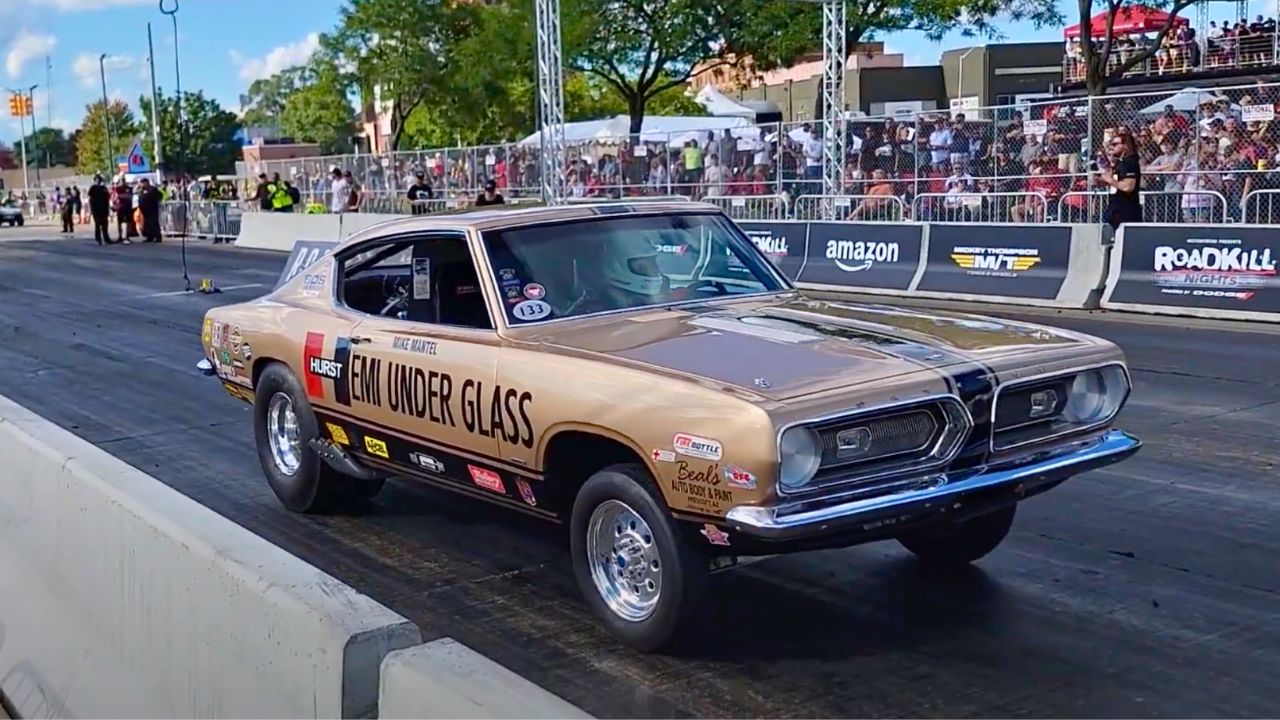
This one‑off drag showpiece featured a mid‑mounted 426 Hemi V8 driving the rear wheels through a four‑speed manual. With around 425 hp on tap, it propelled the car from a custom fiberglass body in the low 8s at over 160 mph—straight into launch history.
Chassis modifications included a reinforced X‑member, ladder‑frame skid bar, and adjustable drag shocks. The cockpit was stripped down: lightweight bucket seats, a Moto‑Lita wheel, and only the critical gauges mounted on the roll‑bar‑mounted dash. It never went into production, so you won’t spot one on the street.
1970 Buick GSX Stage 1
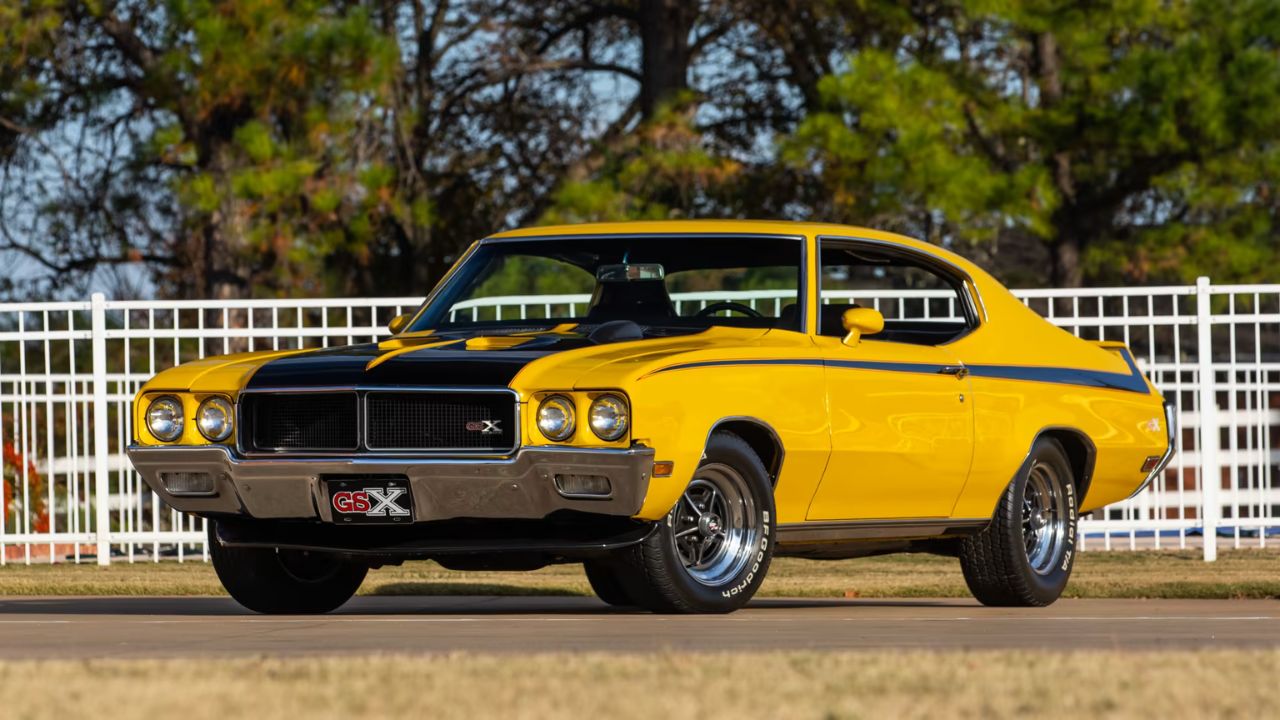
Buick’s GSX Stage 1 option took the standard 455 ci V8 and tuned it to 360 hp with a hotter cam, higher compression, and dual exhaust. It wore hood tach, shaker air scoop, and unique stripes that hinted at the performance hiding underneath.
The Stage 1 suspension used firmer springs, larger sway bars, and staggered rear shocks. Inside, you got Comfortweave vinyl seats, a Hurst console shifter, and Rallye gauges. Buick built just 678 Stage 1 coupes, and original factory options like the transistor ignition package are now rare.
1969 Pontiac GTO Judge Ram Air IV
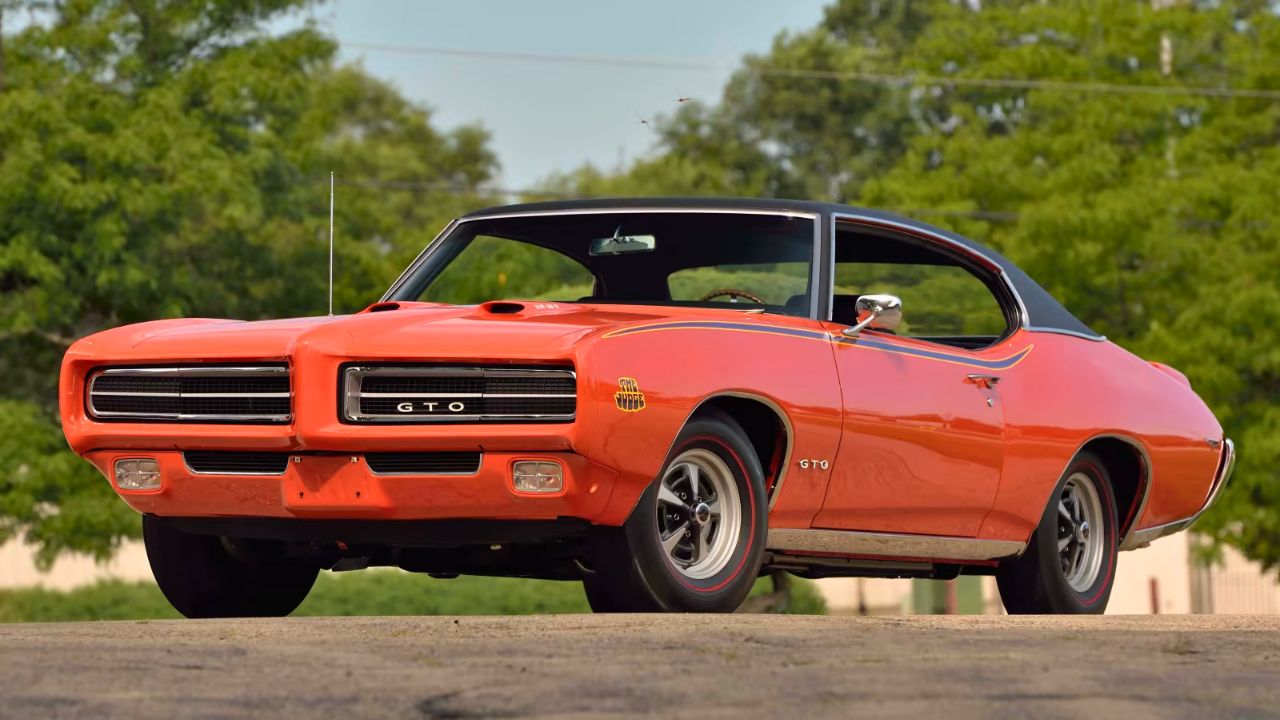
The Ram Air IV package upgraded the 400 ci V8 to 370 hp with high‑flow heads, cam, and a tuned Ram Air induction system. Paired with a four‑speed manual, it launched the Judge from 0–60 mph in about 6 seconds.
Pontiac’s Rally II wheels and heavy‑duty springs tightened the suspension, while front discs and finned drums slowed it back down. Inside, bucket seats, Judge‑specific door panels, and a copy of “Shaft” on the glovebox lid gave it attitude. With only 87 built, Ram Air IV Judges are nearly impossible to find today.
1969 AMC Hurst SC/Rambler
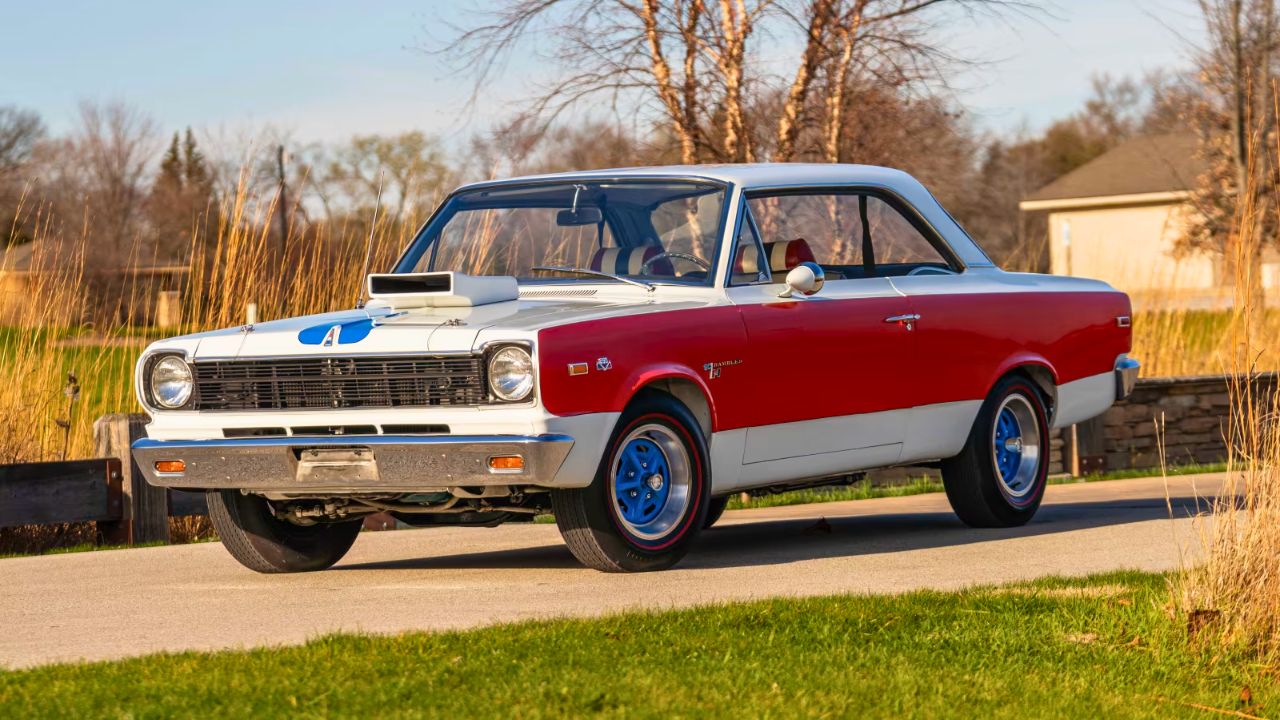
The SC/Rambler wore a 390 ci V8 making 315 hp and 410 lb‑ft of torque, mated to a three‑speed automatic or optional four‑speed manual. Hurst fitted a short‑throw shifter, functional hood scoop, and racing stripes to signal its special status.
AMC upgraded the suspension with firmer springs, front sway bar, and heavy‑duty shock absorbers. The vinyl‑trimmed bucket seats and Rallye dash carried over from the AMX, along with a Sport steering wheel. Only 1,512 SC/Ramblers were built, many of which have vanished over time.
1969 Mercury Cougar Eliminator CJ
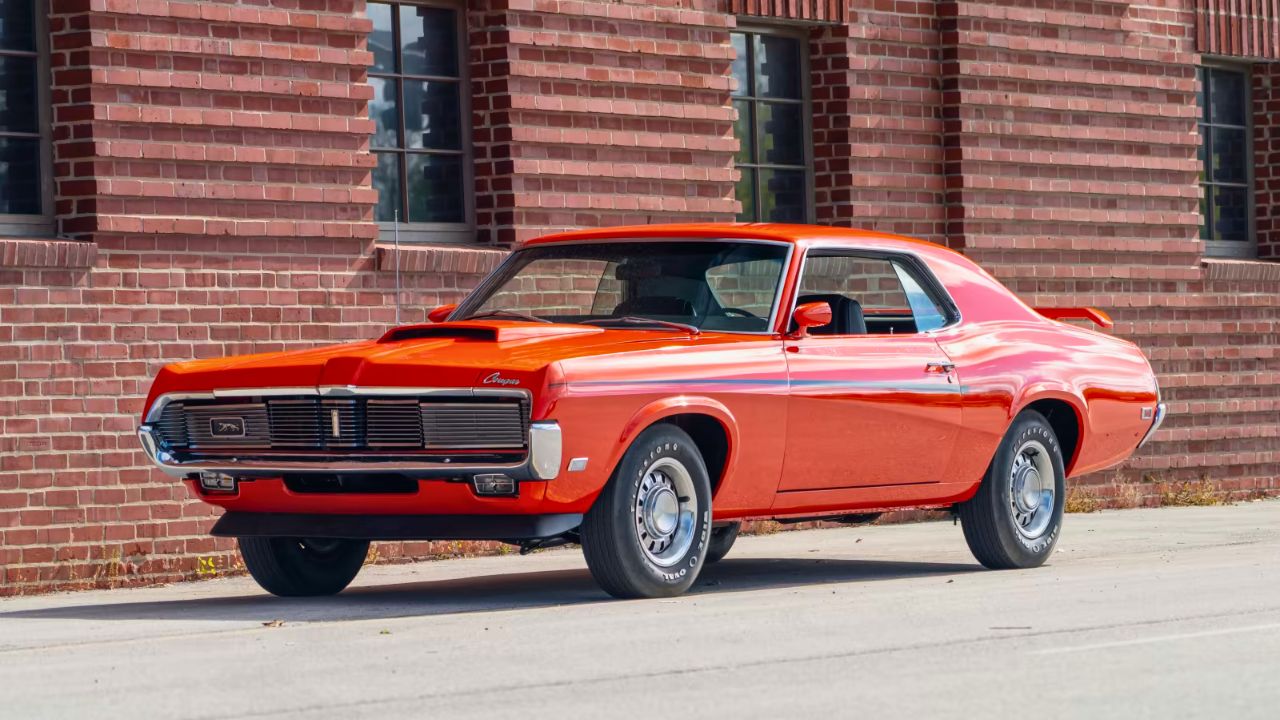
The Eliminator CJ carried Ford’s 428 Cobra Jet V8 rated at 335 hp, and some even got the rare “Drag Pack” with a 3.91:1 rear axle. Exterior trim included blackout hood, hood pins, and Eliminator stripes that hugged the Coke‑bottle hips.
Underneath, Mercury added heavy‑duty springs, larger sway bars, and a Magnum 500 wheel setup. Inside, high‑back vinyl buckets, a console‑mounted SportShift shifter, and Rally gauges finished the package. Just 96 Eliminator CJs were produced in 1968, making sightings almost unheard of today.
1968 Dodge Dart GTS Hurst

The Dart GTS Hurst hit showrooms with a 340 ci V8 making 275 hp, manual four‑speed, and a Hurst Dual‑Gate shifter. Front disc brakes, heavy‑duty springs, and stiffer sway bars gave it better handling than a regular Dart Swinger.
Inside, the interior got high‑back vinyl buckets with cloth inserts, a wood‑rimmed Hurst wheel, and a well‑placed tach on the column. Dodge built only 243 GTS Hurst models for 1968, many of which have morphed into modified street machines—original examples are a rare find.
1969 Chevrolet Chevelle Yenko 427

Dealership Yenko‑Chevrolet swapped in a 427 ci L72 V8 rated at 425 hp, paired with a close‑ratio Muncie four‑speed or Hydra‑Matic transmission. Cosmetic cues included Yenko striping, hood‑mounted tach, and a fiberglass cowl hood from the factory supplier.
Stock Chevelles already had a solid rear axle and leaf‑spring rear setup; Yenko added firmer front springs, heavy‑duty sway bar, and wider wheels. Only 201 Yenko 427s were built before Chevrolet cracked down on the program, sending survivors into shadow.
1965 Shelby GT350R
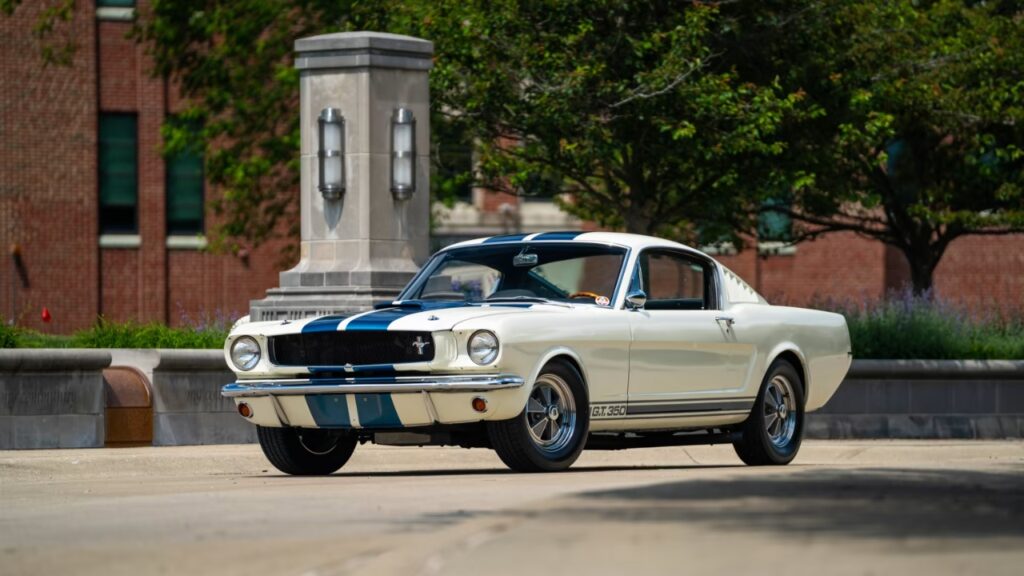
Shelby’s GT350R took the GT350 road car and stripped it for SCCA B‑Production racing. Its 289 ci V8 made 306 hp, fed through a Holley four‑barrel and paired with a close‑ratio T‑10 four‑speed. Aircraft‑style rivets held the aluminum hood and trunk lid.
Chassis upgrades included front and rear adjustable Koni shocks, thicker anti‑roll bars, and tube‑frame reinforcements under the floor. The cockpit was Spartan: fiberglass bucket seats, no radio, and only essential gauges. Just 36 GT350Rs rolled out of the Shelby shop, and they were built to race—not cruise.
*This article was hand crafted with AI-powered tools and has been car-fully, I mean carefully, reviewed by our editors.