The 1970s weren’t exactly kind to performance cars. Emissions controls, insurance surcharges, and an oil crisis took the wind out of the muscle car sails. But not everything from that era was a letdown. Some cars actually held their own—on the street, the track, or in engineering terms—yet never quite got their due.
Whether overshadowed by their ’60s predecessors or dismissed because of changing trends, these 10 cars had more going for them than they were ever credited for.
1971 AMC Hornet SC/360
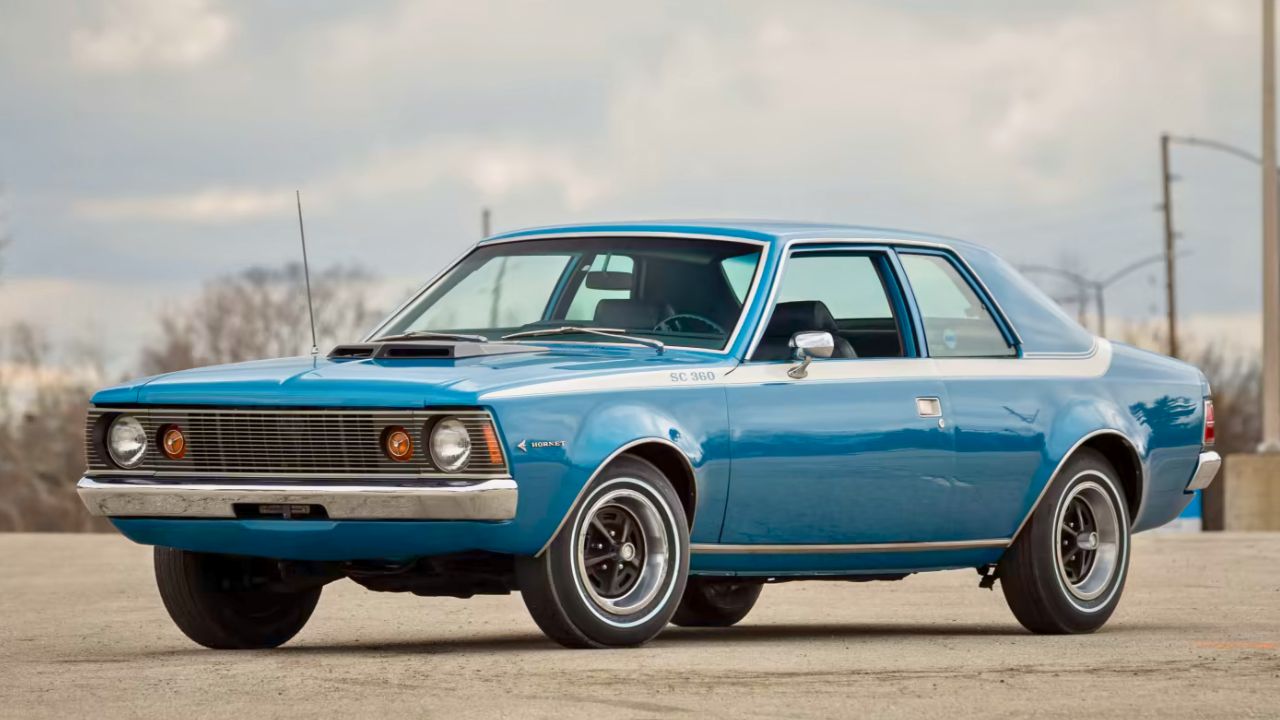
When people think AMC performance, they usually jump to the AMX or Rebel Machine—but the Hornet SC/360 was a hidden weapon. AMC dropped in a 360-cubic-inch V8 making 245 horsepower (285 with the Go Package) into their compact Hornet body.
It was light, cheap, and surprisingly quick for its time. With a curb weight under 3,200 pounds and a 3.54 rear gear, it could run the quarter mile in the low 15s. Few buyers took the bait, which makes it rarer today than most of its competition.
1977 Pontiac Can Am
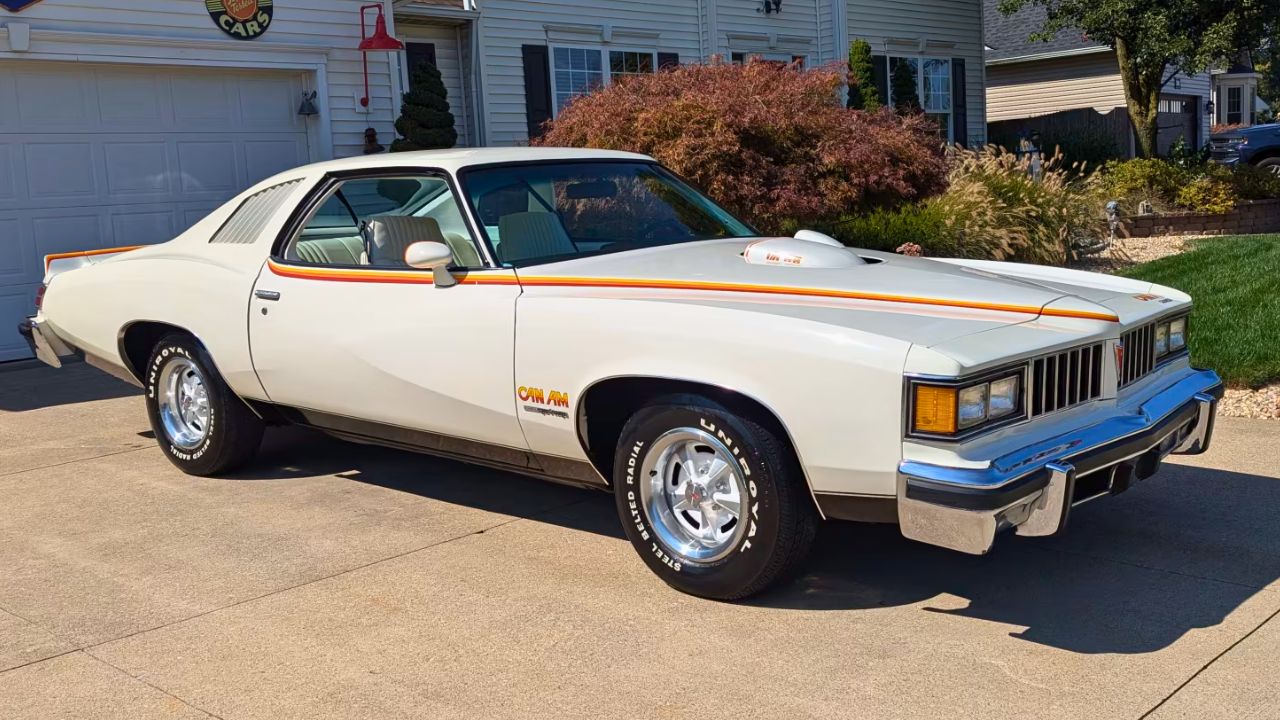
The Can Am was basically a LeMans with attitude—a 200-horsepower 400 (or optional 403 Olds) under a shaker scoop, with Rally suspension and fat rear tires. Pontiac planned to build thousands, but supplier issues stopped production after fewer than 1,400 left the factory.
It looked the part, with its white paint, rear spoiler, and Trans Am-inspired graphics, but it never got the marketing push it needed. Today it’s a forgotten muscle revival that was quicker than many give it credit for, especially for a midsize car that still rode comfortably.
1974 Chevrolet Nova SS 350
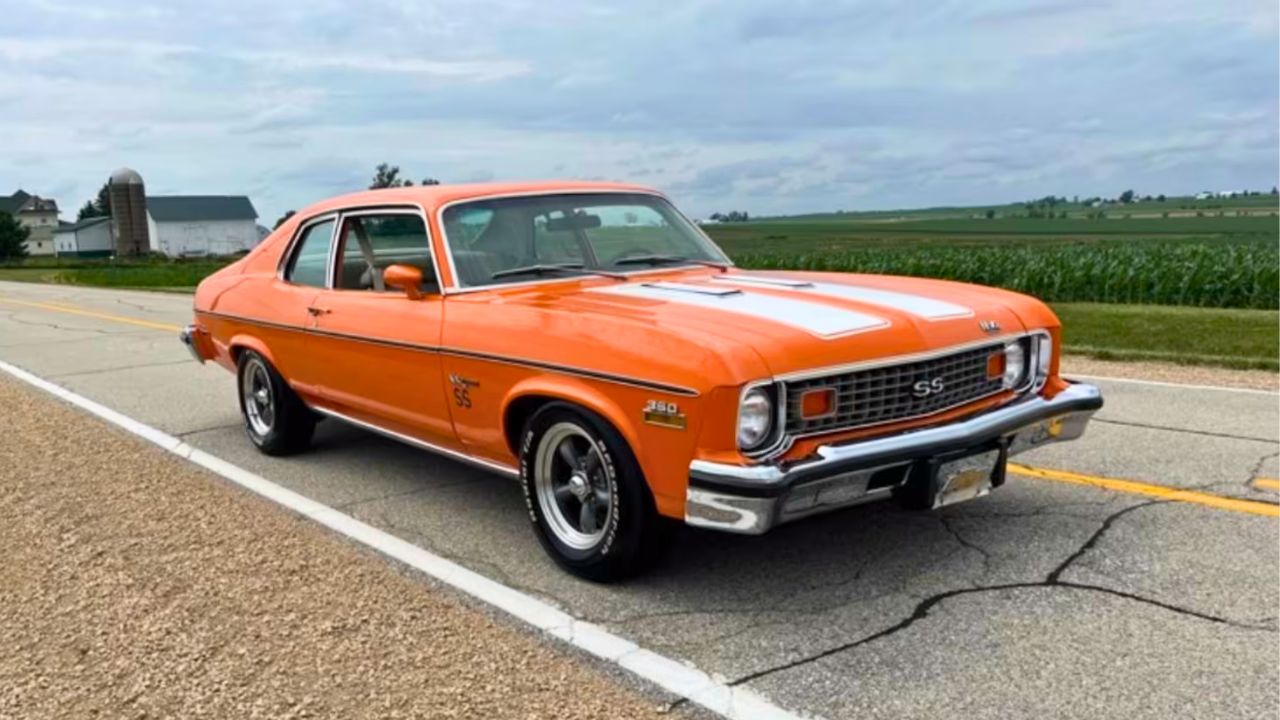
The ’74 Nova SS had the bad luck of arriving in the middle of a performance slump. But optioned right—with the L48 350 making 185 hp and a 4-speed—this car had more in common with earlier muscle than people think.
With a 3.08 rear axle and good gearing, it could still surprise people in a straight line. The handling wasn’t great, but it was better than most full-size cars of the time. Its sleeper styling and solid bones made it a favorite for weekend bracket racers.
1974 Dodge Dart Sport 360

Dodge took the compact Dart and gave it some muscle with a 360-cubic-inch V8 making 190 hp and 280 lb-ft of torque. It wasn’t a rocket ship, but it was light enough to get out of its own way—and it was underrated on paper.
What it lacked in flash, it made up for in performance per dollar. The Rallye suspension helped keep things planted, and the power-to-weight ratio wasn’t far off from some early ’70s muscle. It was a decent performer that got lost in the shuffle.
1971 Ford Torino GT 429

By 1971, the Torino had moved into full-size territory, and the GT trim didn’t help its image. But order it with the 429 Cobra Jet and the 4-speed Toploader, and you had one of the strongest street cars of the era.
The 429CJ made 370 hp with 450 lb-ft of torque, backed by a 9-inch rear and optional Drag Pack. Despite the weight, it could run mid-13s and sounded like thunder doing it. Most people saw a heavy cruiser—but it could move when pushed.
1973 Buick Century GS Stage 1
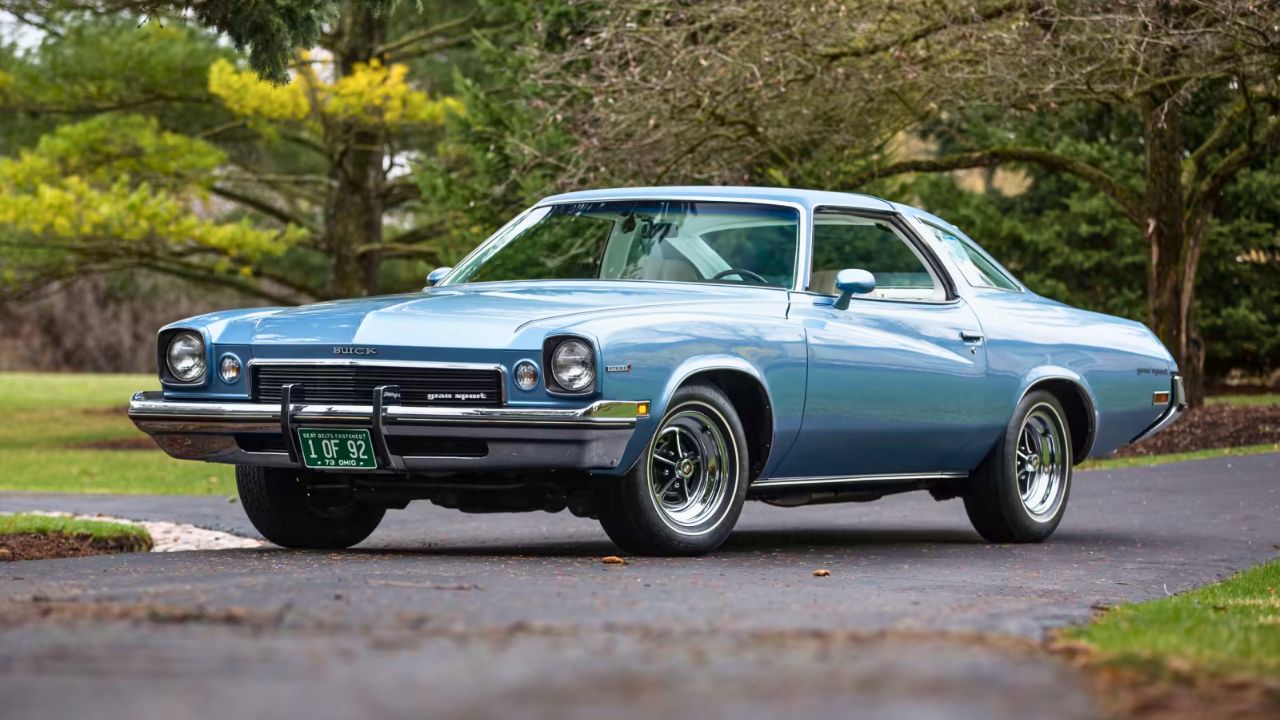
Buick’s muscle moment was fading by 1973, but the Century GS Stage 1 still packed serious grunt. Its 455 V8 was rated at 270 hp (net) but made well over 350 by any honest measure, and torque came in at 390 lb-ft.
It had softer styling and cushier seats than the earlier GS 455, but the Stage 1 package brought back the heavy-duty suspension and performance axle ratios. It was quiet, smooth, and brutally fast in a straight line—a muscle car disguised as a daily driver.
1972 Plymouth Duster 340
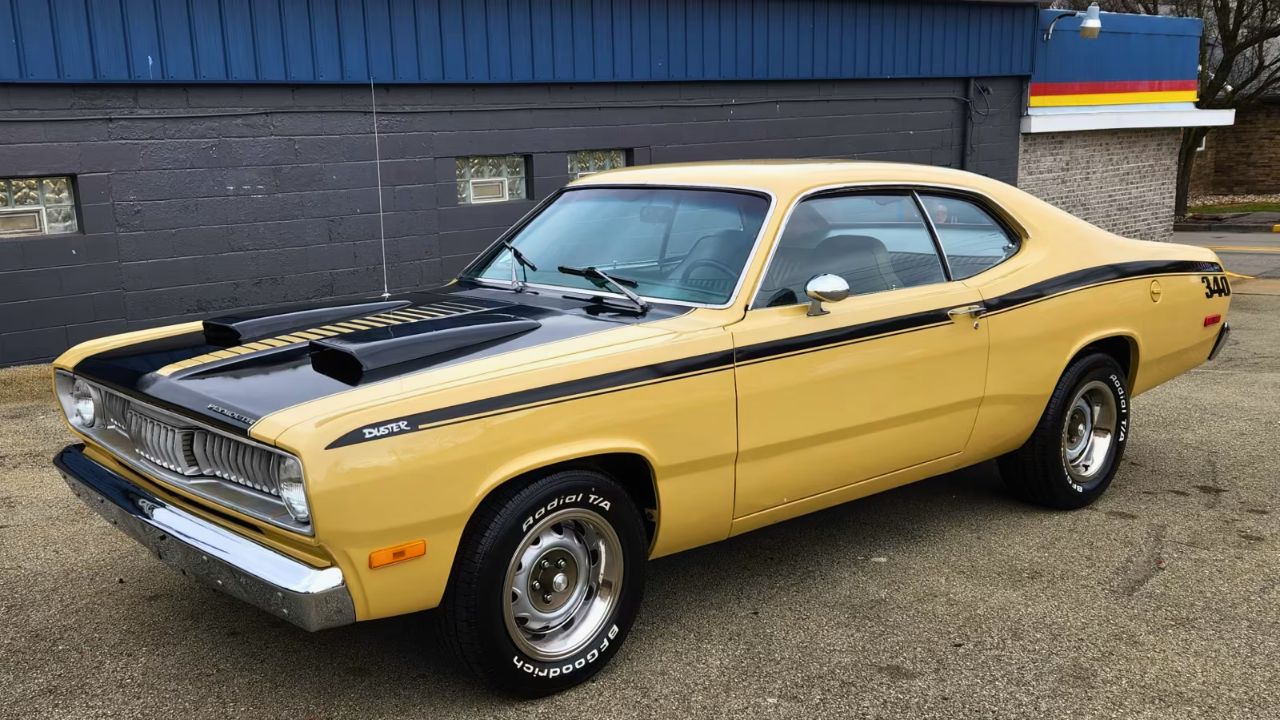
The Duster 340 was never flashy, but it hit the sweet spot between size, weight, and power. Its 340-cubic-inch small-block made 240 net hp, which translated to strong real-world performance thanks to its 3,100-pound curb weight.
It came with heavy-duty suspension, disc brakes, and a tight 4-speed manual option. It was one of the few cars in 1972 that still had muscle car reflexes without being priced out of reach. It didn’t get much fanfare, but it delivered where it counted.
1979 Pontiac Firebird Formula WS6

The Trans Am got all the attention, but the Formula WS6 with the W72 400 was arguably the better performer. It was lighter, less flashy, and had the same upgraded suspension, quick-ratio steering, and disc brakes on all four corners.
The W72 version of the 400 made 220 hp, which was near the top of the muscle heap in 1979. The Formula’s sleeper looks and well-sorted chassis made it one of the sharpest handling muscle cars of the late ’70s—when most had already gone soft.
1971 Mercury Cyclone Spoiler 429 CJ
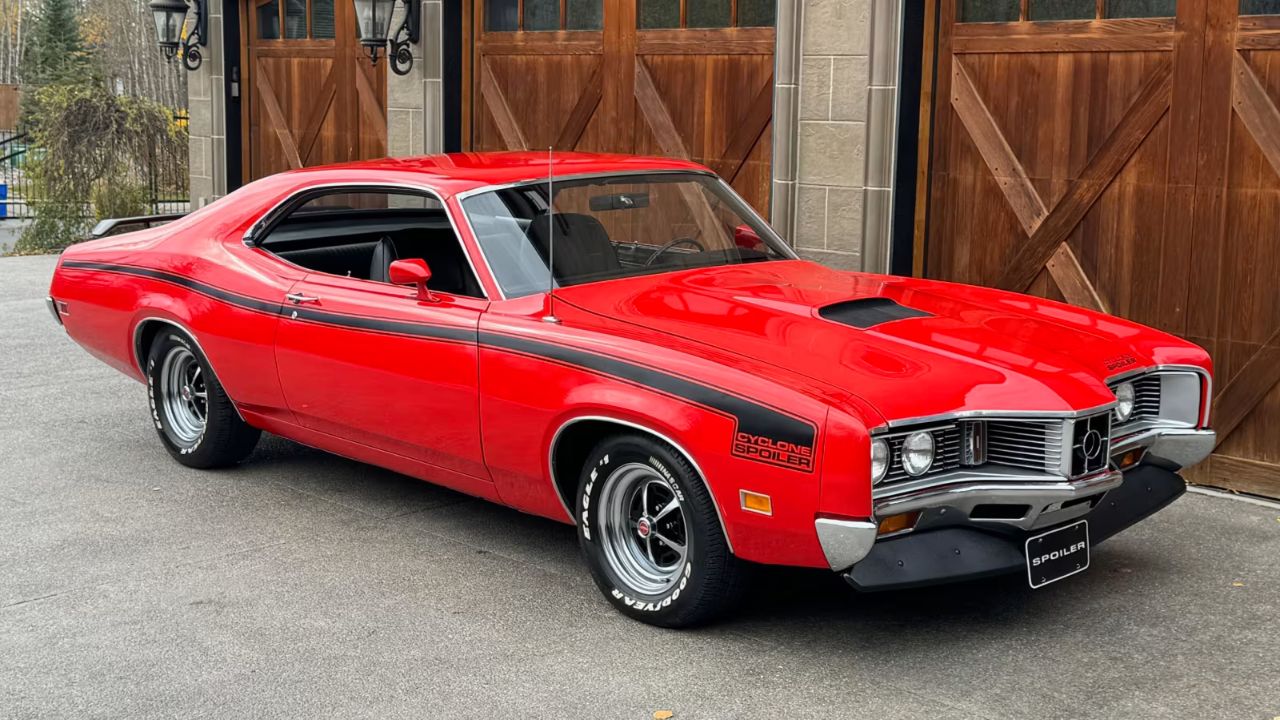
Mercury’s Cyclone Spoiler was never a sales hit, but with the 429 Cobra Jet and Drag Pack, it could run with the best. It had a competition suspension, functional Ram Air, and the same drivetrain hardware as Ford’s Torino Cobra.
The styling was more aggressive than people remember, and the performance was there if you ordered it right. With just a few thousand built, it faded into obscurity fast—but it deserves to be remembered as one of the last real Mercury muscle cars.
1976 Chrysler Cordoba 400
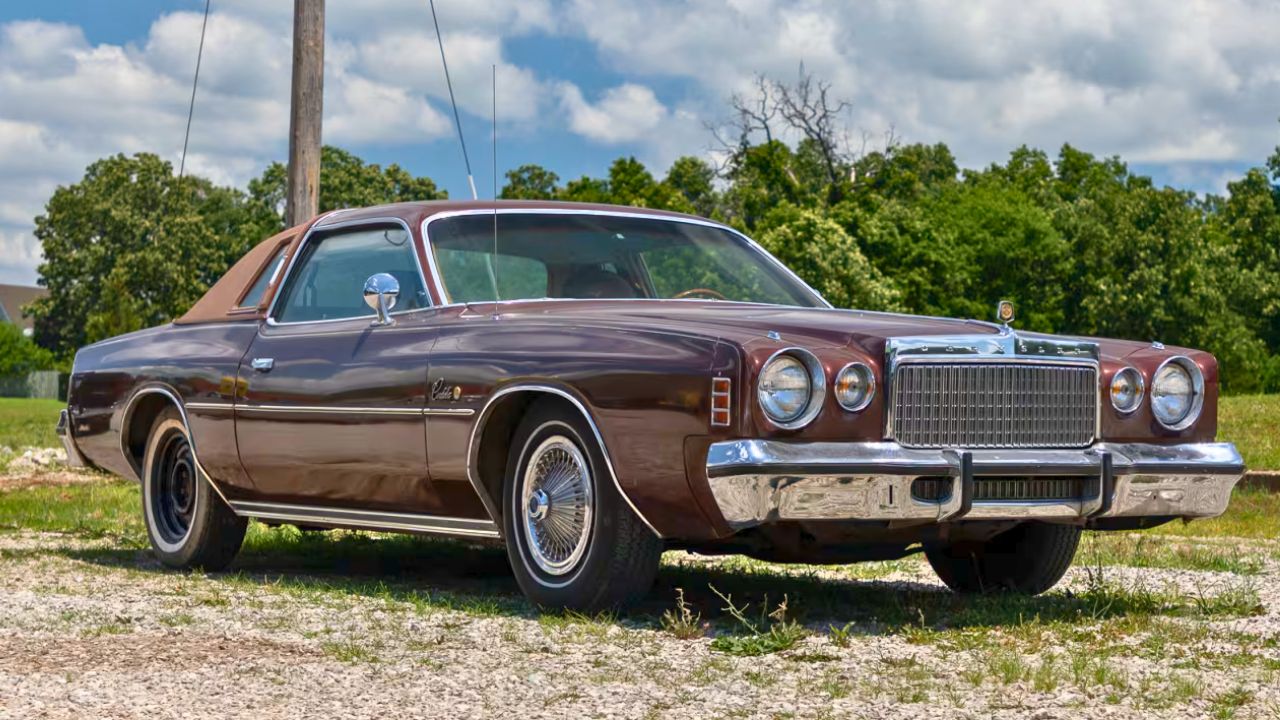
Most people remember the Cordoba for Ricardo Montalbán’s “rich Corinthian leather,” not for performance. But under the luxury trim, Chrysler quietly offered a 400 cubic-inch V8 with 4-barrel carb and dual exhaust that gave it some real highway legs.
It wasn’t a muscle car, but it had muscle under the hood—especially if you picked the handling package and a 3.21 rear axle. The suspension leaned toward comfort, but the torque was real. It’s not fast by modern standards, but it was quicker than it looked—and looked better than most.
*This article was hand crafted with AI-powered tools and has been car-fully, I mean carefully, reviewed by our editors.