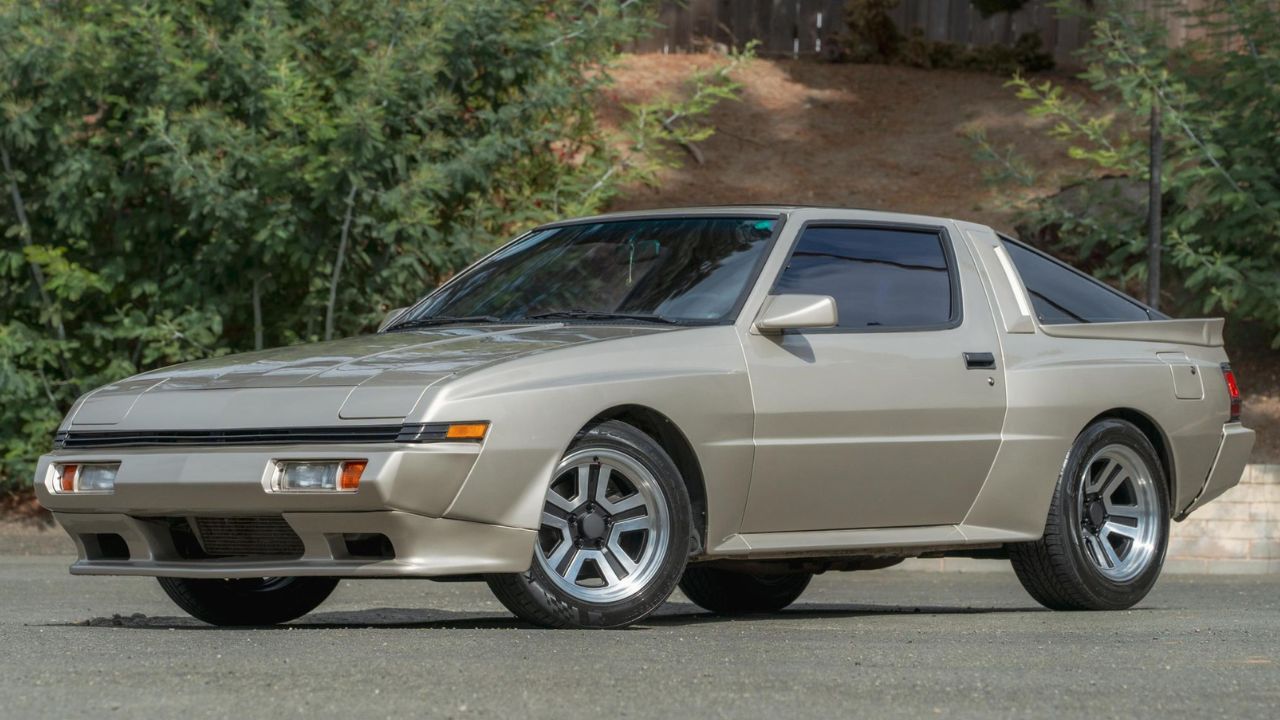
The 1980s were a period when Japanese automakers rapidly expanded their global influence through innovation, reliability, and attention to detail. Many vehicles from the decade were designed with a level of engineering discipline that remains impressive today. Decades later, these cars continue to earn praise from enthusiasts and mechanics for their thoughtful design, durability, and well-balanced execution.
Honda Prelude
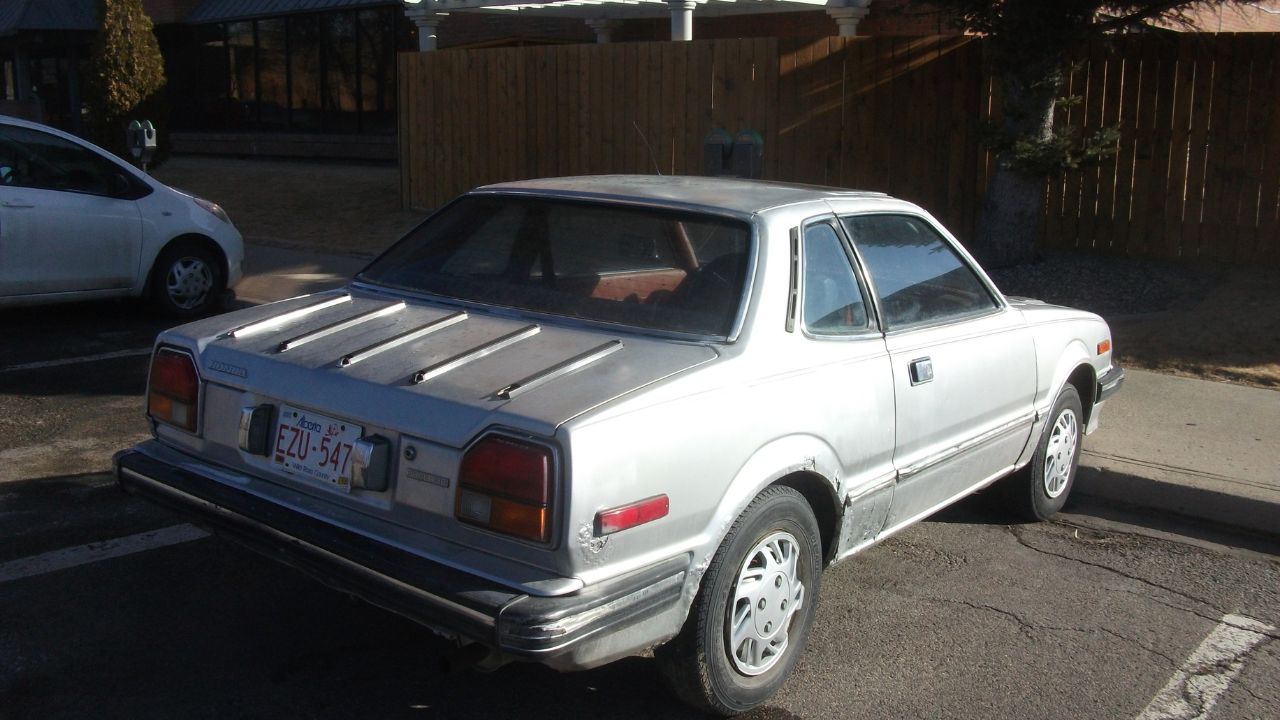
The Honda Prelude showcased Honda’s growing expertise in combining technology with driver engagement. Its responsive engine, precise handling, and ergonomic interior reflected careful attention to detail. Mechanics appreciated its reliability and durable drivetrain. Even today, the Prelude Si feels thoughtfully engineered because every aspect of the car, from its controls to its suspension tuning, was designed to create a cohesive driving experience.
Toyota MR2
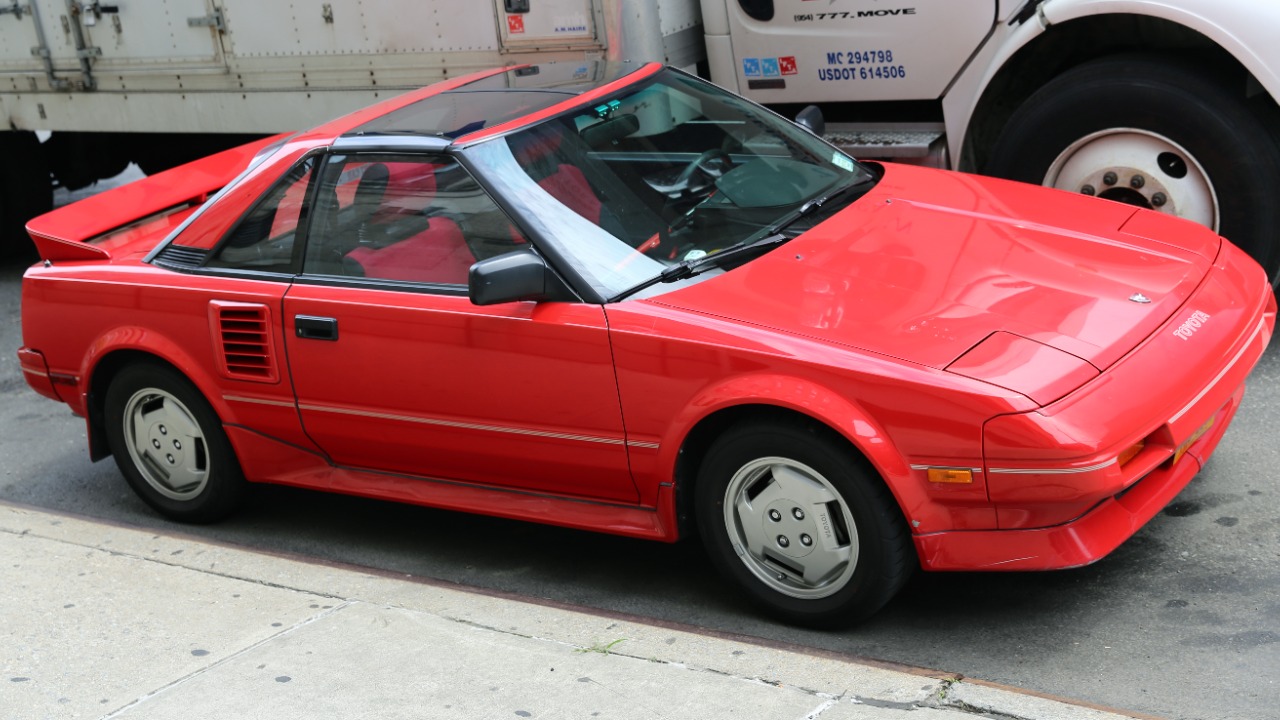
The Toyota MR2 demonstrated Toyota’s willingness to experiment with advanced layouts while maintaining practicality and reliability. Its lightweight chassis and mid-engine configuration delivered impressive balance and agility. Mechanics respected the clever packaging and dependable mechanical components. The MR2 still feels carefully engineered because it achieved genuine sports-car dynamics without sacrificing the durability and usability that Toyota owners expected.
Mazda RX-7 GSL-SE
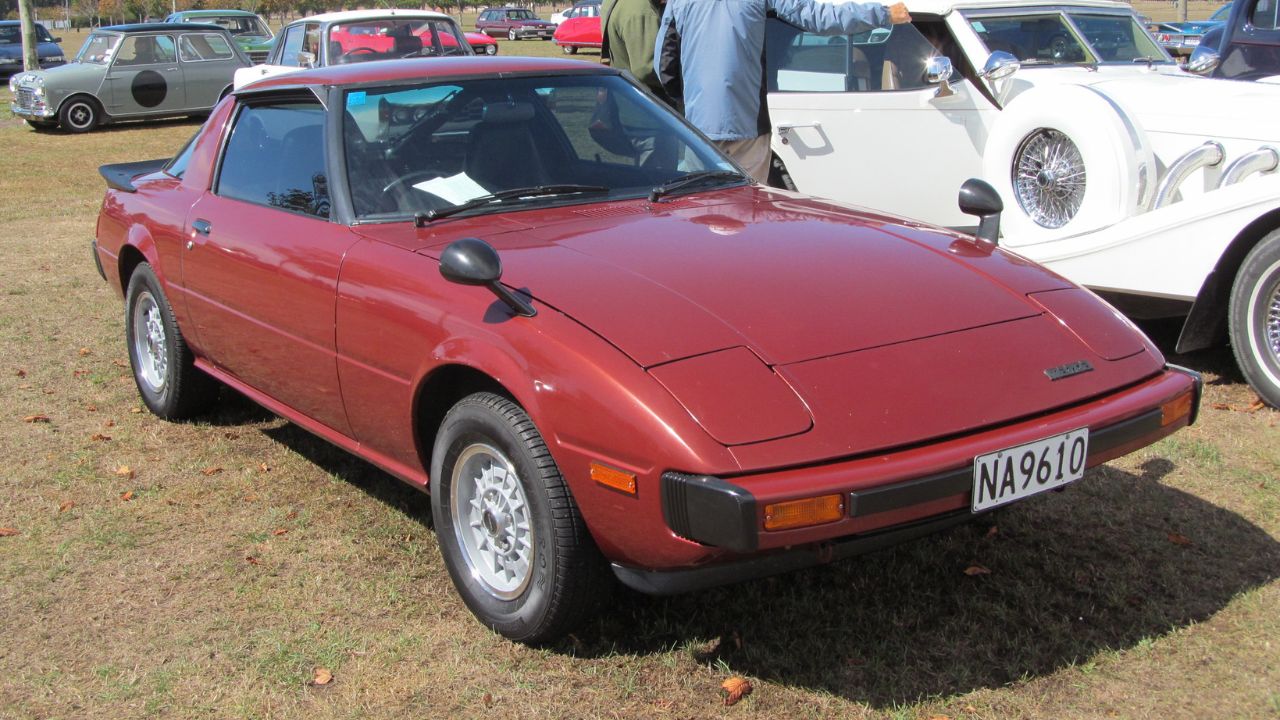
The Mazda RX-7 GSL-SE represented Mazda’s commitment to unique engineering solutions. Its lightweight rotary engine contributed to excellent weight distribution and responsive handling. Mechanics appreciated the innovation behind the design and the vehicle’s balanced chassis. Decades later, the RX-7 continues to stand out because its engineering priorities focused on creating a distinctive and engaging driving experience rather than simply maximizing power.
Nissan 300ZX Z31
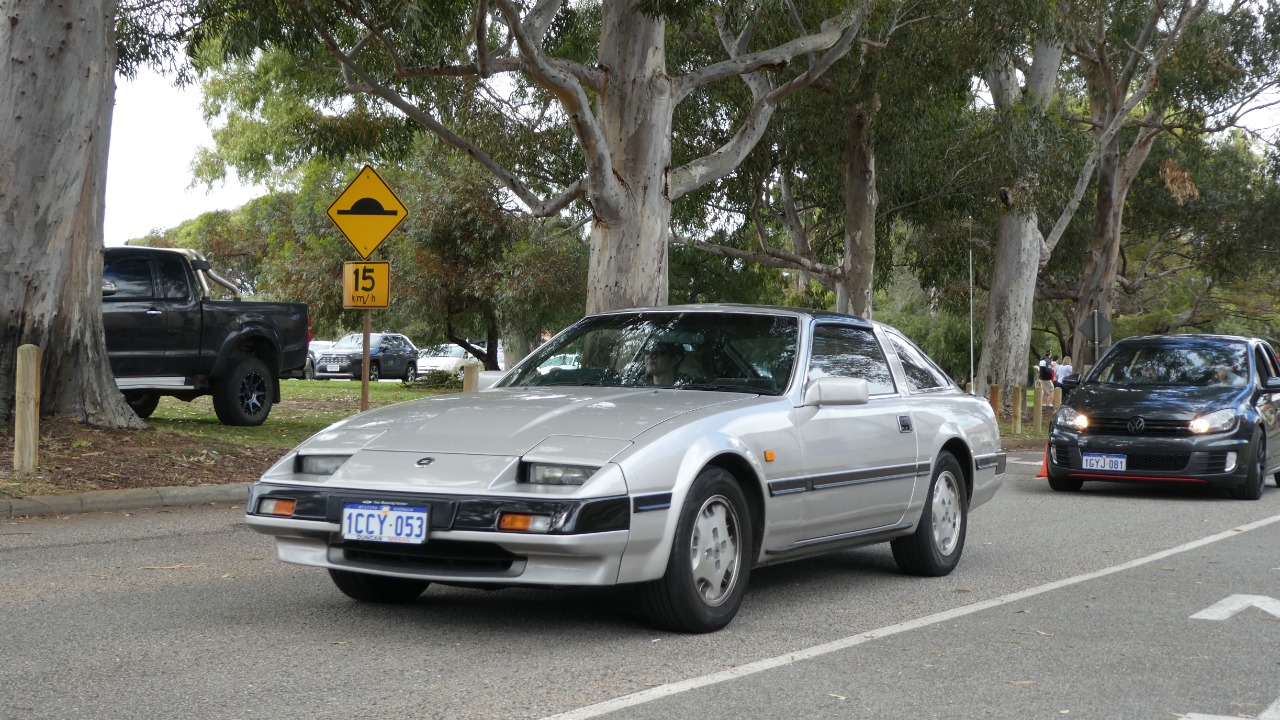
The Nissan 300ZX blended performance, comfort, and technology in a package that felt advanced for its time. Available digital displays and turbocharged engines demonstrated Nissan’s ambition. Mechanics respected its durable powertrains and strong engineering foundation. The 300ZX still feels carefully developed because it successfully balanced innovation with long-term usability, creating a car that remains enjoyable and practical decades later.
Toyota Cressida
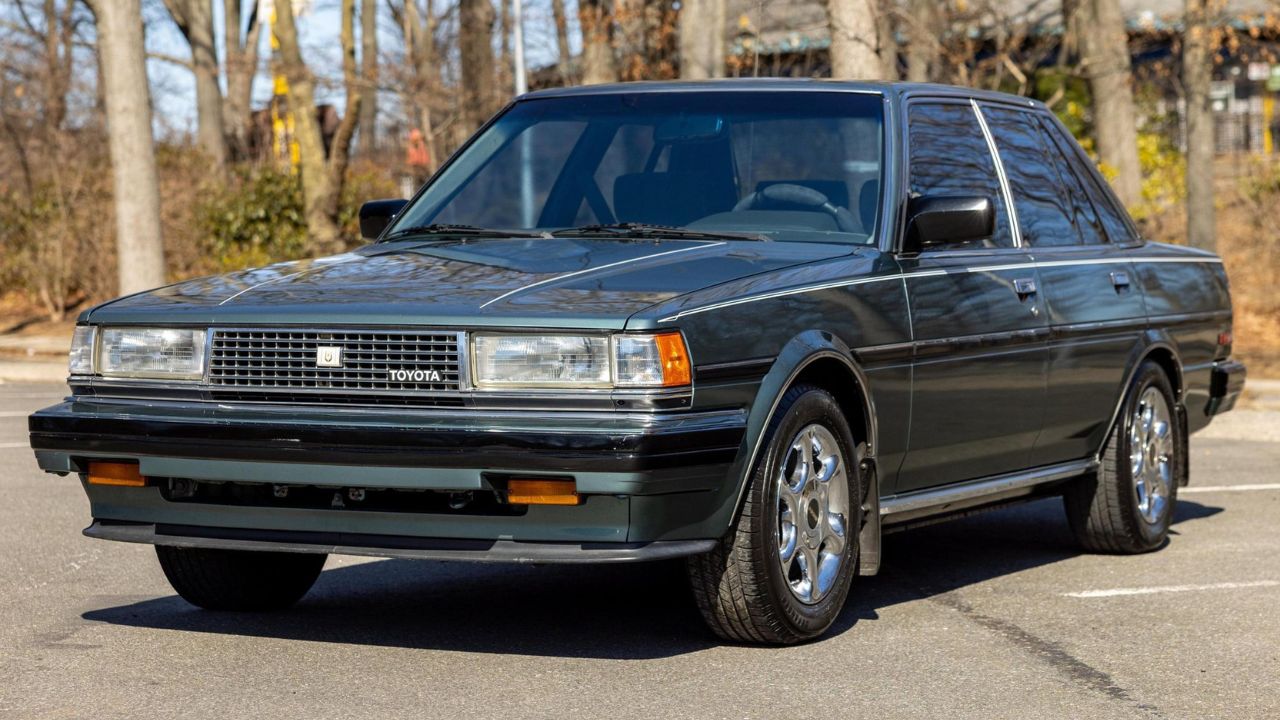
The Toyota Cressida offered refinement and durability that exceeded expectations for a mainstream Japanese sedan. Its smooth inline-six engine and comfortable chassis reflected Toyota’s focus on quality engineering. Mechanics appreciated its longevity and robust components. The Cressida continues to impress because it delivered a premium driving experience while maintaining the reliability that became a hallmark of Toyota’s reputation.
Mitsubishi Starion

The Mitsubishi Starion was engineered to compete with some of the best performance cars of its era. Its turbocharged engine, rear-wheel-drive layout, and wide-body styling created a compelling package. Mechanics admired its performance potential and strong drivetrain. The Starion still feels carefully engineered because it combined advanced technology with practical usability, resulting in a capable and distinctive sports car.
Honda CRX Si
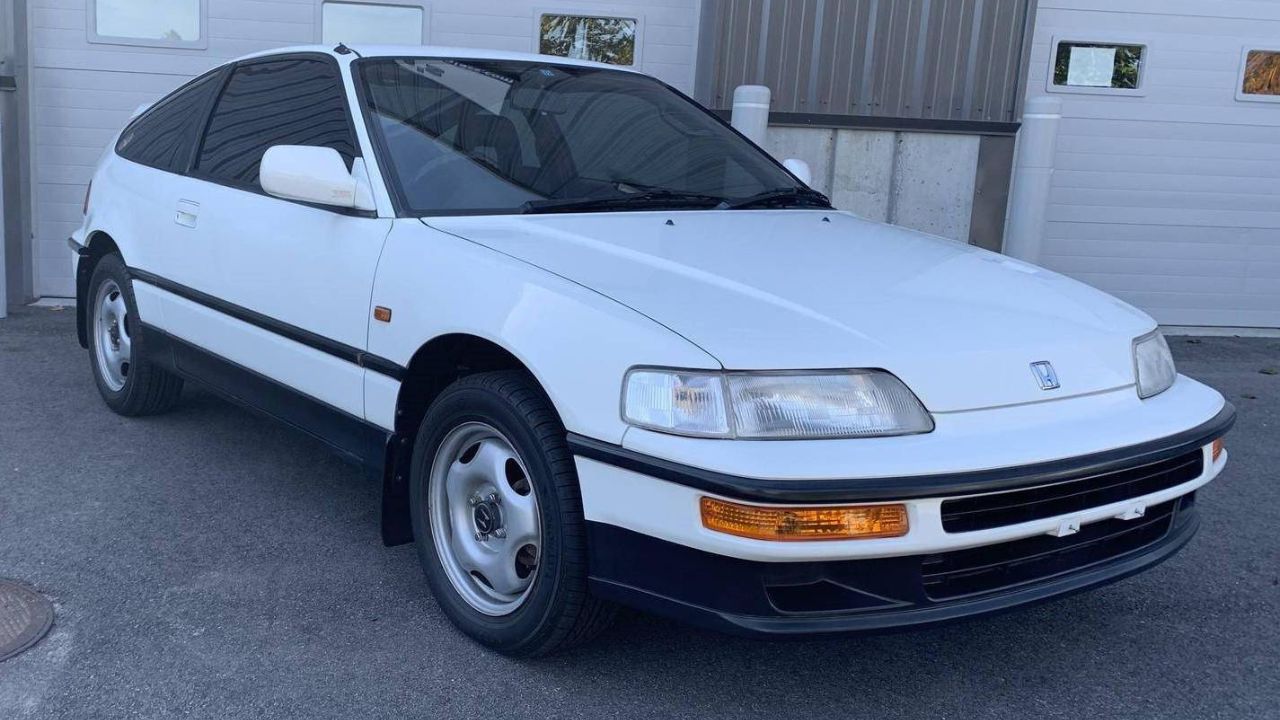
The Honda CRX Si proved that intelligent engineering could deliver excitement without requiring large engines. Its low weight, efficient design, and responsive handling made it a favorite among enthusiasts. Mechanics appreciated its simplicity and durability. Even today, the CRX Si feels remarkably well thought out because every component contributed to efficiency, agility, and driver enjoyment without unnecessary complexity.
Subaru XT Turbo
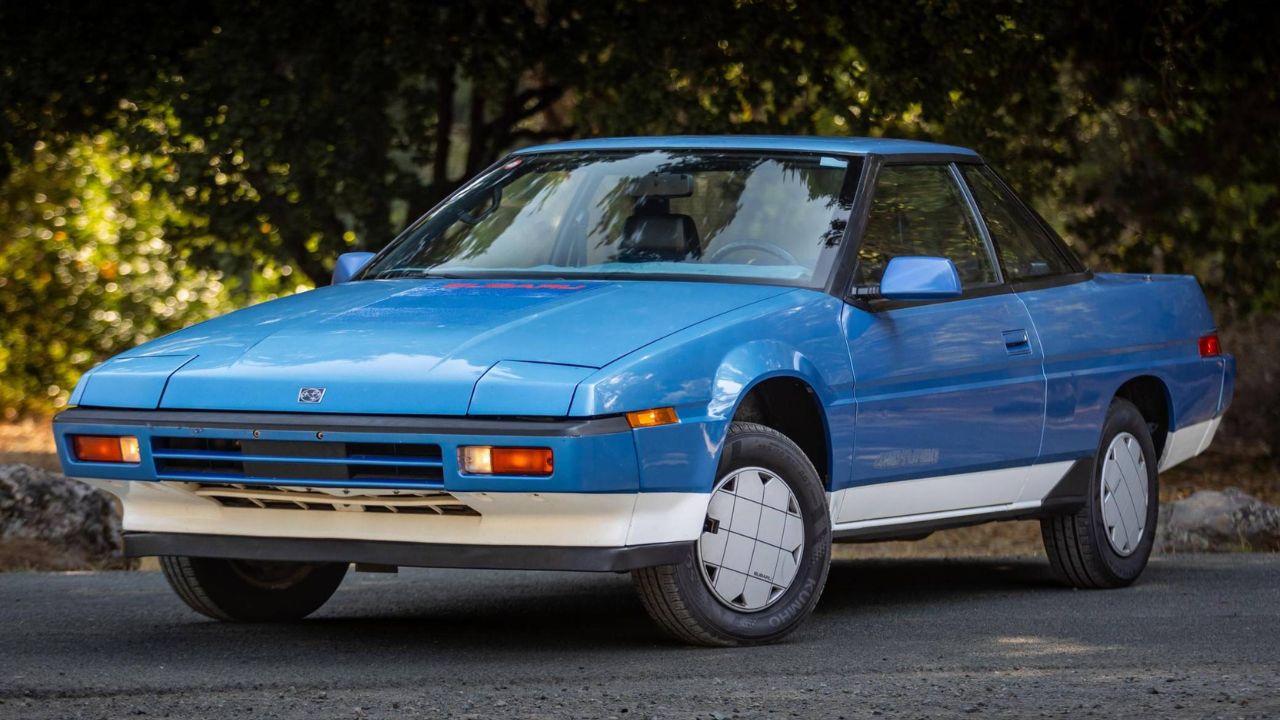
The Subaru XT Turbo showcased Subaru’s willingness to pursue unconventional engineering solutions. Its futuristic styling, advanced aerodynamics, and turbocharged boxer engine made it stand out from competitors. Mechanics respected its distinctive design and technical ambition. The XT Turbo remains impressive because it reflected a careful effort to combine innovation, efficiency, and performance into a unique package.
Mazda 626 Turbo
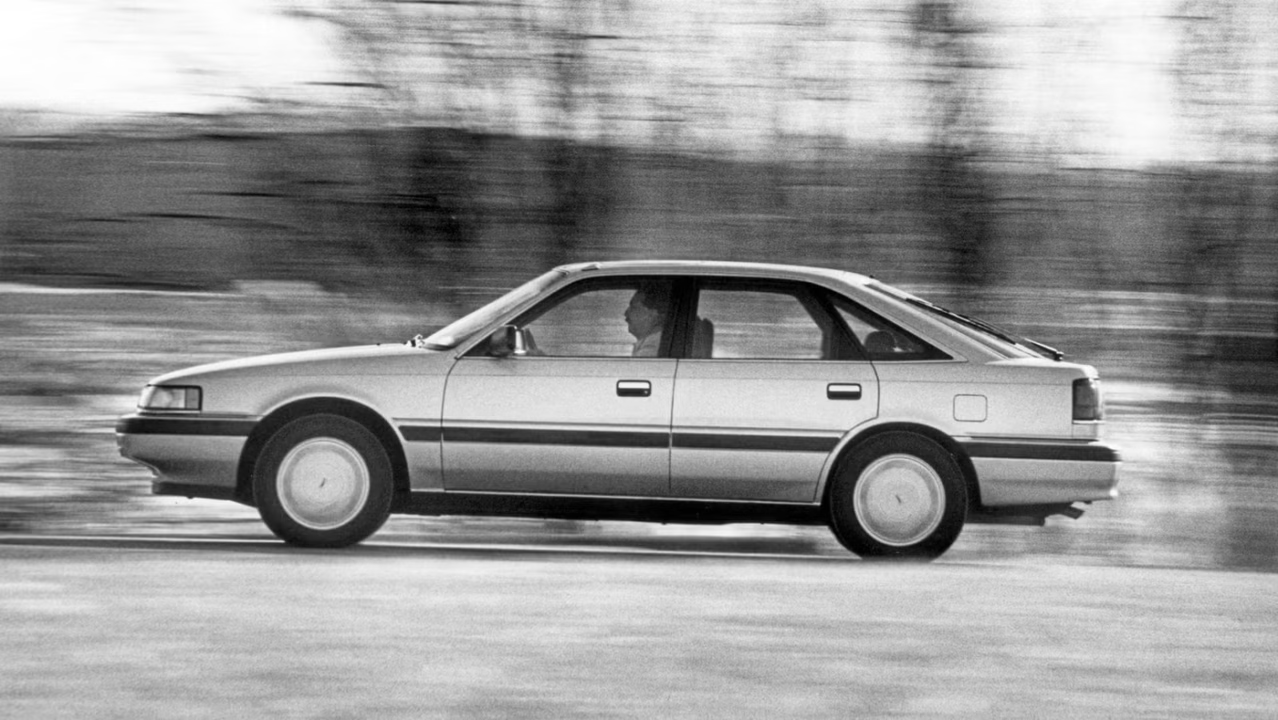
The Mazda 626 Turbo demonstrated that family cars could incorporate advanced engineering without compromising reliability. Its turbocharged engine provided strong performance while maintaining everyday practicality. Mechanics appreciated its durability and balanced design. The 626 Turbo still feels carefully engineered because Mazda successfully integrated performance enhancements into a refined sedan without sacrificing comfort or long-term dependability.
Isuzu Impulse
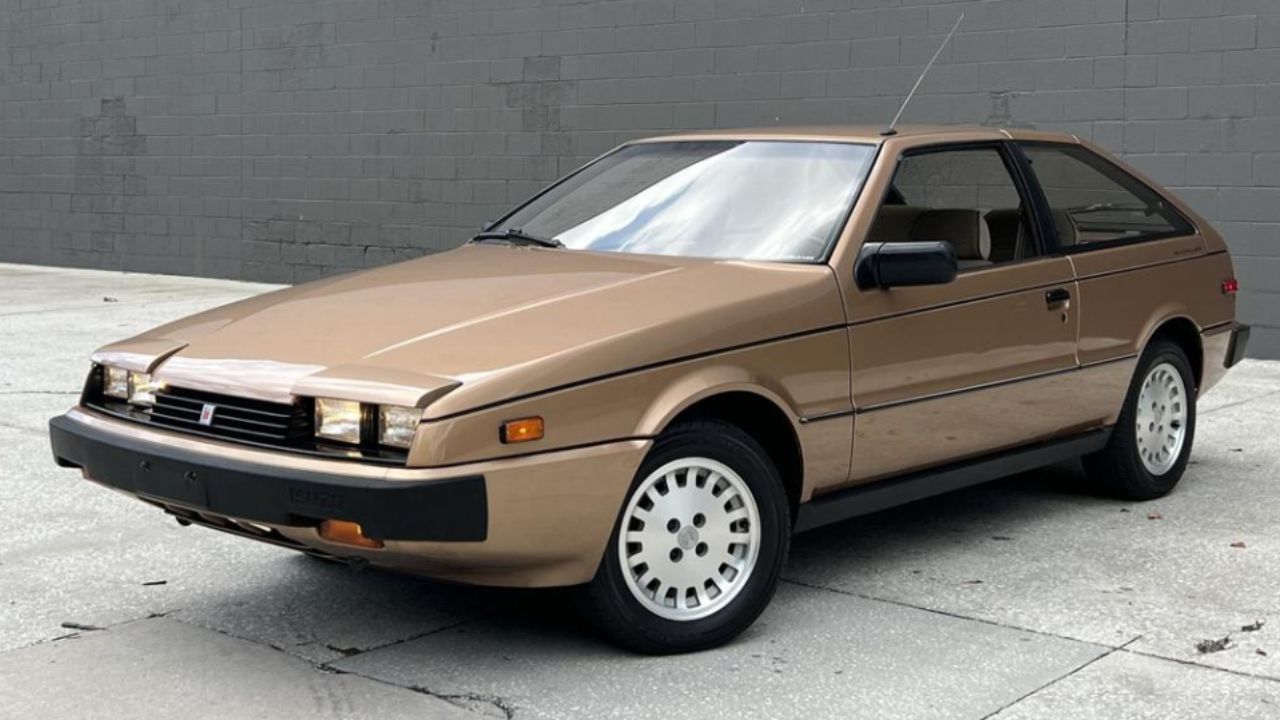
The Isuzu Impulse combined striking styling with engineering developed to deliver engaging road manners. Its balanced chassis and responsive powertrains earned praise from reviewers and enthusiasts alike. Mechanics appreciated its durability and straightforward maintenance. Decades later, the Impulse remains a reminder that thoughtful engineering and careful tuning can create a memorable driving experience even without overwhelming horsepower figures.
More from Fast Lane Only
- Unboxing the WWII Jeep in a Crate
- 15 rare Chevys collectors are quietly buying
- 10 underrated V8s still worth hunting down
- Police notice this before you even roll window down
*Research for this article included AI assistance, with all final content reviewed by human editors