Japanese cars have long held a special place in the hearts of tuners and modifiers. Beyond just being practical or reliable, many JDM models were designed with the potential to be personalized and pushed well beyond stock limits. Whether it’s swapping engines, upgrading suspension, or adding forced induction, these cars come ready for that kind of work. In this list, we take a look at 10 JDM cars that have earned their reputation as some of the best platforms to build on.
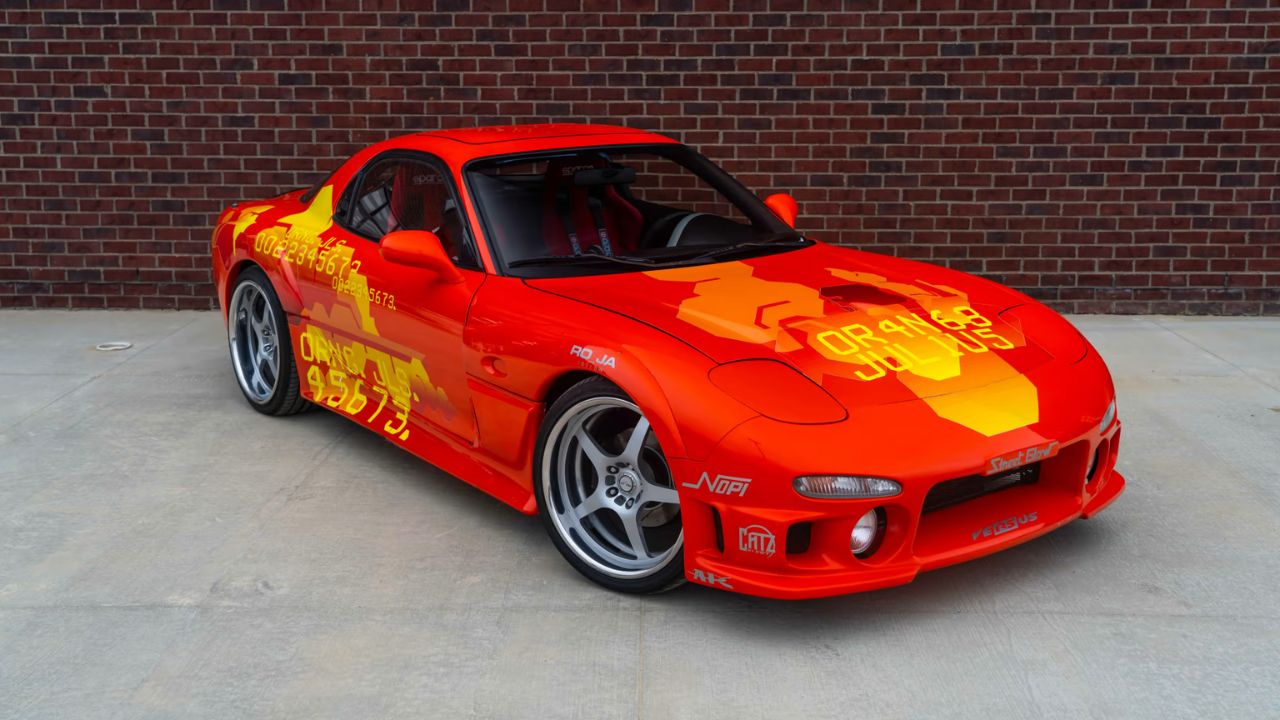
Mazda RX-7 FD3S

The FD RX-7 is the kind of car people built dreams on. Its twin-rotor 13B-REW engine made around 255 hp stock and was famously eager to be modified—especially with forced induction tweaks. The low center of gravity and near 50:50 weight distribution made it feel planted through corners.
The RX-7 came with double wishbone suspension front and rear, which let tuners dial in precision setups. While the rotary engine demands attention, it also rewards it. Inside, it was driver-focused, with low seating and a cockpit-style layout that just begged for track duty.
Nissan Silvia S13

The S13 Silvia was a blank slate with just enough factory capability to make it a tuner’s playground. It came with the SR20DET—a 2.0-liter turbocharged inline-four making around 205 horsepower—which had room to grow. Rear-wheel drive and a well-balanced chassis made it a drift scene favorite.
The multi-link rear suspension gave the S13 real cornering potential, and the aftermarket support exploded. Coilovers, widebody kits, and turbo upgrades became the norm. Inside, it was simple and light, which meant there was nothing in the way of making it your own.
Toyota AE86
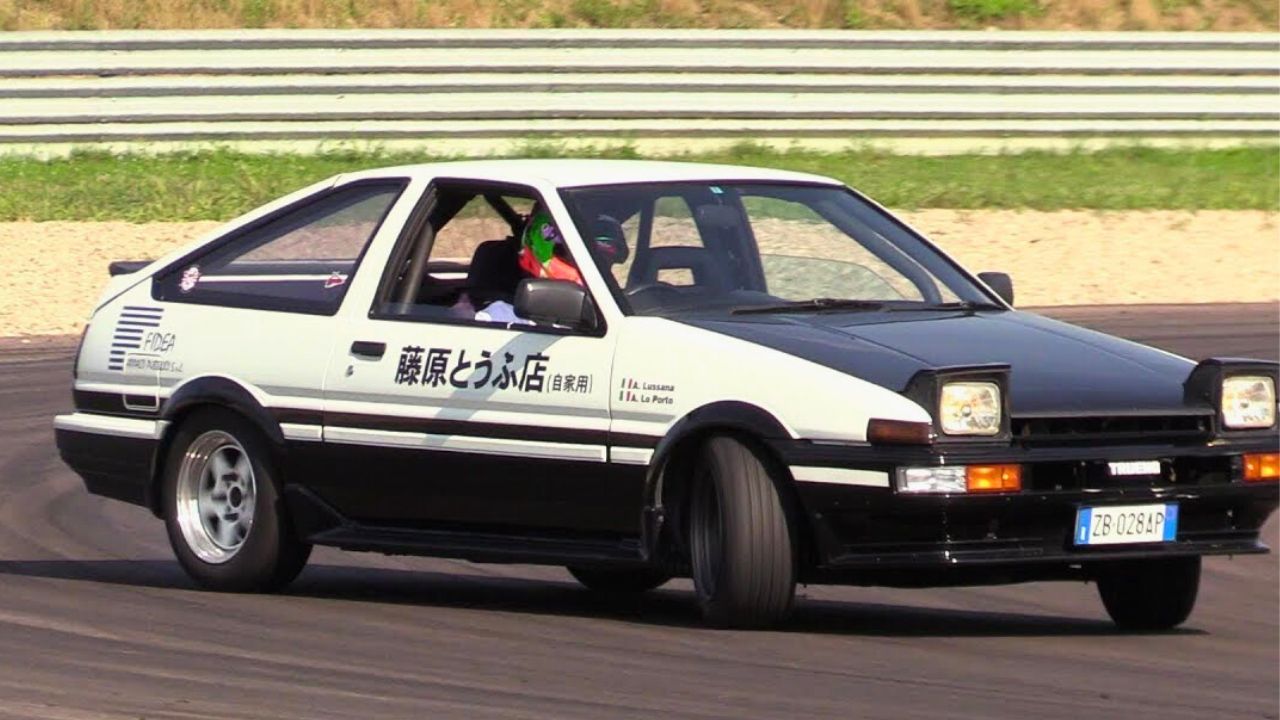
The AE86 didn’t have big power numbers, but it had the right ingredients. A lightweight body, rear-wheel drive, and the high-revving 4A-GE 1.6-liter engine made it a go-to for drivers who cared more about momentum than brute force. It made about 112 hp but had all the balance you could ask for.
Strut front suspension and a live rear axle made it predictable and engaging. It’s the car that helped kick off drifting in Japan, and the simplicity of its layout means it’s still a favorite to swap engines, upgrade suspension, and turn into a pure driver’s machine.
Honda Civic EG/EK
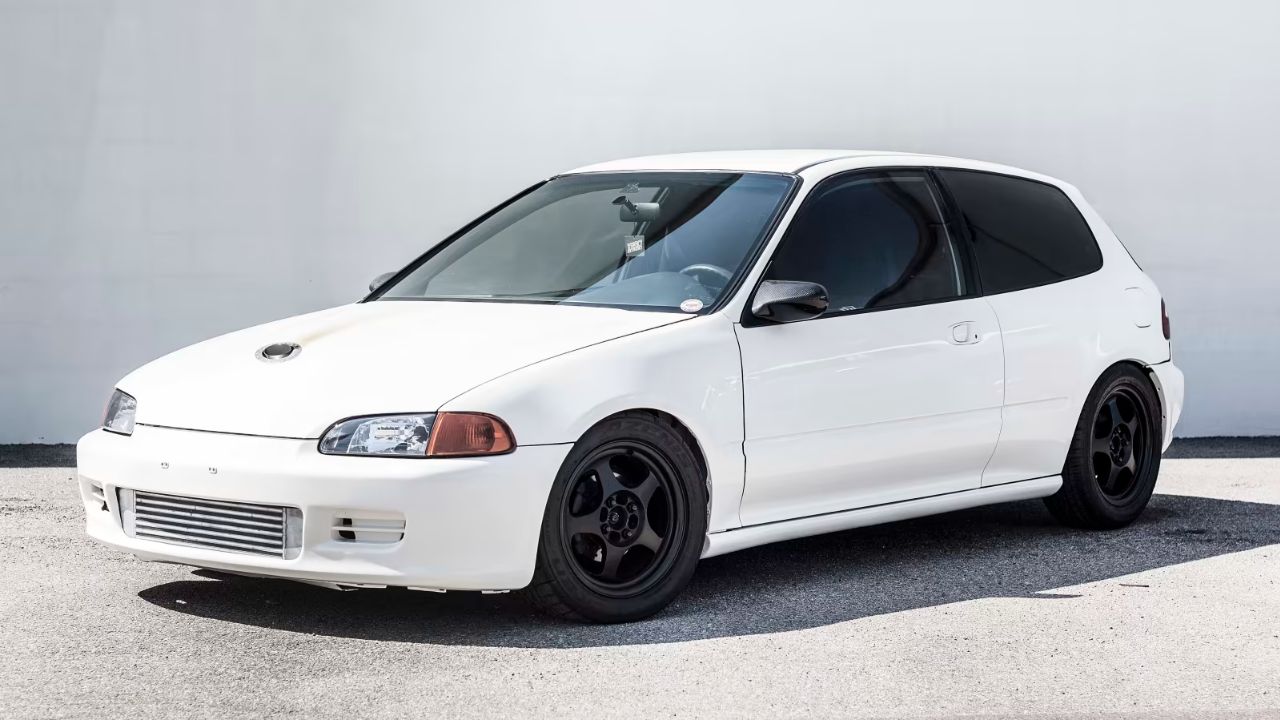
The ‘90s Civic hatchbacks became legendary for how easy they were to work on. The EG and EK generations, especially the lightweight CX and DX trims, made ideal platforms for engine swaps. The B16, B18, and K20 swaps are still common.
Their MacPherson strut front and double wishbone rear suspension gave surprisingly good handling potential. Interiors were spartan but functional, perfect for weight reduction or custom touches. Whether it was built for the street, track, or strip, Civics from this era were made to be taken apart and built back better.
Subaru Impreza WRX STI (GC8)
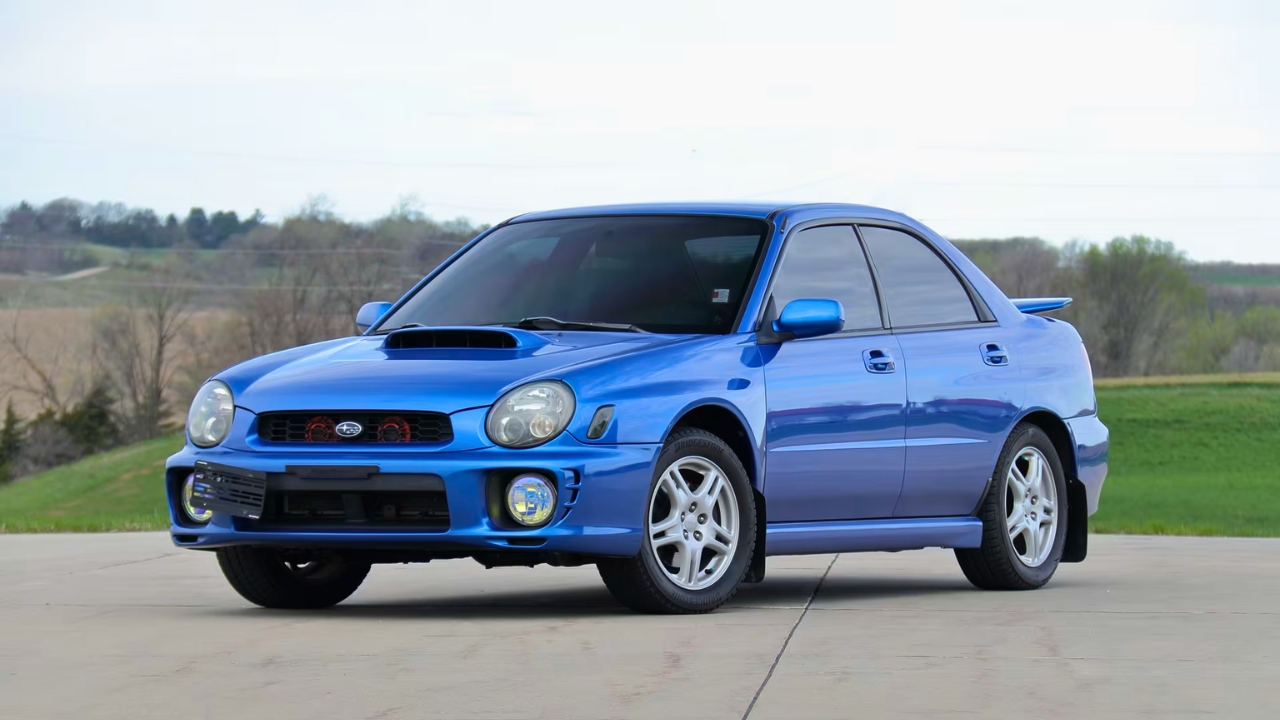
The first-gen GC8 WRX STI brought turbo all-wheel-drive tuning into reach. Its EJ20 2.0-liter turbo flat-four cranked out around 276 hp in the STI trims, and the symmetrical AWD system made it a rally favorite. It had real grip and a solid aftermarket following.
The GC8’s strut suspension was tough and easy to modify, whether you wanted to lift it for rally or slam it for the streets. The interior was basic but functional, which left room for racing seats, roll cages, or stripped-down track builds. Tuners loved it because it could take a beating and keep running.
Nissan Skyline R32 GT-R
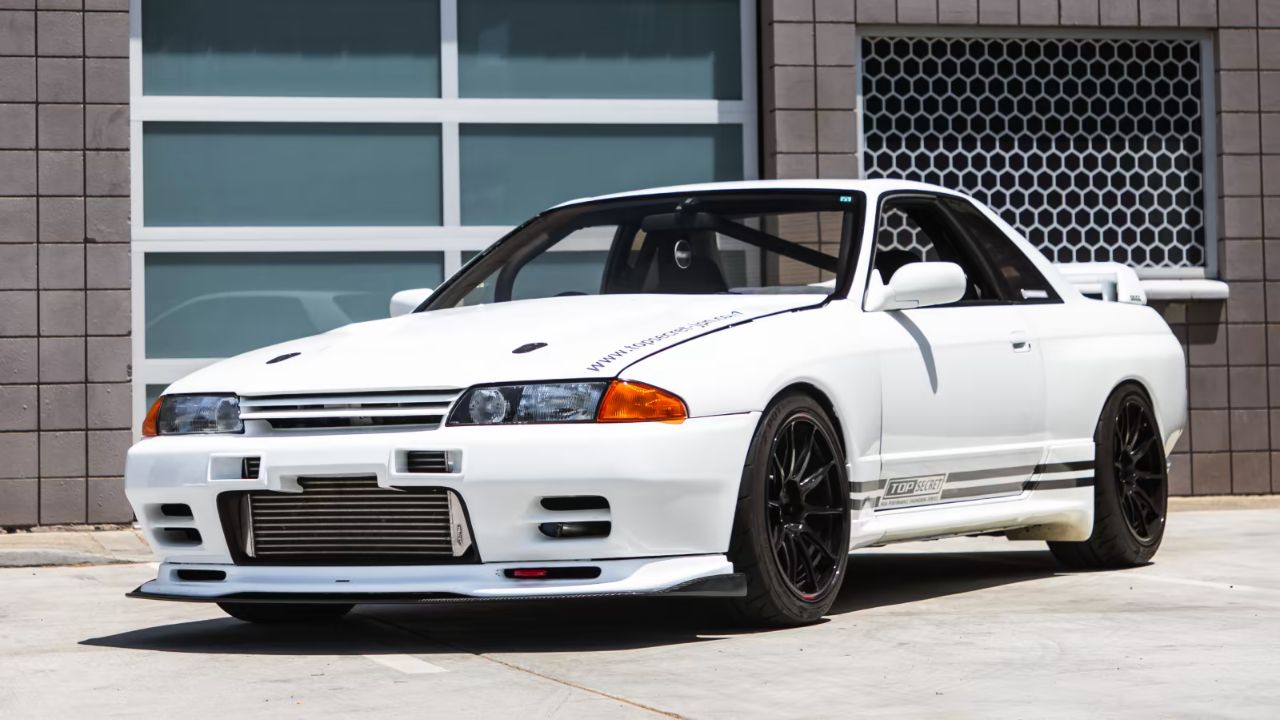
The R32 GT-R was built with serious hardware: a 2.6-liter twin-turbo inline-six (RB26DETT), 280 hp, and the ATTESA E-TS all-wheel-drive system. It wasn’t just fast—it was engineered to be upgraded. The RB26’s internals can handle well over 500 hp with the right setup.
With multi-link suspension at all four corners, it had the grip to match the power. The R32’s aftermarket scene is massive, with endless parts for power, stance, or track builds. Inside, it was pure early ‘90s function—nothing fancy, just a solid base to mold into whatever you wanted.
Mitsubishi Lancer Evolution VI
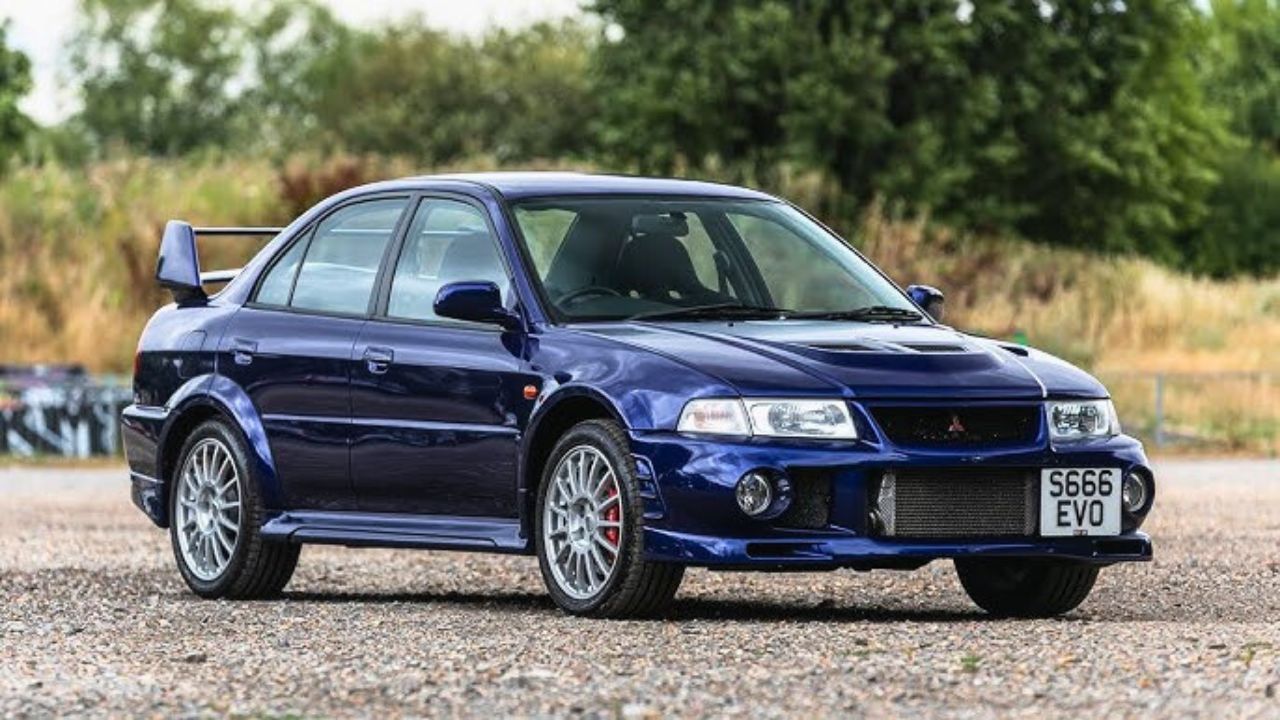
The Evo VI was a rally-bred machine with a turbocharged 2.0-liter inline-four making 276 hp, paired with an active AWD system and front helical LSD. The engine—the 4G63—became one of the most respected platforms for making big power reliably.
It featured MacPherson struts up front and a multi-link rear, giving tuners the flexibility to fine-tune handling. The aggressive aero and vented bodywork weren’t just for looks—they worked. Inside, it had Recaros and a no-nonsense dash setup, ready to be stripped or race-prepped with minimal fuss.
Toyota Supra MK4 (A80)
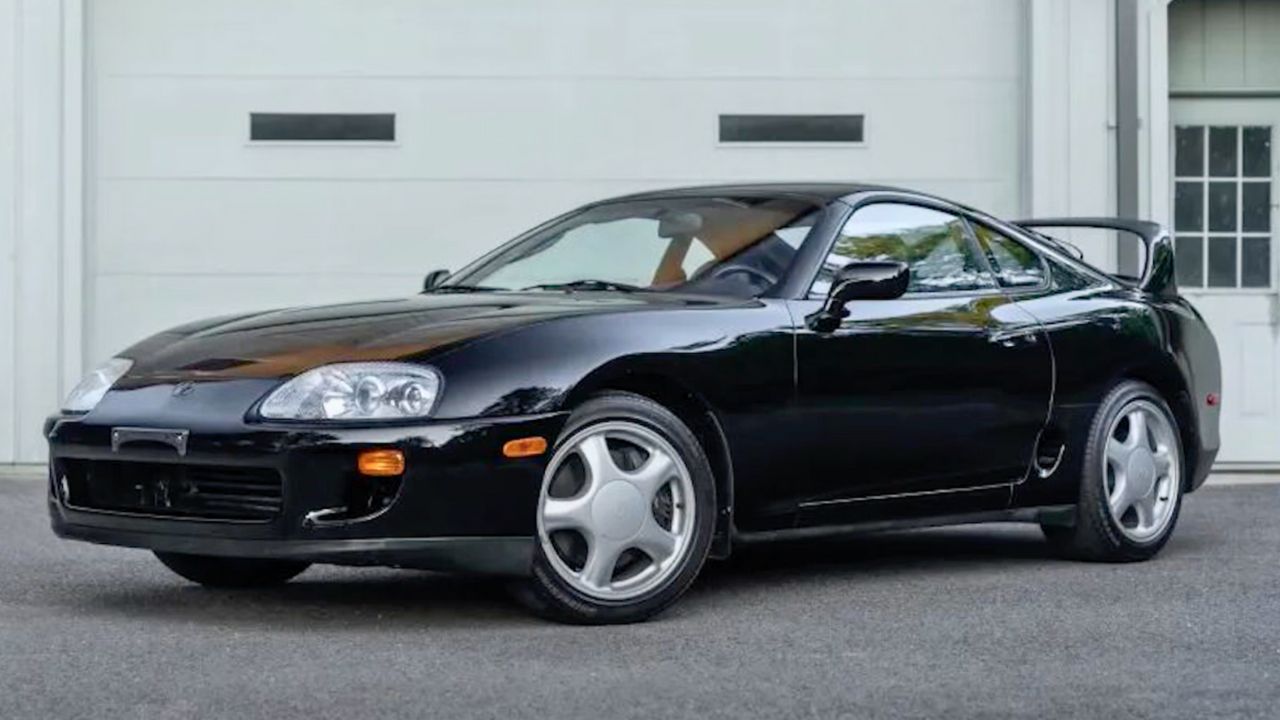
The MK4 Supra became a legend not just for the 2JZ-GTE, but for how well it handled being pushed far beyond stock specs. The twin-turbo inline-six made 276 hp in Japan, but tuners easily doubled or tripled that with the stock block.
It came with a double-wishbone suspension setup and an available Getrag six-speed transmission. The Supra wasn’t light, but it was stable and made for highway pulls and high-speed tuning. The interior had a curved driver-focused dash and just enough room for gauges, harnesses, or whatever your build needed.
Nissan 180SX

Sharing much of its DNA with the S13 Silvia, the 180SX had pop-up headlights and the same SR20DET motor in later models. Rear-wheel drive and light curb weight made it ideal for drifting and street builds.
It came with a multilink rear and strut front setup, which gave tuners plenty of options. Hatchback practicality meant people could even haul parts in it. The 180SX’s real strength was its balance—easy to swap engines, easy to slide, and easy to customize from the ground up.
Honda S2000
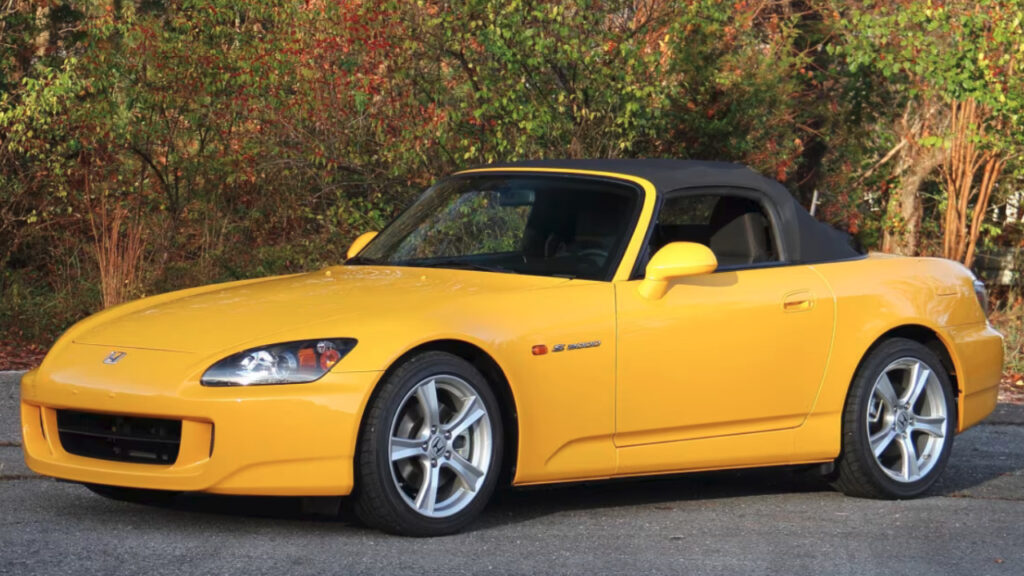
While the S2000 came later than most of this list, it earned its spot with a 9,000 rpm redline and one of the best four-cylinders ever made: the F20C. Making 240 hp from a 2.0-liter NA motor, it was precise, high-strung, and just asking for upgrades.
Double wishbones at all four corners made it razor-sharp in corners. People still bolt on superchargers, swap motors, and upgrade suspension for track use. The interior was snug and purposeful, with a digital dash and tight cockpit feel. It’s a modern classic that never stopped being tuner-friendly.
Like what you read? Here’s more by us:
*Created with AI assistance and editor review.