The ‘90s gave us a lot of unforgettable matchups—MJ vs. Reggie, Metallica vs. Nirvana, and in the car world, Supra vs. Skyline GT-R. Two names that still carry weight today, decades after their prime. They weren’t just fast for their time—they set the bar for what performance looked like coming out of Japan. On one side, you’ve got Toyota’s straight-six bruiser with a bulletproof block and rear-wheel drive fun. On the other, Nissan’s AWD precision machine built to bend physics.
This isn’t about fanboy nonsense or internet arguments—it’s about looking at what each generation brought to the table, what made them tick, and why they still matter. We’re stacking up ten key models that shaped this rivalry and figuring out which side might’ve hit harder—or lasted longer.
1989 Nissan Skyline GT-R (R32)

The R32 GT-R brought serious heat with its 2.6L twin-turbo inline-six (RB26DETT), pushing 276 hp and paired with Nissan’s ATTESA E-TS all-wheel-drive system. It had multi-link suspension at both ends and a rigid chassis that made it a serious track weapon—earning it the nickname “Godzilla” overseas.
Inside, things were simple and purposeful, with analog gauges and grippy cloth seats. It wasn’t flashy, but it felt connected. The R32 set the tone for GT-R dominance, showing how tech could be used to improve speed without sacrificing road feel.
1993 Toyota Supra Turbo (A80)

The A80 Supra became a performance icon with its 3.0L 2JZ-GTE inline-six and twin turbos. Factory numbers said 276 hp, but the engine was famously underrated and built like it had something to prove. Rear-wheel drive, a Getrag 6-speed manual, and double-wishbone suspension gave it real-world control.
The cabin leaned driver-focused with clear instrumentation and a wraparound dash. It was heavier than it looked, but the chassis could take abuse. What made it special was the way it handled power—confident and smooth, but with real bite.
1995 Nissan Skyline GT-R V-Spec (R33)
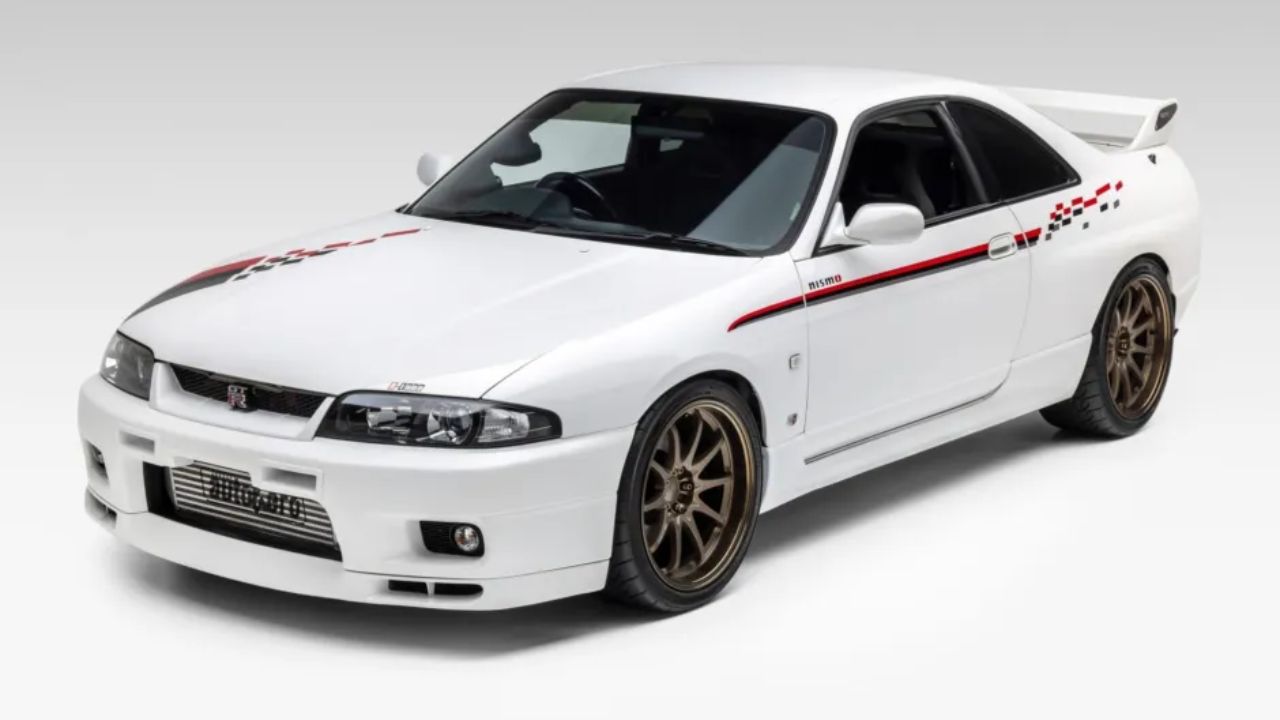
The R33 GT-R added refinement to the R32’s raw approach. It still had the RB26DETT under the hood, but the car grew in size and gained even more advanced AWD and Super-HICAS rear-wheel steering. The V-Spec also added an active LSD and revised aero tweaks.
The added weight dulled the edge slightly, but stability at high speed improved. Inside, the materials got a slight bump, with more comfort and better NVH control. The R33 never got as much love, but it showed how Nissan was evolving the GT-R into something smarter.
1997 Toyota Supra SZ-R (JZA80)

The naturally aspirated SZ-R may not have gotten the 2JZ-GTE, but it was no slouch with its high-revving 2JZ-GE and lighter curb weight. Paired with a 5- or 6-speed manual, it made the most of its balanced chassis. The driving dynamics leaned more on finesse than brute force.
Inside, you still got the same cockpit feel, minus some of the heavier trim from turbo models. For a more affordable way into the Supra experience, the SZ-R proved that not every fast car needed turbos to feel sharp and rewarding.
1999 Nissan Skyline GT-R (R34)
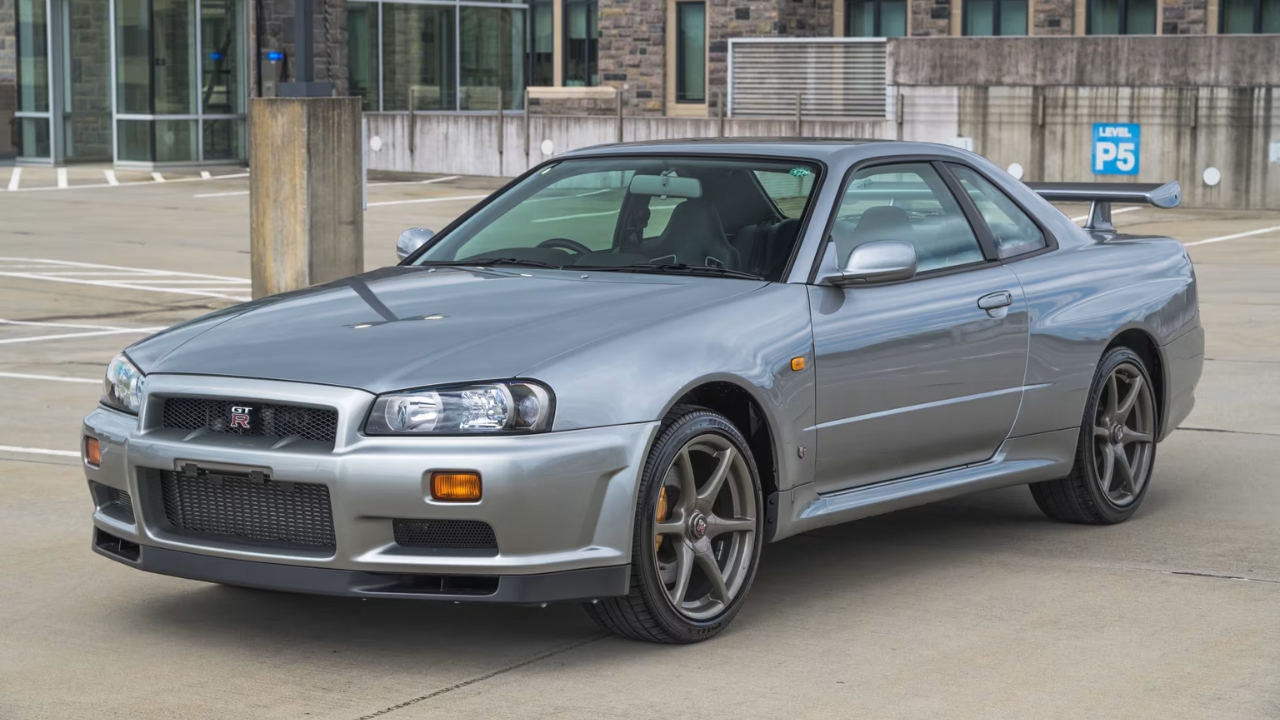
The R34 GT-R was peak ‘90s tech—still using the RB26DETT but with updated turbos, tighter aerodynamics, and more computer involvement. The ATTESA system evolved to be even more predictive, and the chassis stiffness jumped thanks to reinforcements.
Inside, the digital Multi-Function Display (MFD) on the dash showed real-time data like turbo pressure and oil temp—straight out of a Gran Turismo menu. The R34 felt like the most complete GT-R to date, blending raw pace with precision and control.
1998 Toyota Supra Turbo (A80 Final Year, U.S.)

In its last U.S. model year, the A80 Supra came fully loaded: Targa top, 17-inch wheels, Bilstein dampers, and an optional 6-speed manual. Power from the 2JZ-GTE remained steady, but the Supra had matured into a more refined GT performer.
The suspension kept its double-wishbone setup and was tuned for balance over drama. Inside, the leather seats and upgraded sound system gave it a bit of luxury to match its highway cruising comfort. It left the market quietly, but people soon realized what they were losing.
2002 Nissan Skyline GT-R V-Spec II Nür (R34)
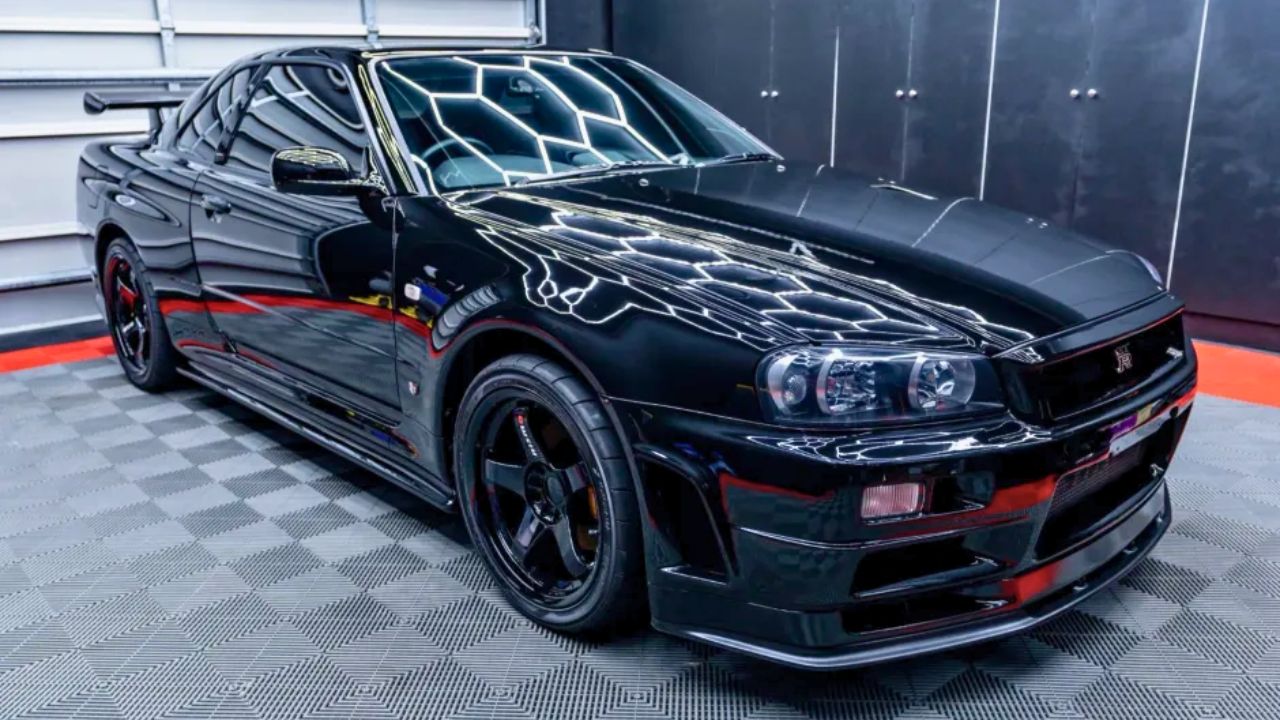
The Nür edition took the R34 formula and turned everything up. Still rocking the RB26, but now with reinforced internals—built for serious track use. It added a carbon-fiber hood, stiffer suspension, and upgraded brakes to handle real abuse.
On the inside, the Nür didn’t go wild with creature comforts, but the details mattered—unique stitching, plaque badging, and tighter bolstering on the seats. It was the last hurrah for the R34 and remains one of the most sought-after GT-Rs today.
2020 Toyota GR Supra (A90)
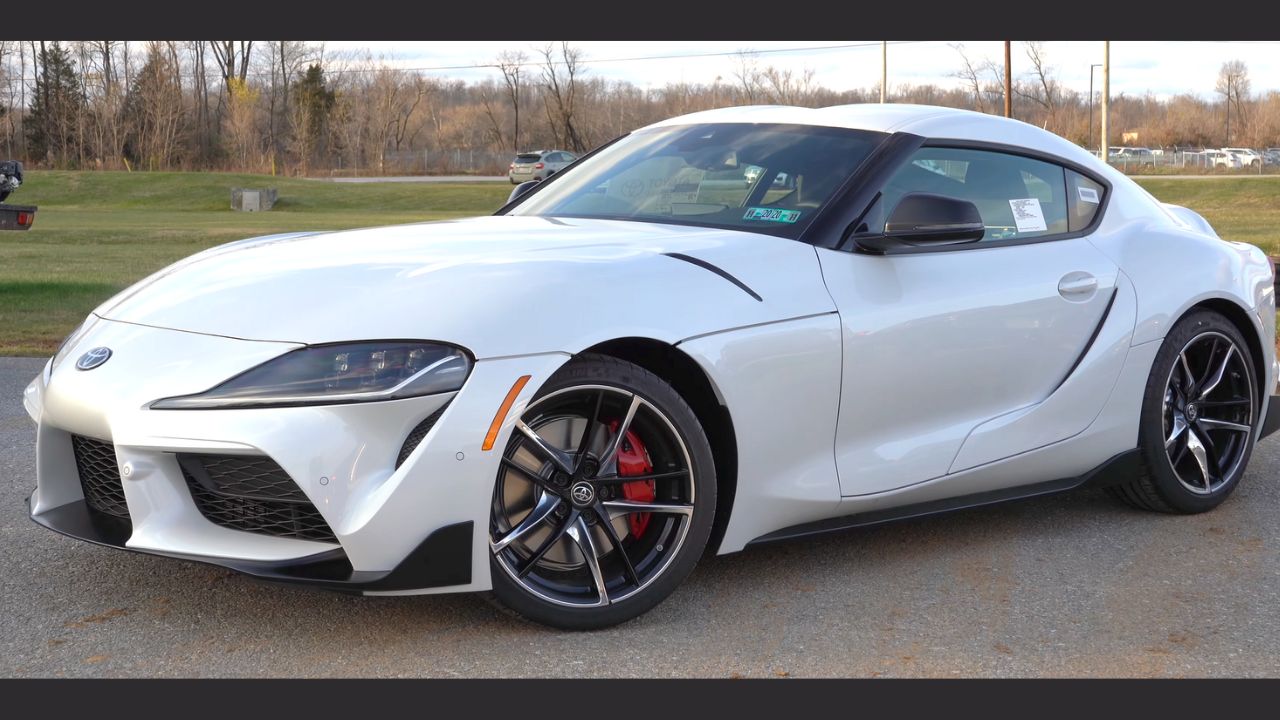
When the GR Supra returned, it brought a BMW-derived 3.0L turbo inline-six pushing out 335–382 hp depending on the year. Rear-wheel drive and an 8-speed automatic kept things fast and manageable. The chassis was tight, with adaptive dampers and a low center of gravity.
The interior leaned modern—digital cluster, supportive seats, and iDrive-based infotainment. While purists were skeptical, the A90 delivered where it counted: balance, grip, and straight-line speed. It may not be a spiritual clone of the A80, but it’s earned its spot on the road.
2021 Nissan GT-R NISMO (R35)

The R35 is a different beast—bigger, heavier, and faster. The NISMO version pushes 600 hp from a hand-built 3.8L twin-turbo V6. Carbon body panels, massive brakes, and a dual-clutch transmission sharpened the GT-R’s already serious performance edge.
The cabin is functional but upgraded, with Alcantara and carbon trim. It’s not plush, but everything feels solid. What’s wild is how this nearly two-ton car manages to corner like it weighs half as much. It’s brute-force tech meeting race tuning head-on.
2023 Toyota GR Supra Manual

Toyota finally answered the call with a 6-speed manual version of the GR Supra. Same 3.0L turbo inline-six with 382 hp, but now with real driver engagement. Gear ratios were reworked, and stability control got new logic to let the chassis move more freely.
Inside, nothing flashy—just good pedal placement, a solid shifter, and seats that hug just right. It finally gave purists what they were asking for, and the car feels more alive because of it. Sometimes, the missing piece is just a clutch pedal away.
Like what you read? Here’s more by us:
*Created with AI assistance and editor review.