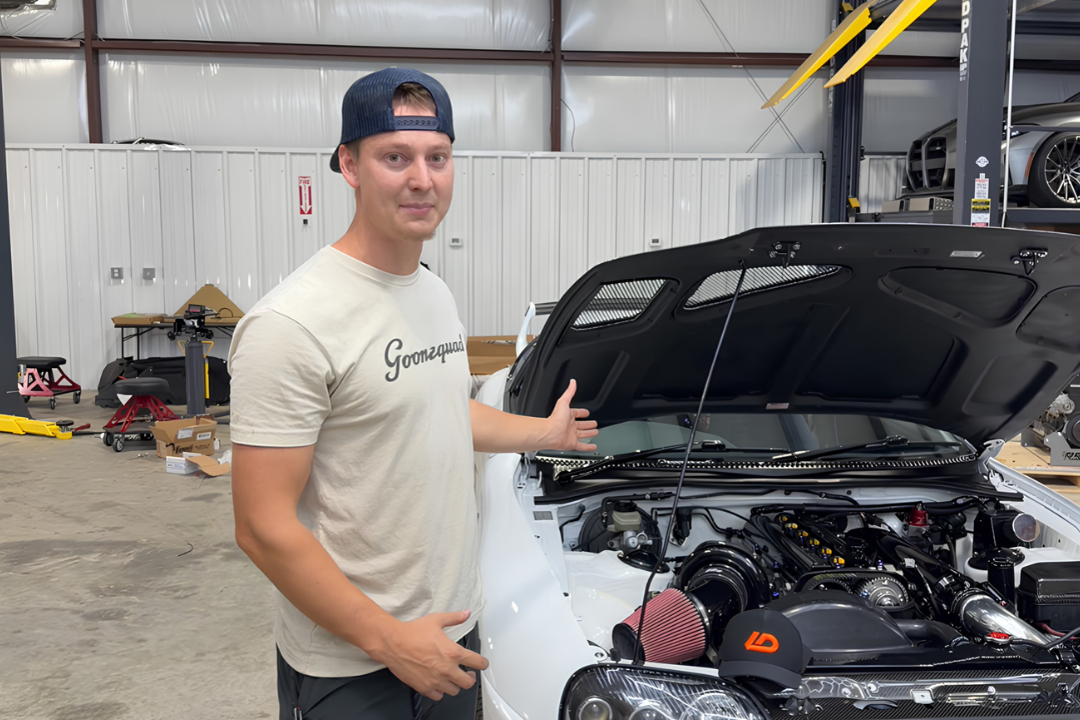
As a car owner, it’s easy to fall prey to common misconceptions about vehicle maintenance. These myths can lead to unnecessary expenses and potential damage to your car. Let’s debunk some of the most persistent maintenance myths that continue to circulate among drivers.
Regular Oil Changes Are Only Necessary Every 3,000 Miles
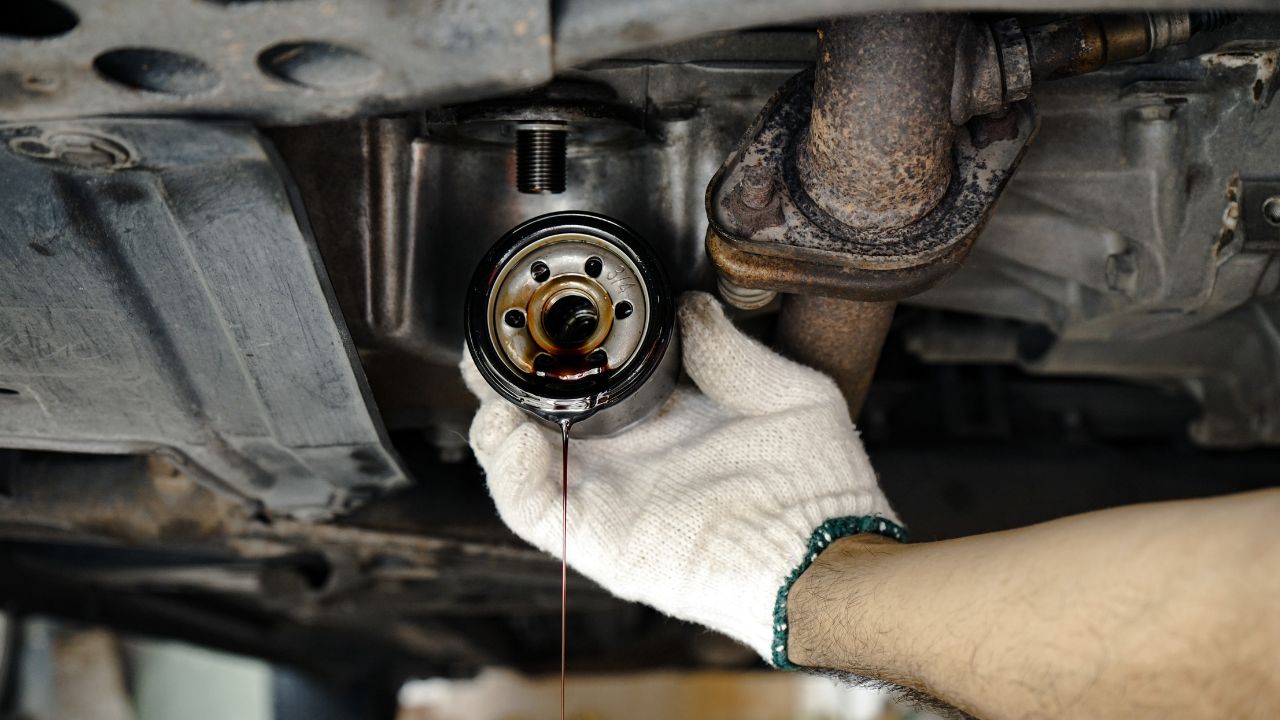
One of the most widespread myths is that all cars require an oil change every 3,000 miles. While this was once a standard guideline, advancements in engine technology and oil formulations have changed the game. Many modern vehicles, such as the Toyota Camry and Ford Mustang, can go 5,000 to 10,000 miles between oil changes, depending on the type of oil used and driving conditions.
It’s essential to consult your owner’s manual for specific recommendations. Regularly checking your oil level and quality is also a critical part of maintaining your engine’s health. Keeping an eye on these factors can save you time and money in the long run.
Premium Fuel Is Always Better for Your Engine

Many drivers believe that using premium fuel will improve their vehicle’s performance and longevity. However, this isn’t true for all cars. Most vehicles are designed to run on regular unleaded fuel, and using premium fuel often provides no added benefits. For instance, the Chevrolet Equinox runs efficiently on regular fuel.
Using premium fuel when it’s not required can lead to unnecessary expenses without any noticeable improvements. Always check your vehicle’s specifications to determine the appropriate fuel type, and save your money for maintenance that truly matters.
You Should Wait for the “Check Engine” Light to Fix Issues
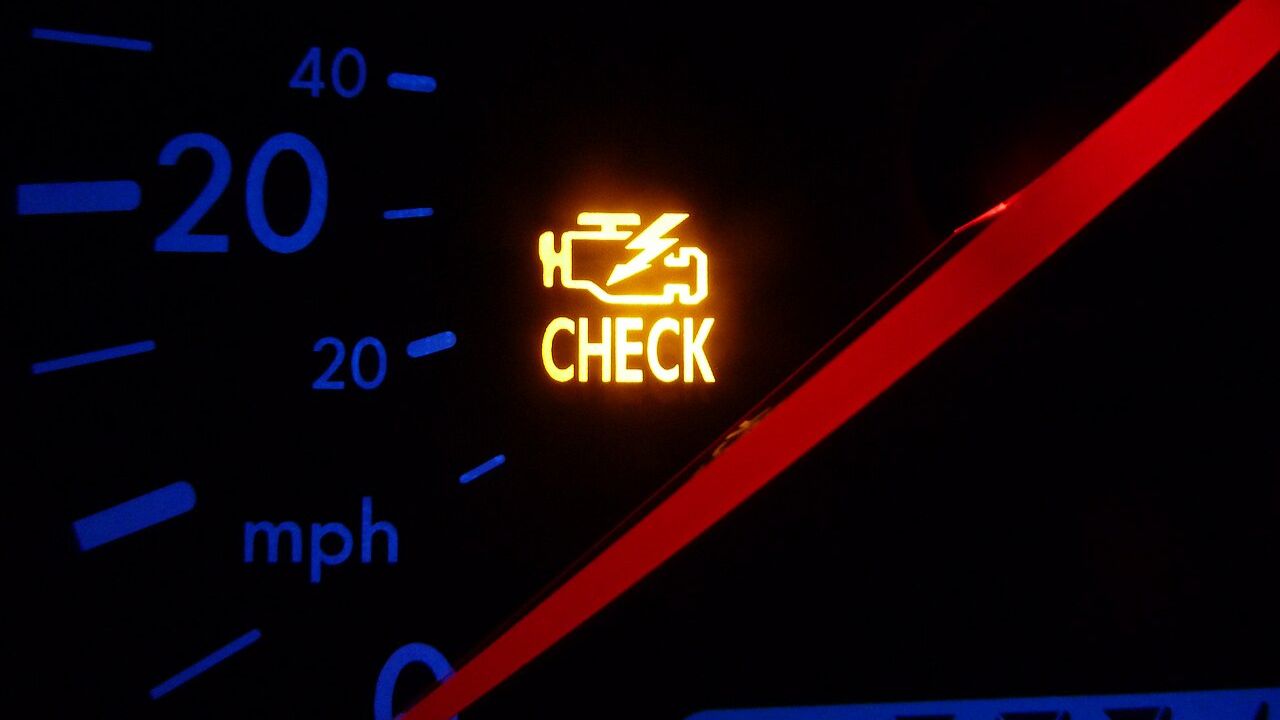
It’s a common mistake to ignore your car’s signals until the “Check Engine” light comes on. By that point, the issue could have escalated into a much more significant problem. Many drivers wait too long, thinking that minor symptoms will resolve themselves. However, this can lead to costly repairs, especially if the problem involves critical components like the transmission or engine.
Instead of waiting for the light, I recommend addressing any unusual sounds or performance issues immediately. Regular diagnostics can help catch problems early. You can even consult forums like Reddit’s Ask Mechanics to learn from others’ experiences.
A Car’s Battery Only Needs Replacement Every Few Years
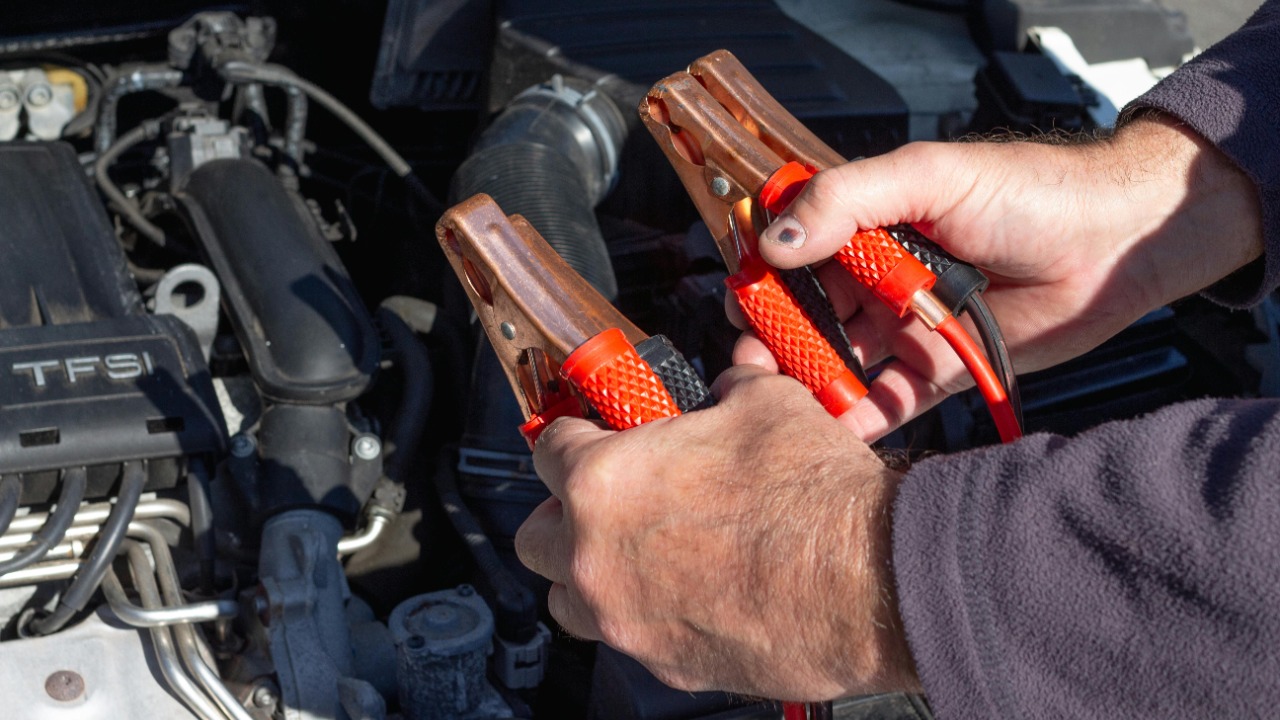
Although many people believe that a car battery should last around three to five years without a hitch, this is not always the case. Factors like climate, driving habits, and car model can significantly affect battery lifespan. For example, extreme temperatures can shorten battery life, especially in vehicles like the Subaru Legacy that may have different battery needs compared to others.
Regularly checking your battery’s condition and voltage can prevent unexpected breakdowns. If you’re experiencing slow starts or dimming lights, it’s wise to have your battery tested sooner rather than later.
Tire Pressure Is Only Important for Performance Cars
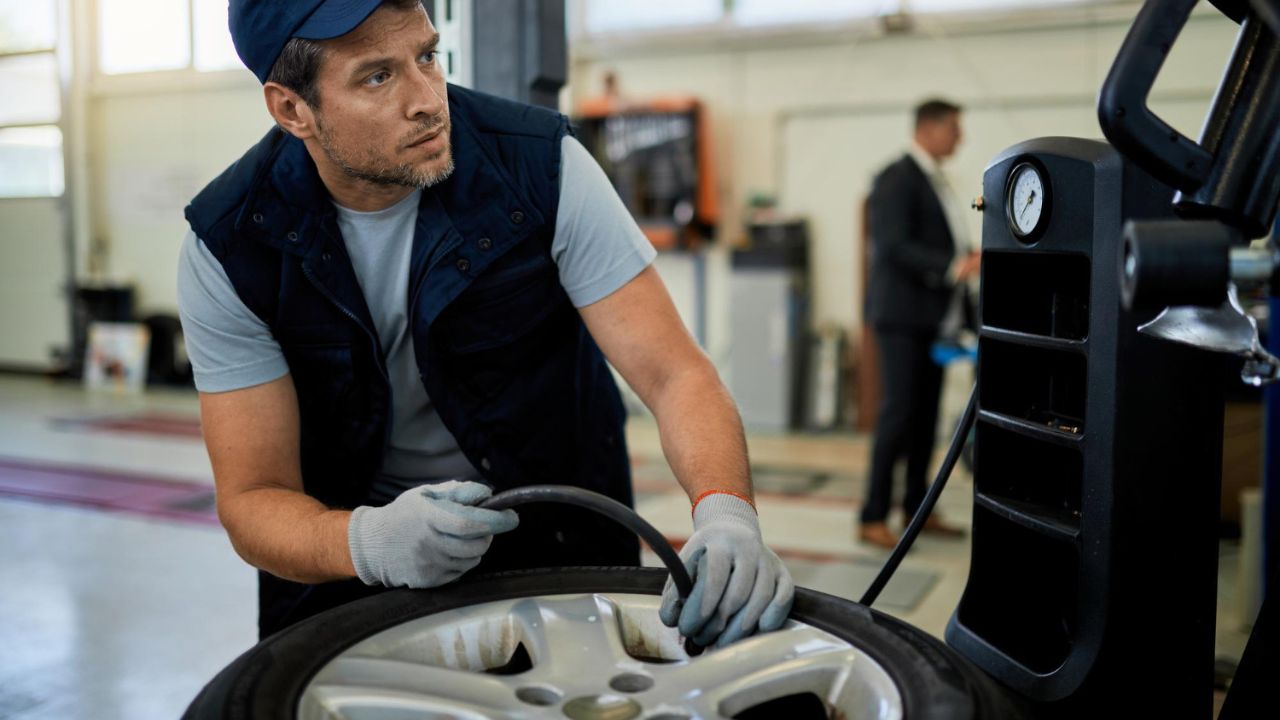
Many drivers think tire pressure is only a concern for performance cars or sports vehicles. However, maintaining the correct tire pressure is crucial for all vehicles, including family sedans like the Honda Accord. Under-inflated tires can lead to poor fuel efficiency, uneven tire wear, and even blowouts.
Checking your tire pressure regularly can enhance safety and improve gas mileage. Make it a habit to check your tires at least once a month, and always before long trips to ensure optimal performance.
All-Wheel Drive Eliminates the Need for Seasonal Tire Changes
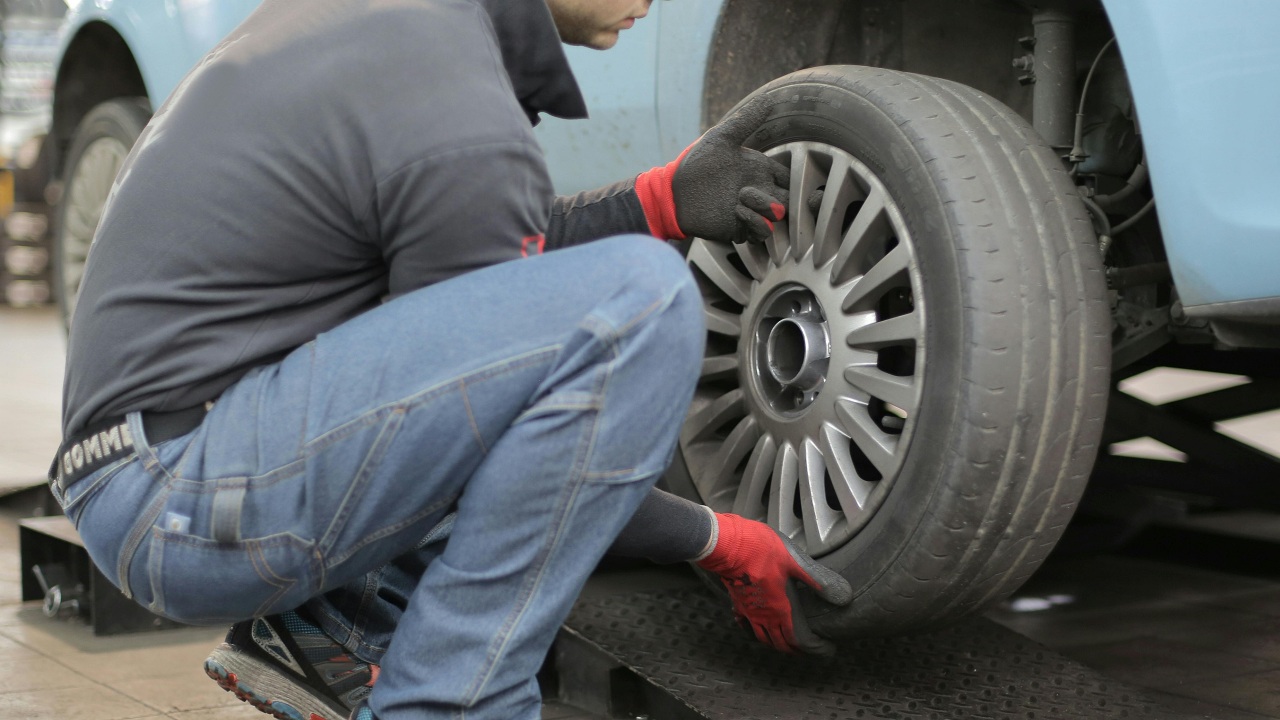
Many believe that owning an all-wheel-drive vehicle means they can skip switching to winter or summer tires. This is a myth that can lead to safety issues. All-wheel drive helps with traction but does not negate the need for proper tires suited to the season. Vehicles like the Nissan Rogue still benefit from seasonal tire changes to maximize performance and safety.
Investing in seasonal tires can significantly improve handling and traction in harsh weather conditions. Ignoring this aspect of maintenance can compromise your vehicle’s performance and your safety on the road.
Engine Air Filters Never Need to Be Changed
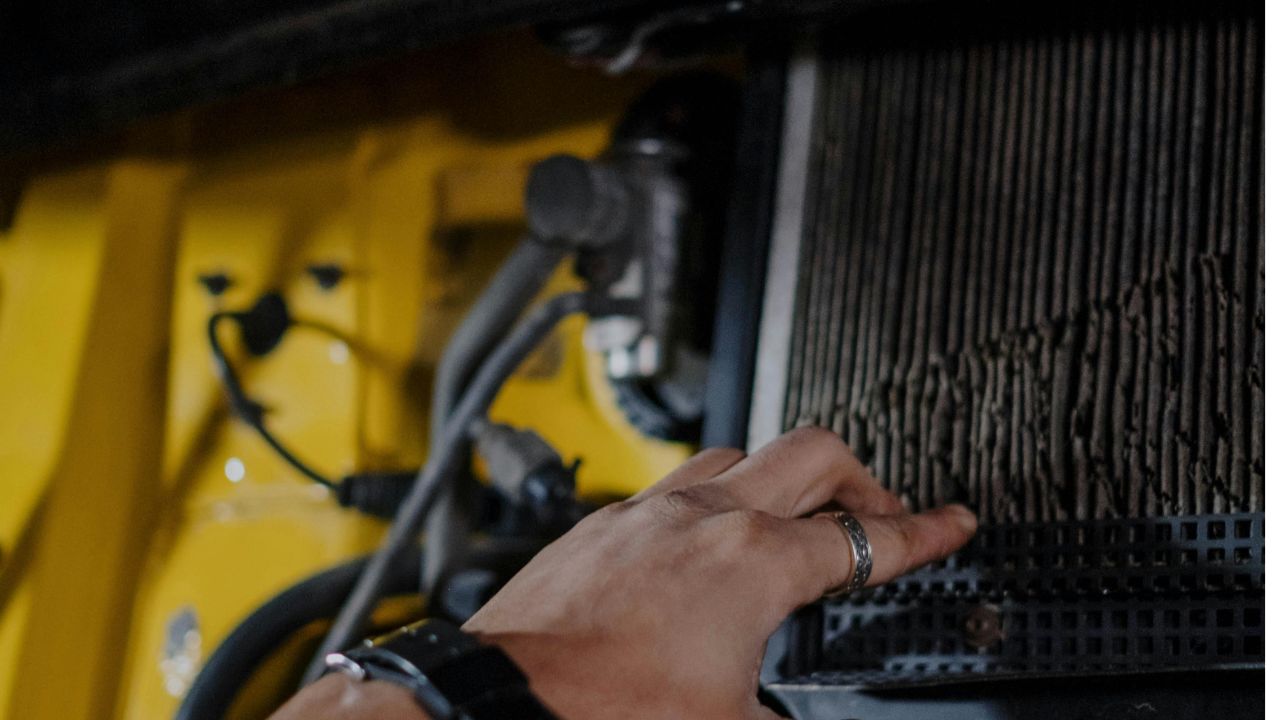
Another prevalent myth is that engine air filters can last the lifetime of the vehicle. In reality, a dirty air filter can restrict airflow, affecting engine performance and fuel efficiency. Depending on your driving conditions, filters may need to be replaced every 15,000 to 30,000 miles, especially in vehicles like the Kia Sorento that may face more dust and debris.
Regularly checking and replacing your engine air filter is an easy and inexpensive way to maintain your car’s performance. Don’t overlook this simple task, as it plays a crucial role in keeping your engine running smoothly.
Using a Car Wash Scratches Your Paint

There’s a widespread belief that using an automatic car wash will scratch your vehicle’s paint. While poor-quality washes can indeed damage your finish, many modern car washes use soft materials and gentle cleaning agents designed to protect your vehicle’s paint.
To avoid potential damage, always choose a reputable car wash and consider handwashing for added peace of mind. Regular cleaning not only keeps your car looking good but also protects it from rust and corrosion.
Brake Pads Last as Long as the Tires
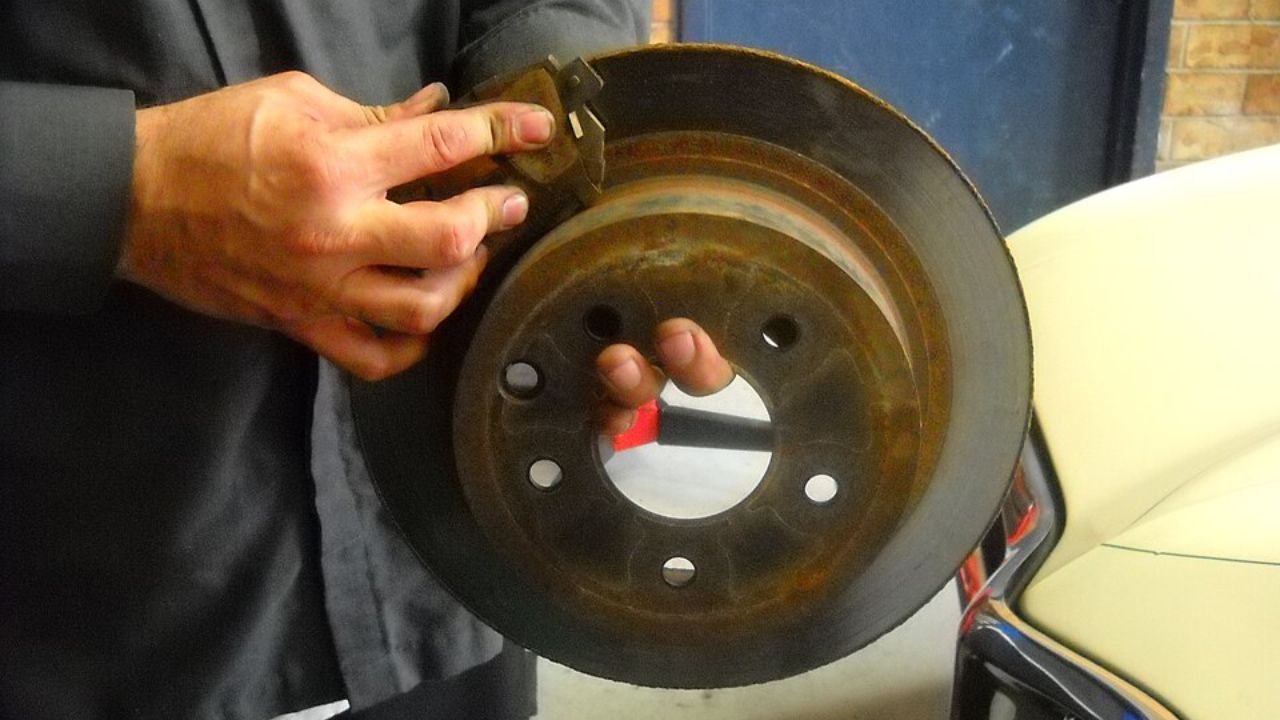
Many drivers mistakenly believe that if their tires last for a certain mileage, their brake pads will too. However, brake pads can wear at a different rate than tires, depending on driving habits and conditions. For example, someone who frequently drives in stop-and-go traffic may need to replace their brake pads more often than someone who drives mostly on highways.
Regular inspections of your brake system are essential to ensure safety. Most mechanics recommend having your brakes checked during tire rotations or regular maintenance intervals to avoid unexpected failures.
It’s Safe to Ignore Routine Maintenance Until Something Breaks
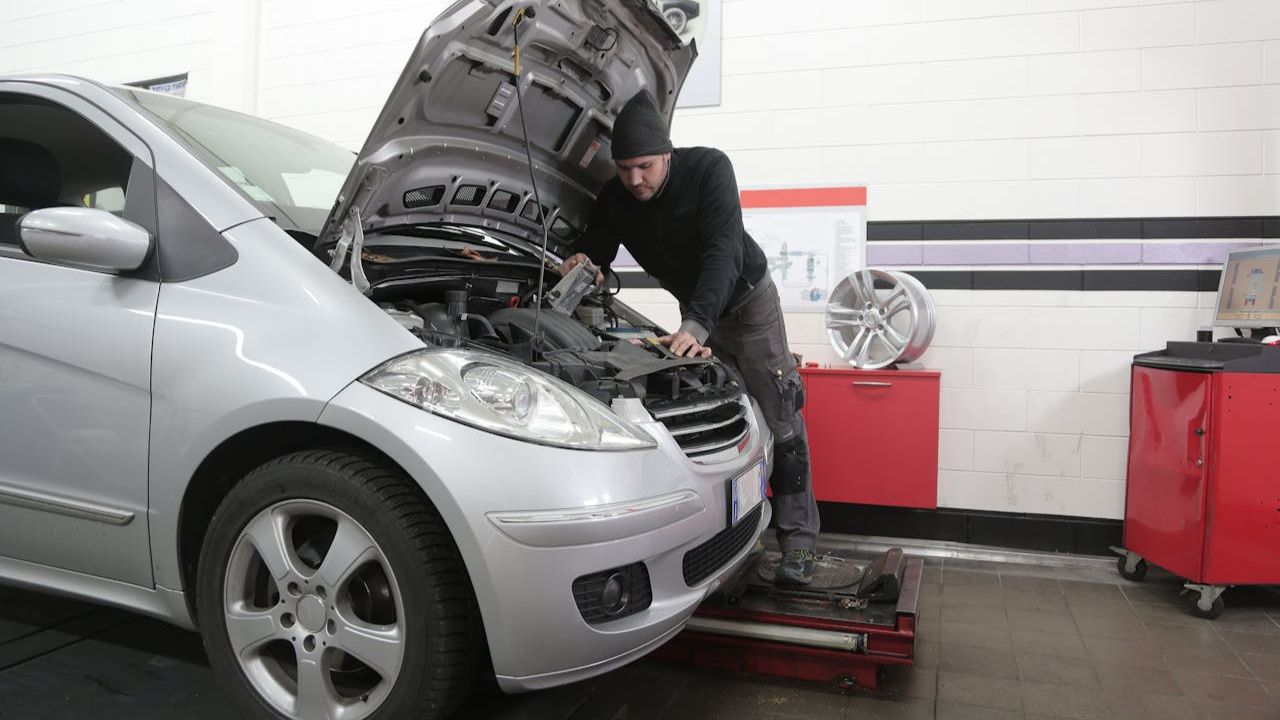
Lastly, many car owners think it’s acceptable to postpone maintenance until they notice a problem. This approach can lead to significant issues and costly repairs. For example, ignoring regular oil changes can lead to engine wear and eventual failure. Preventative maintenance is always more cost-effective than major repairs.
Establishing a regular maintenance schedule based on your vehicle’s needs and following the manufacturer’s recommendations can save you time, money, and headaches in the long run. Keep your car in optimal condition by being proactive rather than reactive.