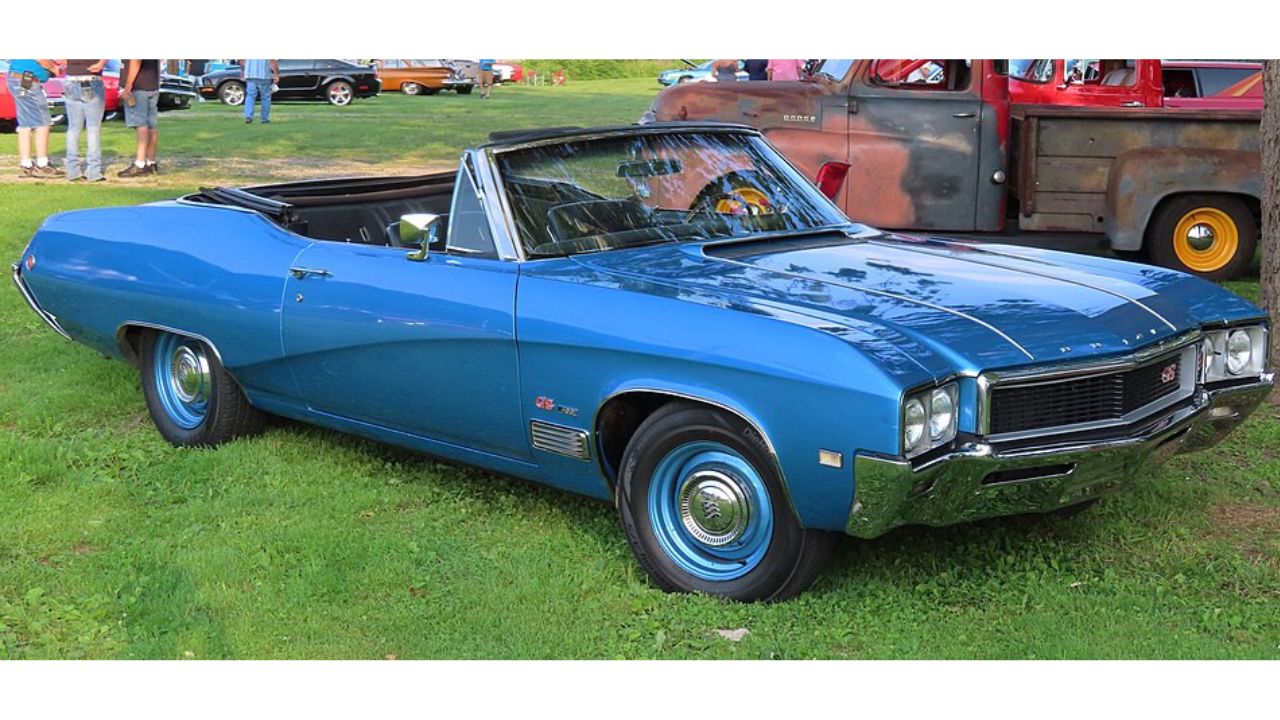
Mopar’s big block B- and RB-series engines powered some of the fastest and most memorable performance cars of the 1950s–1970s. But a handful were so rare they’re now almost mythical—low-production runs built for racing, special orders, or niche buyers. Here are ten Mopars with big blocks that slipped through the cracks, updated with accurate specs, production notes, and historical context.
1958 Plymouth Fury
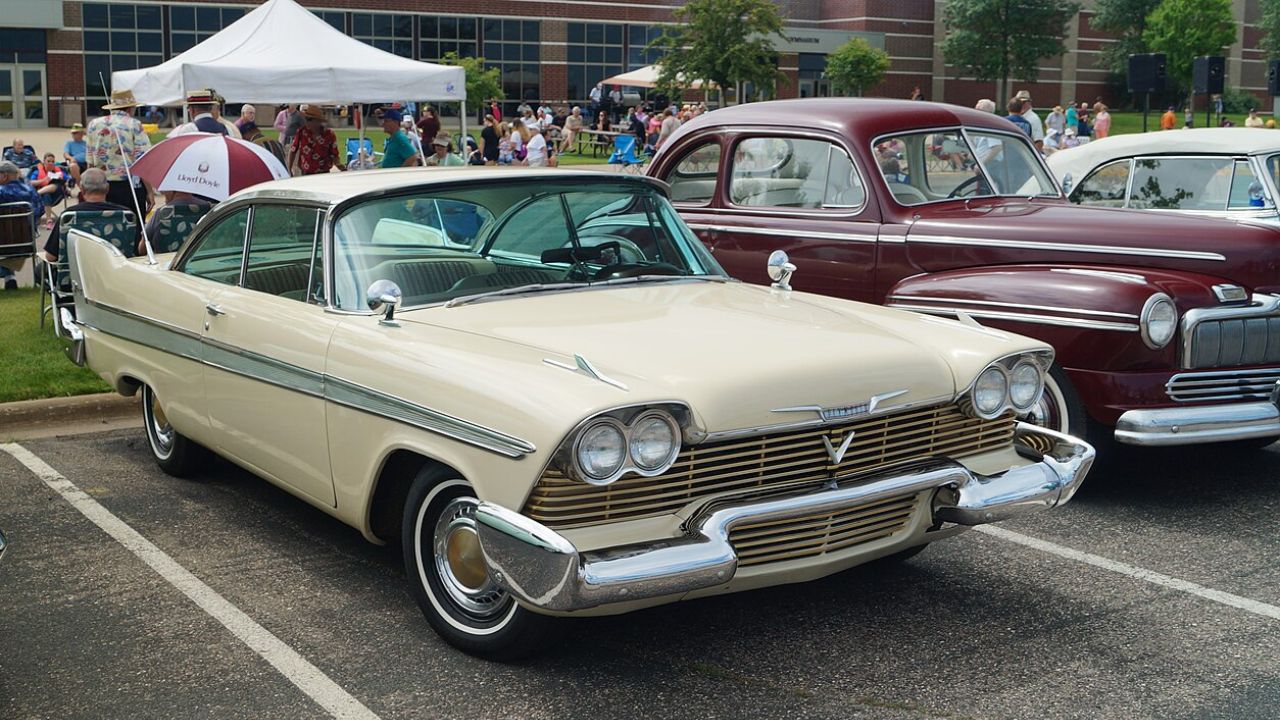
The 1958 Plymouth Fury could be ordered with the new 350-cubic-inch “Golden Commando” B-series big block, rated at 305 hp with a four-barrel carburetor (315 hp with optional fuel injection). It ran 0–60 in roughly 8 seconds and topped 120 mph. A 118-inch wheelbase and 3,600-lb curb weight made it a strong straight-line car. Standard features included pushbutton Torqueflite shifting and gold-anodized trim, though swivel seats didn’t arrive until the ’59 Sport Fury. Just 5,303 Furys were built, and the model later gained cult status from the film Christine.
1959 Dodge Custom Royal
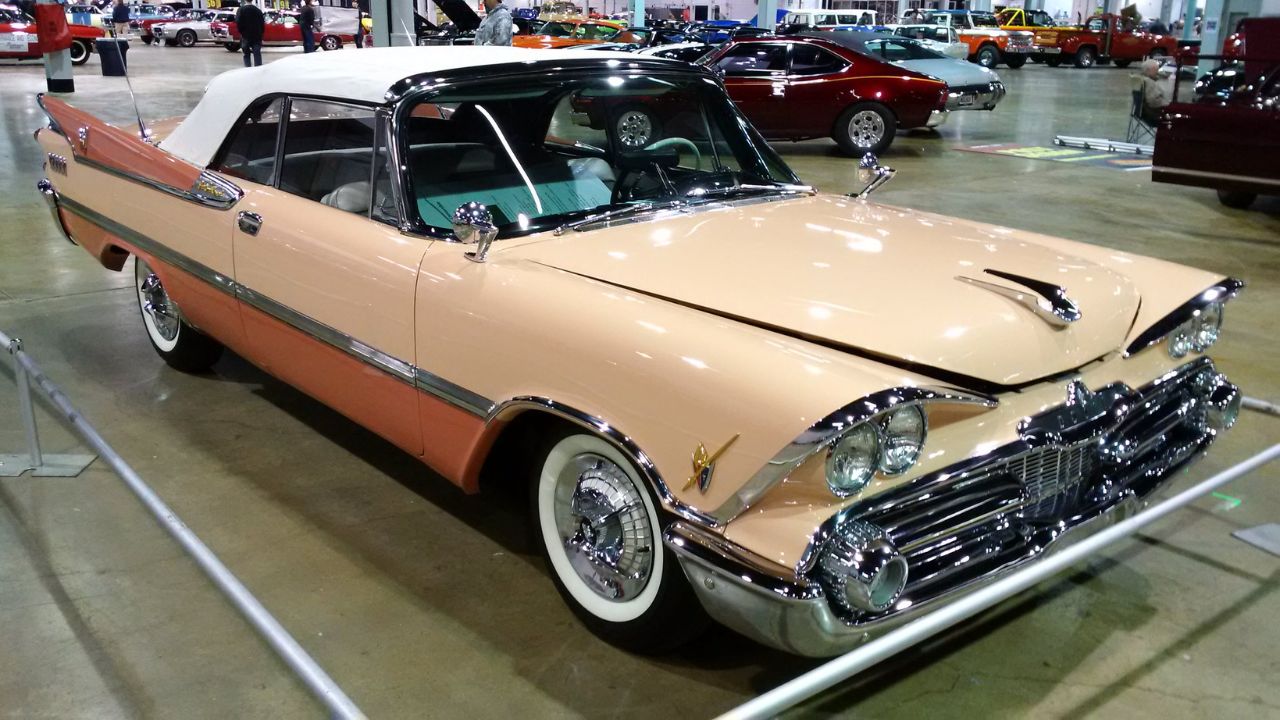
In 1959, Dodge’s top-trim Custom Royal could be had with the Super D-500 package—a dual-quad 383 RB big block rated at 345 hp. Single-four-barrel D-500s were rated at 320 hp. Paired with torsion-bar front suspension, the Super D-500 cars were capable of sub-8-second 0–60 runs. Exact production is unknown, but surviving examples are scarce, making them a prized find among late-’50s finned Mopars.
1962 Plymouth Sport Fury
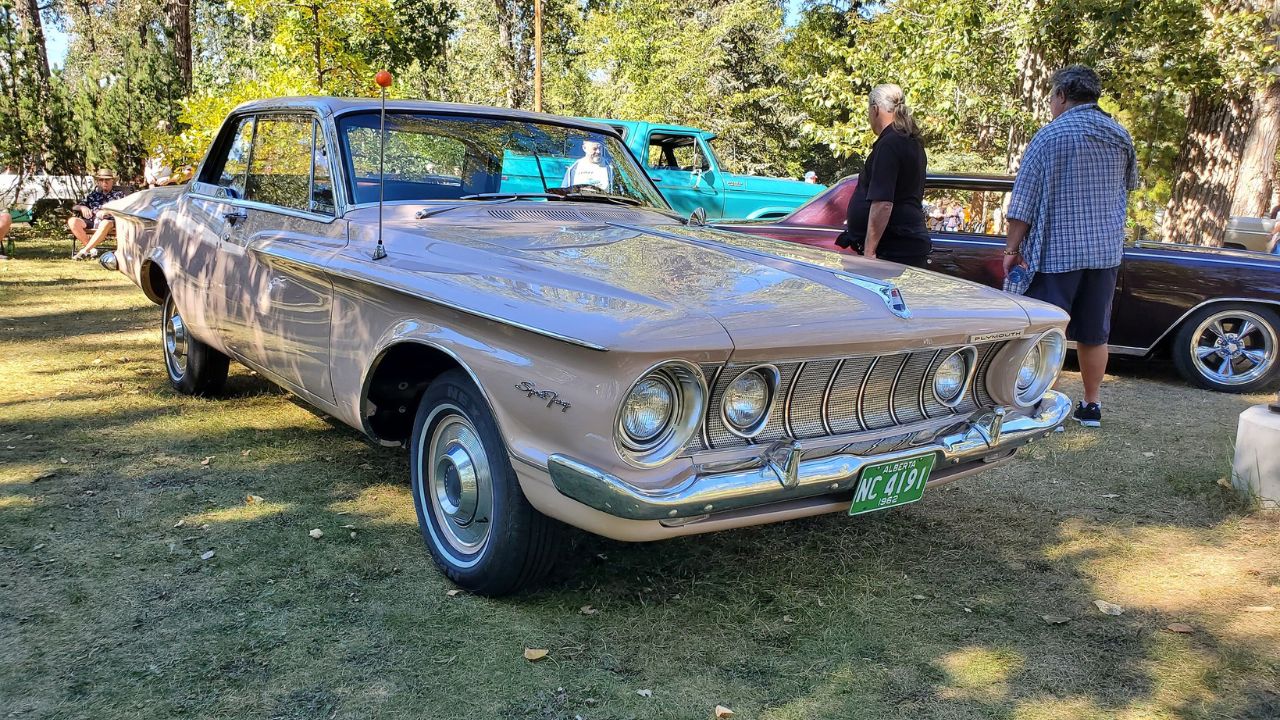
The 1962 Sport Fury could be fitted with the 413 Max Wedge, producing up to 410 hp with dual quads. Quarter-mile times in the low-14s were possible right off the showroom floor. Only 298 Plymouths of any model received the 413 Max Wedge in 1962, and just 57 of those were Sport Furys. Stripped interiors, bucket seats, and minimal trim underscored its drag-strip mission.
1963 Dodge 330 Max Wedge
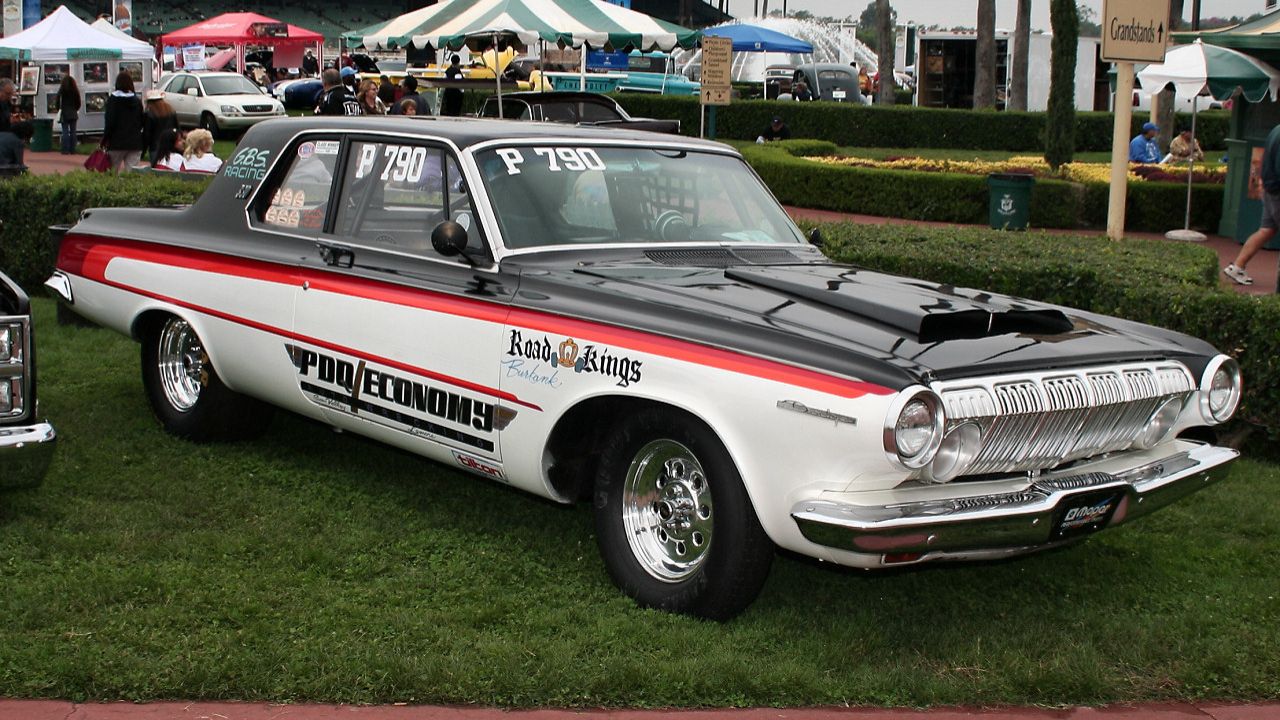
Built for NHRA Super Stock competition, the 1963 Dodge 330 could be ordered with the 426 Max Wedge, rated at 415 hp (11.0:1 compression) or 425 hp (13.5:1). The high-compression cars numbered around 162 units. With a 3,300-lb curb weight and Ramcharger cross-ram intake, these cars could crack the 12s with slicks.
1965 Plymouth Belvedere A990
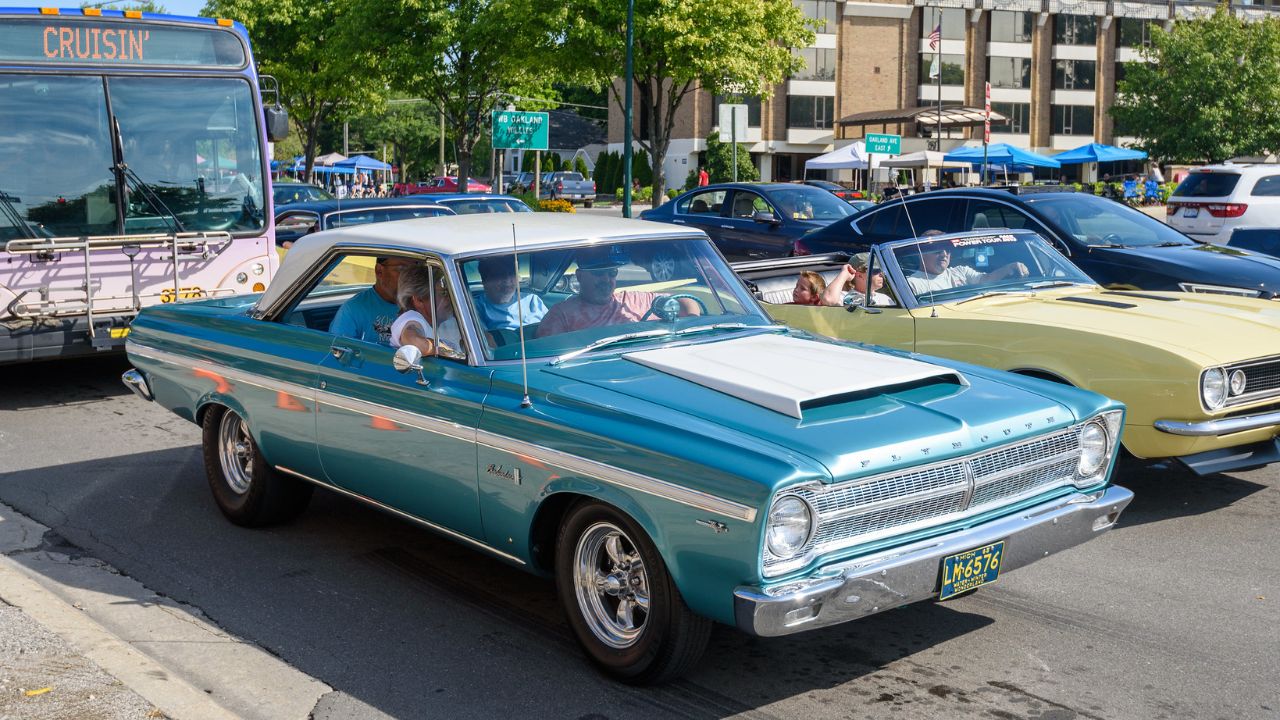
The A990 lightweight package brought the 426 Race Hemi—rated 425 hp but widely believed to make over 500—into a stripped-down Belvedere two-door sedan. Fiberglass hood and fenders, aluminum bumpers, and a radio/heater delete cut weight to around 3,200 lbs. Just 102 were built for Super Stock, and they remain among the most valuable drag-ready Mopars of the ’60s.
1965 Dodge Coronet A990
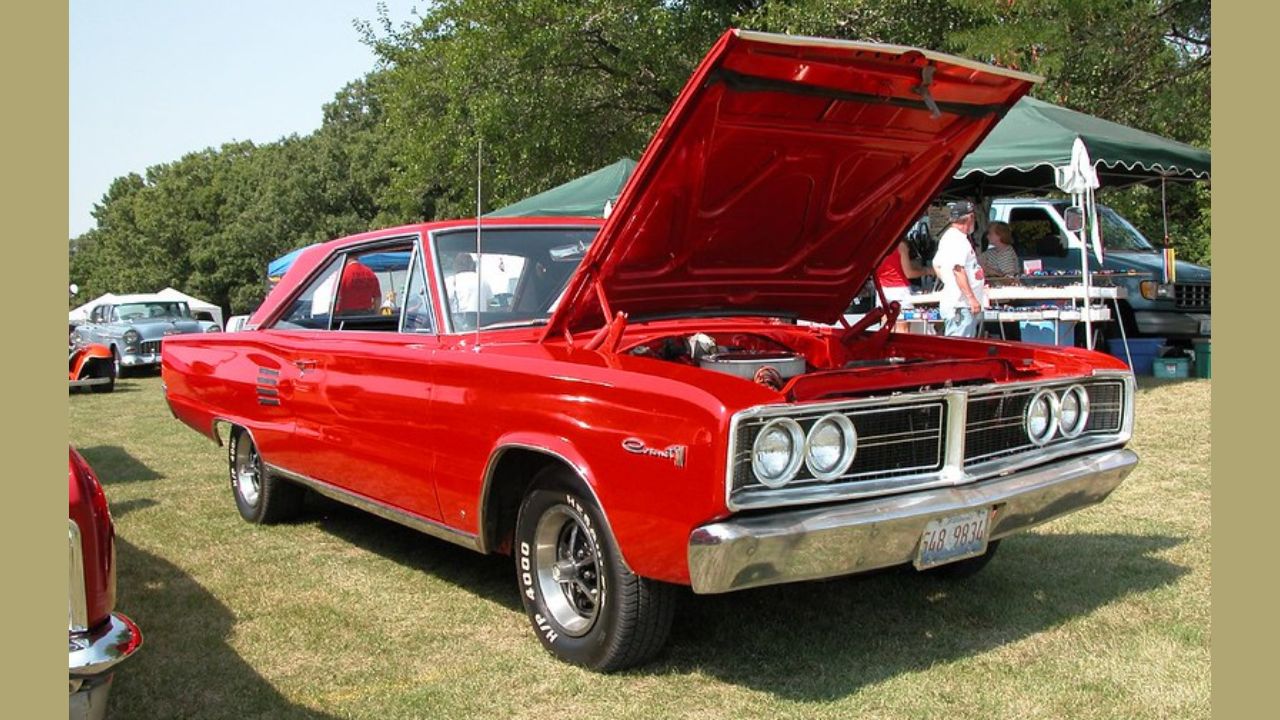
The Dodge version of the A990 program was also built in 1965, with about 101 units produced. Like its Plymouth sibling, it came with the Race Hemi, lightweight body panels, and minimal interior trim. Straight off the lot, these cars could run the quarter in the 11s—if you could find traction.
1970 Dodge Dart SS
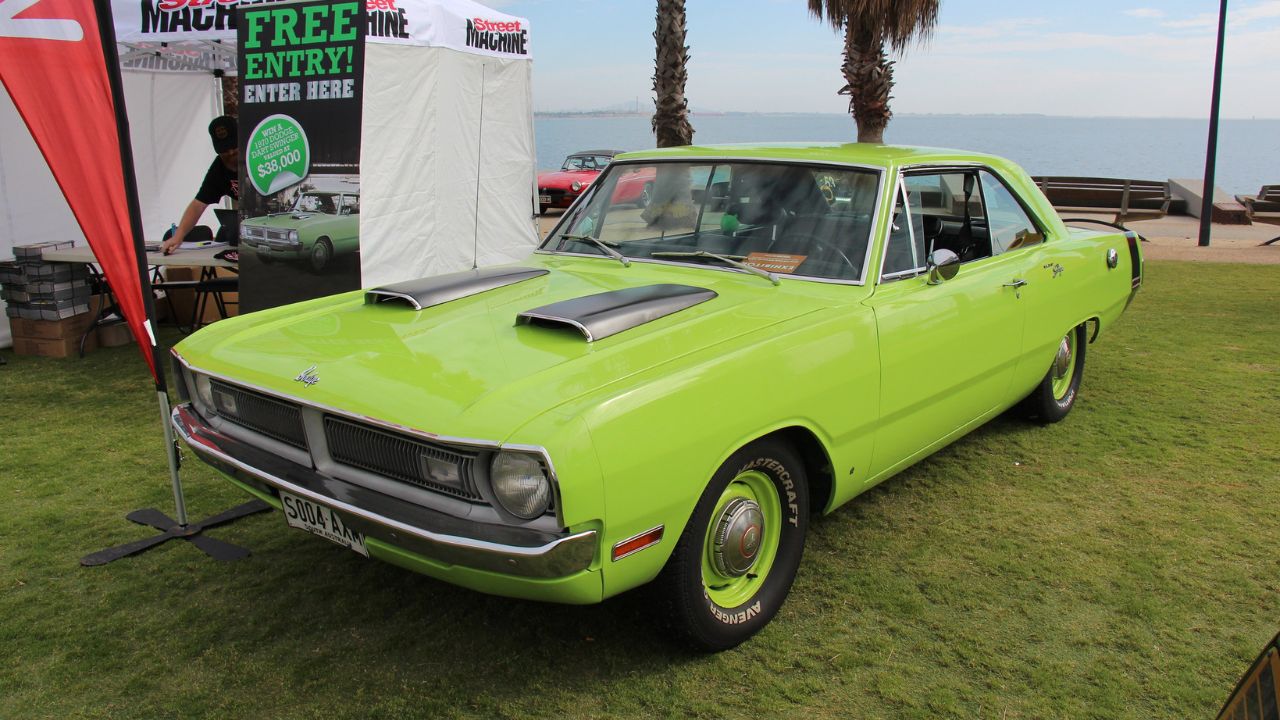
The 1970 Dodge Dart SS used a 426 Hemi, churning ~425 hp, hitting 0–60 in ~5.2 seconds and 140 mph. Its 111-inch wheelbase and 3,400-pound body were compact but fierce. The interior had bucket seats, a tachometer, and minimal trim. Only ~50 were built as dealer specials, per Hotcars.com. Its A-body chassis made it a drag-strip terror, but high cost limited sales. Restored examples command $150,000+, though Hemi-specific parts are tough to source.
1971 Plymouth Fury GT
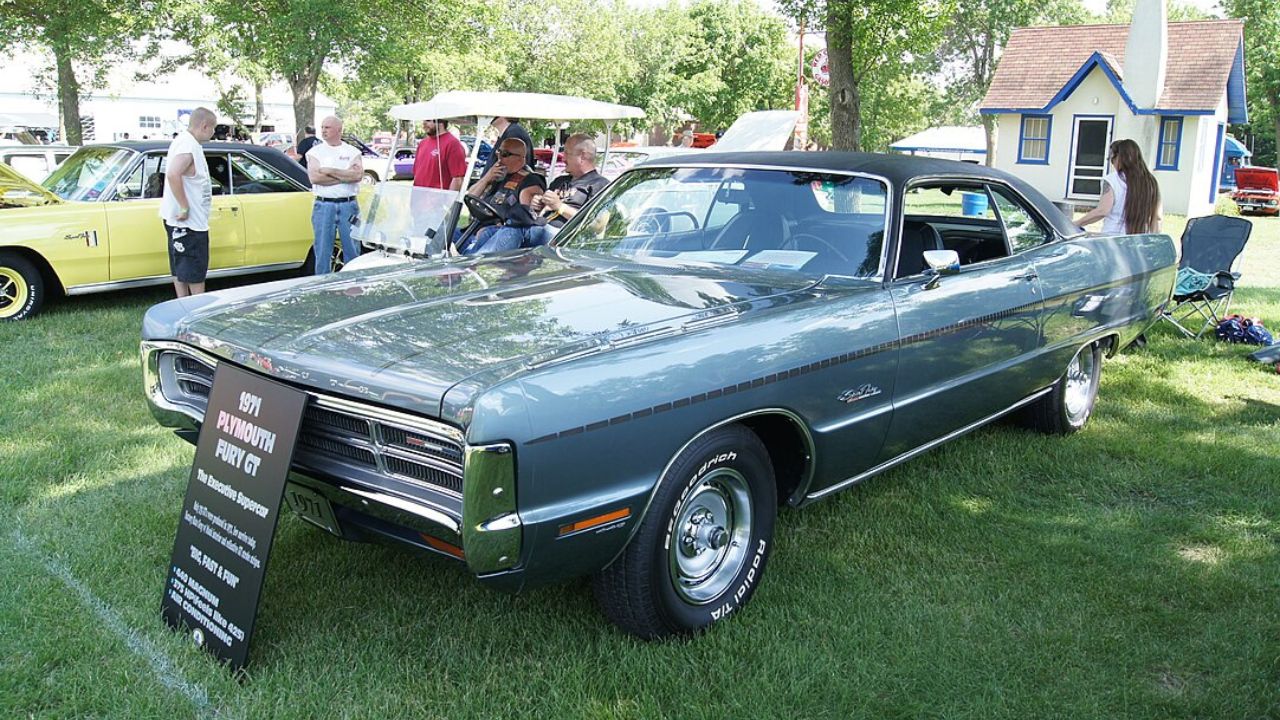
The Sport Fury GT was Plymouth’s full-size performance flagship. In 1971, just 375 were built with the 440 Super Commando rated at 370 gross hp (about 305 net). At over 4,000 lbs and 120-inch wheelbase, it was more highway bruiser than dragster, but it could still hit 0–60 in around 7 seconds.
1978 Chrysler New Yorker
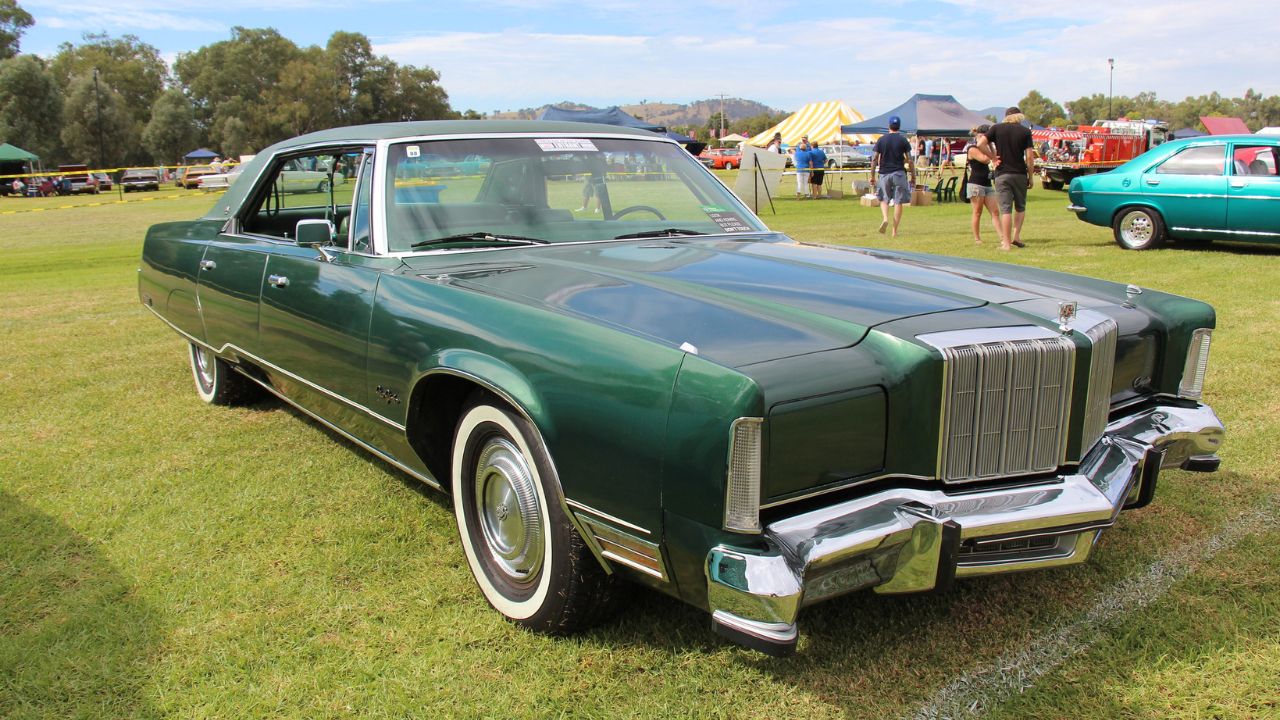
The 1978 Chrysler New Yorker used a 440 V8, detuned to 195 hp due to emissions. It hit 0–60 in ~12 seconds and 110 mph. Weighing 4,300 pounds with a 124-inch wheelbase, it was a land yacht. The interior had leather, power seats, and a digital clock. Fewer than 5,000 got the 440, as production ended that year. Its low power and thirst (8 mpg) limited appeal. Restored examples go for $15,000–$25,000, but parts are tricky to find.
1979 Dodge St. Regis
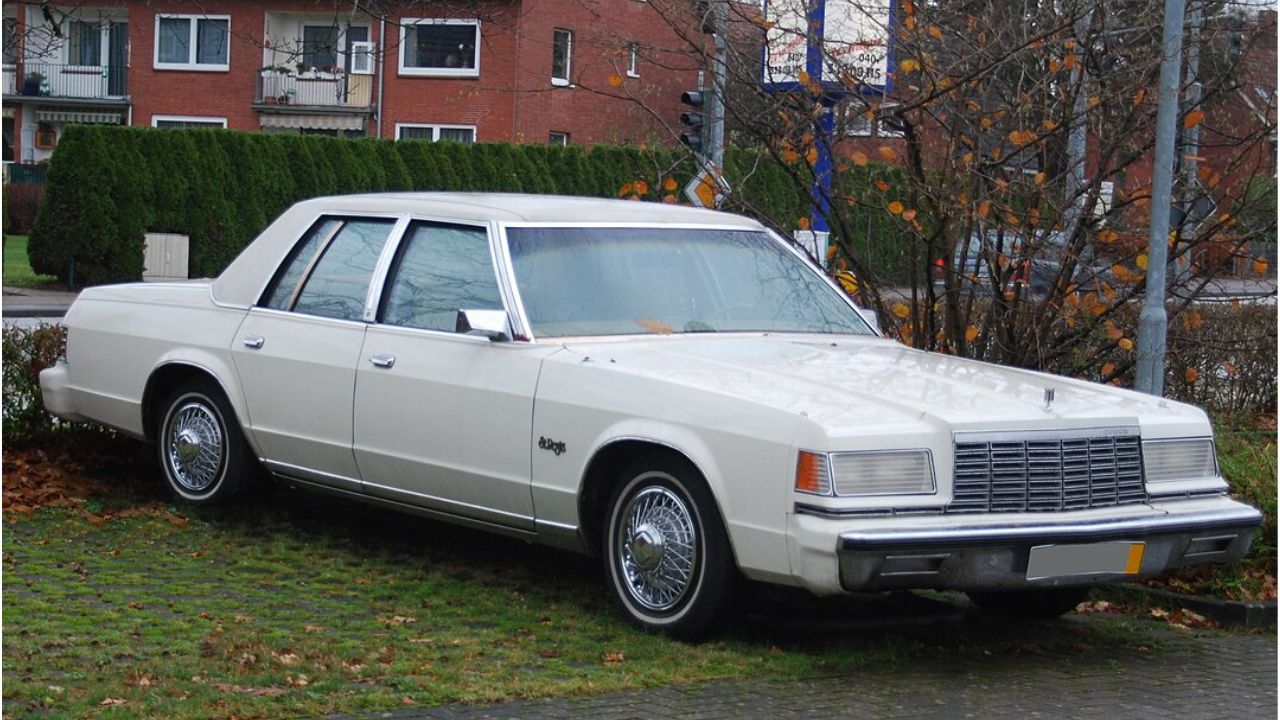
The 1979 Dodge St. Regis offered a 400 V8 with 190 hp, crawling to 0–60 in ~13 seconds and 105 mph. Its 118-inch wheelbase and 4,200-pound body were built for police use. The interior had vinyl benches, a column shifter, and basic gauges. Only ~1,000 got the 400, as Chrysler phased out big blocks. Its sluggish performance and 10 mpg hurt sales. Values hover at $10,000–$20,000, but rust and scarce 400-specific parts make it a tough keeper.
Like Fast Lane Only’s content? Be sure to follow us.
Here’s more from us:
*Created with AI assistance and editor review.