Not every muscle car from the 1970s got a hero’s sendoff. Some were overlooked, watered down, or simply caught between eras. They had the parts to perform but landed in a market too distracted—or too regulated—to care. These are the ones that slipped through the cracks.
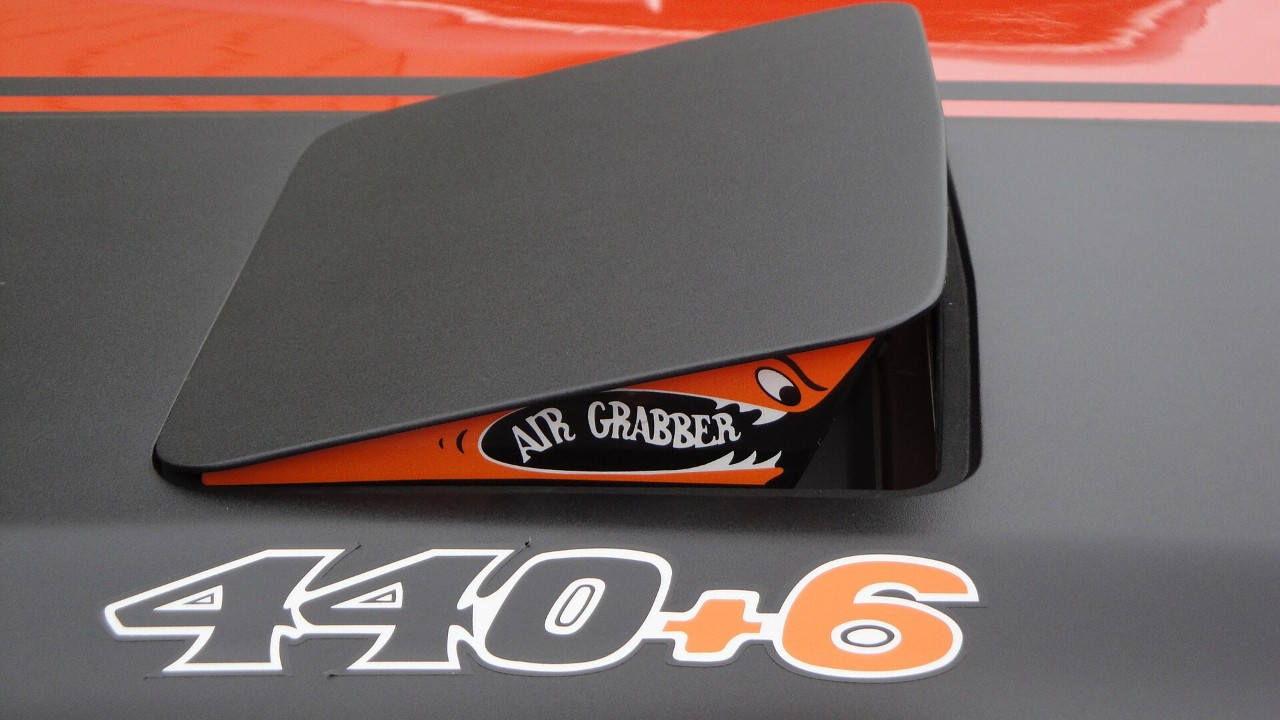
1971 Plymouth GTX 440
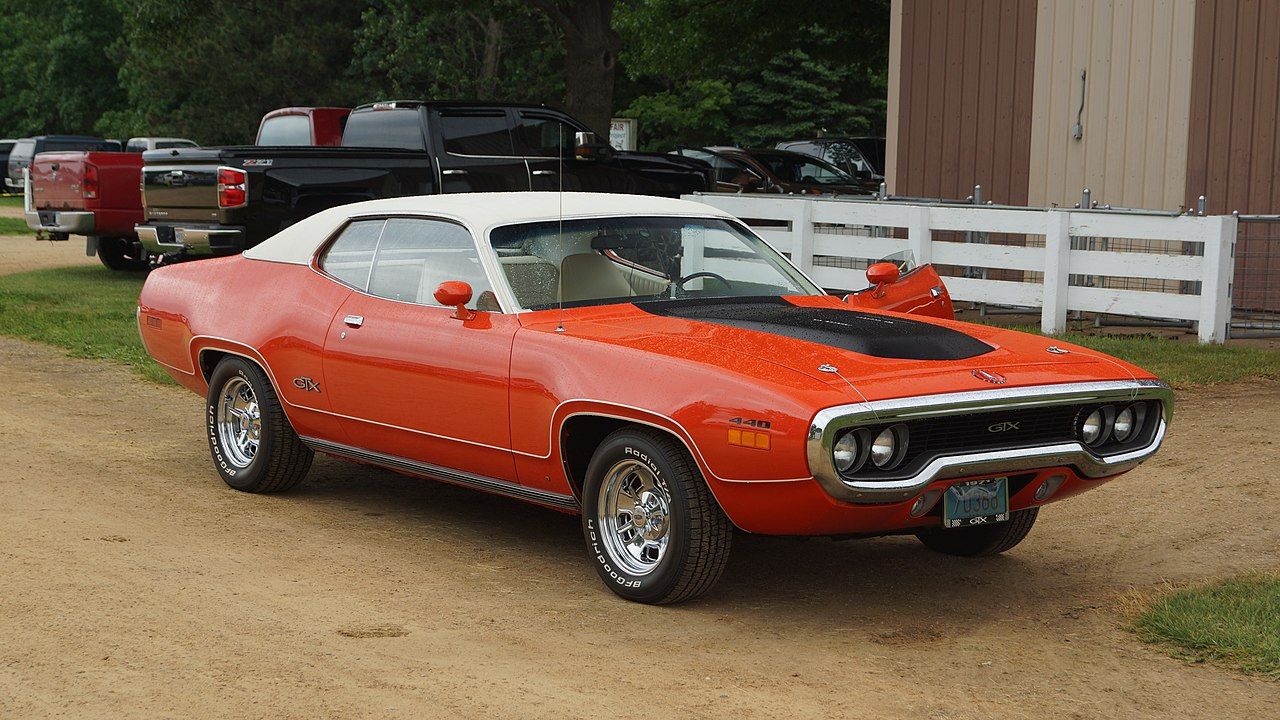
The GTX had all the firepower: a 440 Super Commando V8 pushing 375 horsepower and 480 lb-ft of torque. But by ’71, styling changes and high insurance rates shoved it into the shadows. It shared too much with the Road Runner and didn’t stand out enough to justify the extra cost.
Inside, the GTX was well-trimmed for a Mopar, but sales dropped to just 2,942 units that year. With emissions looming and buyers shifting toward cheaper options, the GTX quietly exited the muscle car stage—despite still having serious muscle under the hood.
1973 Chevrolet Chevelle SS 454
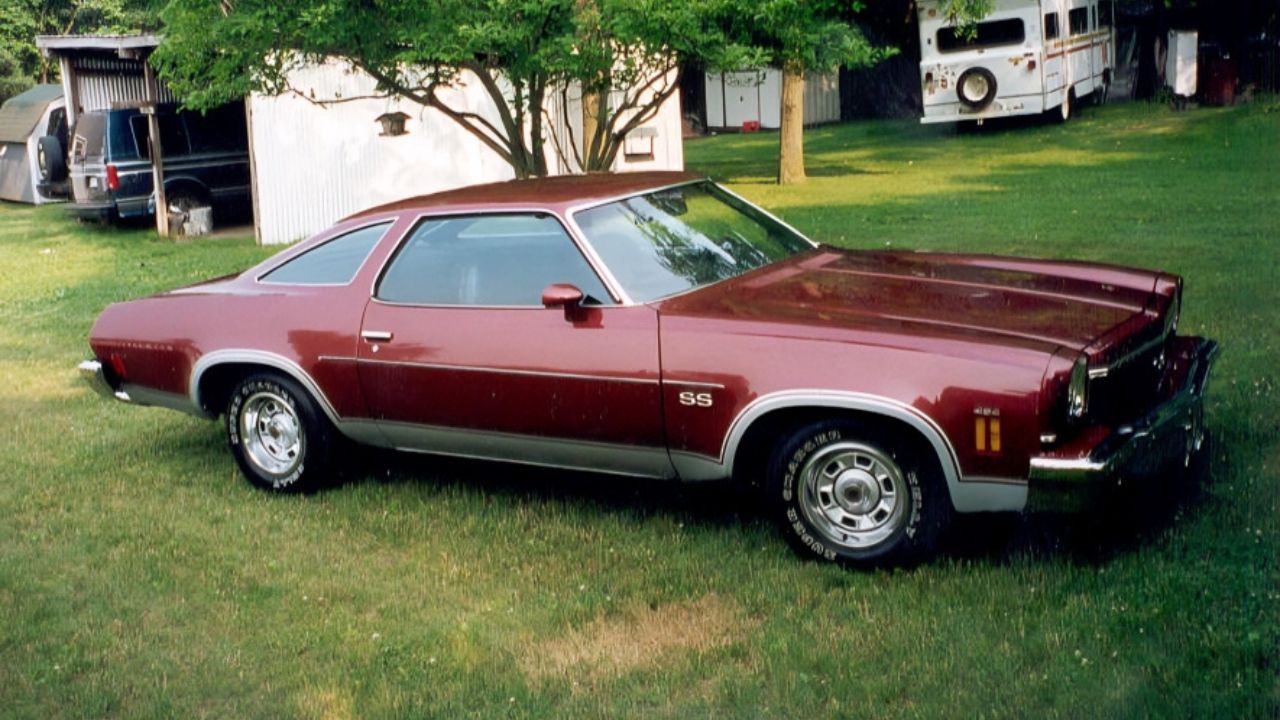
By 1973, the Chevelle SS name still carried weight, but the car itself was fading. It now rode on a bulkier Colonnade body, with a 454 V8 that looked fast on paper—245 net horsepower—but felt sluggish due to emissions and weight.
The SS still had sport mirrors, rally wheels, and bucket seats, but buyers weren’t convinced. GM’s shift toward “personal luxury” meant the Chevelle SS was neither pure muscle nor plush enough to compete. It was a car caught between eras, unsure of its audience.
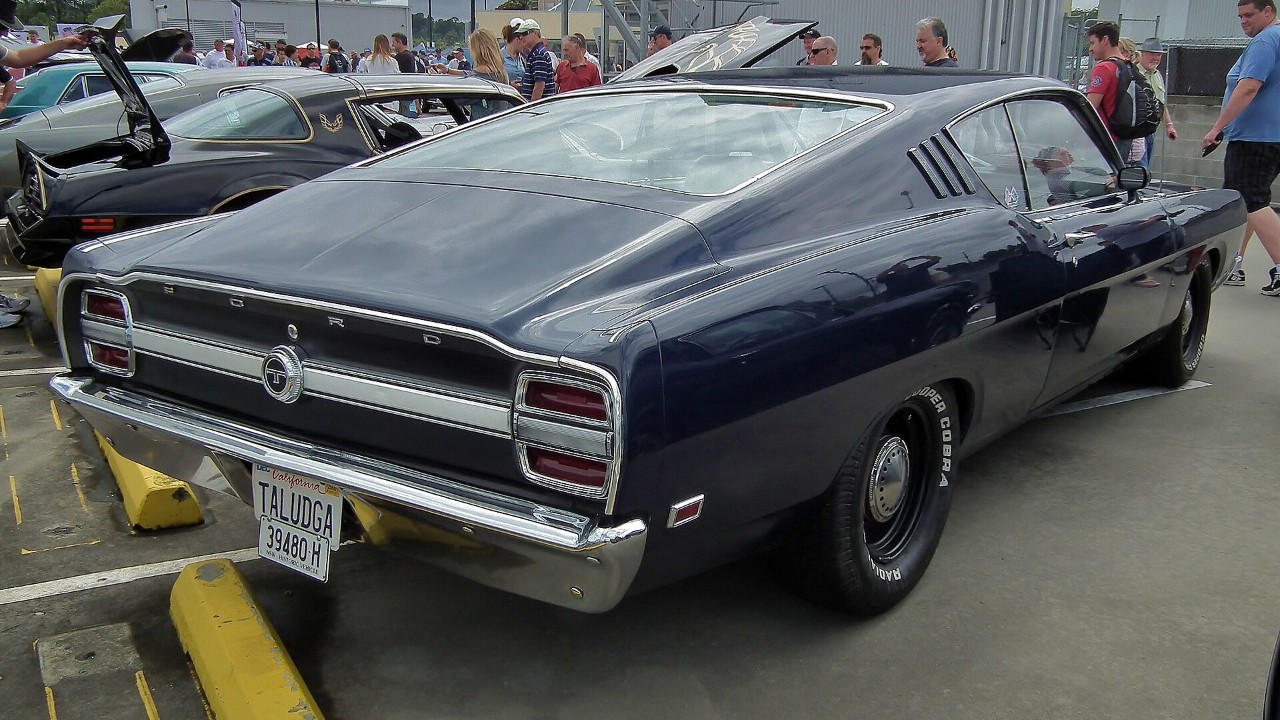
1972 Ford Torino Sport 351
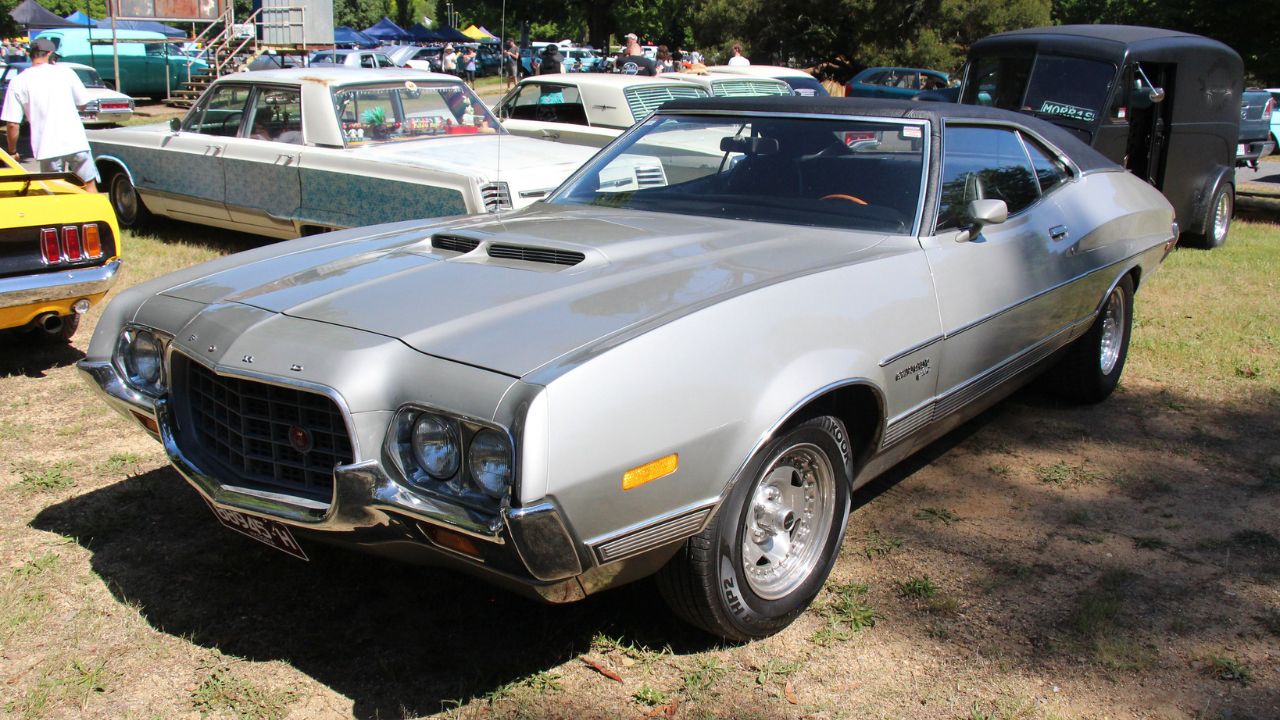
The Torino Sport was easy to overlook. It didn’t scream performance, even when equipped with the 351 Cleveland or 429 Cobra Jet. In ’72, power ratings dropped across the board due to the switch to net horsepower—giving the illusion that the Torino lost its bite.
Styling leaned more toward mid-level commuter than muscle car, which didn’t help. Ford’s attention had shifted to bigger projects, leaving the Torino in a gray area. Too heavy to be fast, too plain to be exciting, and too late to matter.
1970 AMC Rebel Machine
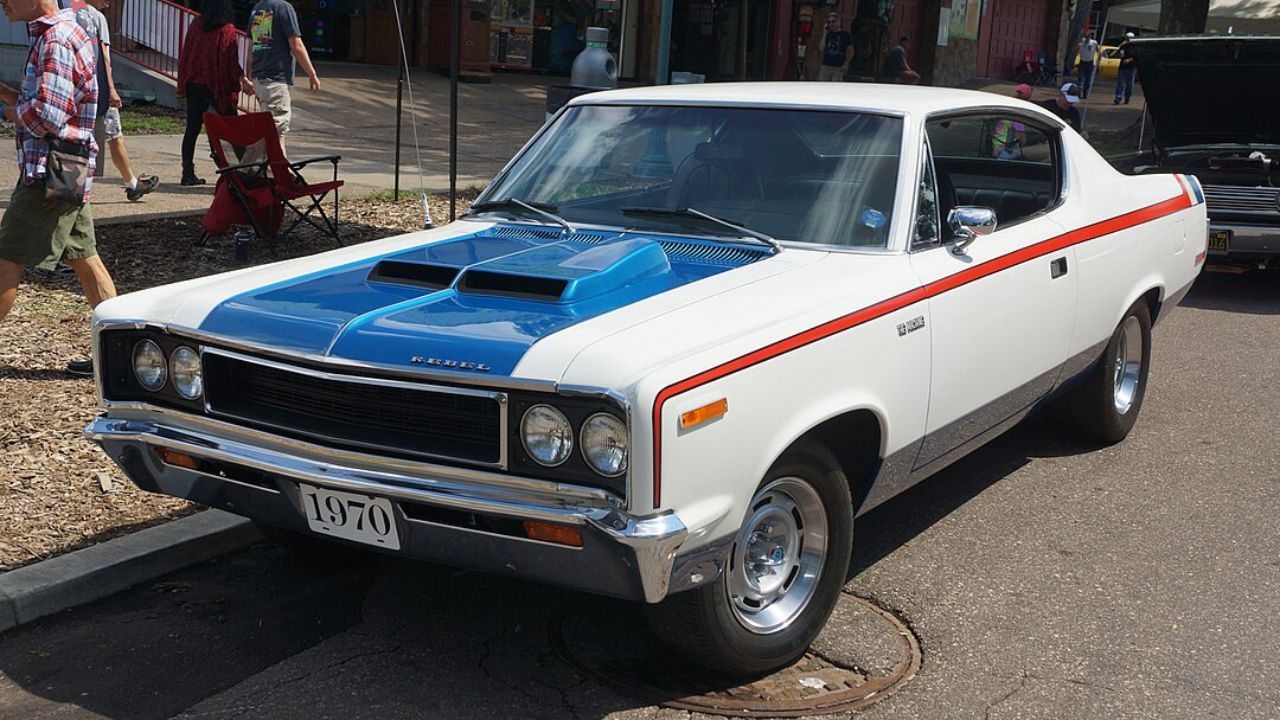
AMC gave the Rebel Machine a bold look in ’70 with red, white, and blue paint, but after that first year, the car lost its signature flash. The 390 V8 made 340 horsepower, and it could run the quarter-mile in the low 14s—but sales fell hard.
By 1971, the Machine name disappeared, and so did most of AMC’s performance push. The car was caught between corporate restraint and a shrinking muscle market. It could move, no doubt—but it couldn’t move enough units to survive.
1974 Dodge Charger SE 400
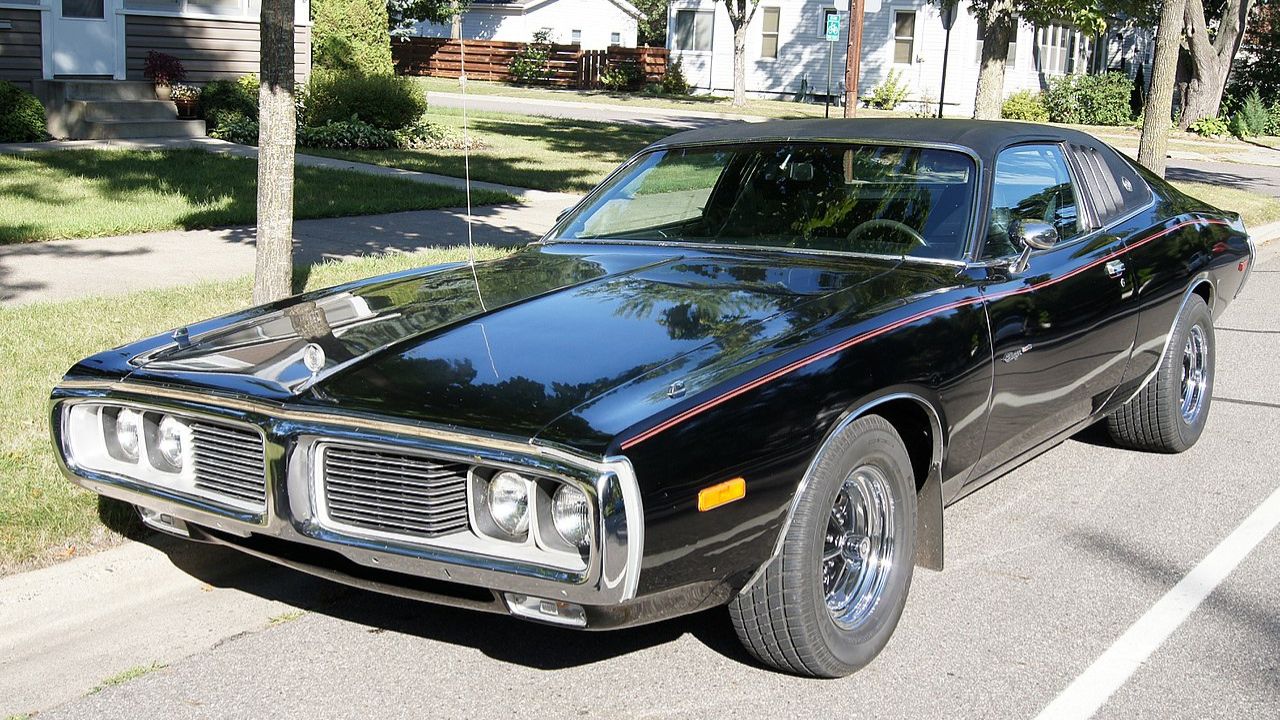
This Charger wanted to be everything to everyone—performance, luxury, and style—but ended up being watered down. The optional 400 cubic-inch V8 wasn’t bad, but the SE trim leaned hard into opera windows and padded roofs, not burnout-ready fun.
The Charger SE didn’t know if it wanted to race or cruise. That confusion showed in sales and reception. It was no longer the street brawler of earlier years, and it couldn’t quite play with the big luxury coupes either. Just stuck in the middle.
1975 Pontiac LeMans GT
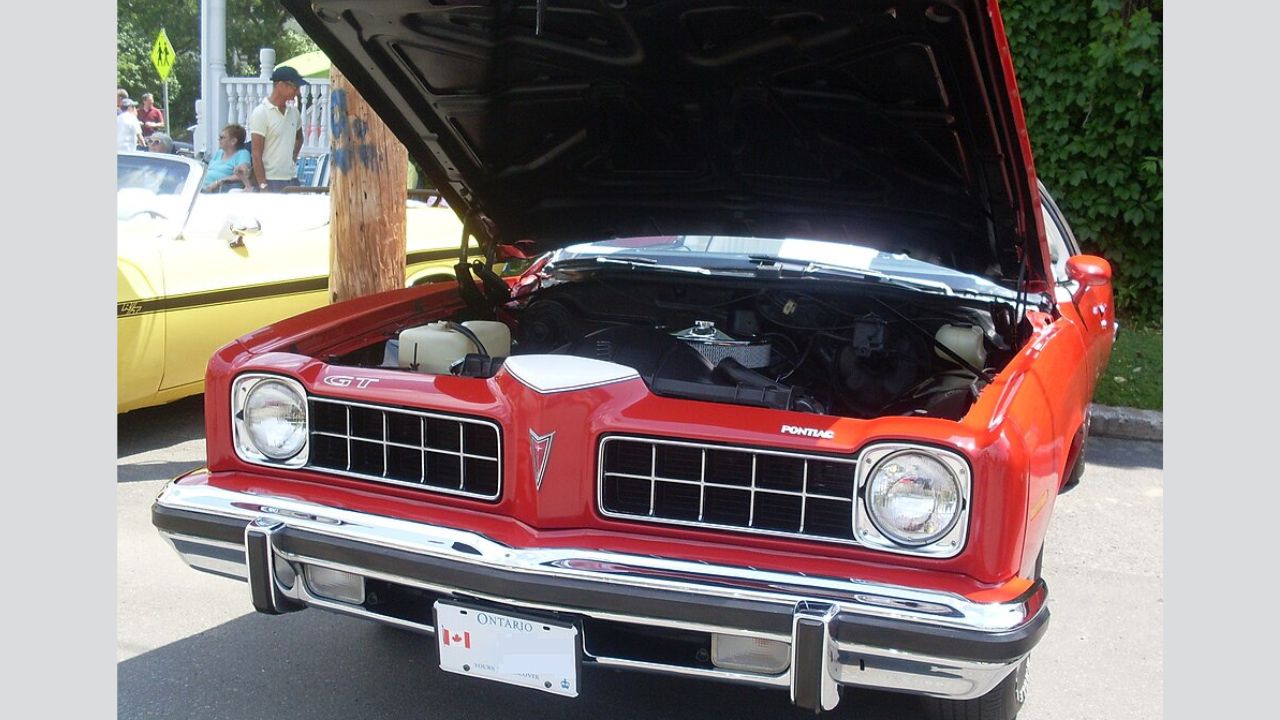
By ’75, the LeMans GT still offered a 400 V8, but it was far from its muscle car roots. The fastback body looked sporty, yet the handling didn’t match. Even the radial-tuned suspension didn’t fix its soft, wandering feel on the road.
Interior options like buckets and a console helped appearances, but this car was all show. Pontiac’s real performance energy was going into the Trans Am, and the LeMans GT was left to coast. It had potential but never followed through.
1973 Mercury Cougar XR-7
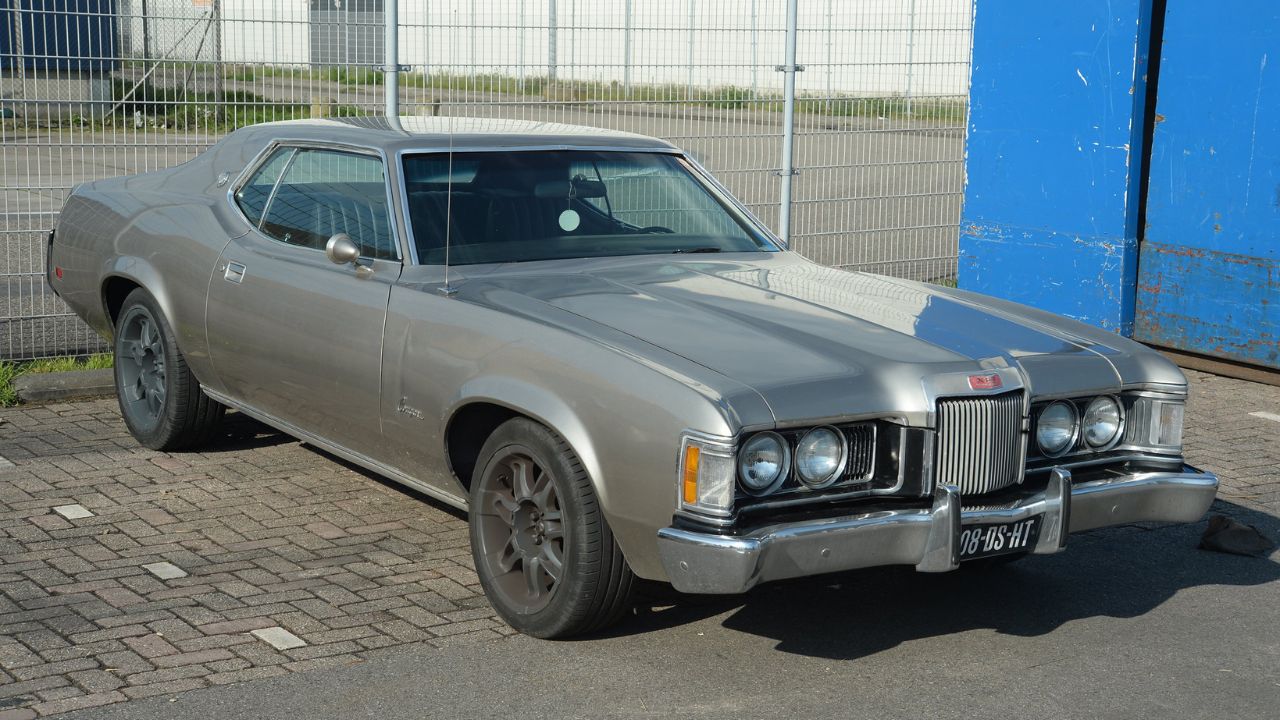
When Mercury stretched the Cougar in ’73, it left performance behind. Even with the 351 or optional 429, the XR-7 felt more like a Thunderbird in training. Muscle was still technically on the option sheet, but most buyers chose vinyl tops and plush carpet.
The Cougar’s identity crisis was obvious. It started as a Mustang alternative but drifted into luxury coupe territory, where it struggled to matter. It wasn’t fierce enough to fight pony cars anymore and lacked the polish to rival Eldorados or Mark IVs.
1971 Buick GS 350
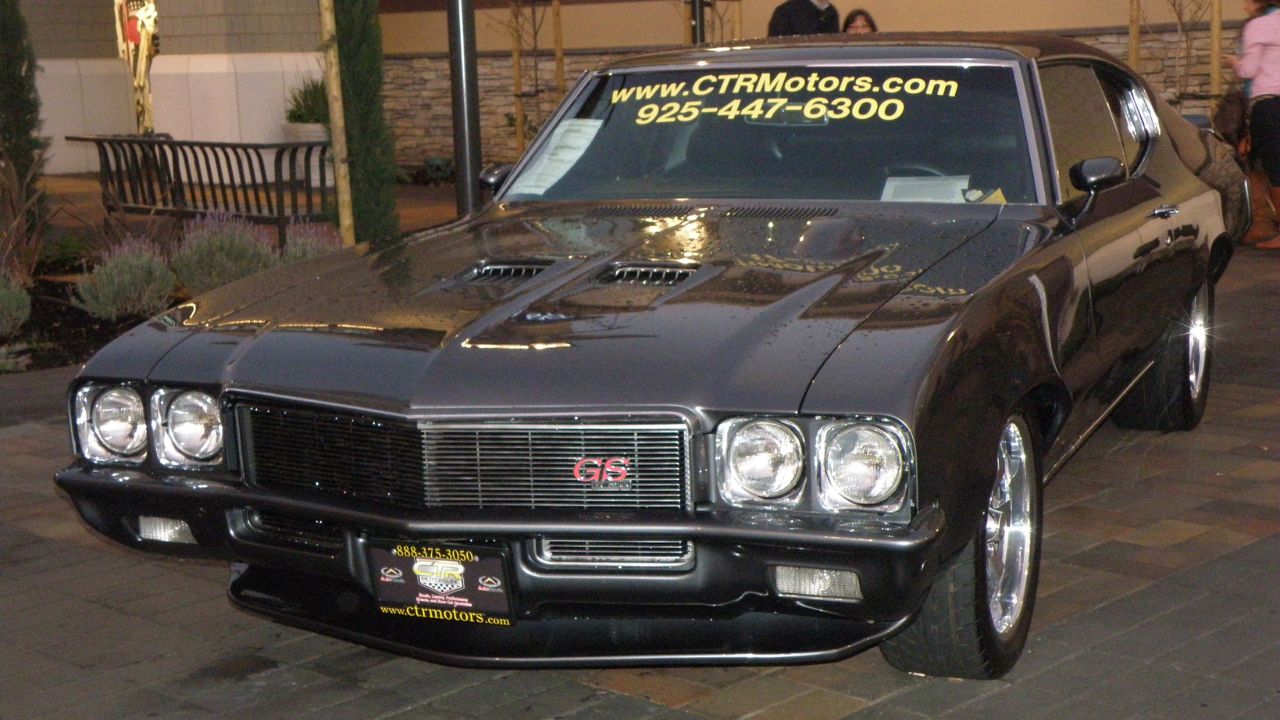
The GS 350 had decent bones: a high-compression 350 with up to 285 horsepower and a solid chassis. But compared to its GS 455 sibling, it got no respect. Buyers looking for performance skipped it entirely, and it never carved out a niche.
It handled well and looked the part, but in a world where cubes still counted, the GS 350 was seen as a consolation prize. Buick marketed it quietly, and the market responded in kind. It faded into the background before anyone took it seriously.
Like Fast Lane Only’s content? Be sure to follow us.
Here’s more from us:
*Created with AI assistance and editor review.