The 1970s were not kind to performance cars. Rising insurance costs, emissions regulations, and fuel concerns dramatically changed the automotive landscape. Many Dodge and Plymouth models from the decade were dismissed for years because they arrived after the peak of the muscle car era. Today, however, enthusiasts have developed a much deeper appreciation for these Mopars, recognizing their unique styling, historical significance, and overlooked strengths.
Plymouth Duster 340
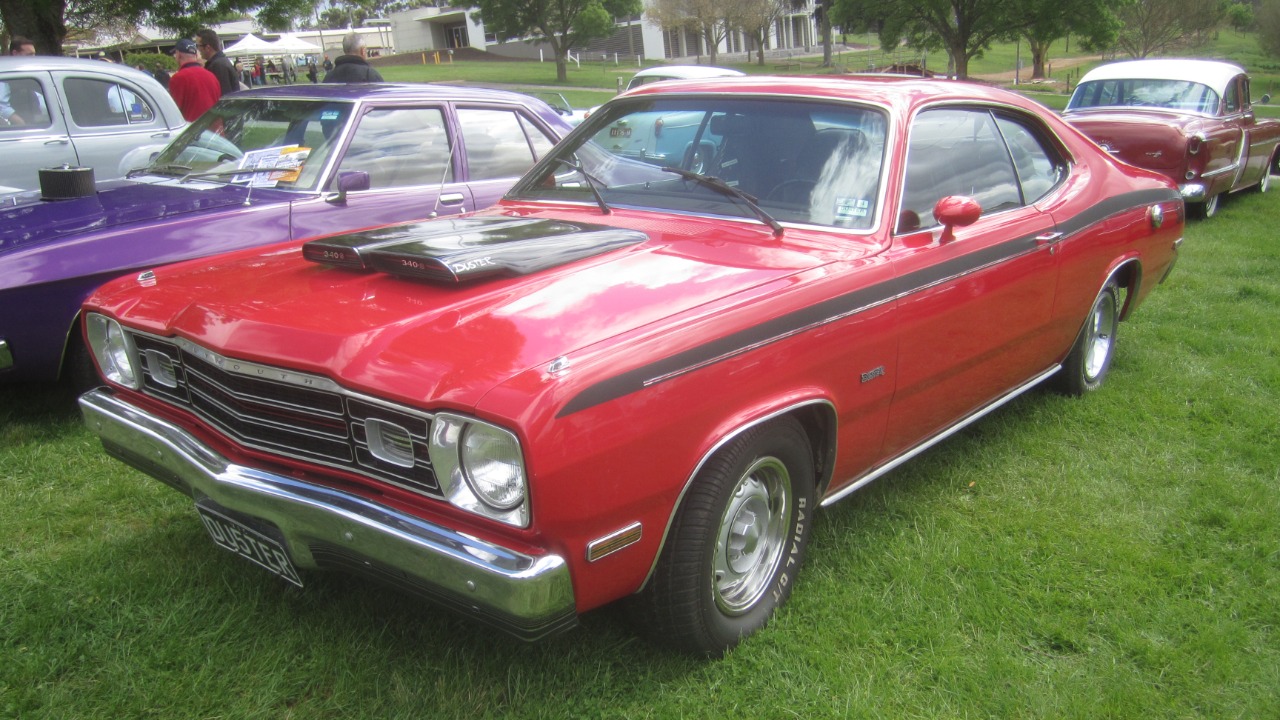
The Plymouth Duster 340 was often overshadowed by larger muscle cars when new, but its lightweight design and strong small-block V8 made it one of the most entertaining performers of its era. Mechanics appreciated its simplicity and durability. As collectors began valuing balanced performance over sheer engine size, the Duster 340 earned greater respect for delivering impressive speed and agility in a compact, affordable package.
Dodge Dart Sport 360
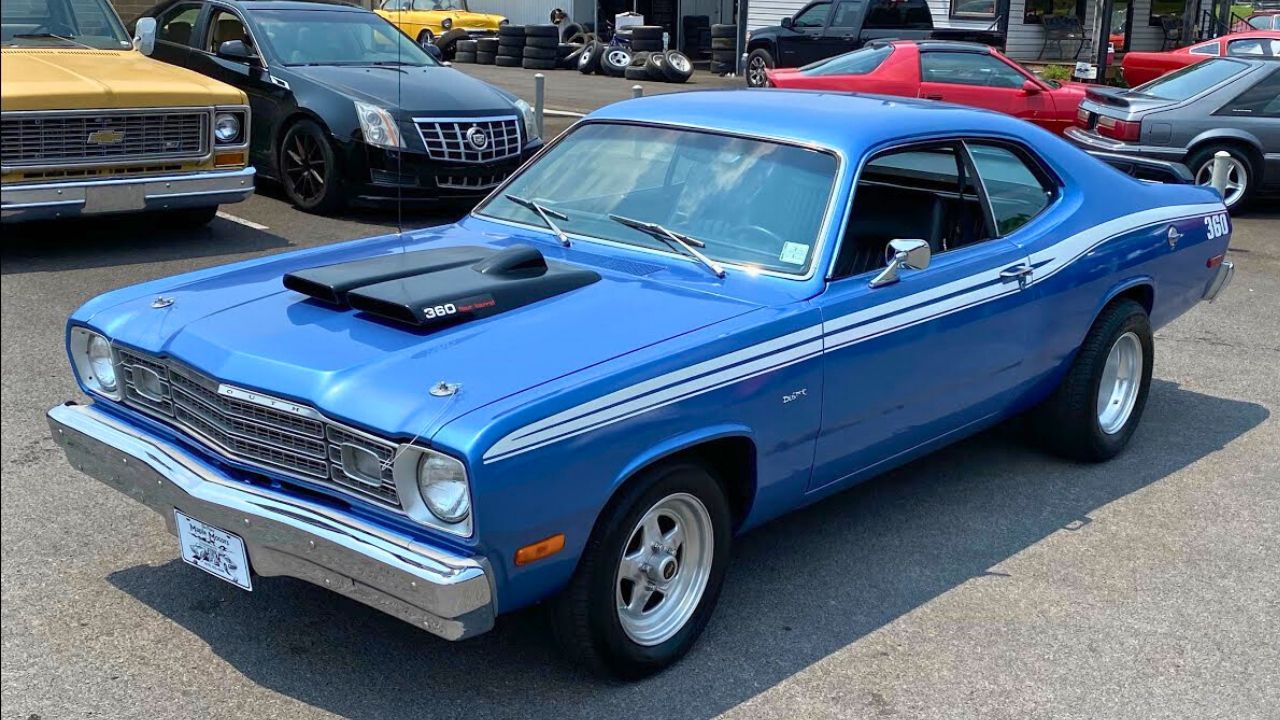
The Dodge Dart Sport 360 arrived when muscle car enthusiasm was fading, causing many buyers to overlook its capabilities. Its 360-cubic-inch V8 delivered respectable performance despite tightening regulations. Mechanics respected its rugged drivetrain and straightforward construction. Today, enthusiasts appreciate the Dart Sport 360 because it preserved Mopar performance traditions during one of the most challenging periods in American automotive history.
Plymouth Road Runner (1971–1974)

The Plymouth Road Runner spent years living in the shadow of its famous late-1960s predecessors. However, its bold styling and available big-block power have become increasingly appreciated over time. Mechanics admired the durability of its V8 engines and simple engineering. Modern collectors recognize that the early-1970s Road Runner still delivered serious performance and represented an important transition period for Chrysler’s muscle car lineup.
Dodge Challenger Rallye

The Dodge Challenger Rallye was frequently compared to the more powerful HEMI and Six Pack variants, making lesser-equipped models seem less desirable for years. Enthusiasts now appreciate the Rallye for its distinctive styling, excellent proportions, and broad engine choices. Mechanics valued its straightforward mechanical design. As E-body values climbed, collectors began viewing the Rallye as an appealing and authentic representation of Mopar performance.
Plymouth GTX (1971)

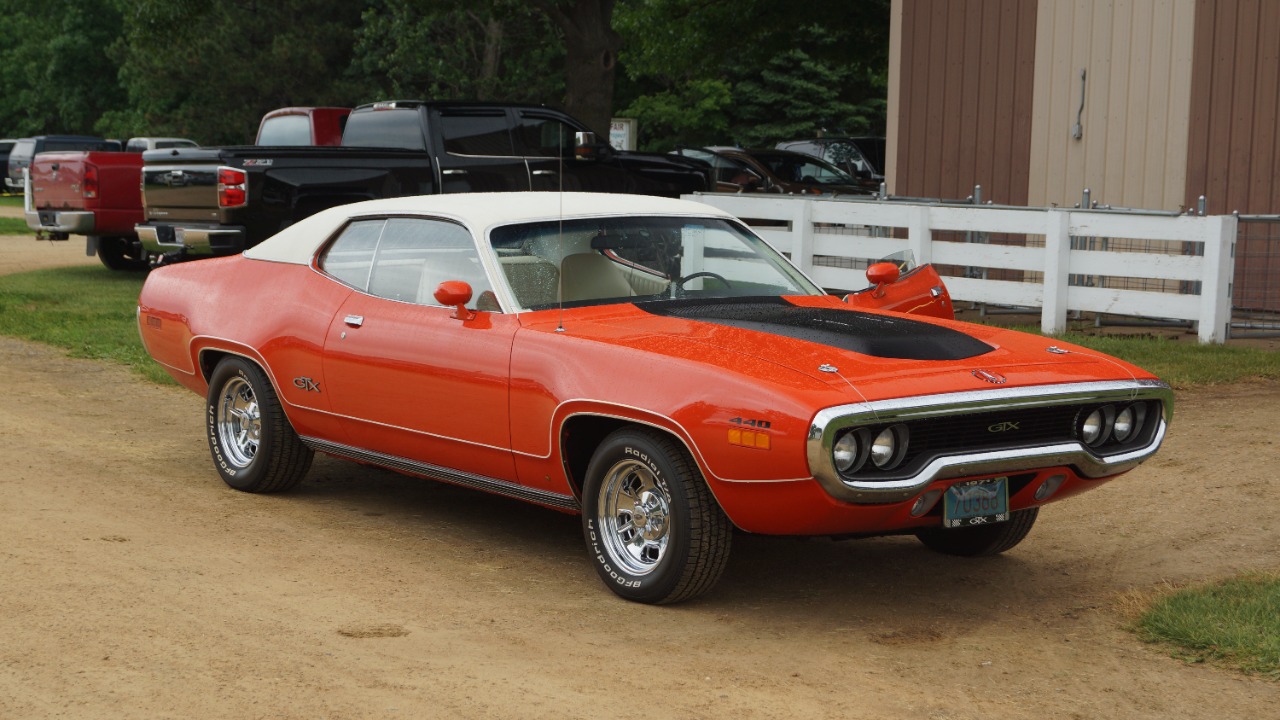
The Plymouth GTX arrived just as the golden age of muscle cars was ending. Because of this timing, it often received less attention than earlier GTX models. Mechanics respected its available high-output V8 engines and durable driveline components. Today, collectors appreciate the 1971 GTX because of its rarity, aggressive styling, and status as one of the final expressions of Plymouth’s traditional muscle car philosophy.
Dodge Monaco
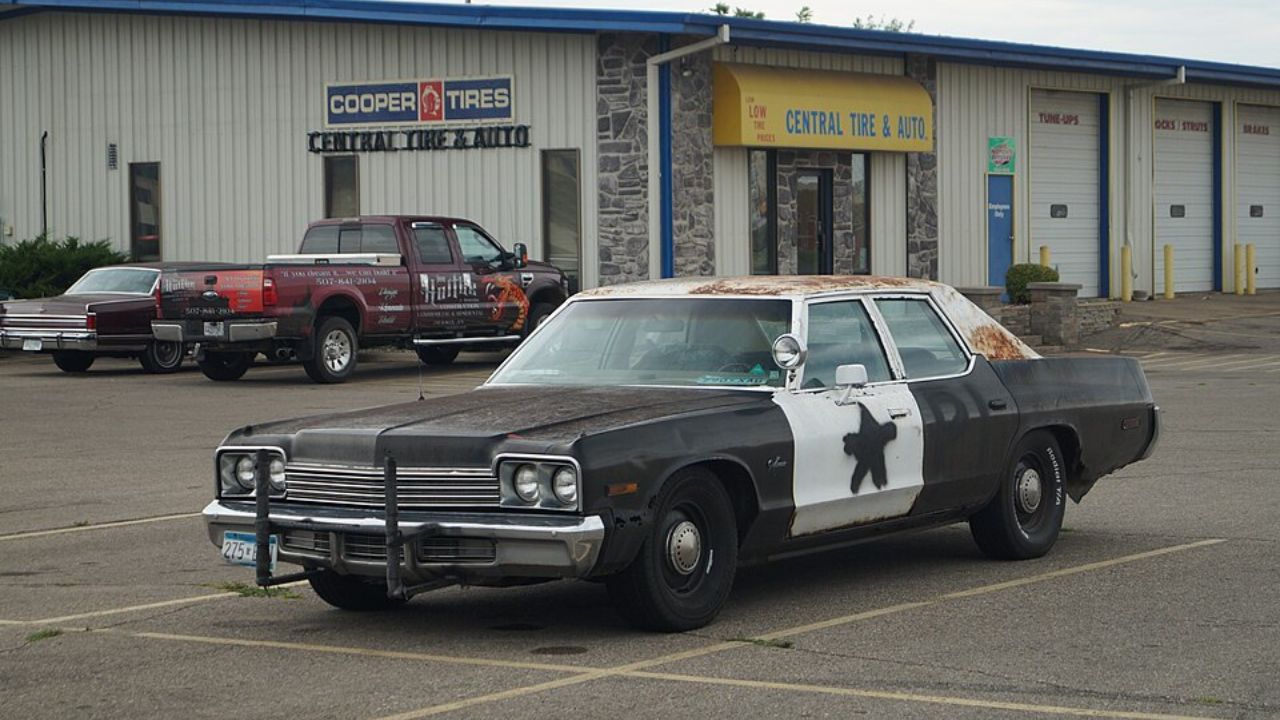
The Dodge Monaco was long viewed primarily as a large family car, but enthusiasts now recognize its significance in Mopar history. Available big-block engines provided substantial performance for such a large vehicle. Mechanics appreciated its durable chassis and dependable drivetrains. Interest has grown as collectors increasingly explore full-size performance cars that once lived in the shadows of more famous muscle machines.
Plymouth Volaré Road Runner
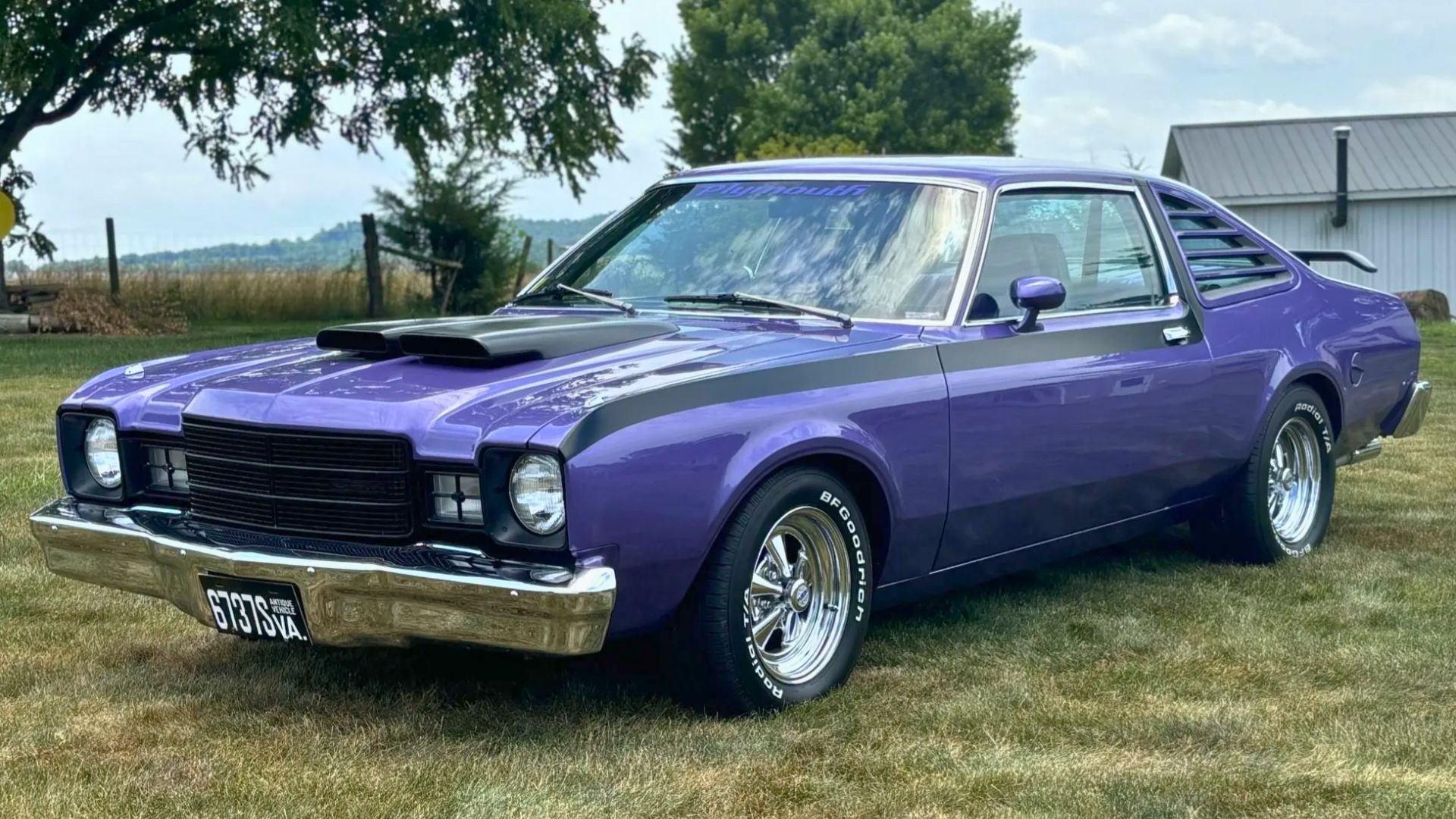
The Plymouth Volaré Road Runner was often criticized because it carried a legendary name during a difficult performance era. However, modern enthusiasts evaluate it on its own merits rather than comparing it directly to earlier Road Runners. Mechanics appreciated its accessible maintenance and familiar Mopar components. Today, it is viewed as an interesting snapshot of how manufacturers adapted performance branding during changing market conditions.
Dodge Aspen R/T
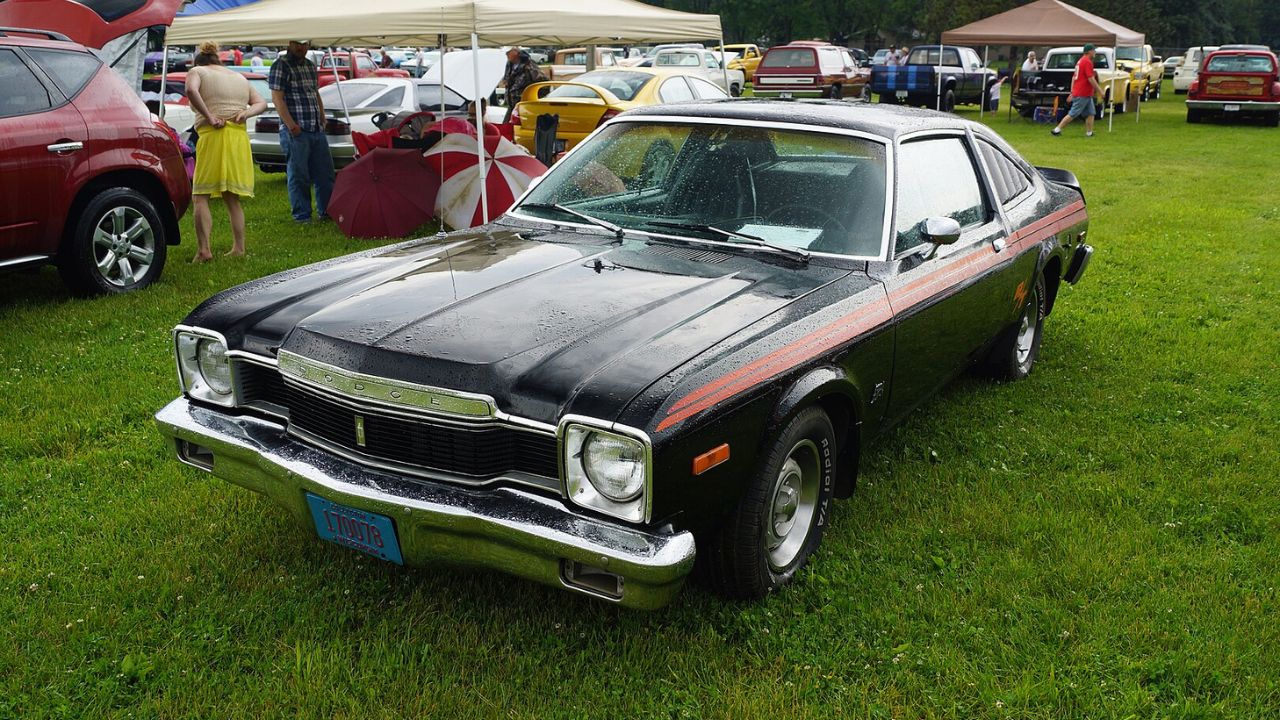
The Dodge Aspen R/T never achieved the fame of earlier Dodge muscle cars, but it offered sporty styling and available V8 power when such combinations were becoming increasingly rare. Mechanics respected its simplicity and broad parts availability. As collectors developed greater appreciation for overlooked 1970s vehicles, the Aspen R/T gained recognition as one of Dodge’s more interesting efforts to maintain performance appeal.
Plymouth Fury Sport
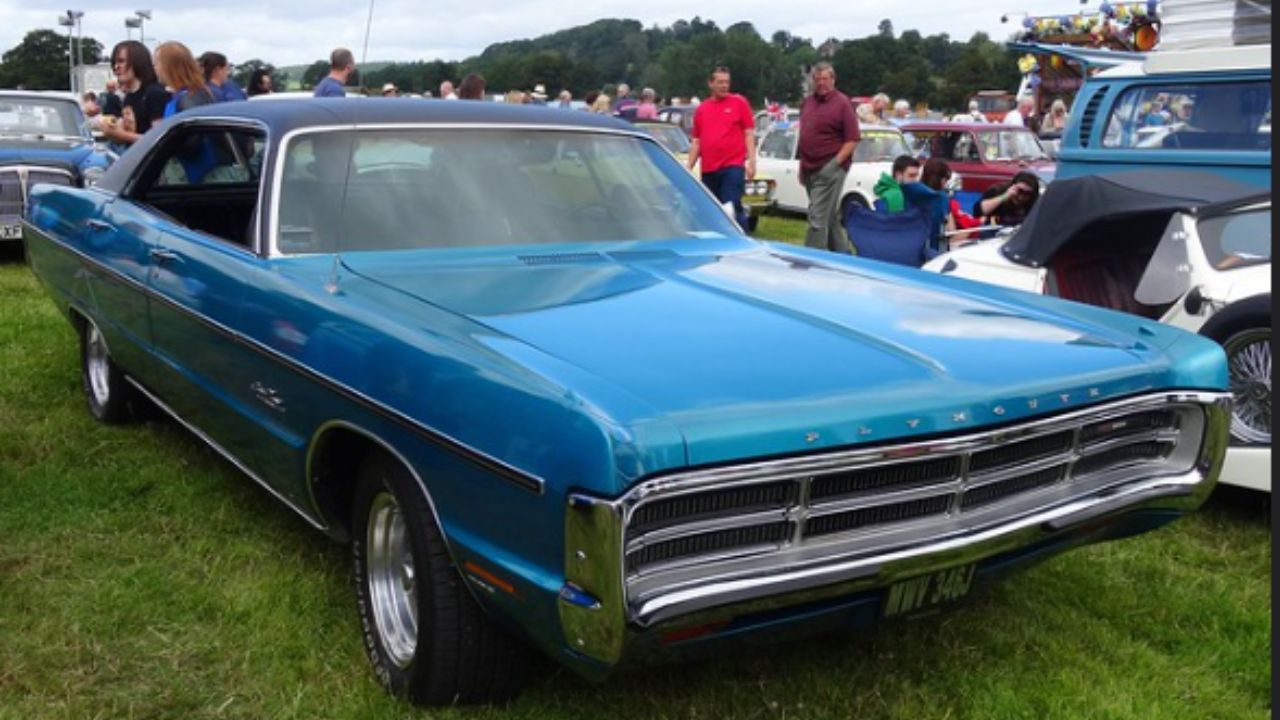
/ flickr
The Plymouth Fury Sport was largely ignored by enthusiasts for decades because it prioritized comfort alongside performance. Available V8 engines still provided strong acceleration, especially in earlier years. Mechanics appreciated the durability of its mechanical components and long-distance cruising capability. Today, collectors increasingly value full-size Mopars, helping the Fury Sport earn respect as a distinctive and stylish performance-oriented cruiser.
Dodge Lil’ Red Express Truck
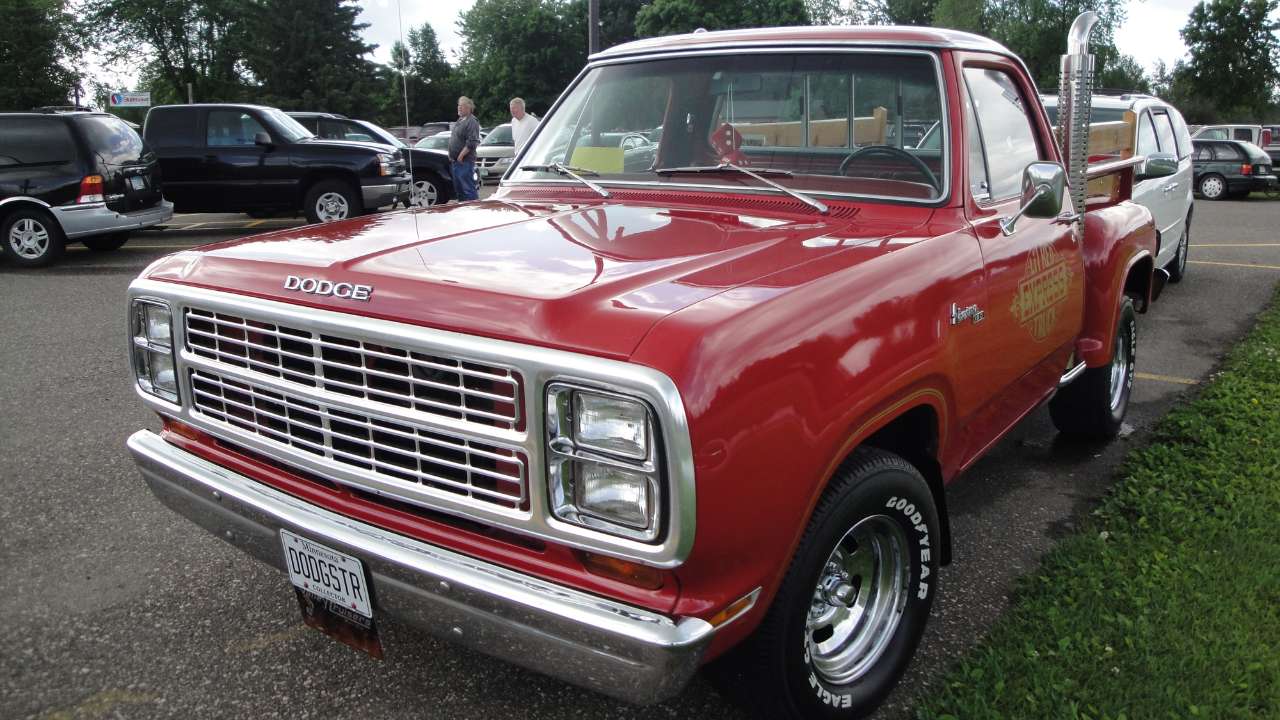
The Dodge Lil’ Red Express Truck was once considered a novelty because of its bright paint, chrome exhaust stacks, and unconventional appearance. Over time, enthusiasts realized it was also one of the quickest American production vehicles of its era. Mechanics admired its strong V8 engine and unique factory performance package. Today, the Lil’ Red Express is celebrated as one of the most memorable and innovative Mopars of the entire decade.
More from Fast Lane Only
- Unboxing the WWII Jeep in a Crate
- 15 rare Chevys collectors are quietly buying
- 10 underrated V8s still worth hunting down
- Police notice this before you even roll window down
*Research for this article included AI assistance, with all final content reviewed by human editors