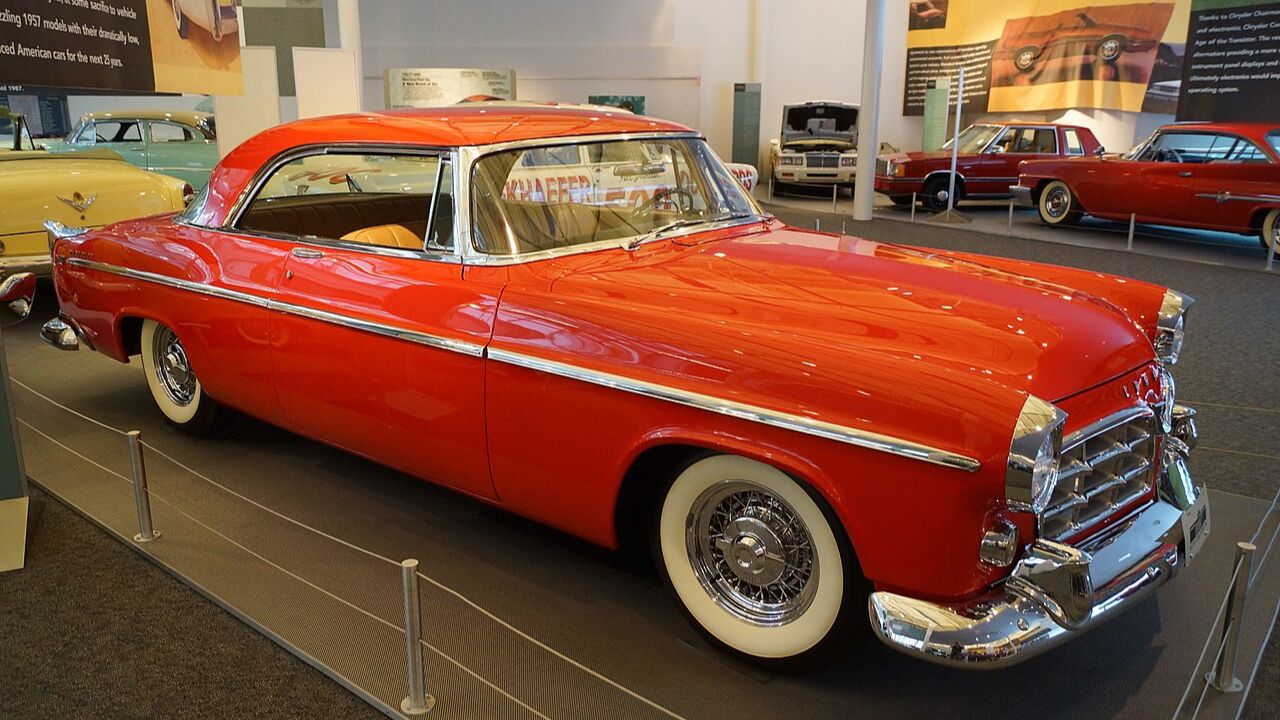
The 1955 Chrysler C-300 emerged as a groundbreaking vehicle that not only turned heads with its design and performance but also ignited a fierce competition among American automakers for horsepower supremacy. The C-300’s introduction marked a significant shift in consumer expectations, reflecting a growing appetite for power and speed that would shape the automotive industry for decades to come.
The Birth of the Chrysler C-300
In the early 1950s, Chrysler was undergoing a transformation driven by innovative design and engineering principles. The company’s design philosophy, spearheaded by the talented Virgil Exner, focused on creating vehicles that were not just functional, but also stylish and appealing to a new generation of consumers. The C-300 was a direct response to the burgeoning demand for high-performance vehicles, showcasing Chrysler’s commitment to quality and speed.
The C-300’s development was a collaborative effort involving key figures at Chrysler, including Exner, who was instrumental in shaping the car’s aesthetic and performance characteristics. By blending artful design with engineering prowess, Chrysler aimed to capture the attention of car enthusiasts and everyday drivers alike. The vehicle was unveiled as a performance-oriented luxury coupe that offered a unique combination of speed, comfort, and cutting-edge technology—a package that was hard to resist.
Innovative Engineering and Technology
At the heart of the C-300’s remarkable performance was Chrysler’s groundbreaking Hemi engine, a V8 powerhouse that became synonymous with high horsepower. The Hemi’s unique hemispherical combustion chamber design allowed for more efficient fuel combustion, resulting in a significant boost in power output. This innovative engine was a game-changer, propelling the C-300 to impressive speeds and establishing it as a formidable contender in the market.
Beyond the Hemi engine, the C-300 incorporated several technological advancements that enhanced its driving experience. Features such as power steering and power brakes made the vehicle easier to handle, while its lightweight construction contributed to improved acceleration and agility. The careful engineering behind the C-300 ensured that performance was not just about raw power but also about delivering a smooth and enjoyable ride, setting a new standard for future performance cars.
The C-300’s Competitive Edge
The C-300’s performance metrics were nothing short of impressive, allowing it to outpace many of its contemporaries in terms of acceleration and top speed. With a 0-60 mph time of just 9.0 seconds and a top speed exceeding 140 mph, the C-300 quickly gained a reputation as one of the fastest production cars of its time. This remarkable performance was further bolstered by the C-300’s success on the racetrack, where it frequently competed in events such as NASCAR, showcasing its capabilities and solidifying its status as a performance leader.
Chrysler’s marketing strategy also played a crucial role in promoting the C-300 as a symbol of power and prestige. The company positioned the vehicle not only as a high-performance car but also as a luxury coupe that appealed to discerning buyers. By emphasizing the C-300’s engineering excellence and racing pedigree, Chrysler effectively captured the imagination of consumers eager for performance-oriented vehicles, leading to increased sales and brand loyalty.
The Rise of Horsepower as a Marketing Tool
The introduction of the C-300 had a profound impact on consumer perceptions of automotive performance, particularly regarding horsepower. As the C-300 boasted a staggering 300 horsepower, it changed the conversation around what constituted a high-performance vehicle. This shift prompted other automakers to reassess their offerings and strive to match or exceed Chrysler’s impressive horsepower figures, igniting a competitive atmosphere that would characterize the auto industry for years to come.
Automotive advertising began to pivot fundamentally, with a newfound emphasis on power and speed. Advertisements that once focused on comfort and utility now highlighted the exhilaration of driving a high-horsepower vehicle. This shift not only influenced consumer attitudes but also encouraged manufacturers to innovate rapidly, leading to a flurry of new models that aimed to outdo each other in the horsepower stakes. The C-300 had effectively set the stage for what would become known as the horsepower wars, a fierce competition that would define the industry.
The Influence on American Muscle Cars
The C-300 is often regarded as a precursor to the muscle car era that emerged in the 1960s. Its combination of powerful engines, sleek design, and performance-oriented features influenced a generation of vehicles that followed. Models such as the Pontiac GTO and Ford Mustang drew inspiration from the C-300, adopting similar principles of speed and style while appealing to a growing youth market eager for excitement on the road.
Key design elements from the C-300, such as its bold lines and aggressive stance, became staples of the muscle car aesthetic. The cultural significance of horsepower began to permeate the American consciousness, with cars becoming not just modes of transportation but symbols of freedom and rebellion. The C-300’s legacy continues to resonate in today’s automotive landscape, where horsepower remains a key selling point and a source of pride for manufacturers and enthusiasts alike.
Legacy of the C-300 in Automotive History
The Chrysler C-300 received numerous accolades during its production run, solidifying its place in automotive history. It was celebrated not only for its performance but also for its design and innovation, earning recognition from various automotive publications and organizations. The C-300’s success helped to establish Chrysler as a formidable player in the automotive market, contributing significantly to the company’s brand identity.
Today, the C-300 is remembered fondly by classic car enthusiasts and collectors who appreciate its historical significance and engineering excellence. The vehicle’s enduring appeal is evidenced by its presence at car shows and auctions, where it often commands high prices and admiration from those who recognize its contribution to the evolution of American automobiles. The C-300’s legacy has undoubtedly left a lasting impact on both Chrysler and the automotive industry as a whole.
Challenges and Controversies
Despite its impressive accolades, the C-300 was not without its challenges. Chrysler faced criticism regarding the reliability and maintenance of the vehicle, particularly as the high-performance nature of the C-300 sometimes resulted in increased wear and tear. Some owners reported issues with engine performance and component durability, sparking discussions about the trade-offs associated with such potent horsepower.
The 1950s oil crisis further complicated the perception of high-powered vehicles like the C-300. As fuel prices soared, consumers began to reevaluate the practicality of owning a car that prioritized performance over fuel efficiency. This shift in consumer sentiment led to a decline in demand for high-horsepower models, prompting automakers to adjust their strategies and consider more fuel-efficient options in response to changing market dynamics. Additionally, environmental concerns began to rise, leading to discussions about the sustainability of increased horsepower and its implications for the future of the automotive industry.
Comparative Analysis with Competitors
The C-300 was not without competition, as major automakers like Ford and Chevrolet quickly recognized the need to respond to Chrysler’s bold entry into the performance market. The Ford Thunderbird, introduced shortly after the C-300, aimed to capture a similar demographic with its own blend of luxury and performance. Meanwhile, Chevrolet’s Corvette was redefined to compete more directly with the horsepower offered by the C-300, further intensifying the race for supremacy.
Specific models, such as the Chevrolet Bel Air and the Pontiac Bonneville, were developed in direct response to the horsepower claims of the C-300. These vehicles sought to capture the high-performance market, each equipped with powerful engines and stylish designs intended to rival Chrysler’s flagship offering. The competitive landscape shifted dramatically in the wake of the C-300’s success, spurring innovation and performance enhancements across the industry.
The C-300’s Enduring Influence
The Chrysler C-300’s impact on the automotive world extends far beyond its production years. It played a pivotal role in shaping the performance cars that followed, laying the groundwork for the muscle car revolution of the 1960s and influencing modern vehicles that continue to prioritize horsepower and speed. Automakers today still reference the C-300’s design principles and engineering innovations as they strive to create vehicles that resonate with consumers’ desires for performance.
Moreover, the C-300’s legacy is evident in the ongoing relevance of horsepower in today’s automotive market. While concerns about fuel efficiency and environmental sustainability have gained prominence, the fascination with high-powered performance remains. The thrill of acceleration and the roar of a powerful engine continue to captivate car enthusiasts, ensuring that the spirit of the C-300 lives on in the hearts of those who appreciate the artistry of automotive engineering.
More from Fast Lane Only