In the automotive world, first impressions can stick for years. Some cars arrive with controversial styling, unconventional engineering, or disappointing early comparisons that shape public opinion before long-term experience tells a different story. Over time, enthusiasts often revisit these models and realize they offered more depth, capability, or character than they were initially given credit for. These are cars that were judged too quickly and later re-evaluated more fairly.
Porsche 928
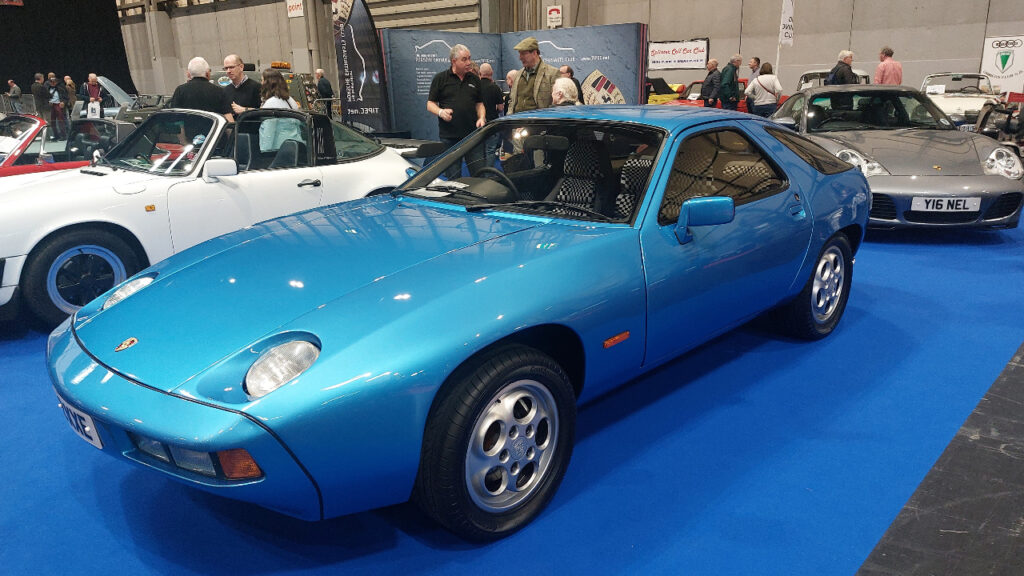
When it debuted, the Porsche 928 confused enthusiasts who were expecting a continuation of the classic 911 formula. Its front-engine layout and grand touring focus led many to dismiss it as “not a real Porsche.” Over time, however, drivers began to appreciate its balance, comfort, and engineering sophistication. As a long-distance performance machine, it excelled in ways the 911 did not at the time. Years later, the 928 is often respected as an advanced and misunderstood classic.
Chevrolet Corvair

The Chevrolet Corvair faced heavy criticism early on, with many enthusiasts focusing on its unconventional rear-engine layout. Initial assumptions about handling issues shaped its reputation quickly, often without full consideration of its engineering goals. Over time, many experts and historians revisited the car and recognized its innovative design and unique place in American automotive history. The Corvair is now more often viewed as a bold experiment that was judged too harshly in its early years.
Mazda RX-8

The Mazda RX-8 was sometimes criticized for its rotary engine’s fuel consumption and perceived lack of low-end torque. Many enthusiasts initially compared it unfavorably to traditional piston-engine sports cars. However, those who spent time driving it discovered a highly balanced chassis, excellent handling, and a unique high-revving character. As appreciation for driver-focused dynamics grew, the RX-8 gained respect as a car that delivered a different kind of performance experience rather than a lesser one.
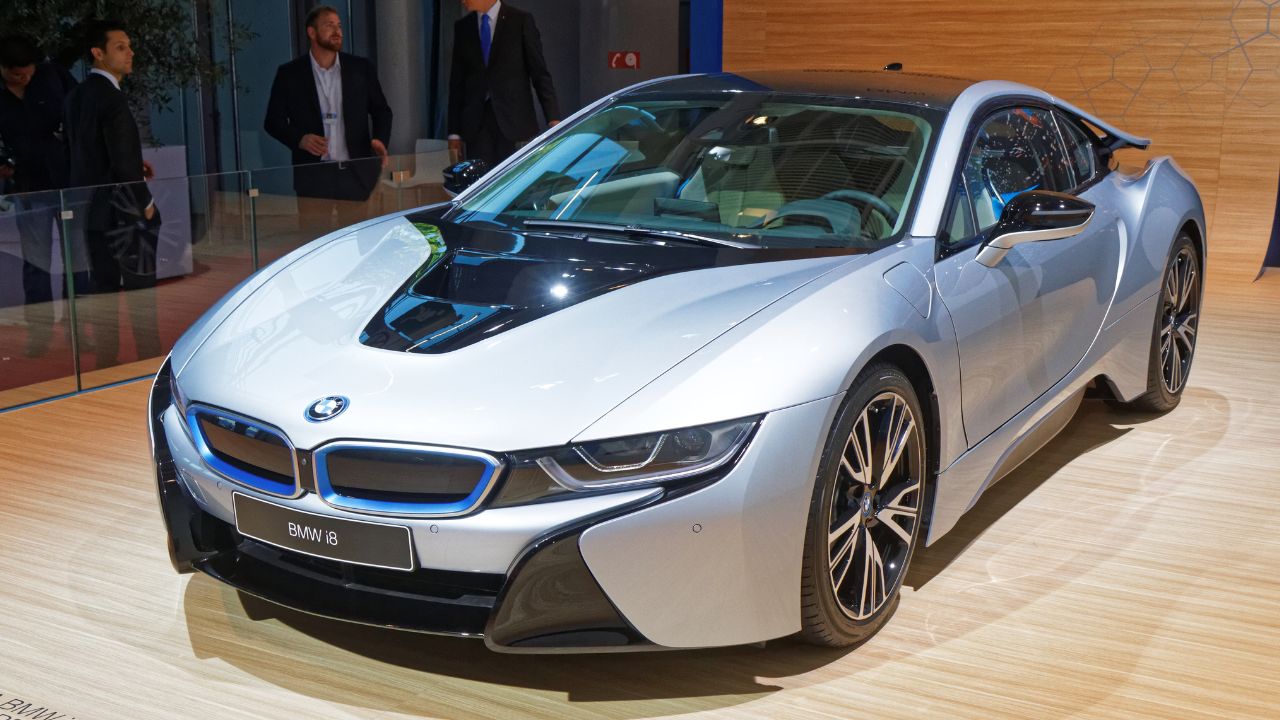
BMW i8

The BMW i8 was often judged by traditional sports car standards, leading some enthusiasts to dismiss it for not delivering conventional horsepower figures. However, its hybrid system, lightweight construction, and futuristic design were ahead of their time. Over the years, it became more appreciated as a technology showcase rather than a traditional performance coupe. As electrification gained acceptance, the i8’s innovative approach began to look far more forward-thinking than many initially believed.
Nissan 350Z

The Nissan 350Z was sometimes criticized for its styling and interior quality when compared to more expensive sports cars. Early impressions focused heavily on those aspects, leading some enthusiasts to overlook its strong performance and tuning potential. Over time, however, its reliable V6 engine, balanced chassis, and modification-friendly platform earned it a loyal following. Many who initially dismissed it later recognized it as one of the most accessible and capable sports cars of its era.
Toyota Prius
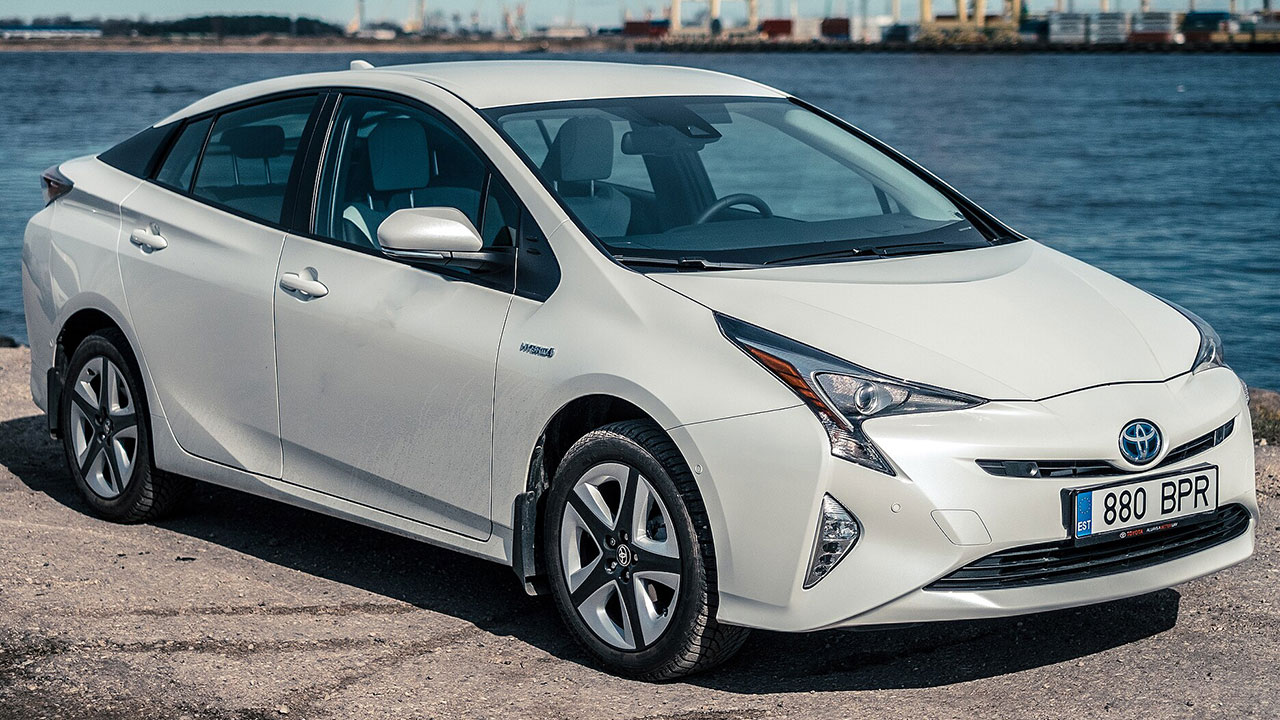
The Toyota Prius was often judged purely as an efficiency-focused appliance, with many enthusiasts ignoring it entirely due to its performance limitations. However, over time, its reliability, practicality, and engineering innovation became more widely respected. As hybrid technology became mainstream, the Prius gained recognition for pioneering a segment that reshaped the industry. What was once dismissed as unexciting is now seen as a foundational vehicle in modern automotive evolution.
Jeep Cherokee XJ

The Jeep Cherokee XJ was initially considered simple and utilitarian compared to more refined SUVs. Some enthusiasts overlooked it in favor of larger or more luxurious alternatives. However, its durability, compact size, and genuine off-road capability eventually earned it a strong reputation. As years passed, it became clear that its simplicity was a strength rather than a weakness. Today, it is widely respected as one of the most influential SUVs ever built.
Audi TT (First Generation)

The first-generation Audi TT was initially judged as more of a design statement than a serious performance car. Early concerns about handling stability and its fashion-oriented image led some enthusiasts to dismiss it quickly. However, after refinements and real-world experience, its balanced design, build quality, and driving enjoyment gained appreciation. Over time, it became recognized as an important design icon that helped shape Audi’s modern identity.
More from Fast Lane Only
- Unboxing the WWII Jeep in a Crate
- 15 rare Chevys collectors are quietly buying
- 10 underrated V8s still worth hunting down
- Police notice this before you even roll window down
*Research for this article included AI assistance, with all final content reviewed by human editors