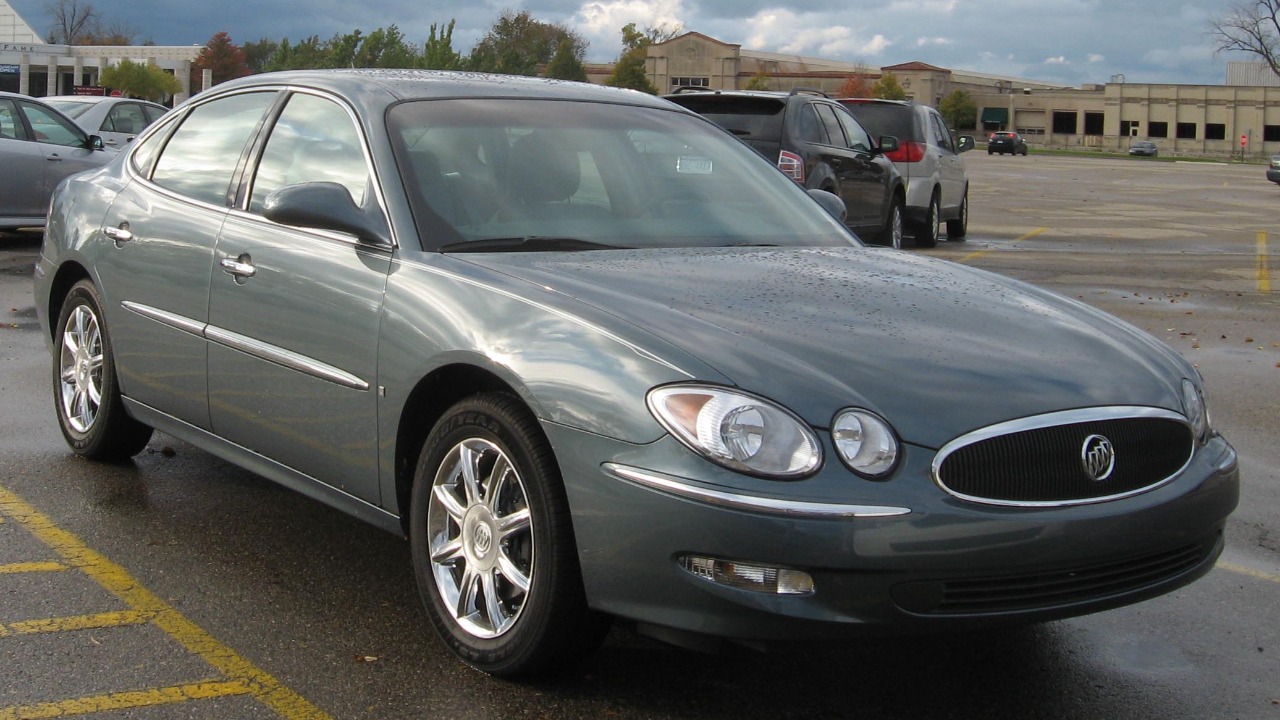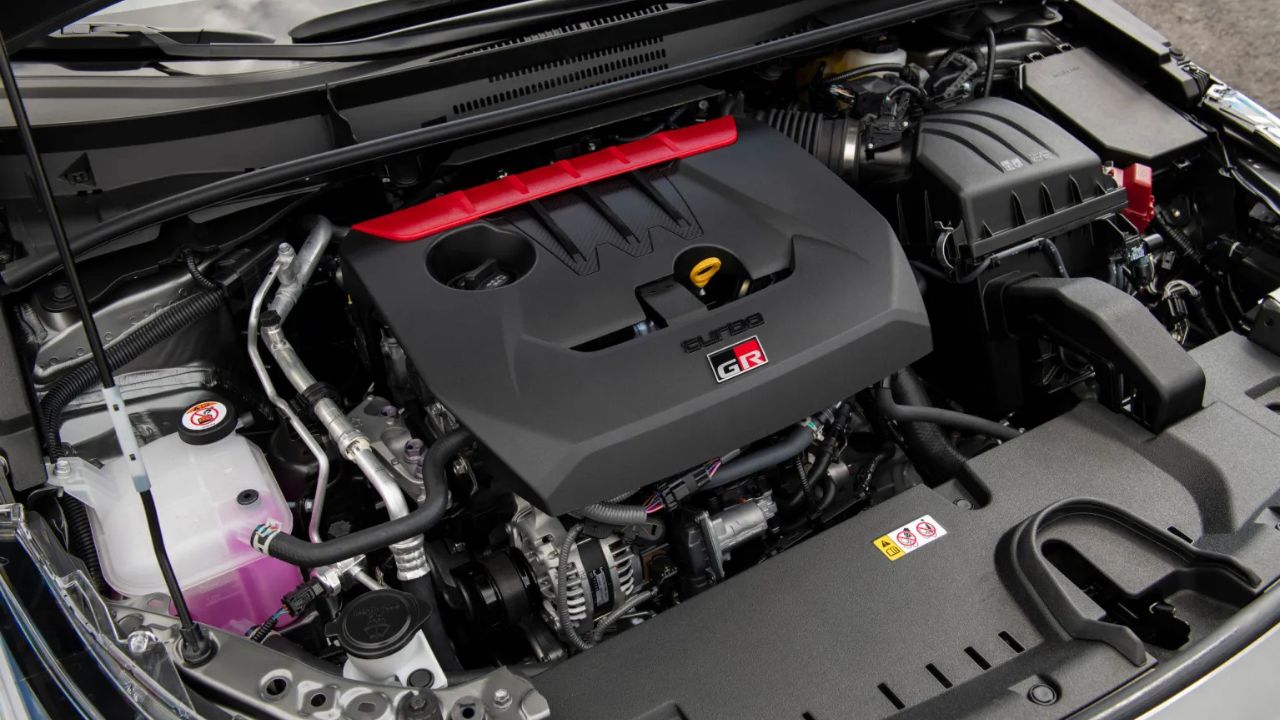
Some performance engines did more than power great cars—they changed what enthusiasts expected from performance itself. Whether through reliability, efficiency, power density, tuning potential, or racing success, these engines raised the bar and influenced generations of vehicles that followed.
Chevrolet Small-Block 350
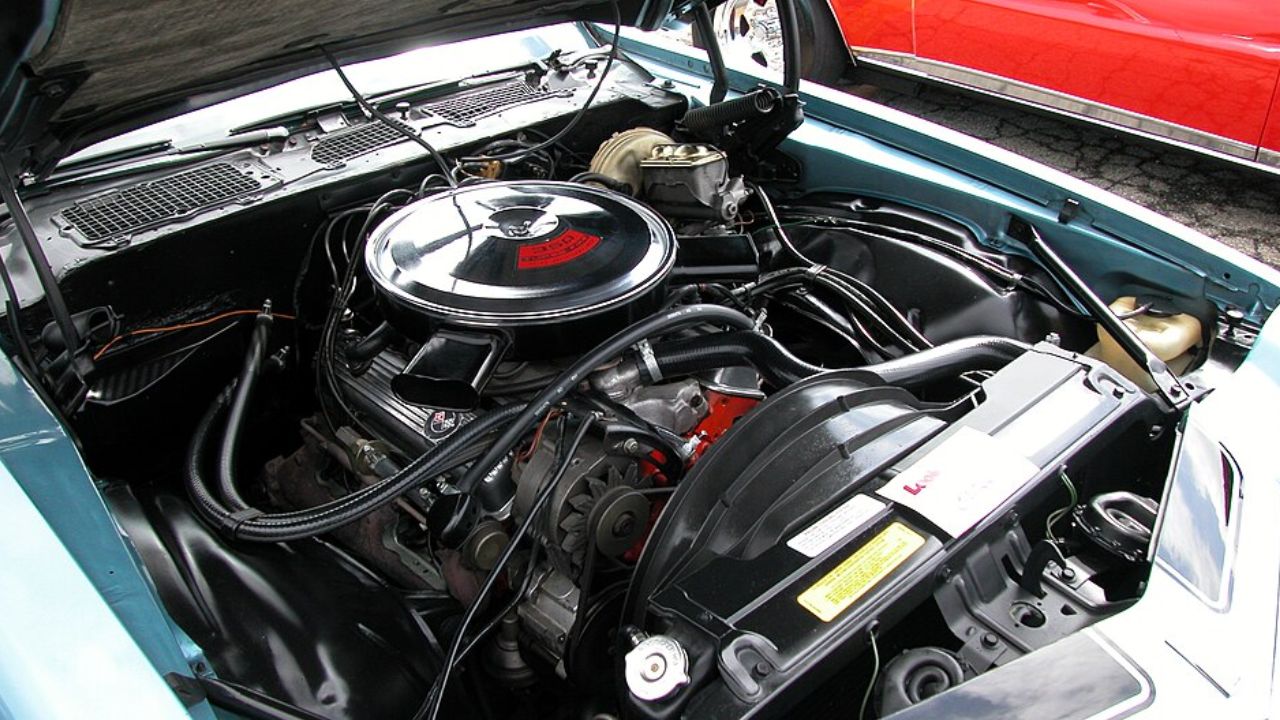
The Chevrolet Small-Block 350 redefined affordable performance. Its combination of power, durability, and aftermarket support created a template that countless enthusiasts would follow. Few engines have influenced hot-rodding culture more profoundly.
Ford 427 FE

The Ford 427 FE demonstrated that factory engines could dominate both drag strips and endurance racing. Its success helped establish expectations for serious performance from production-based powerplants.
Chrysler 426 Hemi
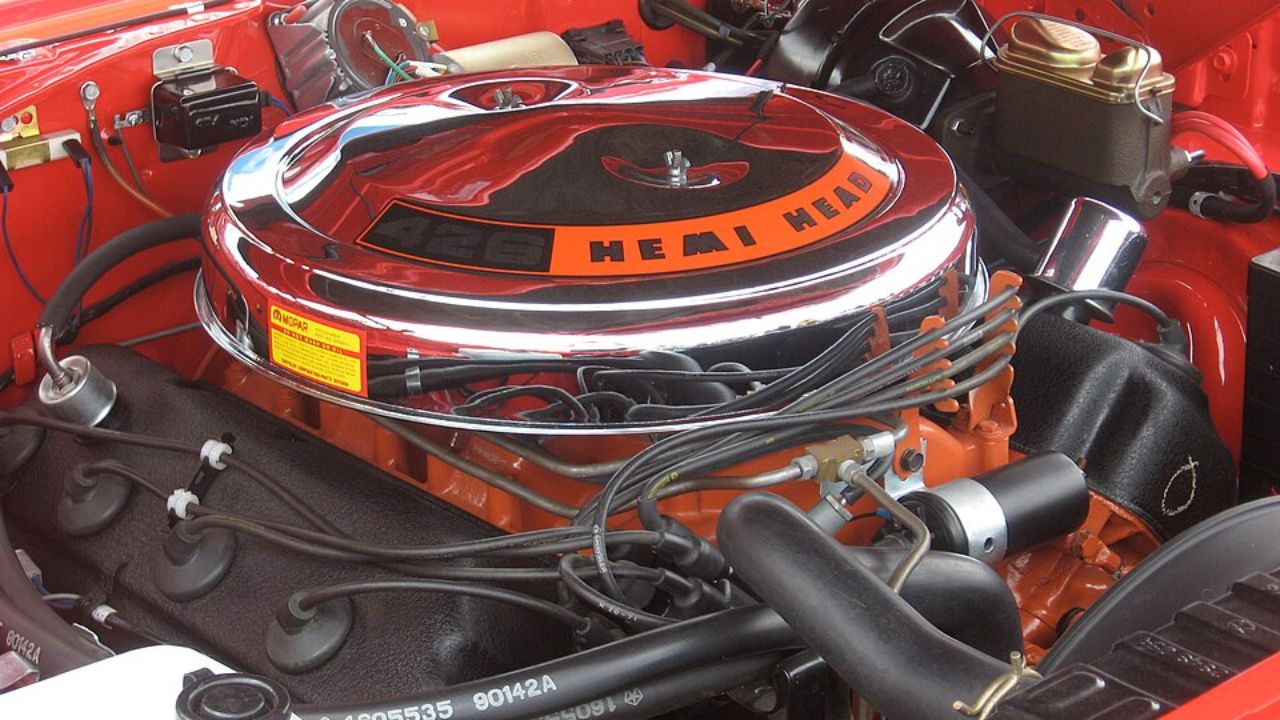
The Chrysler 426 Hemi changed perceptions of what a street-legal engine could achieve. Its racing pedigree and immense performance capabilities turned it into one of the most respected engines in automotive history.
BMW S14
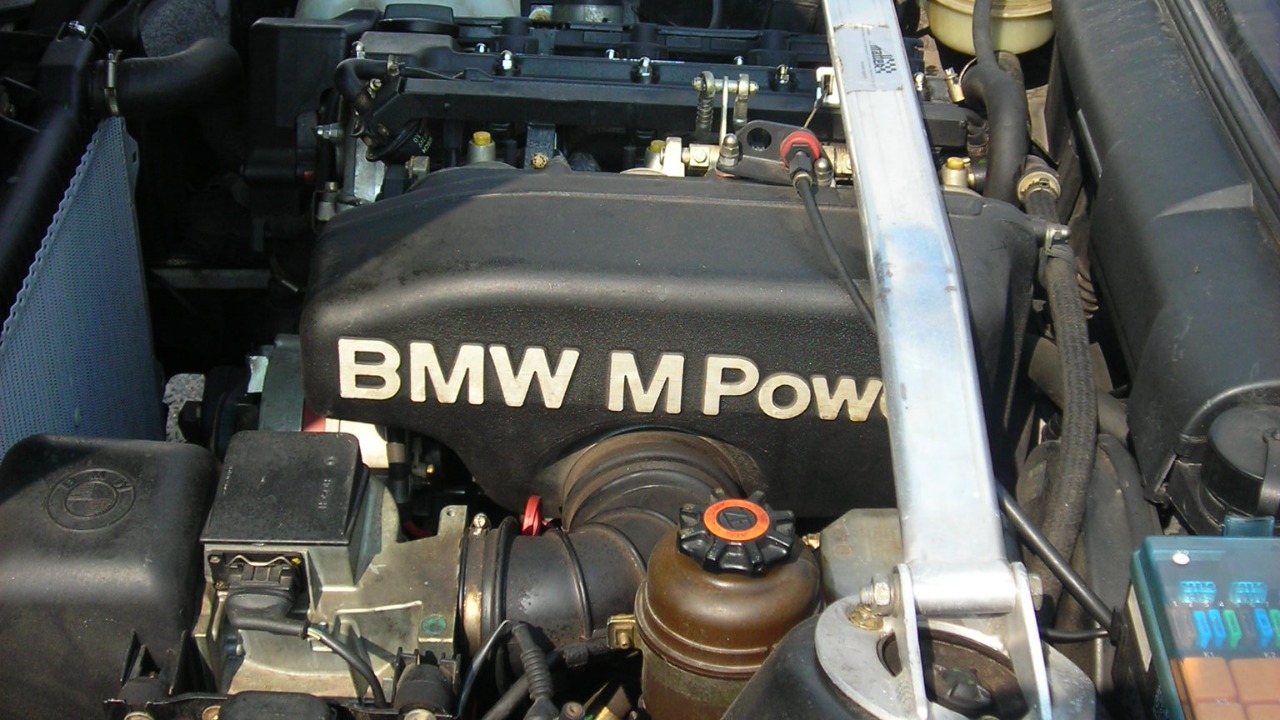
The BMW S14 powered the legendary E30 M3 and showed that outright displacement wasn’t necessary for world-class performance. Its responsiveness and motorsport heritage helped redefine expectations for performance-oriented four-cylinder engines.
Toyota 2JZ-GTE
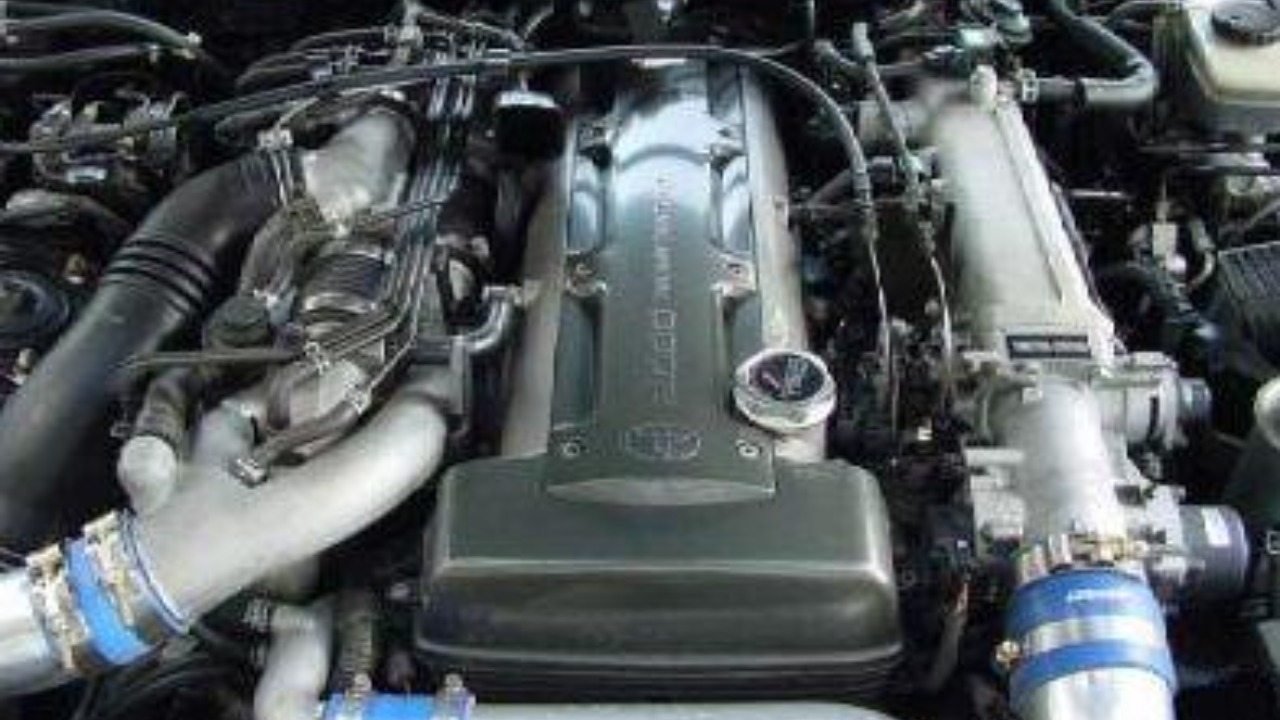
The Toyota 2JZ-GTE transformed expectations for tuning potential and durability. Enthusiasts discovered that the engine could support extraordinary power levels while retaining remarkable reliability, making it a benchmark for performance-engine strength.
Honda B18C Type R
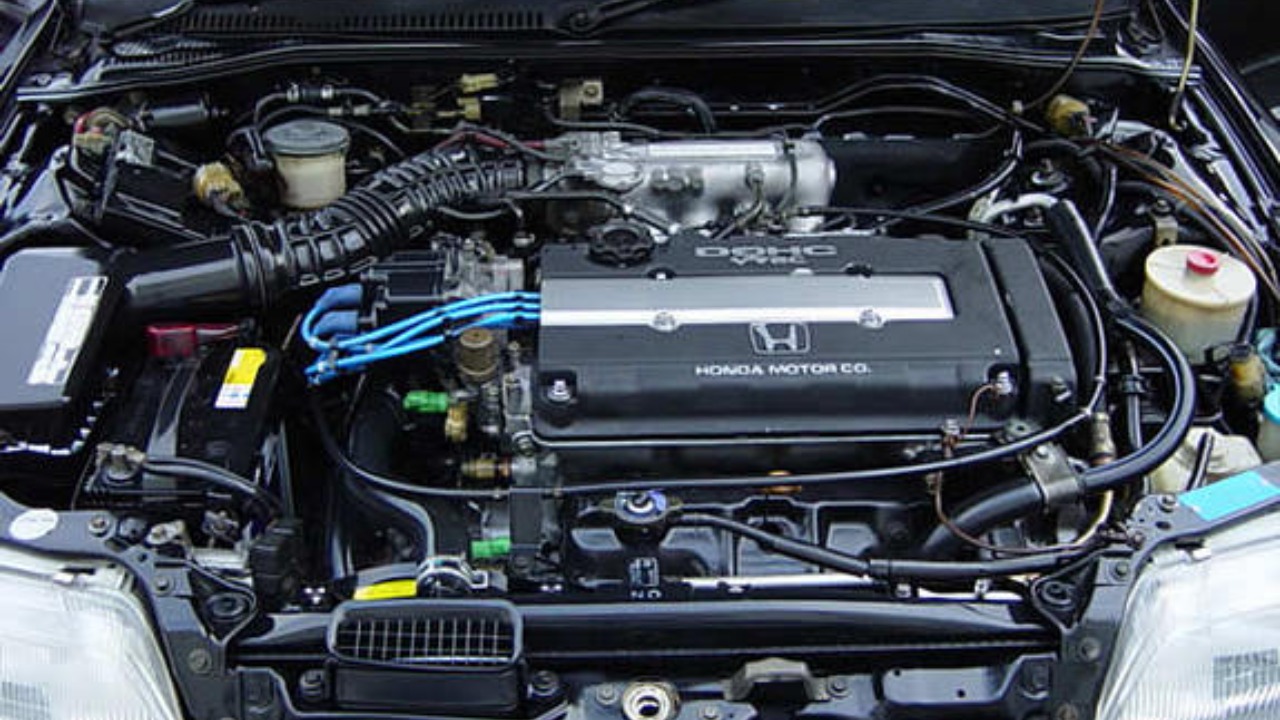
The Honda B18C Type R proved that high-revving efficiency and precision engineering could rival larger engines for excitement. It changed how many enthusiasts viewed naturally aspirated four-cylinder performance.
Nissan RB26DETT

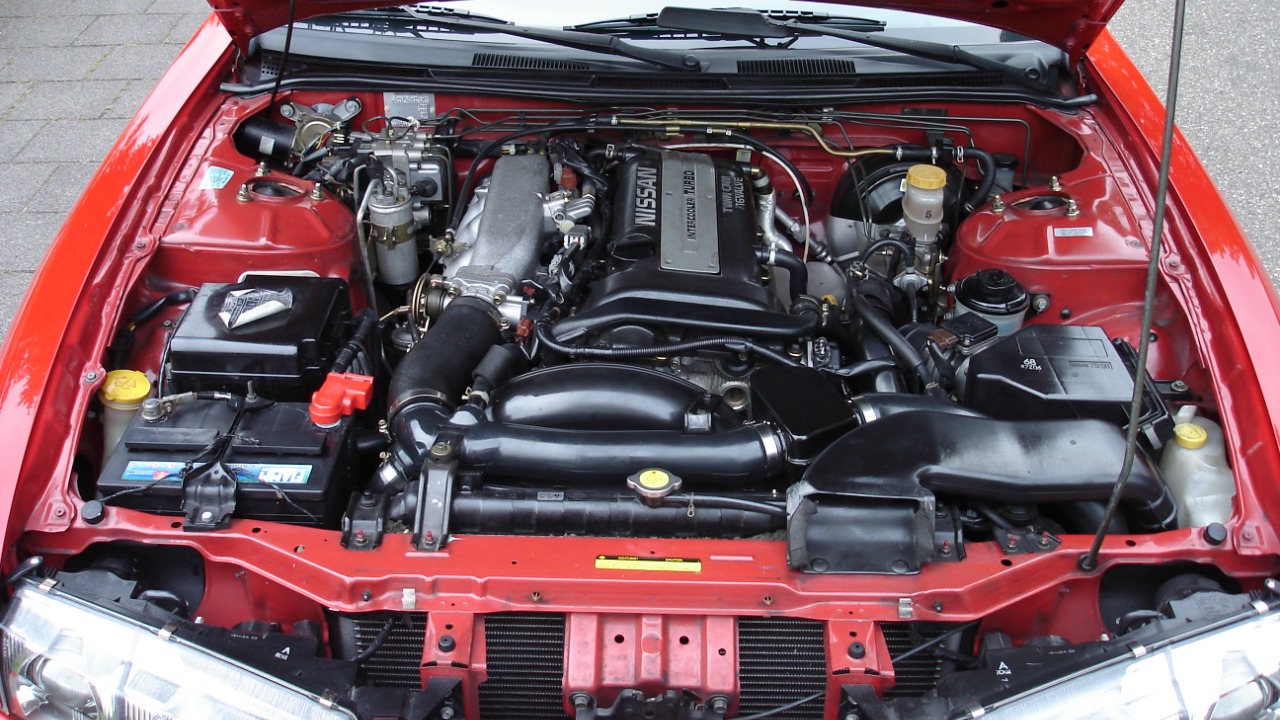
The Nissan RB26DETT became synonymous with advanced Japanese performance engineering. Its motorsport success and tuning capability elevated expectations for turbocharged production engines worldwide.
General Motors LS1
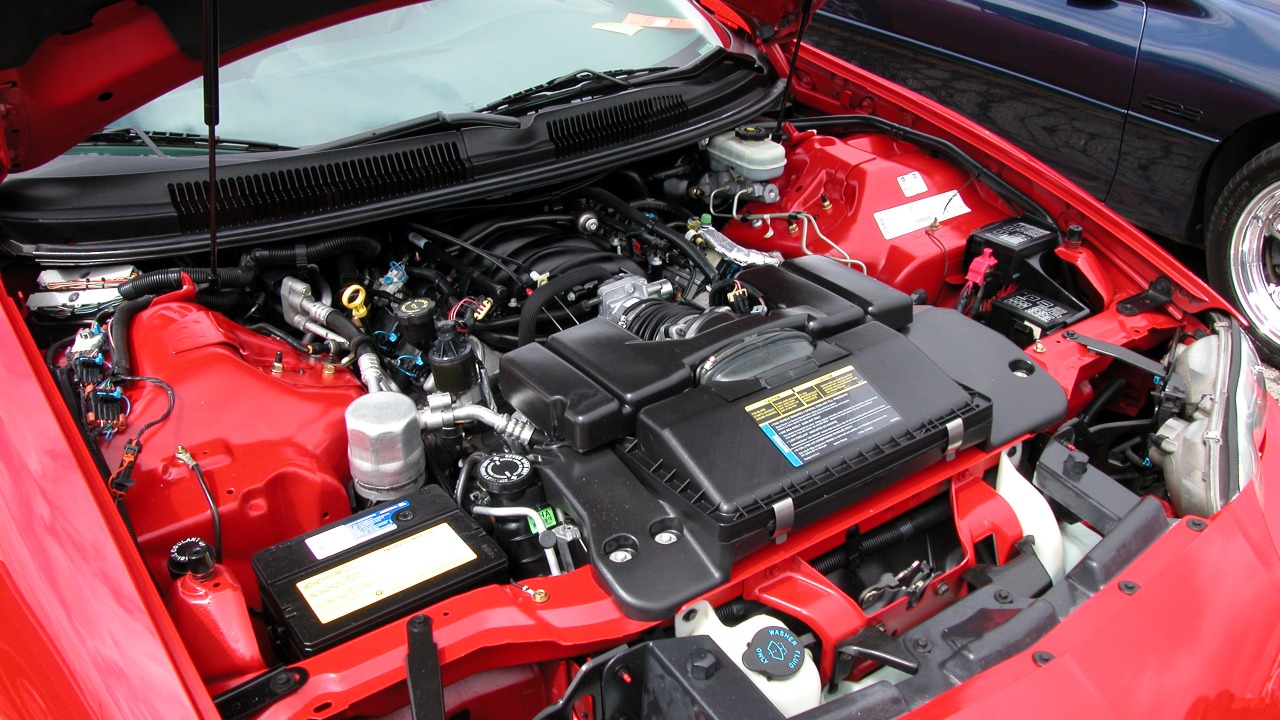
The General Motors LS1 modernized the American performance V8. Lightweight, compact, and highly adaptable, it helped create new standards for power, efficiency, and modification potential.
Porsche Mezger Flat-Six
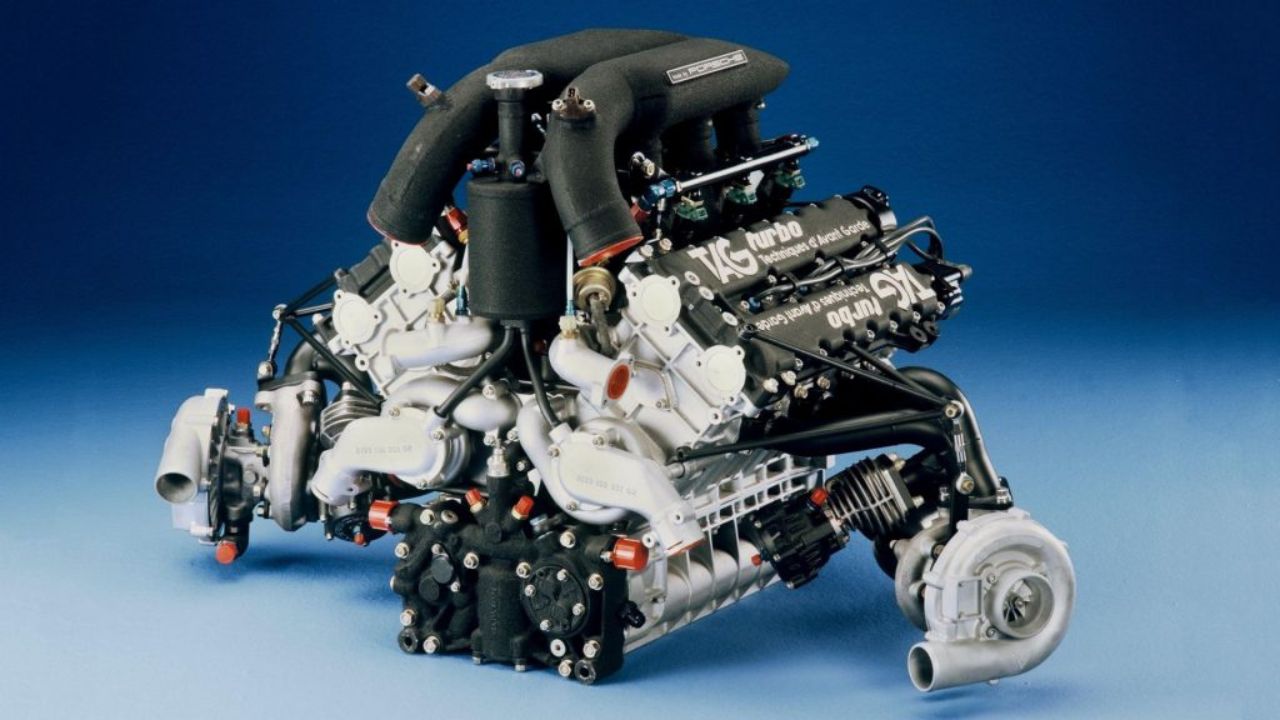
The Porsche Mezger Engine blurred the line between race-car engineering and road-car performance. Its durability under extreme conditions helped establish expectations for what a high-performance sports-car engine could endure.
Honda K20A
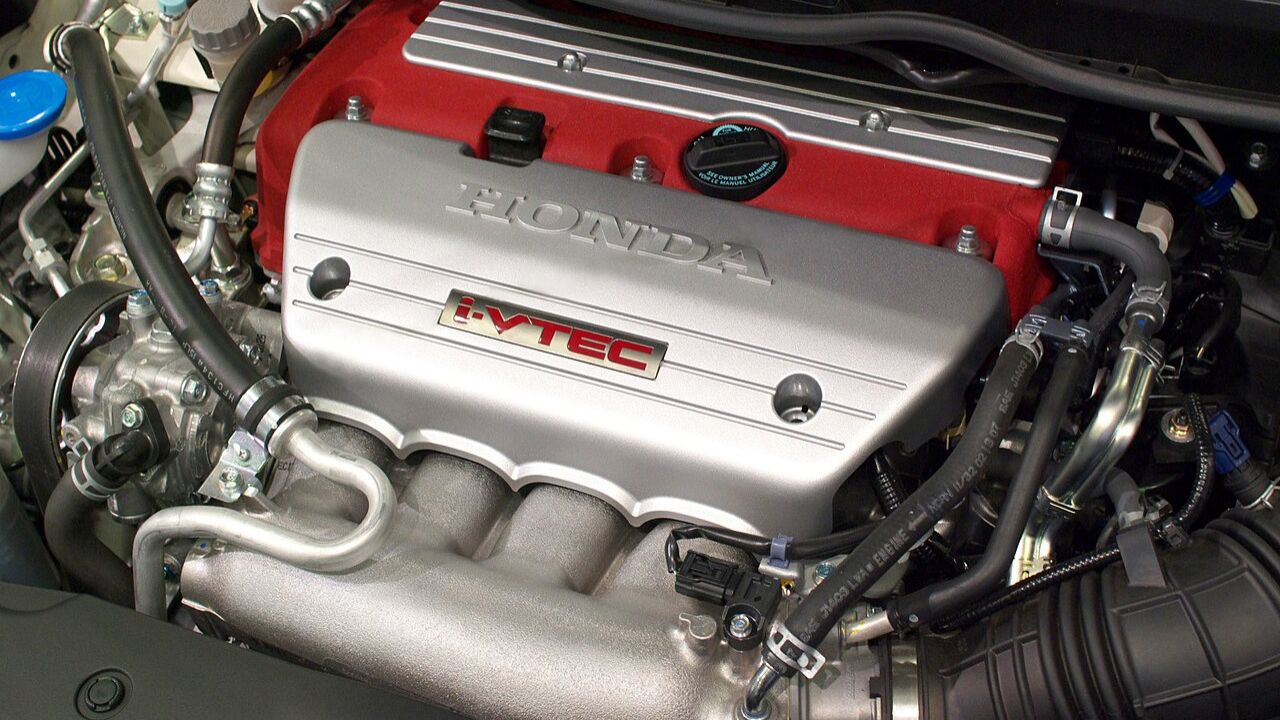
The Honda K20A demonstrated that modern four-cylinder engines could deliver exceptional reliability, responsiveness, and tuning potential simultaneously. It became a favorite among enthusiasts and helped reshape expectations for compact performance engines.
More from Fast Lane Only
- Unboxing the WWII Jeep in a Crate
- 15 rare Chevys collectors are quietly buying
- 10 underrated V8s still worth hunting down
- Police notice this before you even roll window down
*Research for this article included AI assistance, with all final content reviewed by human editors