Oldsmobile may not always get the recognition it deserves, overshadowed by the likes of Chevrolet, but the brand carved out its own legacy in automotive innovation. From the early 20th century to the late 1990s, Oldsmobile introduced groundbreaking technology and design that changed the industry. Here are ten standout models that prove Oldsmobile was a trailblazer, showcasing its commitment to innovation and quality.
Oldsmobile Curved Dash (1901)
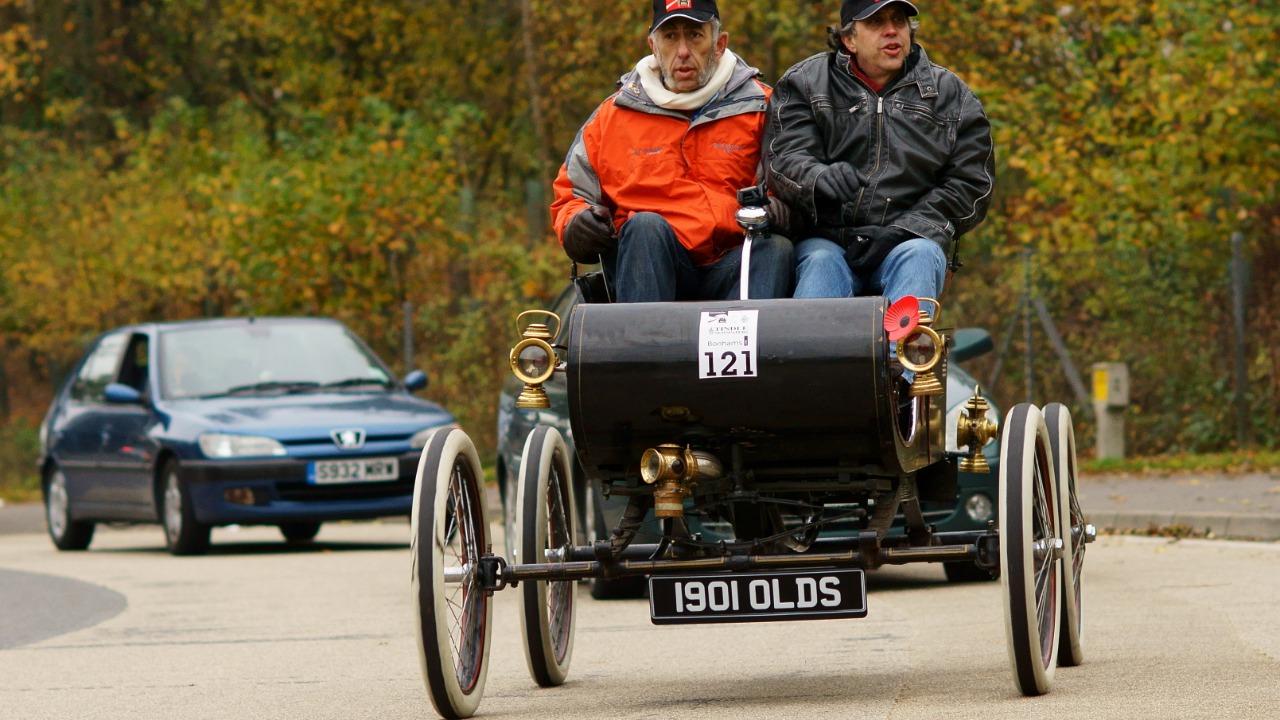
The Oldsmobile Curved Dash is widely regarded as the first mass-produced automobile in America. Launched in 1901, it featured a unique design that set it apart from competitors. With its lightweight body and simple but effective engine, the Curved Dash was easy to operate and maintain, making car ownership accessible to the average American. Its production run lasted until 1907, with over 19,000 units sold, showcasing Oldsmobile’s ability to tap into the burgeoning automotive market. The Curved Dash’s significance is not just in its sales figures; it served as a template for future vehicles and helped establish Oldsmobile as a serious player in the automotive industry.
Its design elements, including the curved dashboard from which it derived its name, were revolutionary. The vehicle was powered by a single-cylinder engine that delivered a modest 5 horsepower, yet it was capable of reaching speeds of up to 20 mph. The Curved Dash also featured the innovative use of a chain drive, which was a novel approach at the time. For those looking to delve deeper into the history of this iconic vehicle, this book provides an in-depth look.
Oldsmobile Rocket 88 (1949)
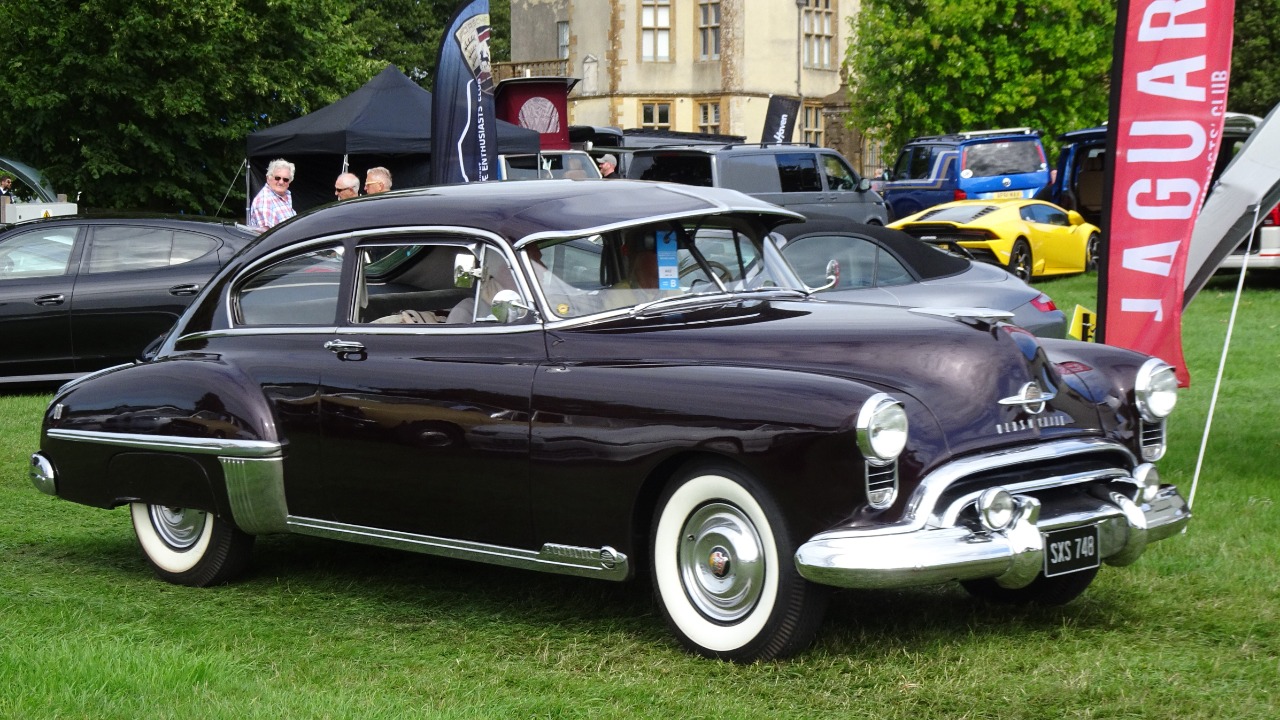
The Oldsmobile Rocket 88, also released in 1949, is often credited as one of the first muscle cars. This vehicle combined the powerful new V8 engine with a lightweight body, creating an exhilarating driving experience. The Rocket 88 was a game changer, as it offered impressive acceleration and speed, appealing to a generation of car enthusiasts looking for performance. Its design included sleek lines and an aerodynamic shape that set it apart from other vehicles on the road.
The success of the Rocket 88 helped solidify Oldsmobile’s reputation for performance and innovation. It became a favorite among racers and was even used in NASCAR, demonstrating its competitive edge. The car’s groundbreaking design and engineering were influential in shaping the future of American automotive culture. Many consider the Rocket 88 to be a precursor to the muscle car era that would dominate the 1960s and 1970s.
Oldsmobile Vista Cruiser (1964)
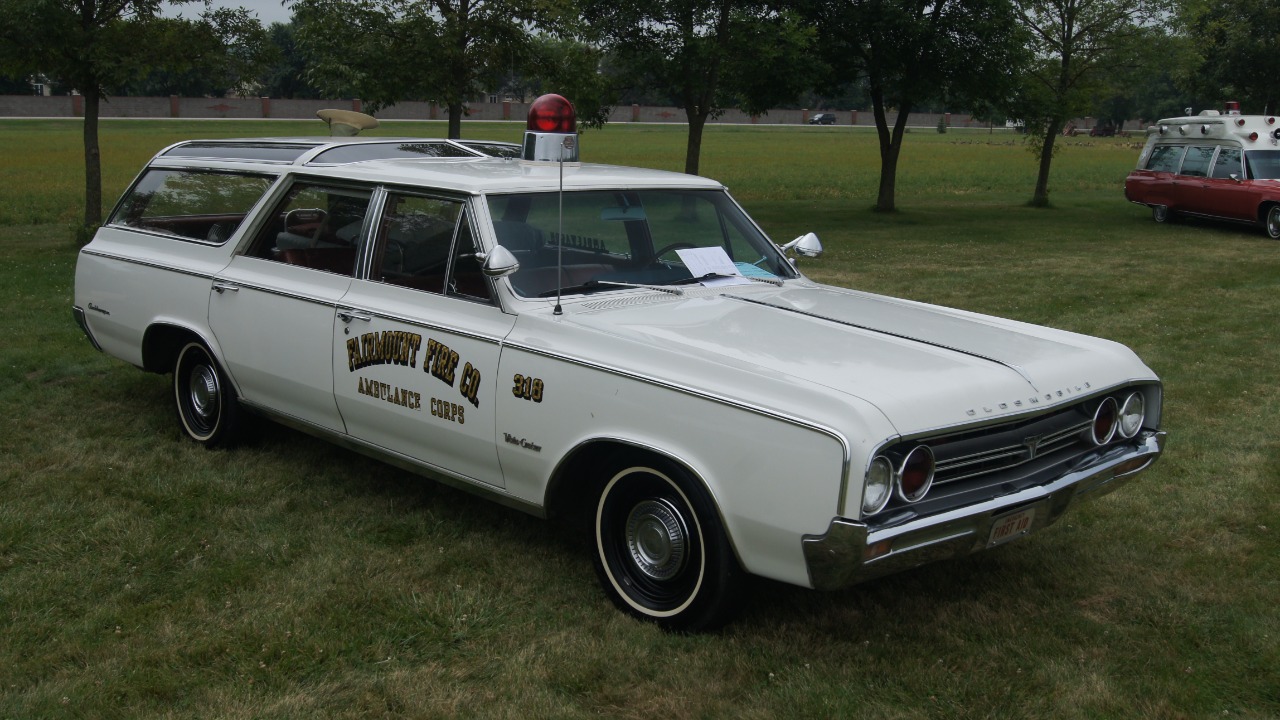
The Oldsmobile Vista Cruiser was a pioneering vehicle in the station wagon segment, known for its spacious interior and unique design features. Launched in 1964, it included a distinctive “Vista Roof,” which featured skylights that enhanced the passenger experience. This model was particularly appealing to families, combining practicality with a touch of style.
The Vista Cruiser was equipped with a powerful engine and a range of options that included air conditioning and power steering, making it a comfortable choice for family outings. Its innovative design and spaciousness paved the way for the modern SUV and crossover segments, demonstrating Oldsmobile’s forward-thinking approach to automotive design.
Oldsmobile Toronado (1966)
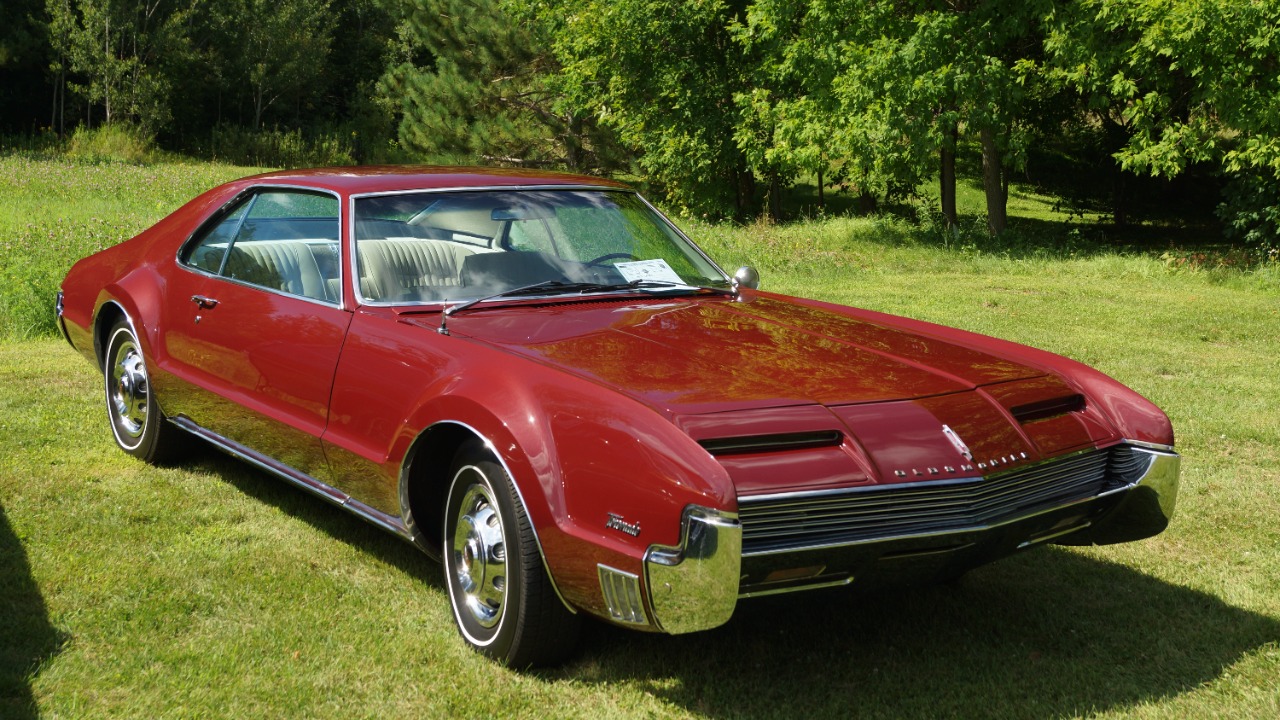
The Oldsmobile Toronado, introduced in 1966, was groundbreaking in its design and engineering. It was one of the first mass-produced front-wheel-drive cars in the United States, an innovation that transformed vehicle dynamics and handling. The Toronado featured a sleek, futuristic design that set it apart from its contemporaries, making it a standout in the luxury segment. Additionally, the car was equipped with a powerful V8 engine that delivered impressive performance, further enhancing its appeal.
Its combination of luxury, performance, and innovative engineering captured the attention of the automotive community and consumers alike. The Toronado’s unique design not only made it aesthetically pleasing but also contributed to improved traction and handling. This model was not just a car; it was a statement about the future of automotive technology. The Toronado’s legacy continues to influence car designs today, proving that Oldsmobile was at the forefront of innovation during its time.
Oldsmobile Cutlass Supreme (1967)
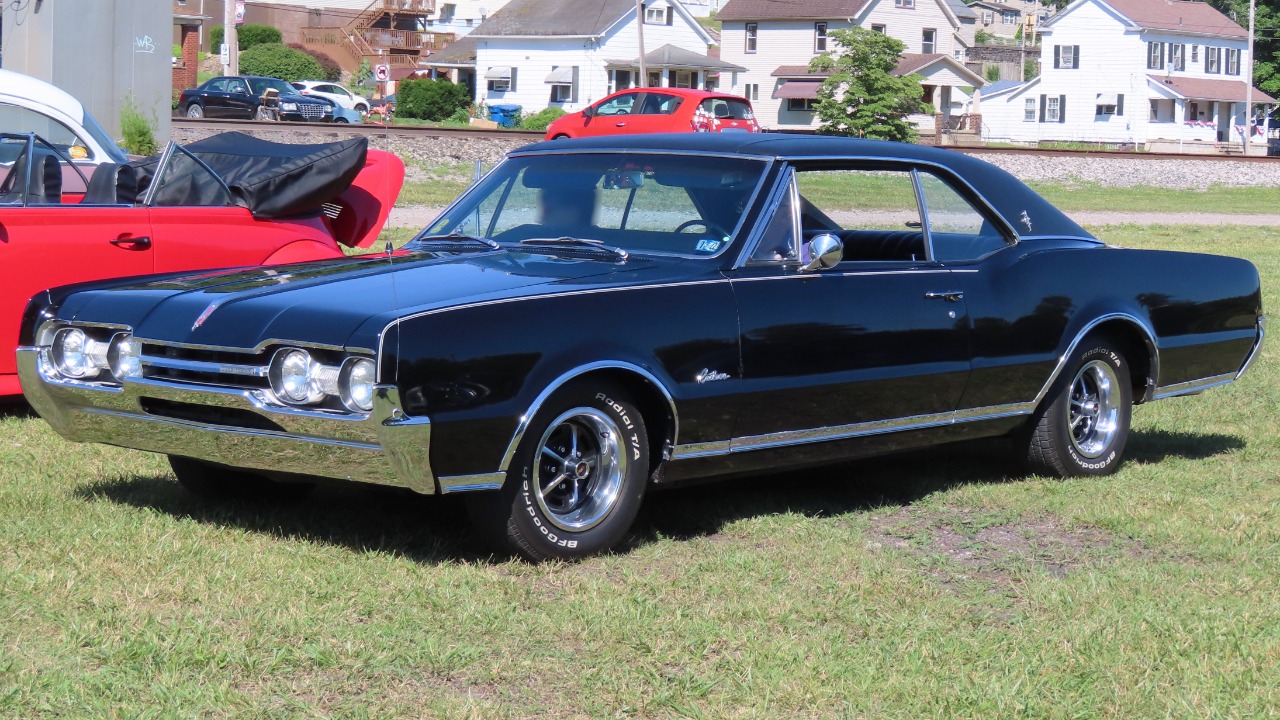
The Oldsmobile Cutlass Supreme debuted in 1967 as a more upscale version of the Cutlass, featuring additional luxury options and a sportier design. It gained a reputation for its versatility, available in both coupe and convertible styles, which appealed to a broad audience. The Cutlass Supreme played a crucial role in Oldsmobile’s strategy to capture the growing market for mid-size cars during the muscle car era.
Equipped with various powerful engines, including the famed Oldsmobile V8, the Cutlass Supreme offered exceptional performance while maintaining comfort. Its combination of style, power, and affordability made it a staple in the Oldsmobile lineup, leading to long-lasting popularity and numerous accolades throughout its production run.
Oldsmobile 442 (1964)
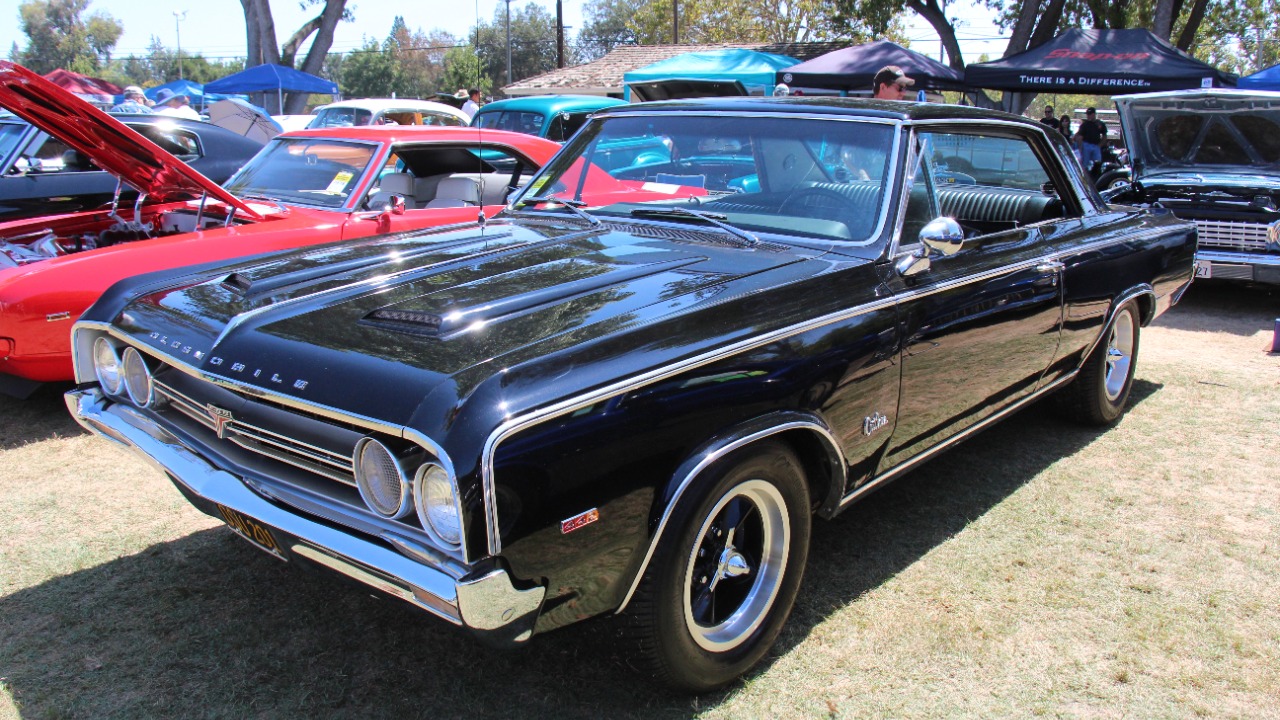
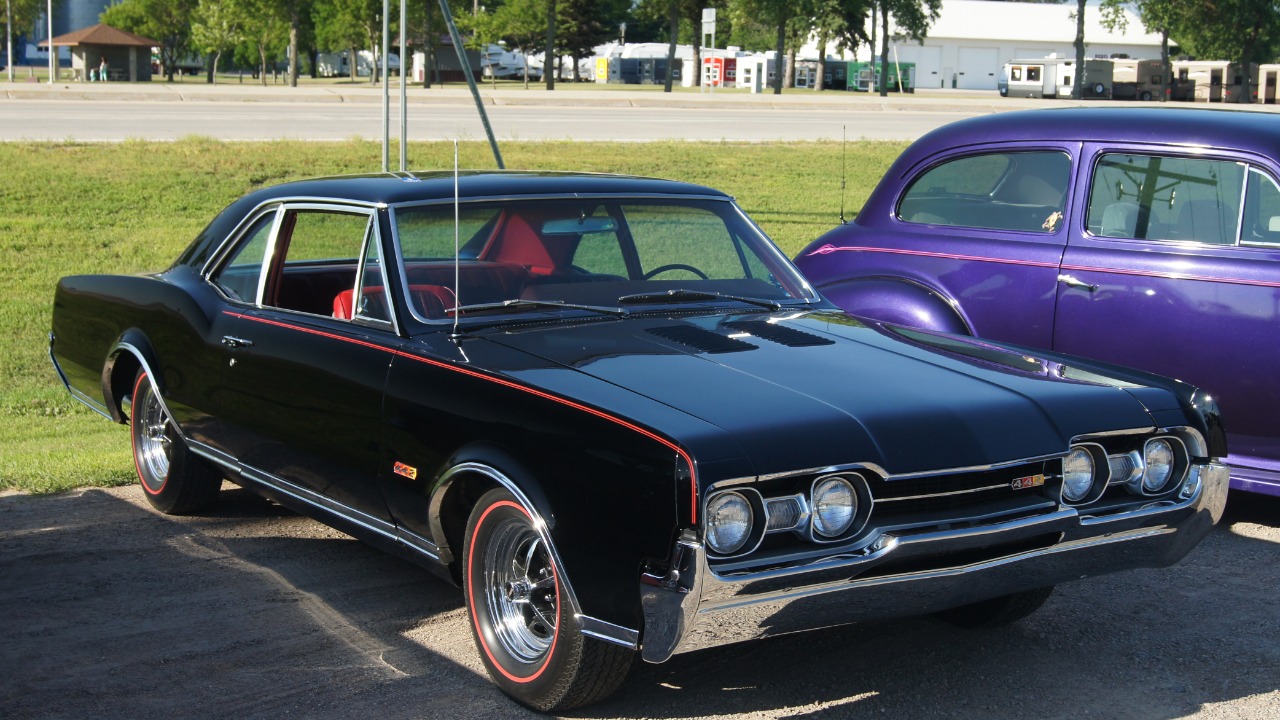
The Oldsmobile 442, introduced in 1964, quickly became a benchmark for muscle cars. Originally a performance package for the F-85 series, the 442 soon evolved into a standalone model known for its powerful performance and sporty design. The name “442” represented its four-barrel carburetor, four-speed manual transmission, and dual exhausts, a configuration that delivered exhilarating driving dynamics. The 442 was available with several engine options, including the iconic 400 cubic inch V8, which provided impressive horsepower and torque.
The 442’s success on the street translated into racing victories, making it a favorite among enthusiasts and racers alike. Its combination of style, power, and affordability made it a compelling choice during the muscle car era. As a result, the 442 became a cultural icon, often featured in popular media and car shows. Its legacy continues today, as it remains a highly sought-after collector’s item and a symbol of Oldsmobile’s commitment to performance.
Oldsmobile F-85 (1961)
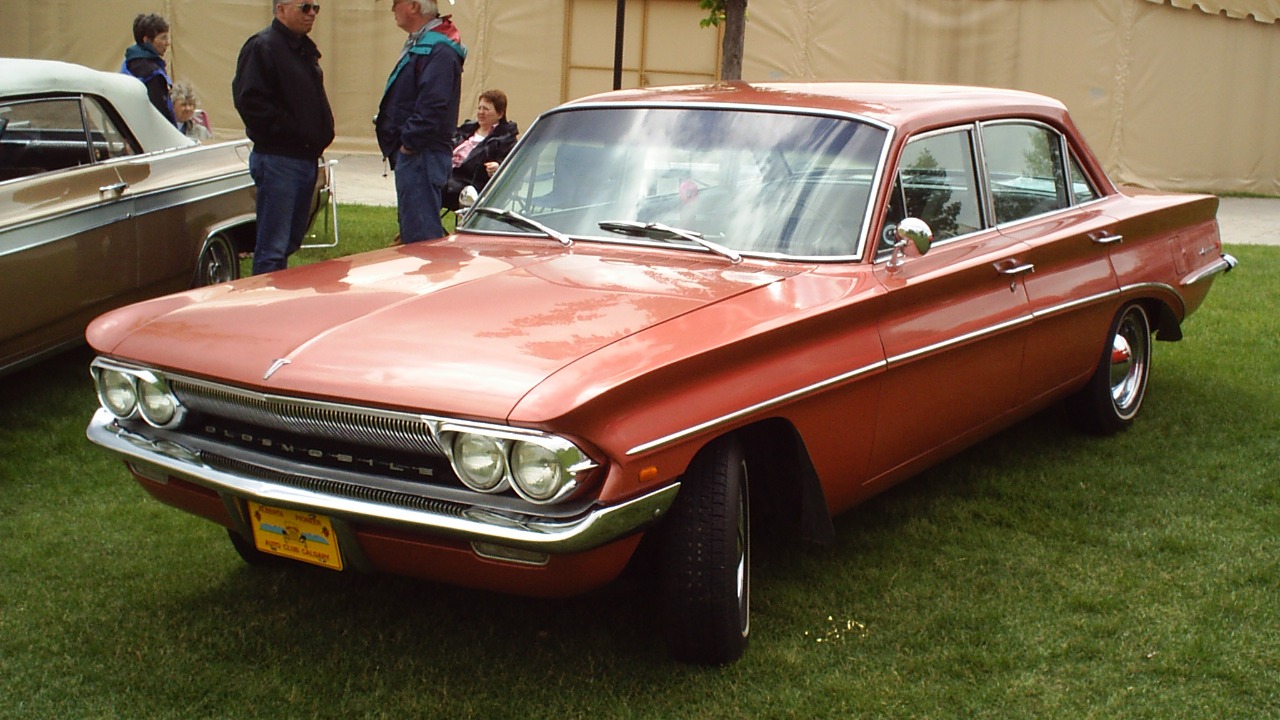
The Oldsmobile F-85 was introduced in 1961, marking a significant shift in Oldsmobile’s lineup towards smaller, more fuel-efficient vehicles. It was one of the first compact cars to offer a V8 engine, appealing to consumers looking for performance without sacrificing size or efficiency. The F-85 set a new standard for compact cars during an era when fuel economy was becoming increasingly important.
This model featured a lightweight design and modern styling, making it popular among young drivers. Its innovative engineering and features helped lay the groundwork for future compact models, showcasing Oldsmobile’s ability to adapt to changing market demands while still offering performance and style.
Oldsmobile Aurora (1995)

The Oldsmobile Aurora, launched in 1995, marked a new era for the brand, showcasing its commitment to modern luxury and performance. Featuring a sleek, aerodynamic design, the Aurora was aimed at competing with established luxury brands. It was powered by a cutting-edge 4.0-liter V8 engine that delivered smooth power and impressive performance. The Aurora was also equipped with numerous advanced features, including a luxurious interior and state-of-the-art technology, making it a standout in the competitive luxury car market.
With its combination of performance and luxury, the Aurora helped to redefine Oldsmobile’s brand image during the 1990s. It was praised for its comfortable ride and impressive handling, appealing to a new generation of car buyers. The Aurora’s introduction was a pivotal moment for Oldsmobile, setting a precedent for future models and highlighting the brand’s ability to innovate while maintaining its heritage. The Aurora remains a memorable part of Oldsmobile’s legacy.
Oldsmobile Alero (1999)
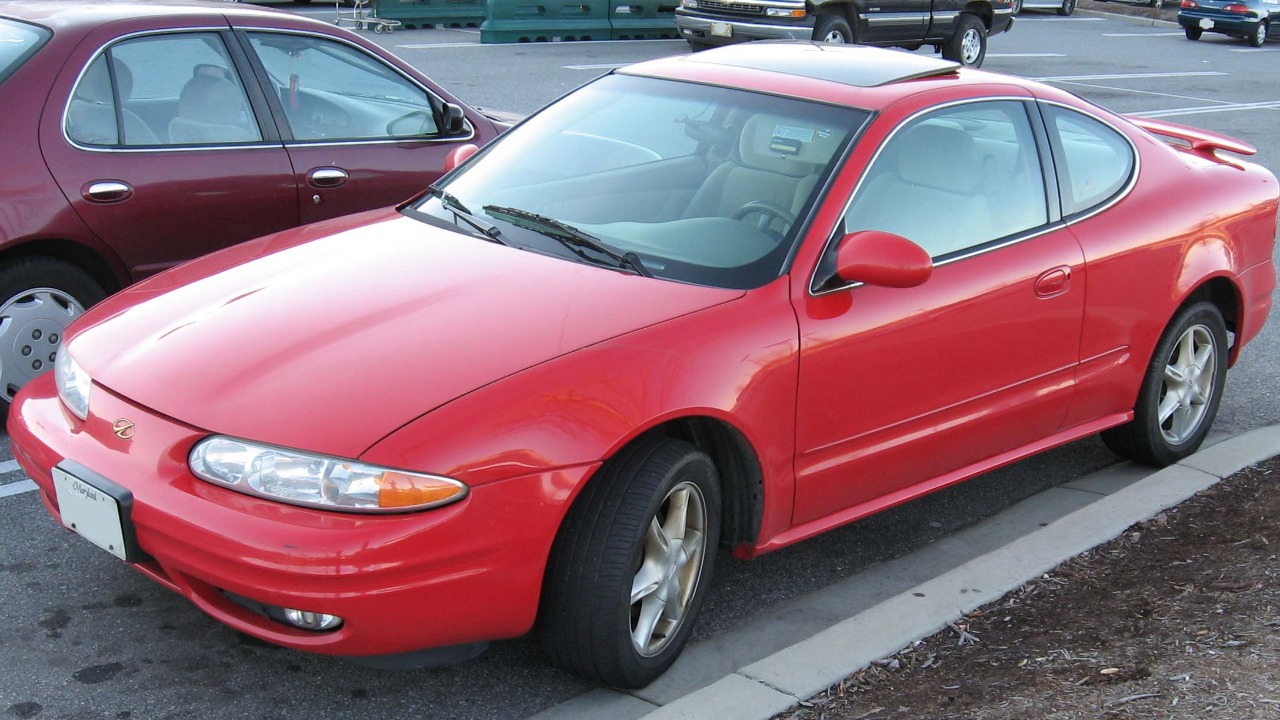
Launched in 1999, the Oldsmobile Alero was a compact car that aimed to attract younger buyers. It featured a sporty design and was available in coupe and sedan versions, appealing to a diverse audience. The Alero came equipped with a selection of engines, including a fuel-efficient four-cylinder option and a more powerful V6, allowing customers to choose based on their performance preferences. Its modern styling and user-friendly features made it a popular choice during its production run.
As a part of the brand’s strategy to capture a younger market, the Alero included various technology features that appealed to tech-savvy consumers, such as an available CD player and keyless entry. Despite facing stiff competition in the compact car segment, the Alero helped to keep Oldsmobile relevant in the changing automotive landscape. The model’s blend of style, performance, and affordability contributed to its success, further showcasing Oldsmobile’s innovative spirit.
Oldsmobile Intrigue (1998)
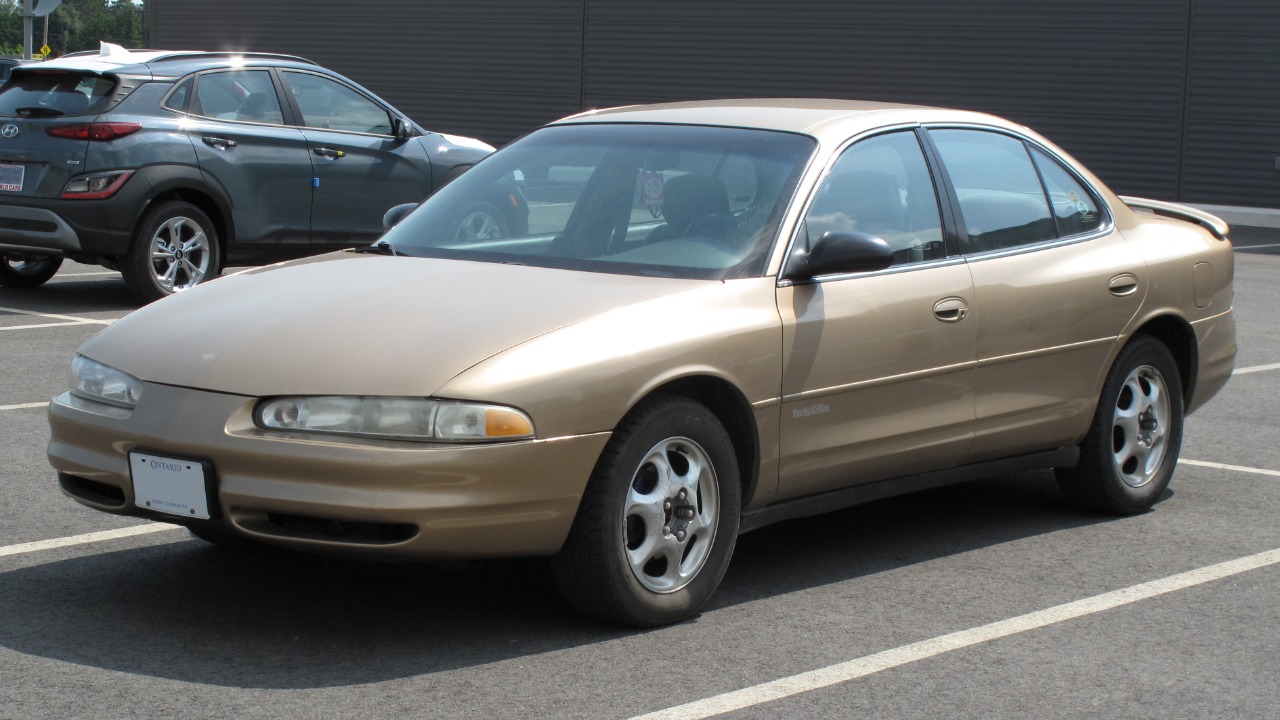
The Oldsmobile Intrigue, introduced in 1998, was designed to fill the gap in the mid-size sedan market. Combining style and functionality, the Intrigue featured a modern design with a spacious interior, making it an appealing choice for families and commuters alike. It was equipped with a robust V6 engine that provided a balance of power and fuel efficiency, making it competitive in its class. The Intrigue also incorporated advanced safety features, emphasizing Oldsmobile’s commitment to driver and passenger safety.
The Intrigue was notable for its innovative use of technology, including an available OnStar system that provided drivers with a range of services, from navigation to emergency assistance. This forward-thinking approach to technology set the Intrigue apart from competitors and showcased Oldsmobile’s dedication to enhancing the driving experience. The Intrigue’s combination of performance, safety, and technology made it a significant player in the automotive market during its production years.
More from Fast Lane Only
- Unboxing the WWII Jeep in a Crate
- 15 rare Chevys collectors are quietly buying
- 10 underrated V8s still worth hunting down
- Police notice this before you even roll window down
*Research for this article included AI assistance, with all final content reviewed by human editors.