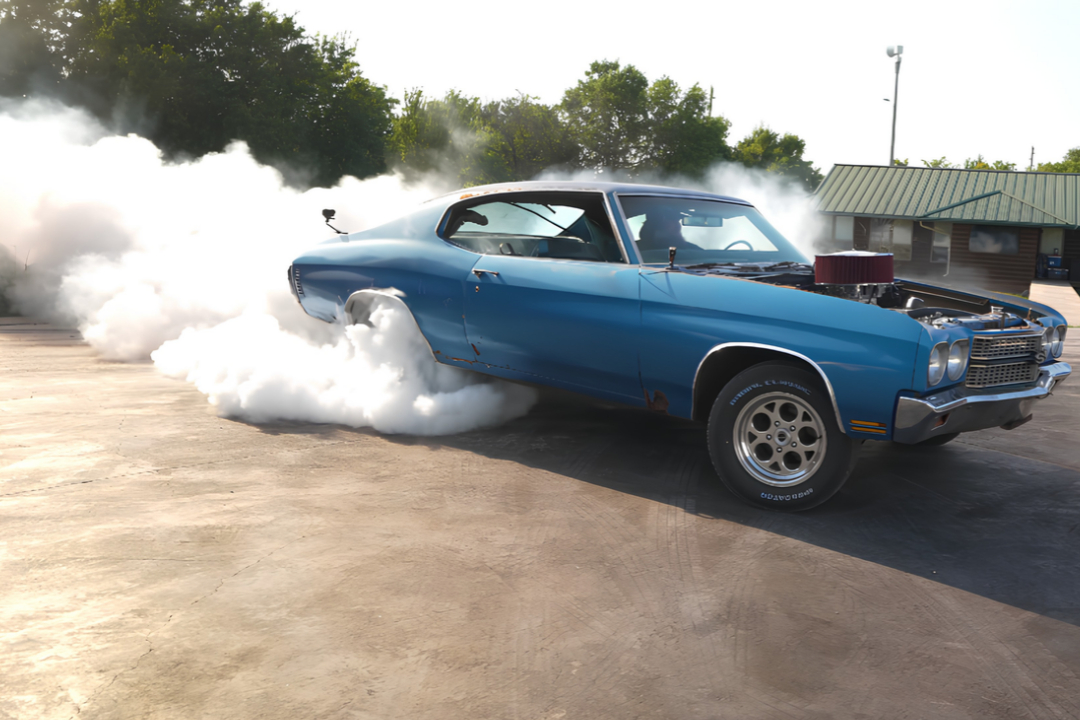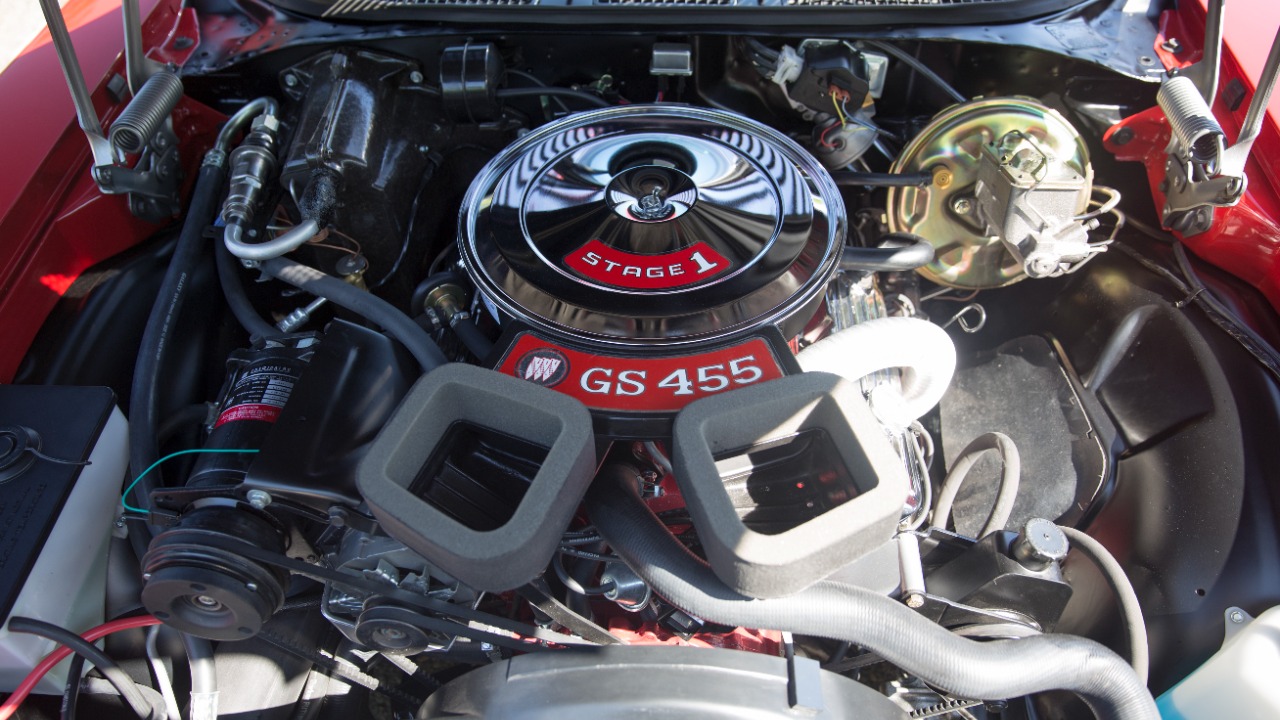
American V8 engines have long been the backbone of automotive performance, delivering power, torque, and an unmistakable roar. From classic muscle cars to modern trucks, these engines have earned respect through their robust designs and remarkable performance on the road and track. Here’s a look at ten iconic American V8 engines that truly made their mark.
Chevrolet Small Block V8
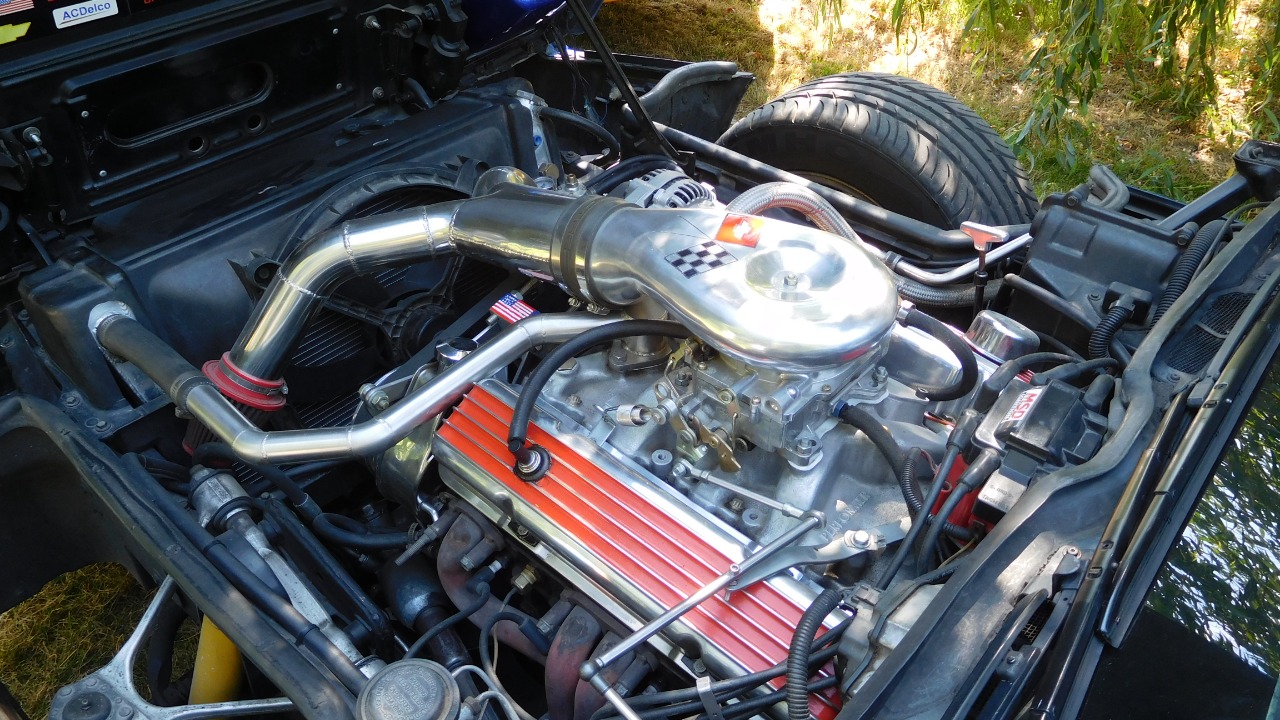
The Chevrolet Small Block V8 is perhaps the most recognizable engine in American automotive history. Introduced in 1955, this engine quickly became a favorite among car enthusiasts and racers alike. With a lightweight design and incredible versatility, it offered various displacements from 265 to 400 cubic inches. Its performance capabilities made it a key player in the muscle car era, powering legends like the Chevy Camaro and the Corvette. Known for its ability to be easily modified, the Small Block remains a staple in hot rod culture today, showcasing its lasting impact on American automotive engineering.
Not only has the Small Block V8 powered countless vehicles, but it has also been a foundation for racing success. Its lightweight construction and high-revving nature allowed it to dominate tracks, making it the go-to choice for both amateur and professional racers. Even today, the legacy of the Small Block continues with the modern iterations like the Gen V, which further enhance its performance and fuel efficiency. For those interested in the technical aspects, detailed engineering insights can be found in publications like SAE Technical Papers.
Ford 302 V8
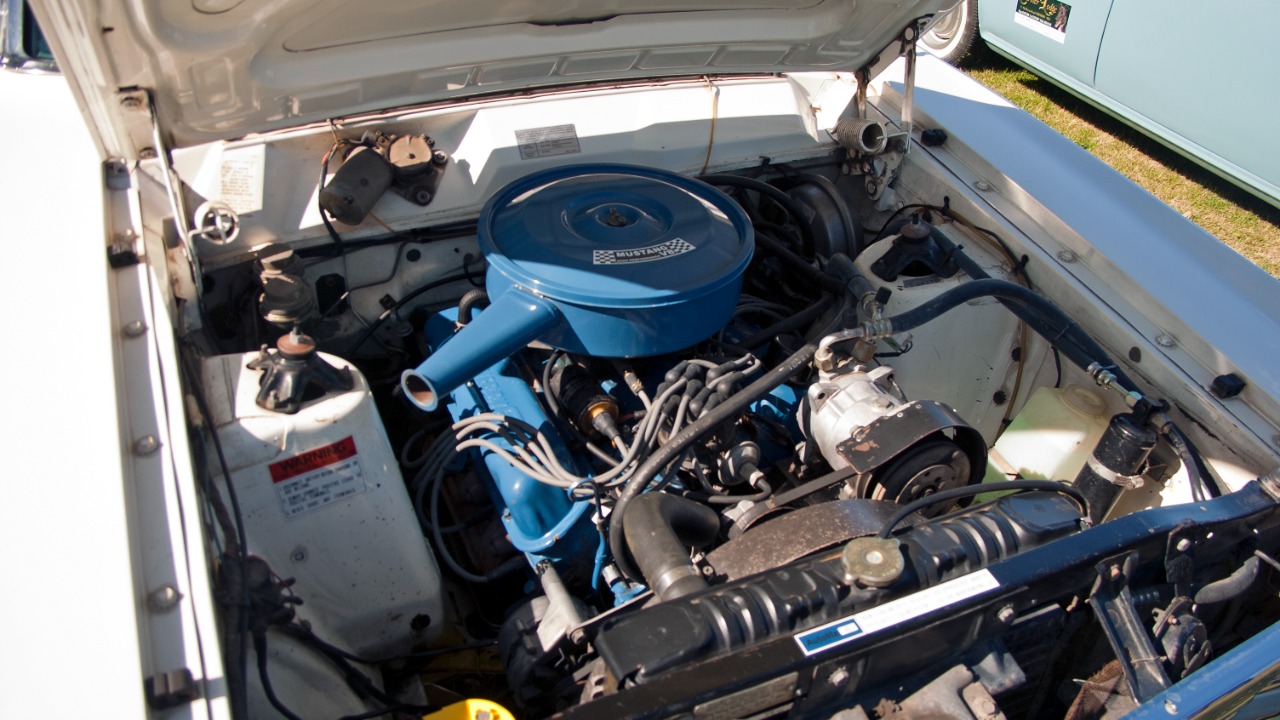
The Ford 302 V8, introduced in 1968, has a storied history that intertwines with Ford’s performance legacy. This engine was a cornerstone for the iconic Mustang, providing a perfect blend of power and reliability. With its compact design, the 302 allowed for better weight distribution, enhancing handling in the Mustang and other vehicles like the Ford Maverick and the Bronco. Its versatility meant it could be tuned for various applications, from daily drivers to high-performance racers.
Known for its durability and ease of modification, the 302 quickly gained a devoted following among car enthusiasts. Many racers turned to this engine for its potential to generate impressive horsepower with relatively simple bolt-on modifications. It became a favorite in the SCCA racing series and remains popular in classic car shows and drag racing circuits. The extensive aftermarket support for the 302 means that enthusiasts can easily find performance parts to upgrade their engines, solidifying its place in the pantheon of American V8s.
Chrysler Hemi 426
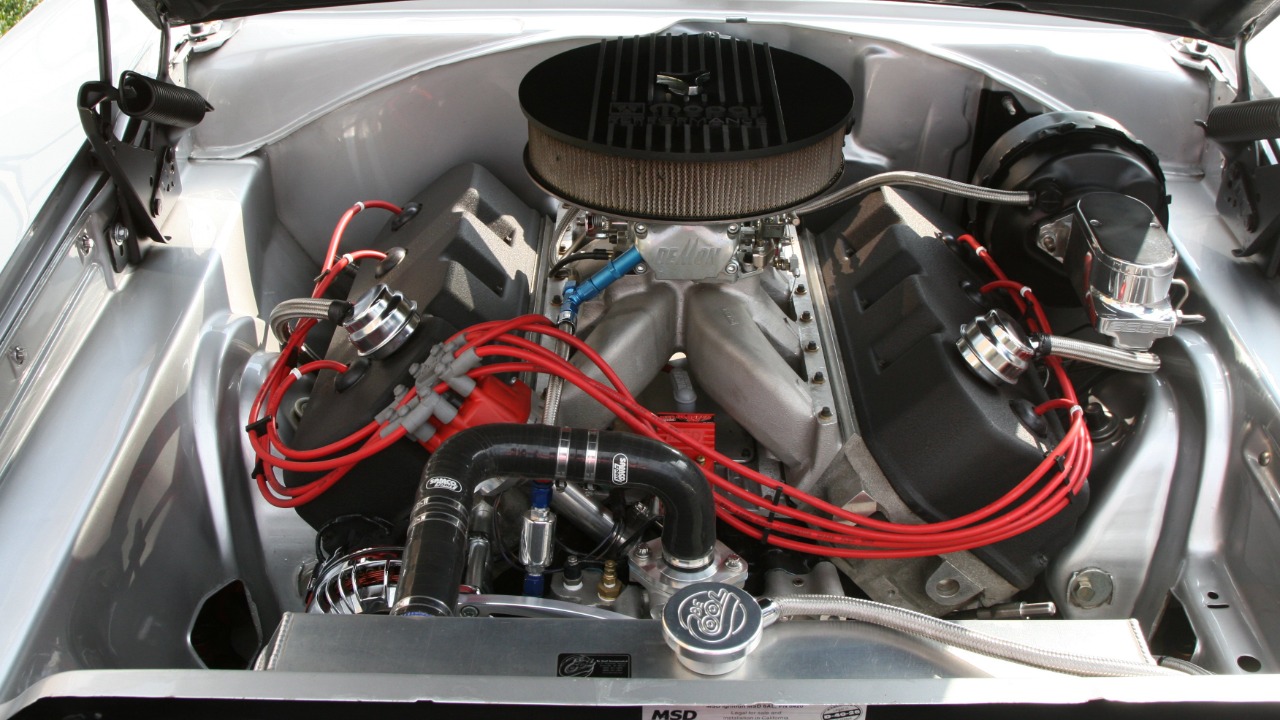
The Chrysler Hemi 426, often referred to simply as the “Hemi,” is one of the most revered engines in the history of American muscle. Launched in the 1960s, this powerhouse was designed for performance, featuring a hemispherical combustion chamber that allowed for better airflow and higher compression. It became synonymous with the muscle car era, powering iconic models like the Dodge Charger and Plymouth Superbird. The Hemi’s reputation for raw power made it a staple in drag racing, where it often dominated the competition.
Its legacy extends beyond just performance; the Hemi became a cultural icon, symbolizing American automotive prowess. Chrysler’s innovative engineering ensured that the 426 Hemi could withstand the rigors of racing while delivering jaw-dropping horsepower. Even today, the Hemi name is synonymous with performance, as Chrysler continues to produce modern iterations that pay homage to the storied past of the original. For a deeper dive into its engineering marvels, I recommend checking out detailed resources like this technical paper.
Dodge 440 V8
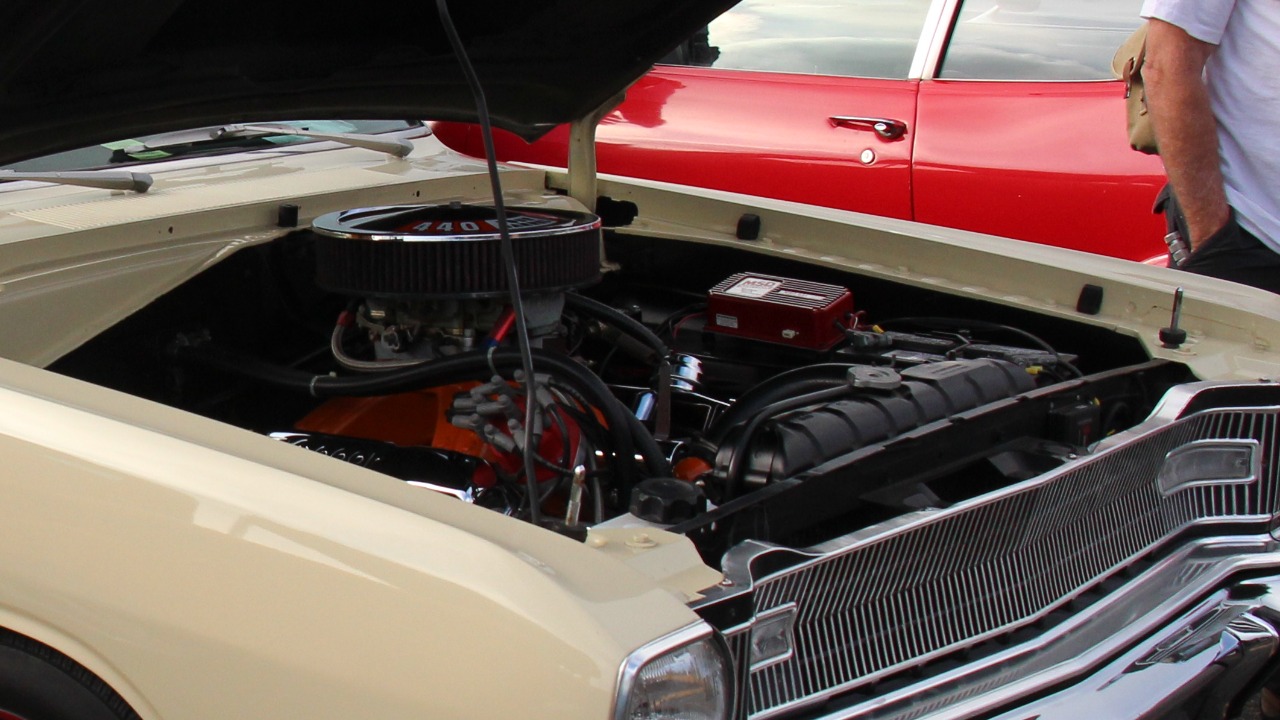
The Dodge 440 V8 is a classic in the realm of American muscle. Introduced in 1966, this engine was known for its exceptional torque and power delivery, making it a favorite among performance enthusiasts. With displacements starting from 375 cubic inches, it powered a range of vehicles, including the Dodge Charger and Plymouth Fury. The 440 was particularly renowned for its ability to produce substantial horsepower, making it a dominant force on both the streets and the drag strip.
What set the 440 apart was its versatility. It could be configured for a variety of applications, from daily drivers to high-performance racers. Enthusiasts loved the sound and feel of the 440, which was often described as an exhilarating driving experience. Today, the Dodge 440 remains a sought-after engine among classic car restorers and muscle car aficionados, showcasing its lasting appeal and respect in the automotive community.
Pontiac 400 V8

The Pontiac 400 V8 is a significant engine in the history of American muscle cars, particularly during the late 1960s and early 1970s. Debuting in 1967, this engine offered a robust combination of displacement and power, making it a popular choice for models like the Pontiac Firebird and GTO. With a reputation for producing ample torque, the 400 was engineered to deliver thrilling acceleration and an engaging driving experience.
Its performance was enhanced by features like a four-barrel carburetor, which allowed for increased airflow and fuel delivery. The Pontiac 400 quickly became a favorite among drag racers, thanks to its ability to sustain high performance under pressure. Even today, it holds a special place in the hearts of classic car enthusiasts, with many vintage models still showcasing this powerhouse. For those interested in the specifics, there are extensive resources available, including books that detail the engineering behind these iconic engines, such as this comprehensive guide.
Buick 455 V8

The Buick 455 V8, introduced in 1970, is an engine that exemplifies raw power and performance. Known for its impressive torque output, the 455 quickly became a favorite among muscle car enthusiasts. It powered vehicles like the Buick Riviera and the Gran Sport, offering a thrilling driving experience with its robust acceleration. The engine’s design featured a large displacement that allowed for high power levels, appealing to those who craved performance.
Despite its relatively short production run, the 455 left a lasting impact on the automotive world. Its reputation for reliability and performance made it a sought-after engine for enthusiasts and collectors alike. The aftermarket support for the Buick 455 ensures that it remains relevant, allowing owners to find parts and upgrades easily. Today, it stands as a testament to Buick’s engineering prowess and continues to be celebrated in automotive circles.
Oldsmobile Rocket 88 V8
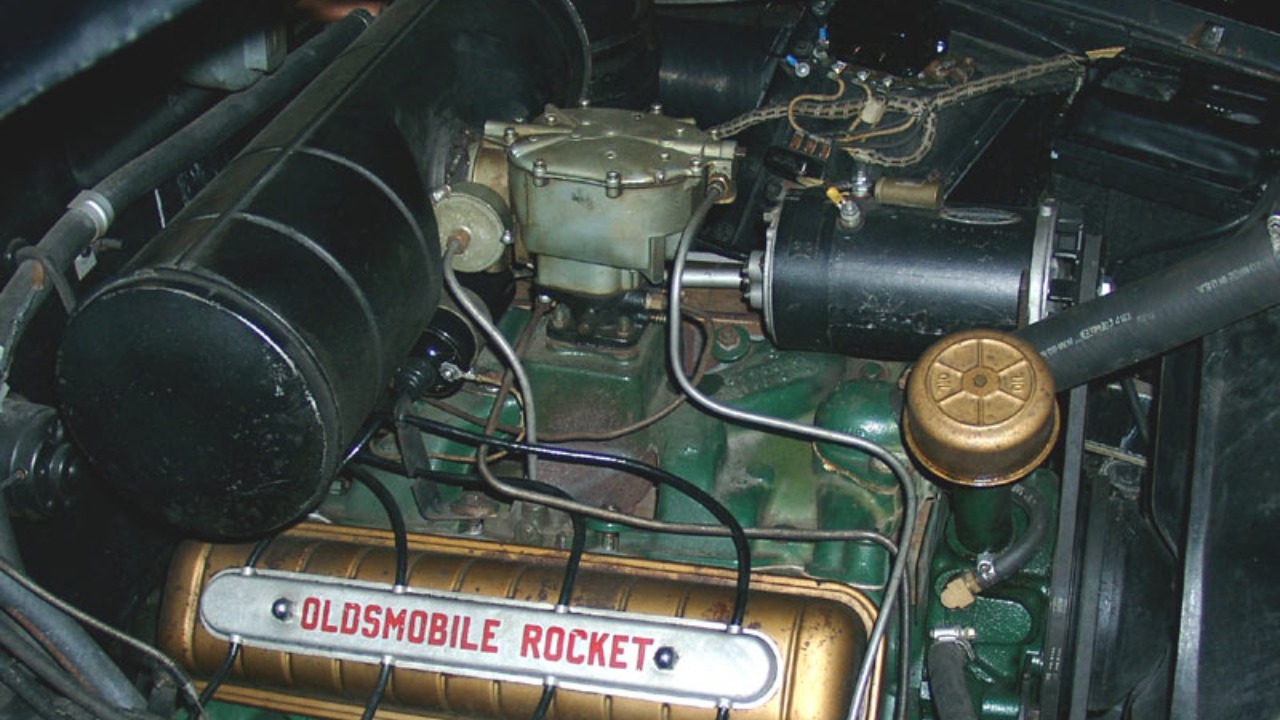
The Oldsmobile Rocket 88 V8 is often credited with kicking off the muscle car era. Launched in 1949, it was one of the first high-compression V8 engines, combining modern technology with powerful performance. The Rocket 88 quickly became known for its agile handling and impressive acceleration, establishing Oldsmobile as a performance brand. With its 303 cubic inch displacement, it powered vehicles like the Oldsmobile 88 and became a favorite among street racers.
Its innovative design and performance capabilities laid the groundwork for future V8 engines, influencing competitors and leading to advancements in engine technology. The Rocket 88’s legacy lives on, as it is often celebrated at vintage car shows and events. Even today, it garners respect from automotive historians and enthusiasts who recognize its significance in shaping the muscle car movement in America.
Lincoln 385 Series V8

The Lincoln 385 Series V8, introduced in 1968, was designed for luxury and performance, making it a standout in the full-sized car market. With displacements ranging from 400 to 460 cubic inches, it powered vehicles like the Lincoln Continental and the Ford Thunderbird, offering a smooth and powerful driving experience. Its design emphasized durability and performance, featuring a robust block that could handle high-stress conditions with ease.
While the 385 Series V8 was primarily known for its use in luxury vehicles, it also found a place in the world of motorsports, particularly in drag racing. Its torque-rich delivery made it a formidable competitor on the strip. Today, the Lincoln 385 Series V8 is appreciated not only for its performance but also for its contribution to the evolution of American luxury cars, showcasing the blend of power and sophistication.
Cadillac 500 V8
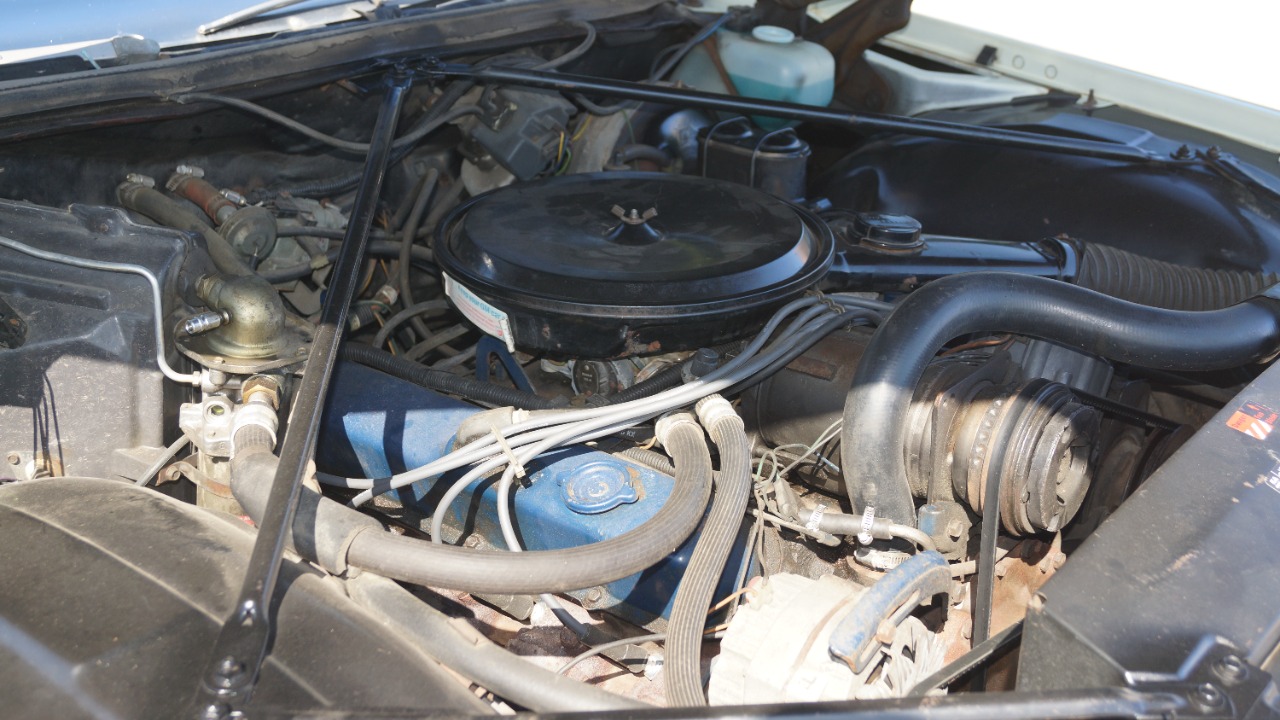
The Cadillac 500 V8, introduced in 1970, is a true testament to American automotive engineering. With a massive 500 cubic inch displacement, it was one of the largest V8 engines ever produced, delivering an astonishing amount of torque and horsepower. This engine powered luxury cars like the Cadillac Eldorado and the DeVille, providing a smooth, powerful ride that epitomized the Cadillac experience.
The 500 V8 was designed with performance in mind, featuring advanced engineering that allowed it to excel in both power and efficiency. Despite its size, it was capable of impressive acceleration, making it a favorite among luxury car enthusiasts. Even after its production ended in the early 1970s, the Cadillac 500 remains a sought-after engine for classic car restorers and performance modifiers, solidifying its place in the pantheon of great American V8 engines.
LS Series V8
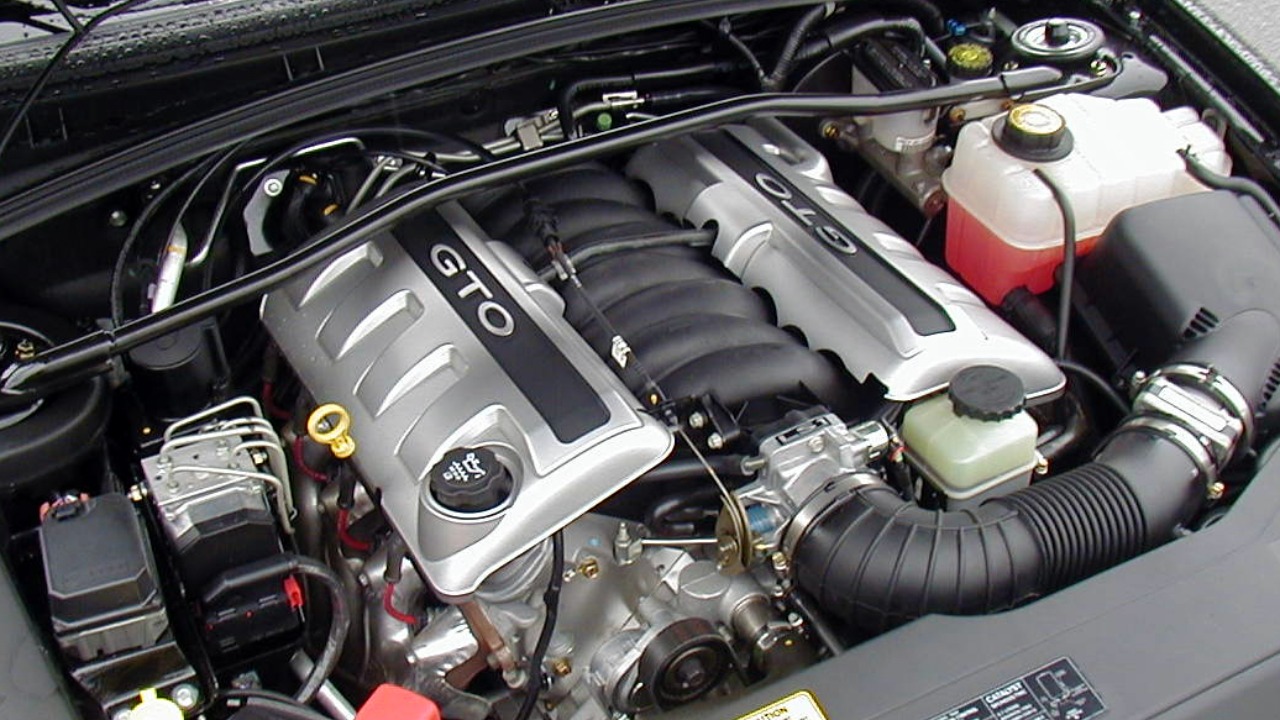
The LS Series V8, introduced in 1997, revolutionized the world of American performance engines. With its lightweight design and modular construction, the LS engine family quickly became a favorite among car enthusiasts and tuners. Its versatility allowed it to be used in a wide range of vehicles, from the Chevrolet Corvette to the Silverado trucks, making it one of the most adaptable V8 engines in history.
The LS Series is renowned for its performance capabilities, offering impressive horsepower and torque across various displacements. The aftermarket support for LS engines is unparalleled, with countless performance parts available, making it a top choice for modifications. The engine’s reliability and ease of swap have made it a popular choice for builders, ensuring that the LS Series will continue to earn respect in the automotive world for years to come. For those looking to dive deeper into its engineering, check out this detailed resource.
More from Fast Lane Only
- Unboxing the WWII Jeep in a Crate
- 15 rare Chevys collectors are quietly buying
- 10 underrated V8s still worth hunting down
- Police notice this before you even roll window down
*Research for this article included AI assistance, with all final content reviewed by human editors.