Before investing in a hybrid vehicle, it’s crucial to ask some key questions to ensure it meets your expectations and needs. With the increasing variety of hybrid models on the market, understanding the differences in performance, cost, and other factors can help make an informed decision. Here are ten questions to consider before purchasing a hybrid vehicle.
What is the fuel efficiency compared to other hybrid models?
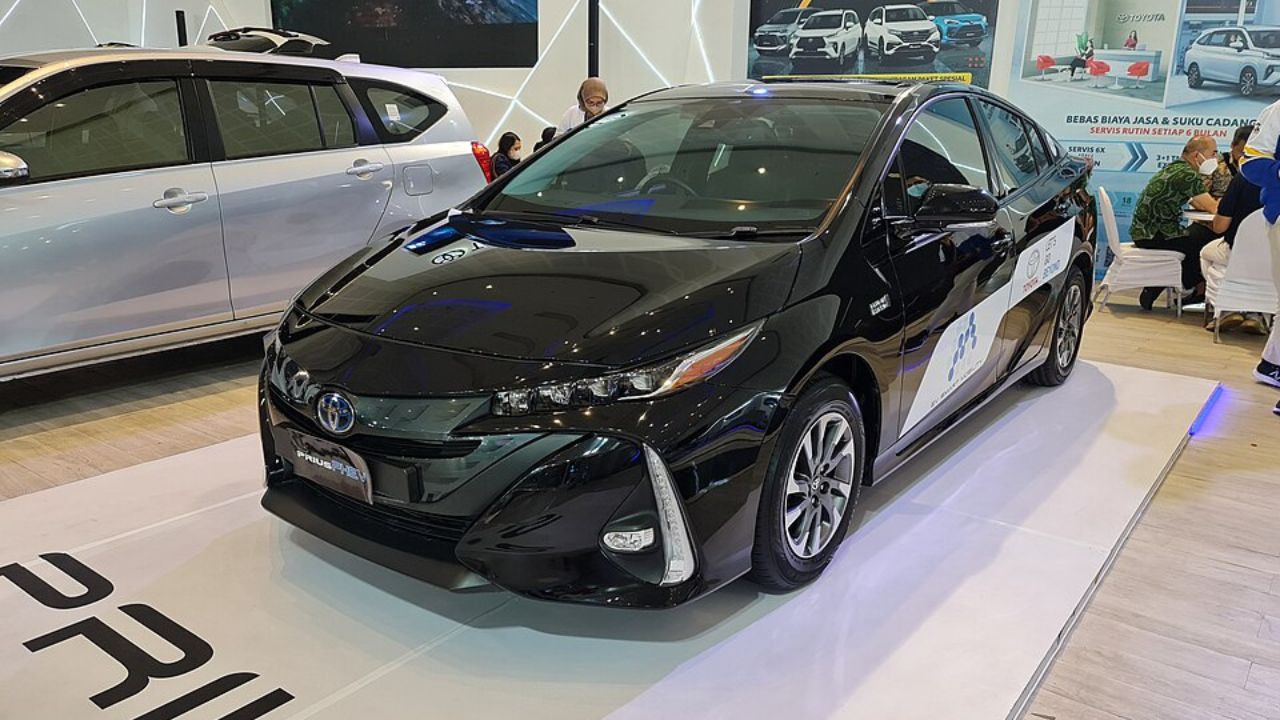
Fuel efficiency is a primary reason many people choose hybrid vehicles. Comparing models like the 2020 Toyota Prius and the 2022 Honda Insight can provide insights into how they stack up against each other. The Prius offers an impressive 56 MPG combined, while the Insight matches closely with 52 MPG. Evaluating these numbers can help determine which model delivers the best value for your driving habits.
It’s also important to consider your typical driving conditions. If you frequently drive in urban areas, a hybrid with a higher city MPG might be more beneficial. Alternatively, if highway driving is more common, focus on highway MPG ratings.
What are the available tax incentives or rebates?
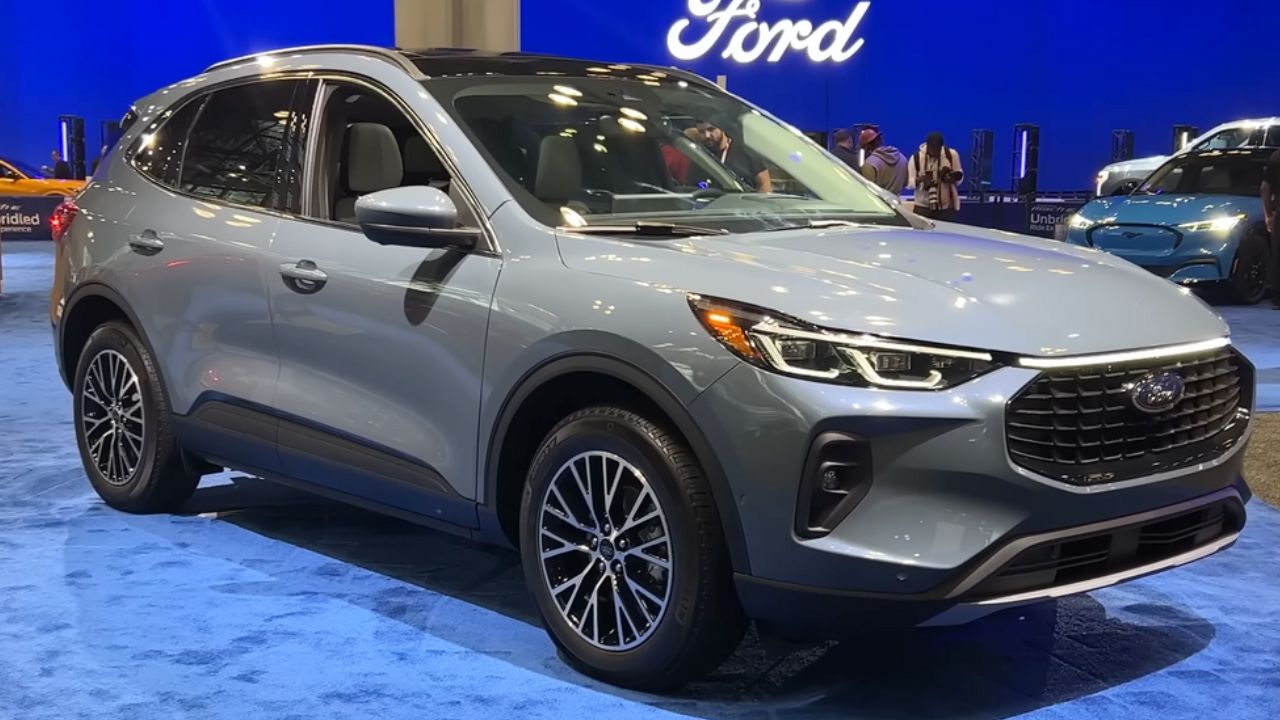
Government incentives can significantly reduce the cost of purchasing a hybrid. For example, the 2023 Ford Escape Hybrid might qualify for federal or state tax credits, which can vary depending on your location and the current incentives available. In some states, you could benefit from a rebate that offsets part of the purchase price.
Researching the incentives available for the specific model and year you’re interested in is essential. Check with local dealerships and government websites to ensure you maximize the financial benefits of transitioning to a hybrid vehicle.
How does the maintenance cost compare to non-hybrid vehicles?
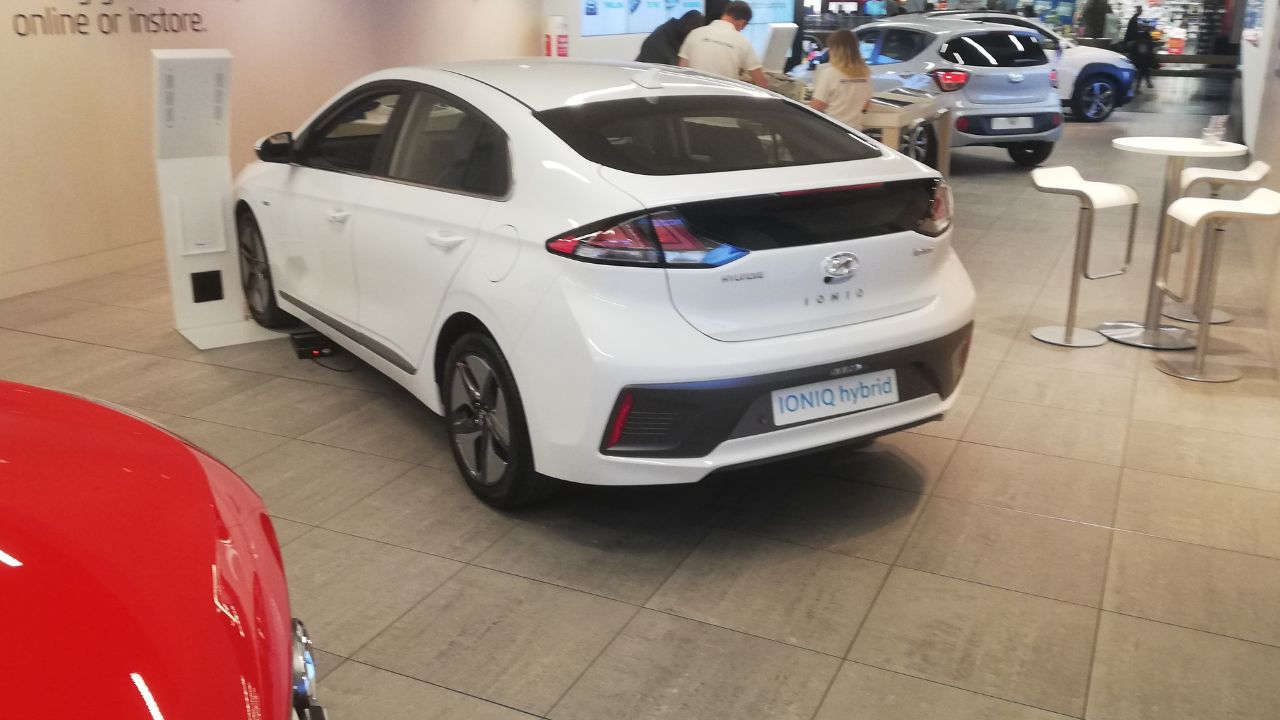
Maintaining a hybrid like the 2019 Hyundai Ioniq may differ from a conventional car. Hybrids often have lower maintenance costs due to less wear on the engine and brakes. For instance, regenerative braking in hybrids reduces brake wear, potentially lowering the frequency of brake replacements.
However, hybrid-specific components such as the battery and electric motor can be costly to repair if they fail. It’s wise to check the warranty coverage and speak with your mechanic to understand the long-term maintenance implications that come with owning a hybrid.
What is the expected lifespan of the battery, and what are the replacement costs?

The battery is a critical component of any hybrid, such as the 2018 Chevrolet Volt. Typically, hybrid batteries last between 8 to 10 years or 100,000 to 150,000 miles, but this can vary based on usage and care. Replacement costs can be substantial, ranging from $2,000 to $8,000.
It’s vital to inquire about the specific warranty coverage for the battery and whether extended warranties are available. This information will provide peace of mind, knowing you’re covered if battery issues arise during your ownership.
Does the vehicle offer regenerative braking?
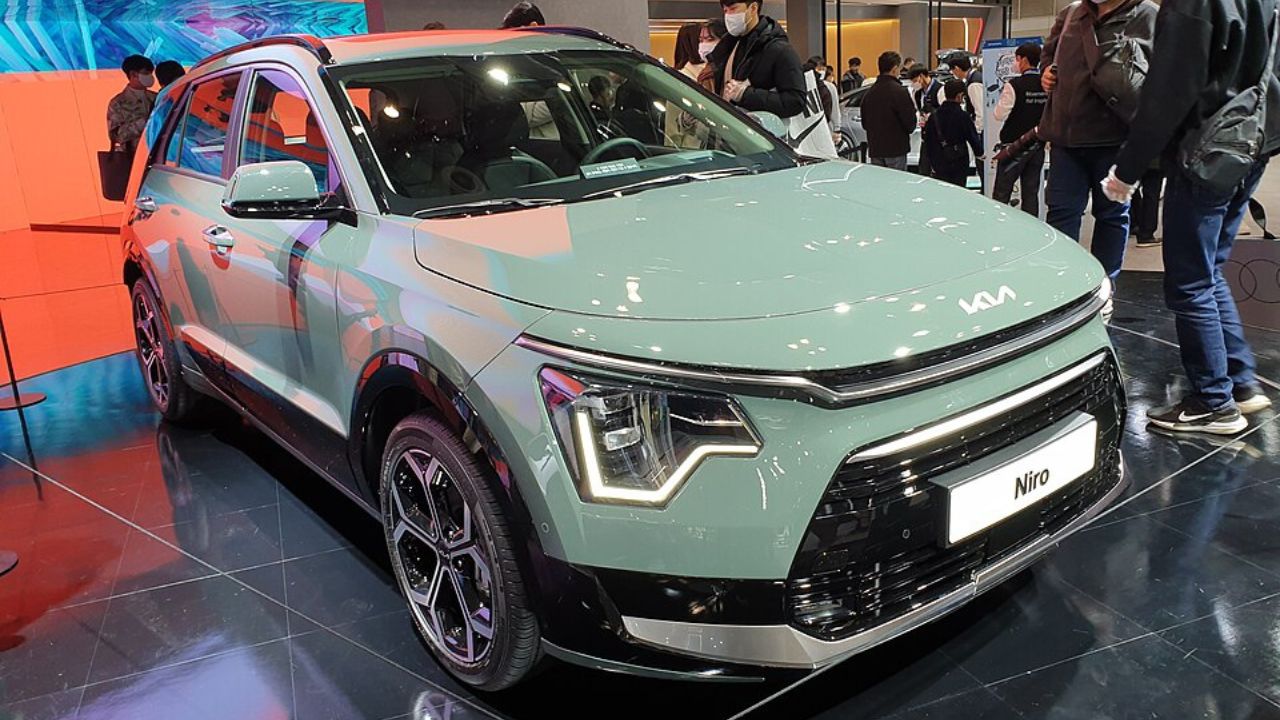
Regenerative braking is a feature that can extend the life of your brakes and improve fuel efficiency. Models like the 2021 Kia Niro come equipped with this technology, capturing energy typically lost during braking and using it to recharge the battery.
If you prioritize eco-friendliness and efficiency, ensuring your prospective purchase includes regenerative braking can be beneficial. This feature not only supports sustainability but can also decrease long-term maintenance costs.
What is the total range on a single charge and a full tank?

Understanding the range is critical for planning longer trips. The 2022 Hyundai Sonata Hybrid, for example, offers a total range of around 686 miles on a full tank and charge. This can provide flexibility and reduce the need for frequent refueling or charging stops.
Consider how the range aligns with your driving patterns. If you regularly embark on long journeys, a hybrid with a more extensive range will minimize inconvenience and enhance your overall driving experience.
How does the vehicle’s performance compare to traditional models?

The performance of hybrids can vary significantly. The 2017 Lexus RX 450h, for instance, delivers a smooth and quiet ride with ample power, comparable to many traditional SUVs. It offers a combined horsepower of 308, showcasing that hybrids can be both efficient and powerful.
When evaluating performance, test drive different models to experience their acceleration, handling, and ride quality. This firsthand experience will help determine if a hybrid meets your expectations for performance and driving pleasure.
Are there any additional insurance considerations for hybrids?

Insurance for hybrids like the 2015 Toyota Camry Hybrid may differ slightly from conventional vehicles. While some insurers offer discounts due to their eco-friendly nature, hybrids can also have higher repair costs, potentially affecting premiums.
It’s advisable to shop around and obtain quotes from multiple insurance providers. Be sure to ask about specific hybrid discounts and compare coverage options to find a policy that offers the best balance of cost and protection.
What charging infrastructure is available in your area?
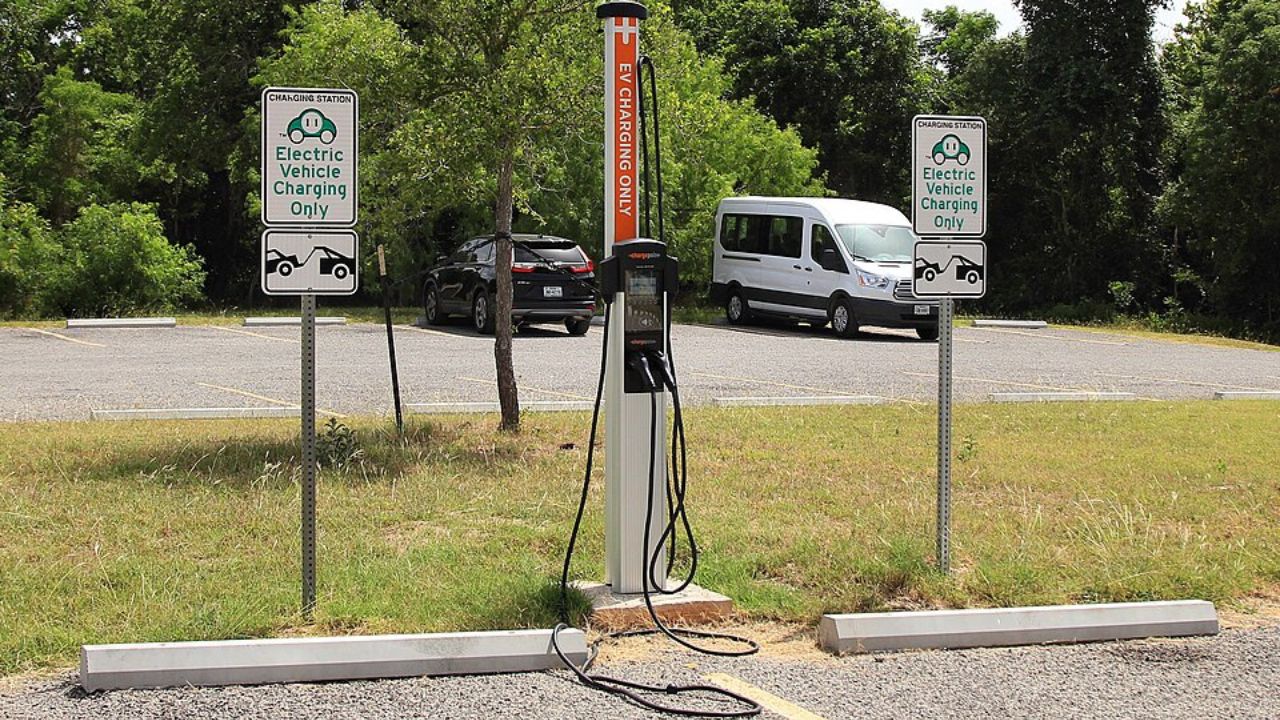
Although hybrids primarily rely on gasoline, plug-in hybrids and extended-range models like the 2024 Mitsubishi Outlander PHEV benefit from charging infrastructure. Access to convenient charging stations can enhance the hybrid experience by maximizing electric-only driving.
Investigate the availability of charging stations near your home, workplace, and regular travel routes. Apps like PlugShare can help locate charging points, making it easier to integrate a hybrid into your daily routine.
How does the resale value hold up over time?

Resale value is an essential consideration for any vehicle purchase. Models like the 2025 Honda CR-V Hybrid have shown promising resale value retention, thanks to their reliability and popularity in the used car market.
Research the historical resale trends for the hybrid models you’re considering. Factors such as brand reputation, demand for hybrids, and technological advancements can all influence how well a hybrid retains its value over time.