As concerns about environmental impact and fuel costs rise, many consumers are considering hybrid vehicles as an alternative to traditional cars. However, deciding whether a hybrid is the right choice involves evaluating various factors, including cost, driving habits, and environmental benefits. This article will explore these aspects to help you determine if a hybrid vehicle suits your lifestyle and needs.
Understanding Hybrid Vehicles
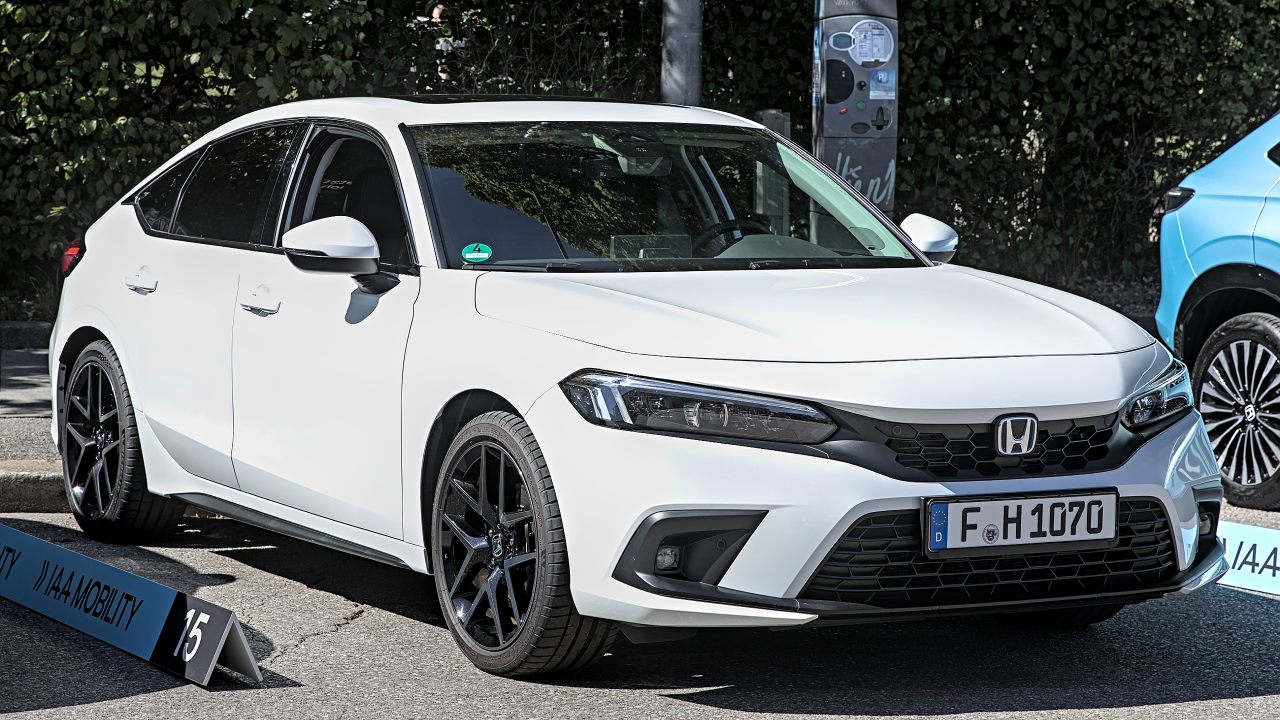
The world of hybrid vehicles can be divided into three main categories: mild hybrids, full hybrids, and plug-in hybrids. Mild hybrids use a small electric motor to assist the internal combustion engine, improving fuel efficiency but not capable of powering the vehicle on electricity alone. The Honda Civic Hybrid is an example of this type. Full hybrids, like the Toyota Prius, can run solely on electric power for short distances, thanks to a larger battery and motor. Plug-in hybrids, such as the Chevrolet Volt, offer a more extended electric-only range that can be recharged by plugging into an external power source.
Understanding how hybrid technology works is key to appreciating its benefits. Hybrid engines combine an internal combustion engine with an electric motor and battery. This dual system allows the vehicle to switch between or combine power sources for optimal efficiency. For instance, during city driving, the electric motor can power the car, reducing fuel consumption and emissions. On highways, the gasoline engine can take over, providing the necessary power for higher speeds.
The benefits of driving a hybrid extend beyond mere fuel efficiency. Reduced emissions are a significant advantage, as hybrids produce fewer greenhouse gases compared to traditional vehicles. Additionally, potential savings on fuel costs can be substantial over time, given the higher miles per gallon typically achieved by hybrids. As fuel prices fluctuate, owning a hybrid might offer financial relief and predictability in operating costs.
Financial Considerations

When considering a hybrid vehicle, the upfront costs can be a significant factor. Typically, hybrids are priced higher than their gasoline-only counterparts. However, the long-term savings on fuel and maintenance can offset this initial investment. For instance, models like the Hyundai Ioniq Hybrid have demonstrated impressive fuel economy, translating to lower fuel expenses over the vehicle’s lifespan.
Potential buyers should also be aware of government incentives and rebates available for hybrid vehicles. In many regions, tax credits can reduce the effective purchase price, making hybrids more competitive with traditional cars. For example, in the United States, federal tax credits for plug-in hybrids can reach up to $7,500, depending on the vehicle’s battery capacity.
Moreover, hybrids often hold their value better than conventional cars, thanks to growing demand and technological advancements. Resale values tend to be higher, as seen with popular models like the Toyota Prius, which consistently rank well in depreciation studies. This factor can further enhance the financial appeal of investing in a hybrid vehicle.
Environmental Impact

The environmental benefits of hybrids are a major draw for eco-conscious consumers. By emitting fewer greenhouse gases, hybrids contribute to a reduction in the overall carbon footprint of personal transportation. Studies have shown that hybrid vehicles can emit up to 35% fewer emissions than similar gasoline-powered cars, making a tangible impact on climate change.
However, the environmental conversation around hybrids isn’t solely positive. The disposal and recycling of hybrid batteries present challenges, as they contain materials that can be harmful if not properly managed. Fortunately, recycling programs and advancements in battery technology are helping mitigate these issues. Companies like Tesla and Toyota are investing in battery recycling initiatives to ensure sustainable disposal methods.
In urban areas, hybrids offer additional environmental benefits by improving air quality. Cities plagued by smog and pollution can experience cleaner air as more drivers switch to hybrid vehicles. The reduction in tailpipe emissions is particularly beneficial in densely populated regions, where air quality is a pressing concern.
Driving Experience and Lifestyle Compatibility
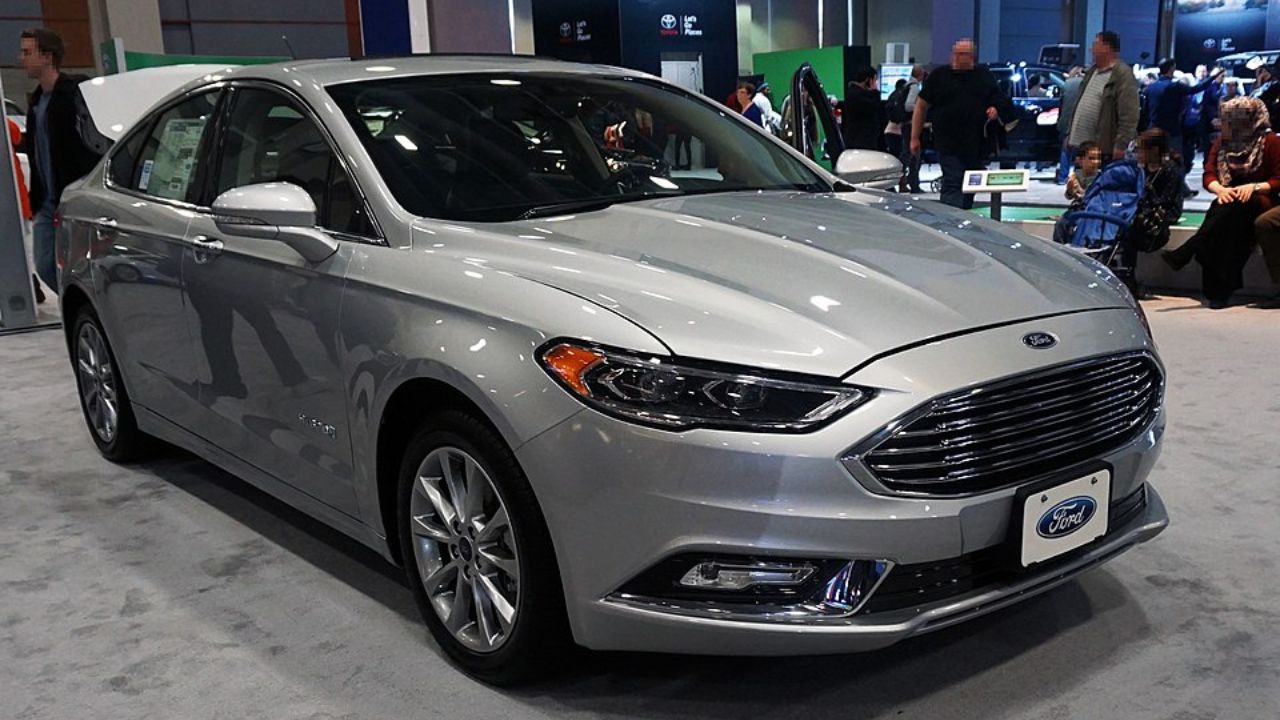
For many consumers, the driving experience is a crucial factor when choosing a vehicle. Hybrids offer a different experience compared to traditional cars, with smooth acceleration and quiet operation when running on electric power. Models like the Ford Fusion Hybrid and Honda Accord Hybrid demonstrate that hybrids can deliver performance without sacrificing efficiency.
The ideal driving conditions for maximizing hybrid efficiency include city driving, where frequent stops and starts allow the electric motor to shine. However, for those who frequently travel long distances, the availability of charging infrastructure for plug-in hybrids should be considered. Although the network of charging stations is expanding, it’s essential to ensure that your travel routes are supported to avoid inconvenience.
Hybrids can also align well with specific lifestyles. For instance, urban dwellers who primarily drive in congested areas and have access to charging stations may find plug-in hybrids particularly advantageous. On the other hand, those living in rural regions might benefit more from full hybrids, which offer versatility without relying on external charging sources.
Future of Hybrid Technology

The future of hybrid technology is bright, with ongoing advancements aimed at enhancing performance and efficiency. Recent developments include improvements in battery technology, such as increased energy density and reduced charging times. Automakers like Toyota and Ford are continuously refining their hybrid models, introducing features like regenerative braking and advanced energy management systems.
As the automotive industry transitions towards fully electric vehicles, hybrids play a pivotal role. They offer a bridge for consumers who are not yet ready to commit to an all-electric car, providing a taste of electric driving without the range anxiety associated with some electric vehicles. Hybrids can serve as a practical step towards sustainable transportation as infrastructure and technology continue to evolve.
Major automakers are making significant commitments to hybrid technology. Brands like Honda and Hyundai have announced plans to expand their hybrid offerings, investing in research and development to create more efficient and affordable models. These commitments ensure that hybrid vehicles remain a viable and attractive option for consumers well into the future.