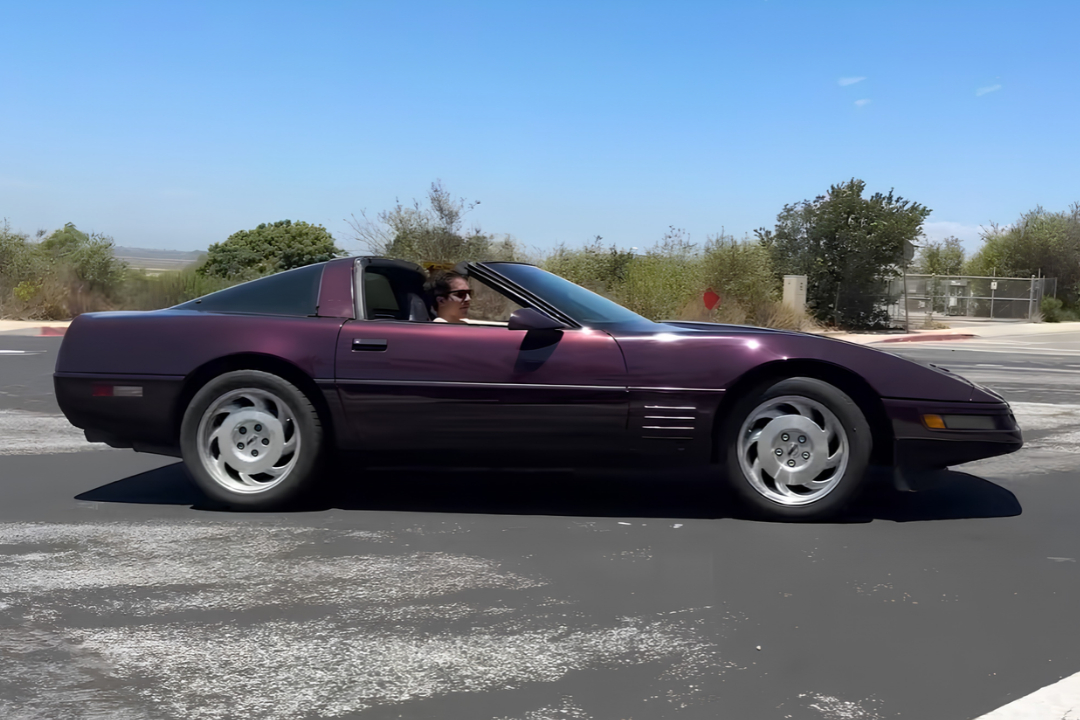
You chase muscle cars for the stories as much as the sheet metal, so rare factory options can matter more than paint or mileage. When you see names like Plymouth Hemi or Ford Mustang GT Bullitt tied to tiny production runs and big auction prices, you feel why collectors call some of these packages “Muscle Car Royalty.” Here are 10 rare muscle car options that you love to hunt, decode and, if you are very lucky, park in your own garage.
1969 Ford Mustang Boss 429
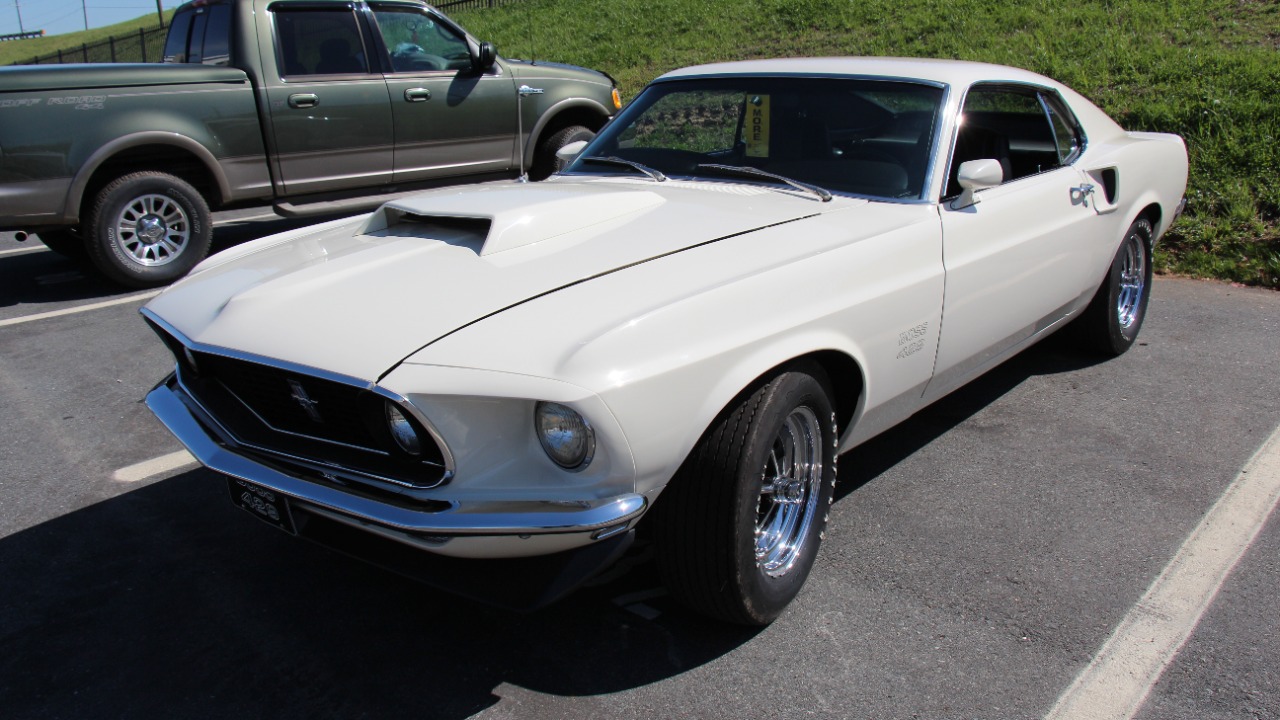
The 1969 Ford Mustang Boss 429 is the textbook example of a rare factory option that turns a familiar shape into a blue-chip collectible. You get a hand fitted 429 cubic inch V8, created so Ford could homologate the engine for NASCAR. One detailed rundown of rare production cars lists the Ford Mustang Boss at just 859 Units, with official Specs quoting 375 horsepower.
Because each car had its engine installed off the regular line, you chase not only performance but craftsmanship. Auction photos on sites such as Bring a Trailer show how original details, from the huge air cleaner to the trunk mounted battery, separate a real Boss from a tribute. As values climb, you see more restamps and fakes, so documentation and period race history become your best tools.
1971 Plymouth Hemi ‘Cuda Convertible
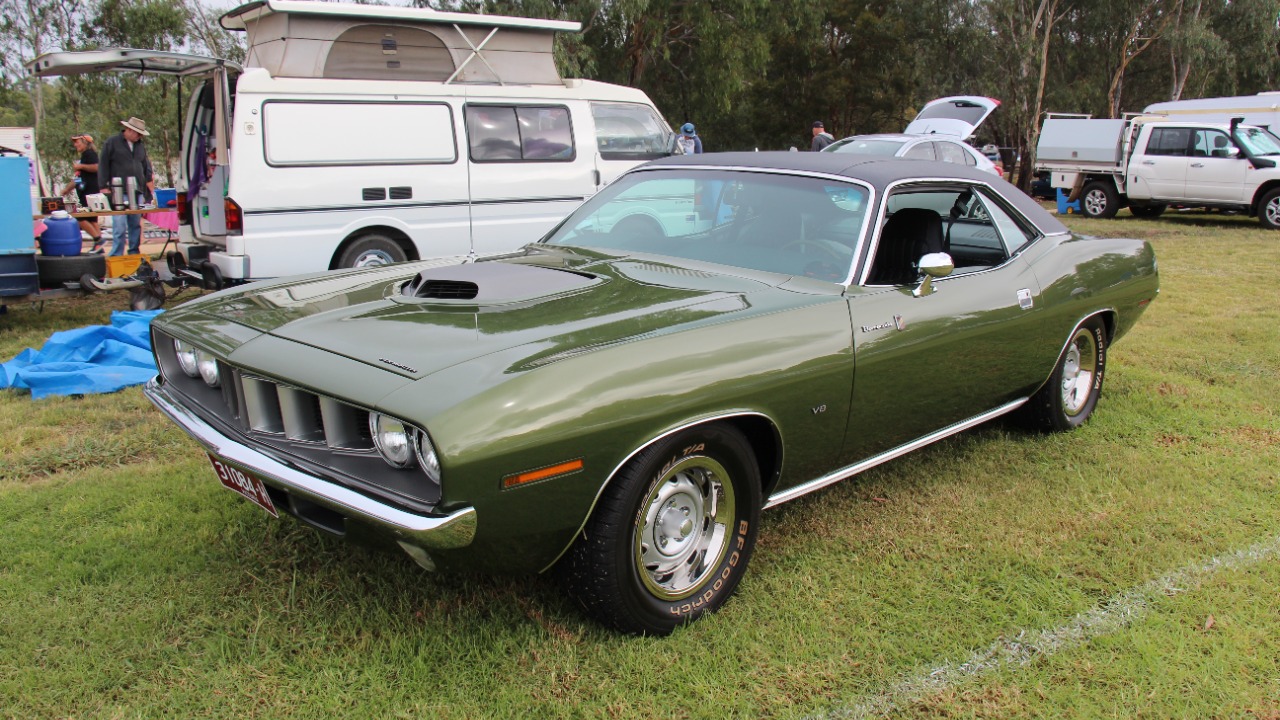
The 1971 Plymouth Hemi ‘Cuda Convertible sits at the top of your wish list because you keep hearing it called the holy grail. A detailed buyer guide explains that the Plymouth Hemi Cuda Convertible is widely regarded as “Muscle Car Royalty,” with only a tiny batch built. One feature on exclusive American performance cars notes that the 1971 Plymouth Hemi Cuda Convertible earned that label thanks to its brutal Hemi power and microscopic production, describing it as Muscle Car Royalty.
Another detailed breakdown of collector favorites adds that the Plymouth Hemi Cuda Convertible is widely regarded as the single most desirable muscle car, with Only a handful of units built for 1971. When you chase one, you are really chasing provenance: original broadcast sheets, matching drivetrains and period paperwork that prove you are looking at one of those few real cars, not a converted hardtop.
1970 Oldsmobile 442 W-30 Convertible

The 1970 Oldsmobile 442 W-30 Convertible gives you a rare option package on top of an already respected nameplate. A feature on ultra scarce muscle machines reports that the Oldsmobile 442 W-30 Convertible had just 96 Built, with period photos showing a white Oldsmobile Cutlass wearing 442 badges at a Mecum Aucti event. That same rundown highlights how the 442 package and the W-30 engine option combined to create one of the most potent Oldsmobile builds of the era.
Because the 442 name itself references the 442 cubic inch performance heritage, you treat every W-30 Convertible as a serious artifact. You look for original red inner fenders, correct air cleaner callouts and factory paperwork that proves the car left the line as a W-30. With so few produced, even small deviations can swing the value dramatically for you and for any future buyer.
1970 Dodge Charger R/T 440
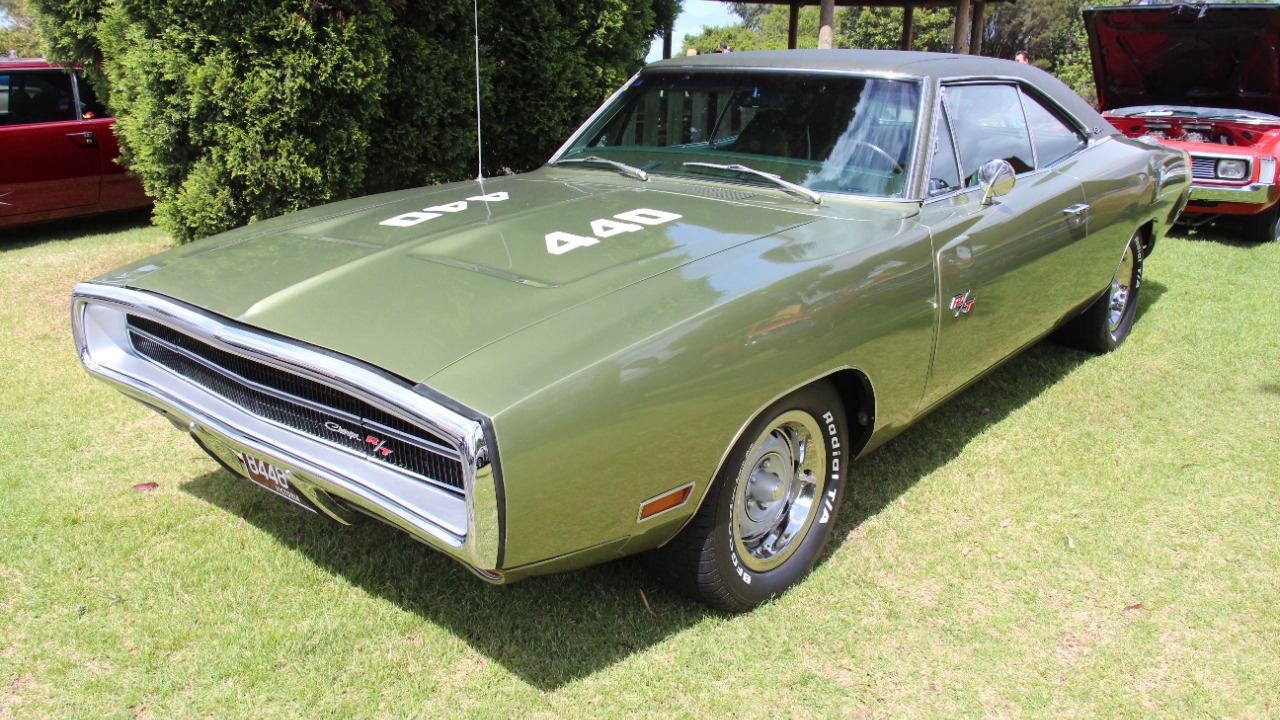
The 1970 Dodge Charger R/T 440 shows how a specific engine option can turn a popular body into a scarce prize. A classic muscle car guide lists the Dodge Charger R/T 440 among the most wanted models, grouping it with icons such as the Plymouth Road Runner and Plymouth Superbird. That same source points out that the 440 cubic inch V8 gave you a near perfect mix of street manners and track ready torque, especially when paired with the R/T suspension and appearance upgrades.
When you shop for a Charger R/T 440 today, you are chasing authenticity in a field full of clones. You check fender tags, look for correct 440 engine stampings and compare interior trim to factory charts. Because collectors have focused heavily on Hemi cars, you sometimes find better value in a documented 440, even though demand for genuine R/T examples keeps rising.
1969 Chevrolet Camaro ZL1
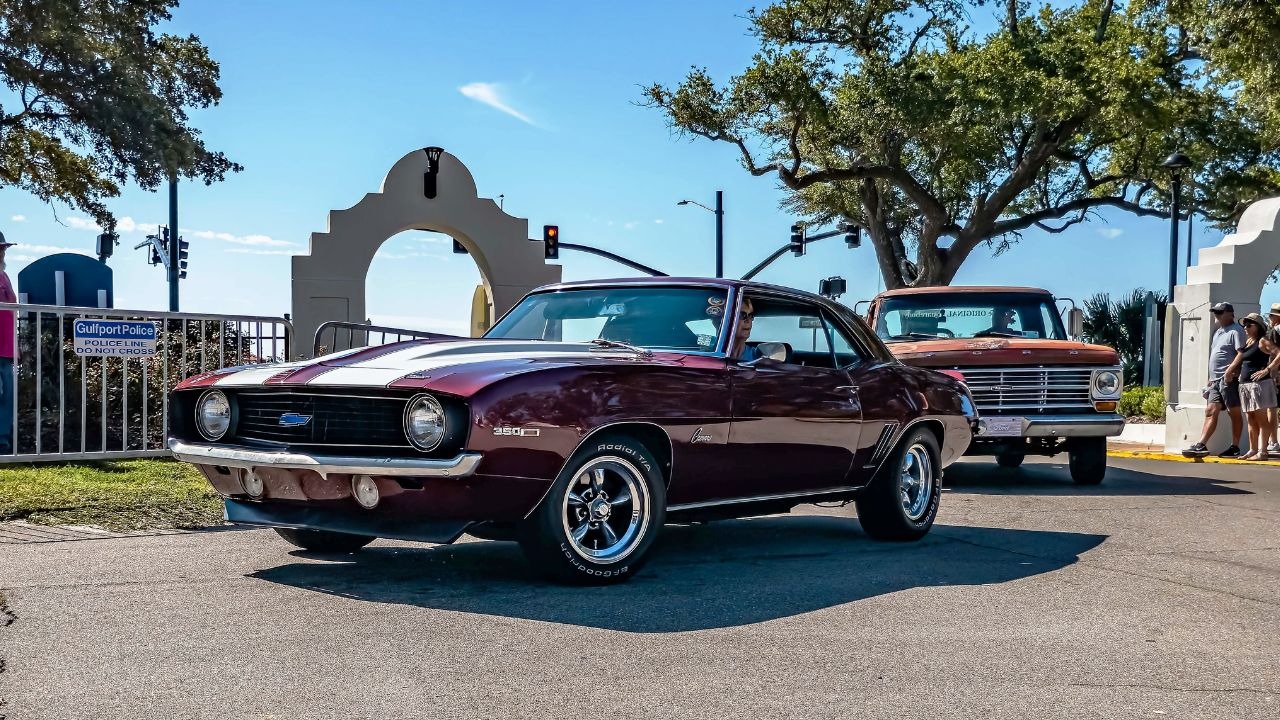
The 1969 Chevrolet Camaro ZL1 option is legendary because it quietly turned a pony car into a factory race piece. A detailed survey of limited production muscle cars explains that the 1969 Chevrolet Camaro ZL1 combined an all aluminum big block with a stripped down spec sheet, and notes that only a tiny run of cars was completed for drag racers. That same breakdown stresses that this was not just another Camaro, since the ZL1 option let you order a car that could outrun almost anything off the line.
When you evaluate a supposed ZL1, you pore over casting numbers, dealer paperwork and racing history. The rarity of the aluminum engine means many cars have had blocks swapped or damaged, which you factor into value. Because the ZL1 package was so expensive when new, surviving examples often have strong documentation, which helps you separate genuine cars from creative restorations.
1970 Buick GSX Stage 1

The 1970 Buick GSX Stage 1 option package proves that luxury and brutal acceleration can share the same badge. A focused look at rare factory muscle cars from General Motors notes that the Buick GSX Stage 1 had a production run of just 678, with period images showing a Yellow Front Angled View Mecum Auctions car that still wears its bold stripes and rear spoiler. That figure instantly tells you why collectors chase original GSX Stage 1 examples so hard.
As a buyer, you pay close attention to factory colors, stripe layouts and interior trim, because the GSX package was more than just the Stage 1 engine. Documentation that ties a specific VIN to the GSX option is critical. With only 678 cars built, even small deviations from stock can affect long term value, especially if you plan to show the car at major events.
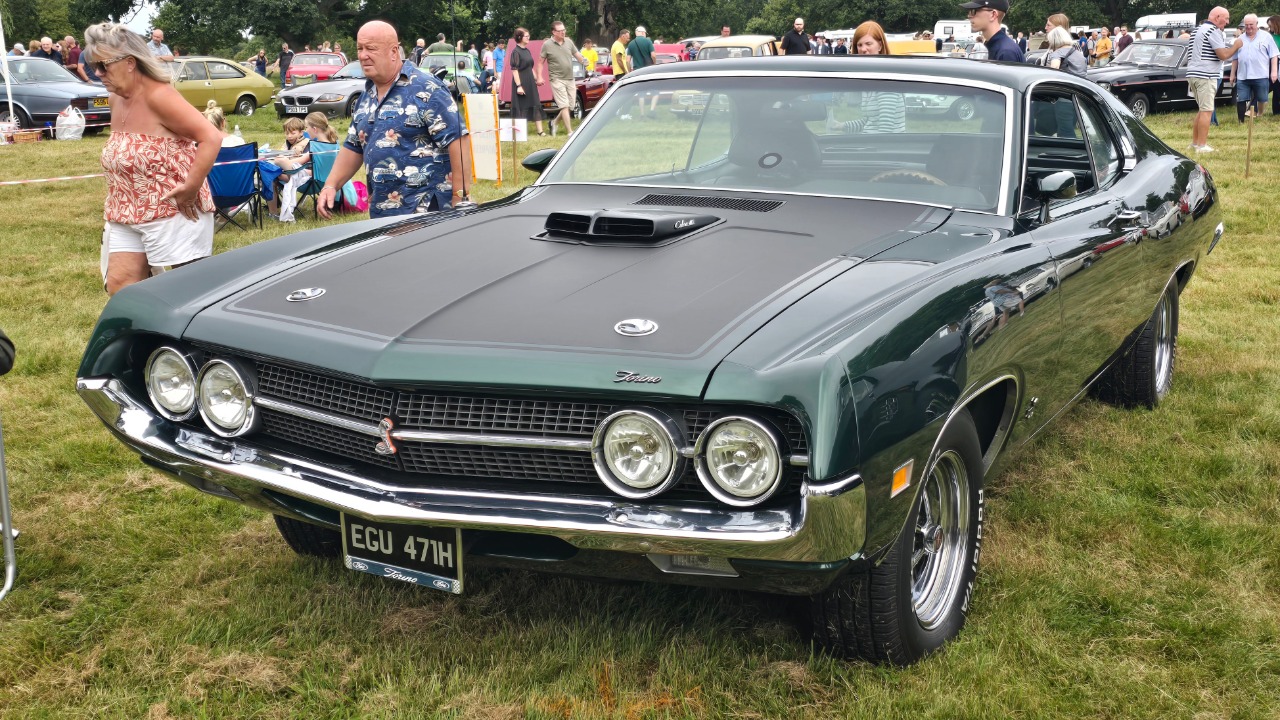
Ford Torino Cobra
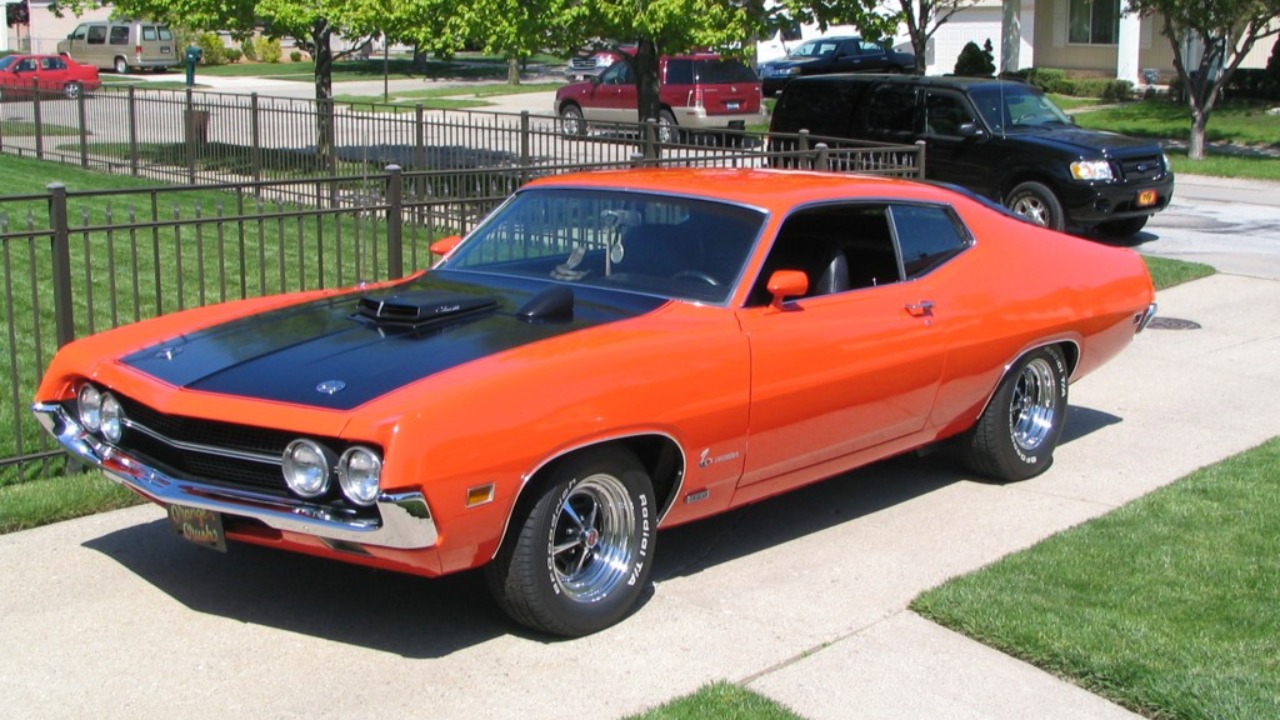
The 1970 Ford Torino Cobra could be equipped with the legendary Cobra Jet engine, giving the big Ford coupe serious straight-line performance. Designed during the peak of the muscle car era, it delivered strong horsepower and torque that allowed it to compete directly with powerful rivals from Chevrolet, Dodge, and Plymouth. Its aggressive styling and wide stance made it a standout on the street.
Collectors value Cobra Jet Torinos for their racing heritage and relatively limited production numbers. Cars with original engines and documentation are especially desirable today. As fewer authentic examples remain, matching-numbers models continue to grow in value among classic muscle car enthusiasts.
1970 Chevrolet Chevelle SS 454 LS6 Convertible
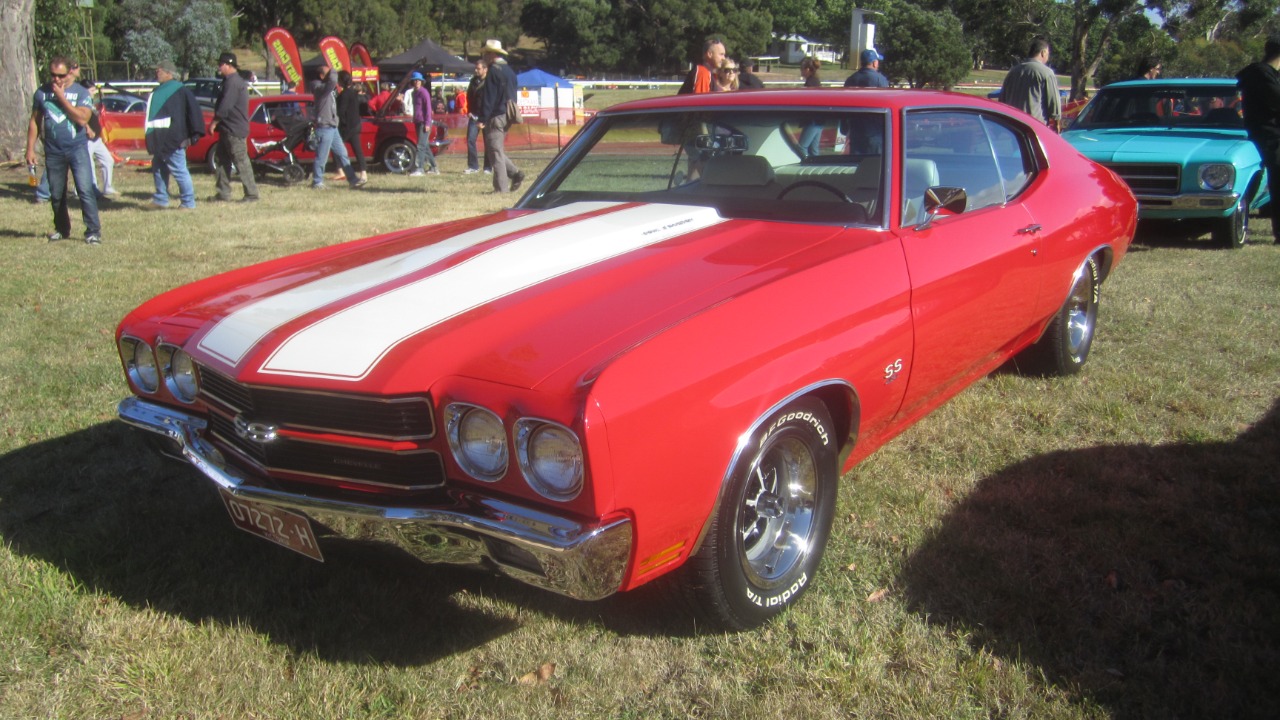
The 1970 Chevrolet Chevelle SS 454 LS6 Convertible option gives you one of the most brutal big block combinations in an open top body. A feature on muscle cars that collectors can barely find reports that the Chevelle SS 454 LS6 Convertible had only 20 Built, which makes you feel like you are winning the muscle car lottery if you ever see one. The LS6 engine itself was already famous for its towering horsepower rating and drag strip performance.
Because only 20 cars left the factory with this pairing, you treat every claimed LS6 Convertible with skepticism. You cross check cowl tags, engine codes and transmission stampings against factory references, and you expect a thick file of documentation. When a car checks out, the combination of rarity and performance makes it one of the most bankable Chevelle options you can own.
1971 Oldsmobile 442 W-30
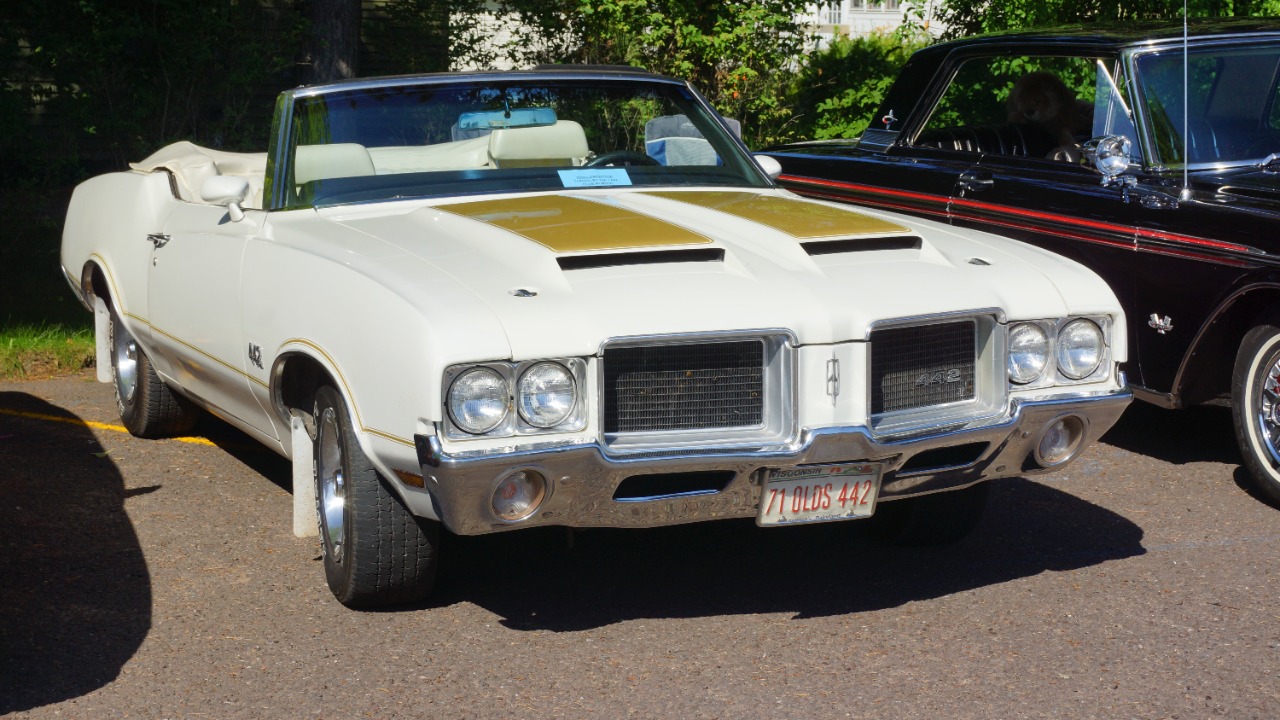
The 1971 Oldsmobile 442 W-30 option shows how a single year and engine code can reshape collector interest. A classic muscle car overview lists the Oldsmobile 442 among the most wanted models and notes that by 1971 the combination of rarity and the 442 performance image had already started to push values. That same guide highlights how the 442 W-30 package gave you serious performance hardware even as insurance and emissions pressures grew.
For you as a buyer, the 1971 model year matters because production dropped and styling changed. You look for correct W-30 intake pieces, exhaust manifolds and differential codes, since many standard 442s have been upgraded over time. With documented cars, you get the satisfaction of owning one of the last high compression Oldsmobile muscle options before regulations reshaped the market.
1970 Plymouth Road Runner 440
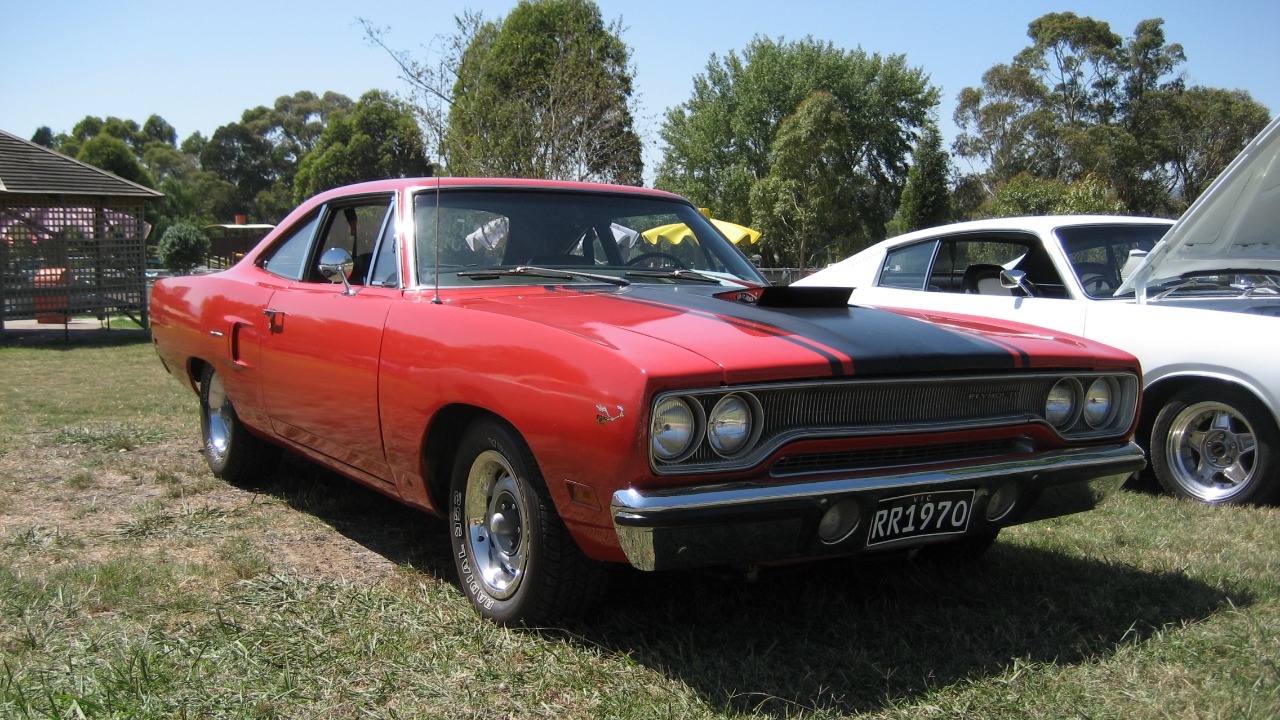
The 1970 Plymouth Road Runner 440 option keeps you close to the roots of budget performance while still giving you serious power. A respected list of classic favorites places the Plymouth Road Runner alongside the Plymouth Superbird and Dodge Charger, and points out that the 440 engine option turned the cartoon badged coupe into a genuine threat at any stoplight. That same overview of Contents for the most wanted cars explains how the 440 package balanced price and performance for buyers.
When you search for a Road Runner 440 today, you are often competing with fans of more exotic aero cars who still respect this simpler package. You check VIN codes, fender tags and engine stampings to confirm that the car really left the factory with a 440. Because values have risen, you also weigh originality against tasteful upgrades, especially if you plan to drive the car regularly instead of keeping it as a static investment.
More from Fast Lane Only