Not every car leaves behind a legacy worth celebrating. Some vehicles hit the market with wild ideas, strange designs, or misplaced intentions—and ended up fading out for good reason. Whether it was awkward styling, underwhelming performance, or just the wrong car at the wrong time, these models left more questions than admiration in their wake.
This list covers 10 strange cars that automakers probably hoped we’d forget. Some were ahead of their time in the worst way, others were just plain confused. Either way, they all missed the mark—and left a weird dent in car history.
1. 2001 Chrysler PT Cruiser
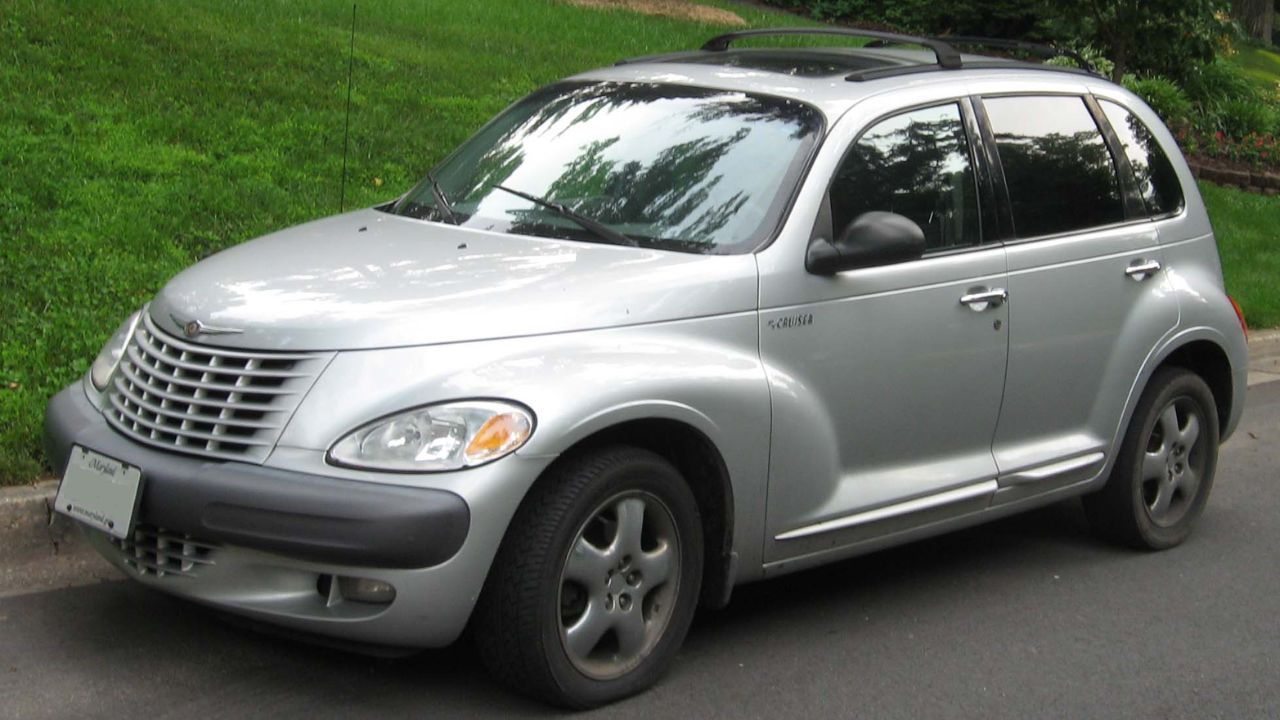
The PT Cruiser might have been a hit when it launched, but hindsight hasn’t done it any favors. With its retro-inspired design and underwhelming 150-hp 2.4-liter inline-four, it felt more like a cartoon version of a car than anything truly stylish or useful.
Despite early sales success, the PT Cruiser quickly felt dated. Its sluggish performance, awkward proportions, and questionable interior finishes make it hard to take seriously today. Chrysler milked the concept for too long, and by the end of its run, the Cruiser felt less retro and more like a relic best left behind.
2. 1975 Bricklin SV-1

The Bricklin SV-1 promised a lot—gullwing doors, safety features, and sports car performance. What it delivered was a heavy fiberglass-bodied coupe with a clunky interior and quality control issues from day one.
It came with either an AMC 360 V8 or a Ford 351W, but even the V8s couldn’t overcome the SV-1’s 3,500-pound curb weight. Poor build quality, frequent electrical gremlins, and a folding Canadian auto industry around it ensured the SV-1 would vanish as quickly as it appeared. Today, it’s remembered more for its gullwings than anything it did well.
3. 1995 Suzuki X-90
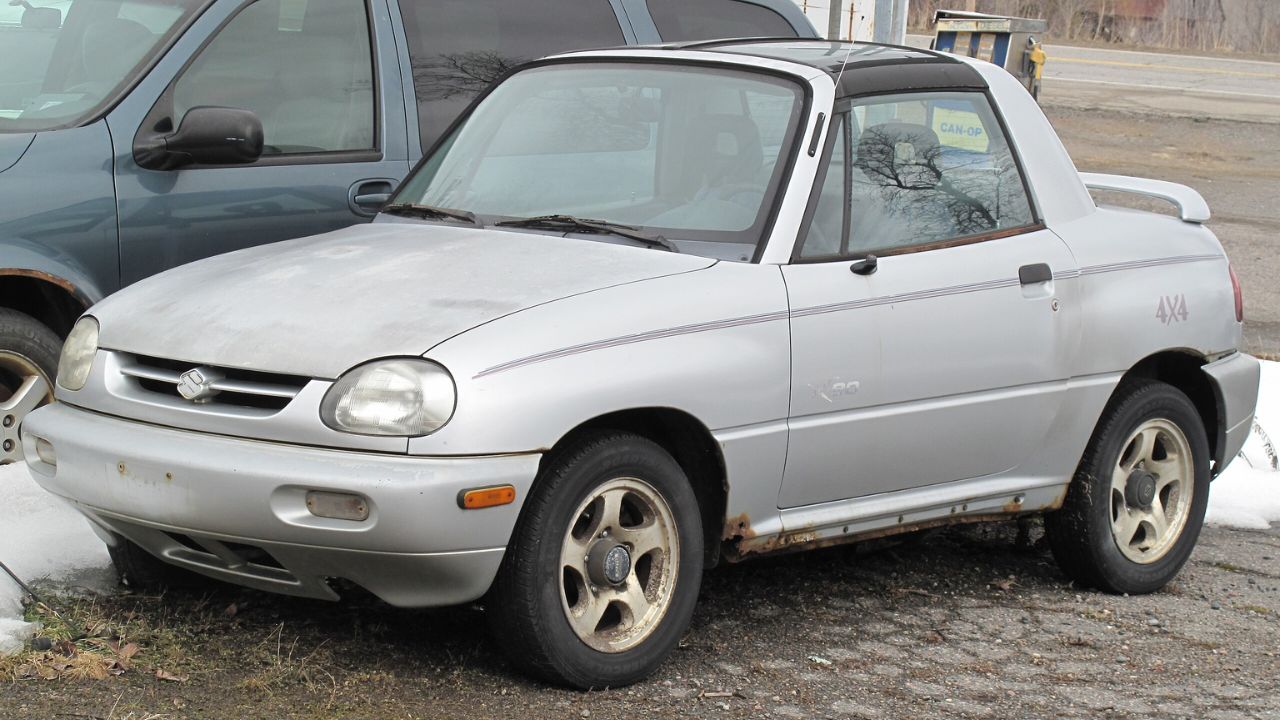
Is it a sports coupe? Is it an SUV? No one really knows, and that’s the main problem with the Suzuki X-90. This two-door, two-seat micro-SUV was powered by a 95-hp 1.6-liter inline-four and looked like it couldn’t decide what it wanted to be.
Built on the Vitara platform, the X-90 had available 4WD, removable T-tops, and a trunk barely large enough for a duffel bag. It didn’t handle well, didn’t ride well, and didn’t offer much utility. Unsurprisingly, it flopped hard in the U.S., and Suzuki pulled the plug after just two years.
4. 2004 Chevrolet SSR

The SSR looked wild but underdelivered in nearly every way. Chevy sold it as a retro-styled convertible pickup, but it weighed over 4,700 pounds and had a power-retractable hardtop that felt more like engineering theater than necessity.
The early models came with a 5.3-liter V8 making just 300 horsepower—barely enough to get out of its own way. Later versions got the LS2 from the Corvette, but the damage was done. Strange proportions, high prices, and unclear purpose have kept the SSR in the “what were they thinking?” category ever since.
5. 1981 Cadillac Cimarron
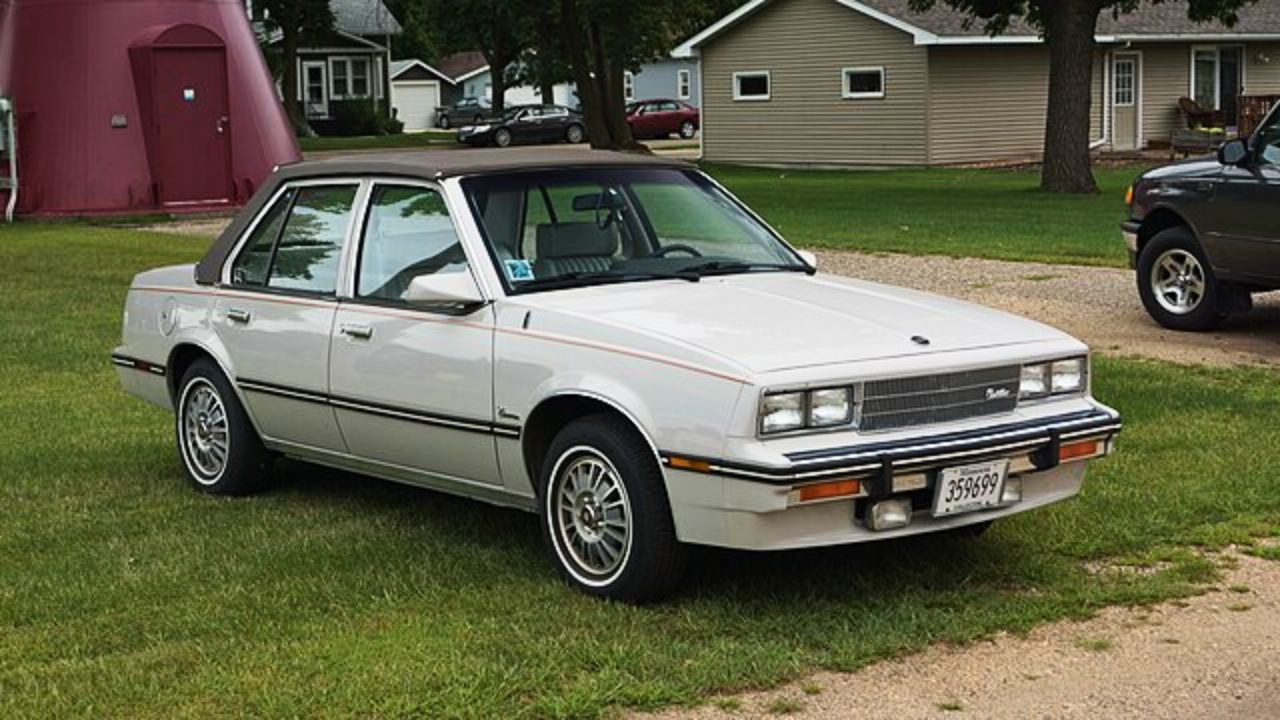
Cadillac’s answer to the European sport sedan craze was, somehow, a rebadged Chevy Cavalier with leather seats. The Cimarron launched with a 1.8-liter inline-four making 88 horsepower. For a Cadillac.
Cadillac rushed it to market without major upgrades, which meant badge snobs and GM loyalists alike were unimpressed. Even after upgrades to a V6 and better interior options, the Cimarron never shook its reputation. It’s often cited as a textbook example of brand mismanagement—and it deserves every bit of that criticism.
6. 2002 Isuzu Axiom

The Axiom tried to be futuristic, but it came off like a failed prototype. Isuzu marketed it as a bold design departure from boxy SUVs of the time, but the awkward angles and plastic-heavy interior kept buyers away.
Under the hood was a 3.5-liter V6 with 230 horsepower, but drivetrain reliability and oddball styling made it a tough sell in a crowded SUV market. Isuzu’s U.S. presence was already slipping, and the Axiom’s flop didn’t help. By 2004, it was gone—and barely anyone noticed.
7. 1989 Ford Probe

Ford envisioned the Probe as a Mustang replacement, but the backlash was swift. Built in partnership with Mazda, the front-wheel-drive coupe never lived up to the Mustang name—or expectations.
It came with a 2.2-liter four-cylinder or, in GT trim, a 2.2-liter turbo making 145 horsepower. While not slow for the time, it felt disconnected and lacked the visceral experience buyers expected. The Probe never quite found its identity and is mostly remembered now as a curious misstep in Ford’s history.
8. 1998 Fiat Multipla
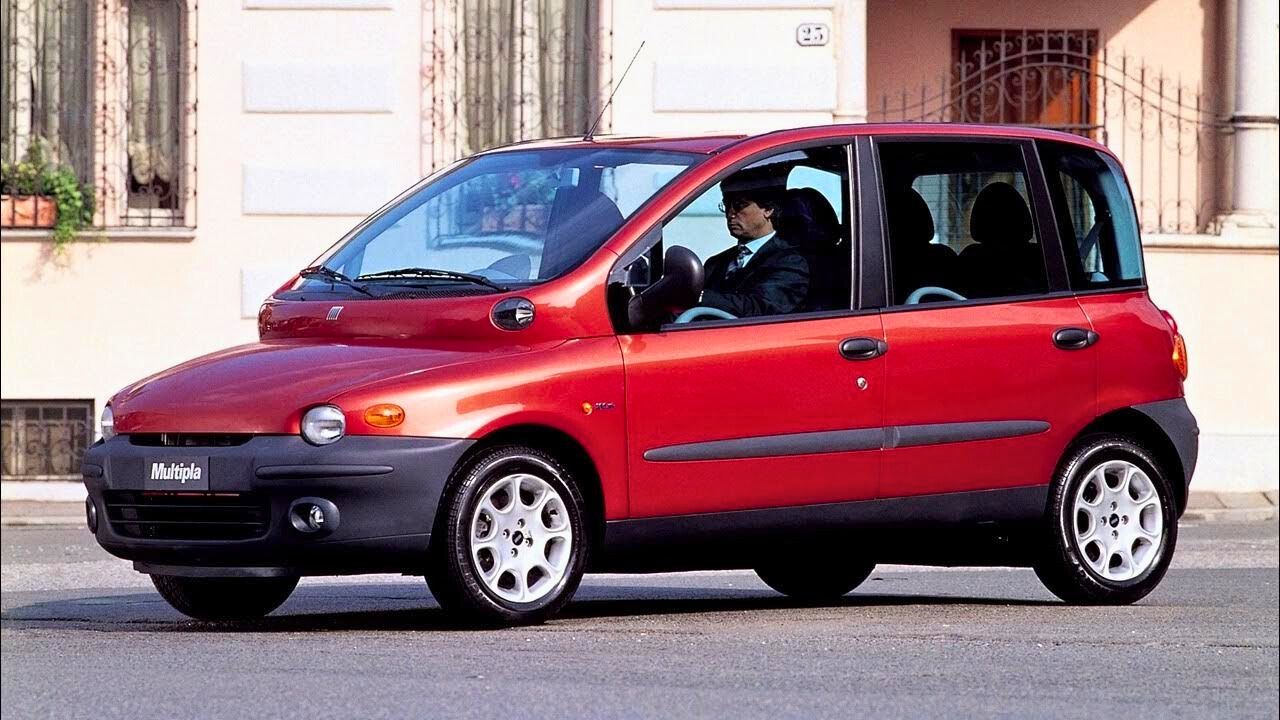
Even in Europe, where small MPVs are normal, the Fiat Multipla’s design raised eyebrows. With a wide stance, bug-eye headlights, and slabby roofline, it looked more like a design sketch someone forgot to finish.
What’s worse is that it actually functioned well—offering six adult-size seats in two rows of three. But its usefulness was always overshadowed by how strange it looked. Despite a cult following today, it’s still hard to take the Multipla seriously. Fiat eventually redesigned it to be more normal—but by then, the damage was done.
9. 1974 Volkswagen Thing

Originally a military utility vehicle, the Volkswagen Type 181—sold in the U.S. as the Thing—wasn’t built for looks or comfort. It had flat sheet metal panels, removable doors, and a folding windshield, which made it feel more like a prop from MASH* than a modern car.
Its 1.6-liter flat-four made around 46 horsepower, and top speed hovered around 68 mph. While quirky, the Thing didn’t make sense as a daily driver, and sales dried up after just a couple of years. Now, it’s more of a curiosity at car shows than a vehicle anyone misses.
10. 2001 Renault Avantime

The Renault Avantime was a mashup of a minivan and a luxury coupe—and not in a good way. Built on the Espace platform, it offered two massive doors, no B-pillars, and a panoramic roof. It was as impractical as it was heavy.
Under the hood, it packed a 3.0-liter V6 producing 207 horsepower, but poor handling, sluggish acceleration, and a high price kept buyers away. Renault pulled the plug after just two years and around 8,500 units. Today, it’s remembered less for its bold ideas and more for how badly they flopped in execution.
Like Fast Lane Only’s content? Be sure to follow us.
Here’s more from us:
*Created with AI assistance and editor review.