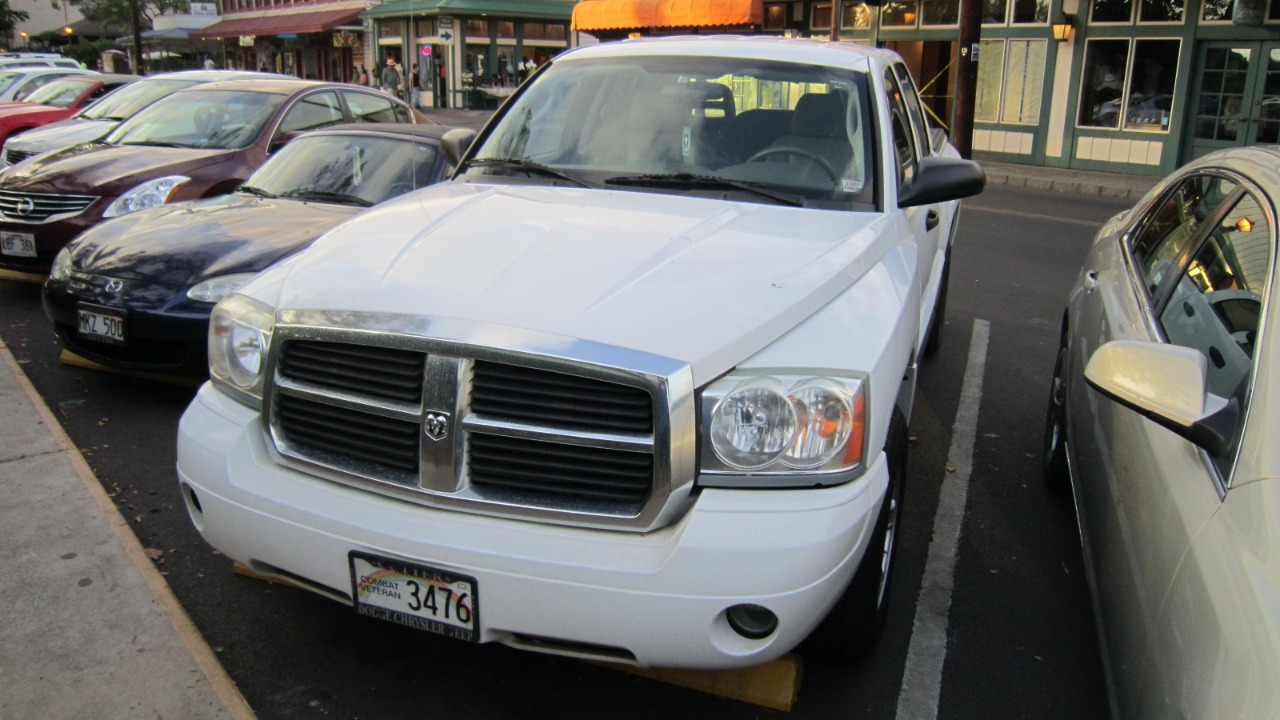
Not every truck becomes a success story overnight. Some spend years overlooked by buyers, overshadowed by competitors, or underestimated because they lack flashy specifications. As time passes, however, owners often discover qualities that were easy to miss when the trucks were new. Through reliability, durability, practicality, and real-world capability, these pickups gradually earned respect and built stronger reputations than many people initially expected.
Chevrolet Colorado (First Generation)
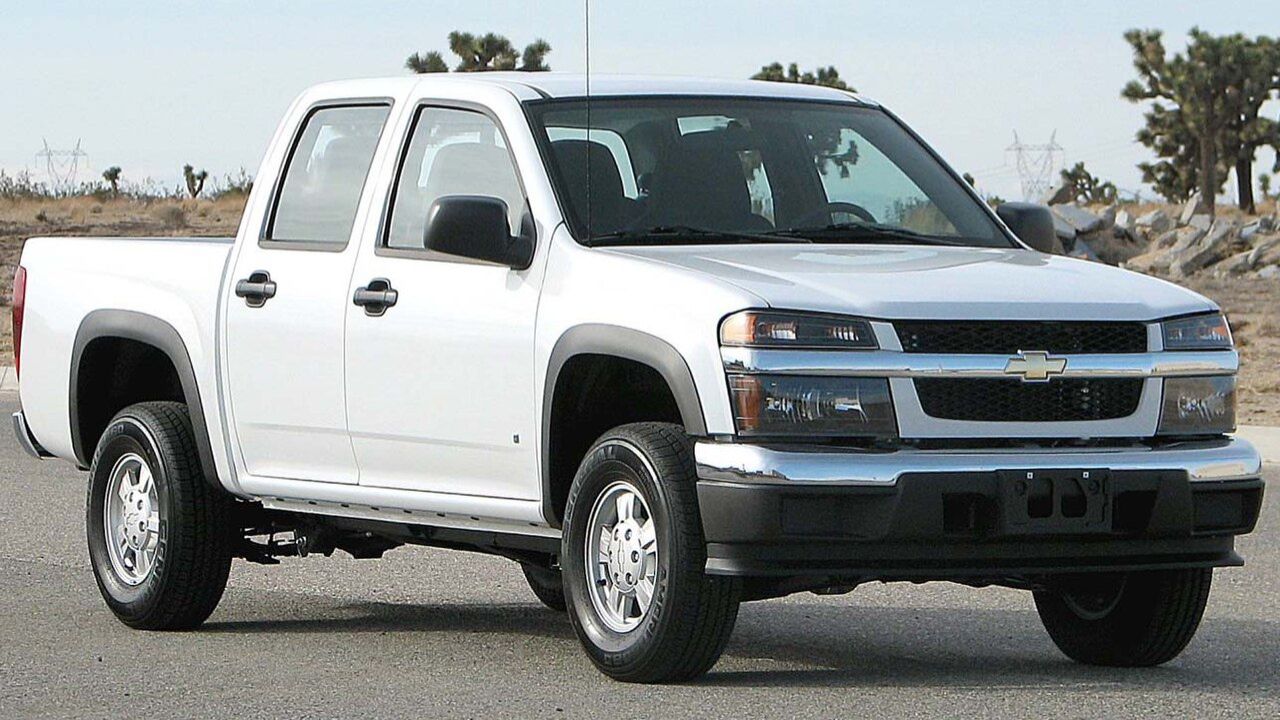
The first-generation Chevrolet Colorado entered a competitive truck market and rarely generated the excitement enjoyed by some rivals. Over time, however, owners came to appreciate its practicality, comfortable ride, and useful balance of capability and efficiency. It proved capable of handling daily transportation, light towing, and weekend projects without unnecessary bulk. As more drivers shared positive ownership experiences, the Colorado quietly built a reputation as a dependable midsize truck that deserved more attention than it originally received.
Nissan Frontier (D40)
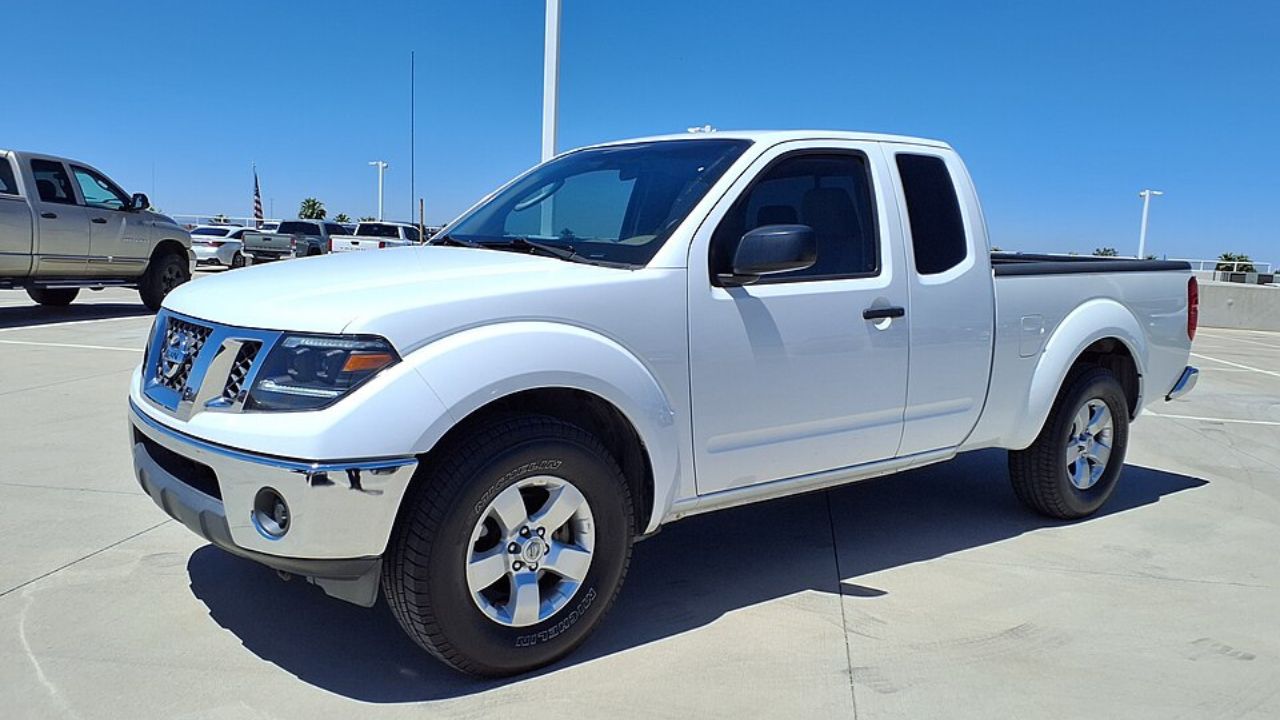
The Nissan Frontier often operated in the shadow of more heavily marketed competitors, but its reputation steadily improved through years of dependable service. Owners appreciated its rugged construction, strong towing capability, and straightforward design. While other trucks focused on luxury features and technology, the Frontier remained committed to durability and practicality. As long-term reliability became increasingly important to buyers, many began recognizing the Frontier as one of the most trustworthy midsize pickups available.
Ford Ranger (1998–2011)
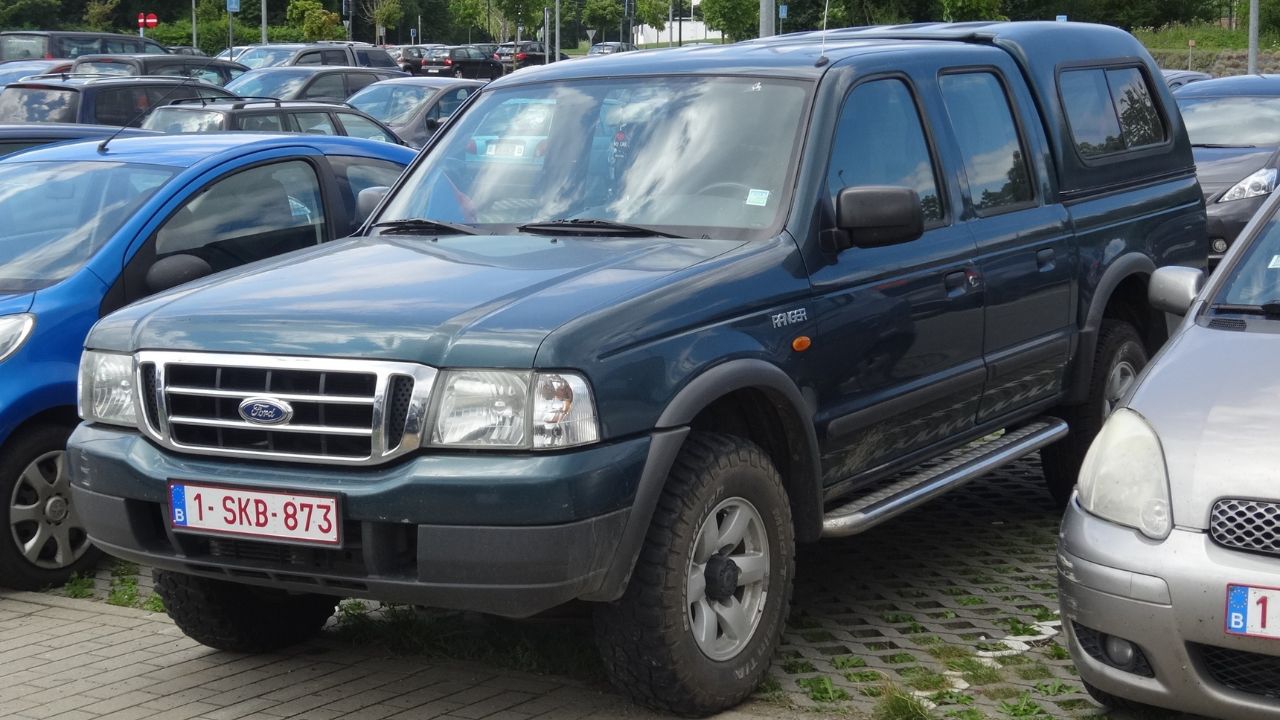
The Ford Ranger earned respect gradually rather than through dramatic headlines. Its compact size, affordable ownership costs, and dependable performance made it a favorite among drivers who needed practical utility. Owners regularly relied on Rangers for commuting, hauling supplies, and light work duties. Years after production ended, demand for used examples remained strong, highlighting just how much appreciation had grown. The Ranger’s reputation improved because it consistently delivered exactly what owners expected.
GMC Canyon (First Generation)
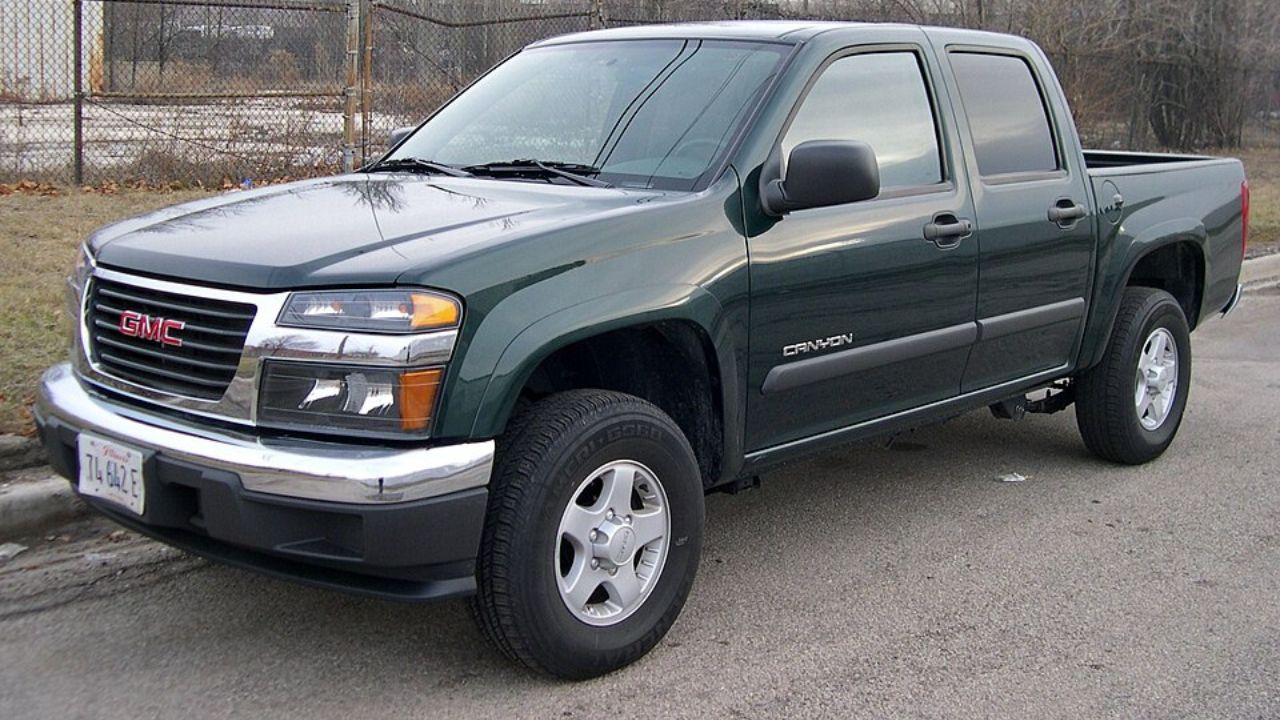
The first-generation GMC Canyon quietly served owners who wanted truck capability without the size of a full-size pickup. Although it rarely attracted significant attention when new, it proved to be practical, comfortable, and capable in everyday situations. Owners valued its manageable dimensions and versatility, especially in urban and suburban environments. As truck buyers increasingly reconsidered the need for oversized pickups, the Canyon’s strengths became more apparent and its reputation steadily improved.
Dodge Dakota
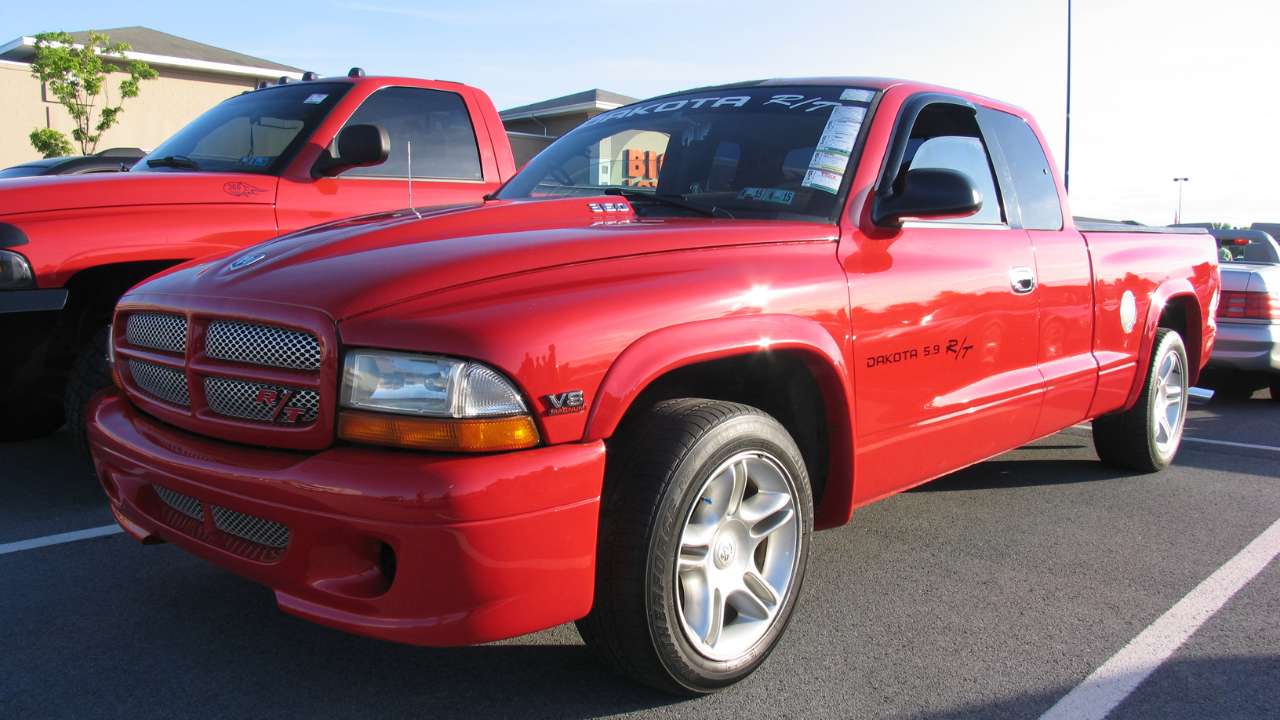
The Dodge Dakota occupied a unique position between compact and full-size pickups, which sometimes caused it to be overlooked. Yet many owners discovered that it offered an ideal blend of capability and practicality. Available V8 power and respectable towing capacity allowed it to handle demanding tasks while remaining easier to maneuver than larger trucks. As modern pickups continued growing in size, appreciation increased for the Dakota’s balanced approach and versatile design.
Isuzu Hombre
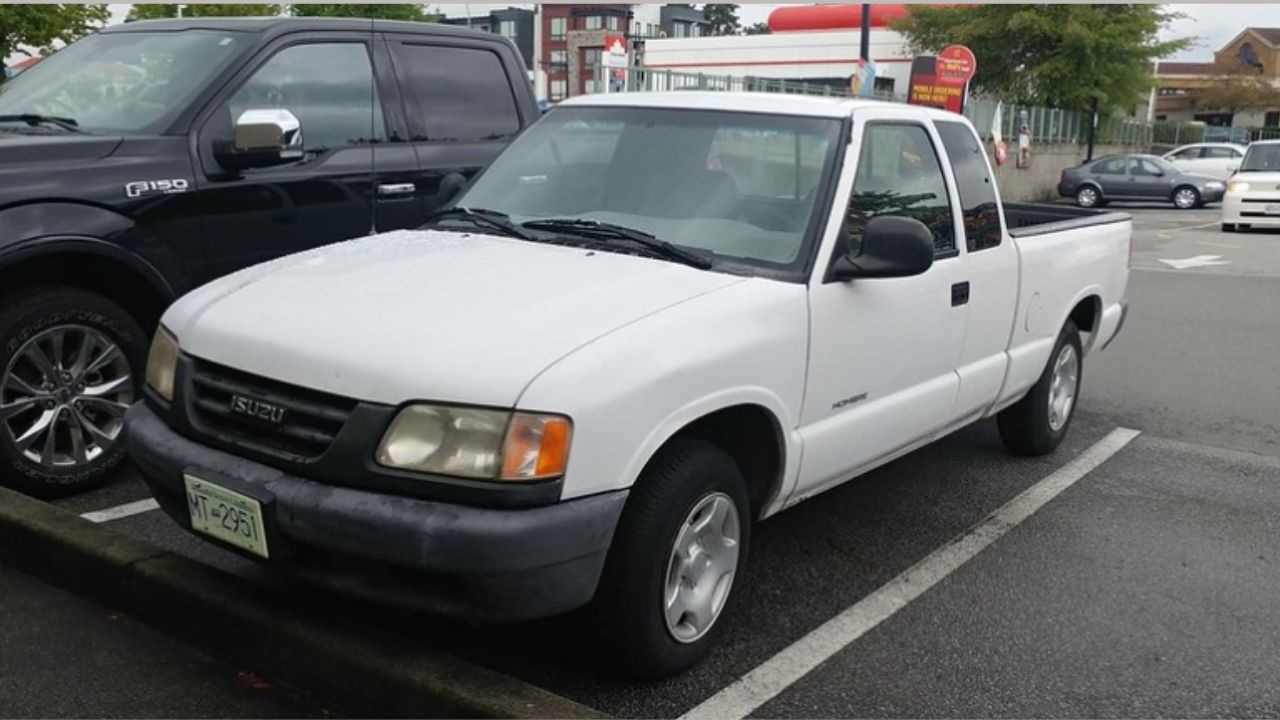
Foden Alpha- All rights reserved / flickr
The Isuzu Hombre rarely appeared on lists of the most popular trucks, but it quietly earned respect among owners who valued simplicity and reliability. Its straightforward design helped keep maintenance manageable, while its compact dimensions made daily driving easy. Many examples provided years of dependable service without attracting much attention. As enthusiasts began appreciating practical and honest vehicles, the Hombre’s reputation improved, proving that usefulness often matters more than popularity.
Mazda B-Series
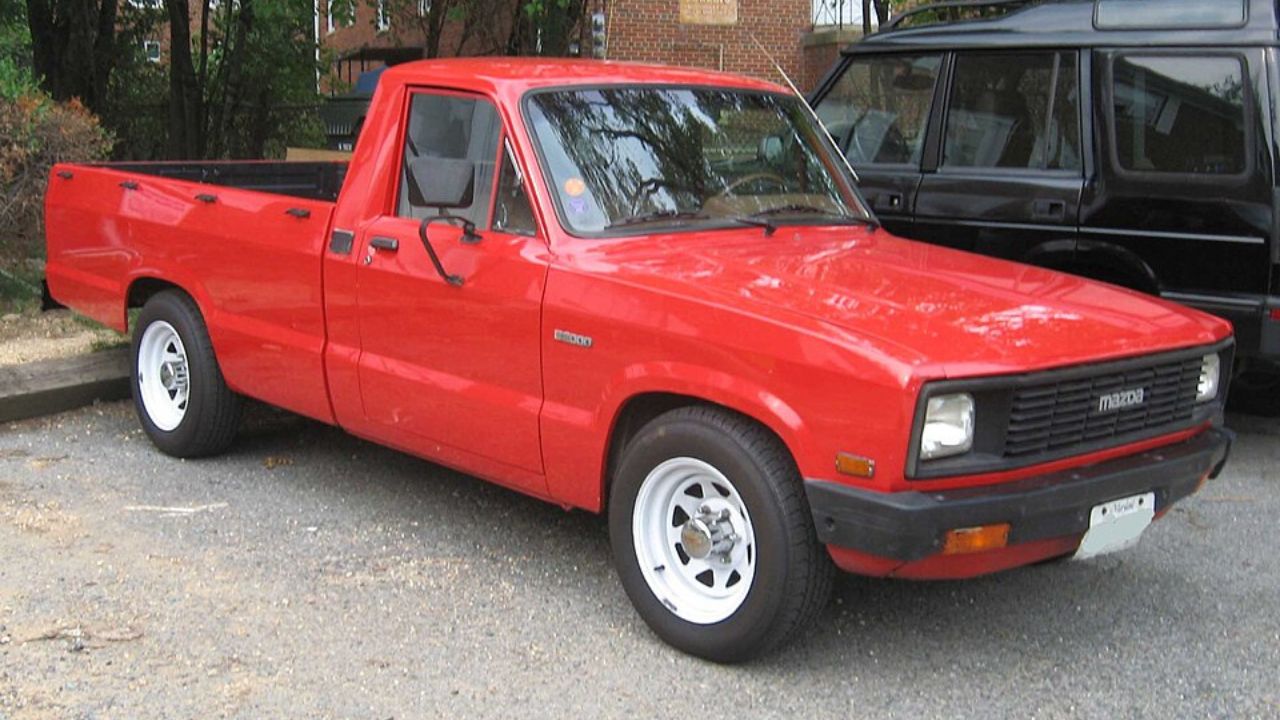
The Mazda B-Series spent much of its life overshadowed by larger names in the truck market. However, owners frequently praised its durability, practicality, and low operating costs. It handled everyday hauling and transportation duties effectively while remaining easy to drive and maintain. Over time, many enthusiasts recognized that the B-Series delivered exactly what many truck buyers truly needed. Its dependable nature helped it develop a stronger reputation long after production ended.
Toyota T100
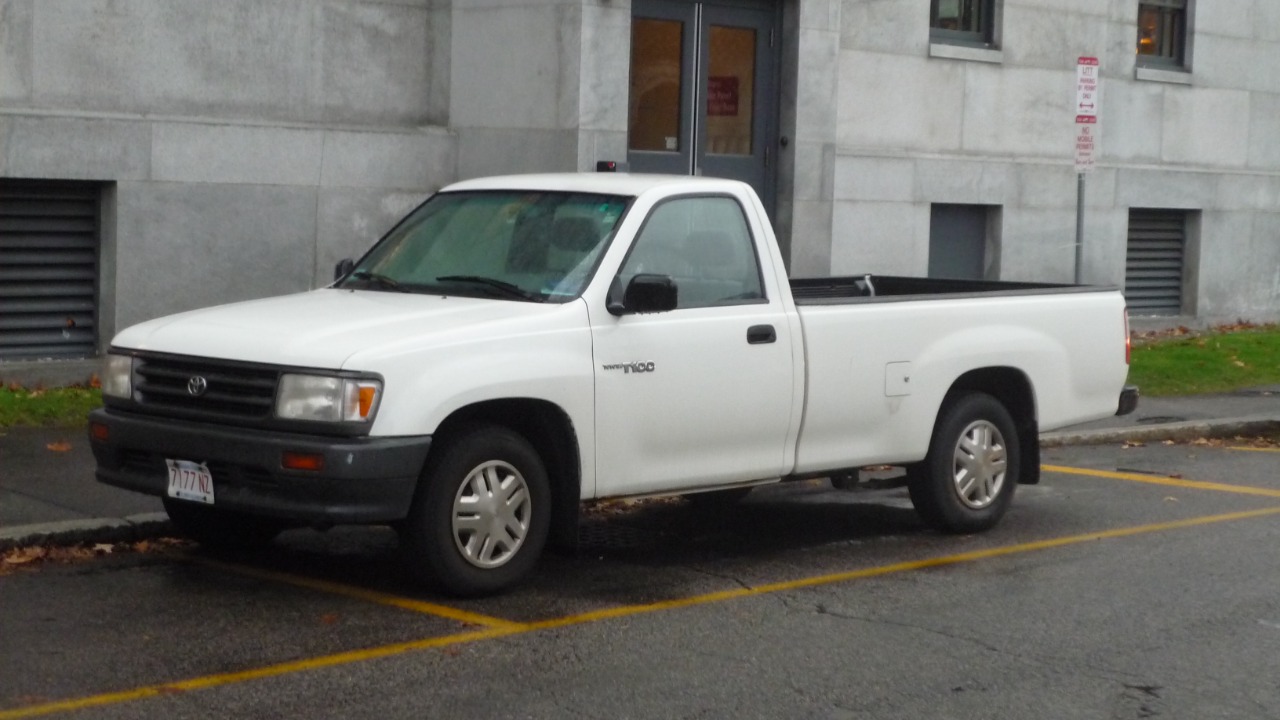
The Toyota T100 was sometimes criticized for not matching the size and power of domestic full-size pickups. Despite this, owners appreciated its excellent reliability and long-term durability. Many examples accumulated impressive mileage while continuing to perform difficult tasks with minimal issues. As buyers increasingly valued dependability over maximum specifications, the T100 earned greater respect. What once seemed like a compromise gradually became recognized as one of its greatest strengths.
Mitsubishi Mighty Max
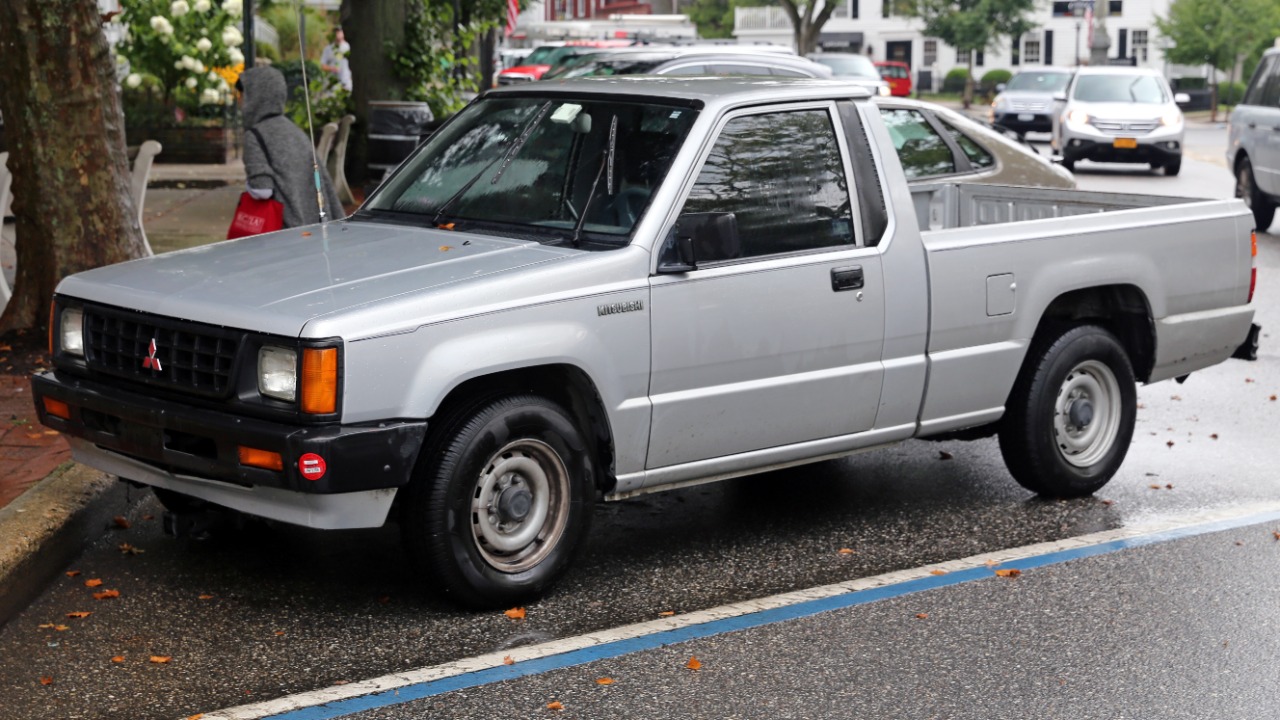
The Mitsubishi Mighty Max never dominated sales charts, but it developed a loyal following among owners who appreciated its straightforward utility. Its compact dimensions, dependable operation, and affordable ownership costs made it useful for a variety of tasks. As surviving examples became less common, enthusiasts began recognizing the truck’s strengths and historical significance. The Mighty Max quietly improved its reputation through years of reliable service rather than marketing hype.
Jeep Comanche
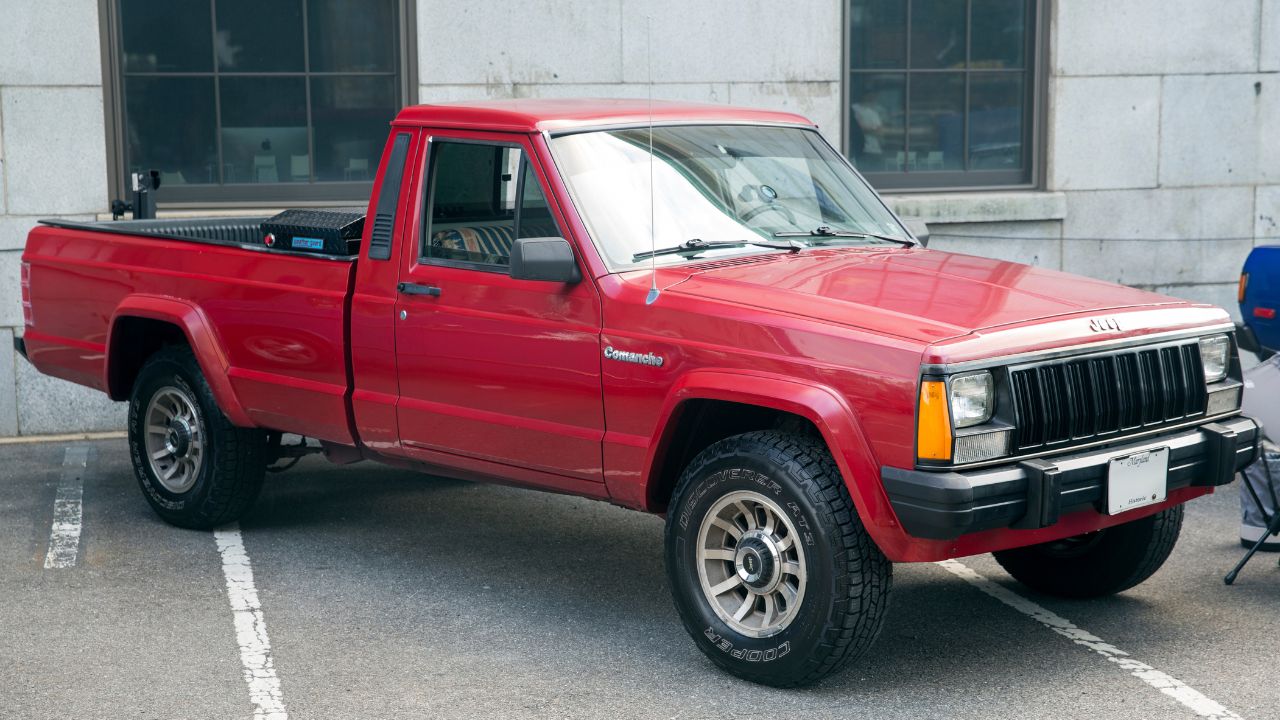
The Jeep Comanche spent years overshadowed by more popular pickups, but enthusiasts never completely forgot its strengths. Built on the foundation of the respected Cherokee platform, it combined pickup utility with impressive off-road capability. Owners appreciated its durability and unique character, helping preserve interest long after production ended. As collectors and enthusiasts revisited overlooked trucks from previous decades, the Comanche’s reputation grew substantially, transforming it into one of the most respected forgotten pickups.
More from Fast Lane Only
- Unboxing the WWII Jeep in a Crate
- 15 rare Chevys collectors are quietly buying
- 10 underrated V8s still worth hunting down
- Police notice this before you even roll window down
*Research for this article included AI assistance, with all final content reviewed by human editors