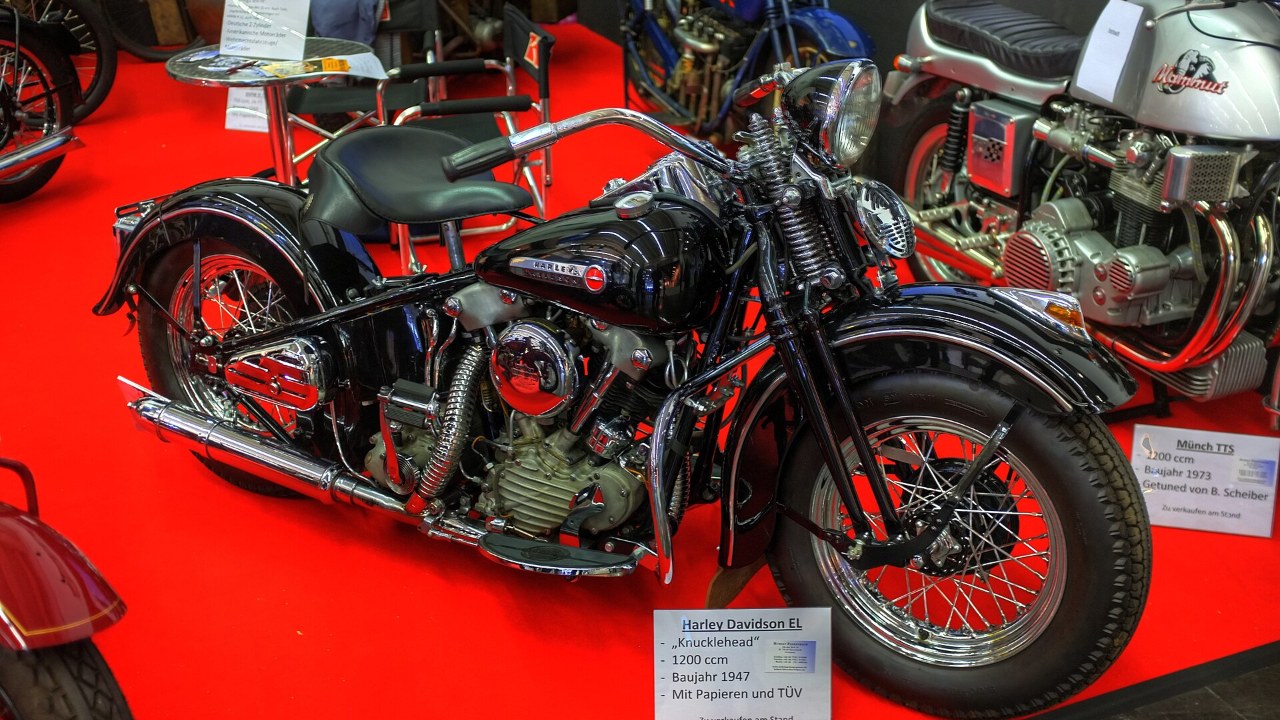
Across auctions, specialist finance firms, and enthusiast forums, a quiet shift is underway as drivers rediscover vehicles that once sat in the shadows of headline supercars. Values, search interest, and waiting lists show that characterful machines from different eras are being reappraised as future classics. The following ten vehicles, each grounded in recent reporting on appreciation, collectability, and enthusiast demand, illustrate how tastes are evolving and why these models are returning to the spotlight.
Lamborghini Countach
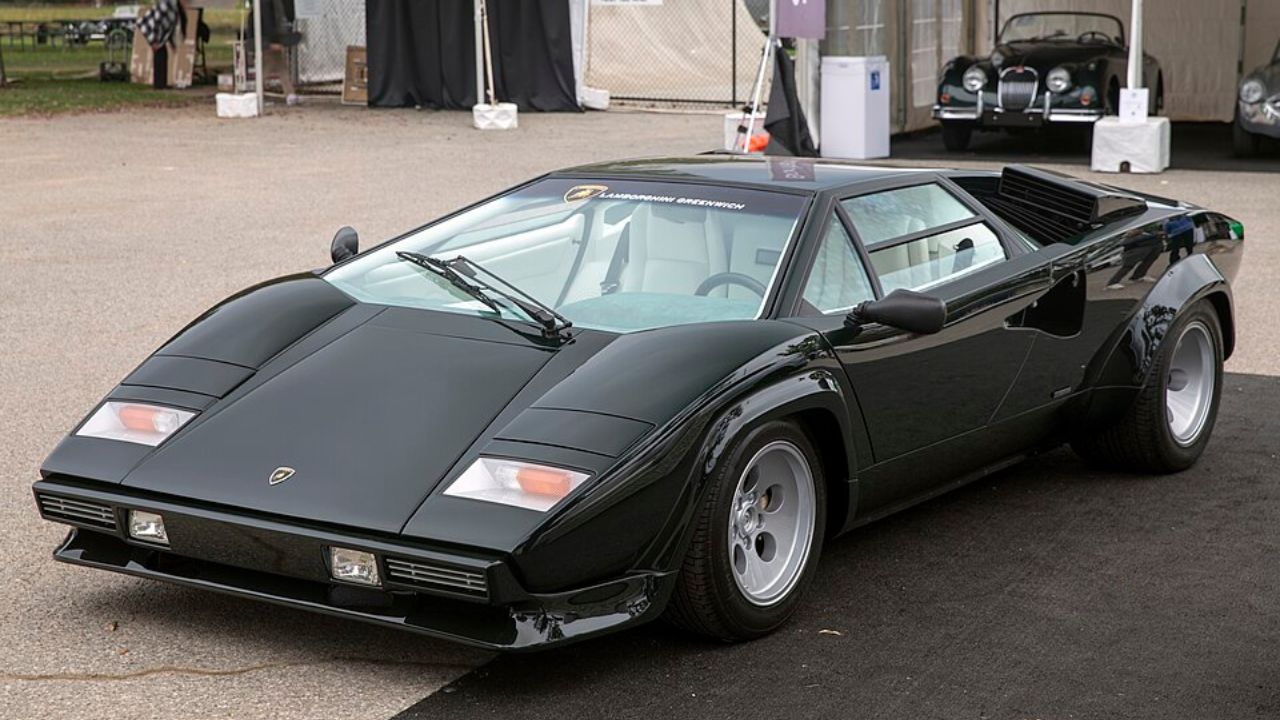
The Lamborghini Countach is being rediscovered as a benchmark for dramatic design and limited-production exclusivity. Recent collector analysis notes that the Countach stands out as a timeless icon of 1980s aesthetics, with its sharp lines and scissor doors defining a generation of bedroom posters. That same reporting stresses that its limited production and the scarcity of well-preserved cars are now central to its investment appeal, as buyers look for analog supercars with unmistakable presence.
Market observers highlight that the Countach’s renewed momentum reflects a broader shift toward visceral, pre-digital exotics. As younger collectors who grew up idolizing the car gain purchasing power, they are willing to pay a premium for originality, documented history, and correct specification. For enthusiasts, the stakes are clear: those who once dismissed the Countach as a dated wedge are now racing to secure the best examples before prices move further out of reach.
Volkswagen Beetle

The Volkswagen Beetle is enjoying a second life as enthusiasts reassess its cultural weight and usability. Reporting on classic-car benchmarks describes The Volkswagen Beetle as instantly recognizable for its rounded silhouette and simple, reliable engineering, characteristics that helped it become one of the best-selling cars in history. That same coverage notes that its approachable mechanicals and vast parts support make it a practical entry point into classic ownership, especially for younger drivers.
Collectors are increasingly drawn to early, well-preserved Beetles, as well as later models with period accessories that reflect local histories. The car’s role as a symbol of postwar mobility and counterculture adds narrative value that pure performance machines sometimes lack. For stakeholders in the classic market, the Beetle’s resurgence underscores how story-rich, modestly powered cars can command serious attention when they connect with broader social memory.
Jaguar E-Type

The Jaguar E-Type is being rediscovered by a new wave of enthusiasts who see it as more than a museum piece. Recent commentary describes the Jaguar E-Type as “often referred to as the most beautiful car ever made,” emphasizing its sleek, aerodynamic bodywork and long bonnet. That same analysis argues that driving an E-Type has become a bucket-list experience, with its combination of straight-six power, disc brakes, and independent suspension still feeling remarkably modern on contemporary roads.
As interest grows, specialists report rising demand for cars with sympathetic restorations that preserve original character rather than over-restored showpieces. The E-Type’s renewed popularity highlights a broader trend in which design-led classics, rather than outright performance leaders, are commanding attention. For buyers and restorers, the stakes lie in balancing authenticity with usability, ensuring that these cars remain driven rather than locked away.
Mazda MX-5 (NA)
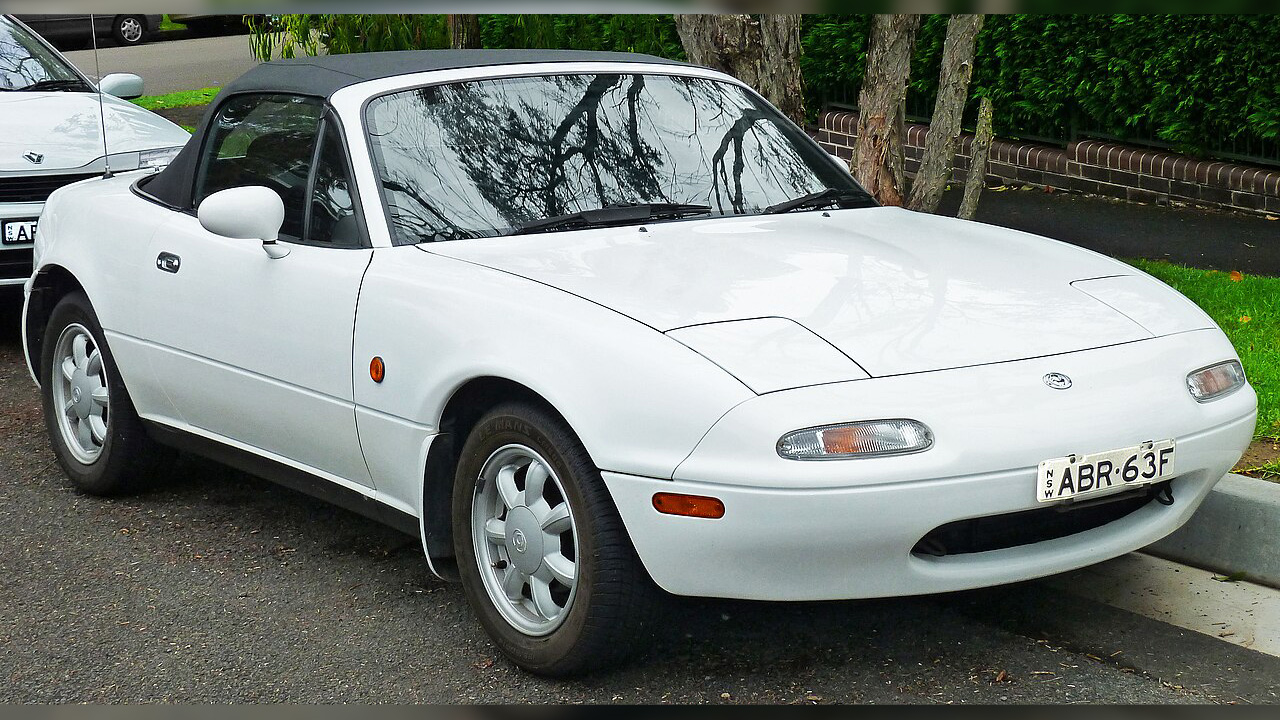
The first-generation Mazda MX-5, often referred to by its NA chassis code, is being reappraised as a modern classic that defied period trends. Coverage of cars that bucked mainstream directions notes how lightweight roadsters like the MX-5 succeeded in an era dominated by heavier, more complex vehicles. The original MX-5’s simple rear-wheel-drive layout, rev-happy four-cylinder engine, and manual gearbox created a driving experience that prioritized feel over outright speed.
Enthusiasts are now seeking unmodified or lightly modified examples, particularly early cars with pop-up headlights and original interiors. As values of traditional sports cars climb, the MX-5’s affordability and robust parts supply make it a compelling alternative for drivers who want to participate in track days or club events. Its resurgence signals that purity of purpose and low running costs can be as attractive as prestige badges in the evolving enthusiast landscape.
BMW M3 (E46)
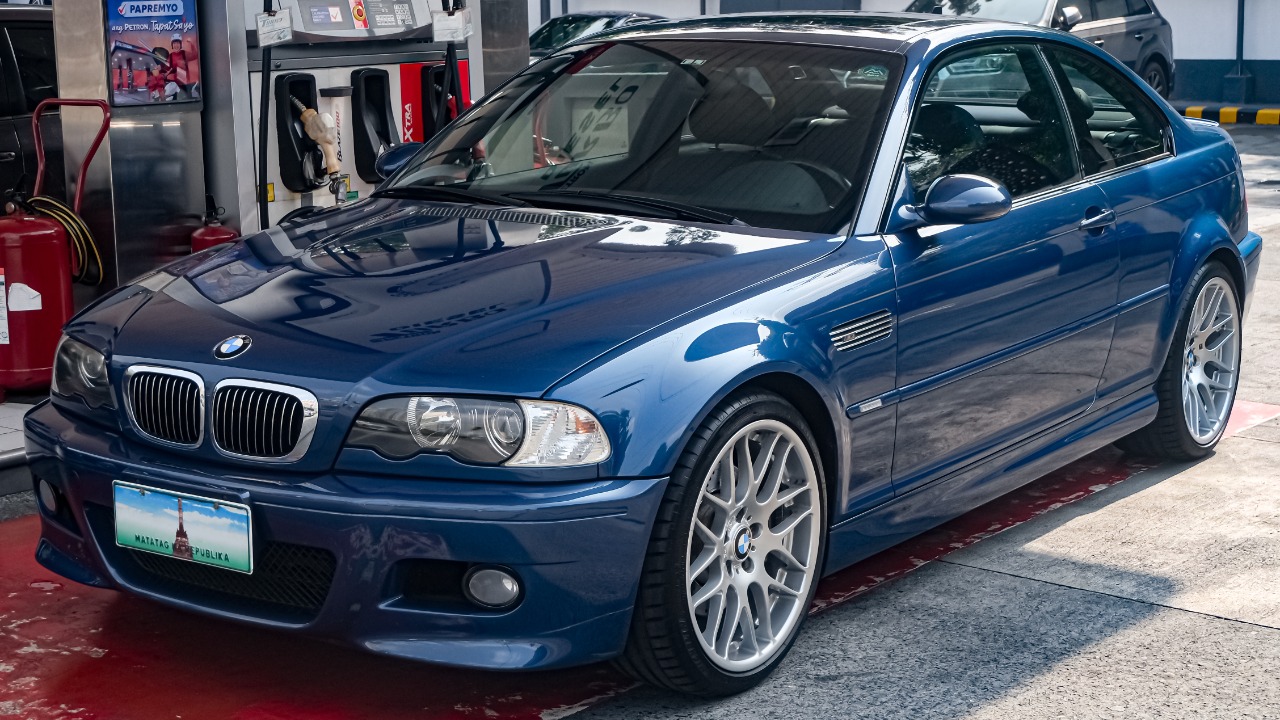
The BMW M3 in E46 form is increasingly viewed as a sweet spot between analog engagement and everyday usability. Analyses of appreciating performance cars point to naturally aspirated engines and manual transmissions as key drivers of renewed interest, traits the E46 M3 embodies with its high-revving straight-six and precise six-speed gearbox. Its balanced chassis and relatively compact dimensions contrast with the larger, more complex performance cars that followed.
Collectors are focusing on cars with documented service histories, original bodywork, and unmodified drivetrains, as many examples were heavily tuned or tracked. As stricter emissions rules and electrification reshape new performance offerings, the E46 M3’s blend of practicality and mechanical honesty is becoming harder to replicate. For enthusiasts and investors, this rediscovery underscores how “last-of-the-line” analog performance models can gain stature as the market pivots toward quieter, heavier machinery.
Porsche 944
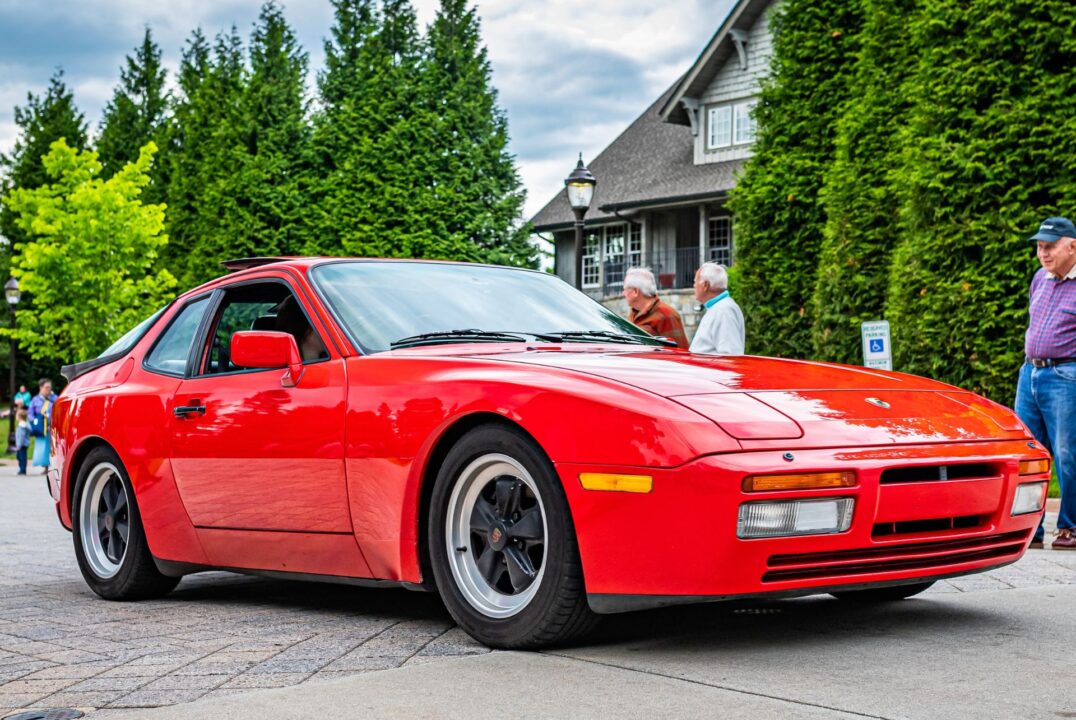
The Porsche 944 is emerging from the shadow of its rear-engined relatives as buyers recognize its balance and usability. Reporting on underappreciated enthusiast cars notes that front-engined Porsches, once overlooked, are now being reconsidered for their transaxle layouts and everyday practicality. The 944’s near 50:50 weight distribution, hatchback versatility, and relatively low running costs make it attractive to drivers who want a usable classic with genuine pedigree.
As air-cooled 911 prices climbed, enthusiasts began searching for more attainable ways into the brand, drawing attention to well-kept 944s. Specialists now highlight original paint, intact interiors, and complete maintenance records as key value drivers. The model’s resurgence illustrates how secondary lines within prestigious marques can become focal points once flagship models move beyond reach, reshaping how collectors allocate budgets and attention.
Honda S2000
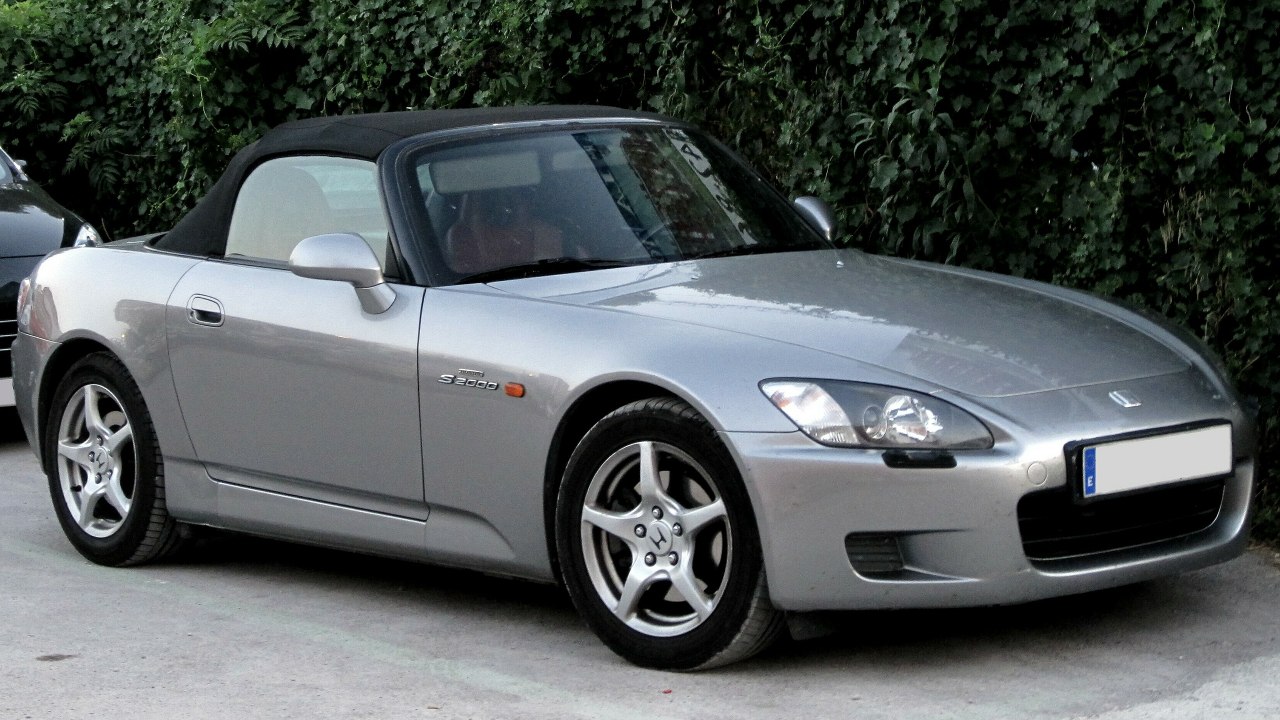
The Honda S2000 is being rediscovered as a high-revving icon that anticipated today’s fascination with precise, lightweight sports cars. Analyses of enthusiast favorites emphasize the S2000’s remarkable specific output, with its four-cylinder engine spinning to extremely high revs while remaining naturally aspirated. Combined with a short-throw manual gearbox and a rigid chassis, the car delivers an intensity that many turbocharged successors struggle to match.
Interest is particularly strong in early AP1 models, whose more aggressive character appeals to purists, though later cars benefit from incremental refinements. As new performance cars increasingly rely on electronics and forced induction, the S2000’s mechanical clarity stands out. For stakeholders, its rising profile highlights how engineering-led, relatively low-volume sports cars can transition from niche curiosities to blue-chip modern classics as tastes evolve.
Nissan 300ZX (Z32)
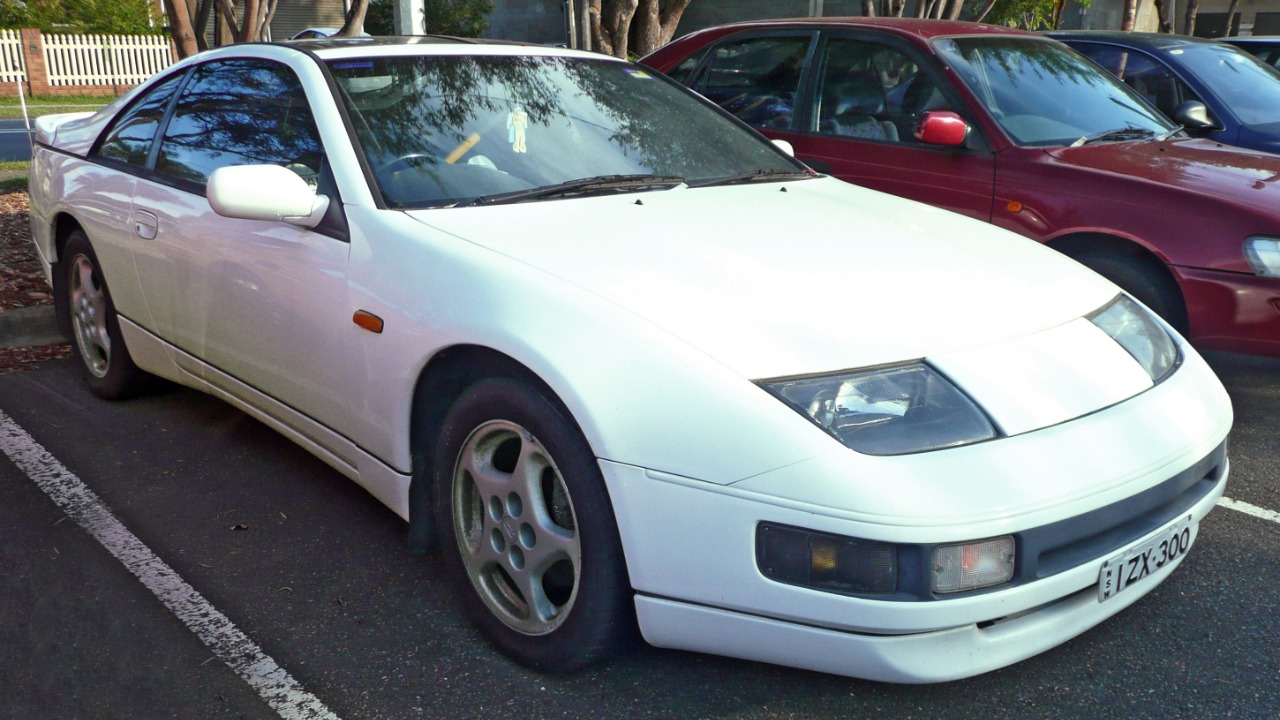
The Nissan 300ZX in Z32 form is gaining renewed respect as enthusiasts revisit 1990s Japanese performance cars. Coverage of cars that defied period expectations notes how advanced engineering and bold styling allowed certain models to stand apart, and the 300ZX fits that pattern with its multi-link suspension, available twin-turbo V6, and distinctive, low-slung body. At launch, its sophistication and price placed it in an awkward middle ground, but those same traits now appeal to collectors.
As interest in Japanese performance icons grows, attention is turning to unmodified 300ZX examples, which are increasingly rare after decades of tuning culture. The car’s resurgence reflects a broader reevaluation of 1990s technology, from four-wheel steering systems to complex electronics, that once deterred buyers. For workshops and parts suppliers, this rediscovery creates both opportunity and pressure to support a more demanding, preservation-focused clientele.
Renault 5 Turbo
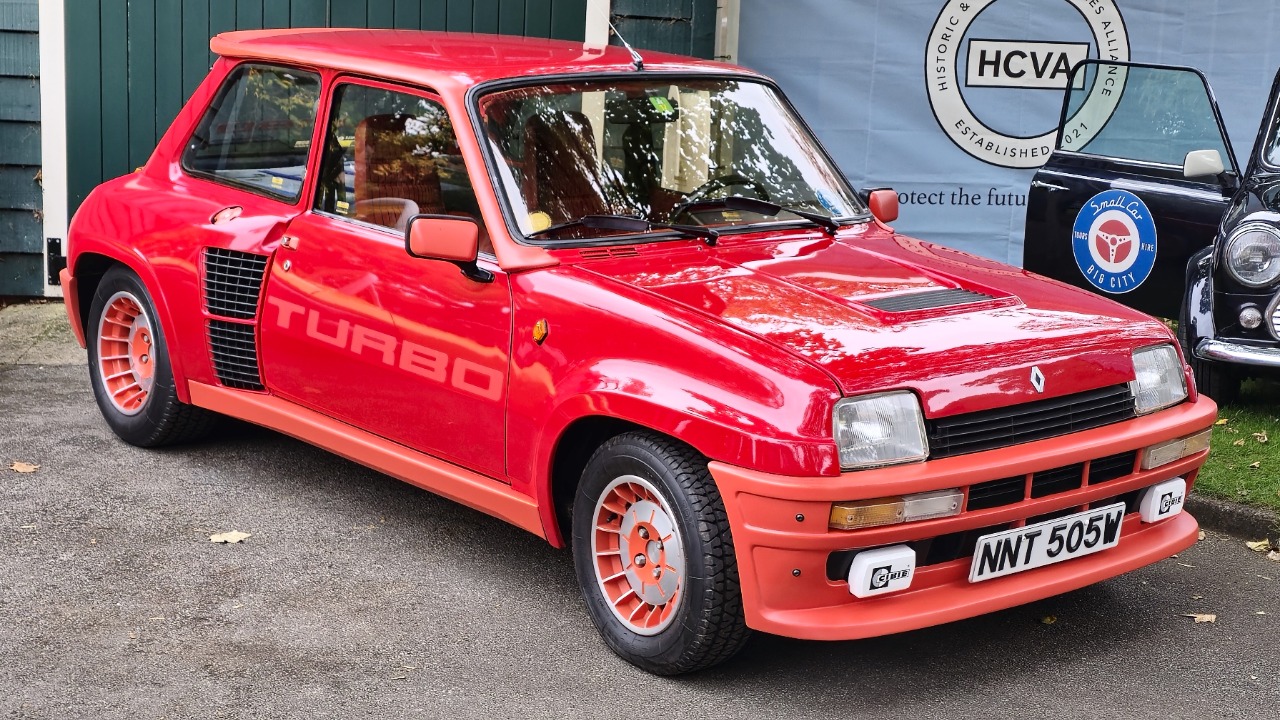
The Renault 5 Turbo is being rediscovered as a rally-bred hot hatch that pushed small-car engineering to extremes. Analyses of appreciating European performance cars highlight how homologation specials, built in limited numbers to satisfy competition rules, are attracting intense interest. The Renault 5 Turbo’s mid-mounted engine, wide-body stance, and competition pedigree distinguish it sharply from the standard supermini on which it was nominally based.
Collectors are drawn to its combination of compact dimensions and serious performance, as well as its connection to a golden era of rallying. With production numbers relatively low and many cars used hard, surviving examples in original specification are increasingly prized. The model’s renewed visibility underscores how motorsport heritage and technical audacity can elevate even humble platforms into highly sought-after collectibles.
Lancia Delta Integrale
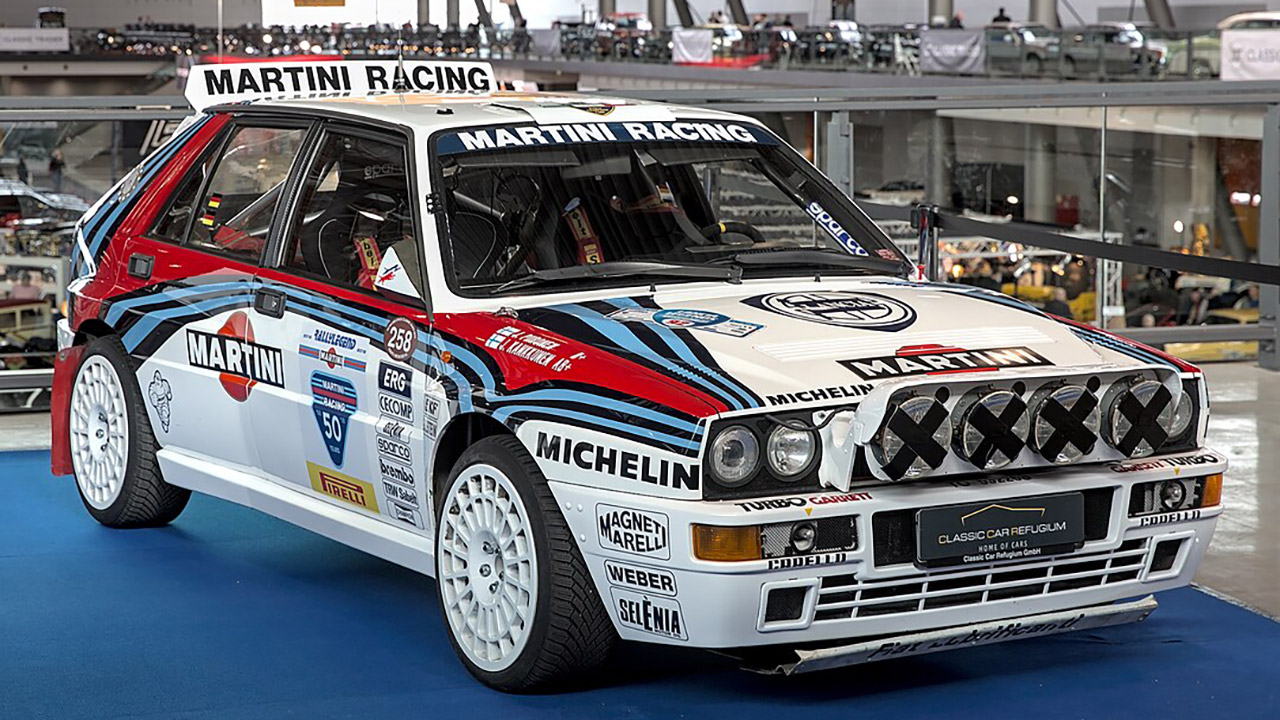
The Lancia Delta Integrale is enjoying a renaissance as enthusiasts revisit Group A rally legends. Reporting on collector trends notes that cars with direct links to championship success, especially those with all-wheel drive and turbocharged power, are seeing heightened demand. The Delta Integrale’s boxy silhouette, flared arches, and competition-derived drivetrain encapsulate that appeal, translating rally technology into a practical hatchback format.
Interest spans multiple evolutions, from early eight-valve cars to later, more powerful variants, with originality and rust-free shells commanding premiums. As modern performance cars grow heavier and more insulated, the Integrale’s raw feedback and compact footprint feel increasingly distinctive. For regulators, insurers, and event organizers, its resurgence highlights the need to accommodate older, high-performance vehicles in a landscape shaped by emissions rules and changing safety expectations.
More from Fast Lane Only