Some classic cars were designed so far ahead of their time that they still look modern decades later. Instead of following familiar shapes, their designers experimented with sharp lines, unusual proportions, advanced aerodynamics, and innovative details. These cars proved that futuristic styling did not always require modern technology, and their distinctive designs continue to look remarkably fresh today.
Citroën DS
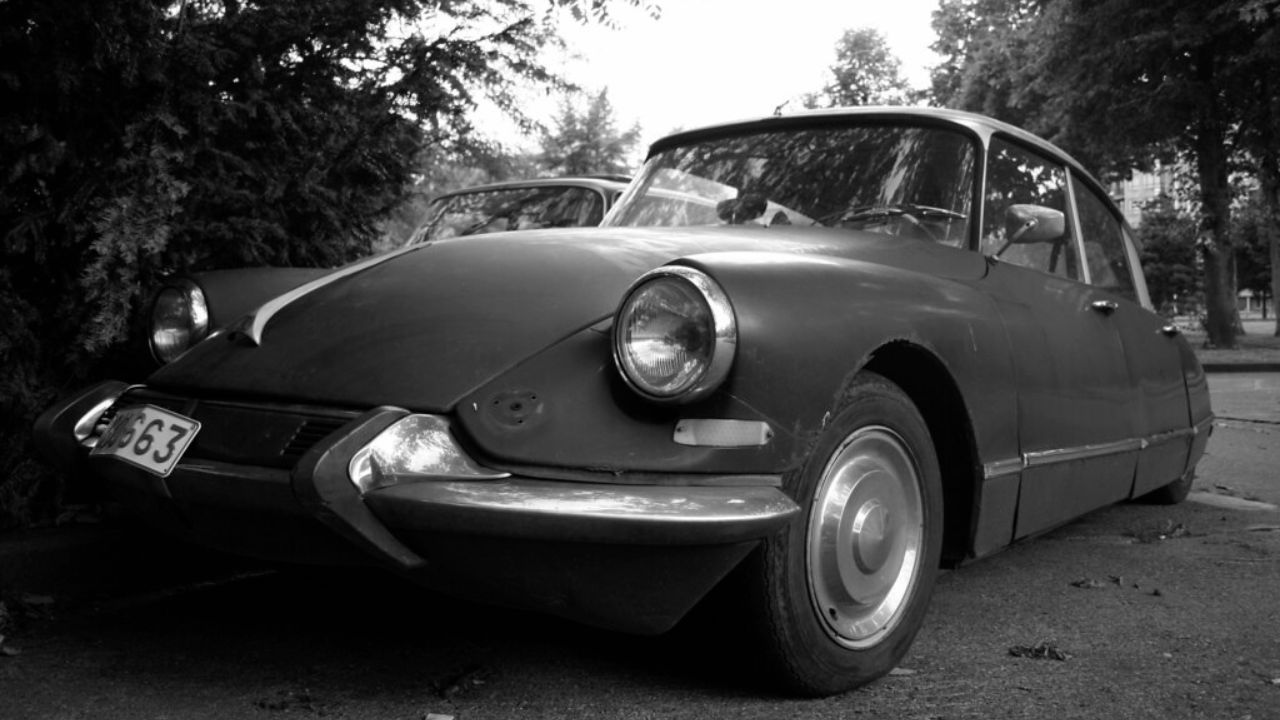
The Citroën DS looked futuristic from almost every angle when it appeared in the 1950s. Its streamlined body, aerodynamic profile, covered rear wheels, and unusual proportions separated it completely from conventional sedans. Inside, its single-spoke steering wheel and advanced controls added to the impression of a vehicle from another era. The DS also featured sophisticated hydropneumatic suspension, reinforcing its futuristic character. Even decades later, its smooth shape and innovative details remain unlike almost anything else on the road.
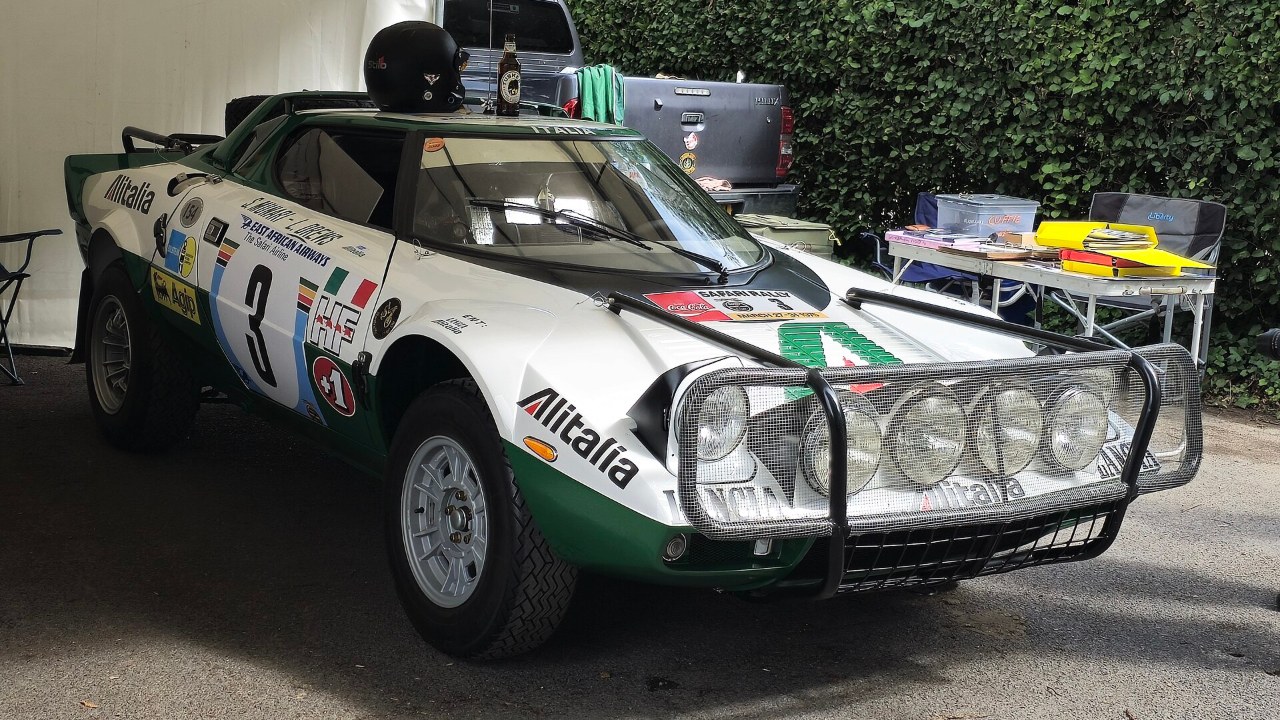
Lancia Stratos
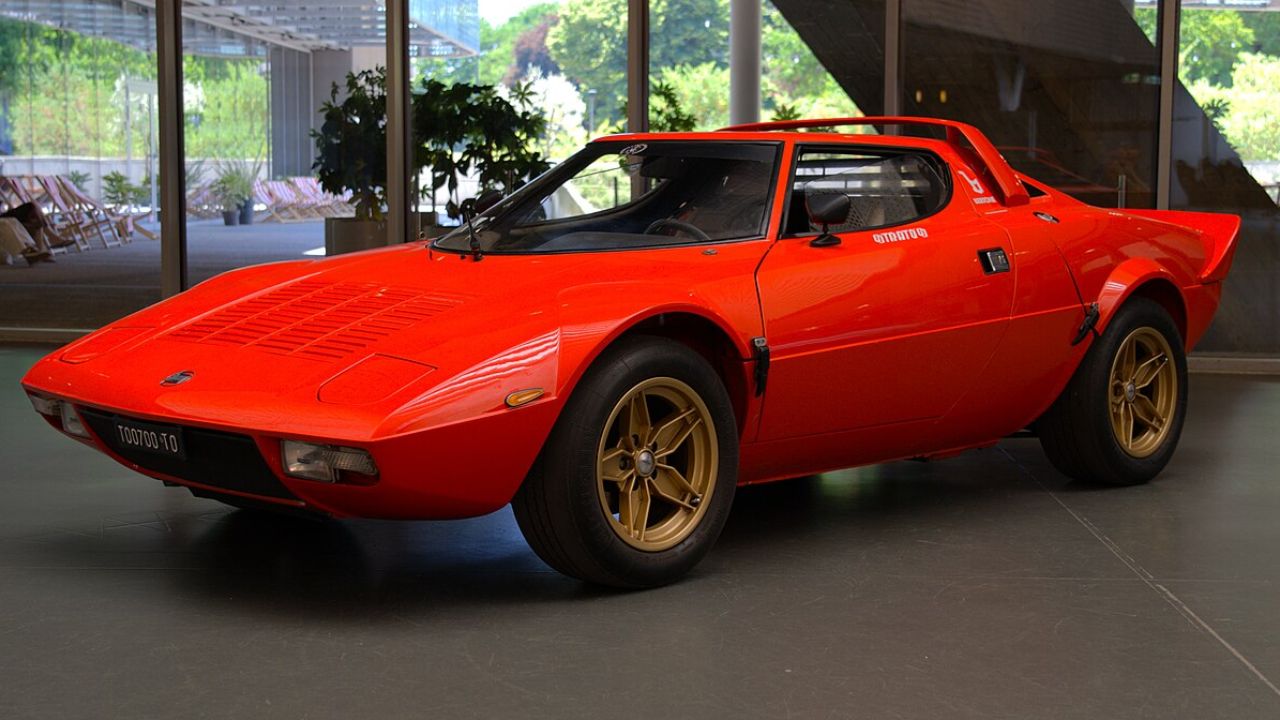
The Lancia Stratos looked more like a futuristic concept car than a road-legal sports car. Its sharply angled windshield, extremely short wheelbase, wedge-shaped body, and aggressive stance were designed around its mid-engine layout and rally purpose. The compact proportions gave it an unmistakable appearance that still feels radical today. Unlike many classics whose styling has become familiar, the Stratos retains an almost experimental quality. Its design remains one of the clearest examples of 1970s automotive futurism.
Lamborghini Countach
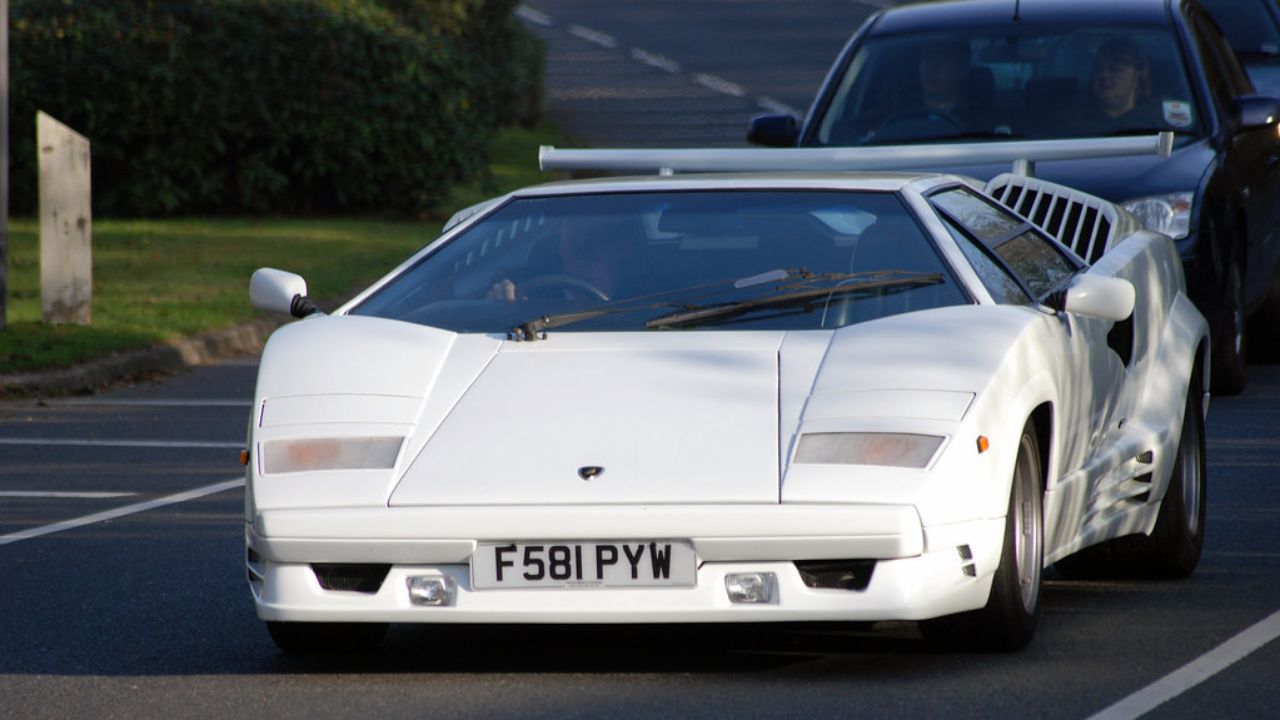
The Lamborghini Countach transformed the exotic-car shape with an extremely low wedge profile, sharp geometric surfaces, and dramatic scissor doors. Its design rejected the rounded forms common among earlier sports cars and established a visual language that influenced generations of supercars. The Countach looked almost impossible when new, and its proportions still appear extraordinary today. Its massive rear tires, narrow glass area, and angular bodywork make it one of the rare classics that can still look like a concept car decades after its introduction.
DeLorean DMC-12

The DeLorean DMC-12 remains one of the most recognizable futuristic-looking cars ever produced. Its stainless-steel body, sharp wedge profile, black trim, and gullwing doors created an appearance unlike conventional sports cars. Designed during an era fascinated with geometric forms and technological optimism, the DMC-12 looked like it belonged in a science-fiction movie. Its appearance became even more famous through popular culture, but the basic design remains visually striking even without its cinematic association.
BMW M1

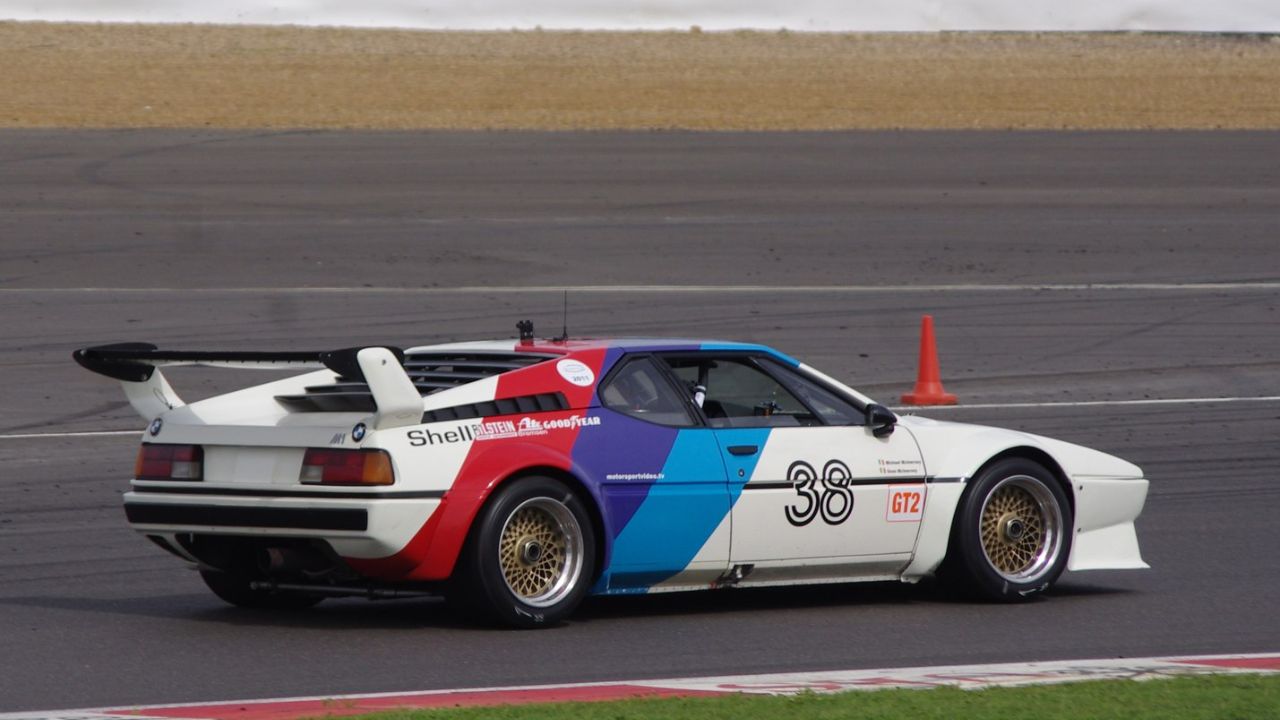
The BMW M1 combined Italian-inspired wedge styling with purposeful German engineering, producing a shape that still looks remarkably clean and modern. Its low nose, sharp side profile, large rear air intakes, and mid-engine proportions created an unmistakable silhouette. Unlike some aggressively styled classics, the M1 avoided excessive decoration, allowing its fundamental proportions to remain timeless. The result is a sports car that can sit beside much newer performance machines without appearing obviously outdated.
Porsche 928
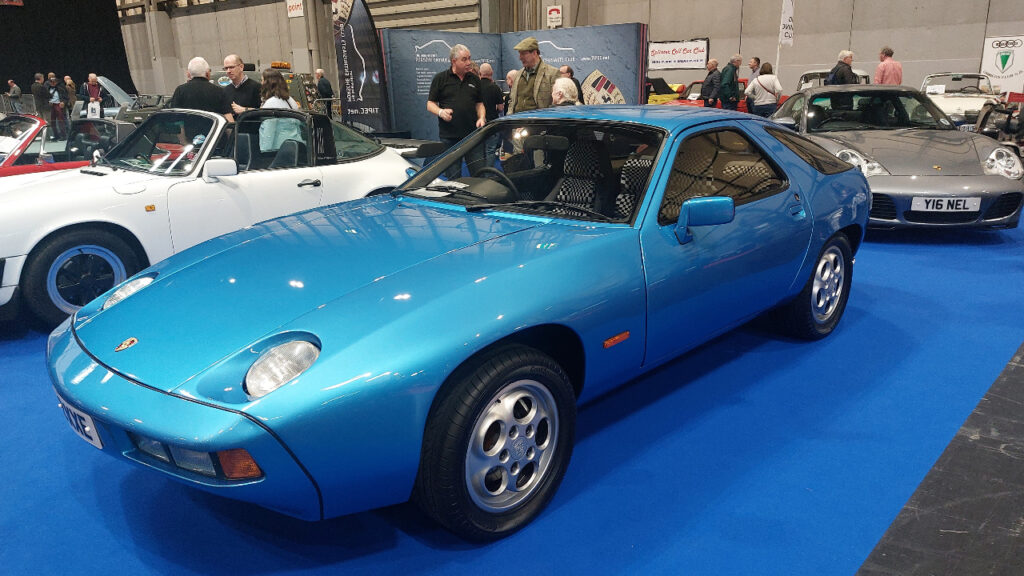
The Porsche 928 challenged expectations about what a Porsche should look like. Its smooth aerodynamic body, integrated bumpers, pop-up headlights, wide rear stance, and distinctive flush-mounted details created a remarkably modern appearance for a car introduced in the 1970s. The front-engine V8 grand tourer also featured an unusual rear transaxle layout for improved weight distribution. Its clean surfaces and aerodynamic proportions have aged particularly well, allowing the 928 to retain a futuristic appearance long after its production ended.
Mazda RX-7 FD

The third-generation Mazda RX-7 brought an unusually smooth and compact shape to the 1990s sports-car market. Its rounded body, low nose, integrated headlights, flowing fenders, and carefully shaped rear spoiler created an aerodynamic appearance that remains contemporary. The twin-turbocharged rotary engine allowed Mazda to keep the front end relatively compact, contributing to the car’s balanced proportions. Even today, the FD RX-7 looks more like a modern sports car than a vehicle from several decades ago.
Audi Quattro
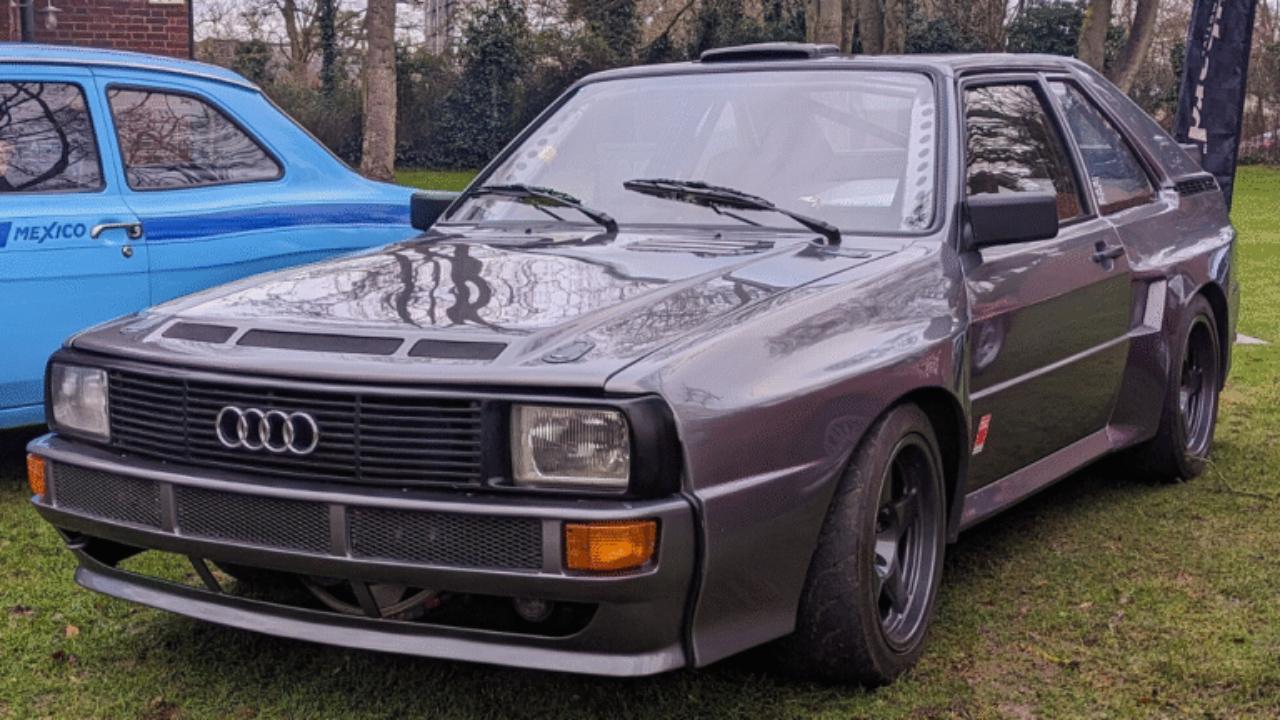
The Audi Quattro combined boxy 1980s proportions with a purposeful, technical appearance that still feels surprisingly modern. Its flared wheel arches, short overhangs, broad stance, and functional aerodynamic details reflected its rallying purpose. The most important innovation was hidden beneath the body: a sophisticated all-wheel-drive system that transformed its competition performance. The Quattro’s styling was never overly decorative, which helped it age well. Its squared-off silhouette remains recognizable and futuristic in a distinctly mechanical way.
More from Fast Lane Only
- Unboxing the WWII Jeep in a Crate
- 15 rare Chevys collectors are quietly buying
- 10 underrated V8s still worth hunting down
- Police notice this before you even roll window down
*Research for this article included AI assistance, with all final content reviewed by human editors