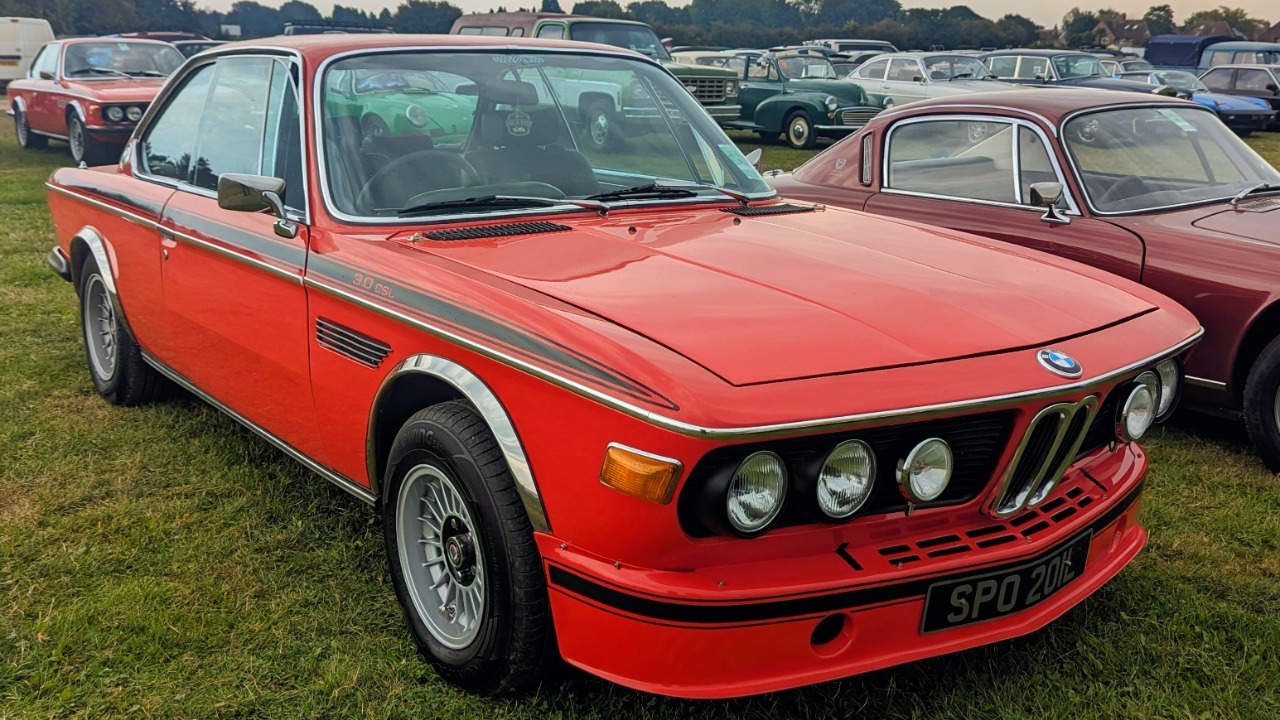
The 1970s changed the automotive world in ways few earlier decades had experienced. Fuel shortages, safety regulations, emissions laws, new technologies, and changing lifestyles pushed manufacturers toward unfamiliar solutions. At the same time, bold performance cars and unusual designs kept the decade exciting. These vehicles captured the dramatic transition and helped make the 1970s uniquely memorable.
Chevrolet Vega
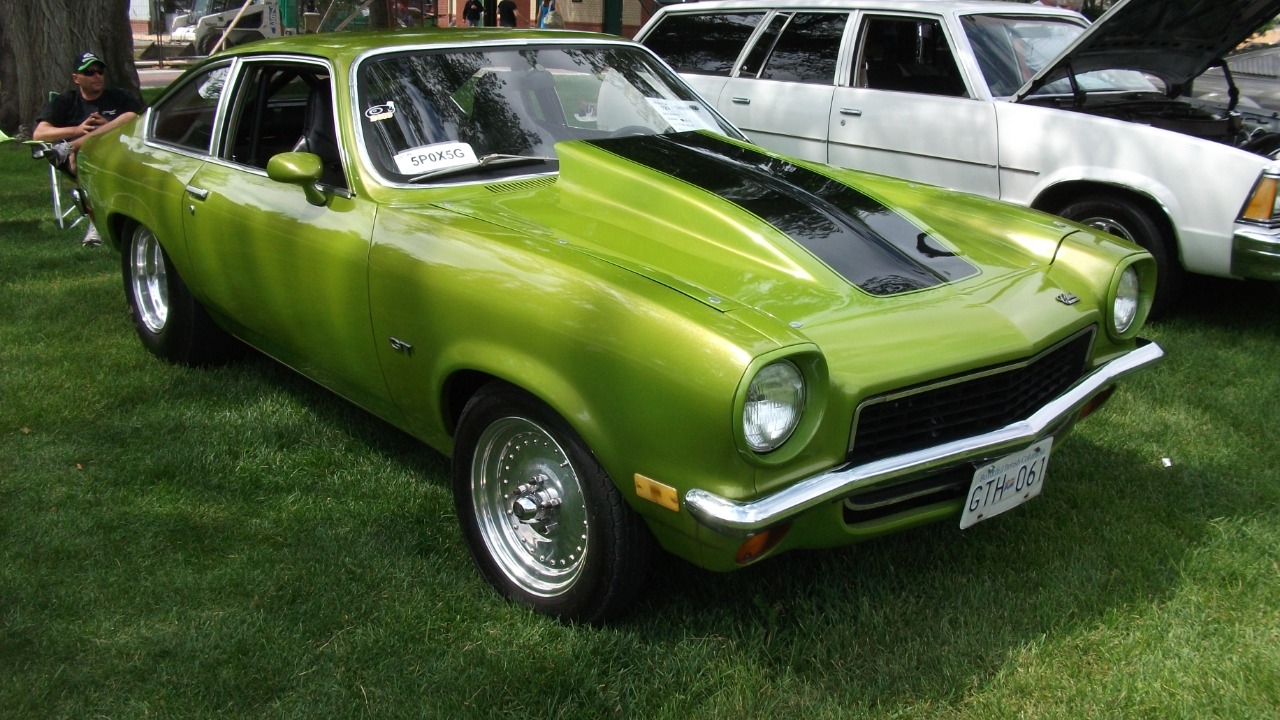
The Chevrolet Vega represented Detroit’s attempt to respond to the growing demand for smaller and more economical cars. Its compact dimensions and lightweight construction were very different from the large American vehicles that had dominated earlier decades. Chevrolet also experimented with aluminum engine technology and advanced body construction. Although reliability and corrosion problems damaged its reputation, the Vega reflected how quickly American manufacturers were being forced to rethink traditional ideas about size, efficiency, and affordability.
Mazda RX-7
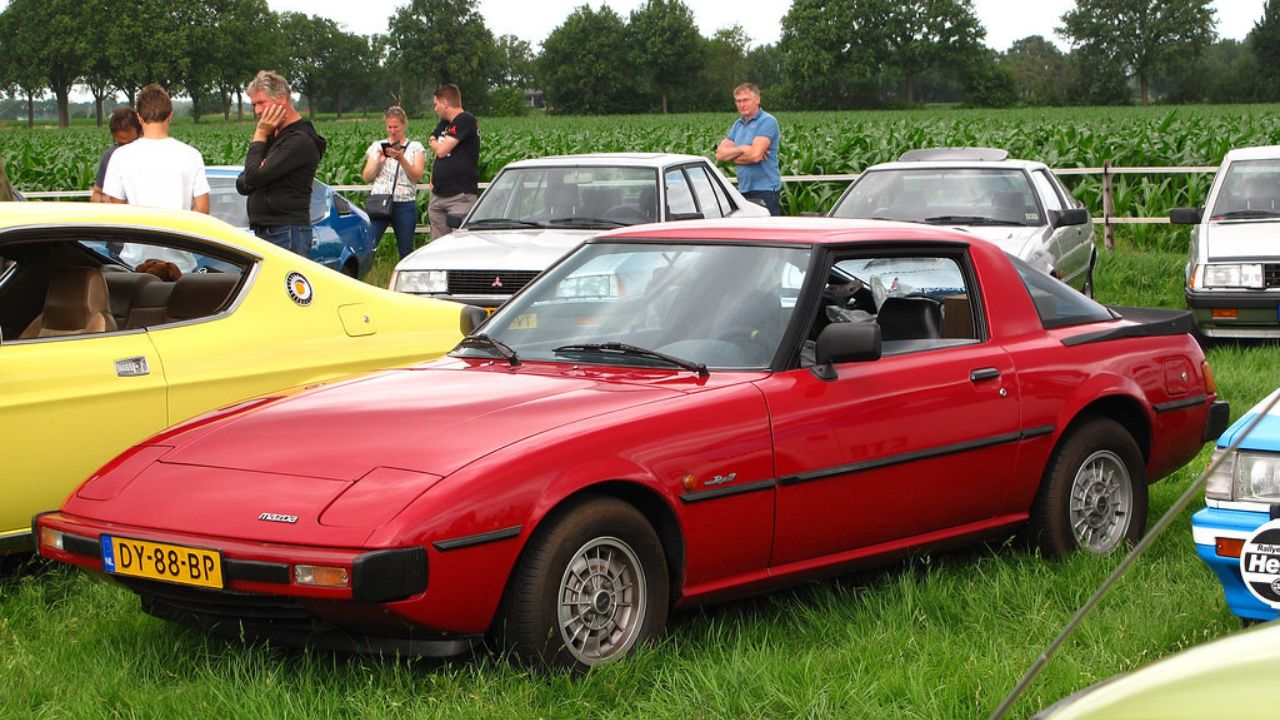
The Mazda RX-7 introduced rotary-engine technology to a much wider audience during the 1970s. Its compact two-rotor engine allowed Mazda to create a lightweight sports car with a low hood and responsive handling. Instead of following the traditional large-displacement formula, the RX-7 demonstrated that clever engineering could produce an entertaining performance car with a small engine. Its distinctive powerplant and balanced design helped establish Mazda as an important player in the international sports-car market.
Lancia Stratos

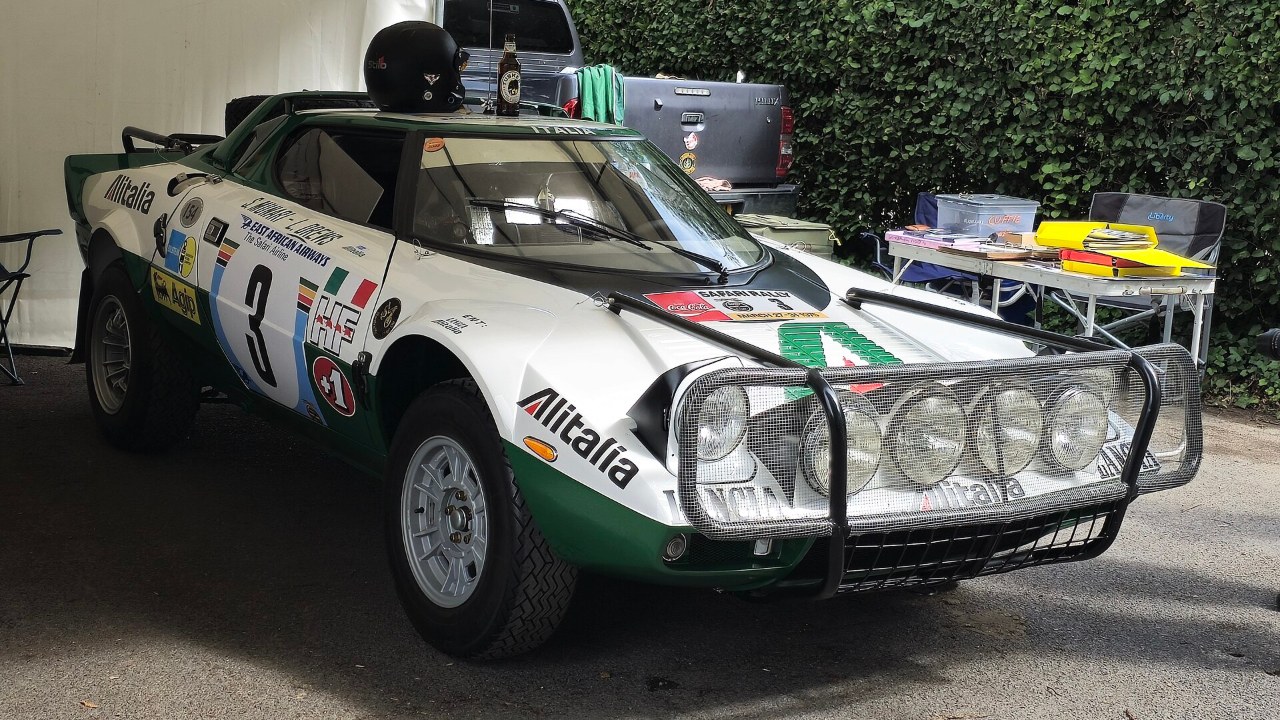
The Lancia Stratos transformed the idea of a rally car by being designed specifically around competition rather than adapted from an ordinary family vehicle. Its mid-mounted V6, compact dimensions, lightweight construction, and dramatic wedge-shaped body created an exceptionally focused machine. The Stratos dominated international rallying during the 1970s and demonstrated how specialized engineering could outperform more conventional designs. Its success influenced the development of future rally cars and made it one of the decade’s most important performance machines.
Fiat X1/9
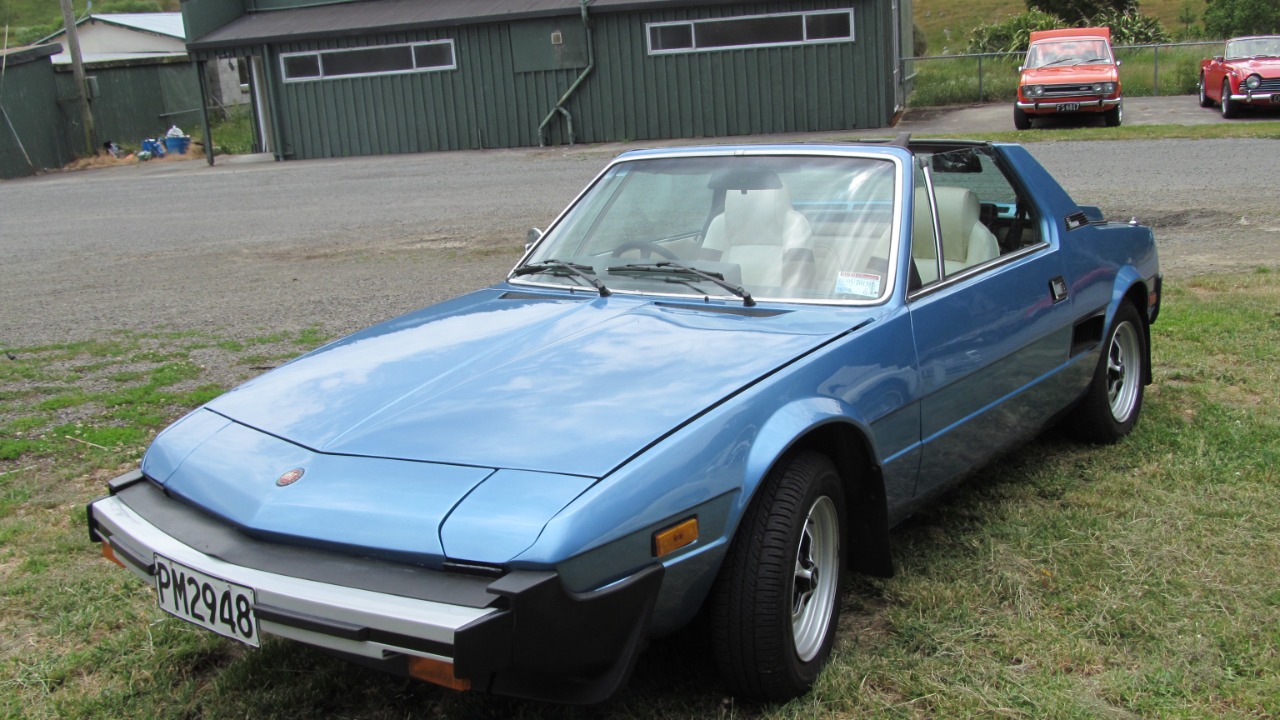
The Fiat X1/9 brought mid-engine sports-car design into a relatively affordable package. Its wedge-shaped styling, removable roof panel, compact dimensions, and transverse mid-mounted engine created an unusual combination of practicality and sporting character. At a time when fuel economy was becoming increasingly important, the X1/9 showed that smaller cars could still deliver an engaging driving experience. Its design also reflected the decade’s fascination with sharp geometric styling and innovative packaging.
Saab 99 Turbo
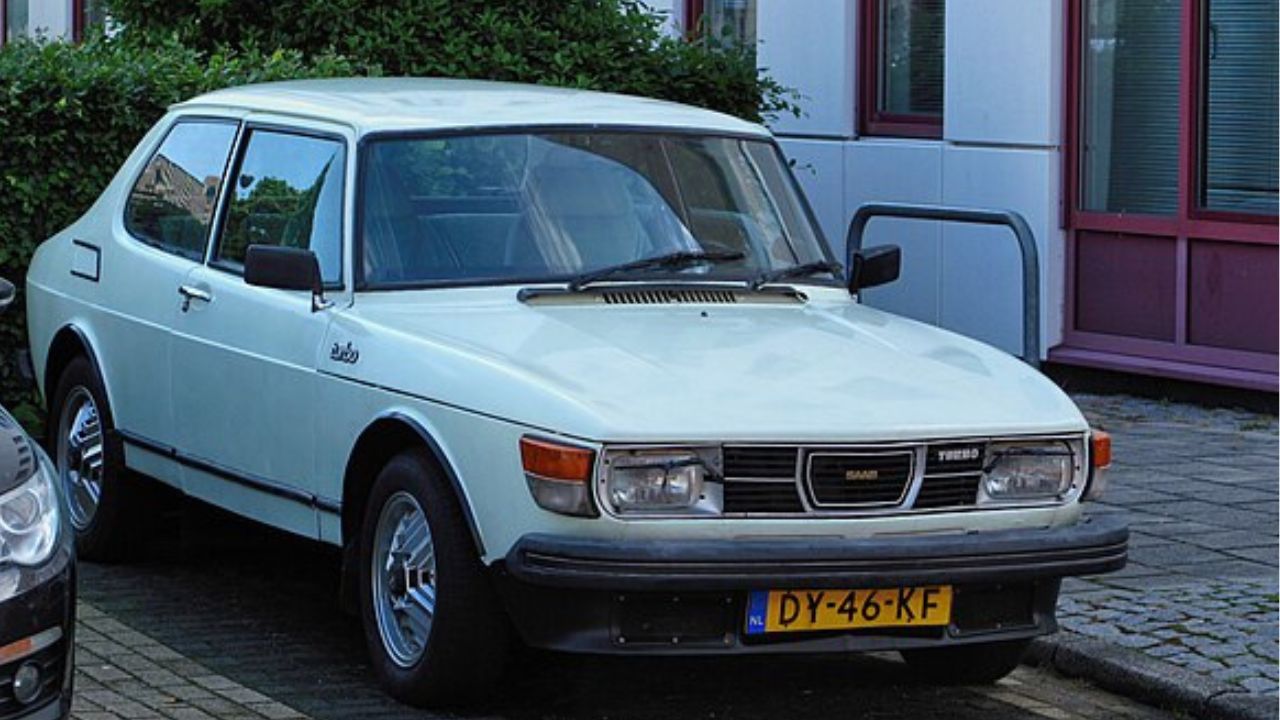
The Saab 99 Turbo helped prove that turbocharging could provide strong performance without requiring a large engine. Its forced-induction four-cylinder delivered useful power while maintaining the compact packaging and practicality expected from Saab. The turbo system also demonstrated how European manufacturers were adapting performance technology to an era increasingly concerned with fuel consumption and emissions. The 99 Turbo became an important milestone in the development of turbocharged production cars and helped make forced induction more acceptable to everyday drivers.
Ford Pinto
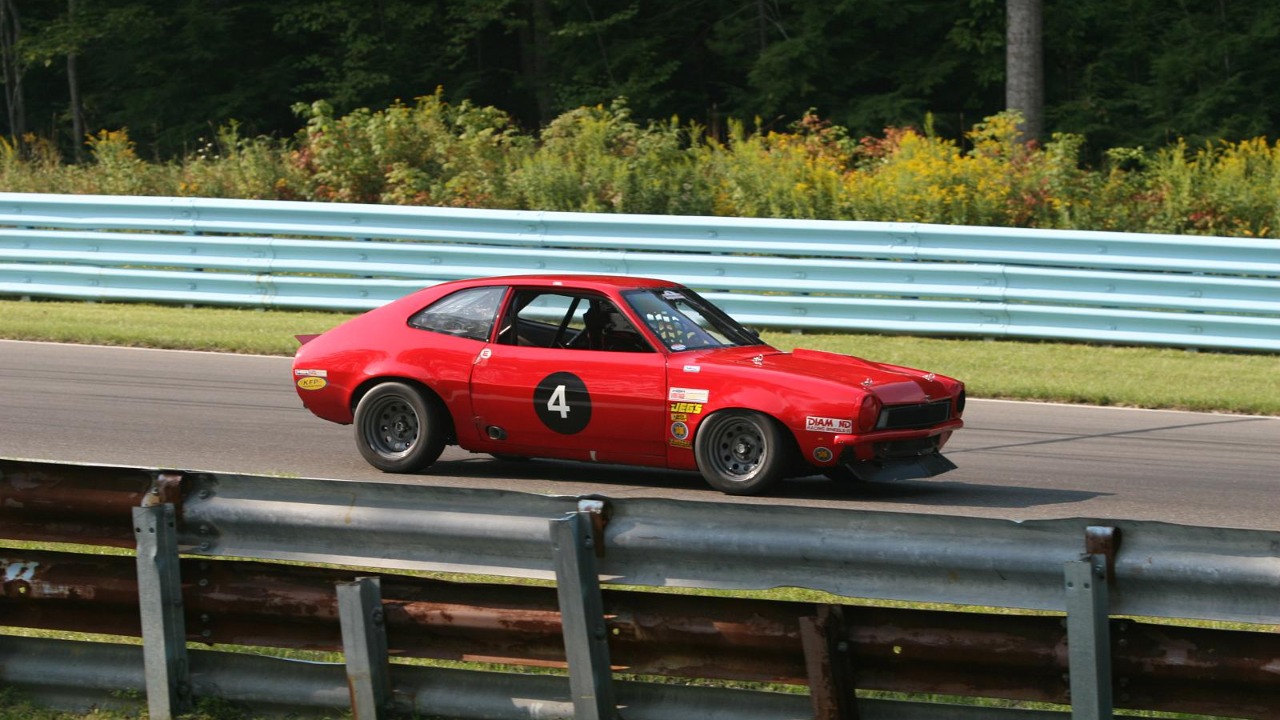
The Ford Pinto became one of the defining compact cars of 1970s America because it reflected the sudden shift toward smaller and more affordable transportation. Its compact size and relatively low purchase price appealed to buyers facing changing economic conditions and higher fuel costs. However, controversy surrounding its fuel-system safety and rear-impact vulnerability became a major part of its history. The Pinto therefore represented both the growing importance of small cars and the increasingly serious attention given to automotive safety.
BMW 3.0 CSL
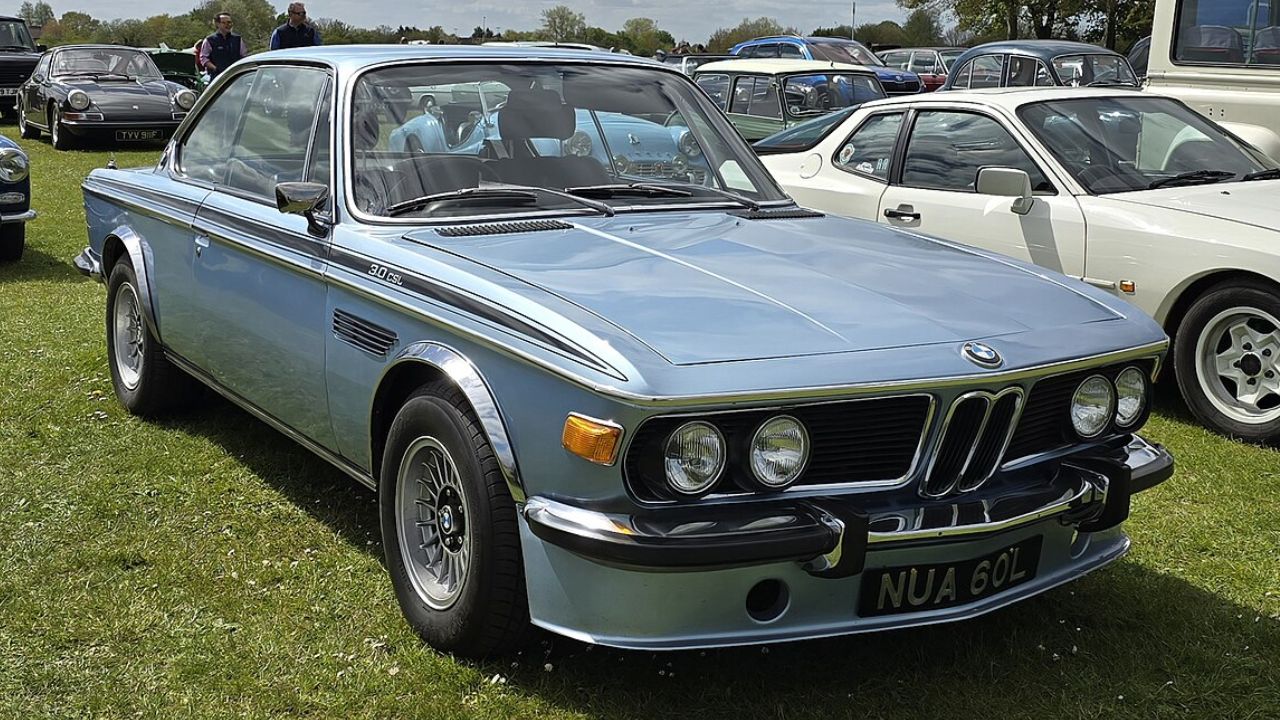
The BMW 3.0 CSL demonstrated how racing technology could influence a road-going performance car. Its lightweight construction, aerodynamic modifications, and powerful inline-six helped create an unusually focused grand tourer. The CSL became particularly important through its competition success, where BMW developed its reputation as a serious performance manufacturer. Its dramatic aerodynamic features also previewed the increasingly aggressive race-inspired designs that would influence performance cars throughout the following decades.
Lamborghini Espada

The Lamborghini Espada showed that an exotic car did not have to be a cramped two-seat machine. Its long body provided four seats while retaining a powerful V12 and dramatic Italian styling. The unusual combination of grand-touring practicality and supercar-level performance made it stand apart from conventional luxury vehicles. During a decade when manufacturers were increasingly concerned with efficiency and practicality, the Espada represented the opposite philosophy: extravagant engineering, large displacement, and unmistakable presence.
Renault 5
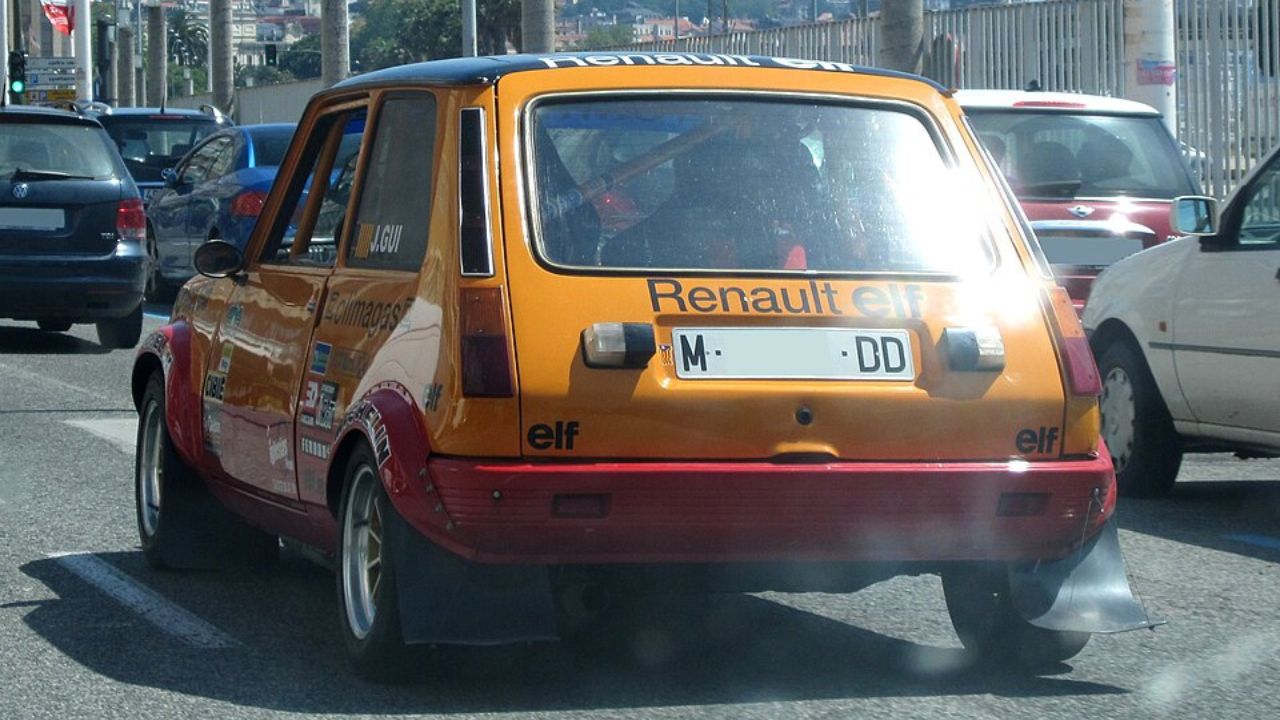
The Renault 5 captured the European shift toward compact transportation during the 1970s. Its small dimensions, front-wheel-drive layout, hatchback body, and efficient use of interior space made it highly practical for crowded cities and changing fuel conditions. Later performance versions demonstrated that compact economy cars could also become entertaining enthusiast machines. The Renault 5 helped establish the idea that small cars could be stylish, useful, and enjoyable rather than simply inexpensive transportation.
Chevrolet Chevette
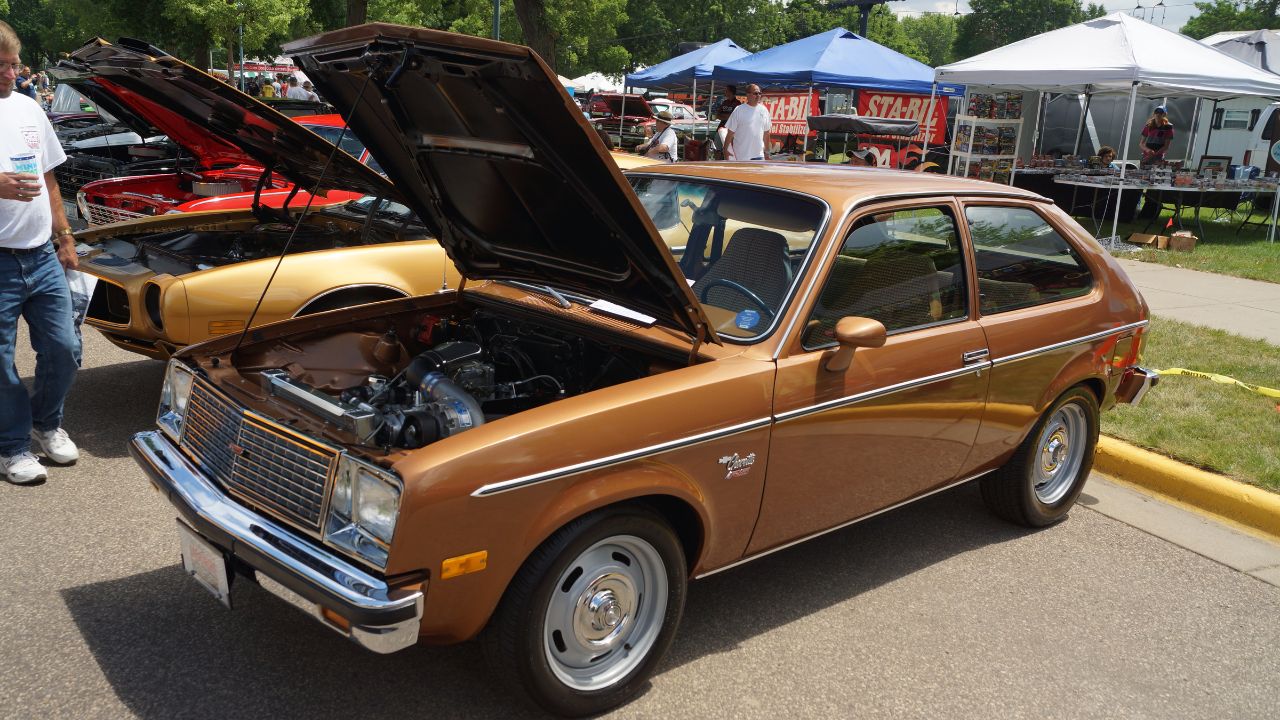
The Chevrolet Chevette reflected how dramatically American manufacturers had to adjust during the 1970s. It was smaller, lighter, and more economical than traditional Chevrolet offerings, giving buyers an alternative as fuel prices and consumer priorities changed. Its simple engineering and compact dimensions emphasized practicality over excess. Although it lacked the excitement associated with classic muscle cars, the Chevette represented one of the decade’s biggest automotive shifts: American buyers were increasingly willing to choose smaller vehicles for everyday transportation.
More from Fast Lane Only
- Unboxing the WWII Jeep in a Crate
- 15 rare Chevys collectors are quietly buying
- 10 underrated V8s still worth hunting down
- Police notice this before you even roll window down
*Research for this article included AI assistance, with all final content reviewed by human editors