For buyers who intend to keep a vehicle for decades, marketing claims matter far less than hard data on reliability and longevity. Long-running nameplates, high-mileage studies, and durability rankings now make it easier to see which models quietly prove they are built to last. The following ten vehicles stand out for routinely reaching 200,000 miles and beyond, combining conservative engineering with track records that reward owners who plan for the very long term.
Toyota Land Cruiser

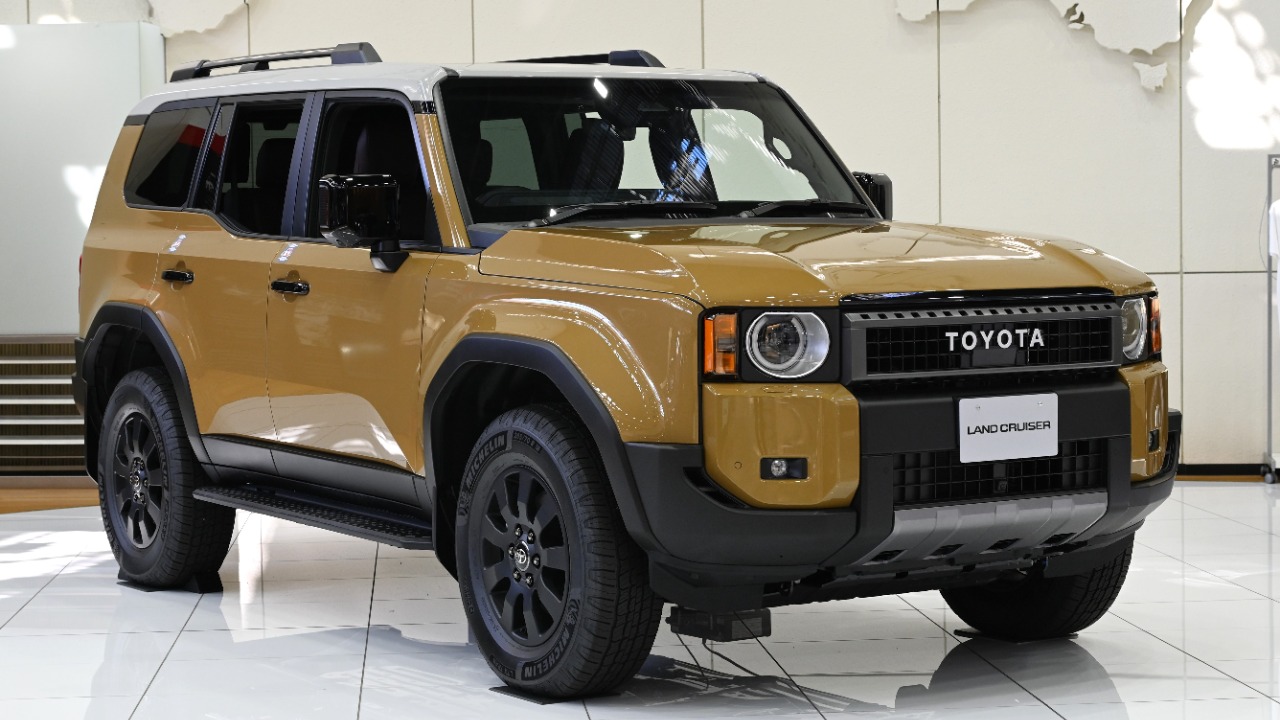
The Toyota Land Cruiser is repeatedly identified as one of the longest lasting vehicles on the road, with one analysis of high-mileage registrations listing the Toyota Land Cruiser at 18.2% of its sampled vehicles reaching exceptionally high odometer readings. That same “Which Cars Last the Longest” research places it ahead of large SUVs such as Toyota Sequoia at 14.2%, Chevrolet Suburban at 6.6%, and GMC Yukon XL at 5.2%, underscoring how far the Land Cruiser stretches beyond typical expectations for service life.
Another review of the longest lasting cars notes that the Toyota Land Cruiser consistently ranks among the most durable SUVs available, highlighting its body-on-frame construction and robust drivetrains as key reasons it survives harsh use. For owners in remote regions or those who tow and haul regularly, that durability translates into lower replacement frequency and stronger resale values. The implication is clear, fleets and private buyers who prioritize decades of dependable operation can justify the Land Cruiser’s higher upfront cost.
Toyota Sequoia

The Toyota Sequoia follows closely behind its off-road sibling in longevity studies, with the same “Which Cars Last the Longest” data assigning it a 14.2% share of vehicles reaching very high mileage thresholds. That figure, second only to the Toyota Land Cruiser’s 18.2%, signals that the Sequoia’s full-size SUV platform is engineered for sustained heavy use. Its ladder frame, V8 powertrains, and relatively conservative technology mix help limit complex failure points as the years accumulate.
Analysts who compile lists of the longest lasting SUVs emphasize that longevity comes down to proven components and careful evolution rather than constant reinvention. The Sequoia fits that pattern, often sharing engines and transmissions with other high-mileage Toyota trucks. For families who need three rows and serious towing capacity, the Sequoia’s durability reduces the risk that a large, expensive vehicle will age out early. Long-term owners benefit from predictable maintenance schedules and the confidence that the SUV can realistically serve multiple generations.
Chevrolet Suburban

The Chevrolet Suburban appears prominently in high-mileage rankings, where “Which Cars Last the Longest” attributes 6.6% of its sampled long-lived vehicles to this model. While that percentage trails the Toyota Land Cruiser and Toyota Sequoia, it still places the Suburban among the most enduring nameplates in the full-size SUV segment. The data suggests that a meaningful share of Suburbans are kept on the road for hundreds of thousands of miles, often in demanding fleet or family service.
Separate reporting on long-running car models notes that the Chevrolet Suburban has been in continuous production since 1935, describing it as the longest-produced vehicle in the world. That historical continuity reflects a design philosophy that prioritizes utility, frame strength, and parts commonality. For municipalities, commercial operators, and large families, the Suburban’s longevity means lower lifecycle costs and easier sourcing of replacement components. Its decades-long presence also supports a deep aftermarket, which further encourages owners to maintain rather than replace aging vehicles.
GMC Yukon XL

The GMC Yukon XL shares its basic architecture with the Chevrolet Suburban, and the same high-mileage study credits it with 5.2% of vehicles reaching very high odometer readings. That 5.2% figure, while slightly below the Suburban’s 6.6%, still places the Yukon XL among the top tier of long-lasting SUVs. The numbers indicate that extended-wheelbase GMC SUVs are not only popular but also structurally capable of surviving years of towing, hauling, and passenger duty.
Analyses of the longest lasting SUV models argue that longevity is closely tied to proven platforms and incremental engineering updates. The Yukon XL exemplifies this approach, combining a traditional body-on-frame layout with engines and transmissions that have been refined rather than constantly replaced. For buyers who prefer a more upscale interpretation of the Suburban formula, the Yukon XL offers similar durability with additional comfort features. That combination appeals to corporate fleets and large households that expect a premium vehicle to remain dependable well past its warranty period.
Toyota Camry

The Toyota Camry is frequently cited among cars that can generally reach 200,000 miles and beyond, with one reliability-focused overview listing the Toyota Camry alongside other models known for exceptional longevity. That report notes that “So the Camry is a very smooth riding vehicle” while emphasizing its reputation for durability and low running costs. The ability to cross the 200,000 miles threshold without major powertrain failures has made the Camry a default choice for commuters who value predictability over flash.
Broader reliability rankings that compare brands over the long term place Lexus and Toyota at the top, with Lexus and Toyota holding a commanding advantage over Mazda and other competitors. Those findings reinforce the idea that the Camry benefits from a corporate culture focused on conservative engineering and quality control. For individual owners, the stakes are straightforward, a midsize sedan that can be kept for decades reduces the financial pressure to finance new vehicles frequently and supports higher confidence in used examples.
Lexus GX
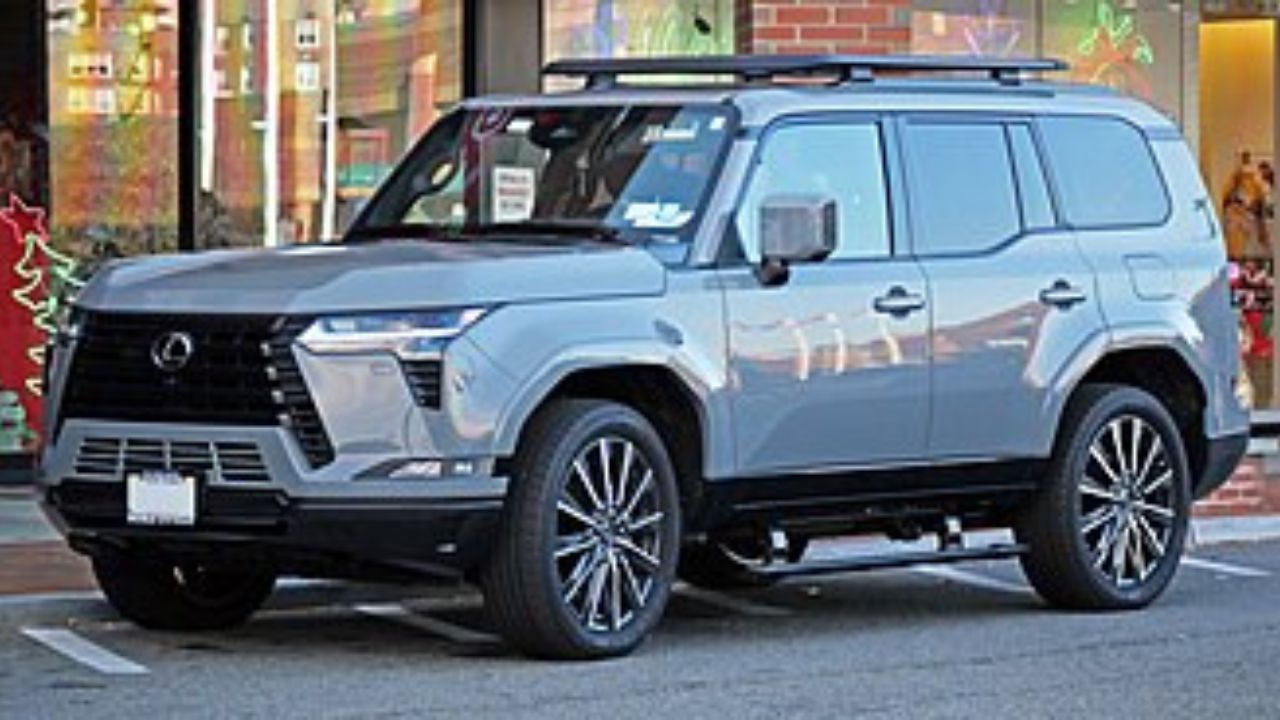
The Lexus GX appears in lists of the longest lasting cars, where the Lexus GX is singled out as a body-on-frame luxury SUV that shares durability traits with the Toyota Land Cruiser. One summary notes that the Lexus GX is built on a rugged platform more commonly associated with off-road vehicles than with premium crossovers. That structural choice, combined with naturally aspirated engines and proven transmissions, helps the GX accumulate mileage with relatively few catastrophic failures.
Brand-level reliability assessments that rank long-term performance show Lexus and Toyota leading a field of 26 brands, with Lexus and Toyota significantly ahead of Mazda and others. The GX benefits directly from that engineering discipline, offering luxury buyers a vehicle that can realistically serve for decades if maintained. For stakeholders in the used-vehicle market, the GX’s reputation means higher residual values and strong demand for older models, which in turn encourages original owners to invest in proper maintenance rather than disposing of the SUV early.
Toyota 4Runner

The Toyota 4Runner is regularly included in discussions of the longest lasting SUV models available today, particularly in analyses that highlight body-on-frame construction and proven drivetrains as keys to longevity. Commentators on the longest lasting SUV segment stress that longevity comes down to proven engineering and a focus on durability rather than chasing every new technology trend. The 4Runner, with its truck-based chassis and relatively simple powertrain options, fits that template closely.
High-mileage vehicle lists that track models reaching 200,000 miles and beyond often feature the 4Runner alongside the Toyota Land Cruiser and Toyota Sequoia, reinforcing its status as a long-term workhorse. For outdoor enthusiasts and owners in rural areas, the ability to keep a 4Runner for decades reduces the risk associated with remote travel and harsh conditions. The model’s durability also supports strong resale values, which benefits both first owners and subsequent buyers who want a capable SUV without the cost of a new vehicle.
Toyota Prius

The Toyota Prius, while not a traditional body-on-frame vehicle, has quietly built a reputation for exceptional longevity in hybrid form. Reliability surveys that examine which brands make the best used cars place Lexus and Toyota at the top, and the Prius is often cited as a key contributor to Toyota’s strong performance. Long-term owners report that the hybrid system, when properly maintained, can sustain high mileage without frequent major repairs, contradicting early fears that battery technology would limit lifespan.
Lists of cars most likely to hit 200,000 miles note that Americans are keeping their cars longer than ever, and hybrids like the Prius are increasingly part of that trend. As fuel prices fluctuate and emissions regulations tighten, a hybrid that can remain in service for decades has significant implications for both household budgets and environmental impact. Fleet operators, such as taxi and ride-hailing services, have also leaned on the Prius’s durability, demonstrating that the model can withstand intensive daily use while maintaining efficiency.
Volvo 240

The Volvo 240, though no longer in production, continues to appear in discussions of old cars that were built to last effectively forever. One retrospective on engineering-focused budget cars highlights how the 240’s electrical system was designed so that “even if half the fuses failed the car would still run and have functioning lights.” Commentators point to this redundancy as a prime example of durability-first engineering, which helps explain why 240s remain in daily use decades after they left showrooms.
That same analysis notes that this design philosophy is why observers still see 240s driving around in significant numbers, despite their age. For current owners and classic-car enthusiasts, the Volvo 240’s longevity reduces the anxiety associated with running an older vehicle as regular transportation. It also illustrates a broader lesson for modern manufacturers, robust, easily repairable systems can extend a car’s useful life far beyond typical depreciation curves, benefiting both consumers and the environment by delaying scrappage.
Chevrolet Suburban (Classic Generations)
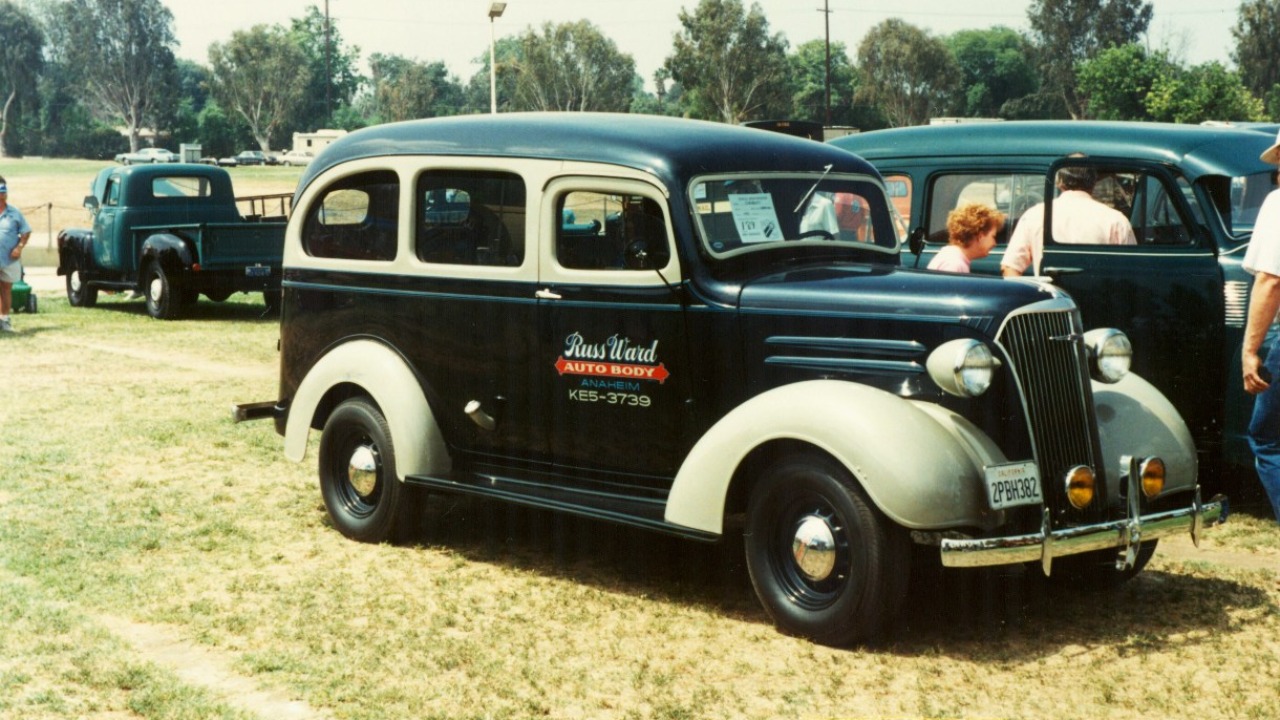
Beyond its modern iterations, the classic generations of the Chevrolet Suburban deserve separate recognition for their role in proving that vehicles can be built for decades of service. Historical overviews of long-running car models emphasize that the Chevrolet Suburban, introduced in 1935, has remained in production across multiple eras, with various years and body styles adapting to changing needs. That continuity reflects a core design that owners and fleets have trusted for work, family transport, and emergency services.
Analyses of the 20 longest lasting vehicles, which list the Chevrolet Suburban at 6.6% of high-mileage examples, show that many of these classic trucks are still in operation. For rural communities and specialized users, older Suburbans provide a combination of cargo space, towing capacity, and mechanical simplicity that newer crossovers cannot match. Their ongoing presence on the road underscores how robust frames, straightforward drivetrains, and a deep parts ecosystem can keep a vehicle relevant and reliable long after its original design cycle.
More from Fast Lane Only