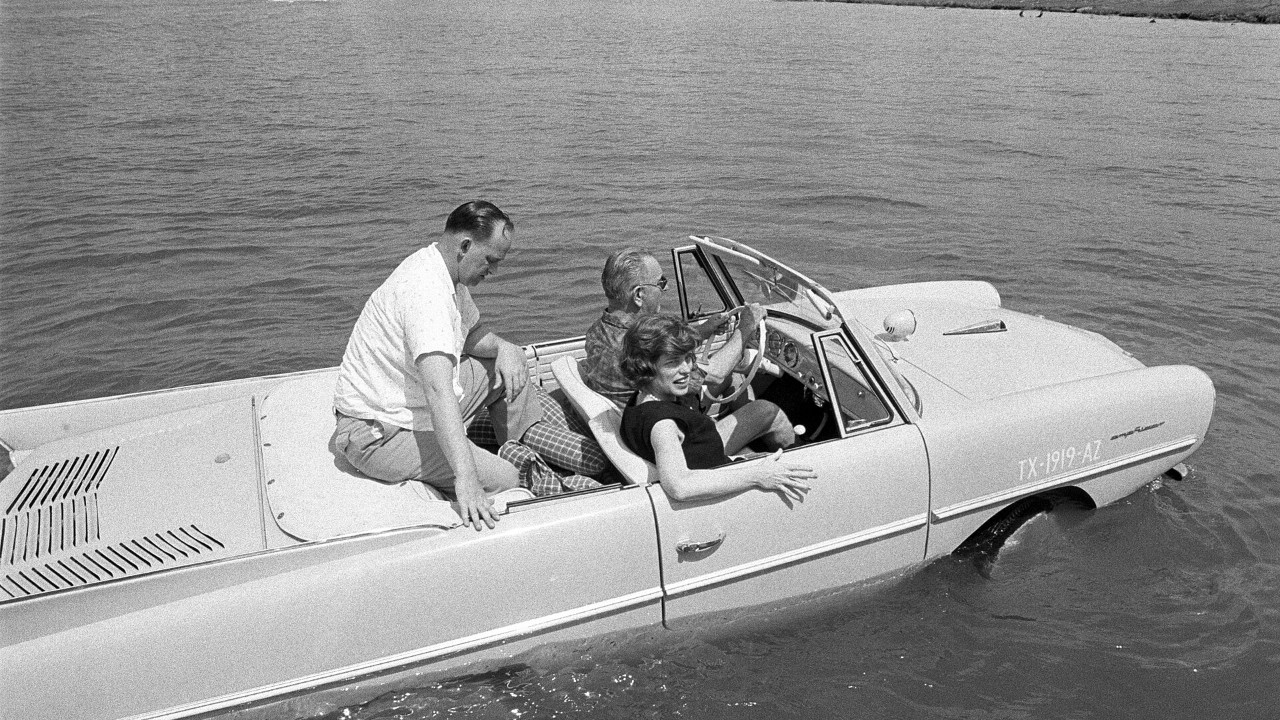
Classic cars don’t need record-breaking horsepower or million-dollar price tags to leave a lasting impression. The vehicles on this list earned their reputations through unforgettable styling, innovative engineering, or bold ideas that set them apart from their competitors. Decades after they first rolled onto showroom floors, they continue to attract attention from enthusiasts because their character is just as compelling today as it was when they were new.
1970 Buick Riviera
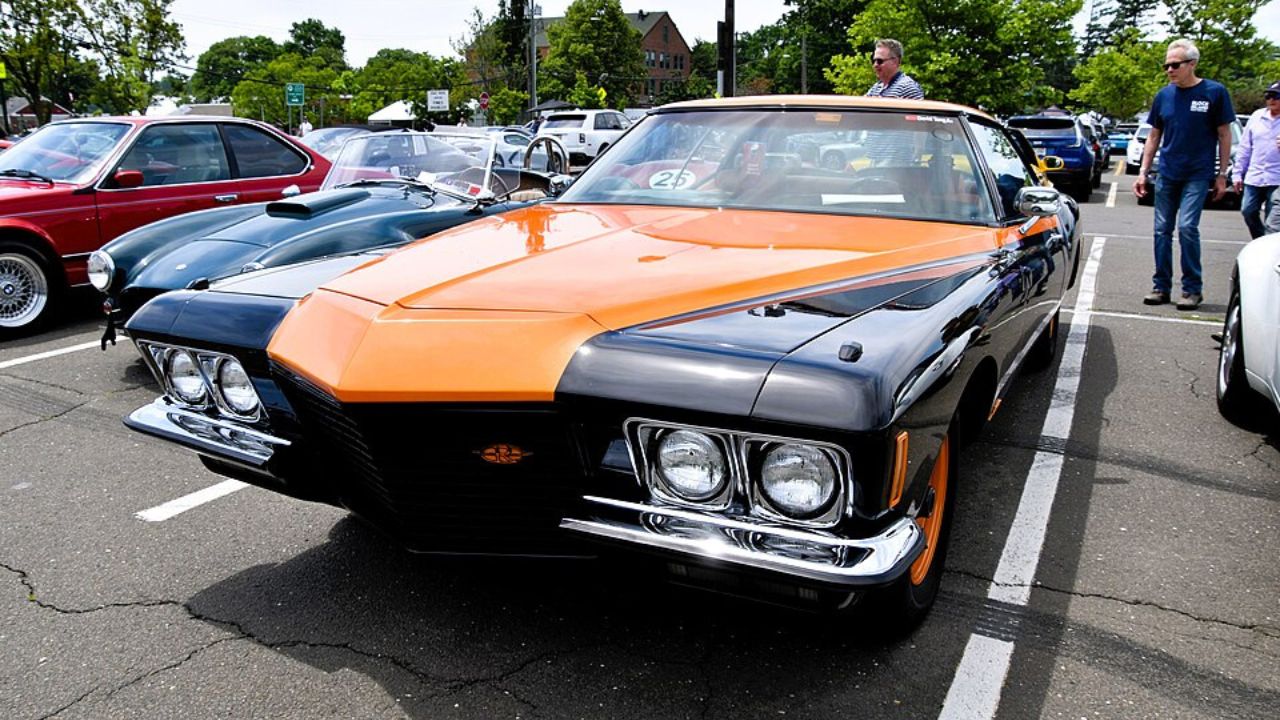
The 1970 Buick Riviera proved that personal luxury could be just as exciting as outright performance. Its sleek proportions, hidden headlights, and flowing body lines gave it a sophisticated look that still feels timeless. Under the hood, Buick’s massive 455-cubic-inch V8 delivered effortless power, making long highway drives feel smooth and relaxed. Rather than competing directly with muscle cars, the Riviera carved out its own niche as a grand touring coupe that blended refinement with performance, helping it remain one of Buick’s most admired classics.
1968 Imperial Crown
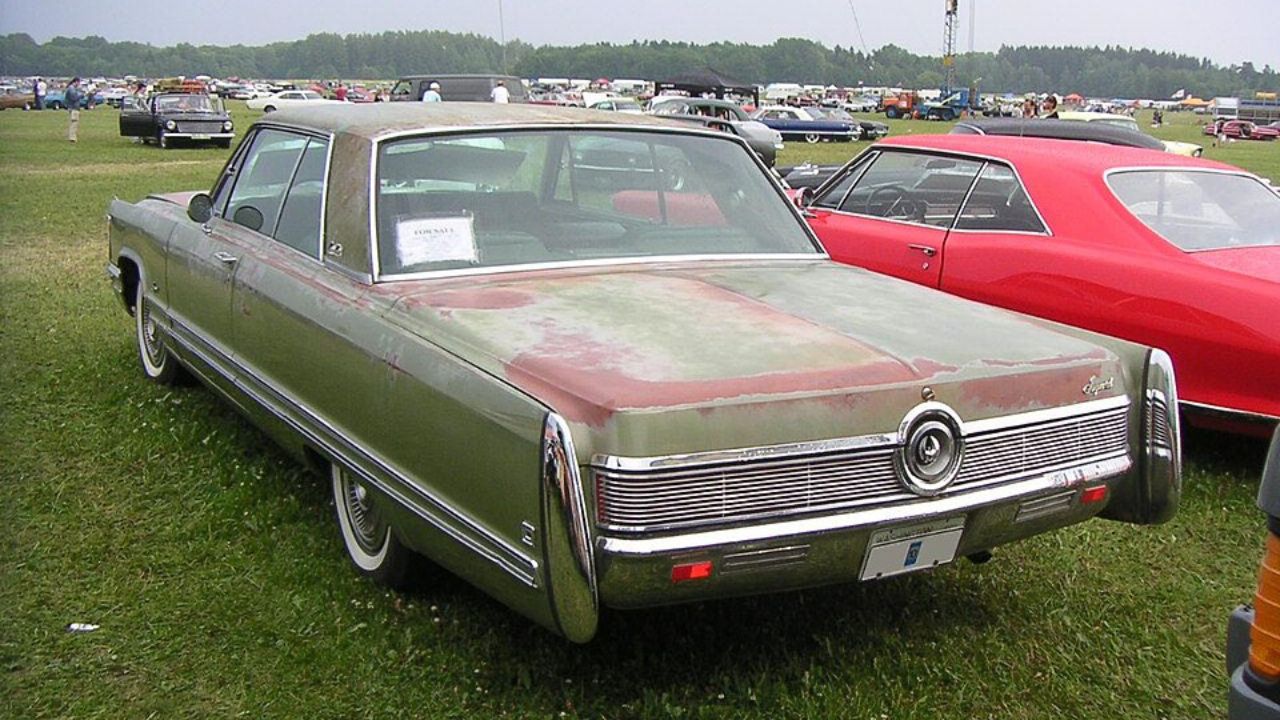
Luxury looked very different in 1968, and the Imperial Crown captured that philosophy perfectly. Chrysler’s flagship sedan offered generous proportions, elegant styling, and an exceptionally comfortable interior designed for effortless travel. Power came from a smooth 440-cubic-inch V8 that emphasized quiet cruising over aggressive acceleration. While Cadillac often dominated the luxury conversation, the Imperial developed its own loyal following thanks to its distinctive styling and premium craftsmanship. Today, its commanding road presence makes it impossible to overlook at any classic car gathering.
1972 Mazda RX-3
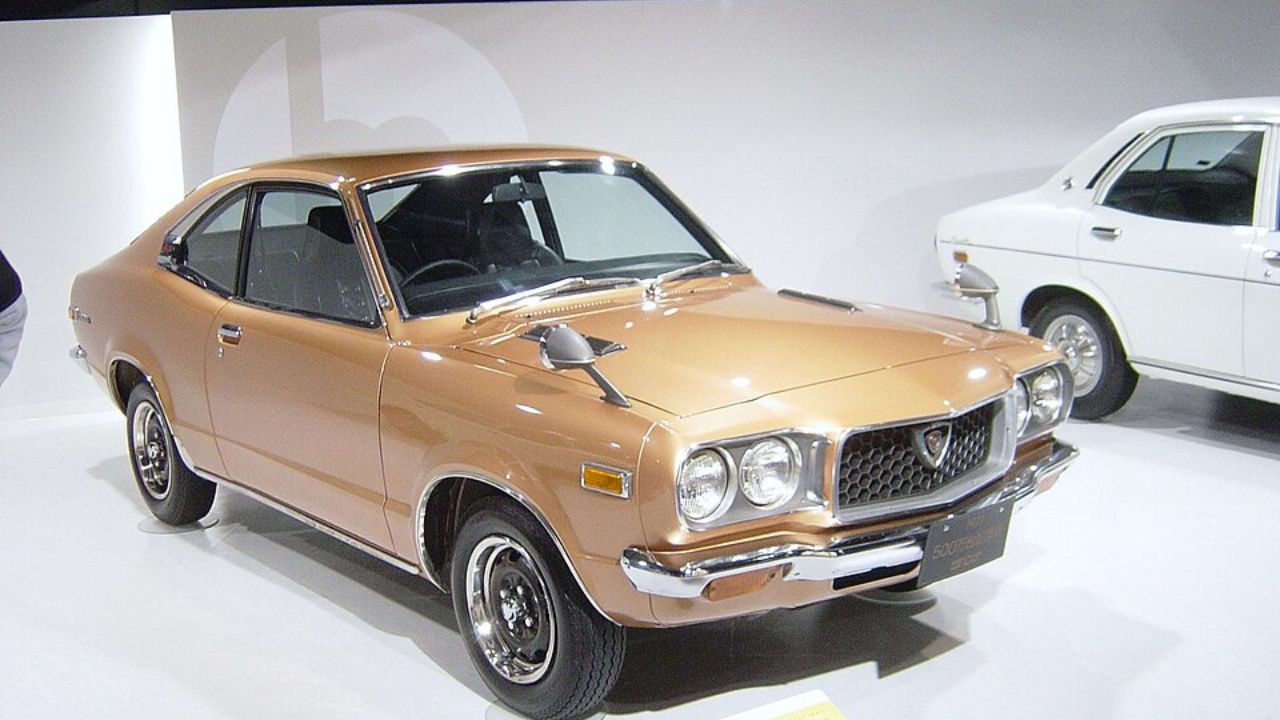
Mazda challenged conventional thinking with the RX-3 by placing a compact rotary engine under the hood instead of a traditional piston-powered four-cylinder or V8. The lightweight coupe delivered lively acceleration, quick steering, and a driving experience unlike almost anything else available during the early 1970s. Its success in motorsports only strengthened its reputation among enthusiasts. Although surviving examples have become increasingly rare, the RX-3 remains one of Mazda’s most celebrated classics and a lasting symbol of the company’s willingness to embrace unconventional engineering.
1969 Saab 99
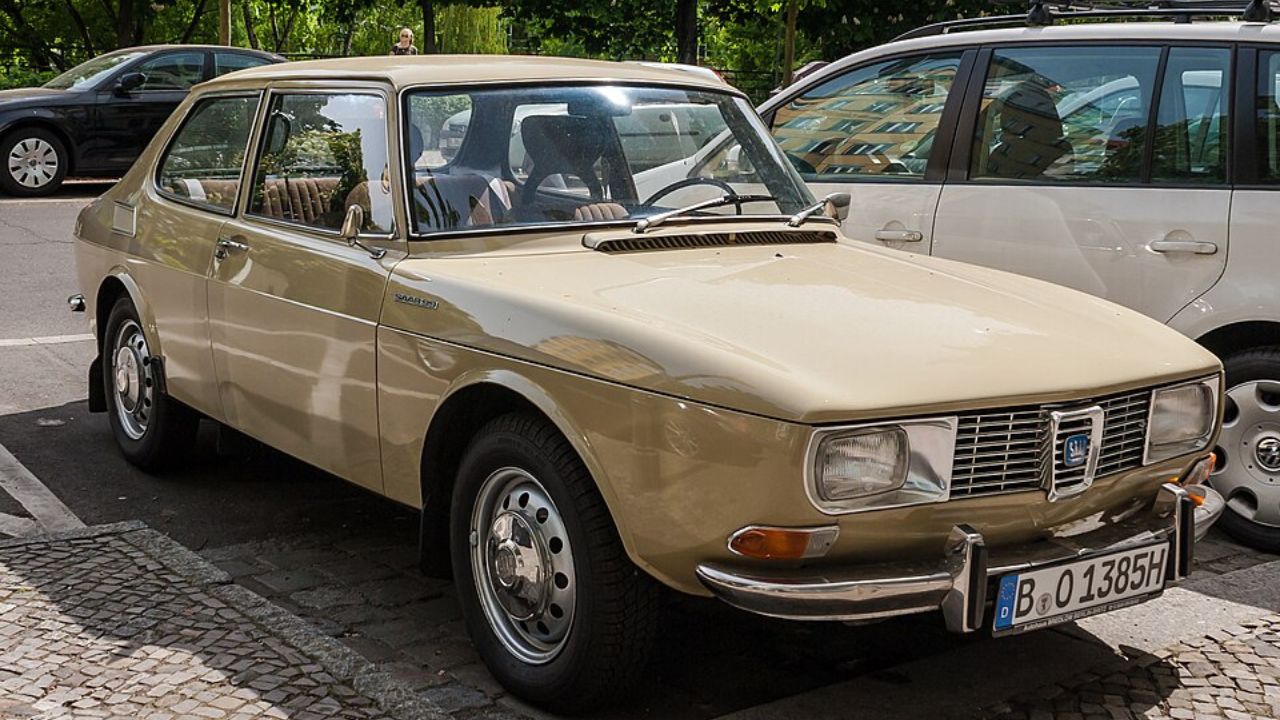
The Saab 99 established the identity that would define the Swedish automaker for decades. Instead of chasing flashy styling or massive engines, Saab focused on intelligent engineering, practical design, and industry-leading safety features. The roomy cabin, front-wheel-drive layout, and comfortable seating reflected the company’s emphasis on everyday usability. Buyers appreciated its thoughtful approach to automotive design, and the 99 laid the groundwork for legendary successors like the Saab 900. Its originality continues to earn admiration from enthusiasts around the world.
1974 Mercury Capri

European performance found an American audience through the Mercury Capri. Built by Ford of Europe and sold through Lincoln-Mercury dealerships, the Capri offered agile handling, attractive fastback styling, and a driving experience that differed dramatically from larger domestic coupes. Buyers could choose from several engines, including the popular 2.8-liter V6, giving the Capri plenty of personality without relying on excessive horsepower. Its blend of European engineering and American availability makes it one of Mercury’s most distinctive production models.
1975 Chevrolet Cosworth Vega
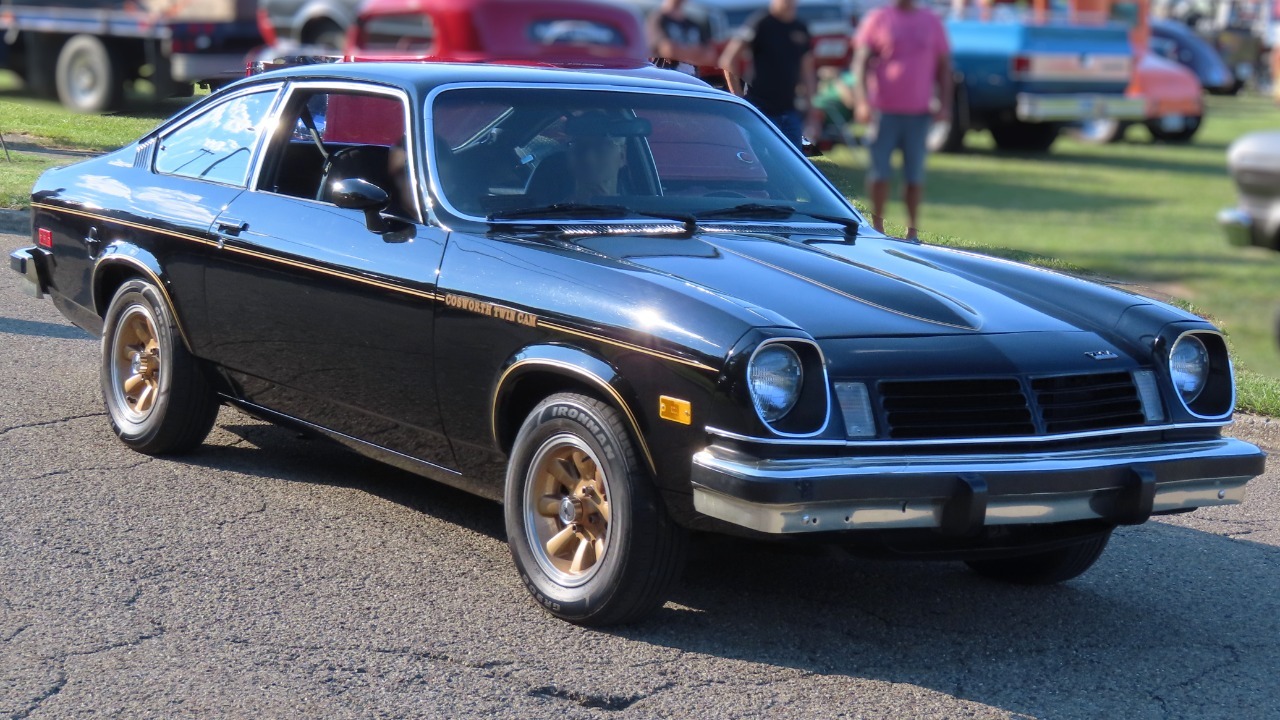
General Motors took a surprisingly bold approach with the Cosworth Vega by focusing on advanced engineering instead of traditional muscle. Developed alongside British engineering specialist Cosworth, the limited-production model featured a sophisticated twin-cam, fuel-injected four-cylinder engine that was remarkably advanced for its era. Finished exclusively in black with gold accents during its first model year, the Cosworth Vega looked every bit as unique as it drove. Although it never achieved widespread commercial success, its rarity and innovation have made it one of Chevrolet’s most fascinating collector cars.
1978 Ford Fairmont
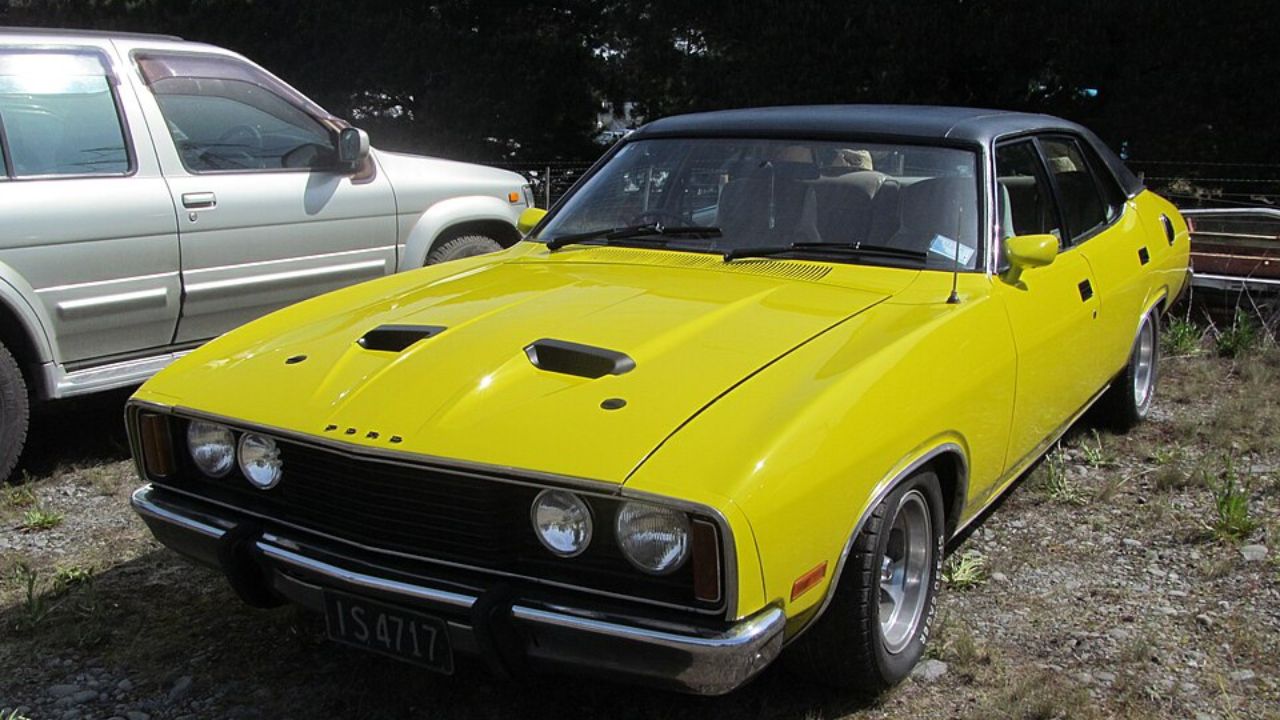
Few people expected the humble Ford Fairmont to become one of the company’s most important cars. Beneath its conservative styling was the all-new Fox platform, a lightweight and highly adaptable architecture that would underpin numerous Ford, Mercury, and Lincoln models for years to come. The Fairmont itself offered practical transportation, solid fuel economy, and surprising versatility. Over time, enthusiasts also discovered that its simple mechanical layout made it an excellent foundation for performance builds, giving this overlooked sedan an unexpected second life.
1971 Volkswagen K70
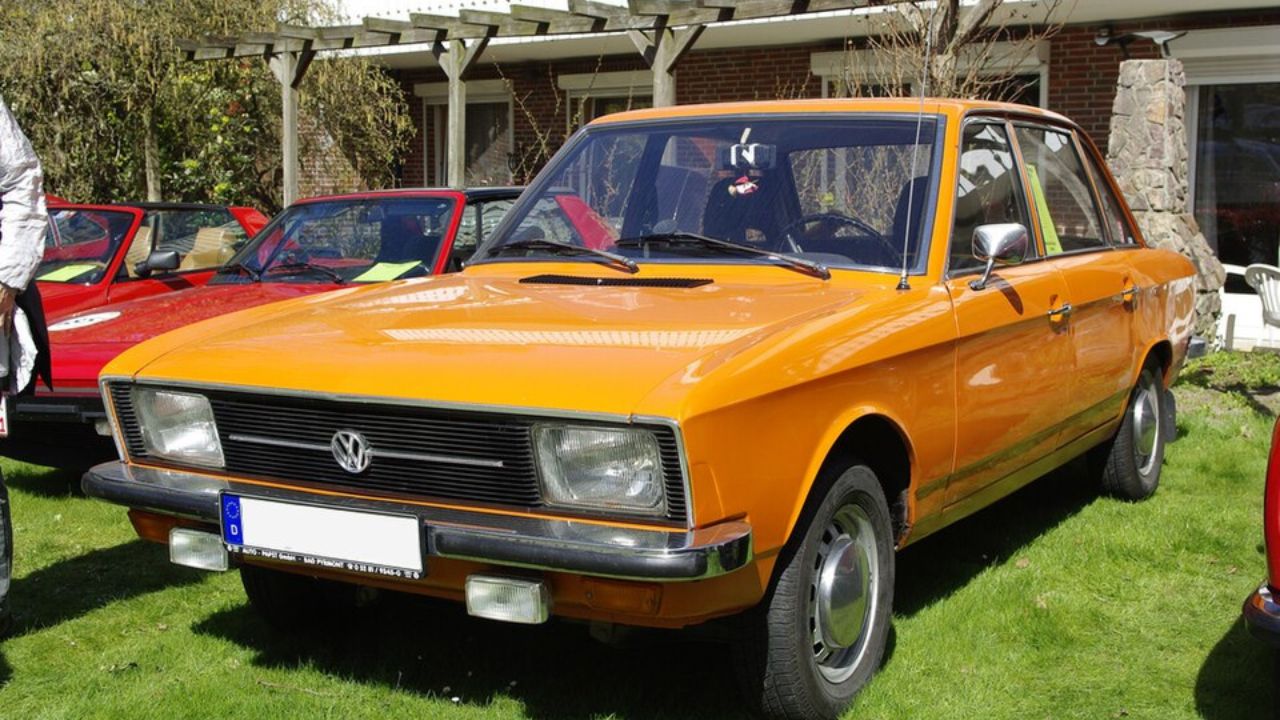
Volkswagen shocked longtime customers when it introduced the K70. Gone was the familiar air-cooled engine mounted behind the rear axle. In its place was a front-mounted water-cooled engine driving the front wheels, creating a sedan that pointed directly toward Volkswagen’s future. Although buyers initially struggled to embrace such a dramatic change, the K70 helped pave the way for later models like the Passat and Golf. Today, it stands as one of the most historically significant transitions in the company’s long history.
1969 Ford XL
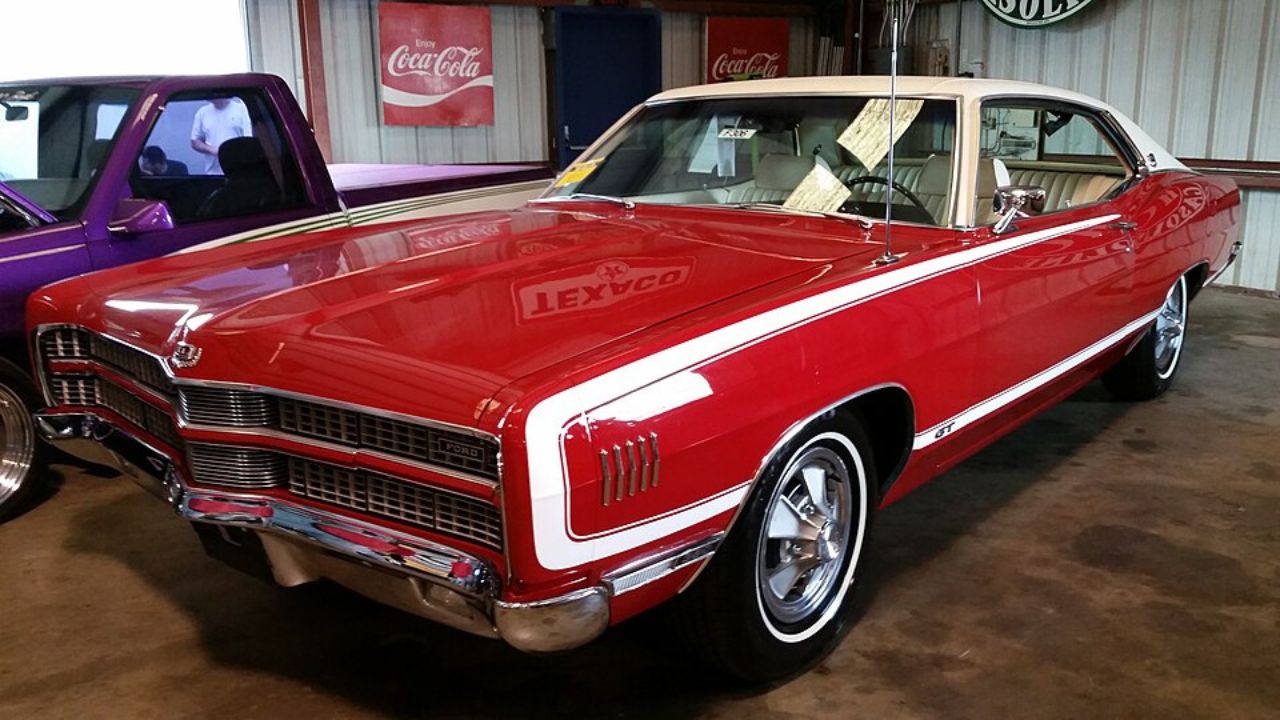
The Ford XL quietly appealed to buyers who wanted comfort without giving up V8 performance. Available with engines ranging from the dependable 390 to the legendary 428 Cobra Jet, the full-size coupe combined impressive power with a spacious interior built for long-distance travel. While smaller muscle cars often stole the headlines, the XL offered a more refined approach to performance. Its understated styling has aged gracefully, and collectors increasingly appreciate its combination of rarity, capability, and everyday usability.
1984 Dodge Rampage
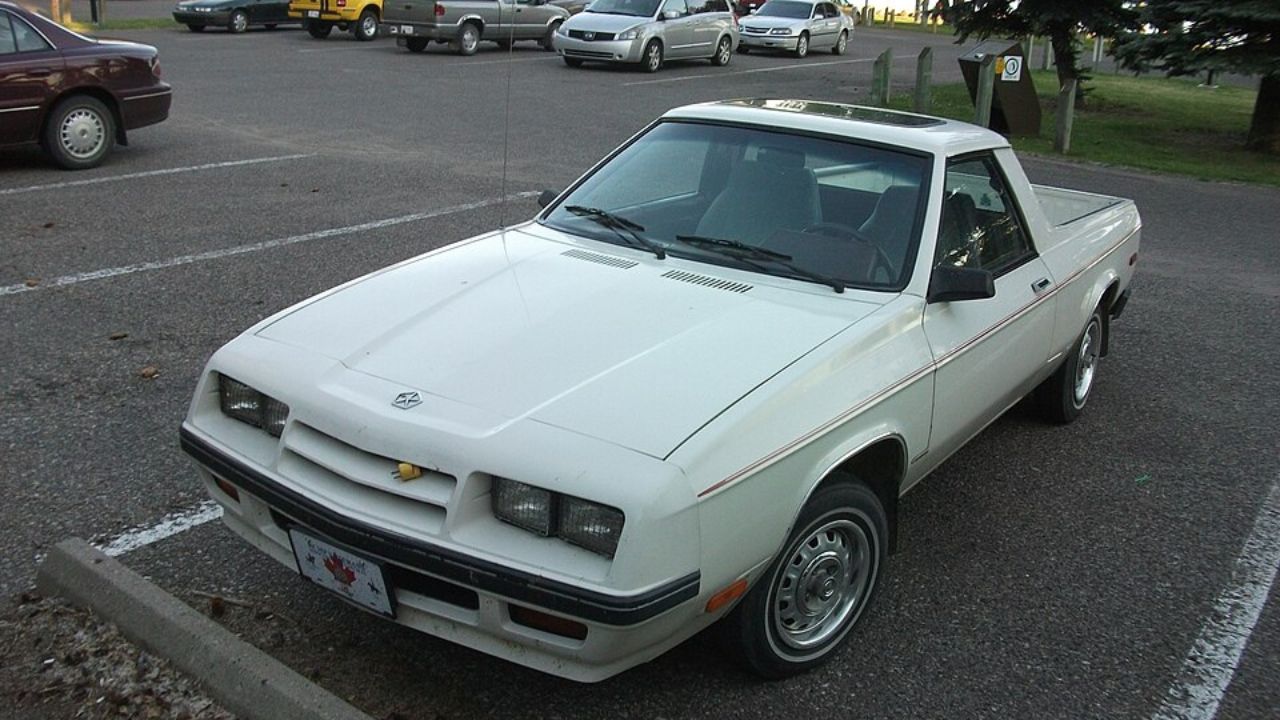
The Dodge Rampage arrived decades before compact lifestyle trucks became fashionable. Built on Chrysler’s front-wheel-drive L-body platform, it delivered the comfort and efficiency of a passenger car while adding the practicality of an open pickup bed. It wasn’t designed for heavy hauling, but it excelled at everyday tasks that many drivers encountered around town or on weekend projects. Although its production run was brief, the Rampage demonstrated that pickups didn’t have to follow traditional formulas, making it one of Dodge’s most creative and forward-thinking vehicles.
More from Fast Lane Only