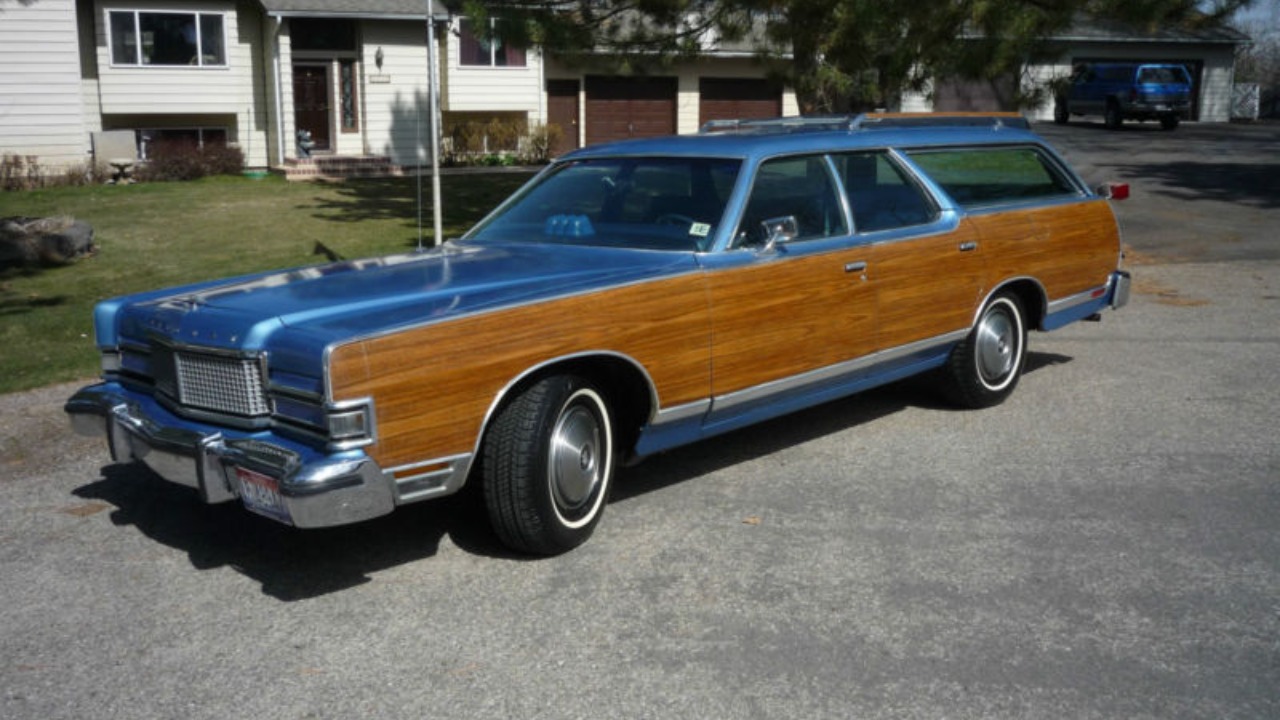
Station wagons once represented the perfect combination of practicality, comfort, and style. Before minivans and sport utility vehicles dominated American roads, wagons carried growing families on vacations, handled daily errands, and transported everything from groceries to camping equipment. Manufacturers competed by offering larger interiors, stronger engines, and increasingly distinctive designs. These vintage wagons continue to attract enthusiasts because they represent a level of character and versatility that is rarely found in modern vehicles.
Chevrolet Nomad
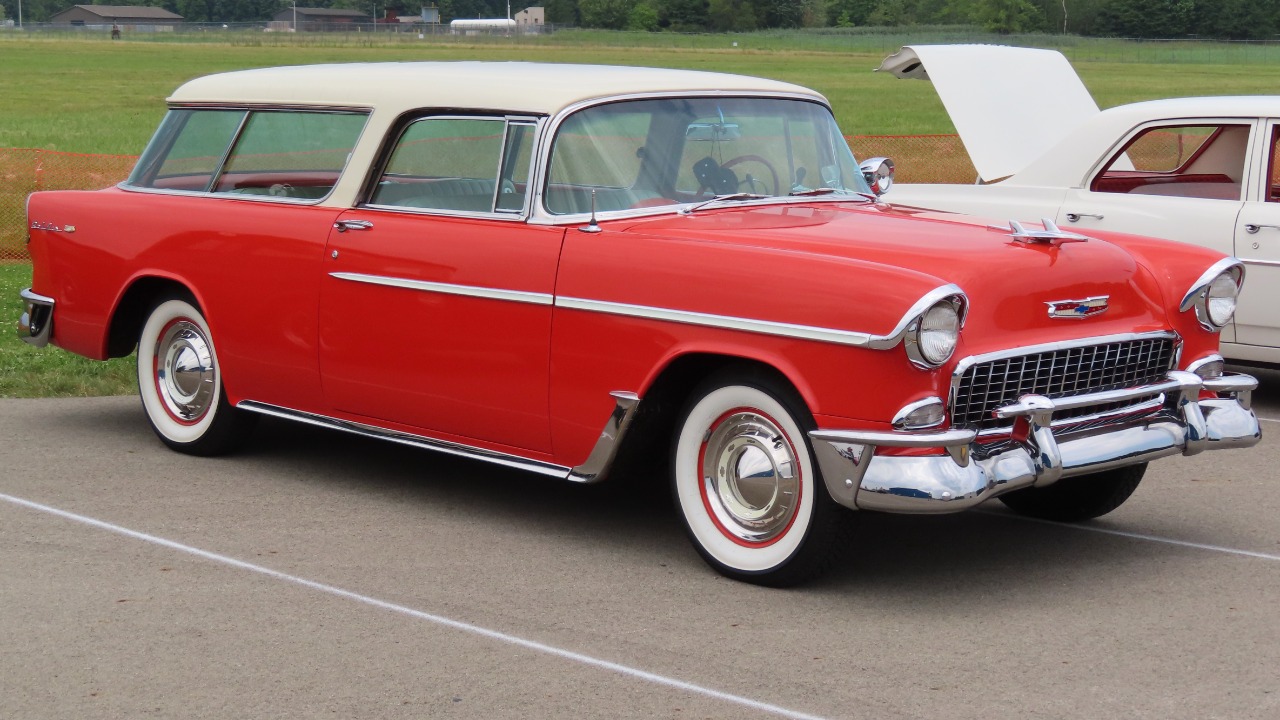
The Chevrolet Nomad transformed the station wagon into something far more stylish than buyers expected. Its distinctive roof design, two-door body, and strong connection to Chevrolet’s popular passenger cars helped it stand apart from traditional family wagons. Although production numbers remained relatively modest, the Nomad became one of the most recognizable wagons ever built and remains a favorite among collectors.
Ford Ranch Wagon

The Ford Ranch Wagon delivered practicality without unnecessary complexity. Built to handle family transportation and light-duty hauling, it became a dependable choice for buyers who needed extra cargo space. Its clean styling and durable construction helped many examples remain in service for years. Today, surviving models offer a reminder of an era when wagons were designed to work hard every day.
Chrysler Town and Country
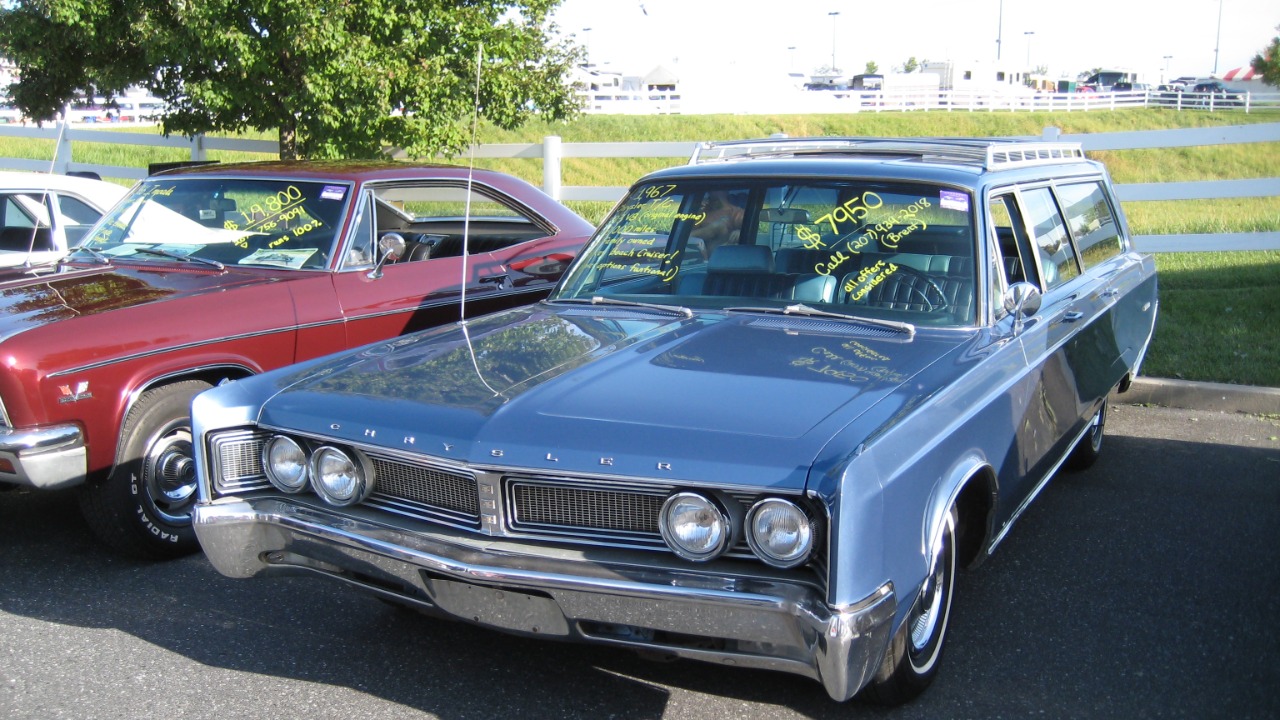
The Chrysler Town and Country combined premium features with the versatility of a full-size wagon. Buyers appreciated its comfortable interior, powerful V8 engines, and upscale appointments that made long trips more enjoyable. It demonstrated that station wagons could provide luxury without sacrificing functionality. The model established a reputation that would continue for decades.
Studebaker Wagonaire

The Studebaker Wagonaire introduced one of the most innovative cargo solutions of the 1960s. Its sliding rear roof panel allowed owners to transport oversized items that would never fit inside a conventional wagon. Although Studebaker struggled financially during this period, the Wagonaire showed that creative engineering could still produce something truly different. Its unusual design remains impressive today.
Chevrolet Caprice Estate

The Chevrolet Caprice Estate brought luxury to the station wagon market with a spacious interior and a smooth, comfortable ride. Buyers could choose powerful engines while enjoying premium trim and abundant cargo space. It quickly became a popular family vehicle during the second half of the decade. Modern utility vehicles may offer similar capabilities, but few deliver the same classic charm.
Buick Sport Wagon
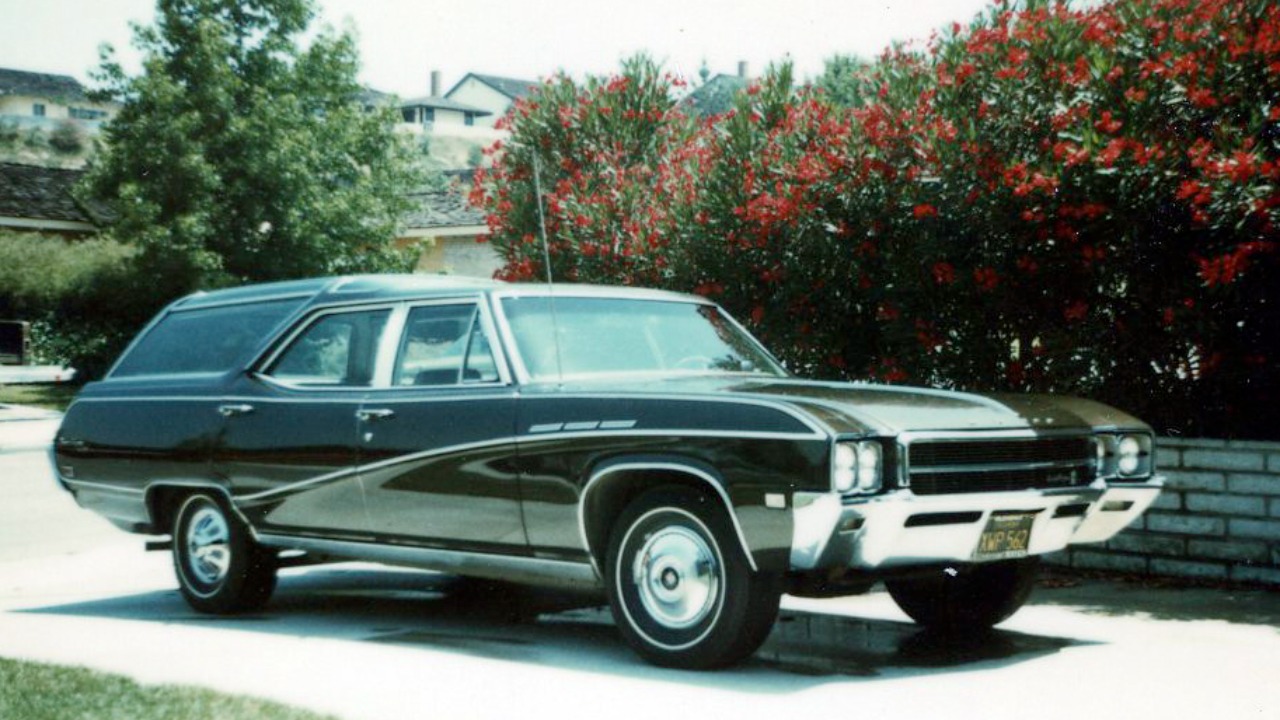
The Buick Sport Wagon distinguished itself with a raised roof design that improved passenger comfort and increased interior space. Large side windows created an open feeling that made long journeys more enjoyable. Combined with Buick’s reputation for comfort and refinement, the Sport Wagon offered a premium driving experience that separated it from many competitors.
Oldsmobile Vista Cruiser
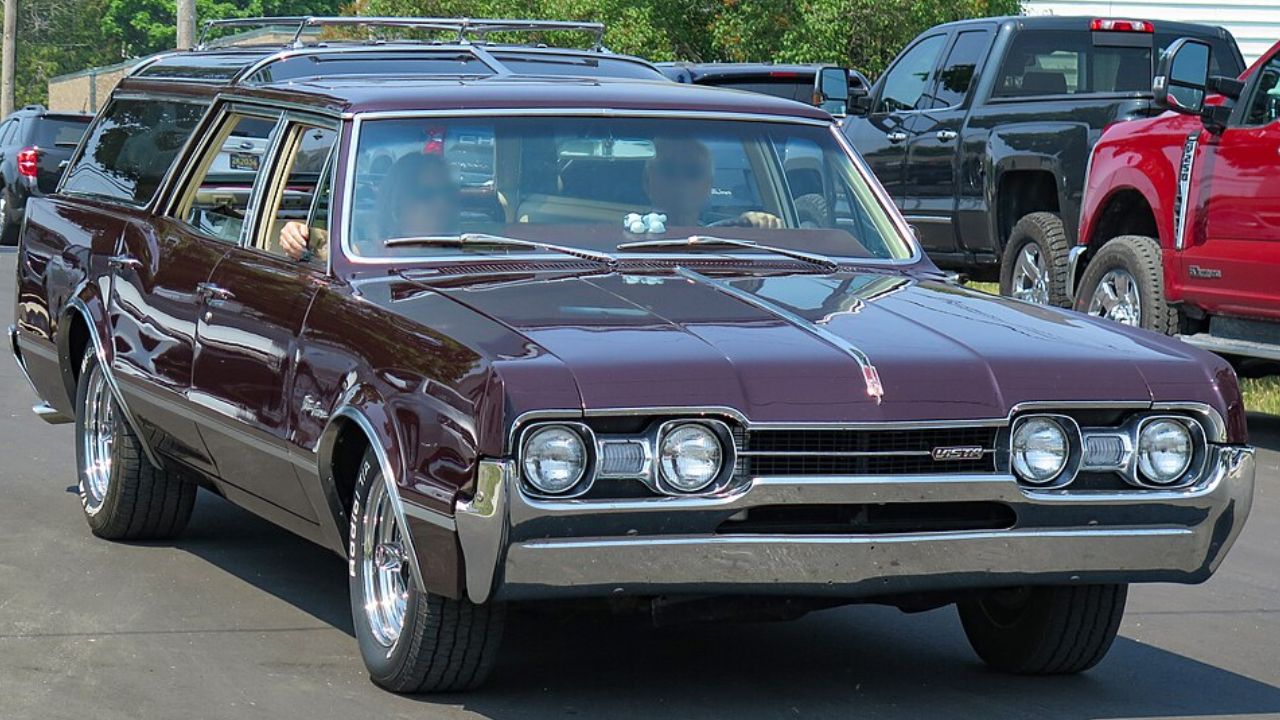
The Oldsmobile Vista Cruiser became famous for its raised roof and distinctive skylight windows. Those extra windows created a brighter cabin and gave passengers a panoramic view rarely found in other family vehicles. The Vista Cruiser balanced practicality with style while maintaining Oldsmobile’s reputation for comfort. It remains one of the most recognizable station wagons ever produced.
Ford Country Squire
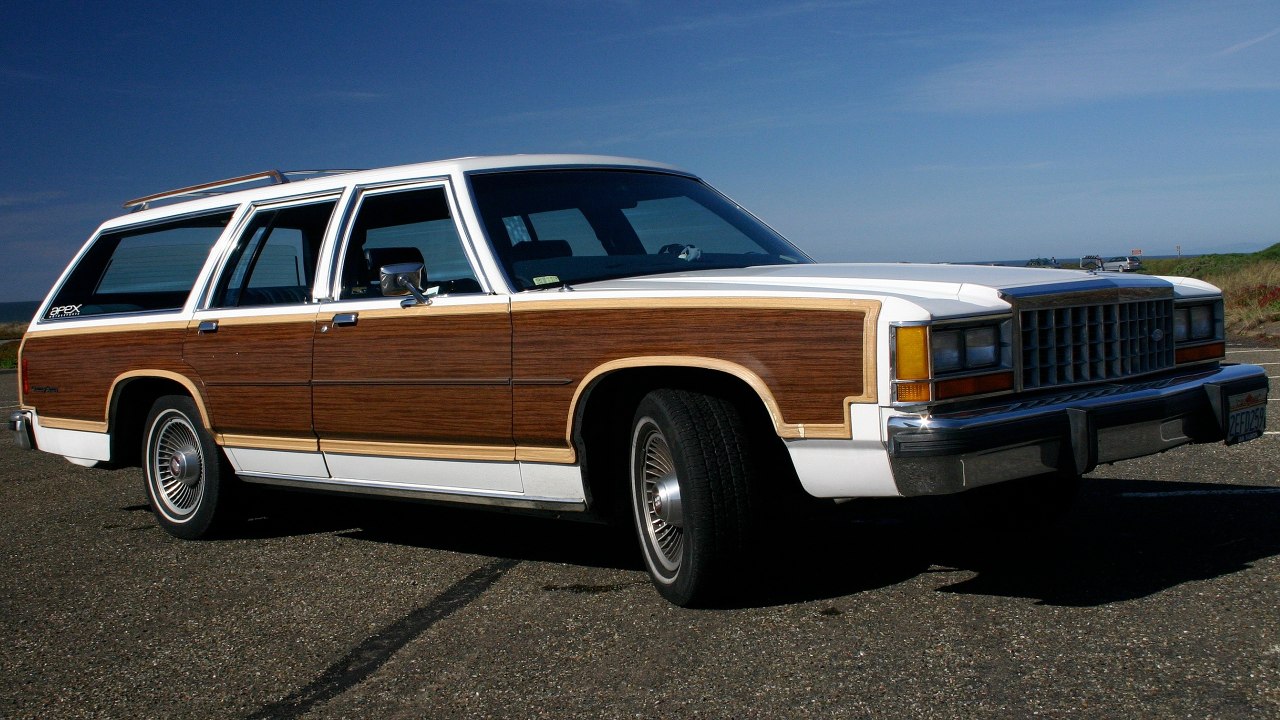
The Ford Country Squire represented the classic American family wagon with its simulated woodgrain trim and spacious interior. It offered seating for large families while delivering the comfort expected from a full-size Ford. For many Americans, the Country Squire became the vehicle most closely associated with family vacations during the 1970s.
Pontiac Grand Safari

The Pontiac Grand Safari combined impressive size with distinctive styling and powerful engine options. Its innovative clamshell tailgate improved access to the cargo area while maintaining a clean exterior design. Built for families who regularly traveled long distances, it demonstrated how much utility manufacturers could incorporate into a traditional station wagon.
Mercury Colony Park
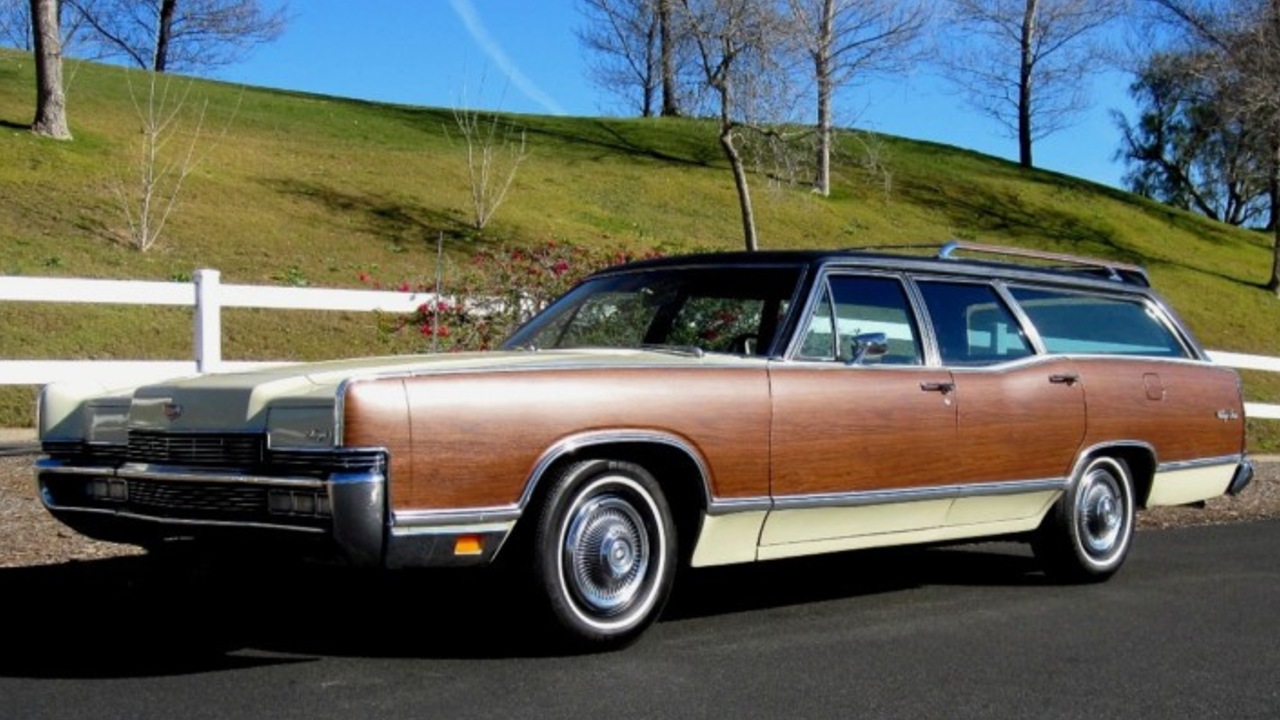
The Mercury Colony Park represented the final years of the traditional full-size luxury wagon. Woodgrain trim, plush interiors, and generous passenger space made it one of the most comfortable family vehicles of its era. As minivans and sport utility vehicles gained popularity, wagons like the Colony Park gradually disappeared. Today, it serves as a lasting reminder of a uniquely American automotive tradition.
More from Fast Lane Only
- Unboxing the WWII Jeep in a Crate
- 15 rare Chevys collectors are quietly buying
- 10 underrated V8s still worth hunting down
- Police notice this before you even roll window down
*Research for this article included AI assistance, with all final content reviewed by human editors.