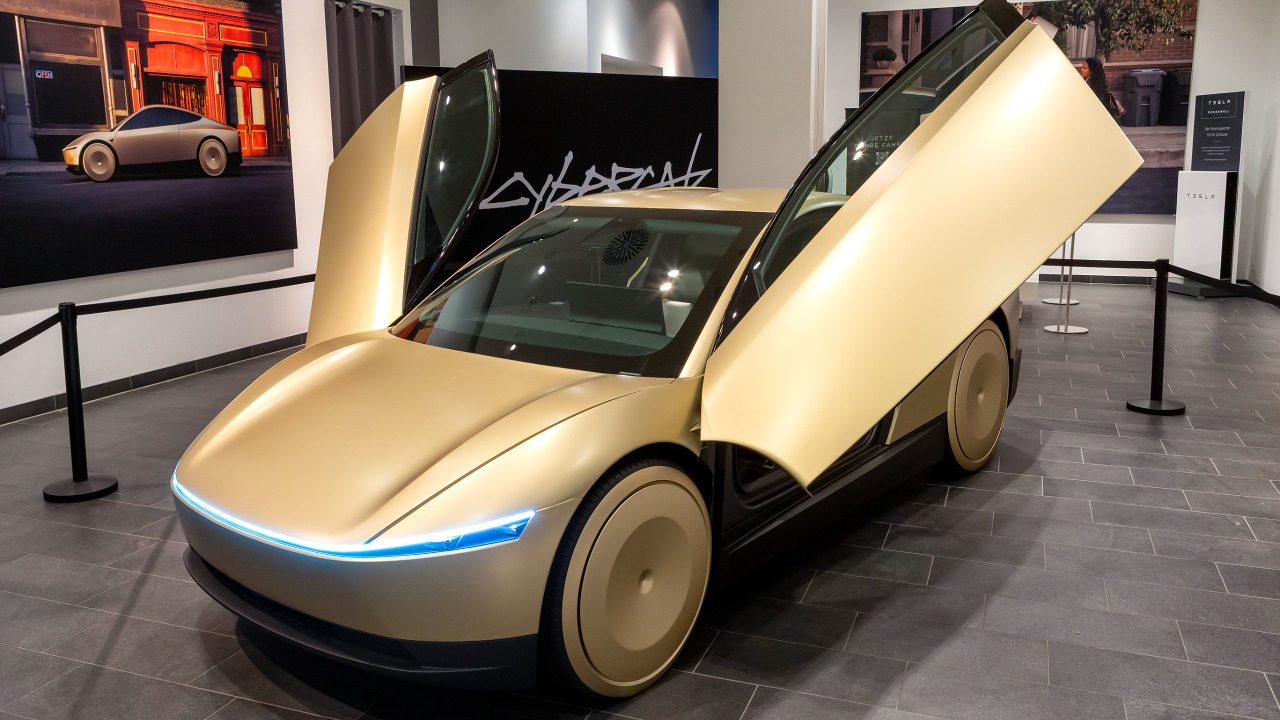
Concept cars are where imagination meets the road, offering a glimpse into the future of automotive innovation. These vehicles often push the boundaries of design, technology, and sustainability. Let’s explore ten wild concept cars that not only dazzled the world with their ingenuity but also proved to be functional on the road.
Mercedes-Benz F 015 Luxury in Motion
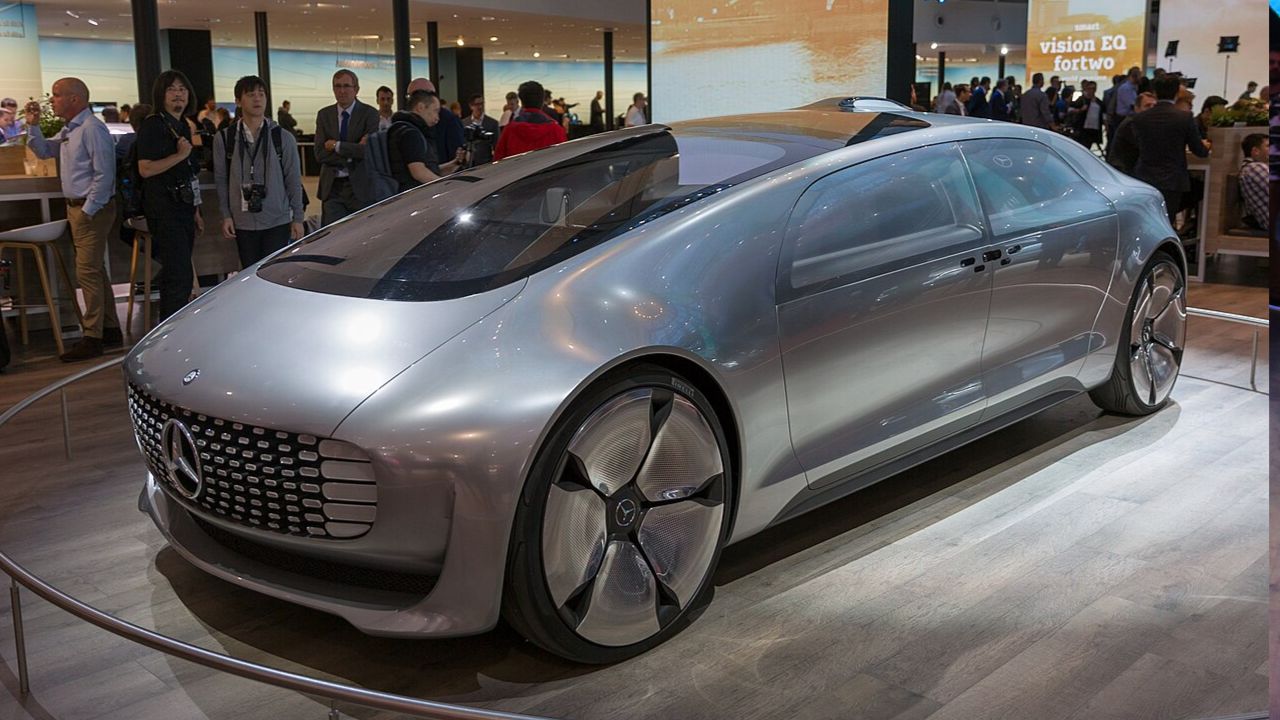
The Mercedes-Benz F 015 Luxury in Motion is a self-driving car that redefines what luxury means in the automotive world. Introduced in 2015, this autonomous vehicle offers a futuristic interior where passengers can relax and interact with each other in a lounge-like atmosphere. The car’s advanced hydrogen fuel cell system provides a glimpse into a sustainable future.
The F 015 showcases an innovative design with its sleek, streamlined body and a spacious cabin that’s more akin to a living room than a traditional car interior. Mercedes-Benz has successfully combined cutting-edge technology with forward-thinking design in this concept vehicle.
BMW Gina Light Visionary Model
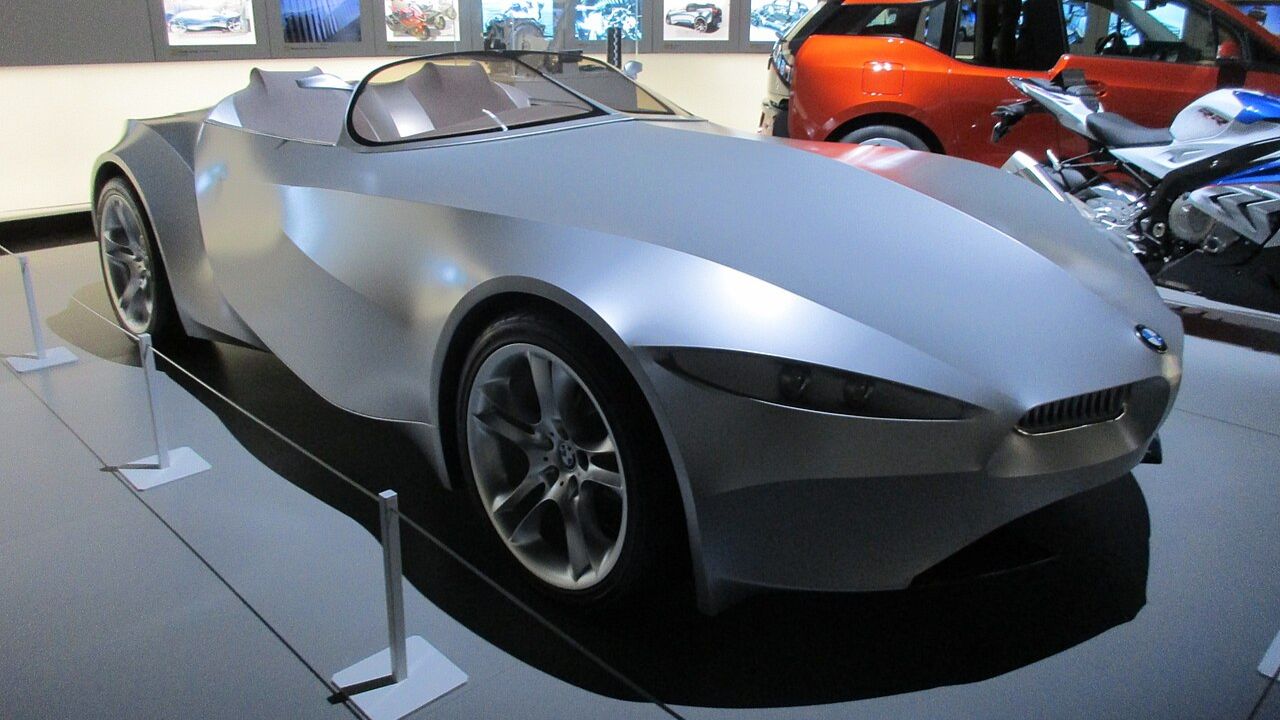
The BMW Gina Light Visionary Model, unveiled in 2008, is a revolutionary concept car that challenges traditional automotive design. Its most distinctive feature is the flexible fabric skin that covers the car’s frame, allowing for dynamic shape-shifting capabilities. This innovative material can stretch and contract, altering the car’s appearance and aerodynamics on the fly.
BMW’s approach with the Gina was to emphasize function over form, exploring new ways to use materials and design to enhance the driving experience. While the Gina never went into production, its influence on design thinking can still be seen in modern BMW vehicles.
Renault Trezor
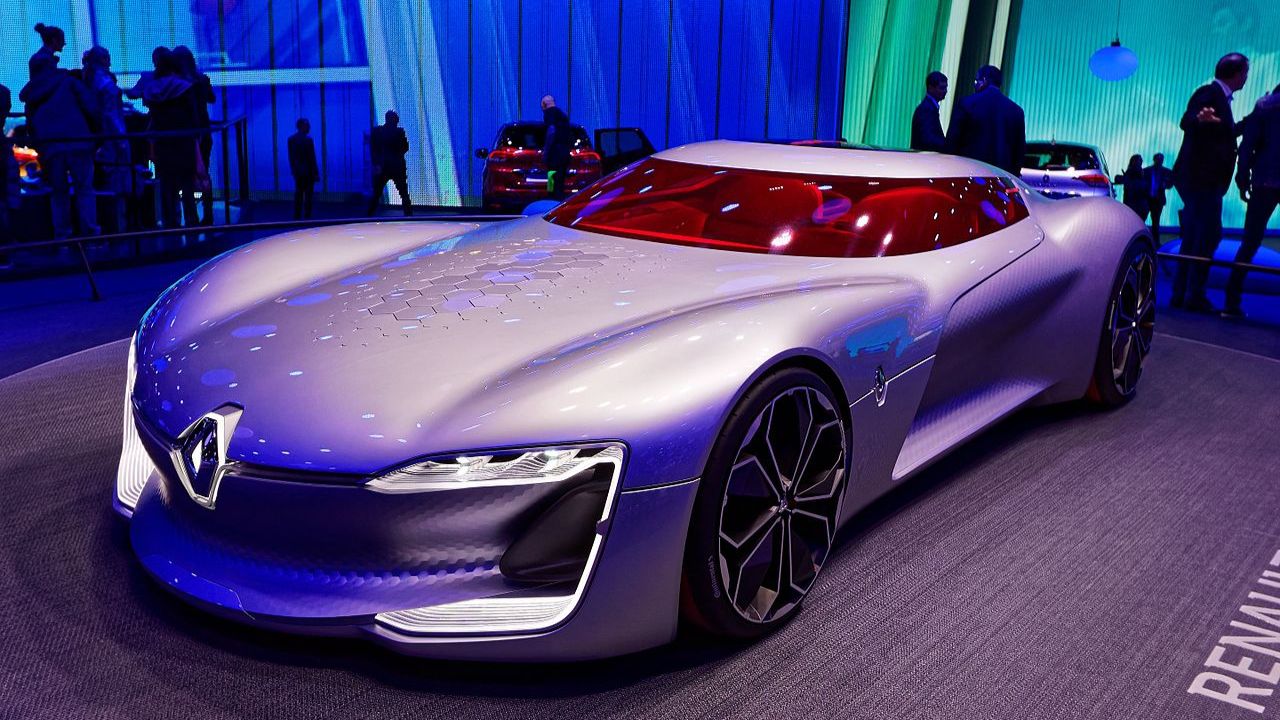
The Renault Trezor, unveiled in 2016, is a stunning electric concept car that embodies the future of Renault’s design philosophy. With its sleek silhouette and innovative features, the Trezor is more than just a pretty face. The car’s all-electric powertrain delivers impressive performance, while its autonomous capabilities point towards a future of self-driving vehicles.
Renault’s commitment to combining beauty and technology is evident in the Trezor’s design. The one-piece clamshell roof, red-tinted windows, and futuristic dashboard are just a few of the standout features that make this concept car a true vision of the future.
Toyota FT-1
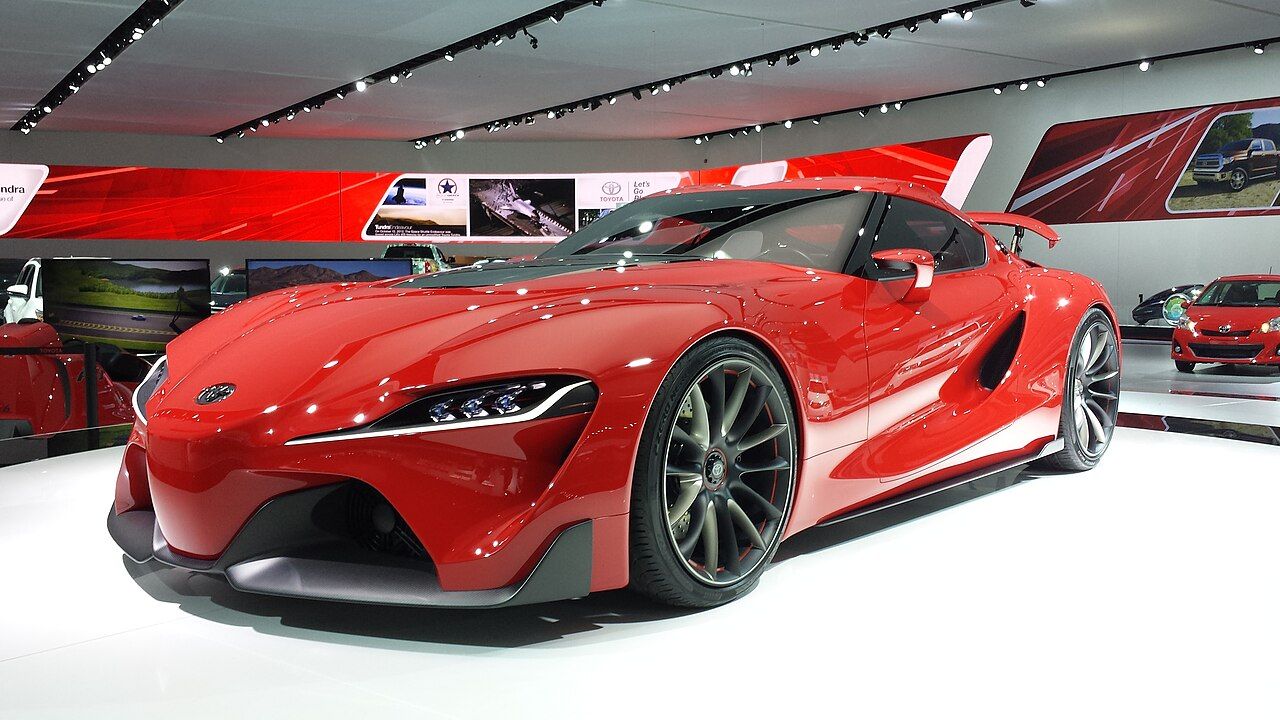
The Toyota FT-1 concept car, first revealed in 2014, is a sports car lover’s dream. Designed to showcase Toyota’s commitment to performance and innovation, the FT-1 features a striking design that’s both aggressive and aerodynamic. Its long hood, curved lines, and prominent rear spoiler are reminiscent of classic sports cars.
While the FT-1 itself never made it to production, its design heavily influenced the development of the Toyota Supra, a modern sports car that carries the spirit of the FT-1 into the real world. Toyota successfully used the FT-1 to demonstrate its potential for creating high-performance vehicles.
Audi PB18 e-tron
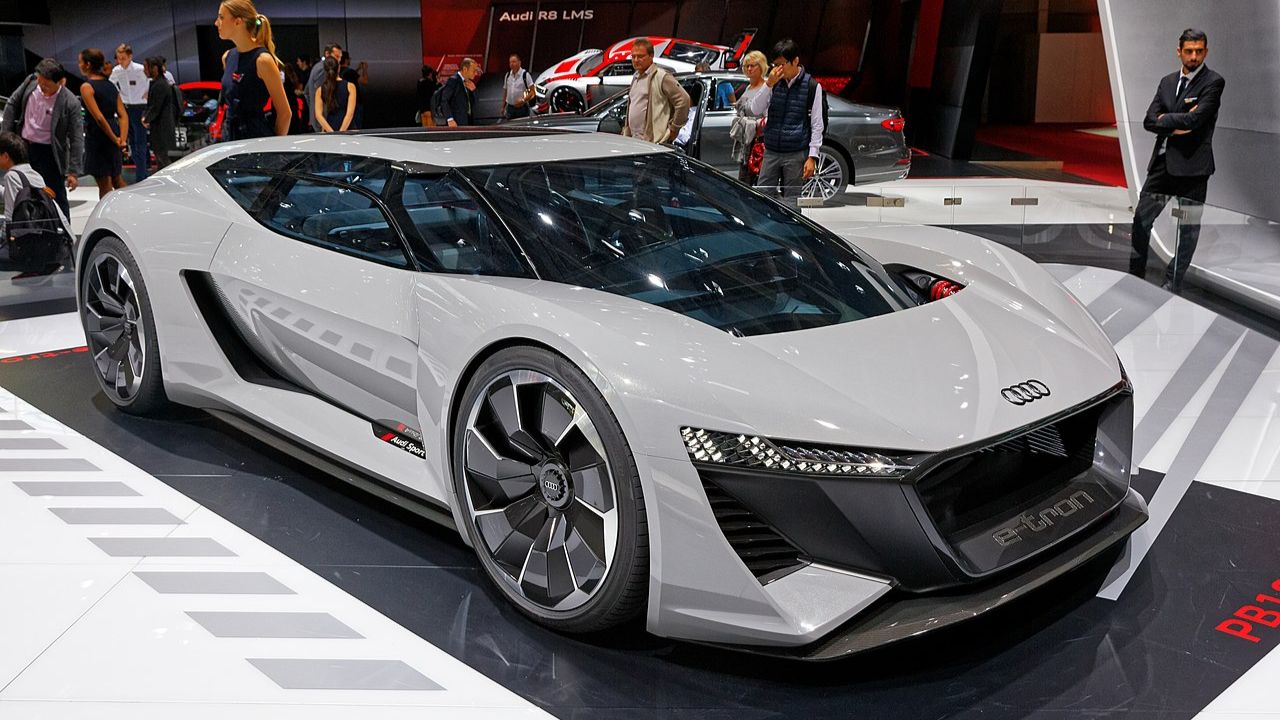
The Audi PB18 e-tron, introduced in 2018, is an electric supercar concept that combines high performance with cutting-edge technology. This vehicle features a unique driver-centered design, allowing the driver’s seat and controls to be positioned in the center of the car for a racing-like experience.
With three powerful electric motors and a range of over 300 miles, the PB18 e-tron exemplifies Audi’s commitment to electric mobility. Audi’s forward-thinking approach with this concept car highlights the potential for electric vehicles to deliver exhilarating performance.
Nissan BladeGlider
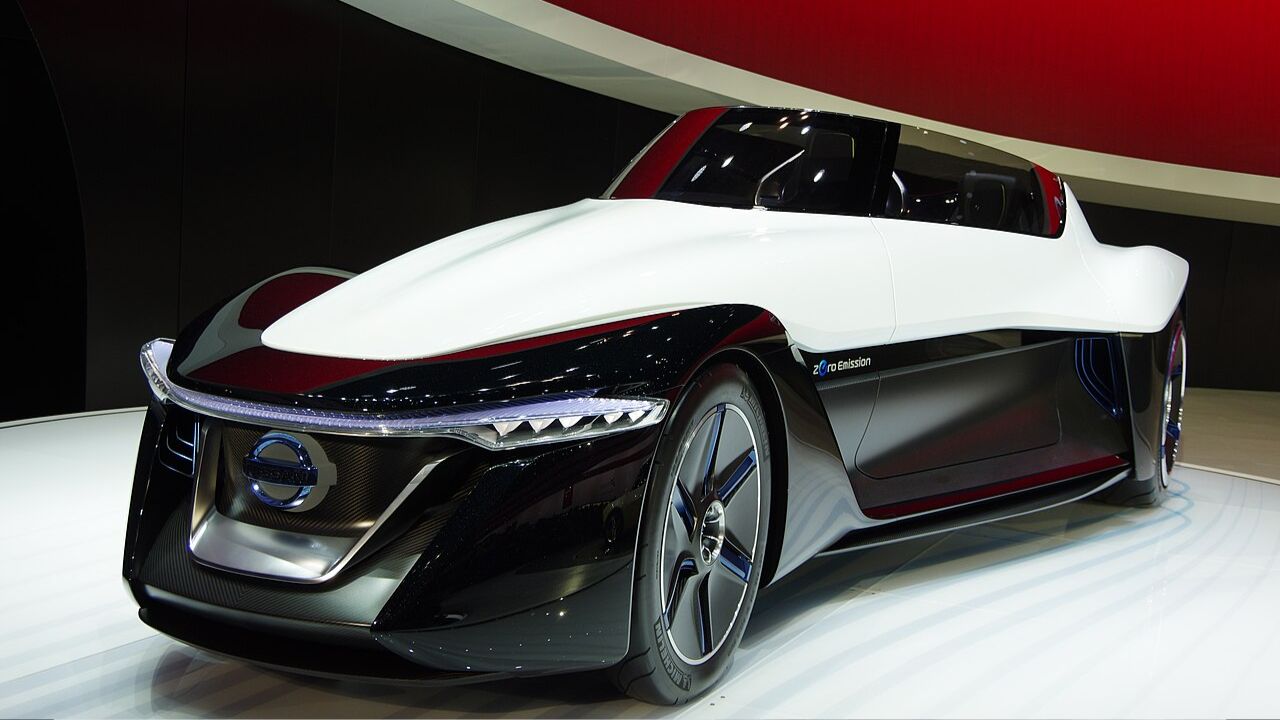
The Nissan BladeGlider, first unveiled in 2013, is an electric concept car that combines zero-emissions technology with a unique design. Its narrow front track and wide rear track provide exceptional agility and stability, making it a joy to drive on winding roads.
Nissan’s use of a lightweight body and aerodynamic design in the BladeGlider demonstrates the potential for electric vehicles to offer both performance and efficiency. The BladeGlider has been used in various demonstrations to showcase the future of electric mobility.
Lamborghini Terzo Millennio
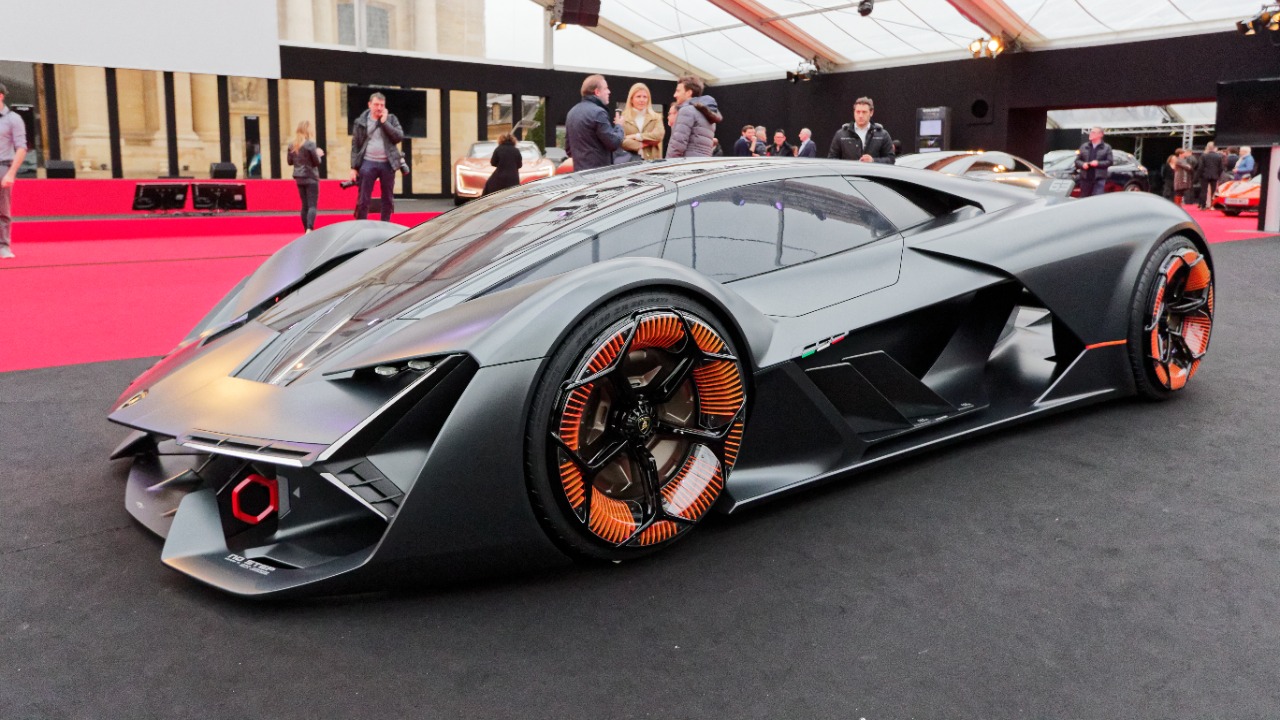
The Lamborghini Terzo Millennio, introduced in 2017, is a concept car that embodies the future of high-performance electric vehicles. This stunning machine features an innovative design with integrated energy storage systems and advanced materials that enable self-healing capabilities.
Lamborghini’s partnership with MIT has resulted in a vehicle that pushes the boundaries of what’s possible in automotive design and technology. The Terzo Millennio’s commitment to sustainability and performance is a testament to Lamborghini’s vision for the future.
Honda NeuV
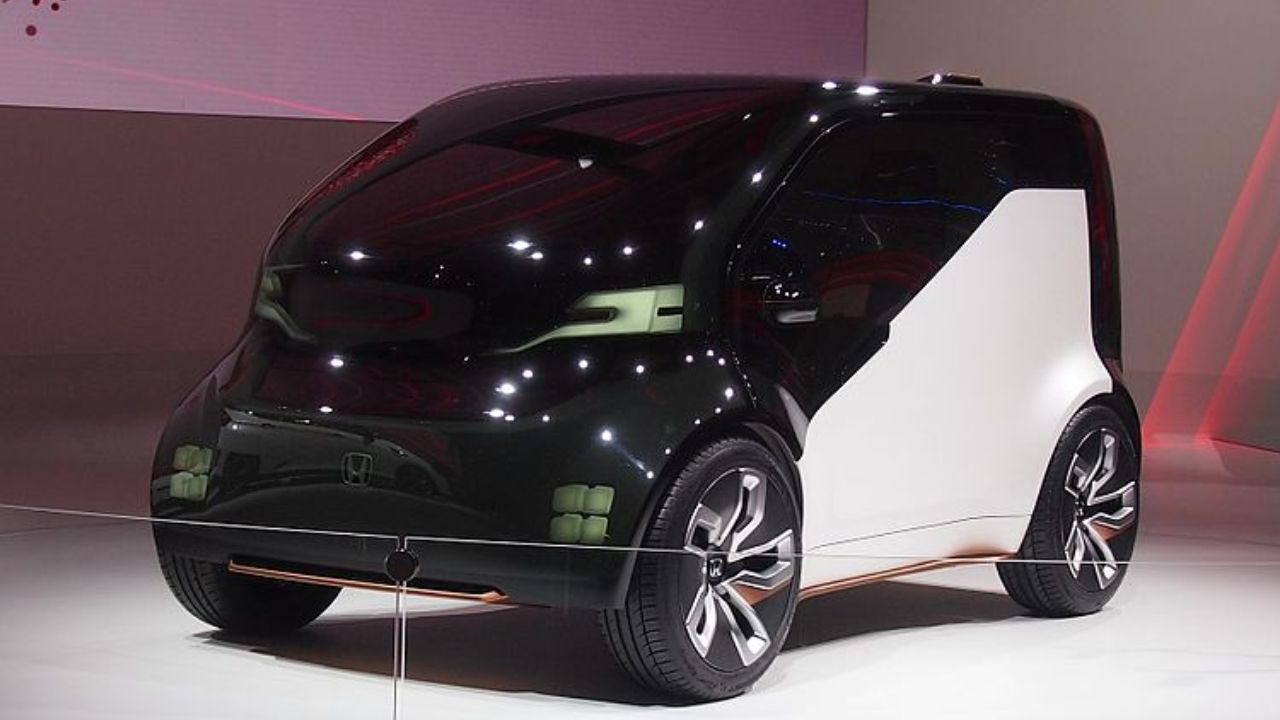
The Honda NeuV, unveiled in 2017, is a concept car that explores the intersection of artificial intelligence and mobility. This compact electric vehicle is designed to learn from its driver, adapting to their preferences and offering personalized features to enhance the driving experience.
Honda’s focus on AI and connectivity in the NeuV is a reflection of the company’s commitment to creating smarter, more efficient vehicles. The NeuV’s ability to operate autonomously and communicate with other vehicles demonstrates Honda’s vision for the future of connected mobility.
Volkswagen XL1
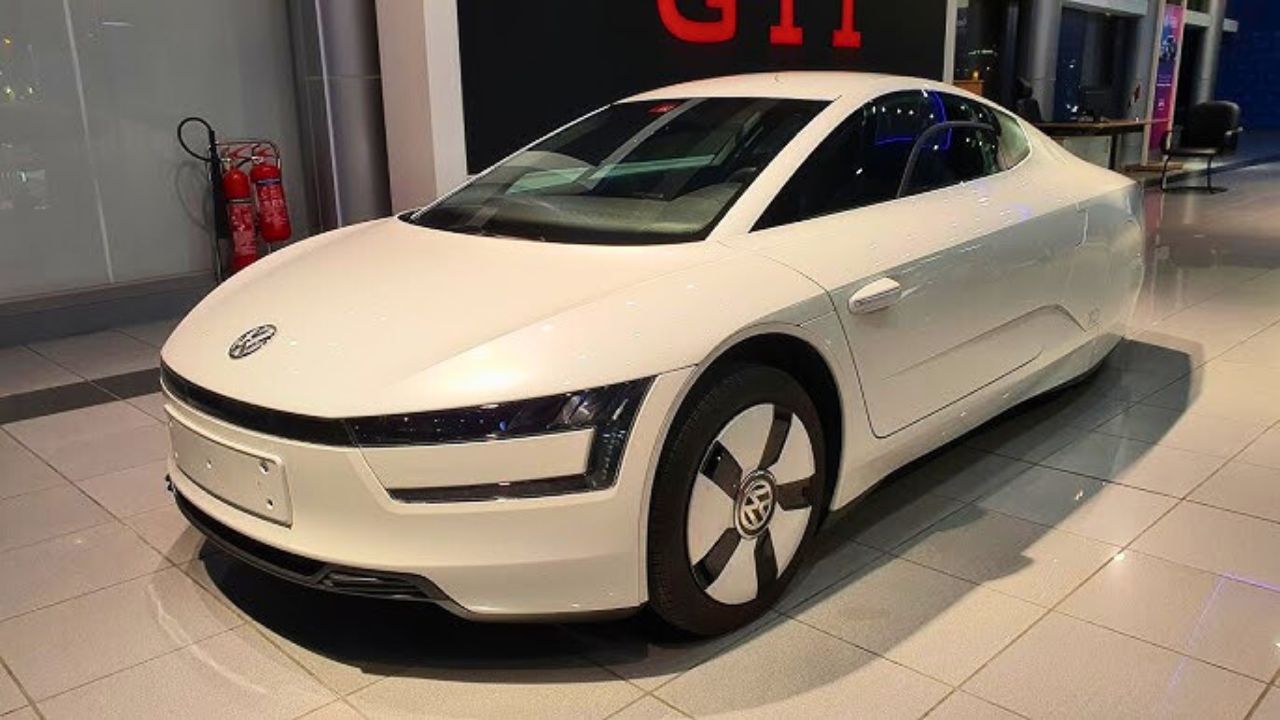
The Volkswagen XL1 is a concept car that became a reality, with limited production beginning in 2013. This ultra-efficient vehicle boasts an impressive fuel economy of over 260 miles per gallon, thanks to its lightweight construction and aerodynamic design.
Volkswagen’s commitment to sustainability is evident in the XL1’s design, which utilizes advanced materials and hybrid technology to minimize its environmental impact. The XL1 serves as a blueprint for future eco-friendly vehicles and showcases the potential for combining efficiency with performance.
Cadillac Ciel
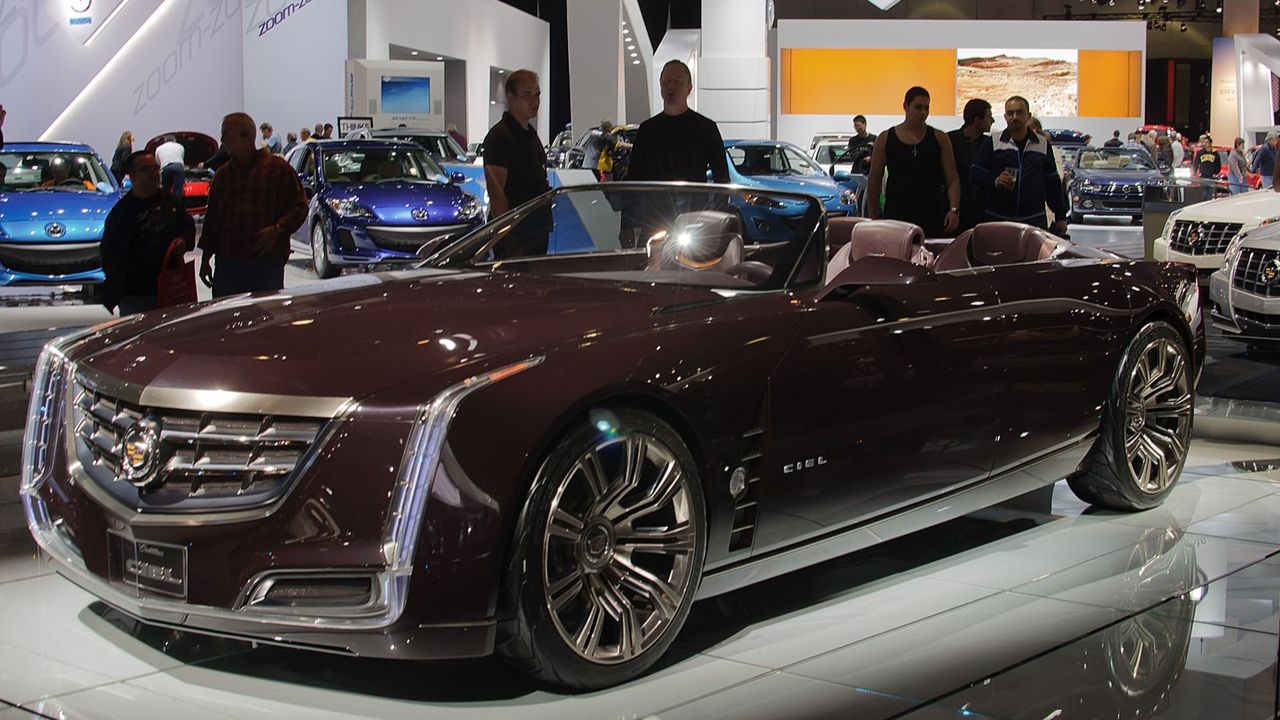
The Cadillac Ciel, introduced in 2011, is a luxurious concept car that exemplifies Cadillac’s vision for the future of luxury vehicles. With its elegant design and open-air driving experience, the Ciel captures the essence of classic American luxury while incorporating modern technology and sustainability.
Cadillac’s commitment to luxury and innovation is evident in the Ciel’s design, which features premium materials and advanced features. While the Ciel itself did not go into production, its influence can be seen in Cadillac’s current lineup of luxury vehicles that prioritize both style and substance.
Like Fast Lane Only’s content? Be sure to follow us.
Here’s more from us:
*Created with AI assistance and editor review.