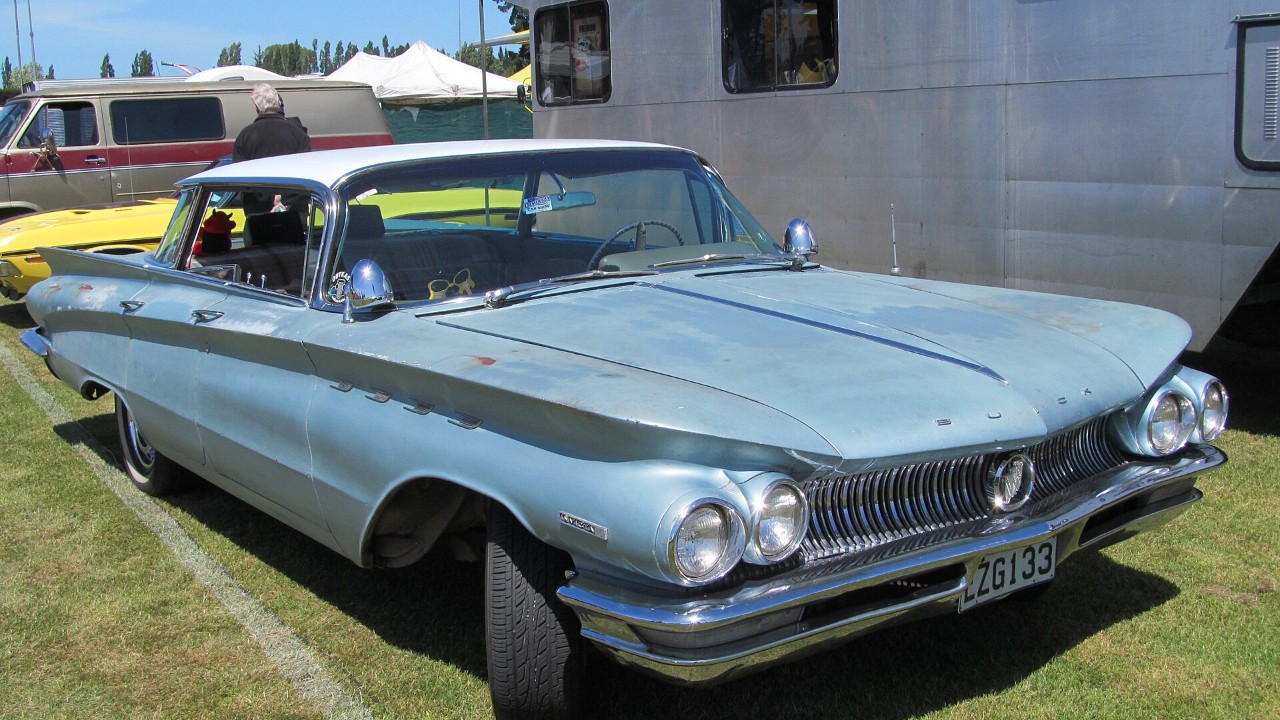
Buick’s toughest cars were rarely its famous ones. A 1959 Buick Invicta carried a Nailhead V8 from an engine family Buick built for well over a decade. Later, a 2004 Rainier ran an inline-six that won four straight Ward’s 10 Best Engines awards. Alongside them are eight more Buicks that most people have forgotten.
What ties them together is staying power. Some used engines Buick kept in production for decades, while others wore nameplates that lasted a generation or more.
The list runs in date order, from a 1927 six to a 2011 sedan. Also, every engine figure and production number comes from a source linked in its entry.
1. 1927 Buick Master Six
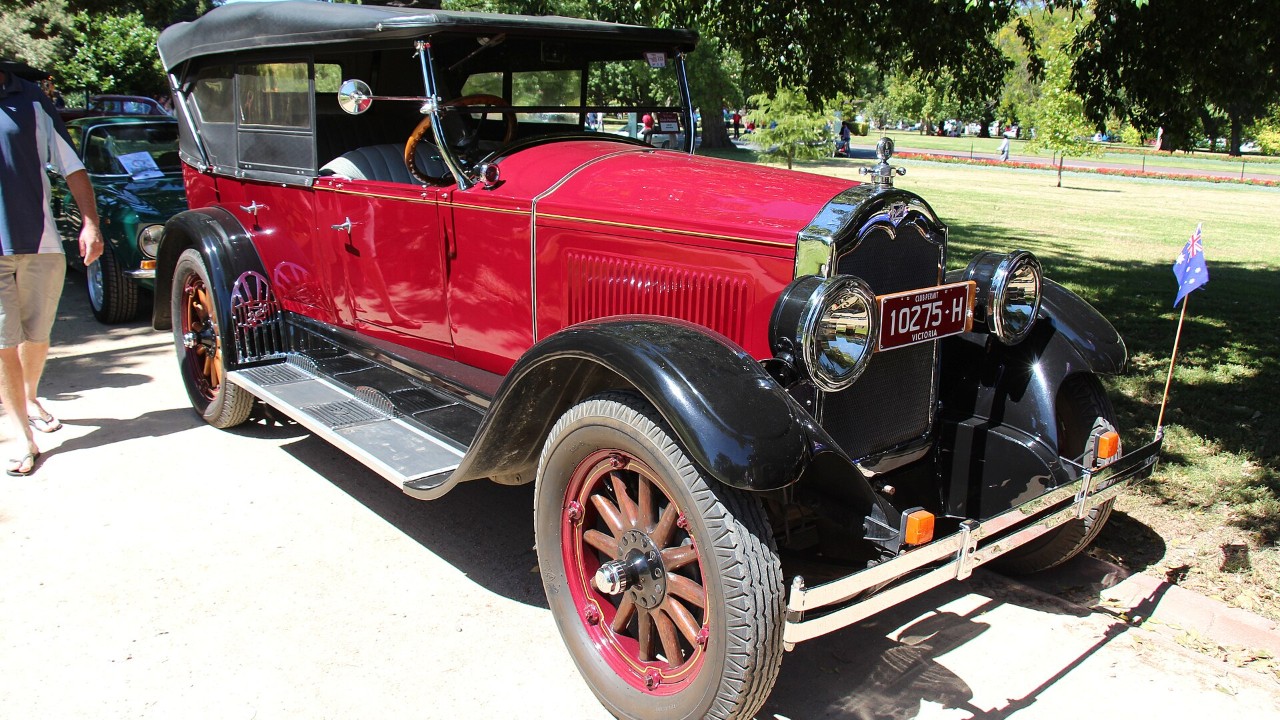
Buick was already selling durability in the 1920s. According to Conceptcarz, the 1927 lineup had “an enviable market reputation for reliability and durability.” That year, Buick’s sales passed 250,000 cars across all models.
Of the two lines, the Master Six was the bigger one. It rode on a 120- or 128-inch wheelbase and used a 274-cubic-inch six. By comparison, the Standard Six had a 207-cubic-inch overhead-valve six on a 114.5-inch wheelbase. Overhead valves were nothing new for the brand, either. Old Cars Weekly notes they had been a Buick feature since 1903.
2. 1934 Buick Series 40
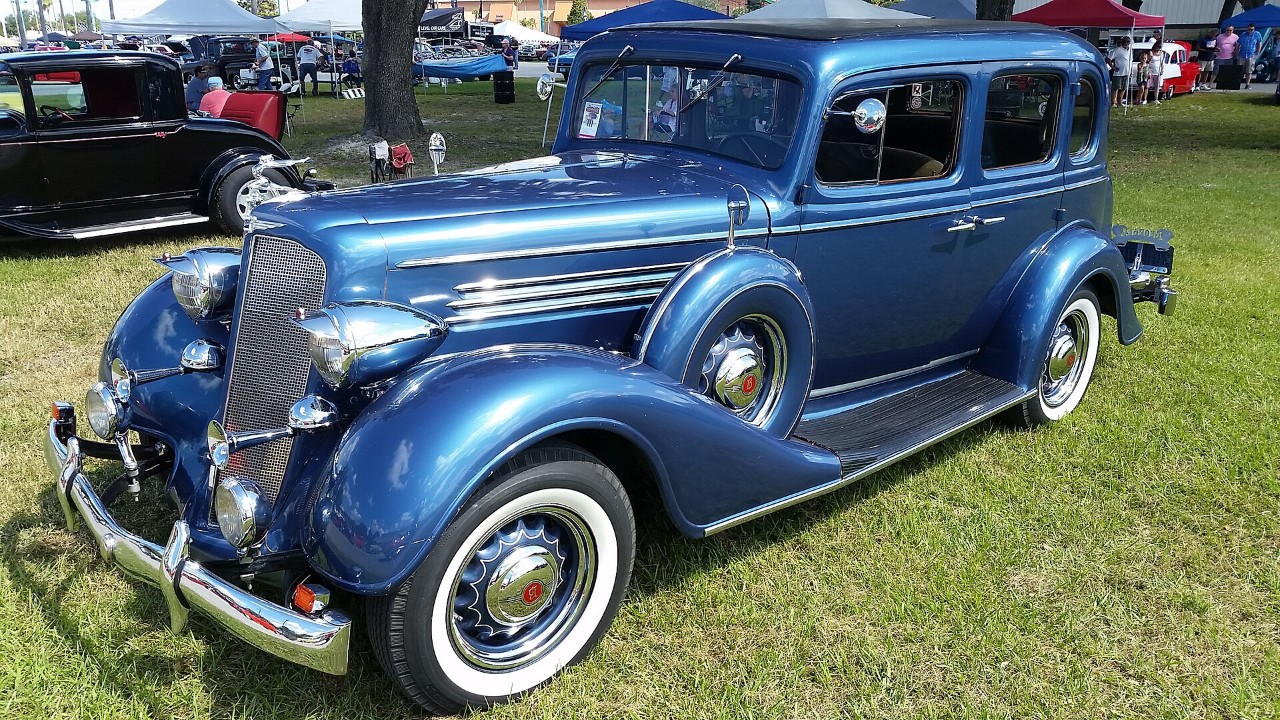
Starting in 1931, every Buick had eight cylinders. The 1934 Series 40 used a 93-hp, 233-cubic-inch overhead-valve inline eight, according to Old Cars Weekly.
That family outlasted almost everything around it. Mac’s Motor City Garage says Buick introduced the straight eight in 1931 and kept it “for more than 20 years.” Later, in 1948, Buick paired it with the new Dynaflow automatic. Fittingly, its last year, 1953, came “only in the Series 40 Special,” the same entry-level line.
3. 1959–1963 Buick Invicta
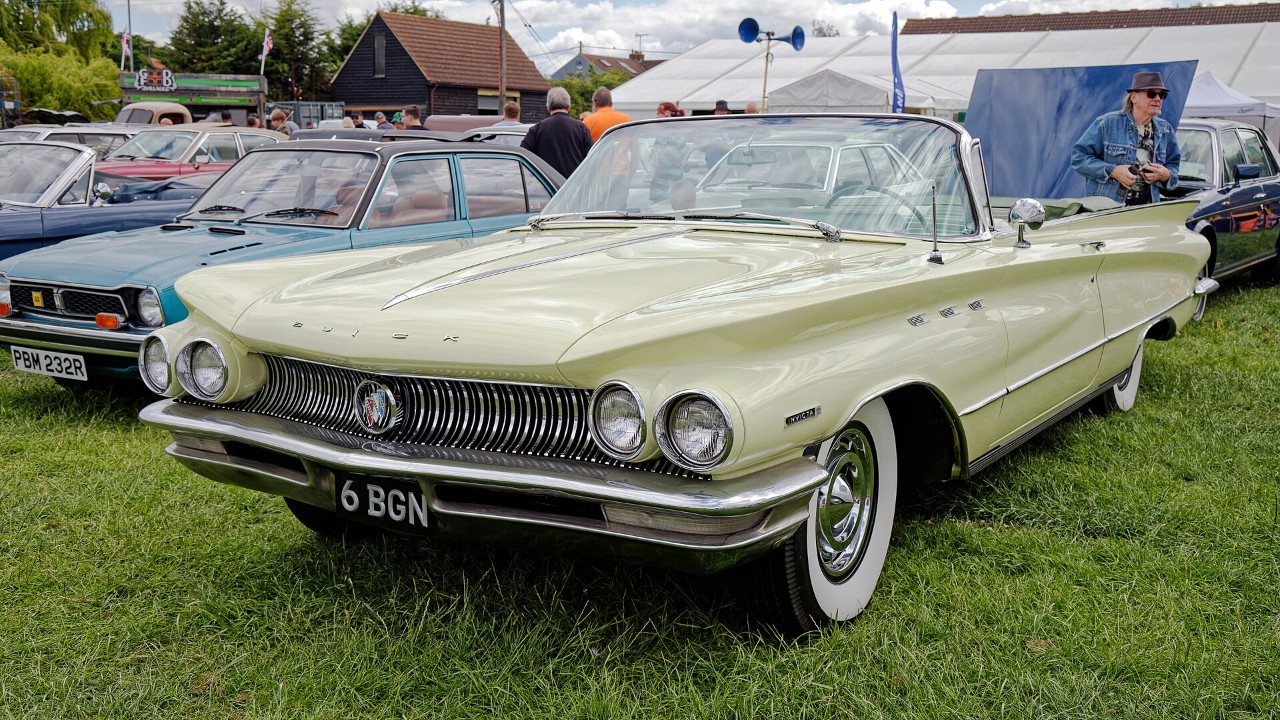
The Buick Invicta took over from the Century for 1959, and it came only with the 401 Nailhead V8. The press nicknamed the engine for its small, vertical valves. According to the Auto History Preservation Society, the Nailhead was Buick’s “bread and butter engine” from 1953 until 1967. Of all its sizes, however, the 401 ran the longest.
In the Buick Invicta, that 401 made 325 hp at 4,400 rpm and 445 lb-ft of torque, per Conceptcarz. Moreover, Buick built 18,398 Buick Invicta four-door hardtops in 1961 alone. Meanwhile, the hardware holds up well. One rebuilder told Engine Builder that Nailhead blocks “rarely crack,” and that head cracks are “rare” too.
4. 1961–1963 Buick Special
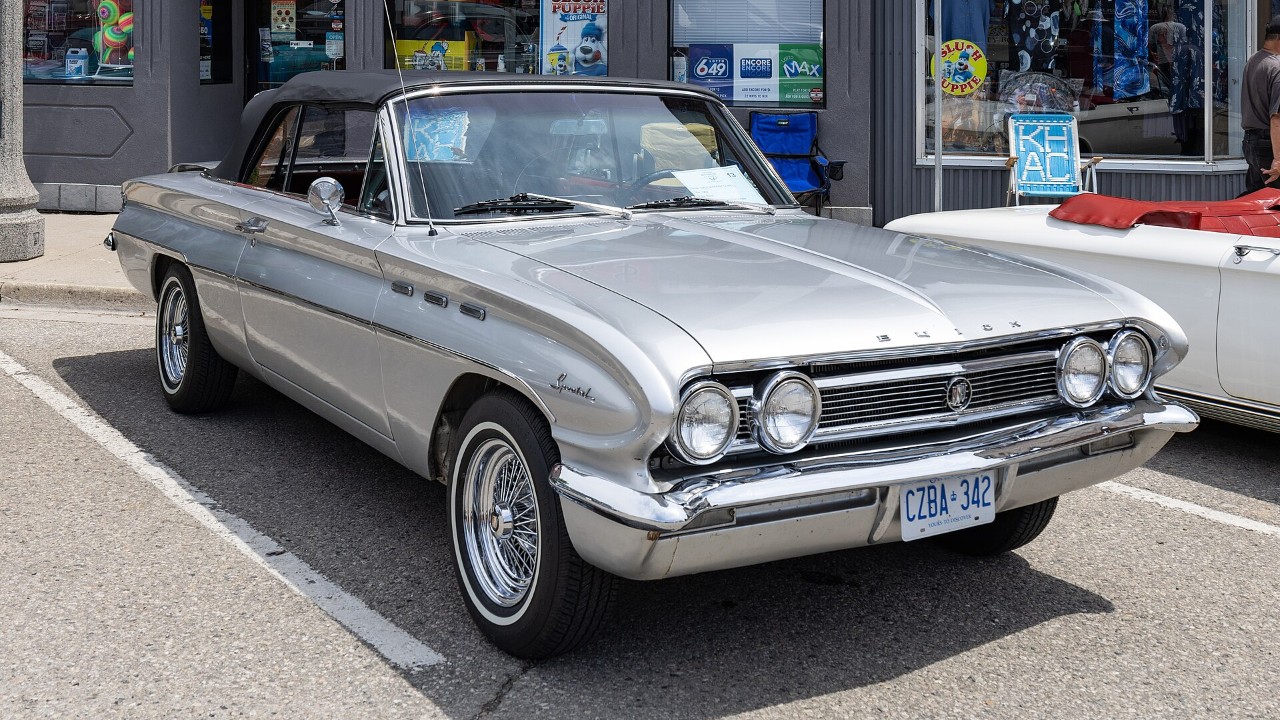
The compact Special matters less for its V8 than for what came after it. Consumer Guide says Buick’s “Fireball” V6 powered 1962 Buick Specials. It grew out of the aluminum 215 V8 built for GM’s early-1960s compacts. That V6 is the root of the 3800, and Consumer Guide counts about 25 million 3800s with “an ancestry dating back to 1962.”
Meanwhile, the aluminum 215 had a second life of its own. According to an Autocar history, the Special’s base version made 155 bhp gross and weighed 318 lb all-up. GM dropped it after 1963, citing casting headaches and corrosion problems, Jalopnik says. Even so, it went on to power the MGB GT V8, the Triumph TR8 and “countless Land Rovers.”
5. 1984–1996 Buick Century wagon
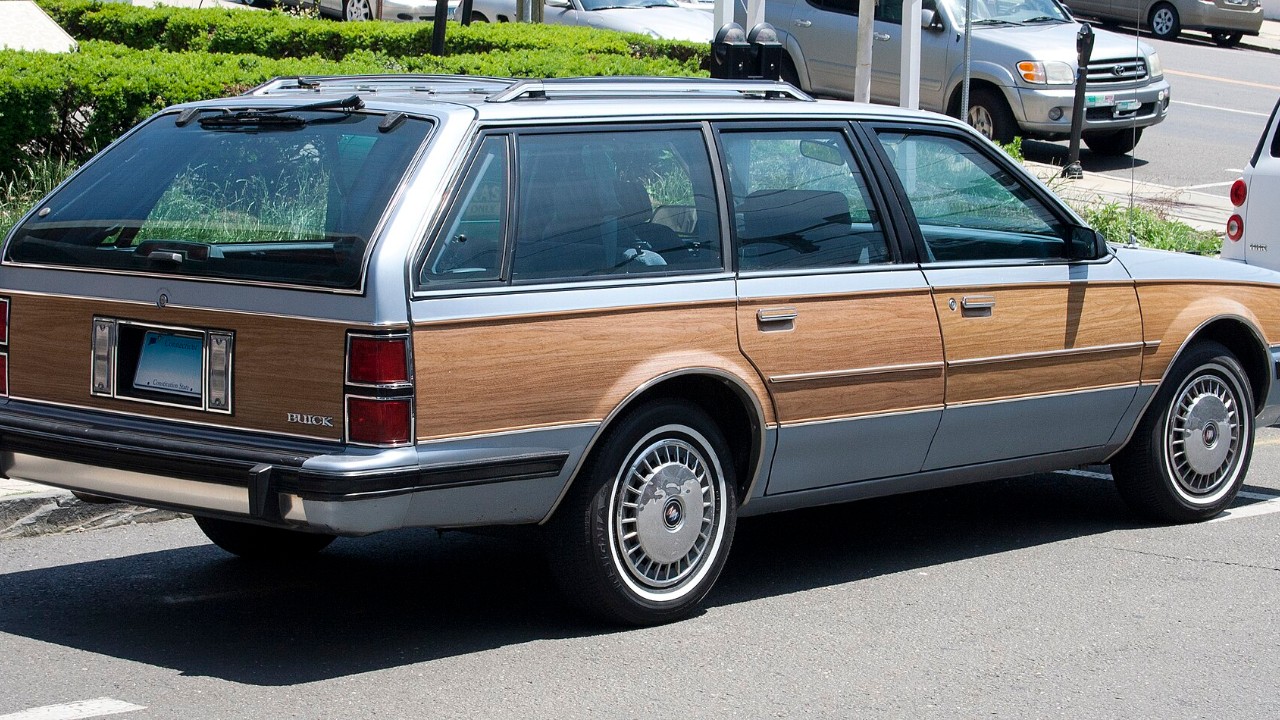
The front-drive Century arrived in 1982 as a sedan and coupe, and then the wagon joined in 1984. Buick then kept the design going until it retired the 1982-vintage Century after 1996. According to Curbside Classic, these cars were “pretty robust” by the late 1980s and early 1990s.
By the end, the wagons kept things simple. For 1994, the base engine was a 2.2-liter four with 120 hp, and the optional 3.1-liter V6 made 160 hp and 185 lb-ft. However, Curbside Classic says wagons were seldom seen after about 1990. The site lacks Century wagon figures, but it notes that the Oldsmobile twin, the Cutlass Cruiser, sold 9,809 in 1994.
6. 1985–1990 Buick Electra Park Avenue
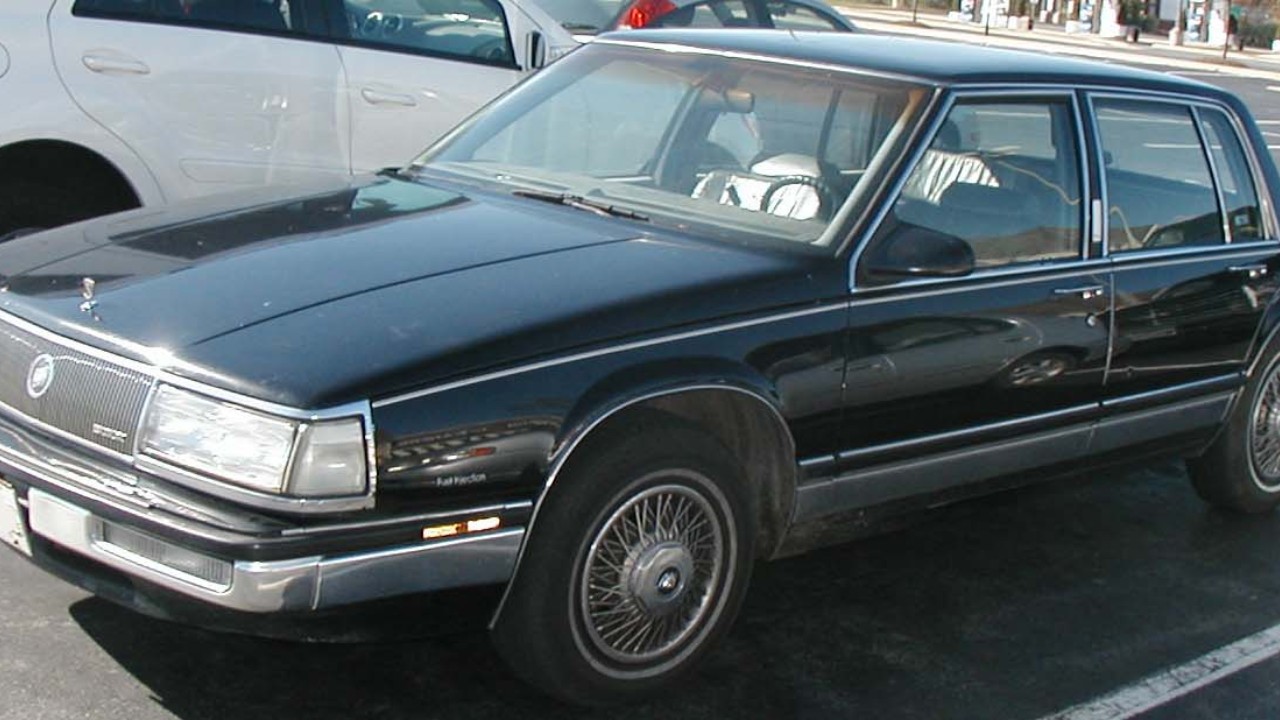
The Electra name lasted 31 years, although its final generation went front-wheel drive. In the spring of 1984, Buick launched an all-new Electra. According to Conceptcarz, a fuel-injected 3.8-liter Buick V6 was among its engines, and the Park Avenue trim added the larger V6.
Even so, buyers kept coming back. Curbside Classic reports more than 140,000 first-year sales and over 80,000 a year until the final 1990 model year. In 1989, Buick sold 71,786 Park Avenues. After that, the Park Avenue name carried on alone.
7. 1997–2004 Buick Regal LS
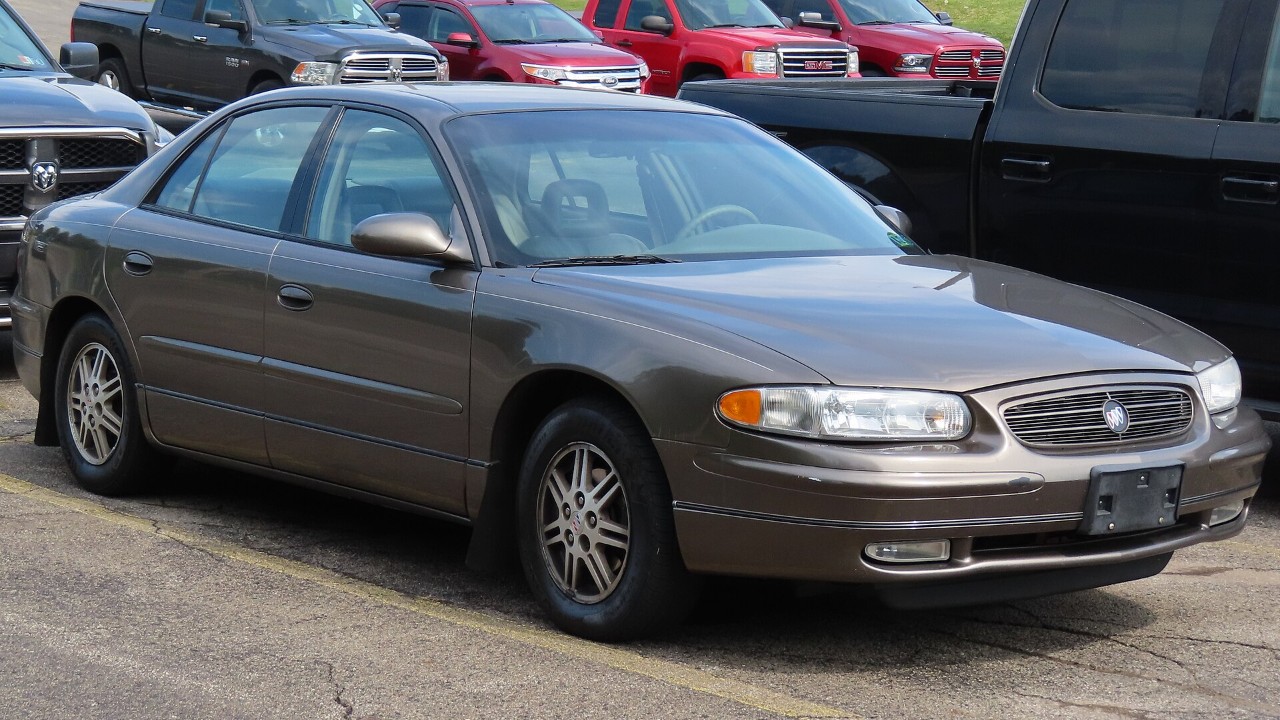
The 1997 Regal was the fifth generation, and the LS was its base trim, below the sportier GS. According to SlashGear, Buick added the 3800 Series II to the Regal that year. SlashGear calls it “reliable and fuel efficient” and notes it was “often named amongst the ten best engines.” In fact, Consumer Guide says the Series II made Ward’s 10 Best list from 1995 through 1997.
Above the LS, by comparison, sat the GS, with a supercharged L67 version rated at 240 hp. The W-BodyTech Regal history dates this generation from 1997 to 2004. Then the LaCrosse replaced it for 2005.
8. 2004 Buick Rainier
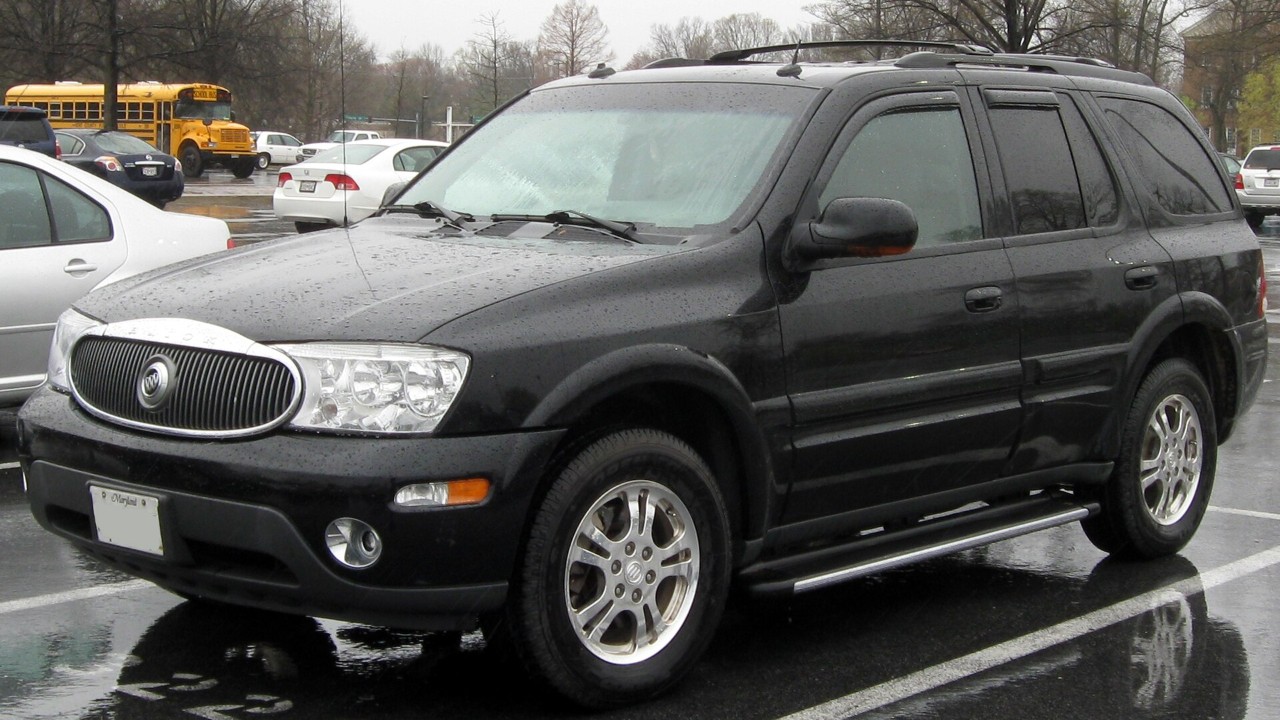
The Rainier came with a straight six as standard. Conceptcarz lists the 2004 Rainier’s standard Vortec 4200 inline-six at 275 hp and 275 lb-ft. The optional Vortec 5300 V8 made 290 hp and 325 lb-ft. Towing ran from 6,100 to 6,700 pounds.
Better still, the six had a record behind it. In January 2005, Ward’s gave the Vortec 4200 “a fourth consecutive 10 Best Engines award,” after testing it in a Chevrolet TrailBlazer. Jalopnik adds that the engine ran from 2002 to 2009 and “built a reputation for being fairly reliable.”
9. 2005–2009 Buick LaCrosse
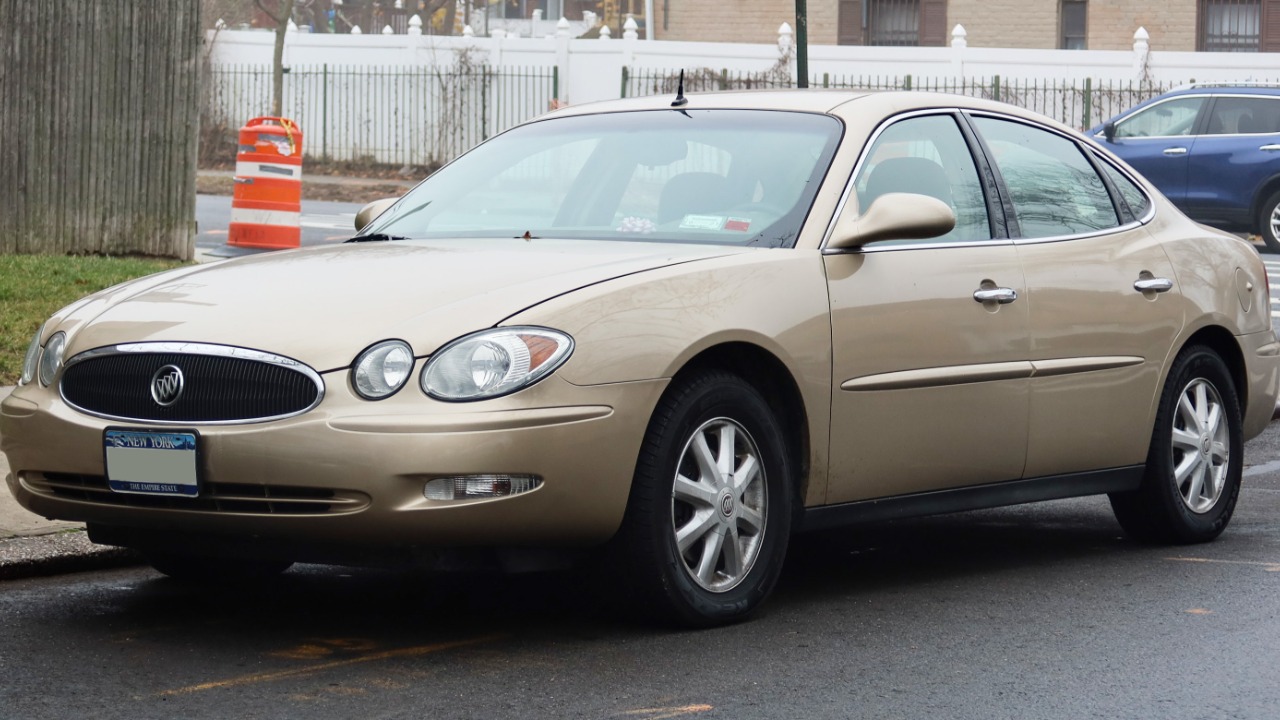
The first LaCrosse replaced both the Century and the Regal, according to W-BodyTech. In Canada, however, Buick sold it as the Allure. Prices for 2005 ran from $23,495 for the CX to $28,995 for the CXS.
Even so, most buyers got the old pushrod engine. MotorWeek listed “the venerable 3800 Series 3.8-liter pushrod V6” at 200 hp and 225 lb-ft in the CX and CXL. Meanwhile, the CXS got a 240-hp 3.6-liter V6 with dual cams. Finally, for 2008 and 2009, a LaCrosse Super added a 300-hp 5.3-liter V8.
10. 2006–2011 Buick Lucerne

The Lucerne replaced both the LeSabre and the Park Avenue for 2006. Buick built it at Detroit-Hamtramck alongside the Cadillac DTS, and its standard engine was the 3800 V6, according to GM Authority. Then, for 2009, the newer 3.9-liter LZ9 V6 took over as the base engine.
That swap ended a run that began with the 1962 Special’s V6. The final 3800 came off the line at GM’s Flint North plant on August 22, 2008, says W-BodyTech. The site credits the engine with “a strong durability reputation,” but it cautions against calling it bulletproof. Consumer Guide also notes GM’s 2015 recall of 1.4 million cars with the 3.8-liter V6 over oil leaking onto the exhaust manifold.
More from Fast Lane Only