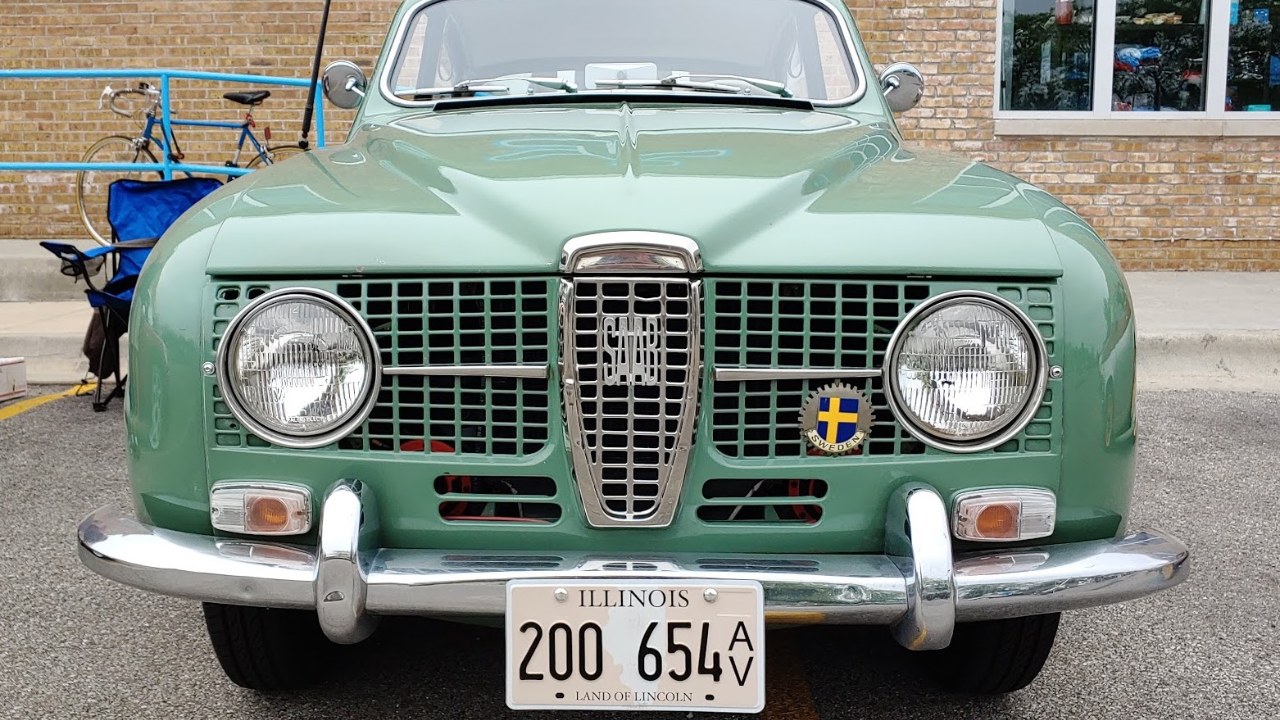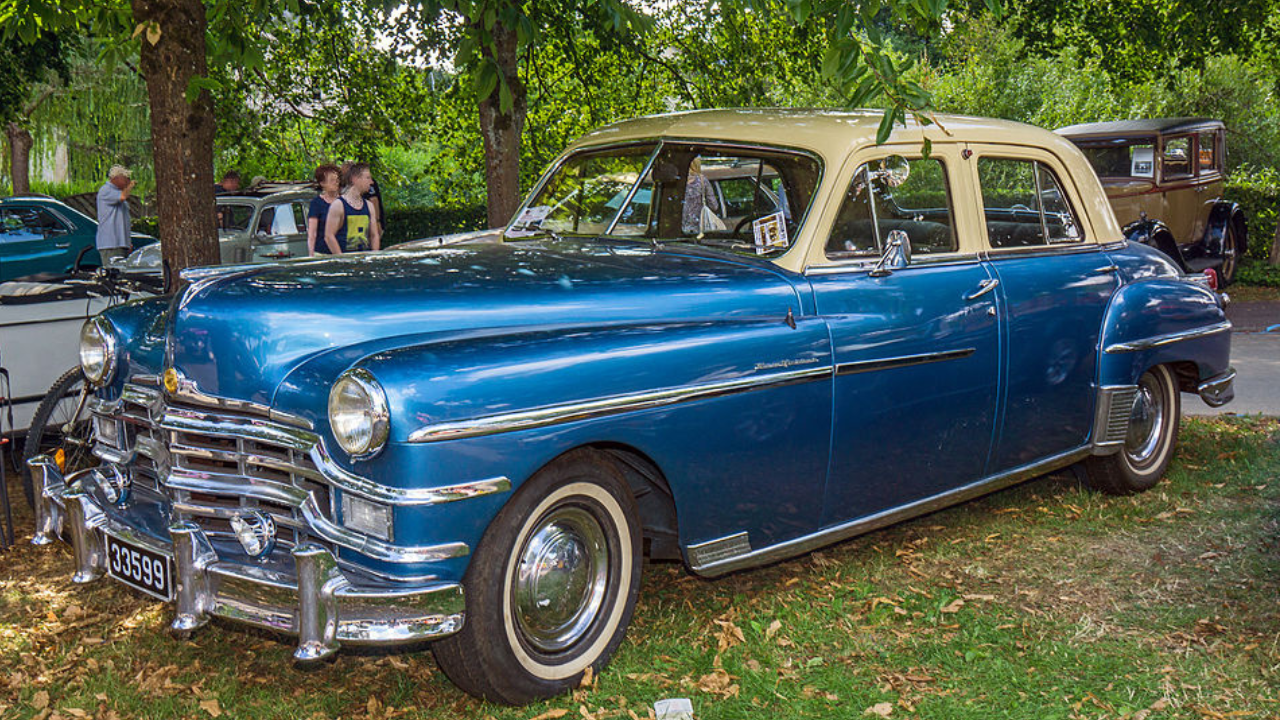
The 1950s produced some of the boldest automotive designs ever seen. Inspired by jet aircraft, rockets, and America’s growing fascination with space exploration, automakers experimented with dramatic shapes, fins, chrome, and unusual details. These eleven cars looked so futuristic when new that many still appear remarkably advanced today.
Cadillac Eldorado
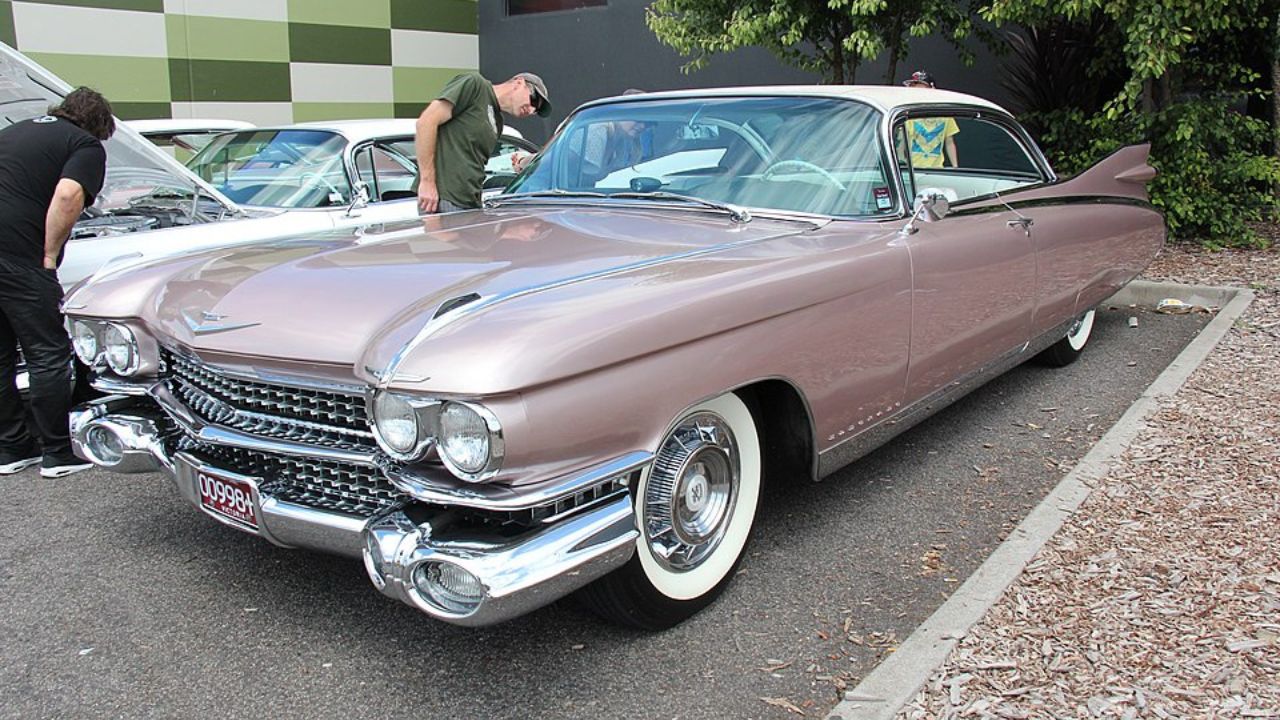
The Cadillac Eldorado represented the extravagant side of 1950s American design. Its long body, extensive chrome, sweeping fins, and luxurious details created an unmistakable sense of occasion. Cadillac used styling to communicate progress and prosperity, making the Eldorado look more like a concept car than an ordinary automobile. Its dramatic appearance remains one of the clearest examples of 1950s optimism translated into automotive design.
Chevrolet Bel Air
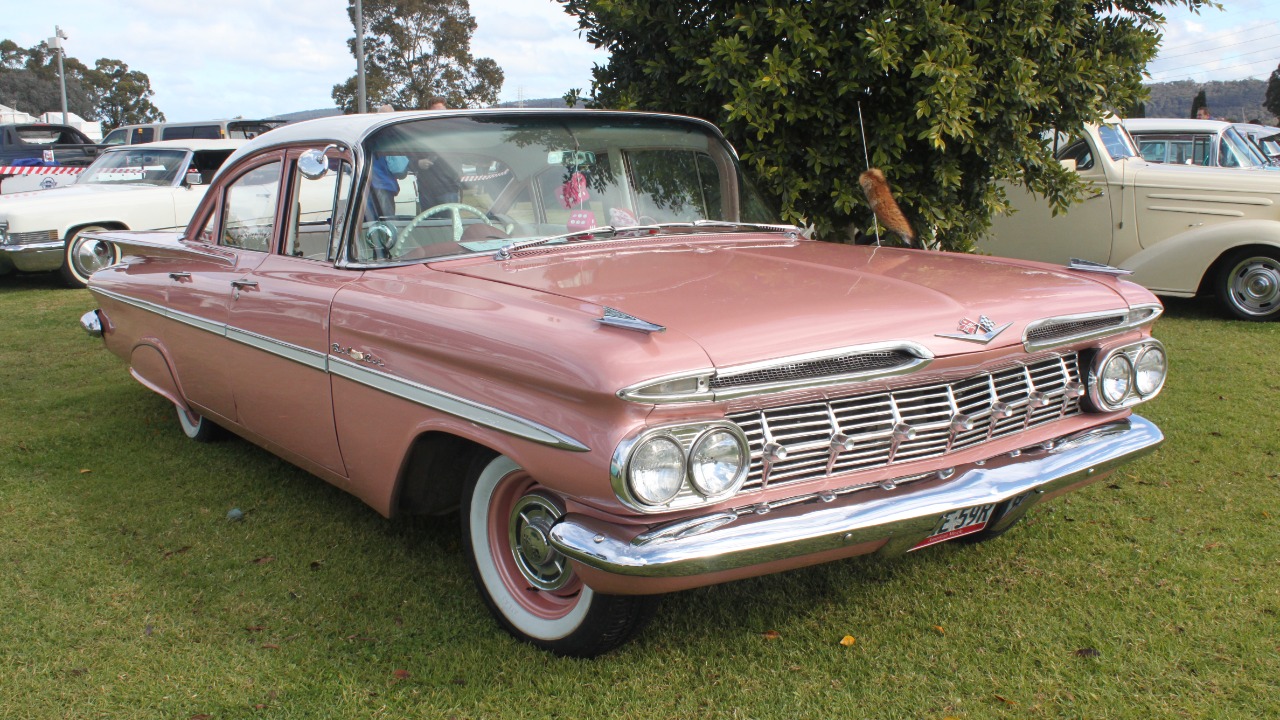
The Chevrolet Bel Air became one of the defining symbols of 1950s American automotive styling. Its sweeping rear fins, chrome trim, wraparound glass, and colorful body combinations captured the decade’s fascination with modern technology. The Bel Air was much more accessible than luxury cars, allowing ordinary families to experience futuristic styling. Its instantly recognizable design continues to attract attention at classic-car shows.
Chrysler 300
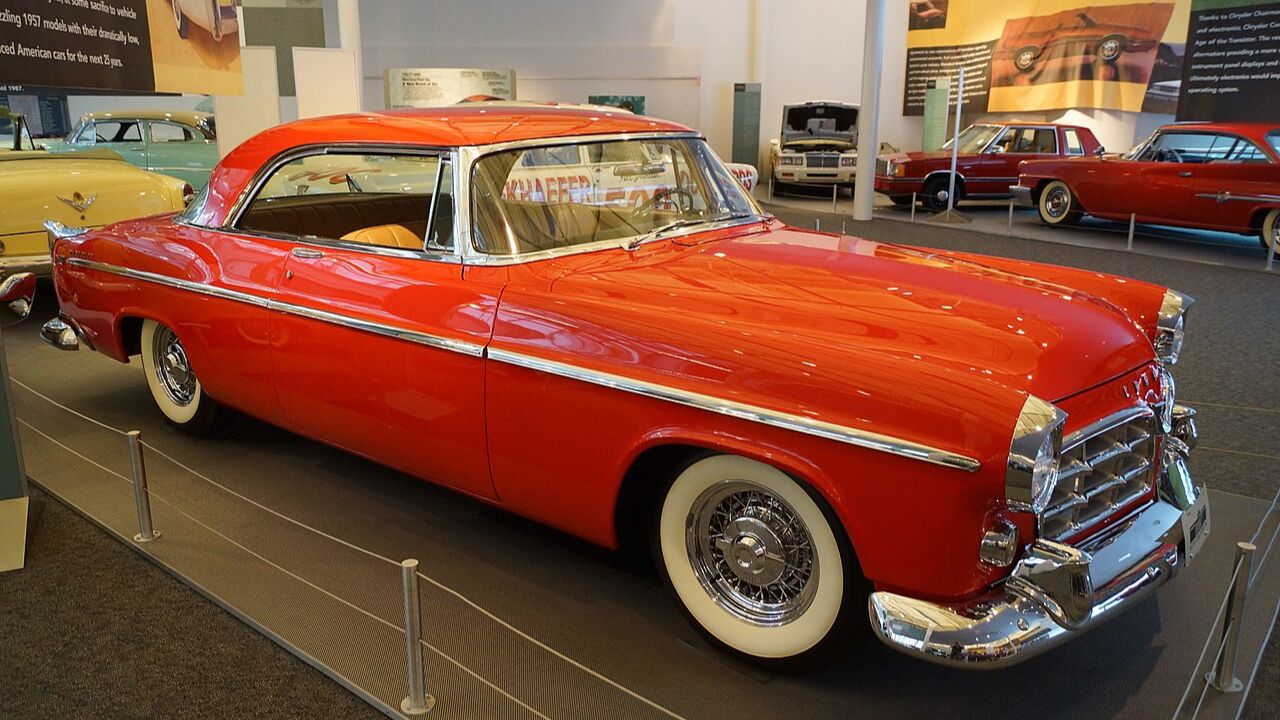
The Chrysler 300 introduced a more performance-focused interpretation of futuristic American styling. Its long body, broad grille, and powerful Hemi V8 gave it an imposing appearance and genuine performance credentials. The combination of luxury and speed made the 300 unusual for its time. Its clean but aggressive design demonstrated that Chrysler could blend futuristic styling with serious mechanical capability.
Ford Thunderbird
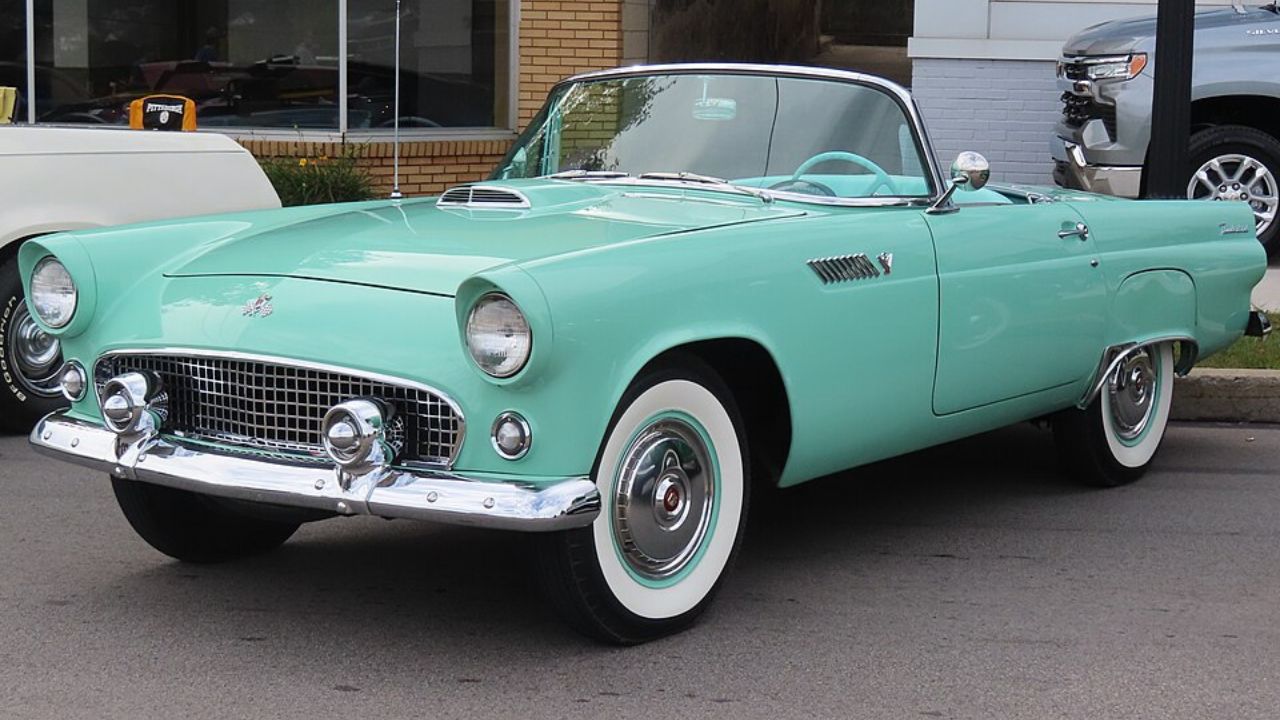
The Ford Thunderbird brought a stylish two-seat design to the American market and quickly became associated with personal success. Its low body, rounded fenders, and compact proportions looked more modern than many larger American cars. The Thunderbird avoided excessive fins while still feeling futuristic. Its popularity helped establish the personal luxury and sporty-car market in America.
Buick Roadmaster
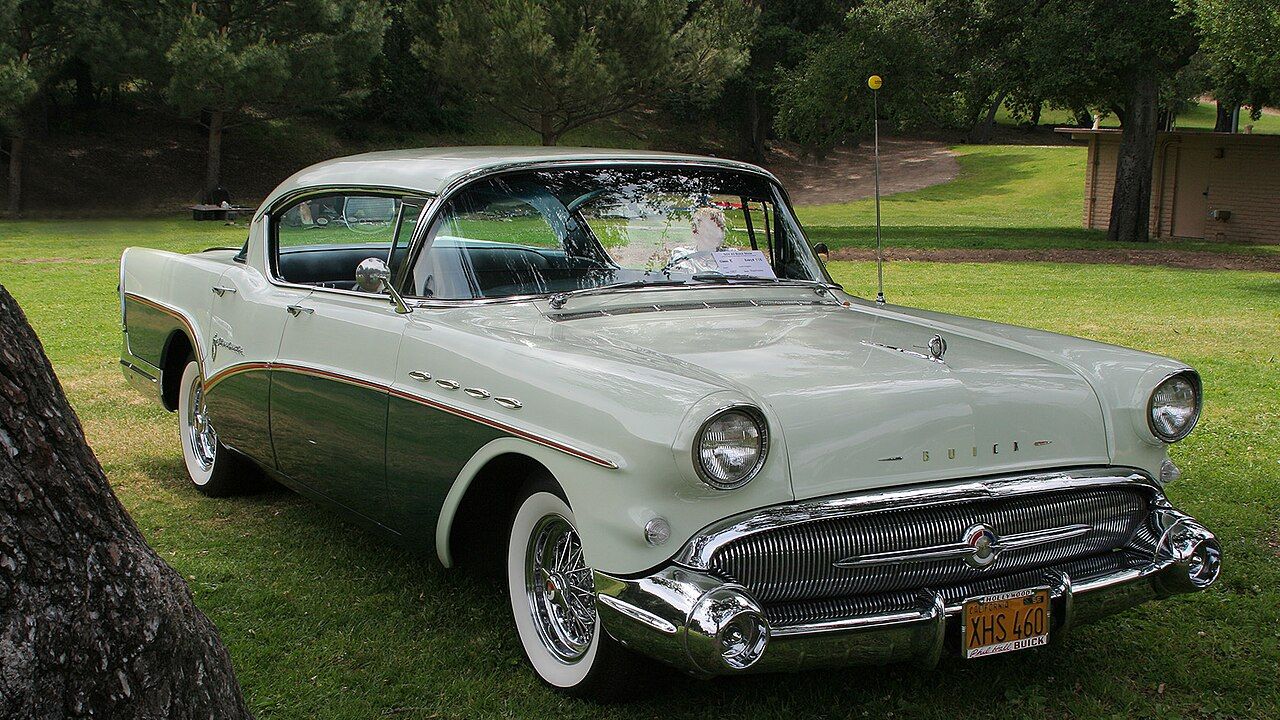
The Buick Roadmaster displayed the dramatic proportions that became popular during the height of 1950s American styling. Its large grille, chrome details, sweeping body lines, and substantial size communicated luxury and technological progress. Buick used extensive exterior decoration to make the car stand out. Today, the Roadmaster remains an excellent example of how American designers transformed ordinary transportation into a visual statement.
Oldsmobile 88
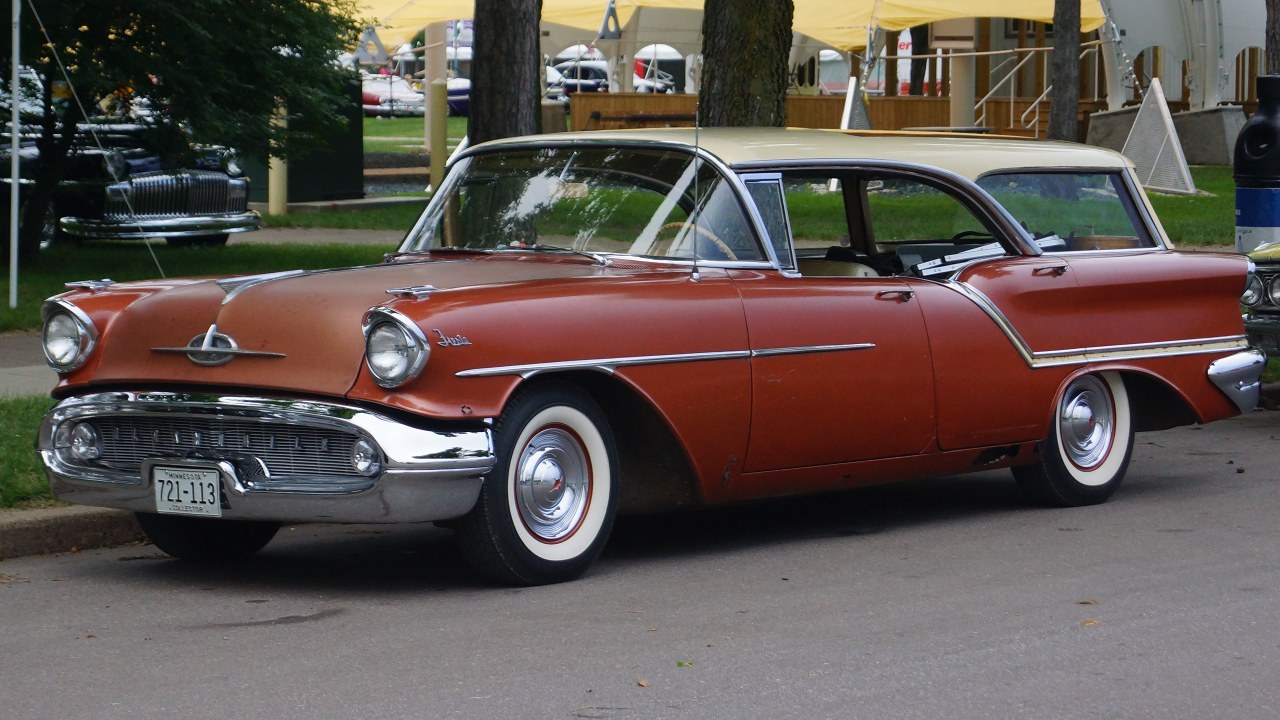
The Oldsmobile 88 helped bring futuristic styling and V8 performance to a broad audience. Its streamlined body, wraparound windshield, and extensive chrome gave it a modern appearance, while its Rocket V8 added genuine performance. The combination made the 88 more exciting than a typical family sedan. Its styling captures the confidence and optimism that defined American automotive design during the decade.
Studebaker Golden Hawk
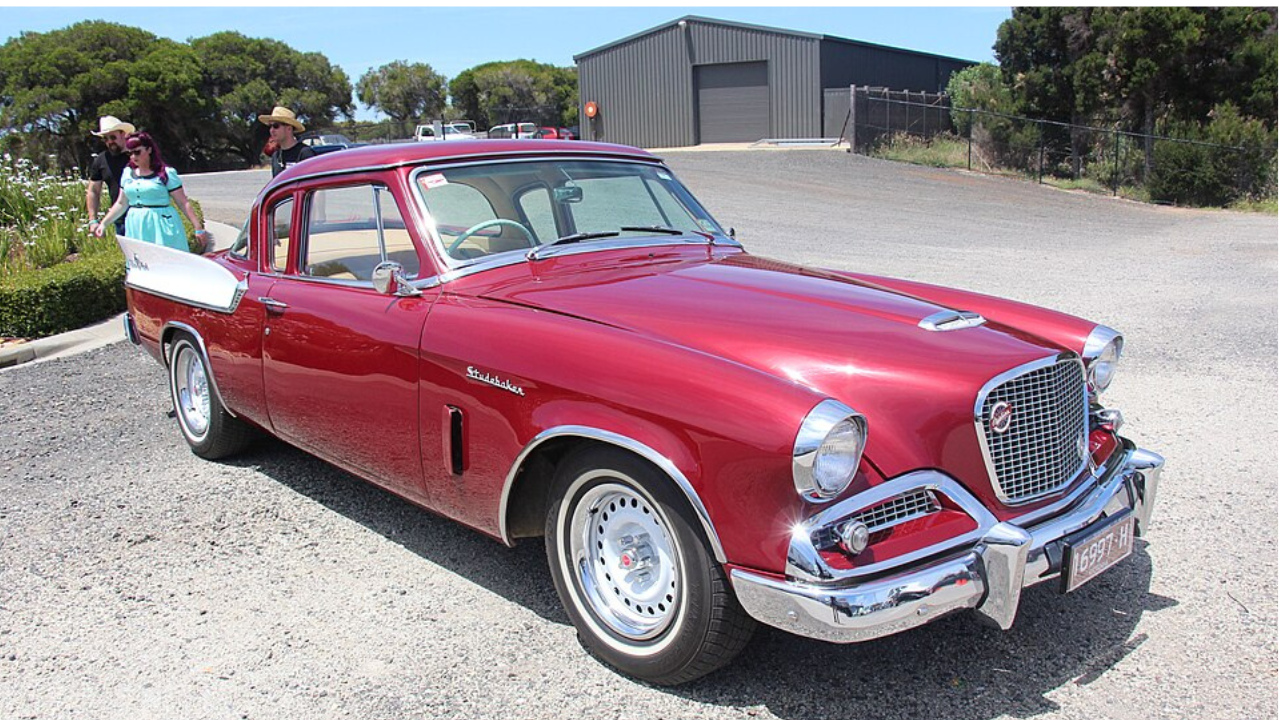
The Studebaker Golden Hawk looked different from many of Detroit’s larger cars. Its low roofline, dramatic front end, and distinctive body proportions created a sporty appearance that seemed ahead of its time. The powerful V8 added to its performance image. Because Studebaker took more design risks than many competitors, the Golden Hawk remains one of the decade’s most interesting examples of futuristic styling.
Chevrolet Corvette
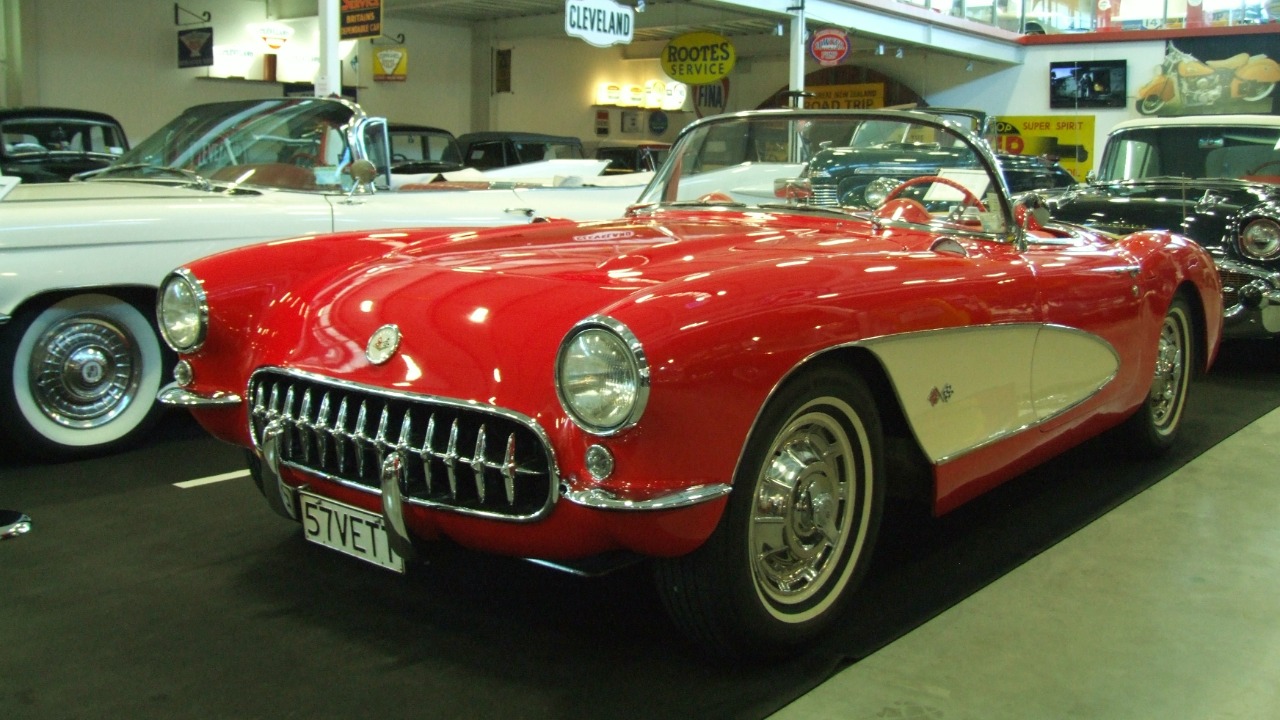
The Chevrolet Corvette introduced a completely different kind of American automotive design. Its lightweight fiberglass body, low proportions, and two-seat configuration gave it a distinctly modern appearance. Unlike massive full-size cars, the Corvette emphasized compact sports-car proportions. Its styling evolved during the decade, but the original concept helped establish the Corvette as America’s answer to European sports cars.
Lincoln Continental Mark II
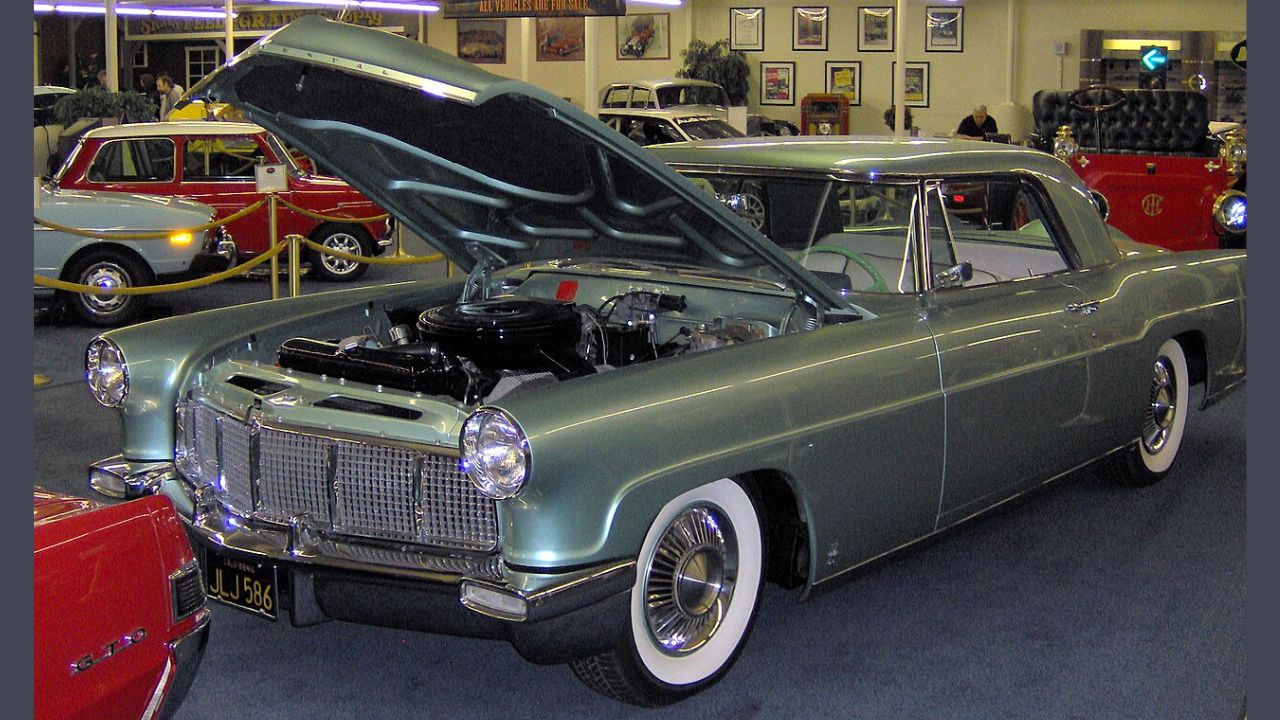
The Lincoln Continental Mark II took a more restrained approach to futuristic luxury. Instead of relying heavily on oversized fins, it used clean lines, elegant proportions, and carefully integrated details. Its understated design made it look sophisticated rather than excessive. The Mark II demonstrated that 1950s automotive futurism could also involve simplicity and refinement rather than simply adding more chrome and decoration.
Chrysler New Yorker
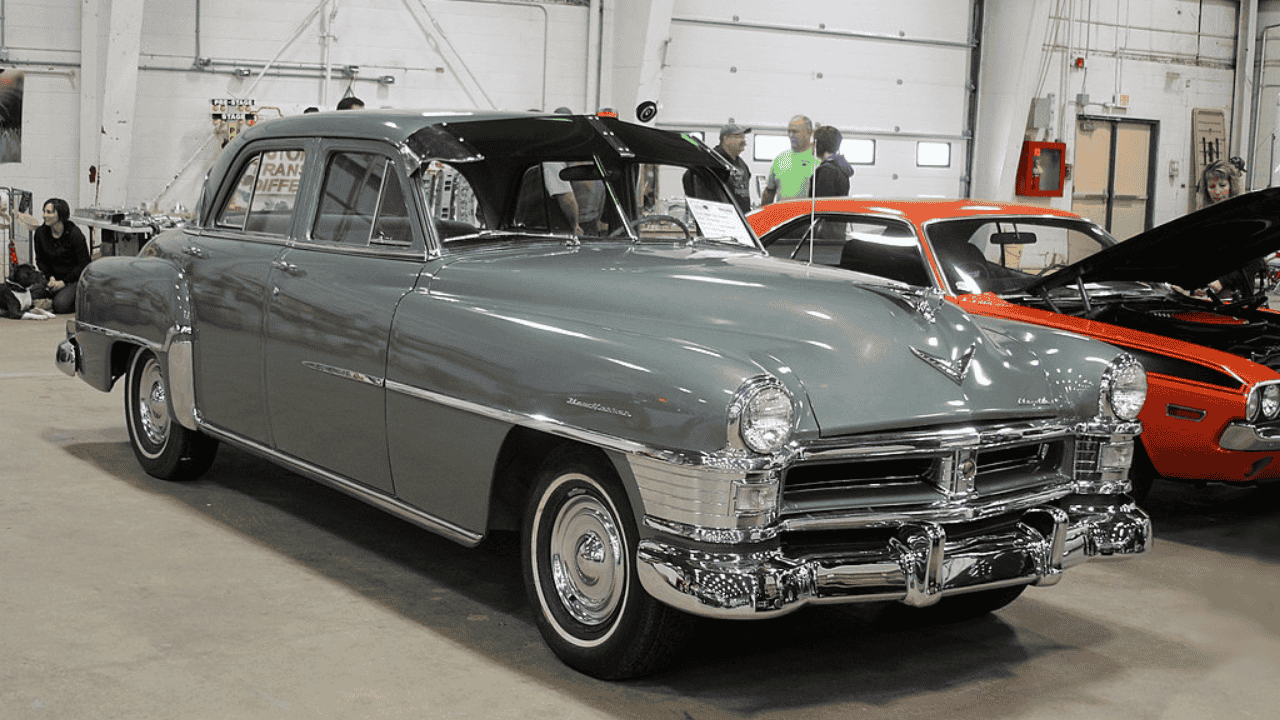
The Chrysler New Yorker showcased the decade’s fascination with dramatic body shapes and advanced-looking details. Its large grille, sweeping lines, generous chrome, and powerful presence gave it a distinctly futuristic appearance. Chrysler’s designers embraced the idea that automobiles should look like products from a modern technological age. The New Yorker remains a striking example of 1950s American optimism.
Cadillac Series 62
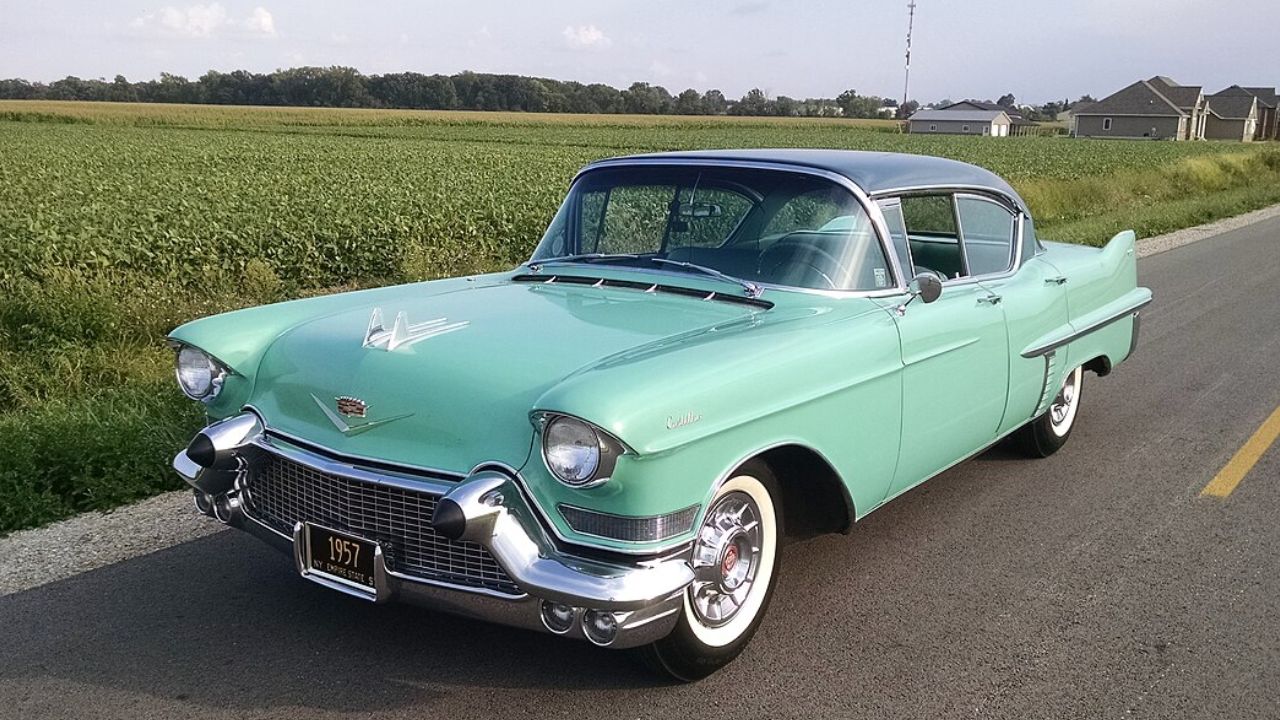
The Cadillac Series 62 became one of the most recognizable examples of America’s fascination with tailfins. Its increasingly dramatic rear design, extensive chrome, and imposing proportions reflected the influence of jet aircraft and the emerging space age. Cadillac used styling to create an image of technological progress and luxury. Today, the Series 62 remains one of the clearest visual representations of 1950s automotive optimism.
More from Fast Lane Only
- Unboxing the WWII Jeep in a Crate
- 15 rare Chevys collectors are quietly buying
- 10 underrated V8s still worth hunting down
- Police notice this before you even roll window down
*Research for this article included AI assistance, with all final content reviewed by human editors