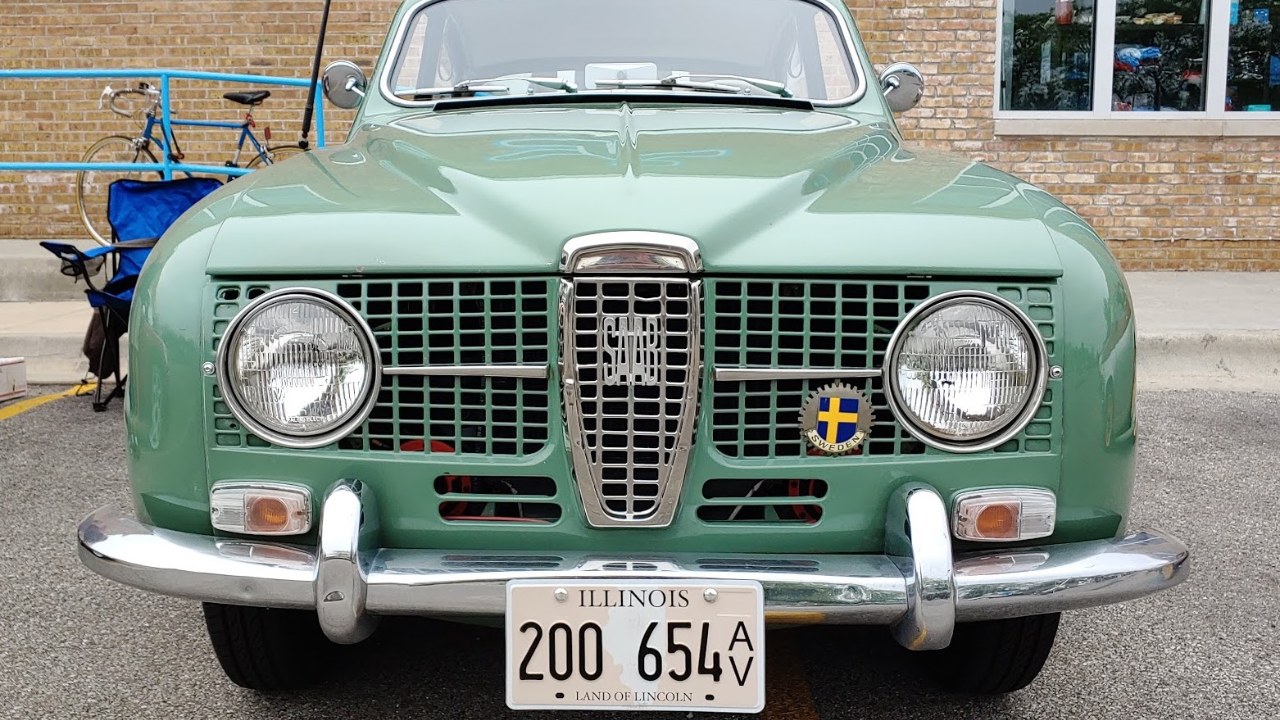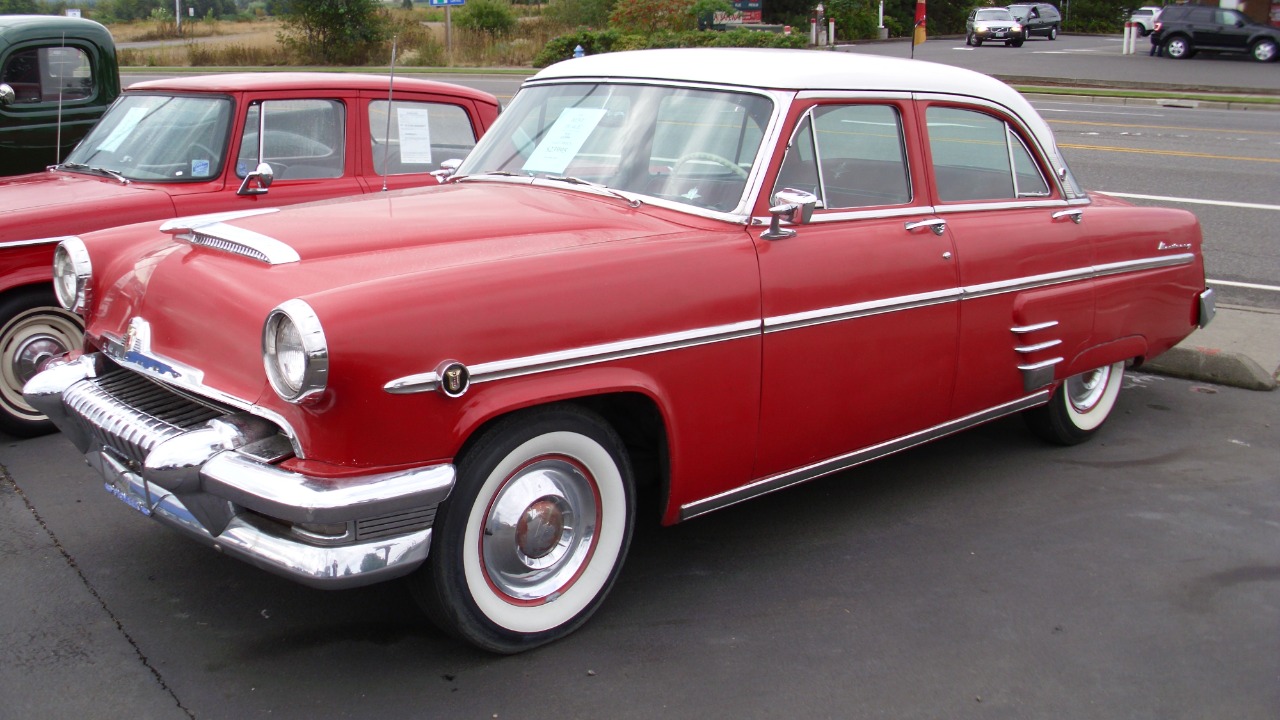
The 1950s produced surprisingly powerful cars, but the idea that entire production cars were commonly “outlawed” for being too powerful is misleading. In reality, some were restricted from certain racing classes, affected by competition rules, or became controversial because of their performance. These twelve cars are famous for pushing the limits of 1950s performance.
Chrysler 300
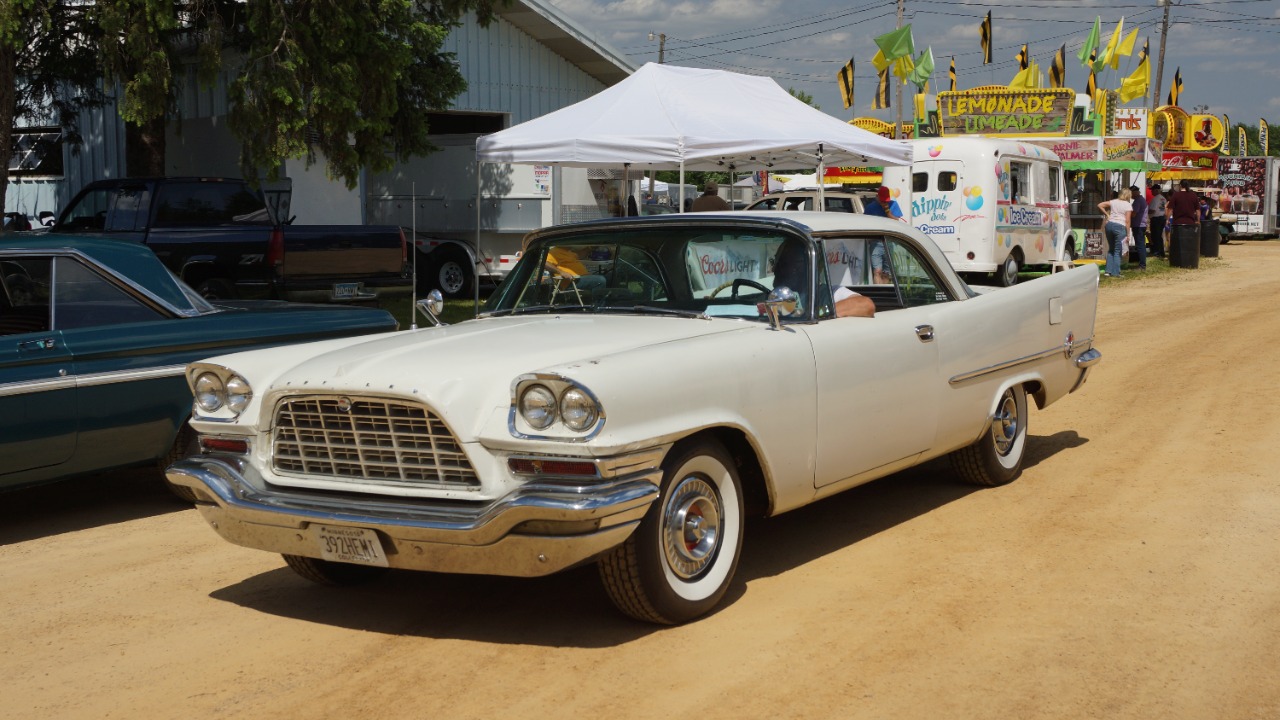
The Chrysler 300 arrived with a powerful Hemi V8 and quickly earned a reputation as one of America’s fastest production cars. Its combination of luxury, large displacement, and racing success made it unusually formidable for the period. Rather than being banned from the road, the 300 faced restrictions in some racing contexts as competition organizers attempted to maintain balanced classes.
Chevrolet Corvette
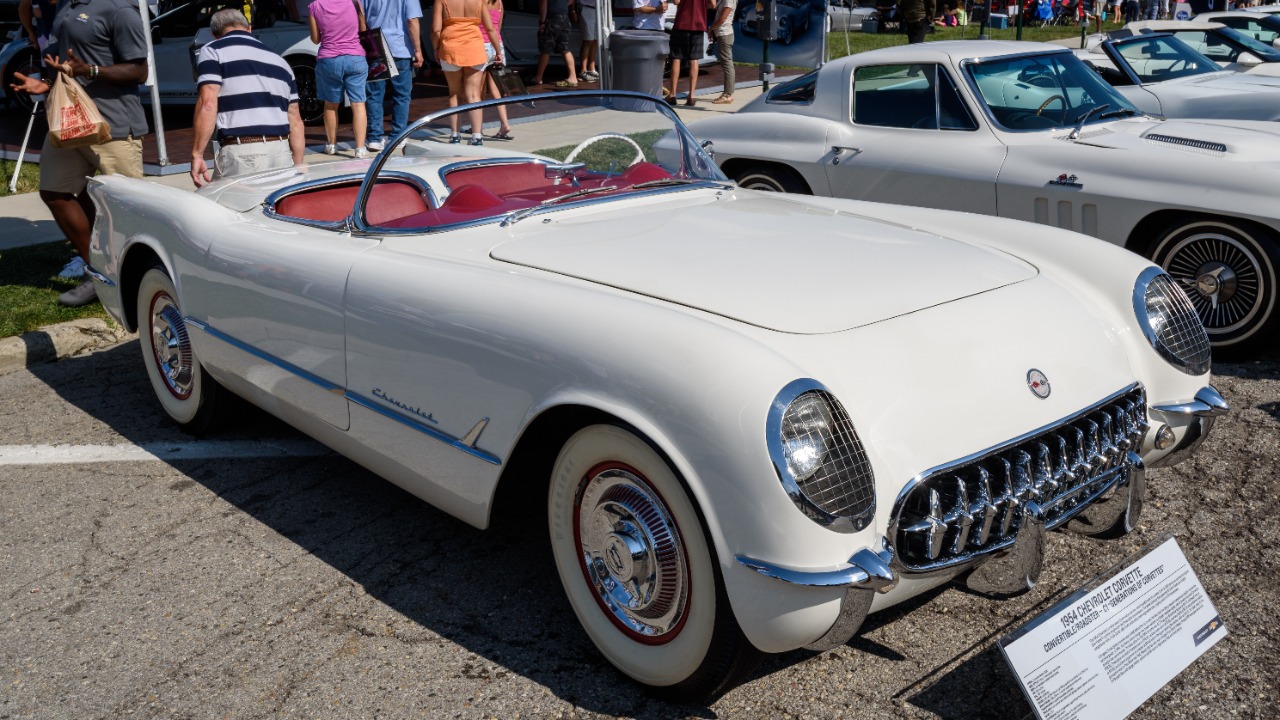
The Chevrolet Corvette introduced American buyers to a lightweight two-seat sports car with increasing performance potential. As Chevrolet developed stronger engines for the Corvette, its racing capabilities attracted attention. Certain competition rules limited what versions could compete in particular classes. The Corvette itself was never generally outlawed for street use, but racing regulations occasionally shaped how its performance variants could be entered.
Ford Thunderbird
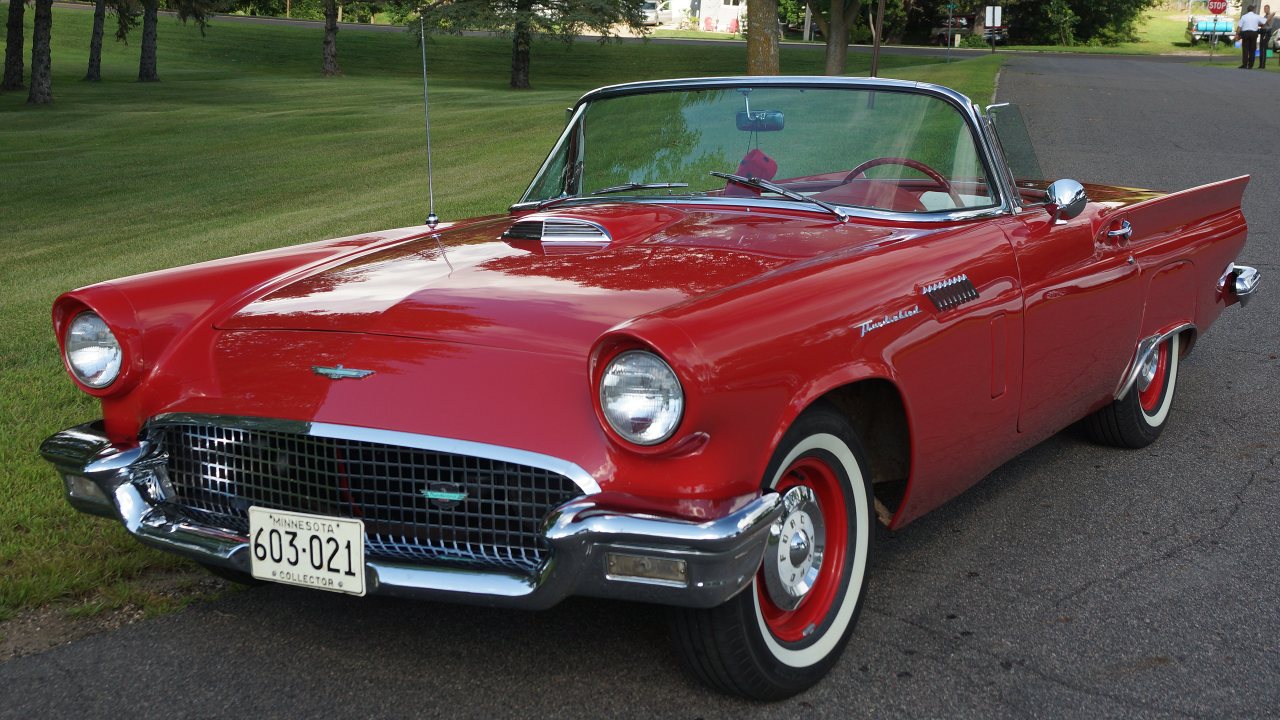
The Ford Thunderbird became a major performance and image car during the 1950s. V8 power combined with relatively compact dimensions gave it impressive acceleration for its era. Its popularity also made it a frequent participant in performance events. Although never banned from public roads, particular competition specifications could face restrictions when organizers attempted to separate production-based racers into appropriate classes.
Chevrolet Bel Air
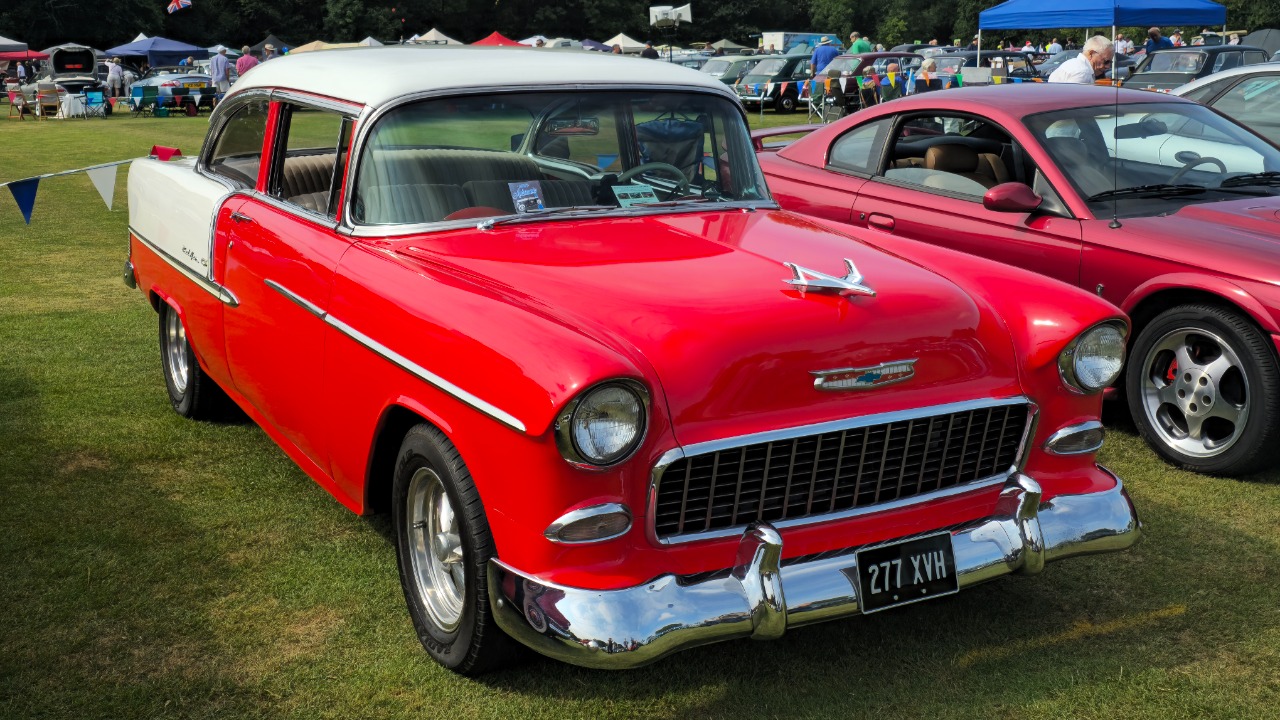
The Chevrolet Bel Air could be equipped with increasingly powerful V8 engines as the decade progressed. Some versions became surprisingly quick for large family-oriented cars. Its performance attracted enthusiasts and racers who modified the platform for competition. Rather than being outlawed, the cars were sometimes affected by racing regulations that restricted engine combinations, modifications, or eligibility.
Pontiac Bonneville
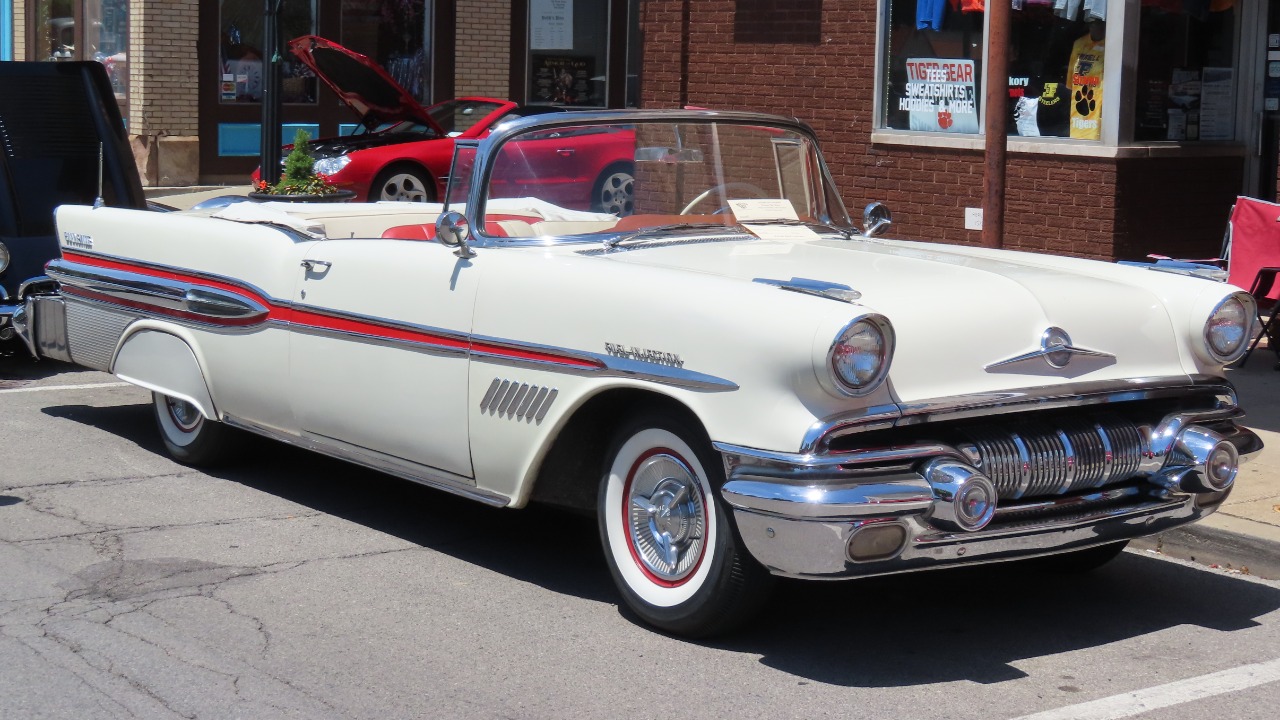
The Pontiac Bonneville became one of Pontiac’s most powerful offerings and helped establish the division’s performance reputation. Large-displacement V8 engines and substantial torque gave the car strong acceleration. Pontiac’s growing focus on performance eventually attracted the attention of racing organizations and competitors. Restrictions applied to racing classes, however, rather than making the Bonneville illegal for normal road use.
Oldsmobile 88
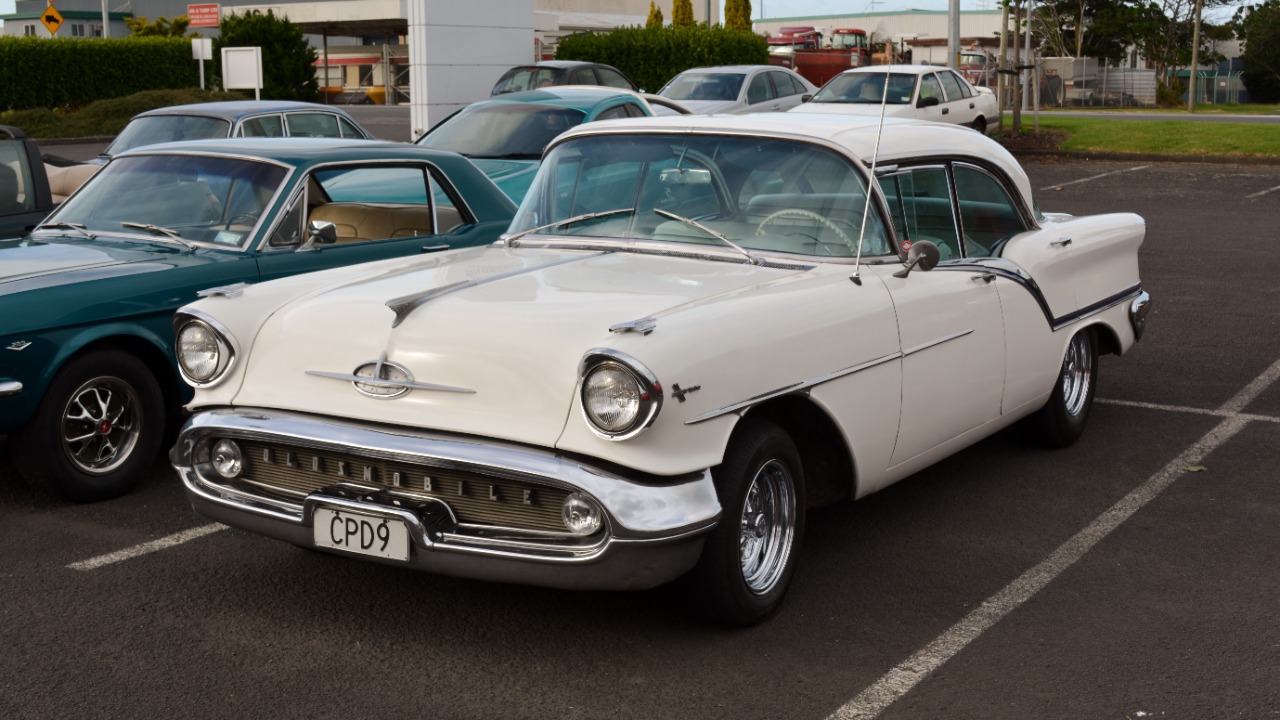
The Oldsmobile 88 became an important early performance car because of its lightweight body and Rocket V8. Its combination of power and relatively manageable size made it surprisingly quick. The 88 became popular in racing and stock-car competition, where rules sometimes limited engine and chassis modifications. Its road-going versions remained perfectly legal, but its competition potential helped build its reputation.
Mercury Monterey

The Mercury Monterey offered substantial V8 power in a large American package. Its engines produced impressive torque for the period, making it attractive to drivers who wanted effortless acceleration. Performance-oriented versions also found their way into competition. Racing regulations could limit how such cars competed, but the Monterey itself was never broadly banned from public roads.
Ford Fairlane
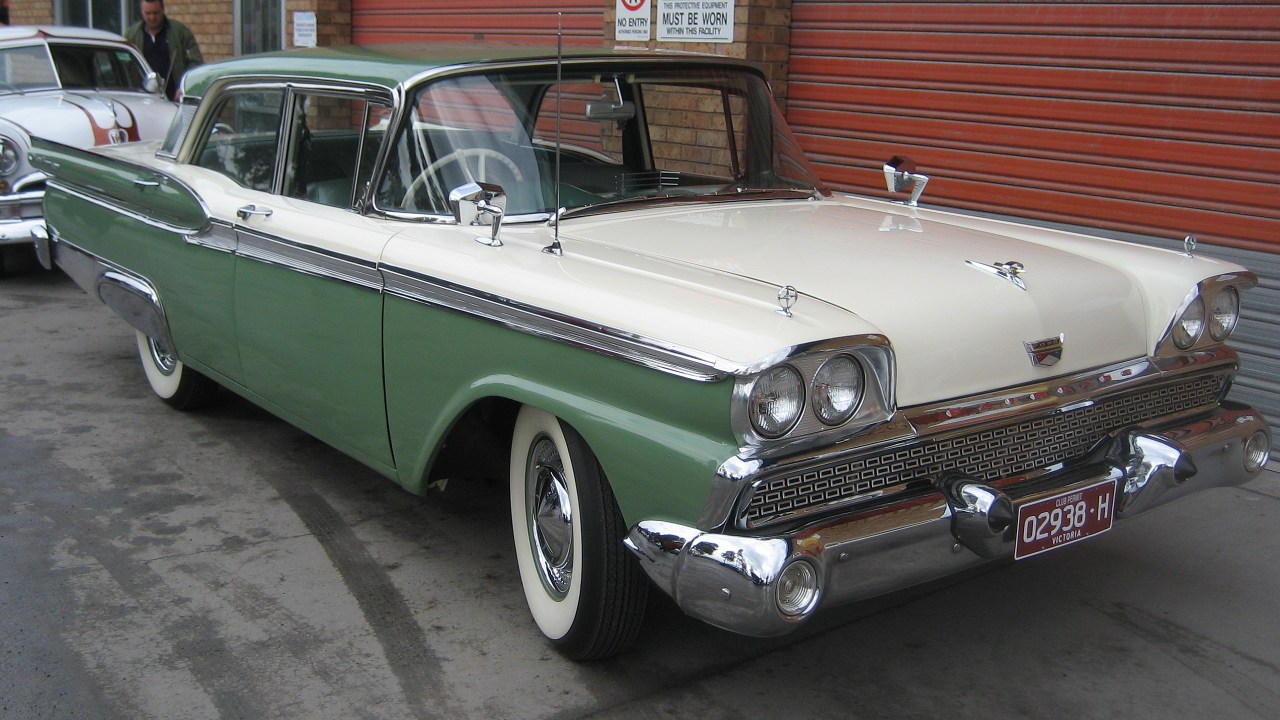
The Ford Fairlane became increasingly performance-oriented during the 1950s as Ford introduced stronger V8 options. Its combination of relatively manageable size and substantial power made it appealing to performance enthusiasts. Some competition organizations placed limits on engine specifications and modifications. These rules were intended to maintain fair racing rather than prevent ordinary owners from driving powerful Fairlanes on public roads.
Dodge Coronet
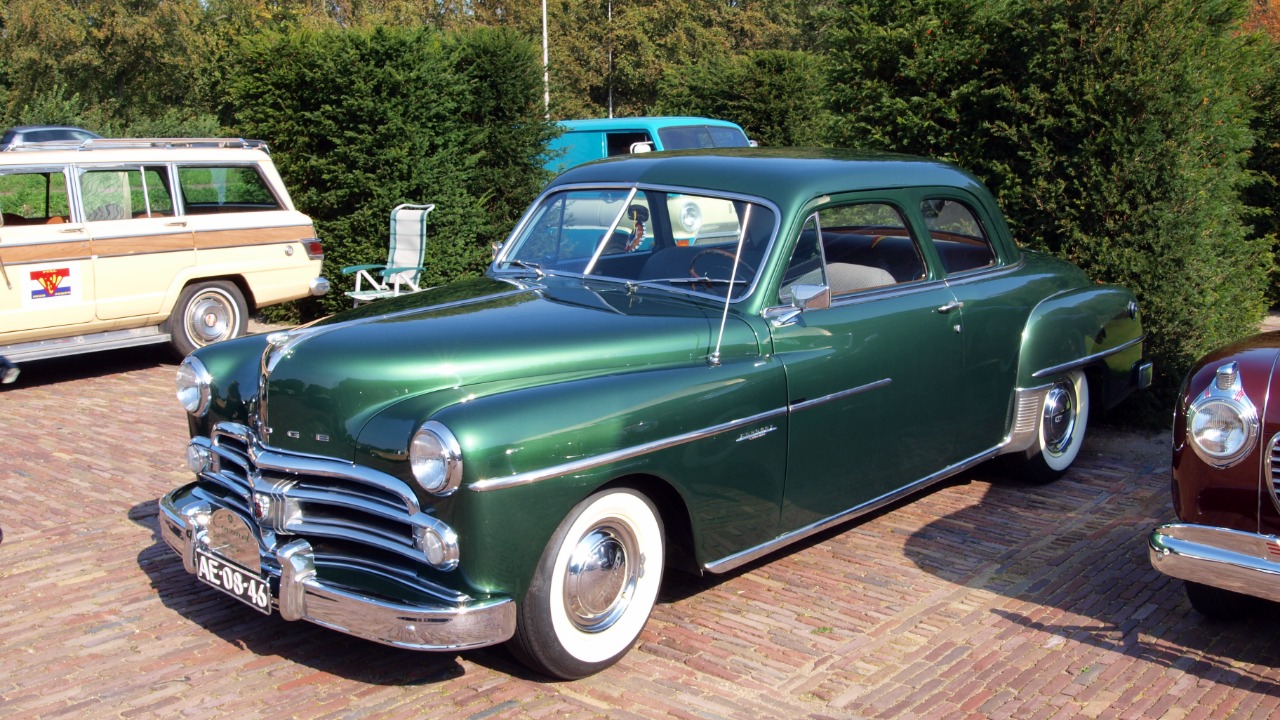
The Dodge Coronet gained serious performance credentials through Chrysler’s growing V8 engine program. Its available engines gave the car strong acceleration for its time, while its relatively conventional body made it suitable for everyday use. Performance versions could attract attention in organized competition, where regulations determined which engine combinations were permitted. The Coronet remained legal as a road car.
Plymouth Fury
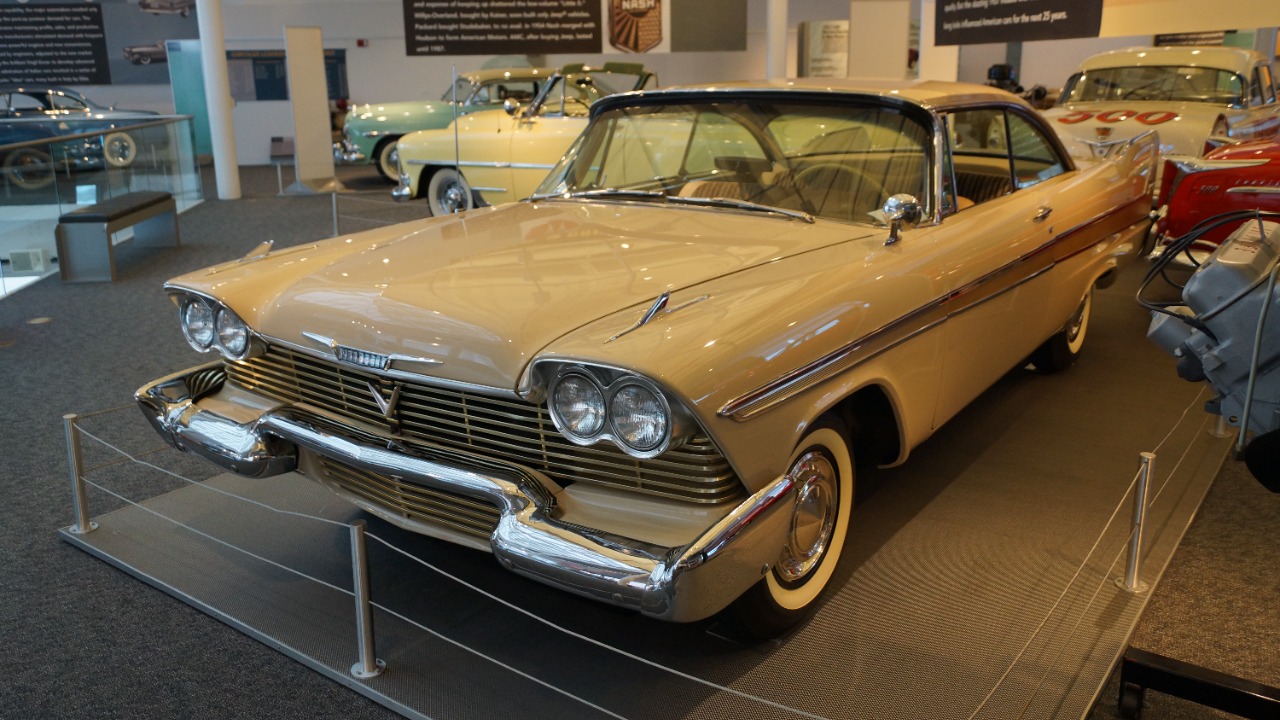
The Plymouth Fury became one of Plymouth’s most recognizable 1950s models. Its powerful V8 options and increasingly dramatic styling gave it a strong performance image. The Fury appeared in an era when American manufacturers were rapidly increasing engine output. Although some racing classes imposed restrictions on production-based cars, the Fury was never generally outlawed simply because of its horsepower.
Studebaker Golden Hawk
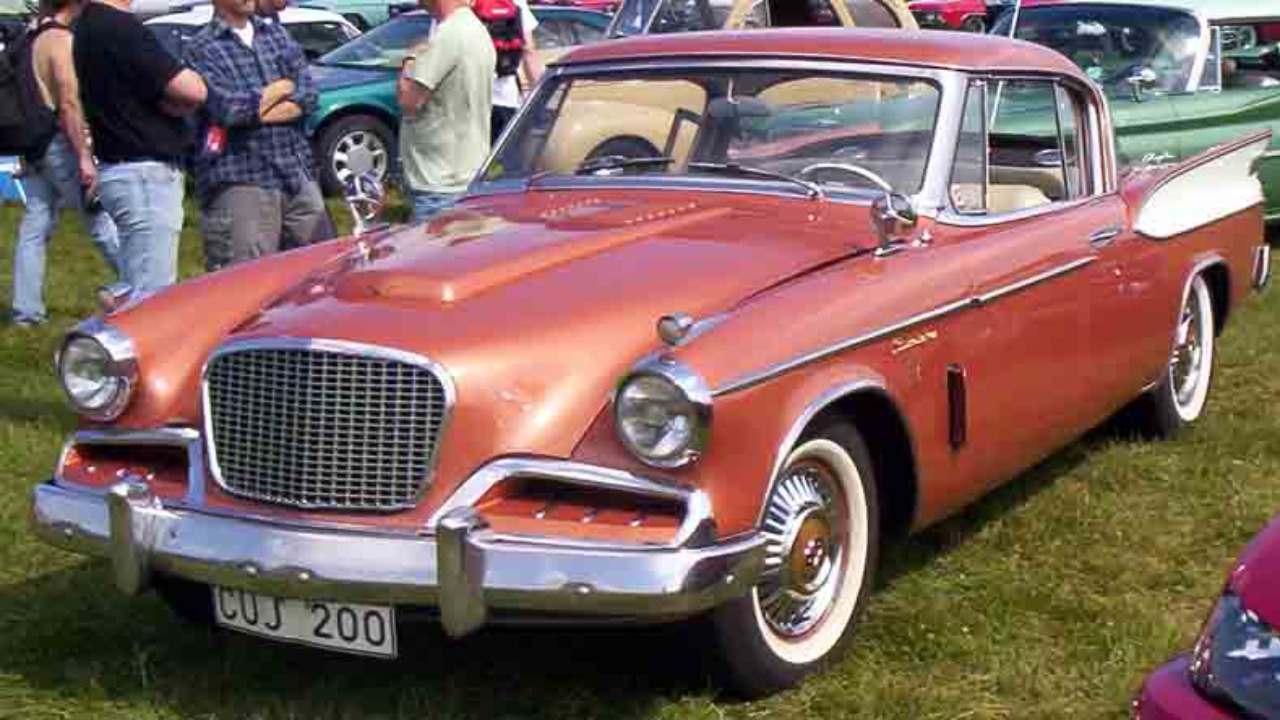
The Studebaker Golden Hawk combined a relatively compact body with a powerful V8, producing impressive performance for its time. Its low-slung design and strong acceleration made it a serious competitor against larger Detroit cars. The Golden Hawk’s performance could make it challenging to place in certain racing categories. Nevertheless, the road-going car remained legal and became a respected American performance classic.
Buick Century
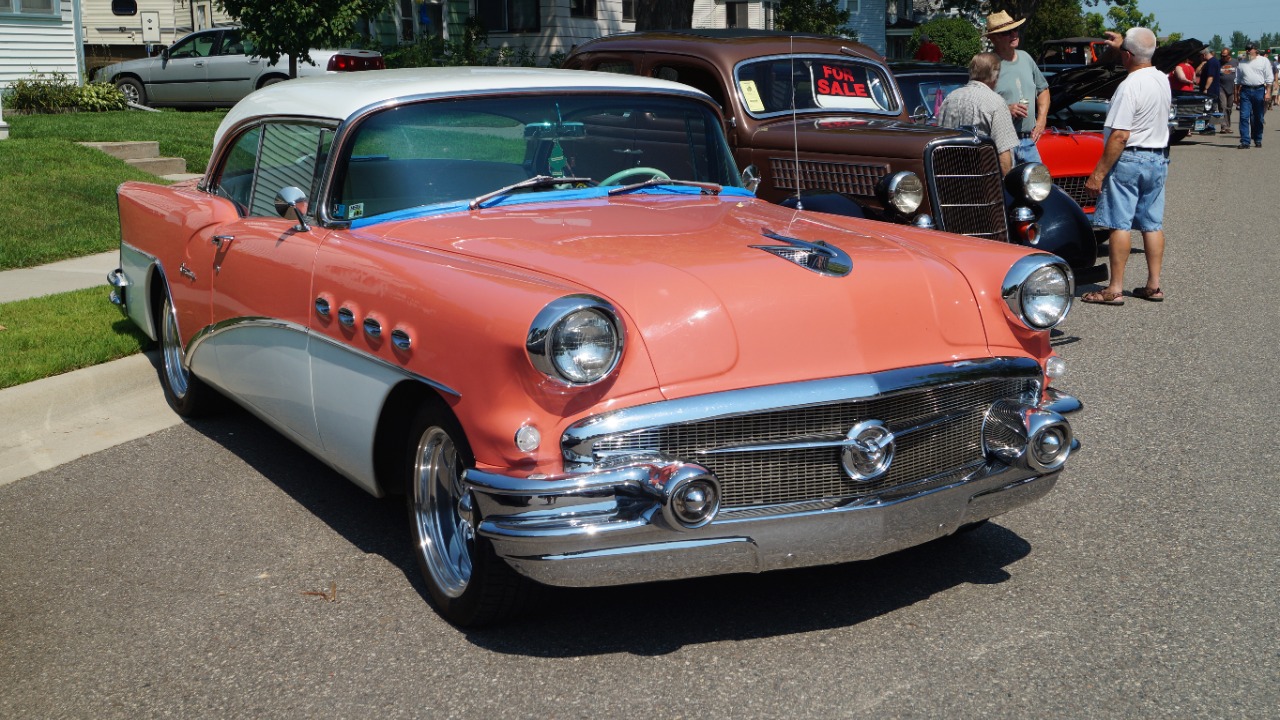
The Buick Century earned a reputation for combining a lighter body with a powerful V8, giving it stronger acceleration than many expected from a full-size American car. Its performance helped establish Buick as more than simply a luxury-oriented brand. Competition regulations could restrict how powerful production cars participated in racing, but the Century itself was never banned from ordinary road use.
More from Fast Lane Only
- Unboxing the WWII Jeep in a Crate
- 15 rare Chevys collectors are quietly buying
- 10 underrated V8s still worth hunting down
- Police notice this before you even roll window down
*Research for this article included AI assistance, with all final content reviewed by human editors