Some automobiles seemed to arrive from another decade. Their futuristic shapes, unusual engineering, and bold interiors made ordinary cars look outdated when they were new. Many of these designs have become desirable at auctions because their originality has aged remarkably well. These eleven cars captured the future before the future arrived.
Chevrolet Corvette Stingray

The Chevrolet Corvette Stingray introduced a dramatic fastback shape that looked remarkably advanced for the early 1960s. Its split rear window on the first-year coupe became especially famous, while the long hood and sharply sculpted body created an unmistakable appearance. Powerful V8 engines added genuine performance. Today, early Stingrays remain highly desirable because their design still looks purposeful and futuristic.
Citroën DS
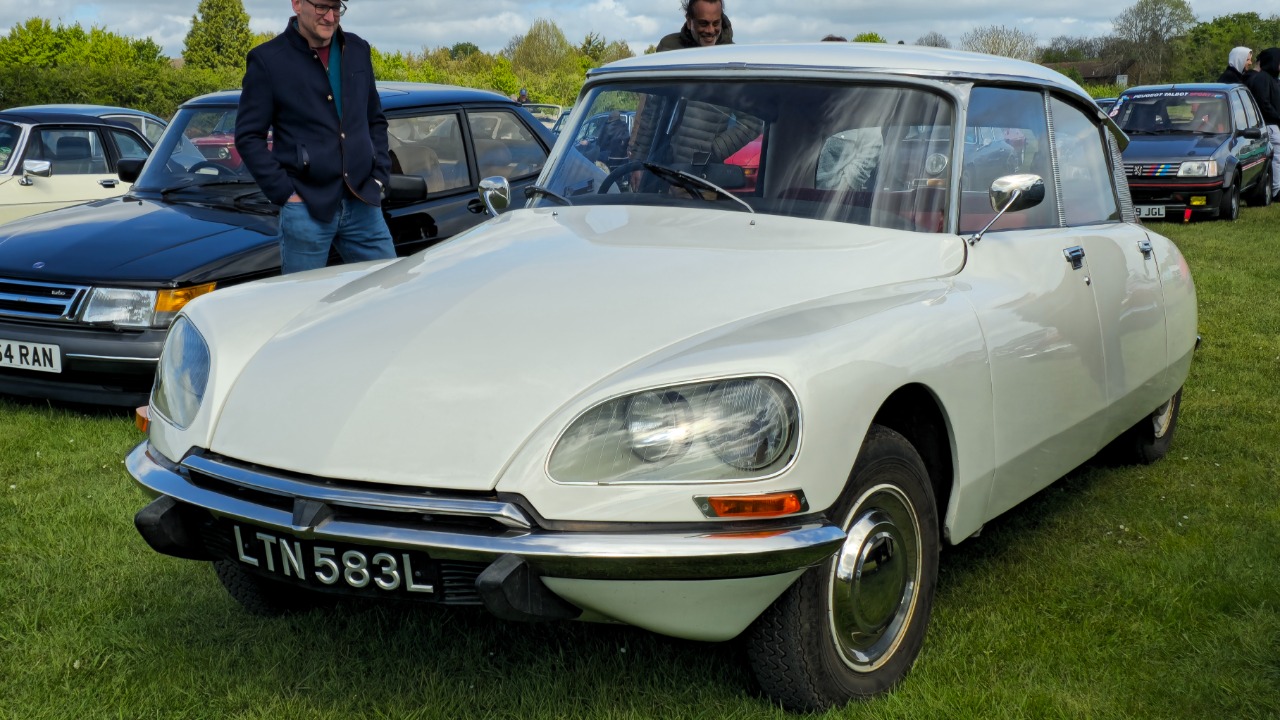
The Citroën DS looked unlike almost anything else on the road when it debuted. Its aerodynamic body, unusual proportions, and advanced suspension immediately separated it from conventional automobiles. The innovative hydraulic systems also gave the DS an exceptionally smooth ride. Its futuristic character has aged beautifully, making well-preserved examples highly interesting to collectors and increasingly impressive at classic-car auctions.
Ford Thunderbird
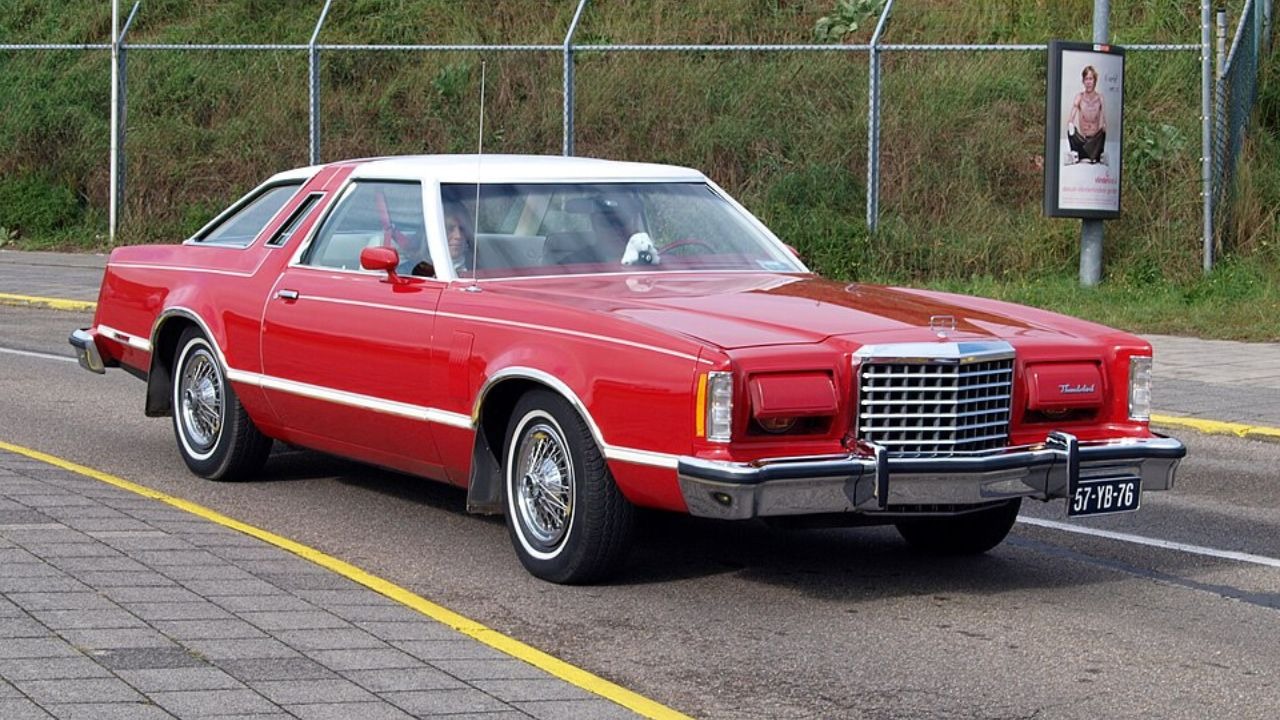
The Ford Thunderbird evolved dramatically during the 1960s, adopting larger dimensions and increasingly sophisticated styling. Its sweeping bodywork, hidden headlights on some versions, and comfortable interiors gave it a strong futuristic presence. The Thunderbird represented America’s fascination with personal luxury and space-age design. Certain well-preserved examples now attract collectors because they capture the optimism of their era so effectively.
Oldsmobile Toronado
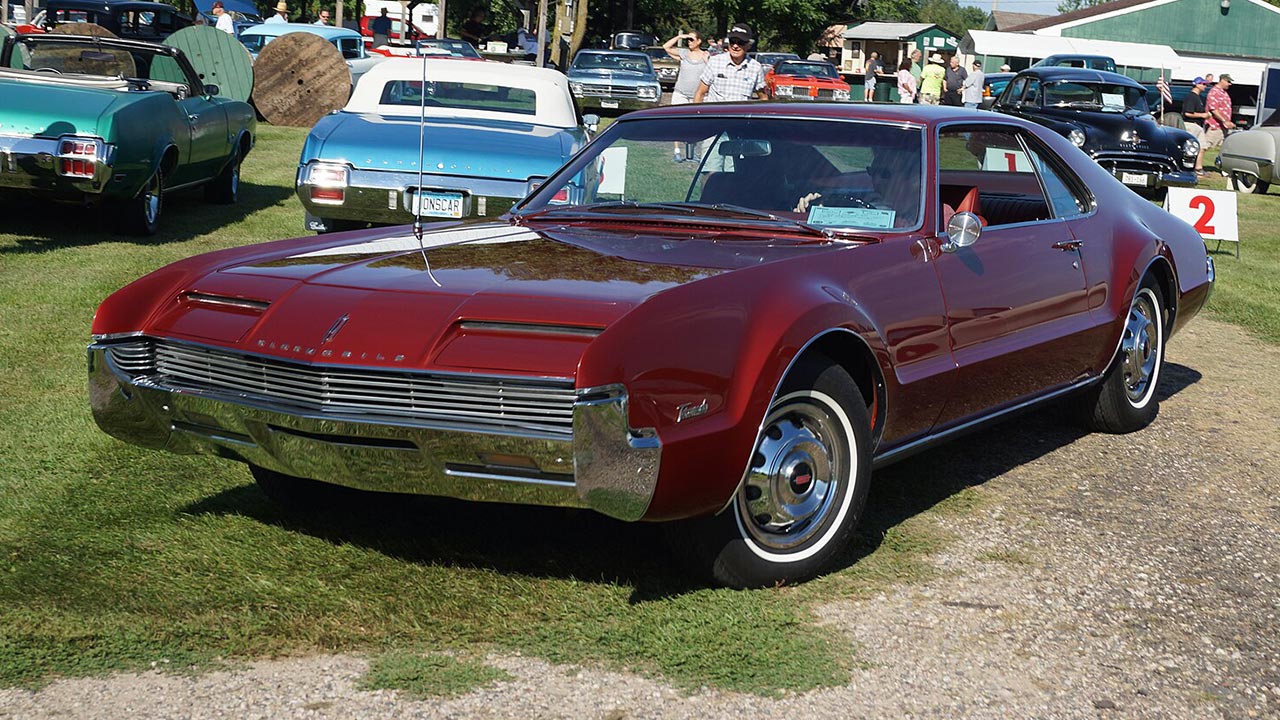
The Oldsmobile Toronado introduced front-wheel drive to a large American personal-luxury coupe, making it mechanically unusual for its time. Its long body, hidden headlights, and clean surfaces created a distinctly futuristic appearance. The unusual drivetrain also demonstrated General Motors’ willingness to experiment with packaging. Today, the first-generation Toronado is appreciated for combining advanced engineering with dramatic 1960s styling.
Buick Riviera
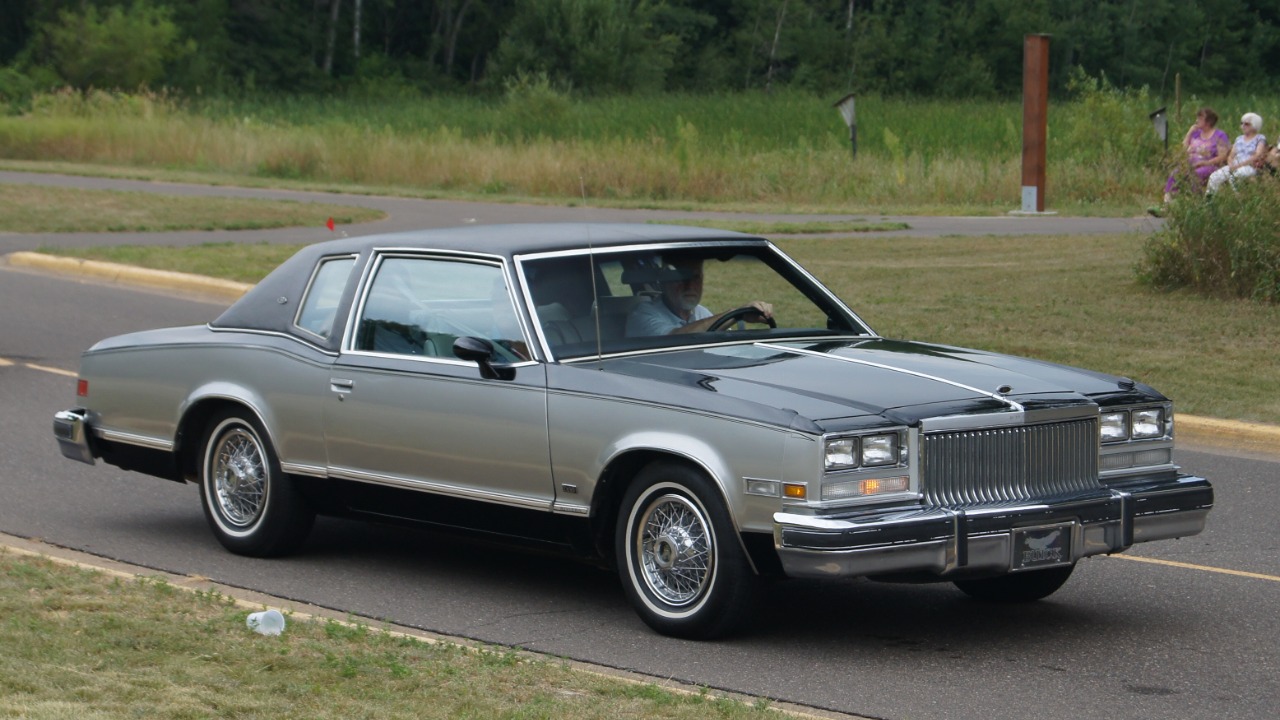
The Buick Riviera offered a cleaner and more sophisticated interpretation of American luxury. Its sculpted body, frameless side windows, and distinctive grille gave it an almost concept-car appearance. The Riviera was designed to compete with stylish personal-luxury cars while retaining Buick’s comfort-oriented character. Its elegant proportions have aged well, making early examples particularly attractive to collectors.
Chevrolet Corvair
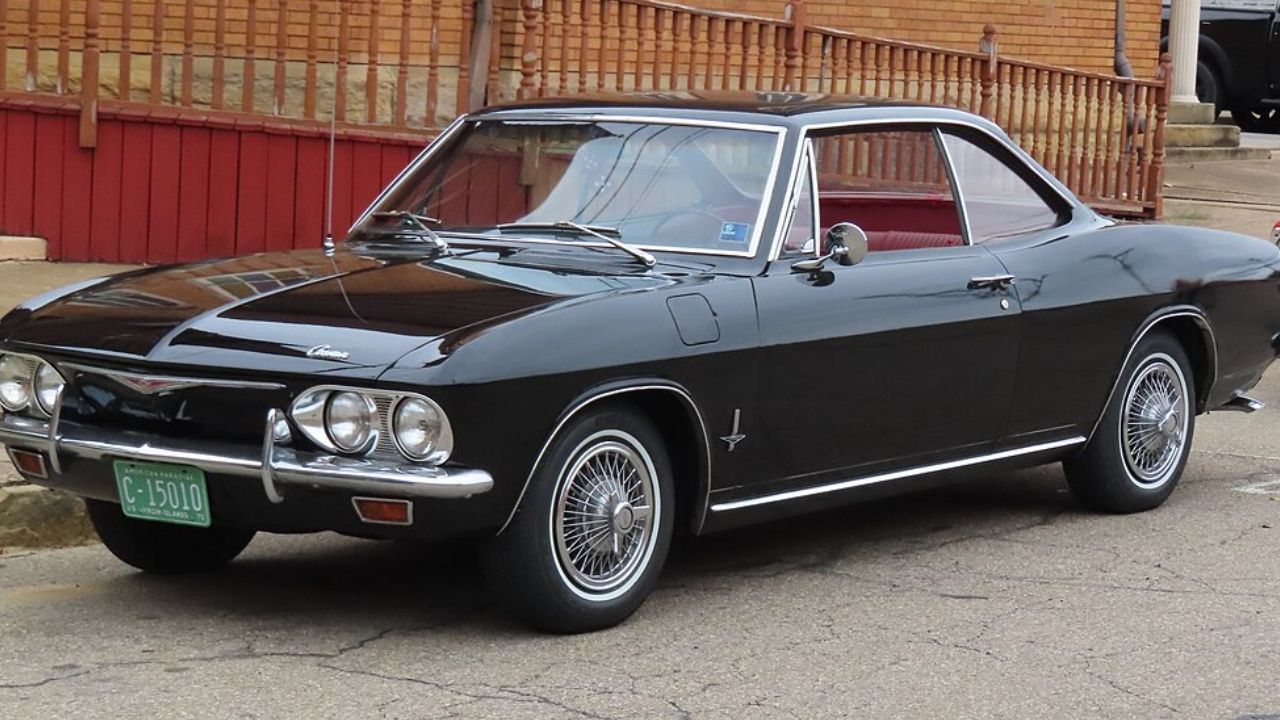
The Chevrolet Corvair challenged traditional American automotive design with its rear-mounted, air-cooled flat-six engine. Its compact proportions and independent suspension made it mechanically different from Chevrolet’s larger front-engine cars. The clean styling also gave it a more European appearance. Despite the controversies surrounding the model, surviving Corvairs remain fascinating examples of General Motors’ willingness to experiment.
Chrysler Turbine
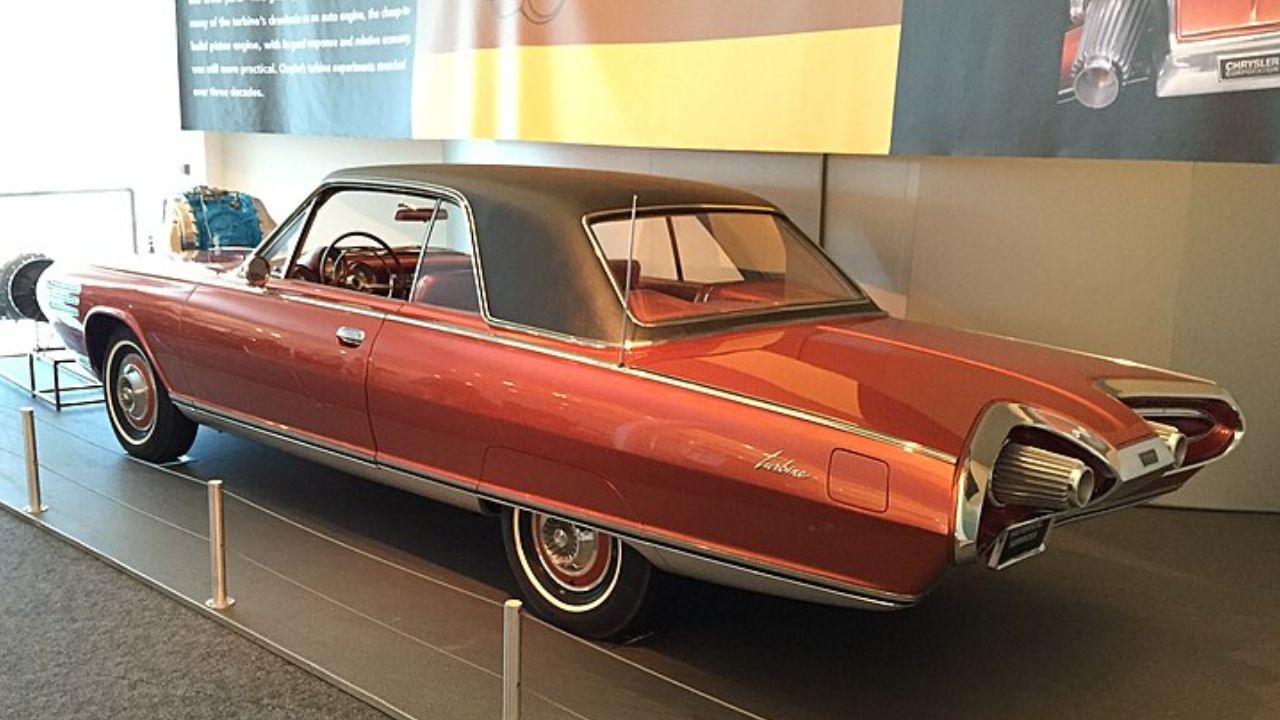
The Chrysler Turbine looked like a car from a science-fiction film because its most unusual feature was hidden beneath the body: a gas-turbine engine. Chrysler produced only a small number for its experimental program, making surviving examples extremely rare. The turbine could run on several types of fuel and demonstrated Chrysler’s interest in alternative propulsion. Its rarity makes it a true automotive curiosity.
Studebaker Avanti
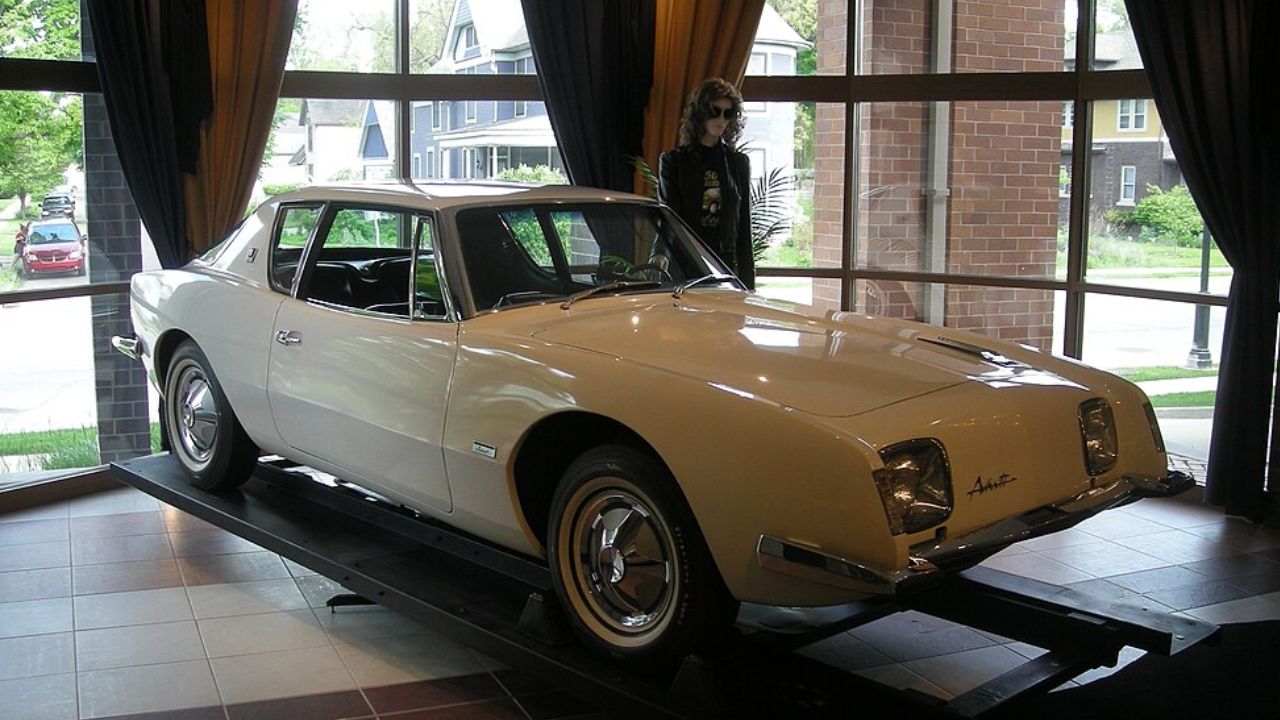
The Studebaker Avanti was one of America’s boldest designs of the early 1960s. Its smooth fiberglass body, integrated styling, and unusual proportions looked radically different from traditional Detroit cars. Designed by Raymond Loewy and his team, the Avanti emphasized a sleek, modern appearance rather than excessive chrome. Its limited production and distinctive design have made it an enduring collector favorite.
AMC Pacer
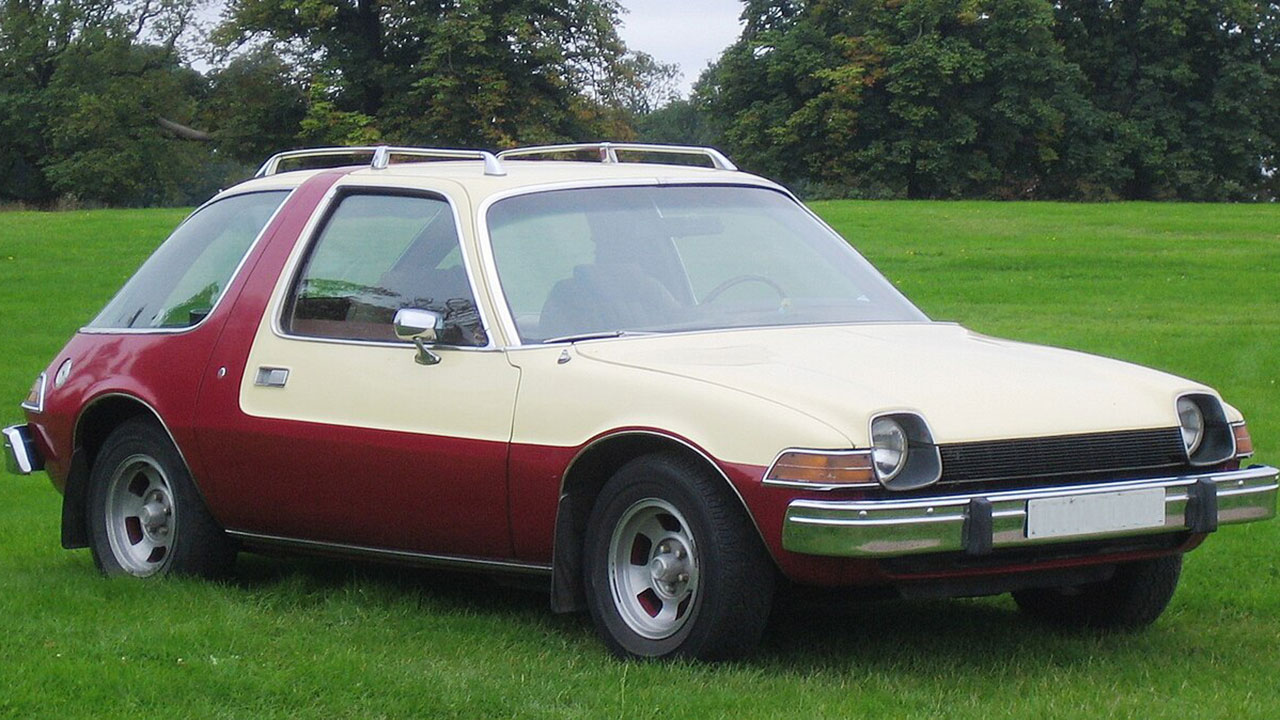
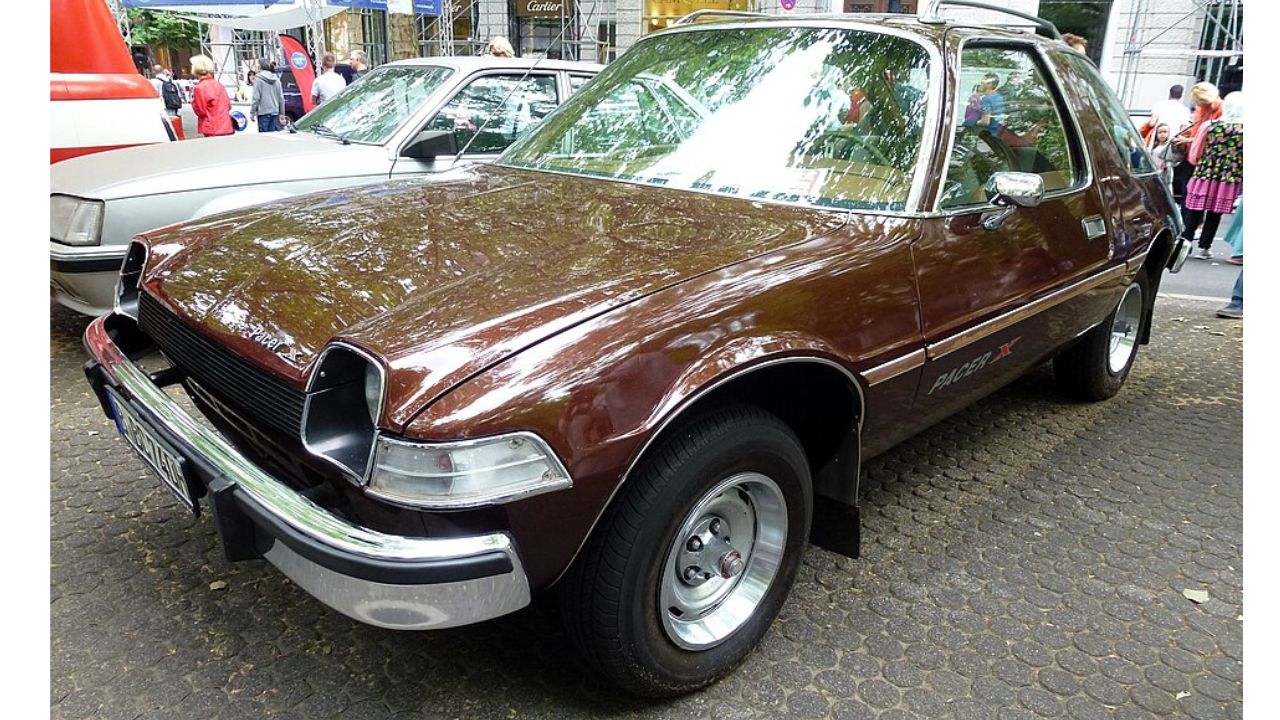
The AMC Pacer looked futuristic because it abandoned many conventional compact-car proportions. Its enormous glass area, rounded body, and wide stance created an unusual appearance that was unlike most competitors. Although its styling divided buyers when new, the Pacer became an unmistakable symbol of 1970s automotive experimentation. Today, its originality makes clean examples surprisingly interesting at auctions.
Lamborghini Countach
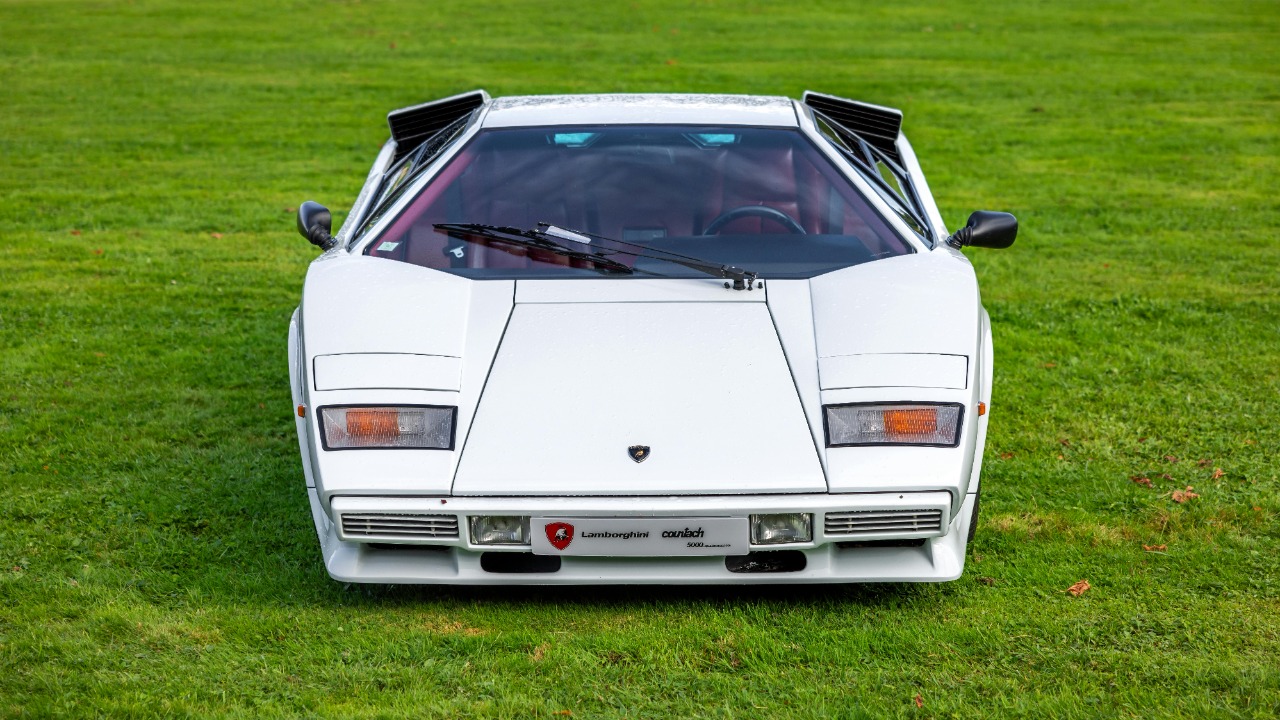
The Lamborghini Countach redefined what a futuristic supercar could look like. Its sharply angled body, wedge-shaped profile, scissor doors, and extremely low stance made conventional sports cars appear conservative. The Countach became a poster icon for an entire generation. Well-preserved examples remain highly desirable at auctions because few production cars have ever captured the visual drama of the future so effectively.
DeLorean DMC-12
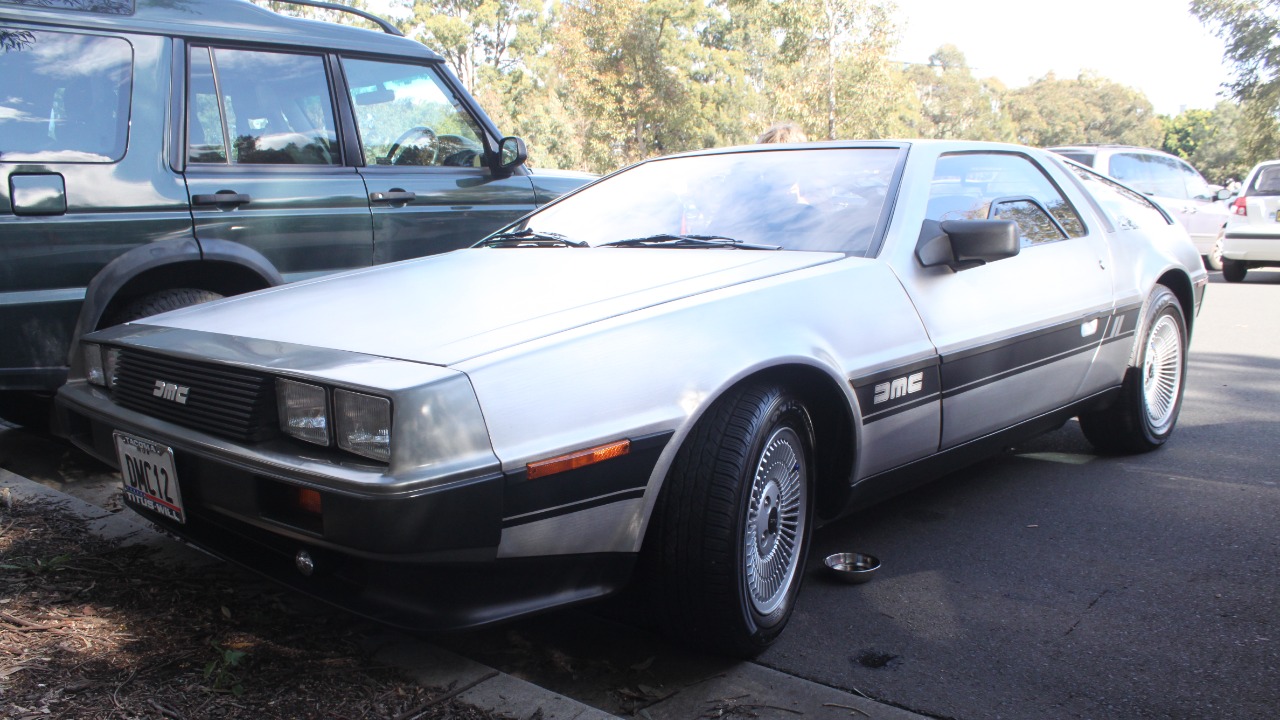
The DeLorean DMC-12 looked futuristic through its stainless-steel body, sharp wedge-shaped design, and gullwing doors. Designed by Giorgetto Giugiaro, it looked more like a concept car than a conventional sports coupe. Its later appearance in Back to the Future made it even more recognizable. Today, clean examples attract collectors because of their distinctive styling and unusual place in automotive history.
More from Fast Lane Only
- Unboxing the WWII Jeep in a Crate
- 15 rare Chevys collectors are quietly buying
- 10 underrated V8s still worth hunting down
- Police notice this before you even roll window down
*Research for this article included AI assistance, with all final content reviewed by human editors