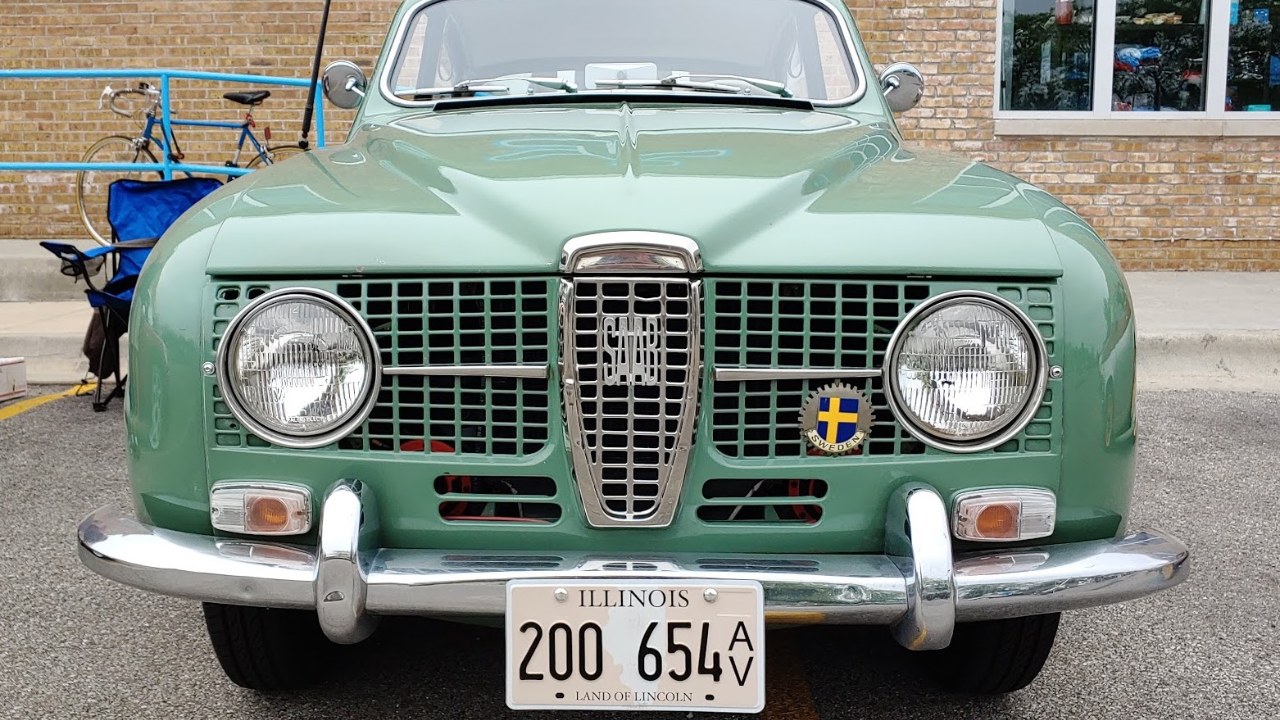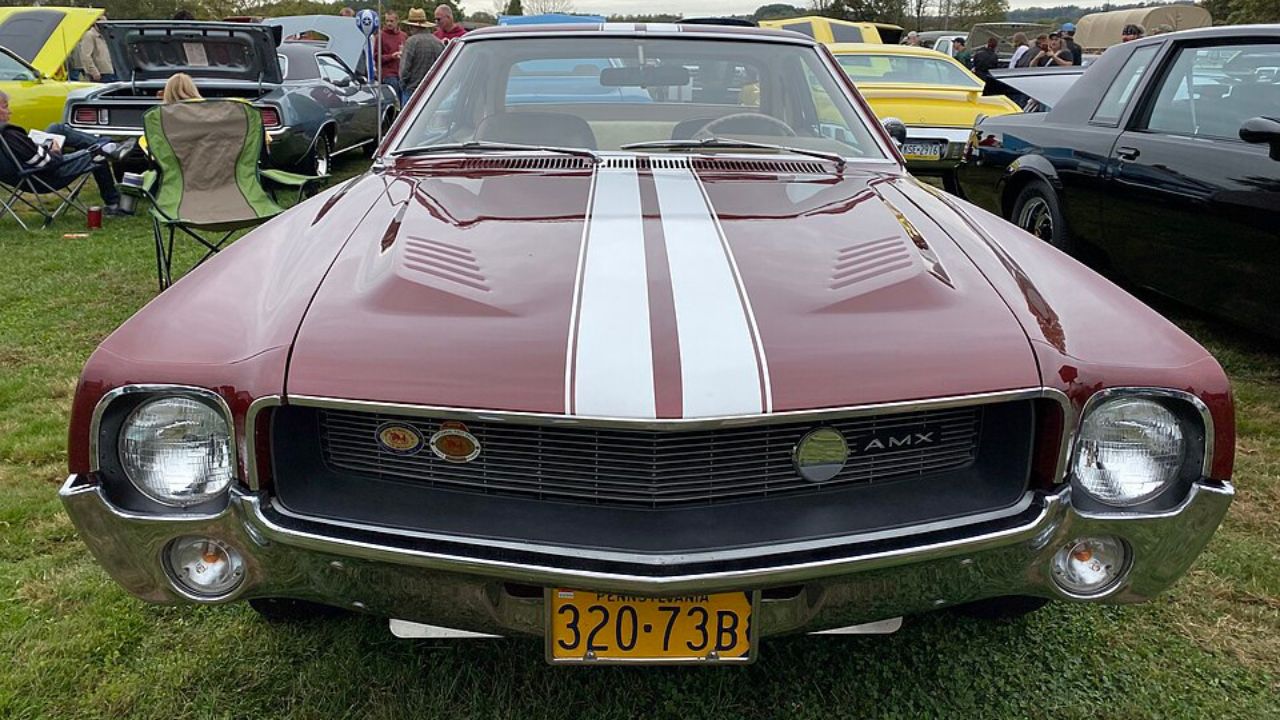
The muscle-car era was not only about horsepower. Some cars introduced advanced engineering, clever packaging, innovative styling, or performance features that competitors took years to match. These twelve classics stood apart because they offered something genuinely different during one of America’s most exciting automotive periods.
Pontiac GTO
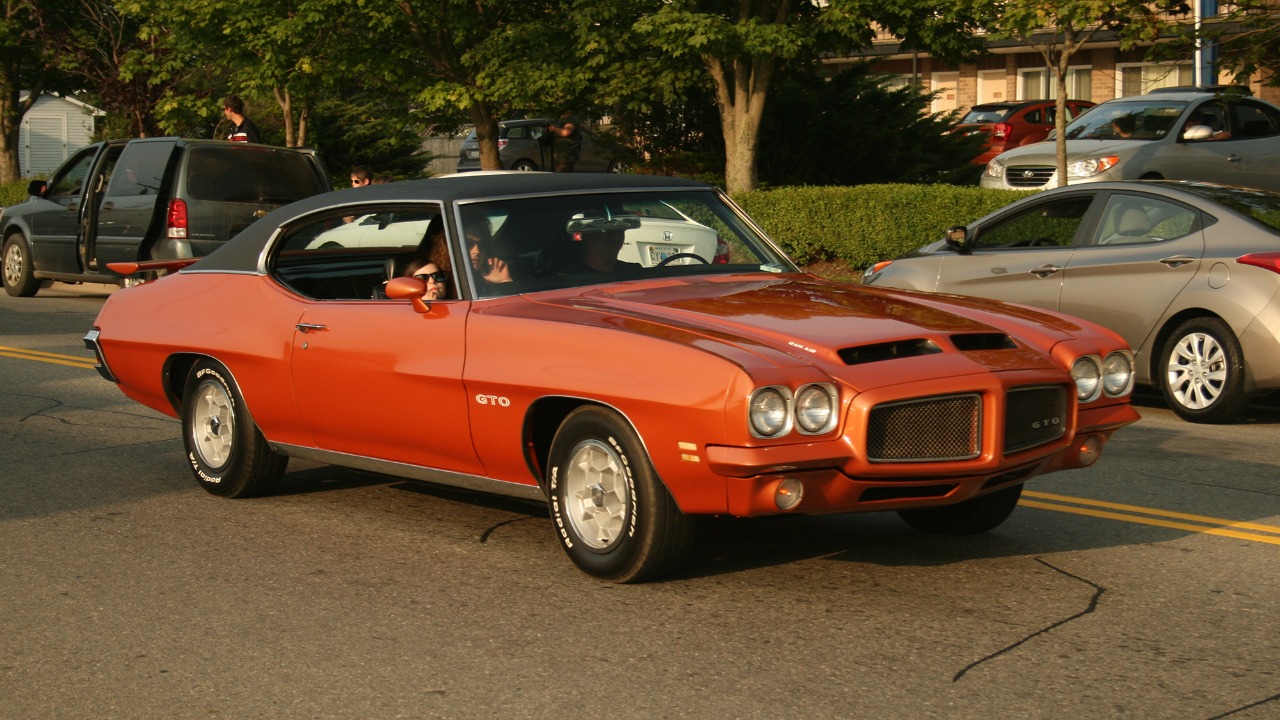
The Pontiac GTO helped establish the formula that defined the muscle-car era. By combining a midsize body with a large-displacement V8, Pontiac created a relatively affordable performance car with serious acceleration. Other manufacturers quickly followed the idea. The GTO’s influence went far beyond its own sales because it showed that buyers wanted powerful performance in practical-sized cars.
Ford Mustang
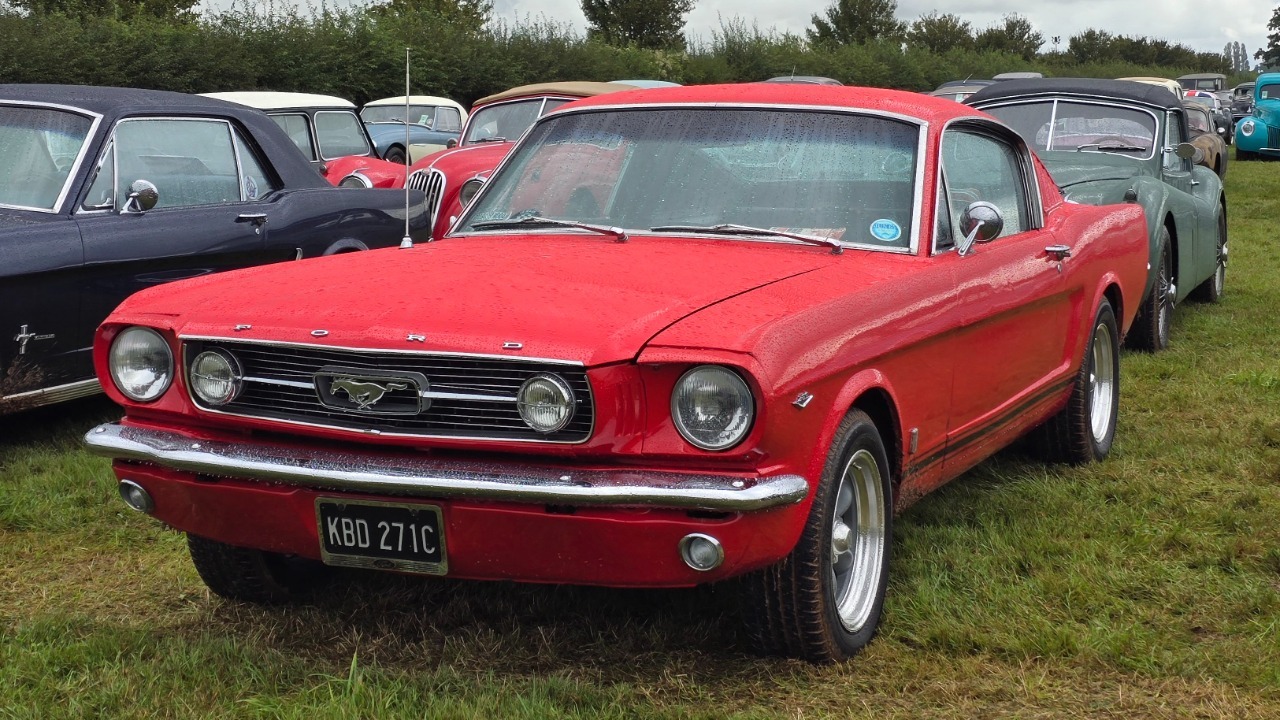
The Ford Mustang changed the American automotive market almost immediately. Its compact dimensions, sporty styling, affordable price, and wide selection of options allowed buyers to personalize their cars. Rather than targeting only traditional performance enthusiasts, Ford created a car that appealed to a broad audience. Competitors soon developed their own pony cars in response to the Mustang’s enormous success.
Chevrolet Camaro
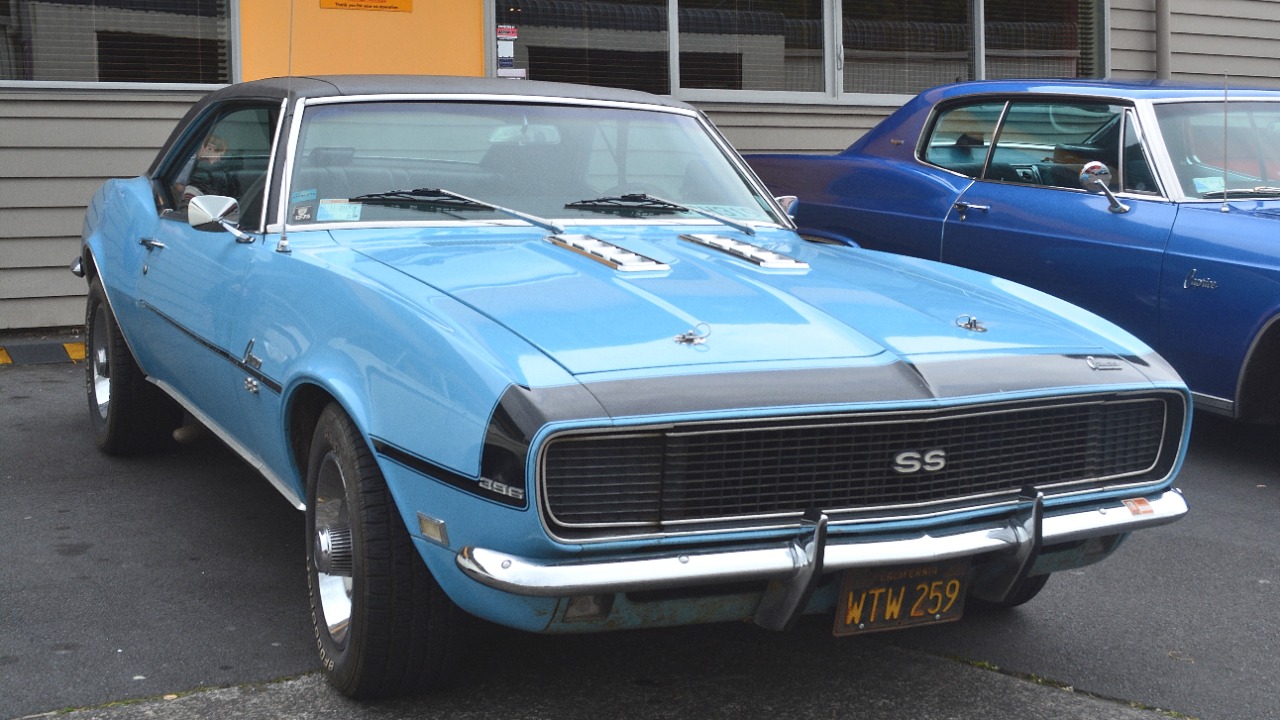
The Chevrolet Camaro arrived as General Motors’ answer to the Mustang and brought its own combination of performance and customization. Buyers could choose from six-cylinder engines to powerful V8s, allowing the same basic car to serve different budgets. The Camaro’s broad range of configurations helped establish the pony-car formula as a major part of American performance culture.
Plymouth Barracuda
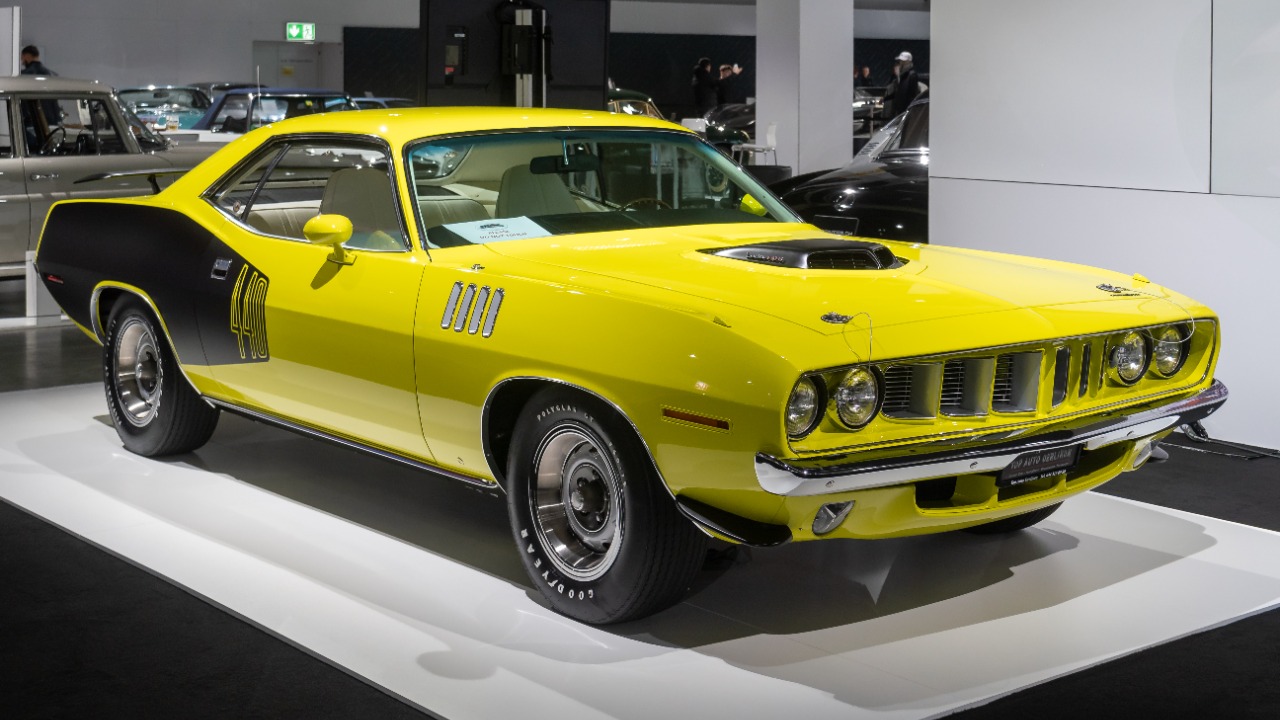
The Plymouth Barracuda arrived before the Mustang and introduced a distinctive fastback design to the compact performance market. Later versions evolved into serious muscle cars with powerful V8 engines. Its early appearance showed that Chrysler was experimenting with sporty compact automobiles before the segment became crowded. The Barracuda’s evolution also demonstrated how quickly performance cars were changing during the 1960s.
Oldsmobile 442
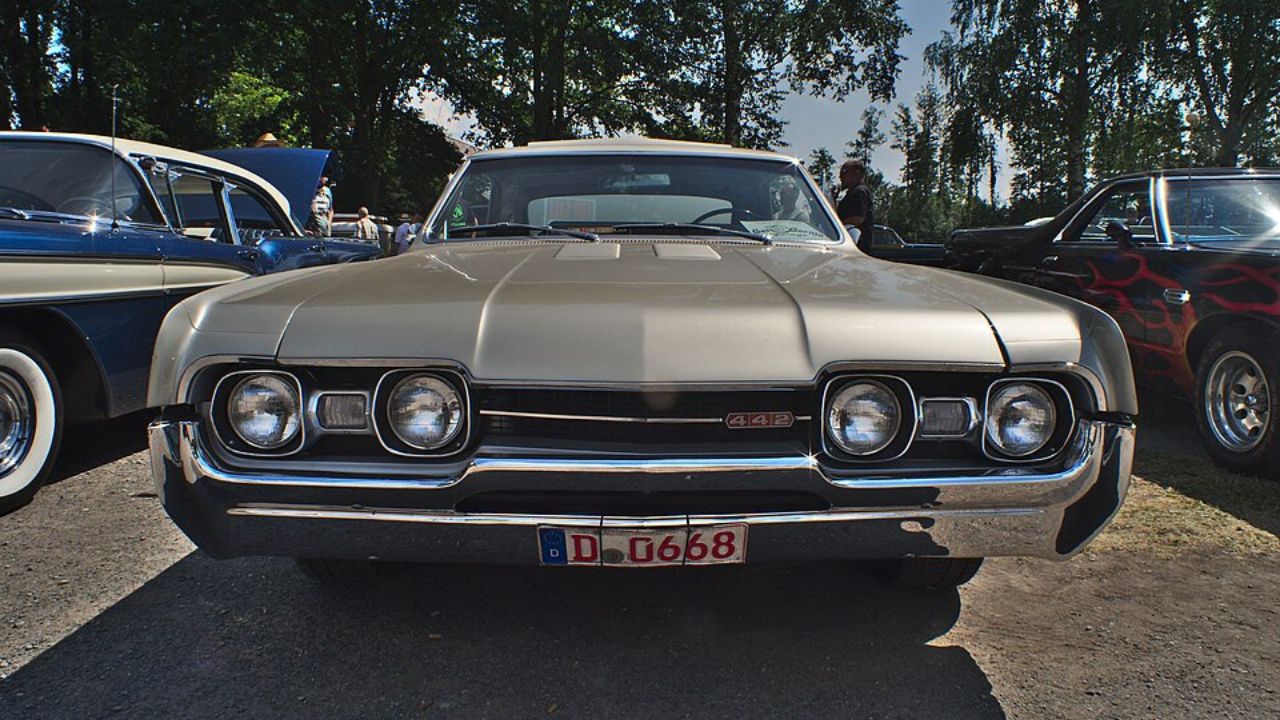
The Oldsmobile 442 combined performance with a level of refinement that separated it from some more basic muscle cars. Its powerful V8, upgraded suspension, and comfortable interior allowed it to function as both a performance machine and a practical road car. The 442 demonstrated that serious muscle did not have to sacrifice comfort or quality.
Buick GSX
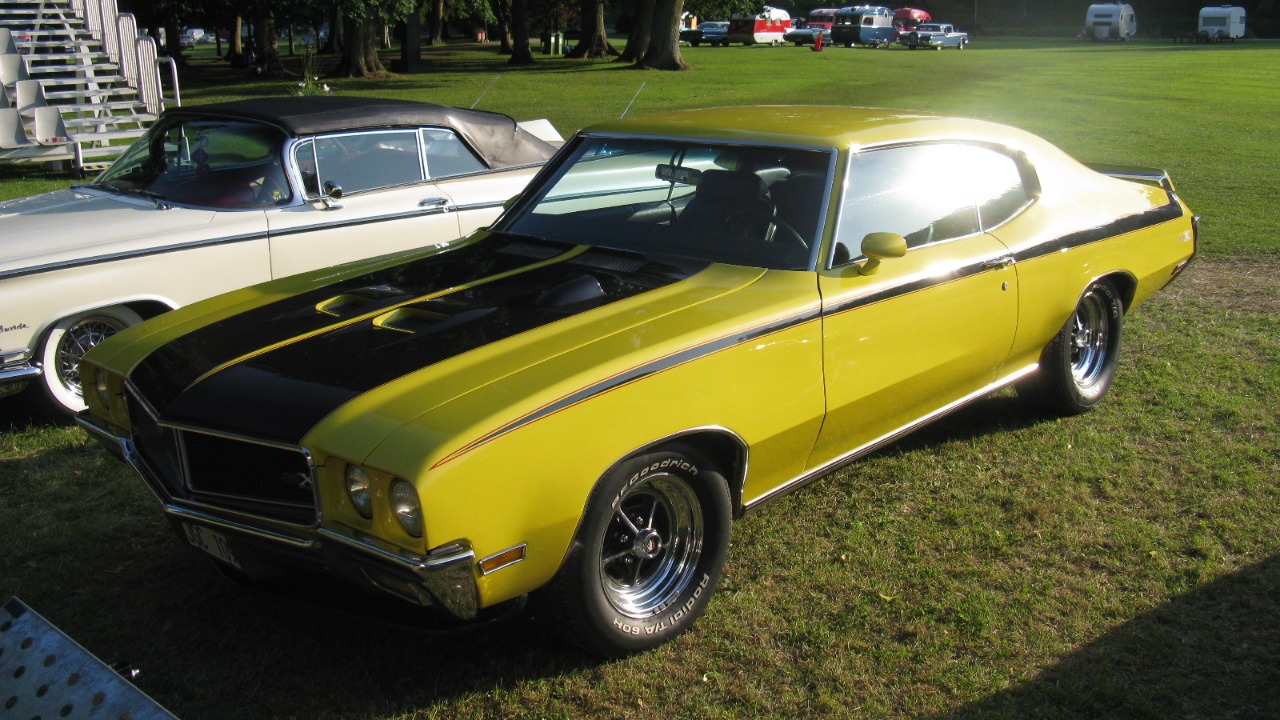
The Buick GSX brought enormous torque and aggressive performance to a brand better known for comfort and luxury. Its large-displacement V8 delivered tremendous low-end power, while specialized suspension and styling equipment gave it a stronger performance identity. The GSX showed that even upscale Buick could compete seriously in the muscle-car market.
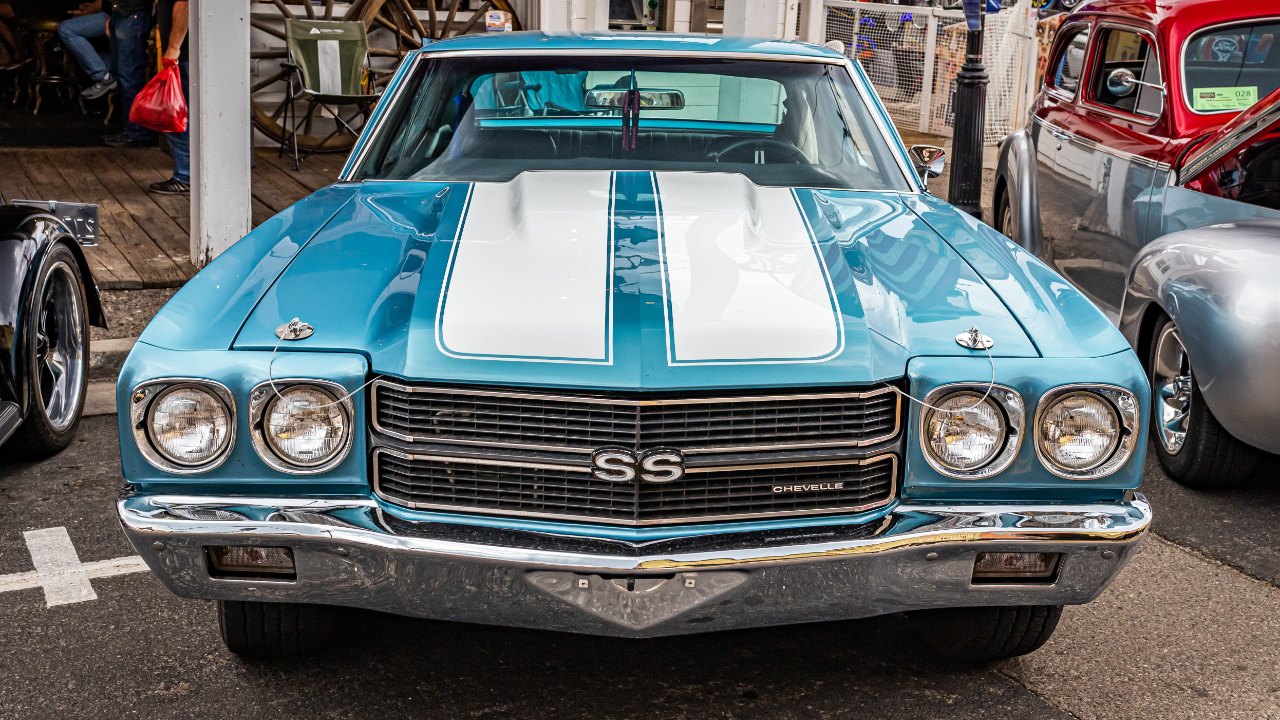
Chevrolet Chevelle SS 454
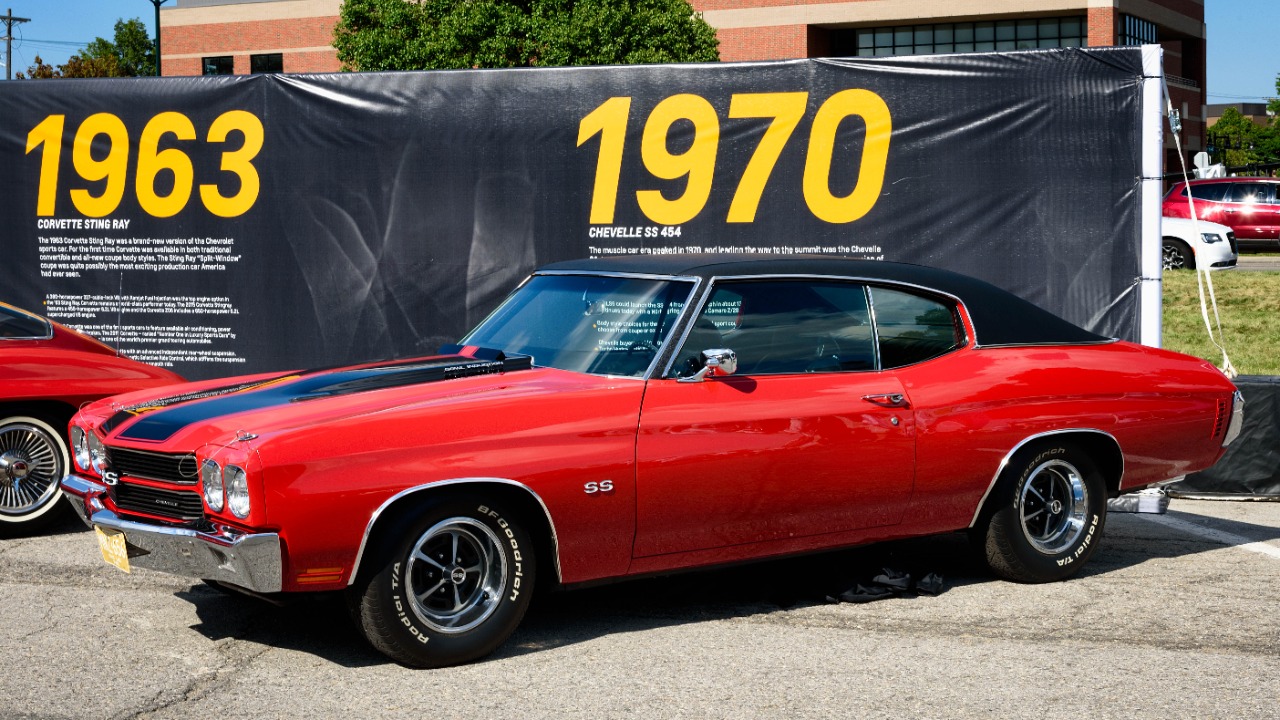
The Chevrolet Chevelle SS 454 combined a midsize body with one of Chevrolet’s largest performance engines. Its big-block V8 produced enormous power and torque, giving the car formidable straight-line performance. The Chevelle demonstrated how manufacturers could turn ordinary-looking family platforms into extremely capable muscle cars by installing the right combination of engine, drivetrain, and suspension hardware.
Ford Torino Cobra
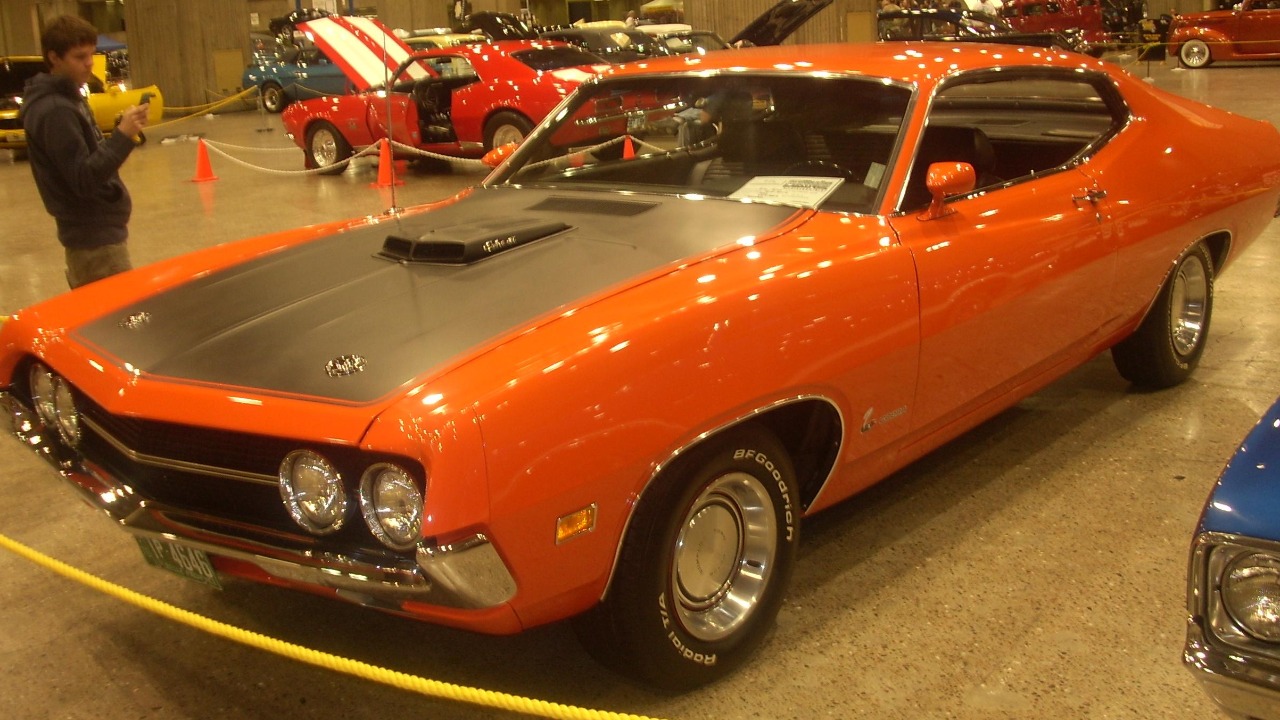
The Ford Torino Cobra gave Ford a serious midsize performance offering with aggressive styling and powerful V8 options. Its available big-block engines made it capable of impressive acceleration, while the Cobra package added performance-focused equipment. The Torino demonstrated that Ford could compete with the strongest Chevrolet and Chrysler muscle cars without relying solely on the Mustang name.
Dodge Charger R/T
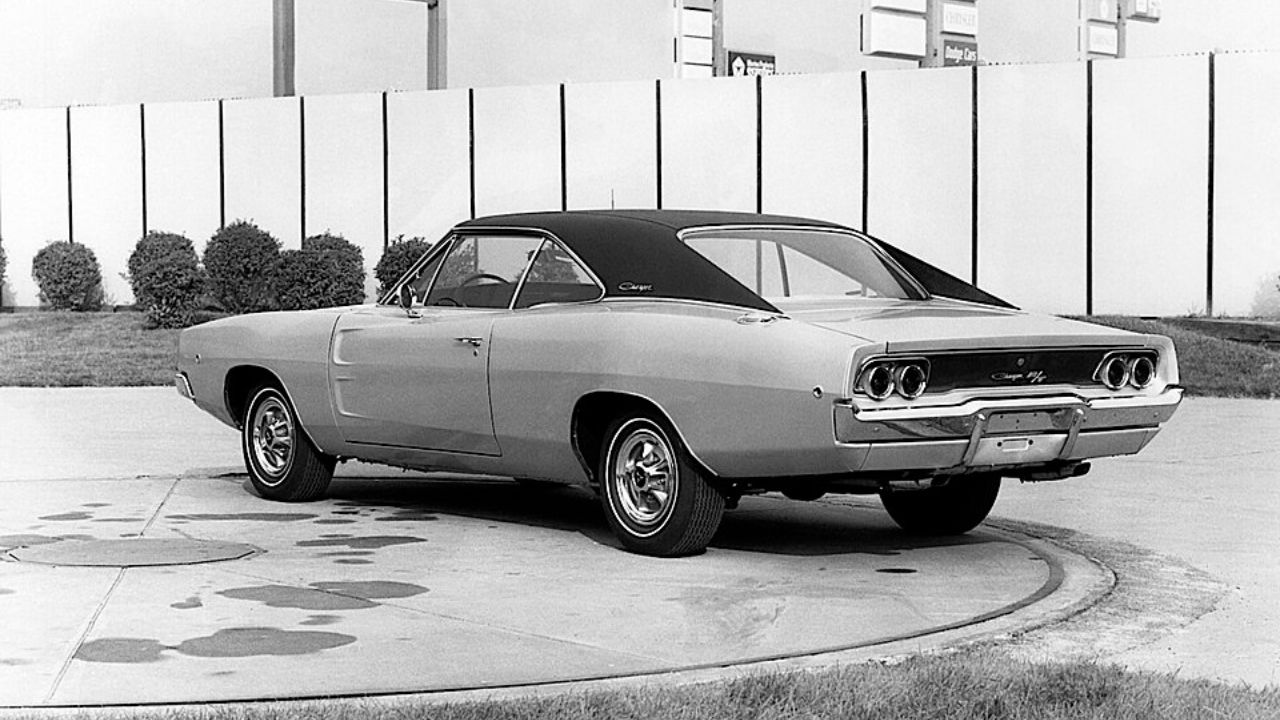
The Dodge Charger R/T combined dramatic fastback styling with powerful big-block engines and a performance-oriented chassis. Its large body provided room for serious hardware while maintaining an aggressive appearance. The Charger became one of the defining shapes of the muscle era. Its combination of visual drama and performance helped influence how later generations imagined classic American muscle cars.
Plymouth Road Runner
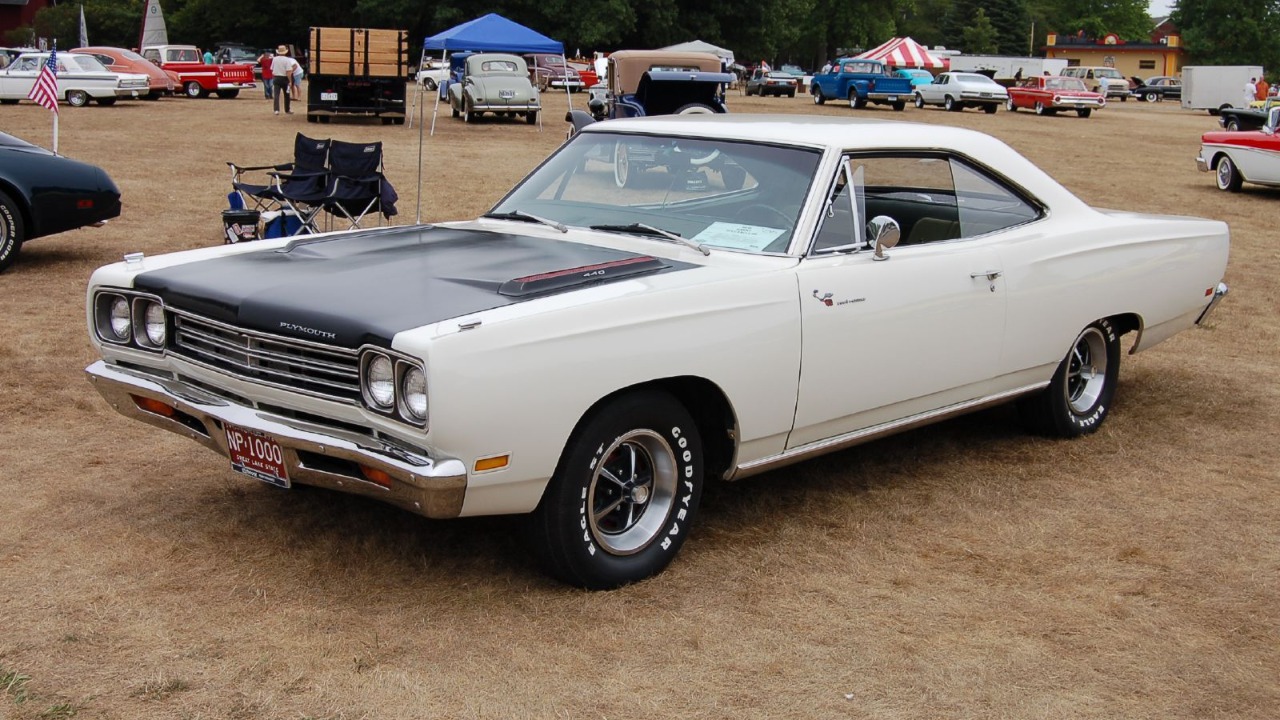
The Plymouth Road Runner took a different approach to performance by focusing on affordability and simplicity. Instead of loading the car with expensive luxury features, Plymouth concentrated on horsepower and straightforward equipment. This formula allowed more buyers to experience genuine muscle-car performance. The Road Runner proved that a serious performance car did not need to be expensive or overly complicated.
AMC AMX
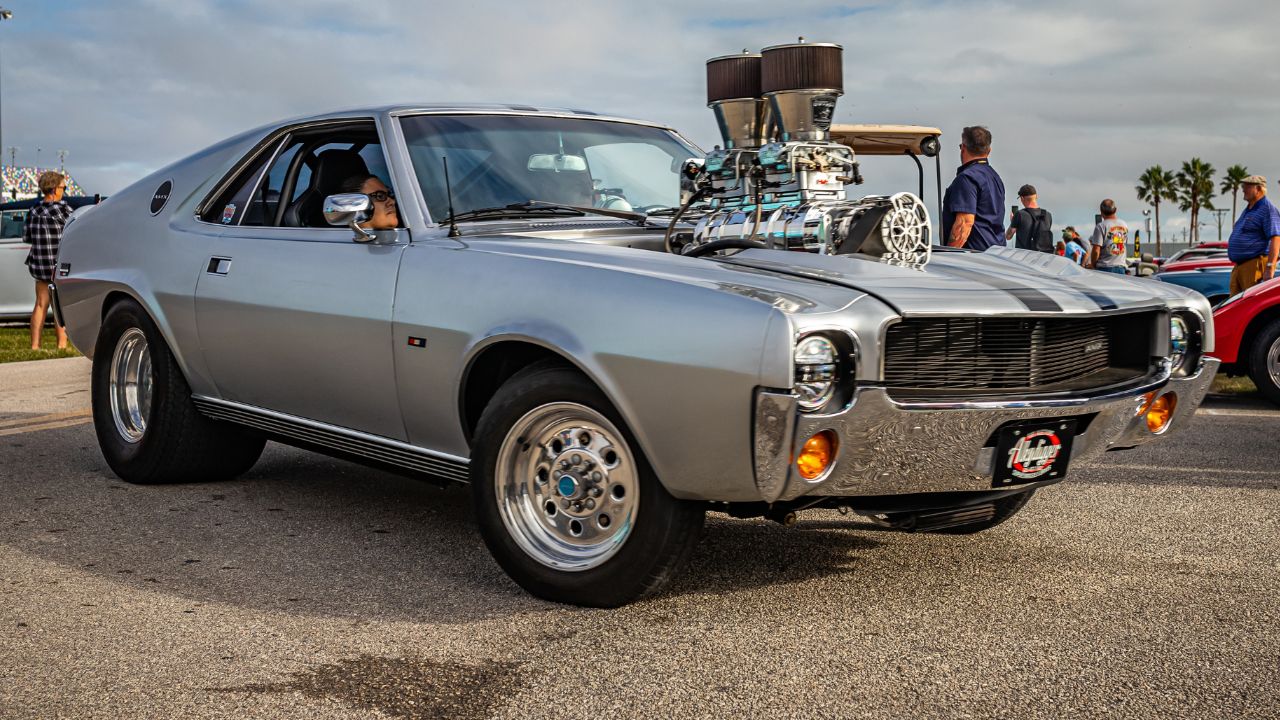
The AMC AMX offered something unusual in the American performance market: a compact two-seat muscle car. Its short wheelbase and available V8 engines gave it strong acceleration and a distinctive driving character. AMC’s decision to build a smaller, lighter performance machine demonstrated that muscle cars did not have to follow the increasingly large dimensions of many Detroit competitors.
Pontiac Firebird Trans Am

The Pontiac Firebird Trans Am pushed the pony-car formula toward greater handling capability and road presence. Performance engines, upgraded suspension components, distinctive bodywork, and aerodynamic features gave it a more focused personality. Later muscle-era Trans Ams demonstrated that American performance cars could combine straight-line power with improved road manners, helping shape the next generation of performance vehicles.
More from Fast Lane Only
- Unboxing the WWII Jeep in a Crate
- 15 rare Chevys collectors are quietly buying
- 10 underrated V8s still worth hunting down
- Police notice this before you even roll window down
*Research for this article included AI assistance, with all final content reviewed by human editors