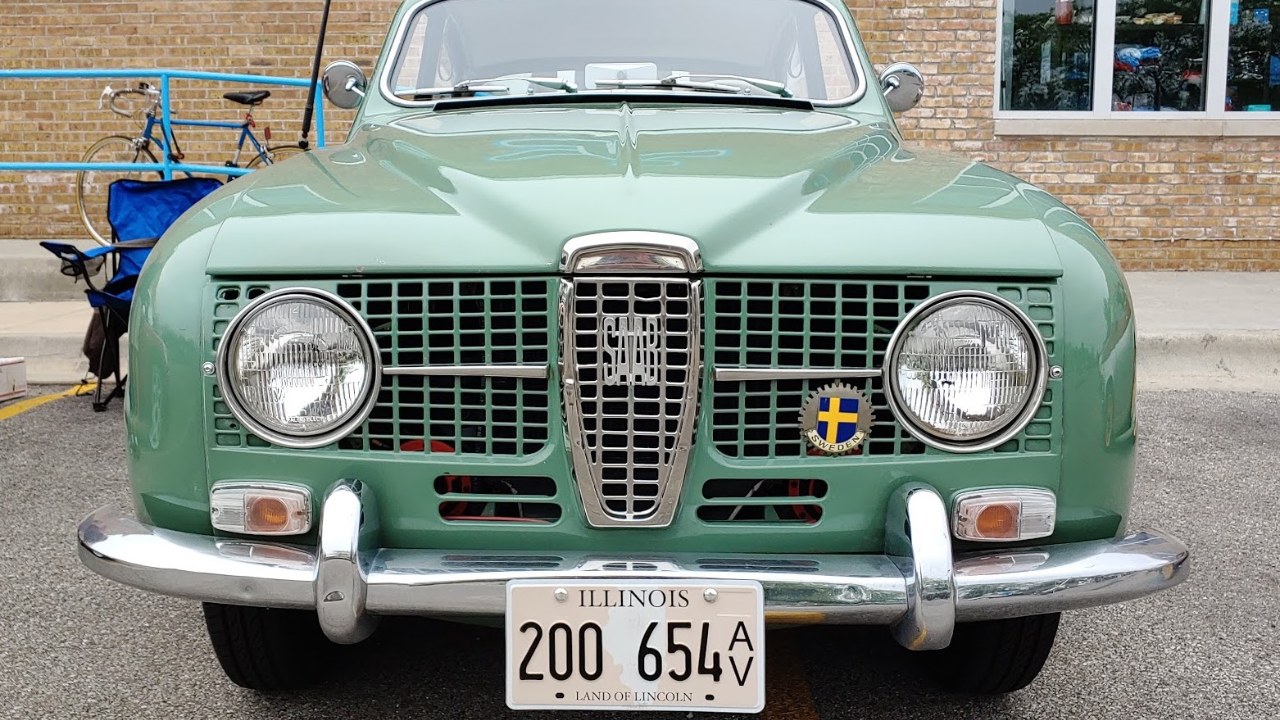
Classic cars hold a unique place in automotive history, showcasing designs and engineering that prioritized simplicity and functionality. These vehicles are celebrated not only for their aesthetics but also for their reliability and ease of maintenance. Here are eleven classic cars that remind enthusiasts and casual drivers alike that sometimes, less truly is more.
Ford Model T
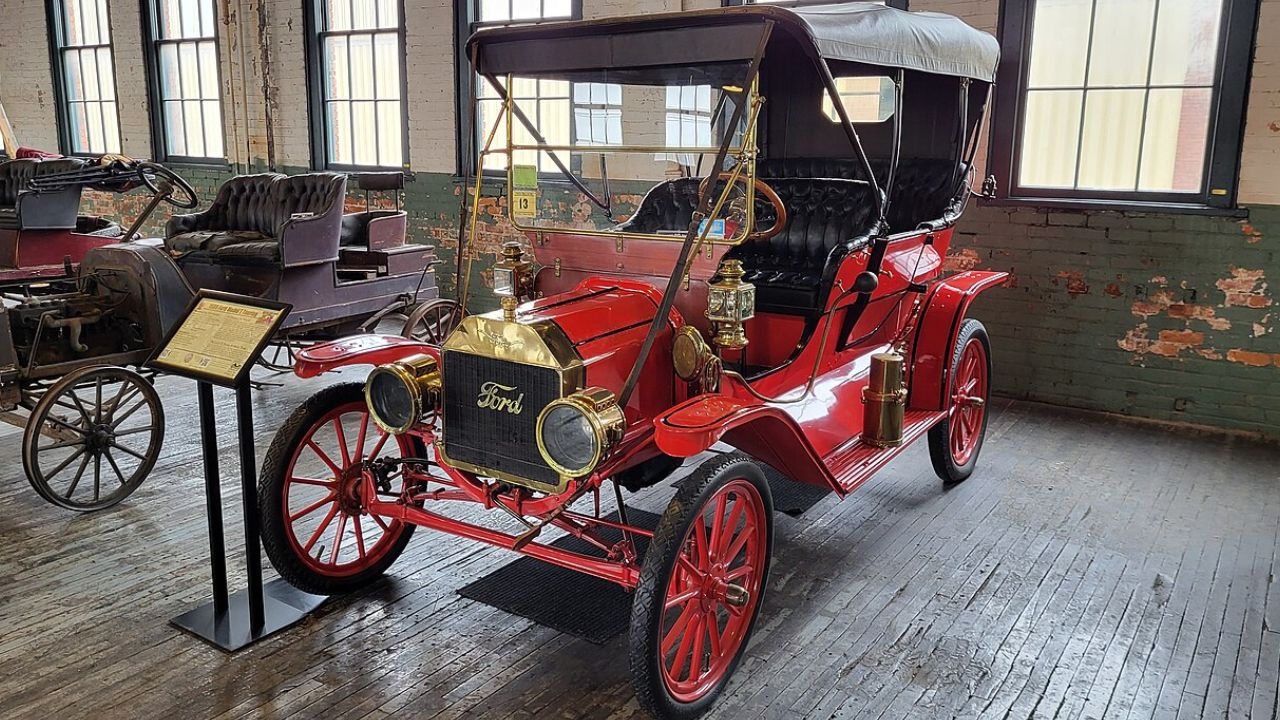
The Ford Model T, produced from 1908 to 1927, revolutionized the automotive industry by making cars accessible to the masses. Its simple design and robust construction allowed it to be produced at scale, with over 15 million units sold. The Model T’s enduring legacy lies in its affordability and ease of repair—qualities that were groundbreaking at the time. With a four-cylinder engine that produced 20 horsepower, it may lack the power of modern vehicles, but it epitomizes the spirit of innovation in transportation. For those interested in the history of this icon, many resources detail its impact on society.
Volkswagen Beetle
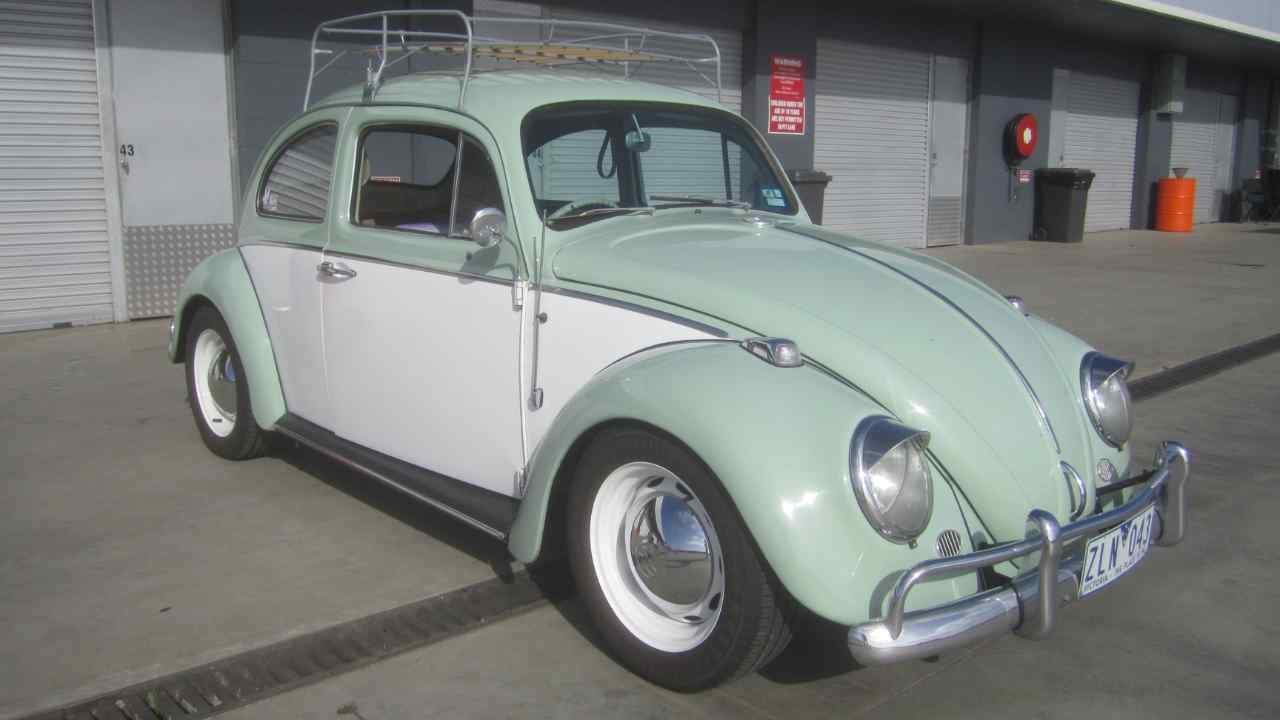
The Volkswagen Beetle, initially released in 1938, remains one of the most recognizable cars in the world. Its rounded shape and minimalistic design have made it a beloved classic. Like the Model T, the Beetle was designed to be affordable and reliable, with a rear-engine layout that contributed to its unique handling characteristics. Over its production run, which lasted until 2003, the Beetle became a symbol of counterculture and individualism. Its simplicity in design and engineering has allowed many owners to maintain and restore these vehicles, ensuring their place in automotive history. For those wanting to explore more about the Beetle’s legacy, classic motorsports often highlight its significance.
Chevrolet Corvette (C1)
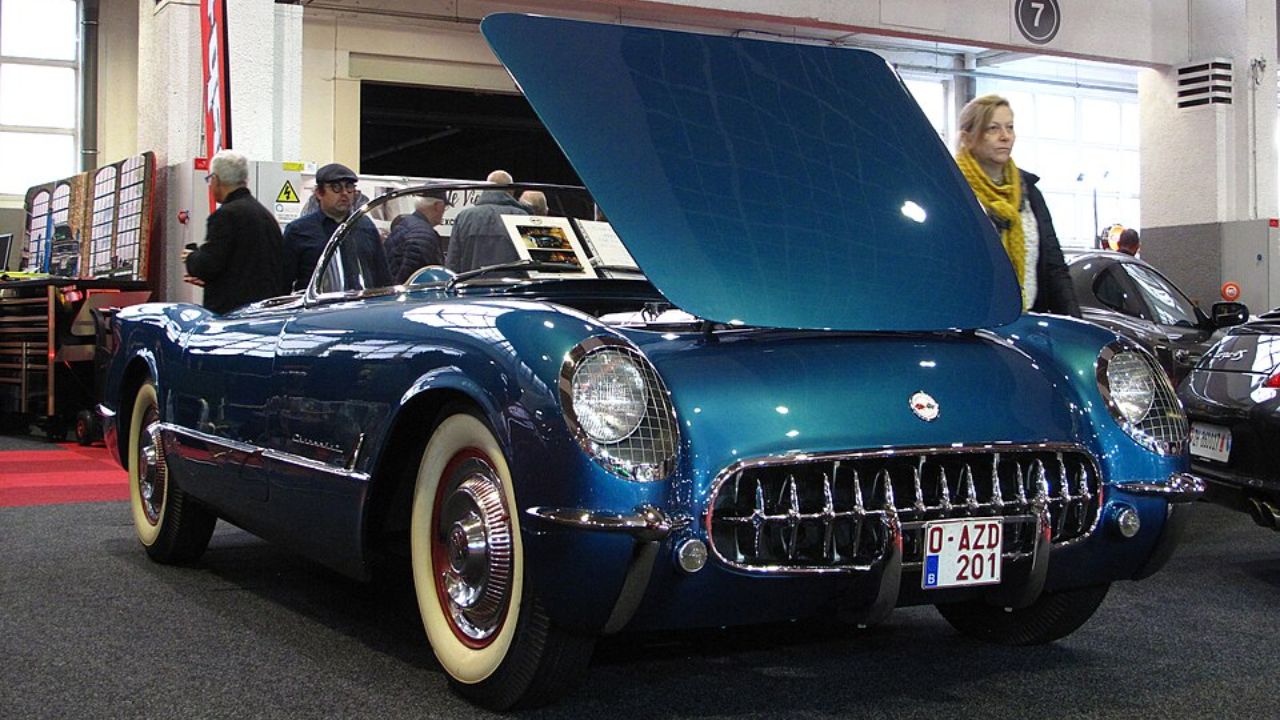
The first generation of the Chevrolet Corvette, known as the C1, made its debut in 1953. With its sleek design and fiberglass body, the C1 offered a fresh take on American sports cars. Its simplicity lies in its straightforward mechanics, featuring a V8 engine that provided exhilarating performance without excessive complexity. The Corvette quickly garnered a reputation for speed and style, becoming an enduring symbol of American automotive engineering. Its combination of affordability and performance made it a favorite among car enthusiasts. For a deeper dive into its history, various publications discuss its evolution and influence.
Porsche 356
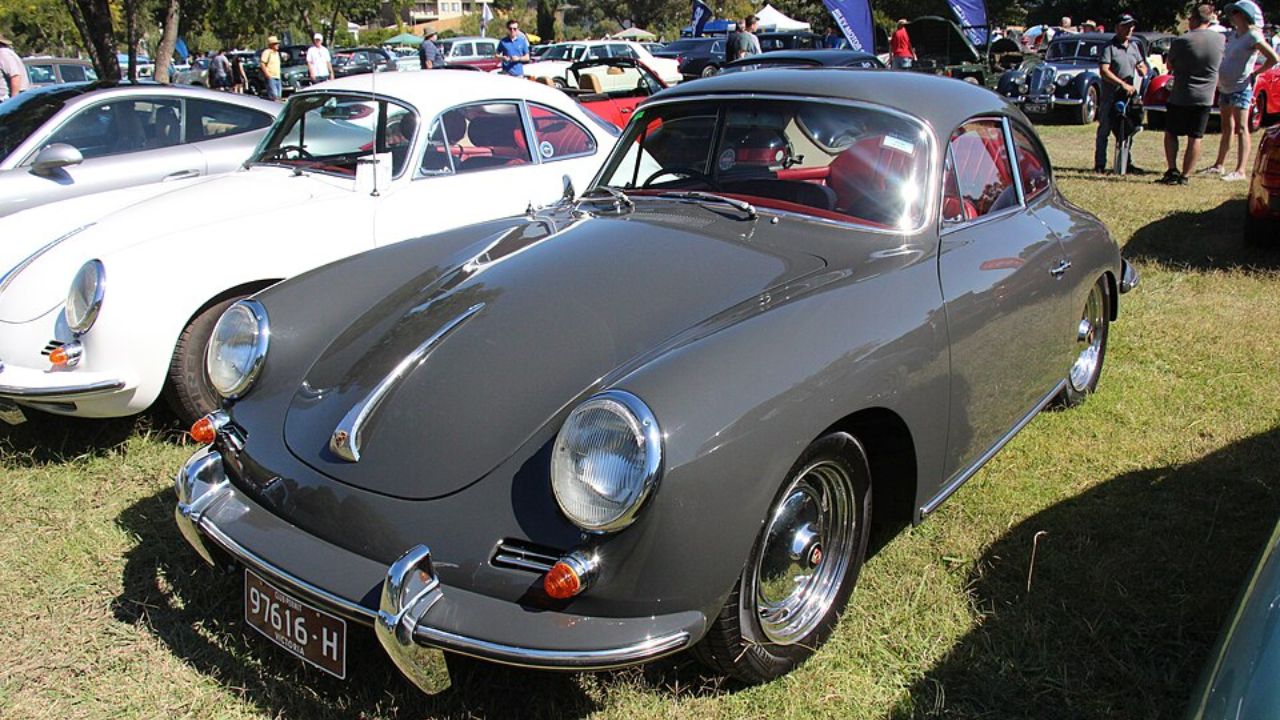
The Porsche 356, produced from 1948 to 1965, is often credited with laying the groundwork for Porsche’s future success. Its design is characterized by clean lines and a lightweight frame, which contribute to its agile handling. Powered by a simple four-cylinder engine, the 356 emphasizes driver engagement over excessive technology. This purity of design and engineering has earned the 356 a devoted following and a reputation as a classic sports car that remains accessible to enthusiasts today. For those interested in the nuances of classic cars, many books detail the significance of the 356 in automotive history.
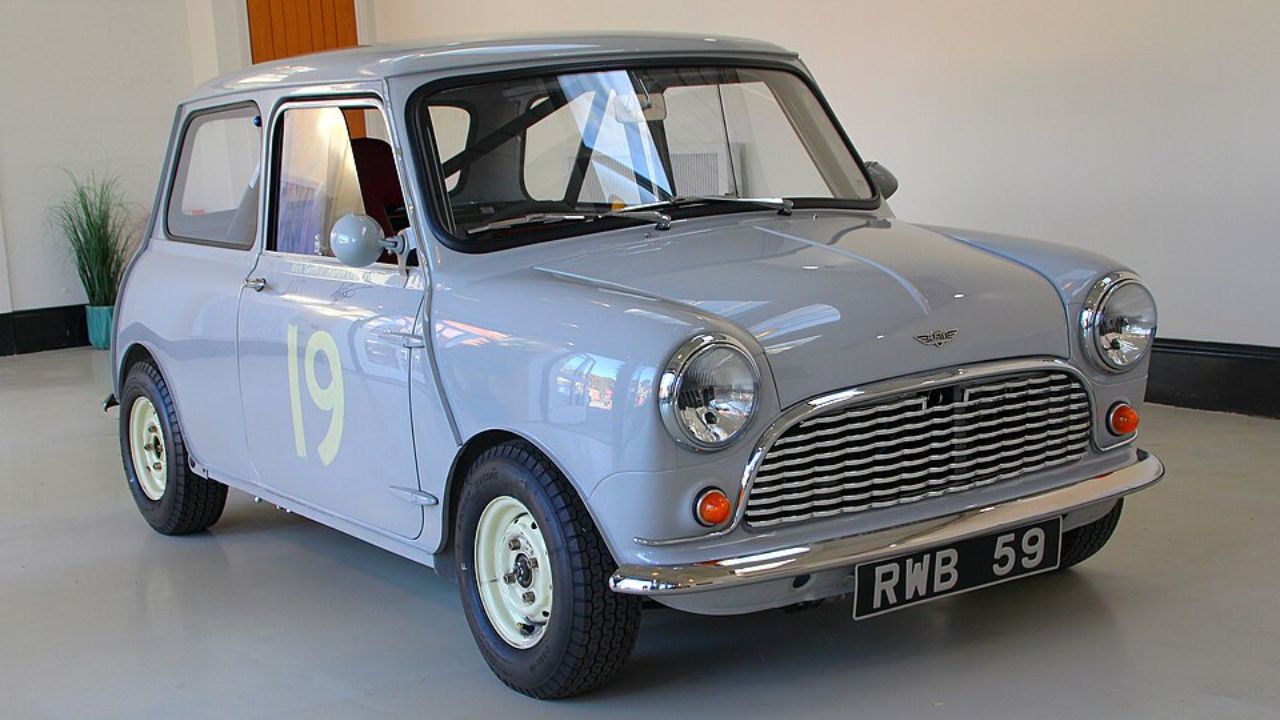
Austin Mini
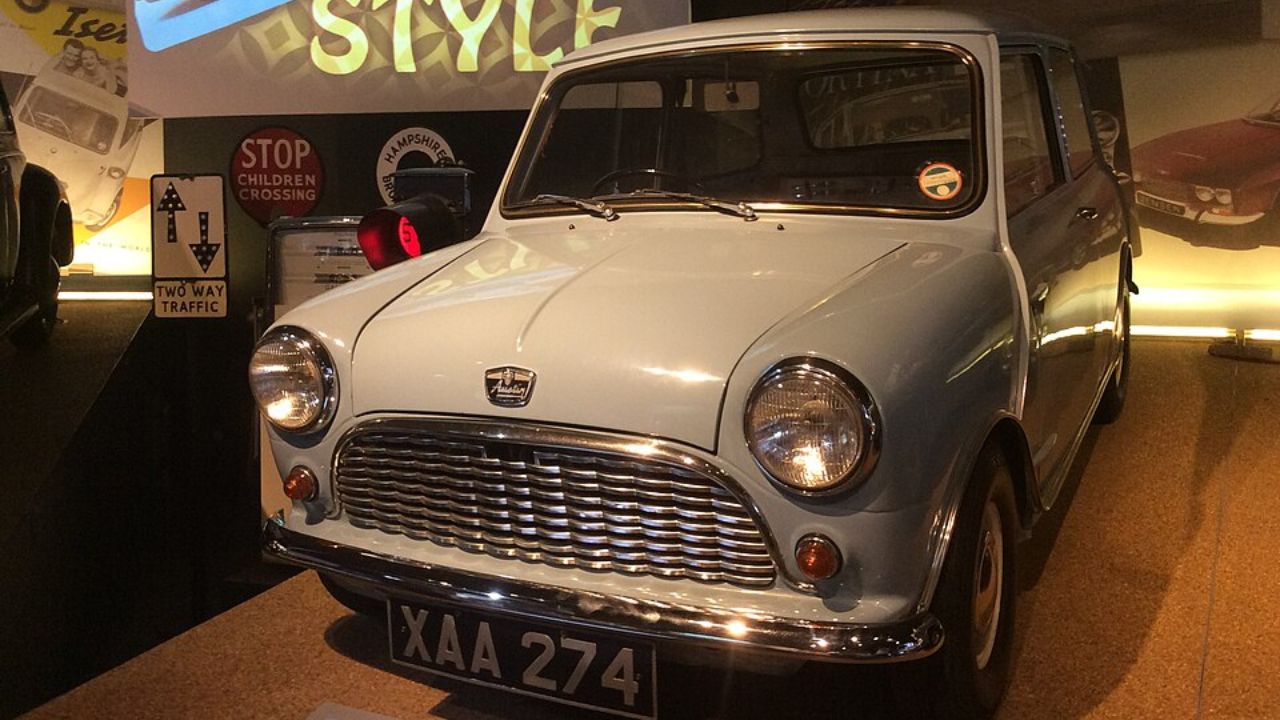
Launched in 1959, the Austin Mini quickly became a cultural icon. Its compact size and efficient use of space made it popular in urban environments, while its simple design allowed for easy customization and repair. The Mini was powered by a small four-cylinder engine, which provided an engaging driving experience. Its charm and agility, combined with a unique aesthetic, have made it a favorite among car collectors and enthusiasts alike. The Mini’s success prompted a wave of imitators, but none have captured the essence of compact simplicity quite like this classic. Car aficionados often share their experiences with the Mini in various forums.
Mercedes-Benz 300SL

The Mercedes-Benz 300SL, produced from 1952 to 1963, is famed for its distinctive gullwing doors and elegant design. It represents a blend of luxury and performance, yet its engineering remains relatively straightforward compared to modern standards. The 300SL was equipped with a powerful inline-six engine that allowed it to achieve impressive speed for its time. Its iconic status has endured, making it a highly sought-after collector’s item. The simplicity of its mechanical components, combined with its stunning aesthetics, continues to captivate enthusiasts and collectors around the world.
Jaguar E-Type
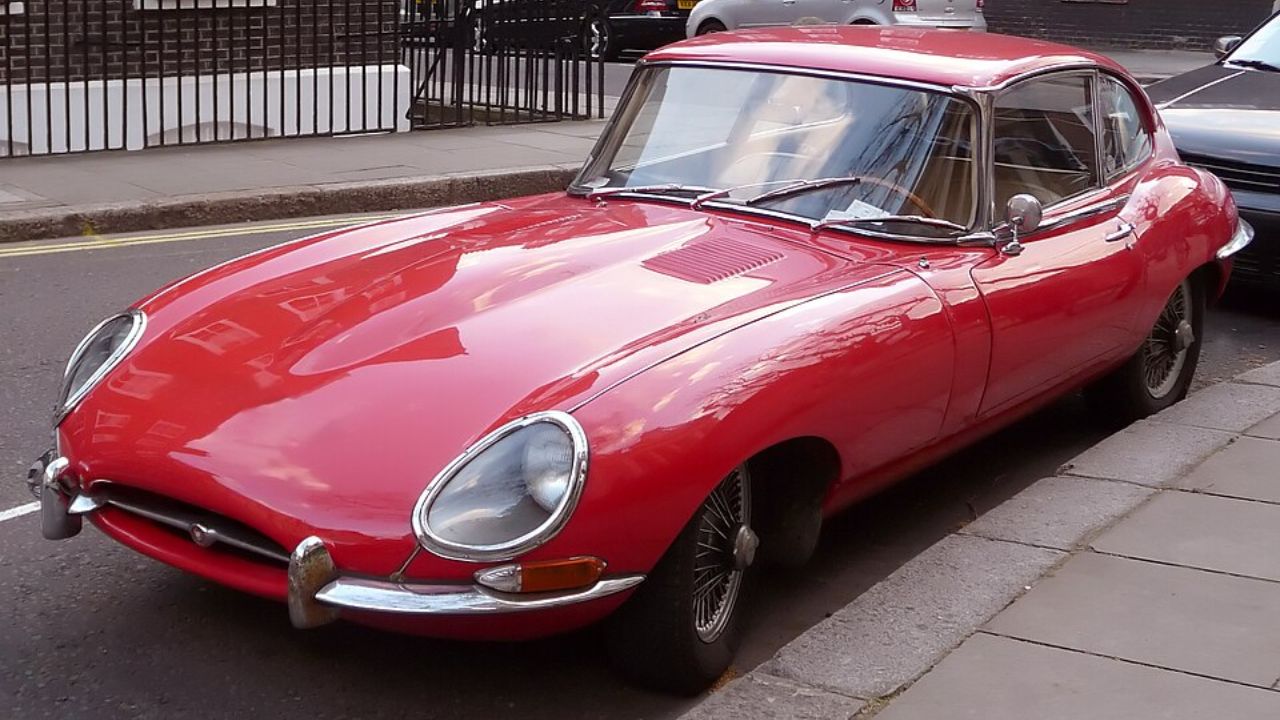
Launched in 1961, the Jaguar E-Type is often hailed as one of the most beautiful cars ever made. It features a long hood and a short rear that create a striking silhouette. Under the hood, the E-Type housed a simple yet effective inline-six engine that provided exhilarating performance. Its design prioritized aerodynamic efficiency, contributing to its speed and handling. The E-Type’s combination of elegance and simplicity has made it a timeless classic, admired by car lovers for decades. Many enthusiasts still share stories of their experiences with this iconic vehicle, keeping its legacy alive.
Fiat 500

The Fiat 500, introduced in 1957, is a quintessential example of Italian automotive design. Its compact size and charming aesthetics made it a popular choice in post-war Europe, where practicality was paramount. The 500 is powered by a small two-cylinder engine, further emphasizing the idea that simplicity can be both functional and stylish. Its appeal has endured, and it has become a symbol of urban mobility. Owners often cherish the Fiat 500 for its easy maneuverability and unique personality, making it a beloved classic in the world of automobiles.
Land Rover Series I

Launched in 1948, the Land Rover Series I was designed as a utilitarian vehicle for farmers and outdoor enthusiasts. Its no-nonsense design and rugged construction emphasized functionality over luxury. Powered by a simple four-cylinder engine, the Series I is known for its ability to traverse challenging terrains. Its straightforward mechanical components allow for easy repairs and modifications, making it a favorite among off-road enthusiasts. The Land Rover Series I laid the foundation for the brand’s enduring reputation in the world of rugged vehicles.
Honda Civic (first generation)
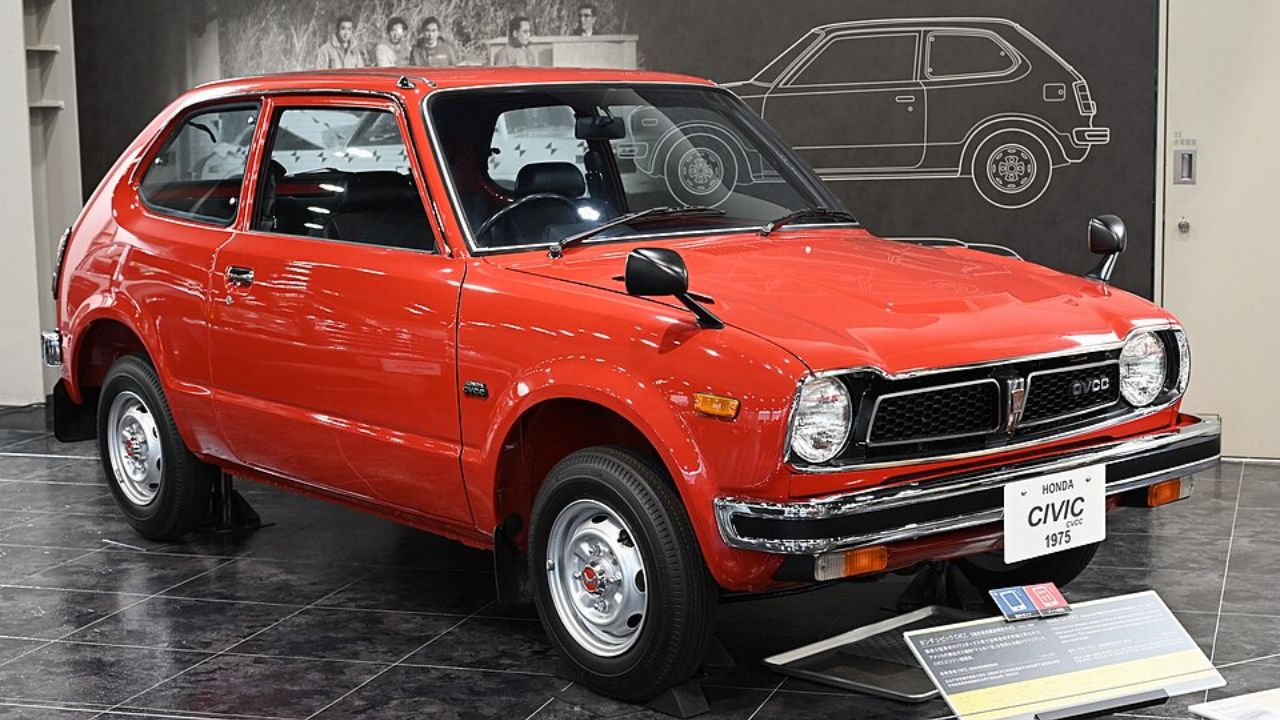
The first-generation Honda Civic, introduced in 1972, set new standards for compact cars. With its simple yet practical design, it offered reliability and fuel efficiency at an affordable price. The Civic featured a straightforward four-cylinder engine and a spacious interior, making it a practical choice for daily driving. Its success helped establish Honda’s reputation for building dependable vehicles. The Civic’s combination of simplicity and functionality has allowed it to evolve over the decades while retaining its core appeal, making it a beloved model among car enthusiasts.
Shelby Cobra
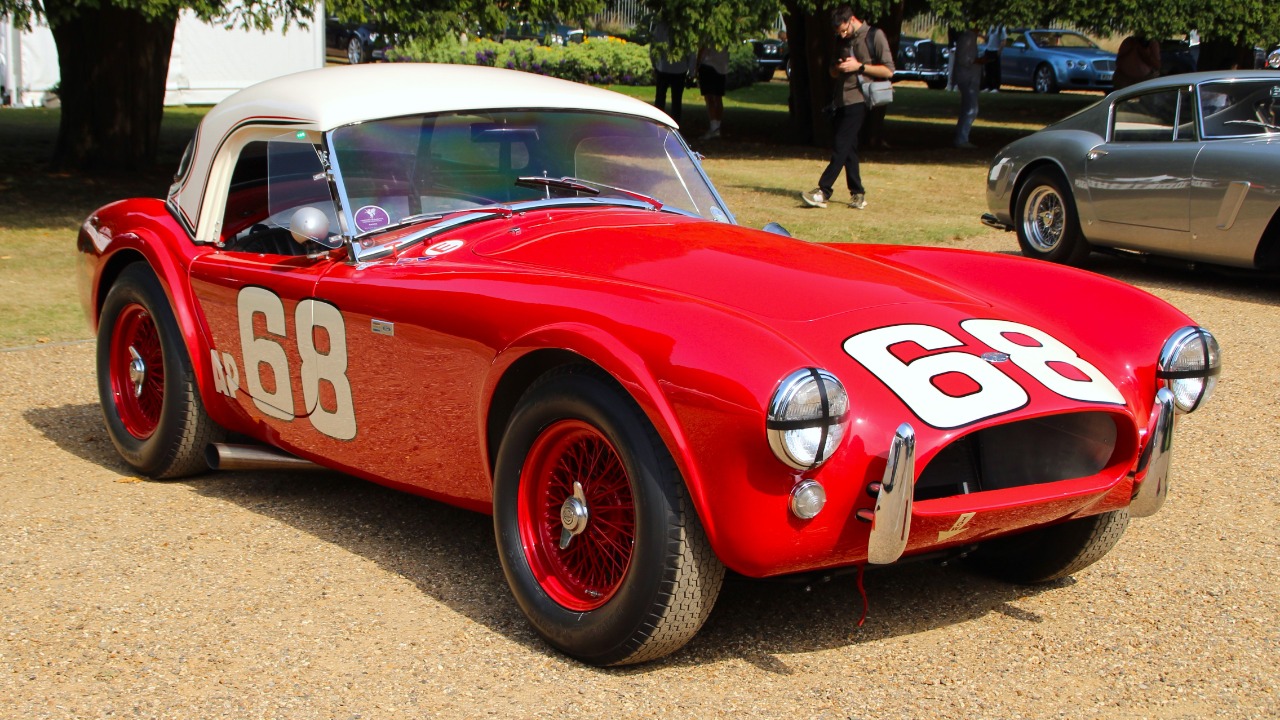
The Shelby Cobra, produced in the 1960s, is a legendary sports car that embodies the spirit of American muscle. With its lightweight construction and powerful V8 engine, the Cobra delivers exhilarating performance without unnecessary complexity. Its design focuses on speed and agility, making it a favorite among racing enthusiasts. The Cobra’s simplicity in engineering has contributed to its iconic status, and it continues to be celebrated in car shows and racing events. Many enthusiasts share their admiration for the Cobra’s raw power and classic design, ensuring its place in automotive history.
More from Fast Lane Only