Some performance cars introduced ideas that seemed ordinary only years later. They used advanced engines, unusual drivetrains, innovative suspension systems, or technology that other manufacturers eventually adopted. Although many failed to achieve lasting fame, these overlooked machines demonstrated how ambitious engineers could be when developing faster, smarter, and more sophisticated cars before the market was fully ready.
Jensen Interceptor FF
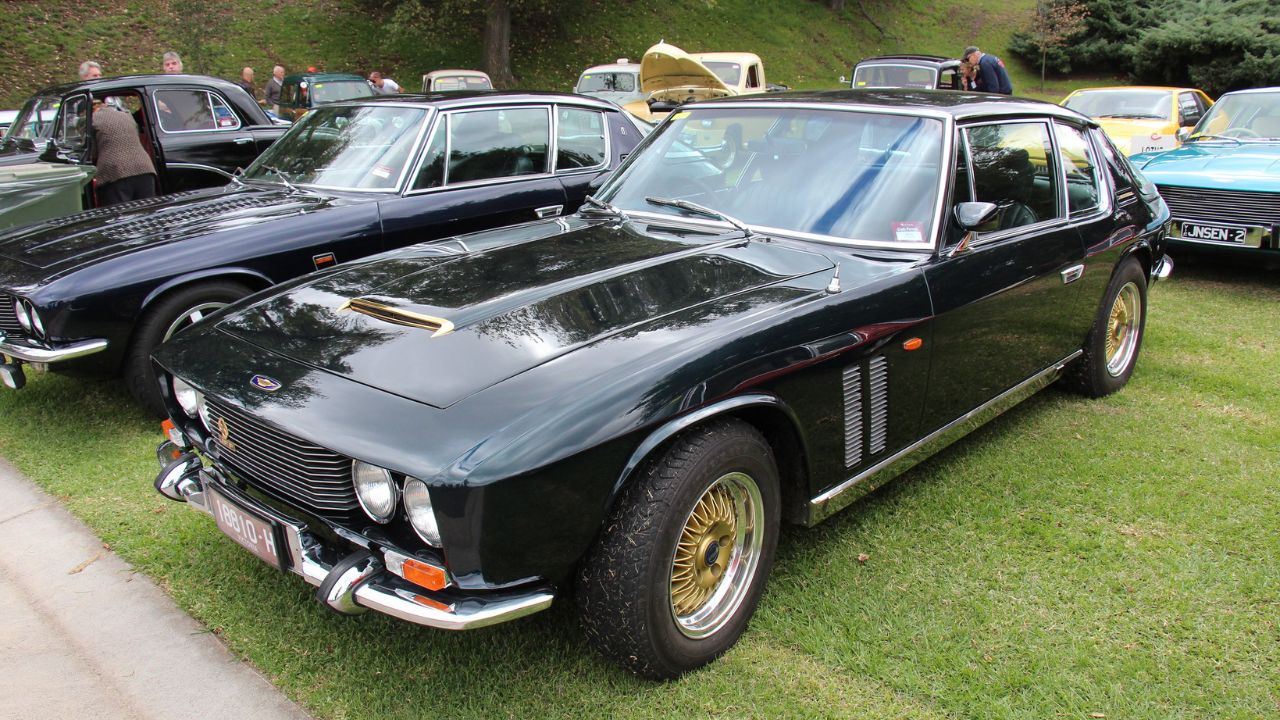
The Jensen Interceptor FF was remarkably advanced for the late 1960s because it combined a powerful V8 with full-time four-wheel drive and an early anti-lock braking system. At a time when most performance cars relied on rear-wheel drive, the Interceptor FF offered improved traction and braking confidence. Its complicated engineering made production expensive and limited its availability, but the concept anticipated technologies that later became common in high-performance grand tourers and modern sports cars.
AMC AMX
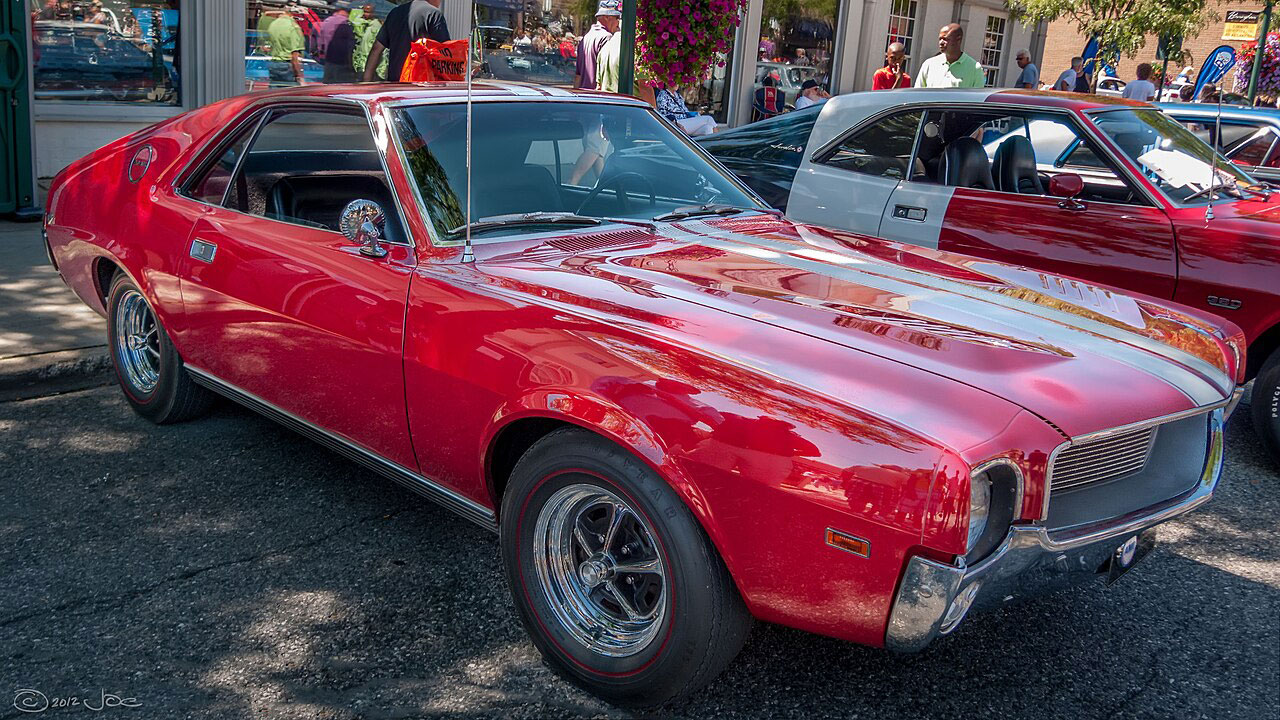
The AMC AMX was an unusually compact American performance car that emphasized handling and acceleration rather than simply adding size and weight. Its short wheelbase and two-seat configuration gave it a distinctive character among contemporary muscle cars. Available V8 power made the AMX genuinely quick, while its relatively compact dimensions helped it feel different from larger competitors. Although it never achieved the same fame as the Mustang or Corvette, the AMX demonstrated that American performance could take a more focused approach.
Chevrolet Corvair Monza

The Chevrolet Corvair Monza challenged conventional American automotive engineering with its rear-mounted, air-cooled flat-six engine. Its independent suspension and balanced layout gave the compact coupe handling characteristics that differed significantly from traditional front-engine American cars. The Monza demonstrated that Chevrolet could create a sporty vehicle using an unusual engineering formula rather than simply installing a large V8. Its unconventional design influenced discussions about American compact performance and remains one of Chevrolet’s most technically interesting early experiments.
Oldsmobile Toronado

The Oldsmobile Toronado introduced front-wheel drive to a large American performance-oriented coupe at a time when rear-wheel drive dominated the market. Its transversely mounted V8 required an innovative drivetrain arrangement that helped create a spacious cabin while maintaining strong acceleration. The Toronado proved that front-wheel drive did not have to be limited to small economy cars. Although later remembered mainly as a luxury coupe, its engineering represented an important step toward layouts that would eventually become widespread.
Ford Taurus SHO
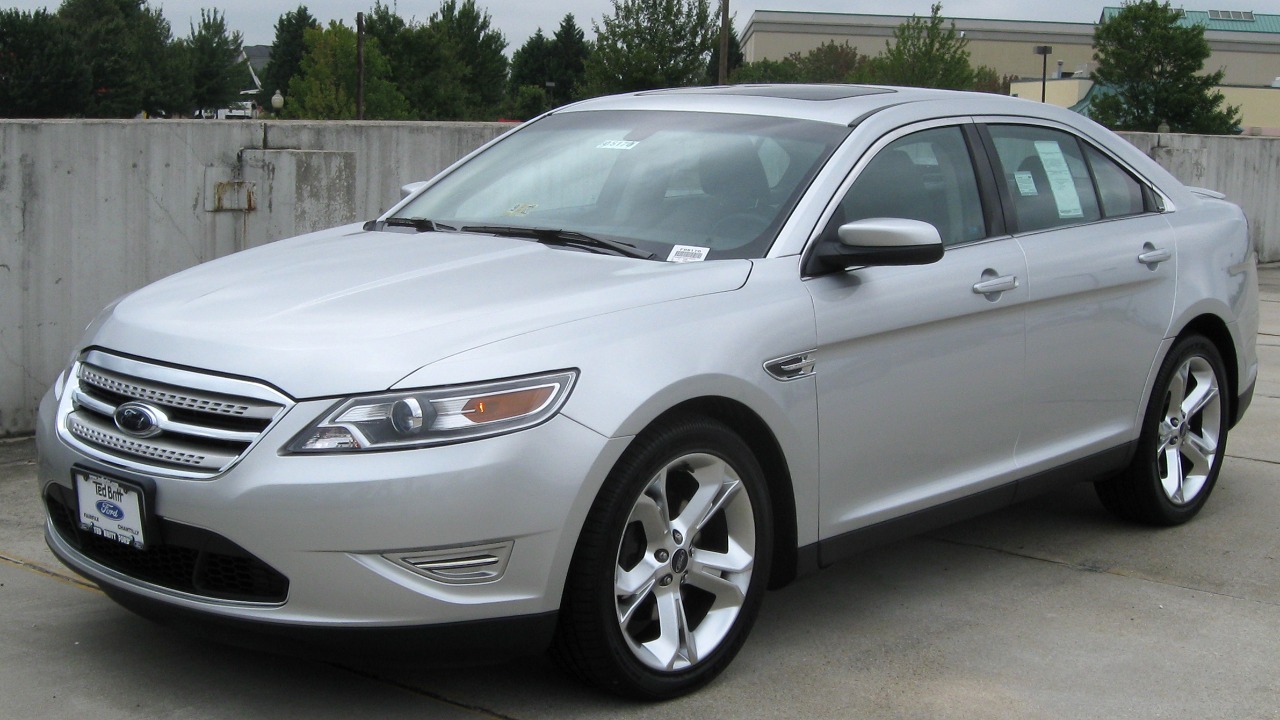
The Ford Taurus SHO brought sophisticated performance engineering into a relatively ordinary-looking family sedan. Its Yamaha-developed V6 provided strong power while the front-wheel-drive chassis offered a different approach to performance than traditional rear-wheel-drive muscle cars. The SHO demonstrated that a practical four-door vehicle could deliver serious acceleration without dramatic exterior styling. Its combination of everyday usability and performance anticipated the modern sport sedan, where discreet styling and strong engines became increasingly popular among enthusiasts.
Mitsubishi 3000GT VR-4

The Mitsubishi 3000GT VR-4 packed an extraordinary amount of technology into a sports coupe, including all-wheel drive, active aerodynamics, electronically controlled suspension, and four-wheel steering. These systems allowed Mitsubishi to pursue performance through technology rather than relying solely on engine output. The car was complex and expensive to manufacture, which eventually worked against it, but its advanced specification was remarkable for the early 1990s. Many features would later become familiar in modern performance vehicles.
Buick GNX
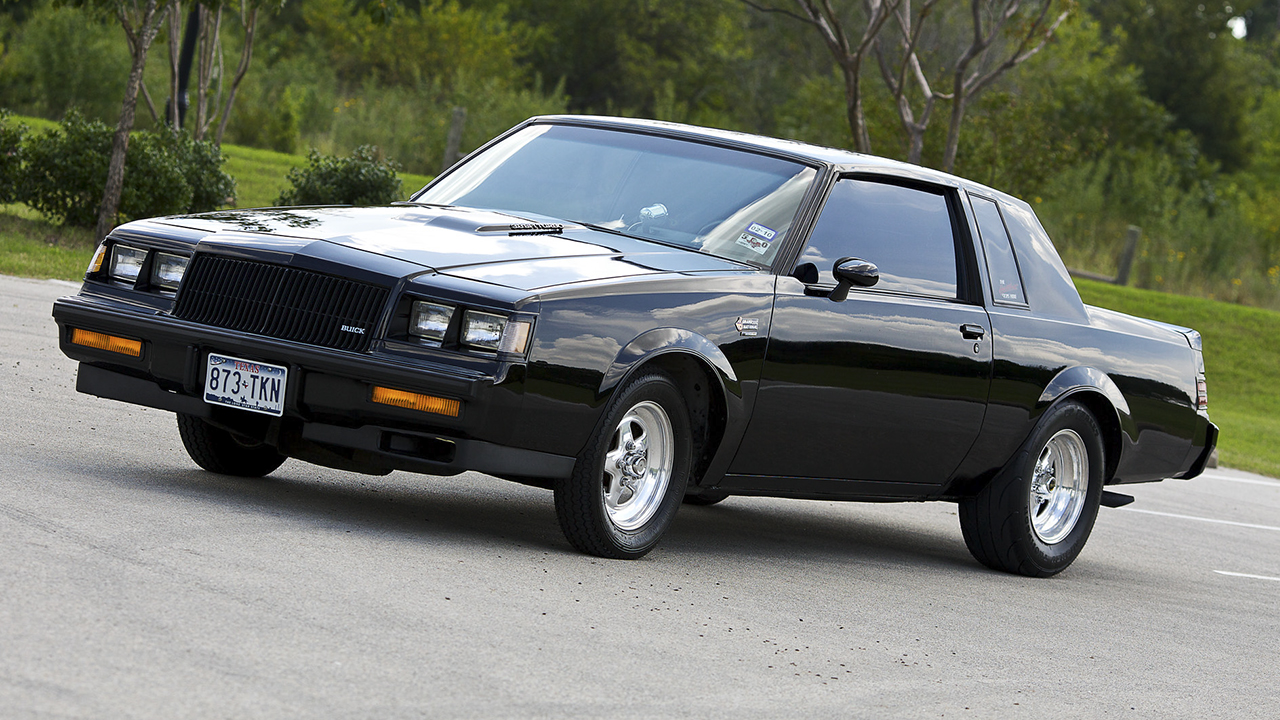
The Buick GNX demonstrated that turbocharging could transform an understated American coupe into a serious performance machine. Its turbocharged and intercooled V6 produced impressive acceleration while avoiding the large-displacement V8 formula dominating the muscle-car world. Advanced chassis and suspension modifications further improved its capability. The GNX showed that forced induction could provide exceptional performance with relatively modest engine displacement, an approach that would become increasingly important decades later as manufacturers pursued power alongside efficiency.
Nissan Skyline GT-R R32
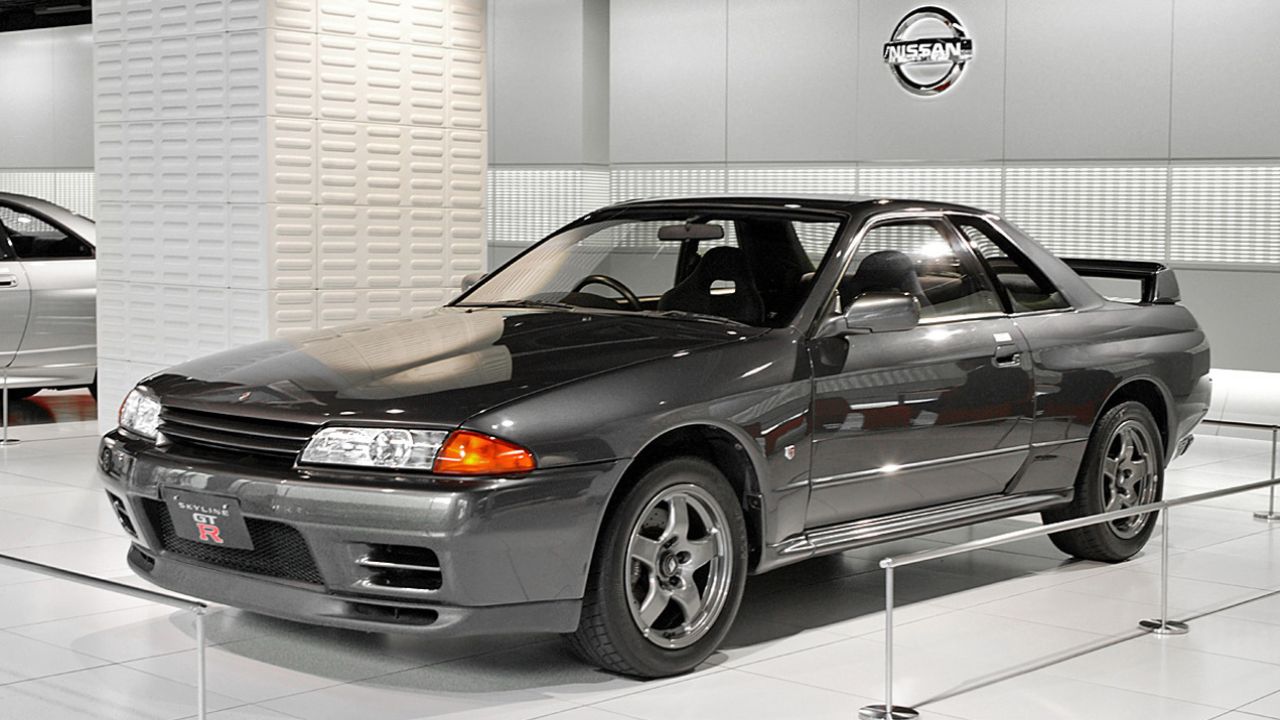
The Nissan Skyline GT-R R32 represented a major technological leap for Japanese performance cars. Its twin-turbocharged inline-six, sophisticated all-wheel-drive system, four-wheel steering, and advanced electronic controls created a remarkably capable package. The GT-R’s technology helped it dominate touring-car competition and earned it a reputation far beyond Japan. While its complexity initially made it expensive and specialized, the engineering philosophy behind the R32 anticipated the electronically managed, all-wheel-drive performance cars that became increasingly common in later decades.
More from Fast Lane Only
- Unboxing the WWII Jeep in a Crate
- 15 rare Chevys collectors are quietly buying
- 10 underrated V8s still worth hunting down
- Police notice this before you even roll window down
*Research for this article included AI assistance, with all final content reviewed by human editors