Some sports cars became famous worldwide, while others remained rare because of limited production, unusual engineering, or short production runs. Even dedicated enthusiasts may never encounter these cars outside museums, private collections, or major concours events. These eleven sports cars are especially difficult to see in person.
Vector W8
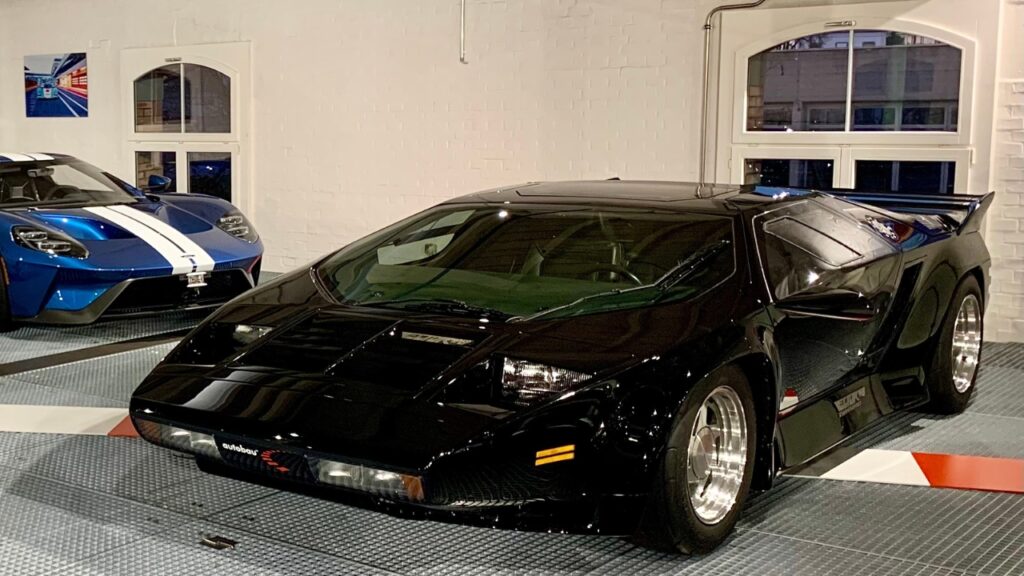
The Vector W8 represented an ambitious attempt to create an American supercar capable of competing with Europe’s finest. Its futuristic wedge-shaped body, twin-turbocharged V8, and advanced-looking interior made it extraordinary for its era. Production was extremely limited, with only a small number reaching customers. Most surviving examples remain in private collections, making an unexpected encounter extremely unlikely.
Isdera Imperator 108i
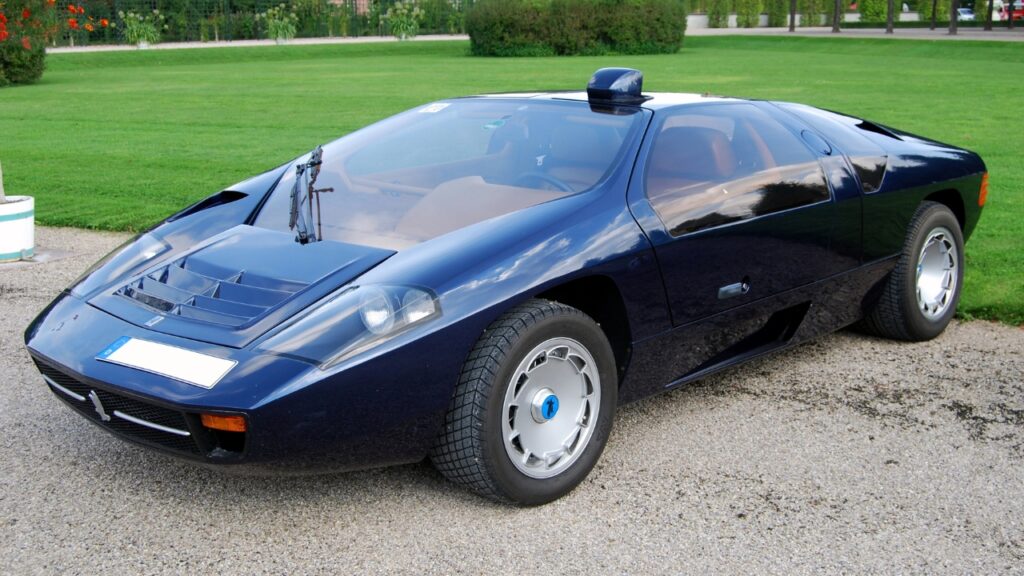
The Isdera Imperator 108i was an exceptionally rare German sports car with an unusual design and limited production. Its gullwing doors, periscope-style rear-view mirror, and mid-mounted V8 gave it an unmistakable appearance. Only a small number were produced, ensuring that even serious European-car enthusiasts rarely encounter one. It remains one of the most obscure supercars of its generation.
Cizeta-Moroder V16T
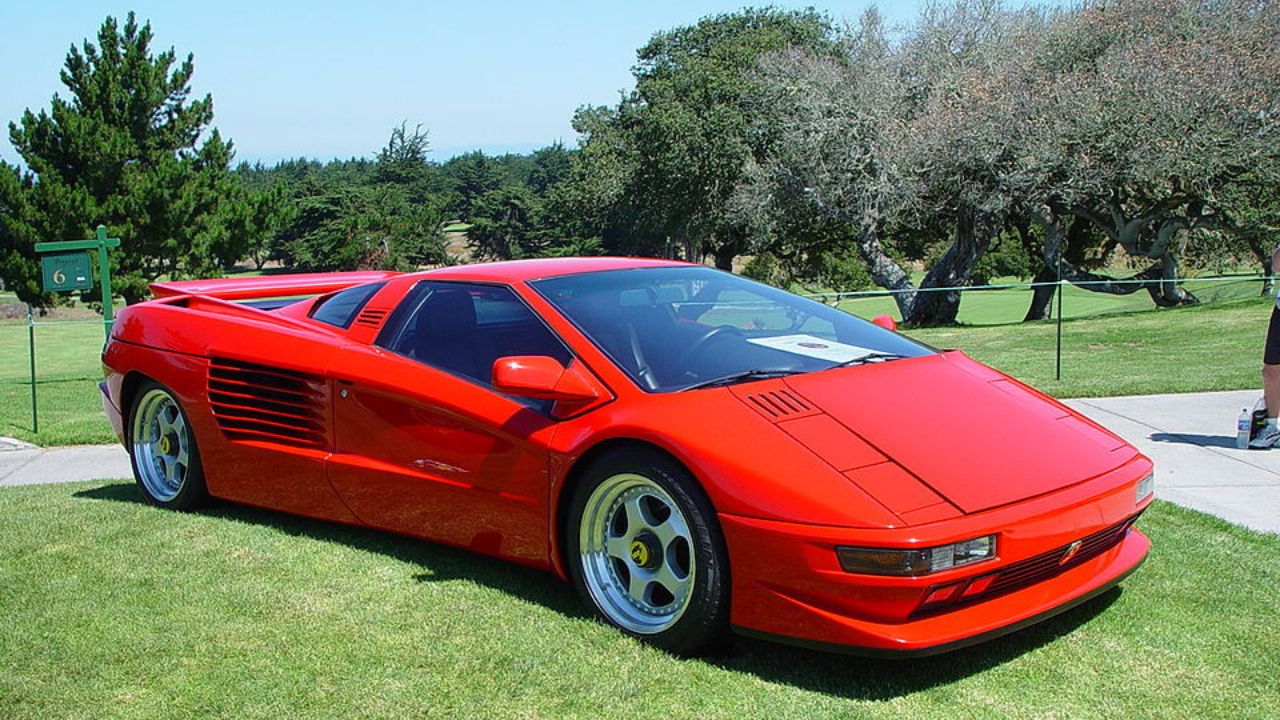
The Cizeta-Moroder V16T was one of the strangest supercars of the early 1990s. Its defining feature was a transverse-mounted V16 arrangement driving the rear wheels through an unusual drivetrain layout. The dramatic bodywork and extremely limited production made it a genuine rarity. Most enthusiasts know the car from photographs rather than personal experience.
Vector M12
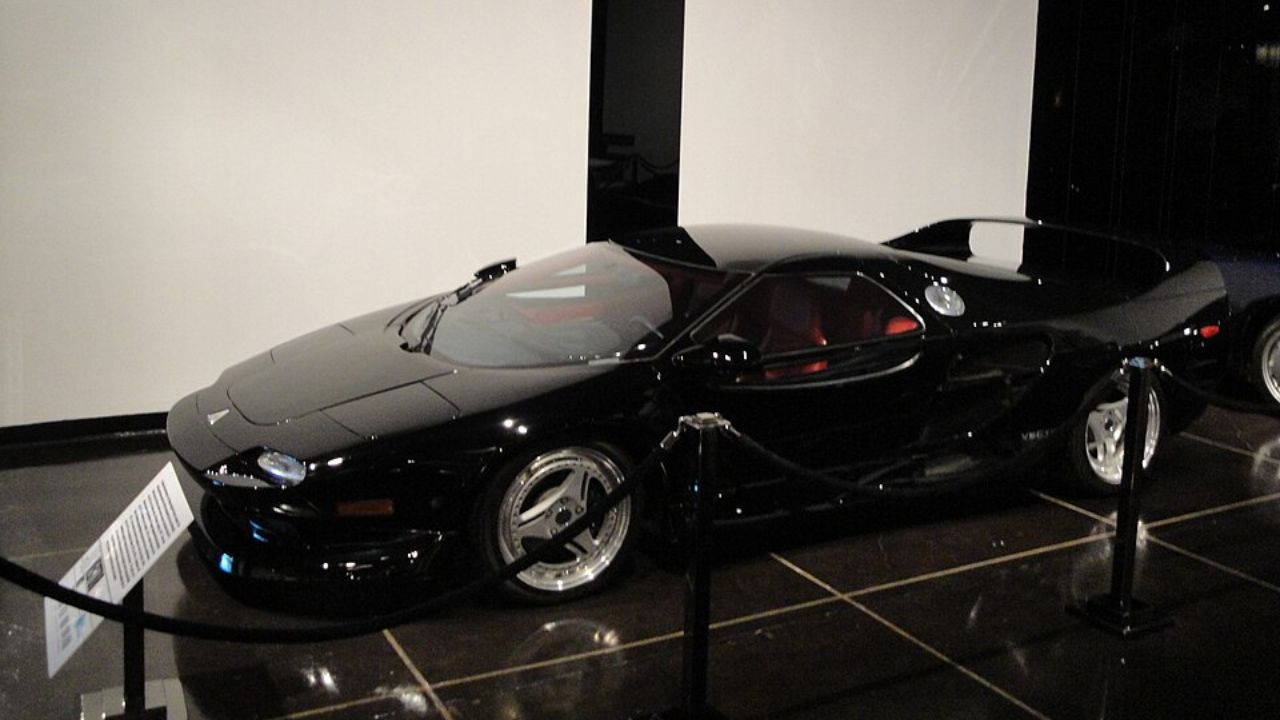
The Vector M12 attempted to revive the Vector name with a more conventional supercar formula while retaining the company’s dramatic styling. It used a Lamborghini-derived V12 and distinctive angular bodywork. Production remained extremely limited, however. Because so few were built, surviving M12s are rarely seen outside specialized collections and automotive events.
Venturi 400 GT
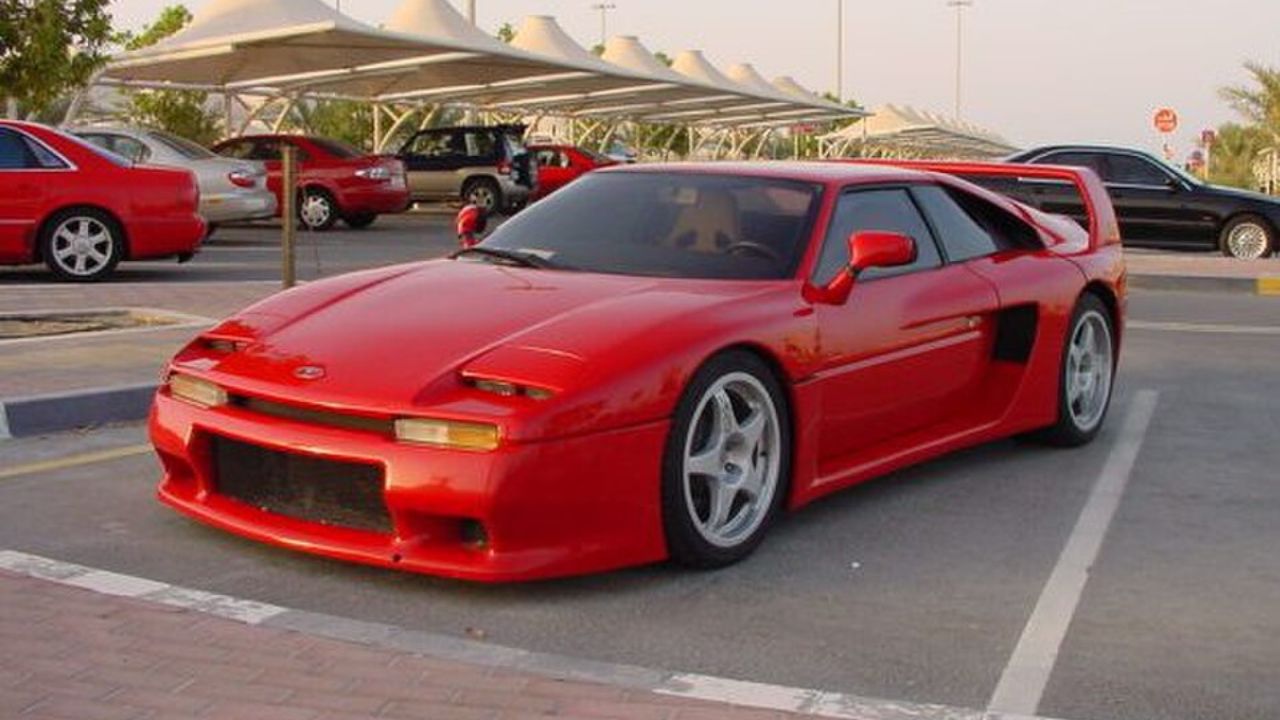
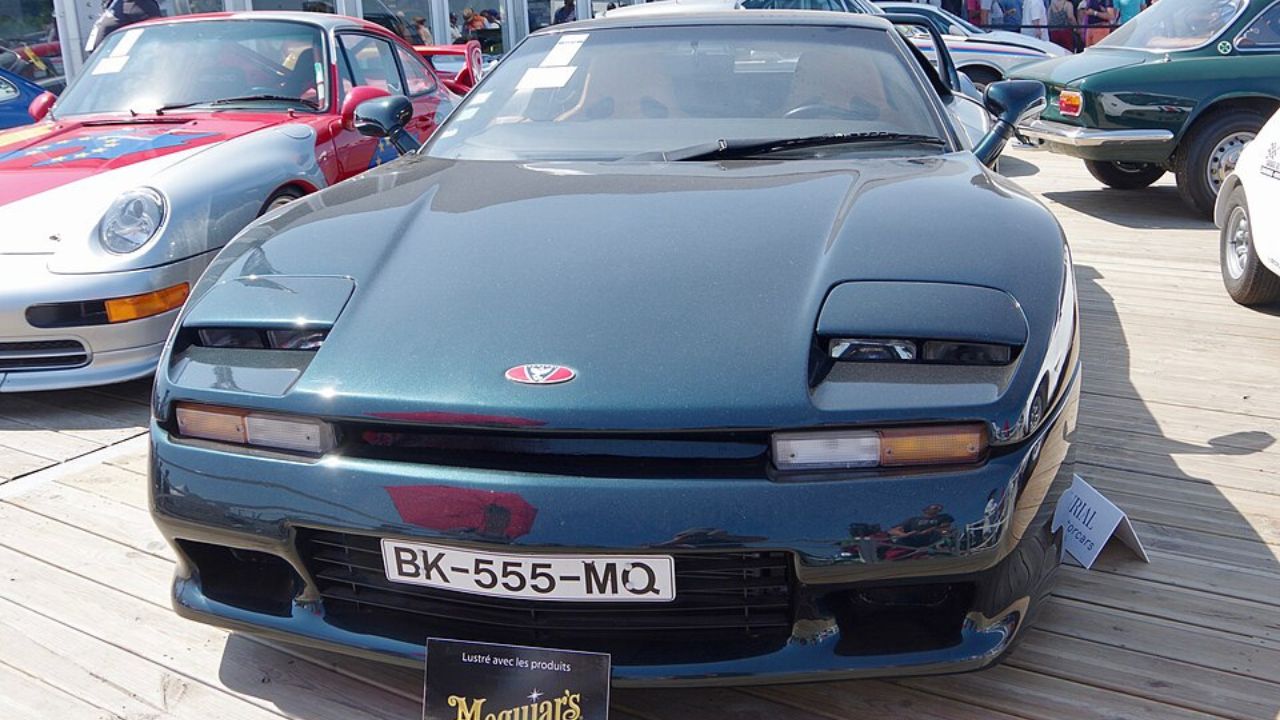
The Venturi 400 GT was a French performance car produced in very small numbers. Its twin-turbocharged V6, lightweight construction, and aggressive styling gave it serious performance credentials. The model never achieved the international recognition of Porsche or Ferrari. Today, its rarity makes it particularly difficult to encounter, even at European automotive gatherings.
Lister Storm
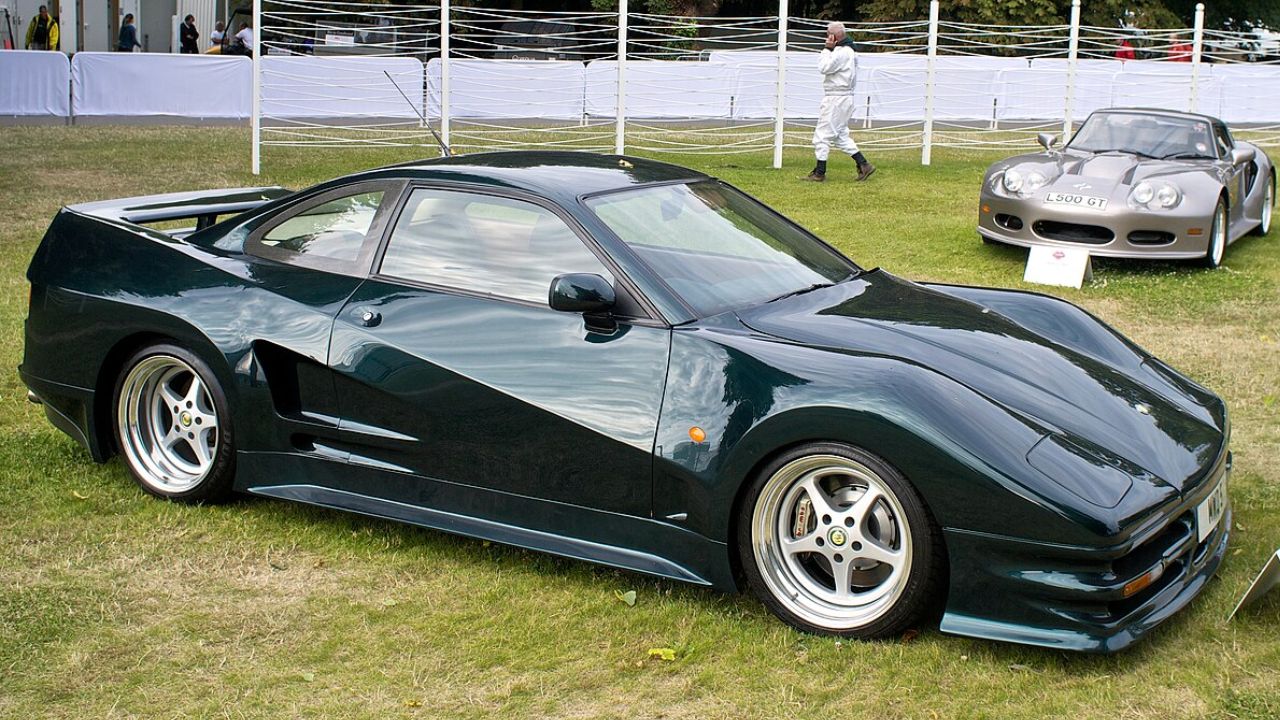
The Lister Storm was an enormous British supercar powered by a large V12 derived from Jaguar racing technology. Its unusual proportions and limited production made it one of the most distinctive performance cars of the 1990s. Only a handful were built for road use. Its rarity means that most enthusiasts will never encounter a Storm outside photographs or specialist collections.
Dauer 962 Le Mans
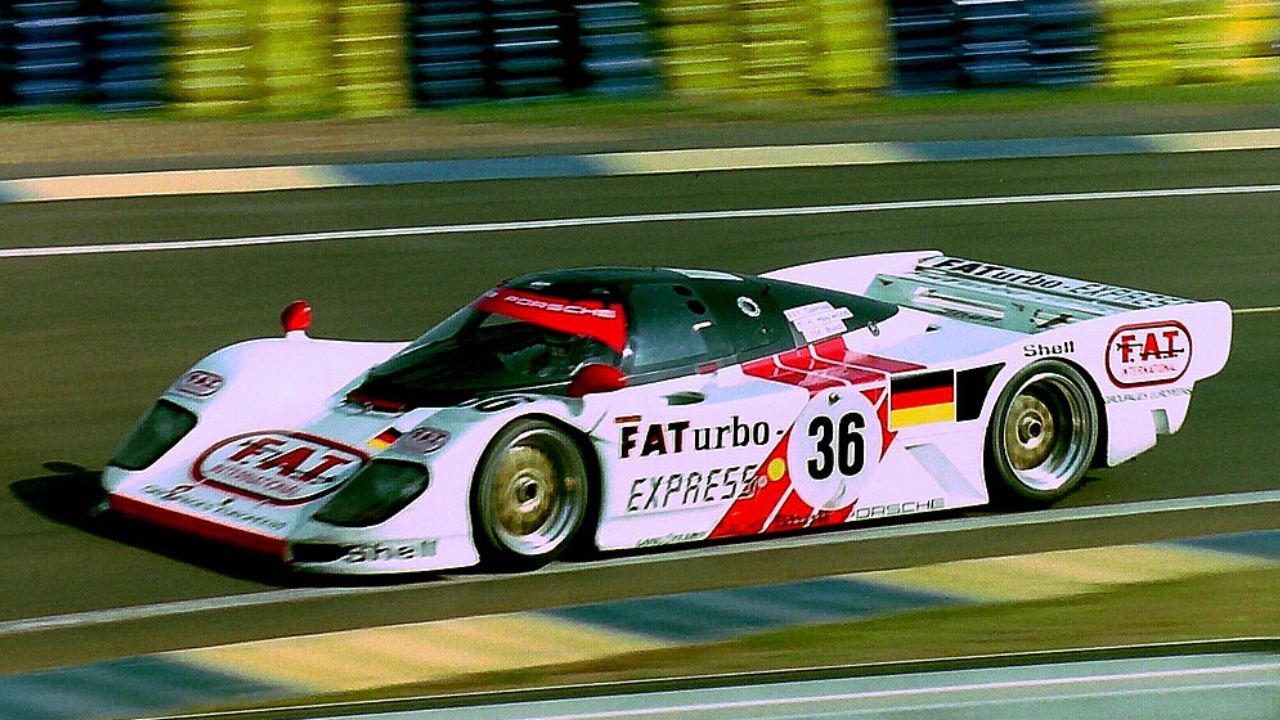
The Dauer 962 Le Mans transformed Porsche’s legendary Group C racing technology into a road-legal supercar. Its enclosed bodywork and racing-derived construction allowed it to retain extraordinary performance while meeting road requirements. Only a small number were produced. Because of its direct connection to endurance racing, the Dauer 962 remains one of the rarest and most fascinating Porsche-related road cars.
Ruf CTR Yellow Bird
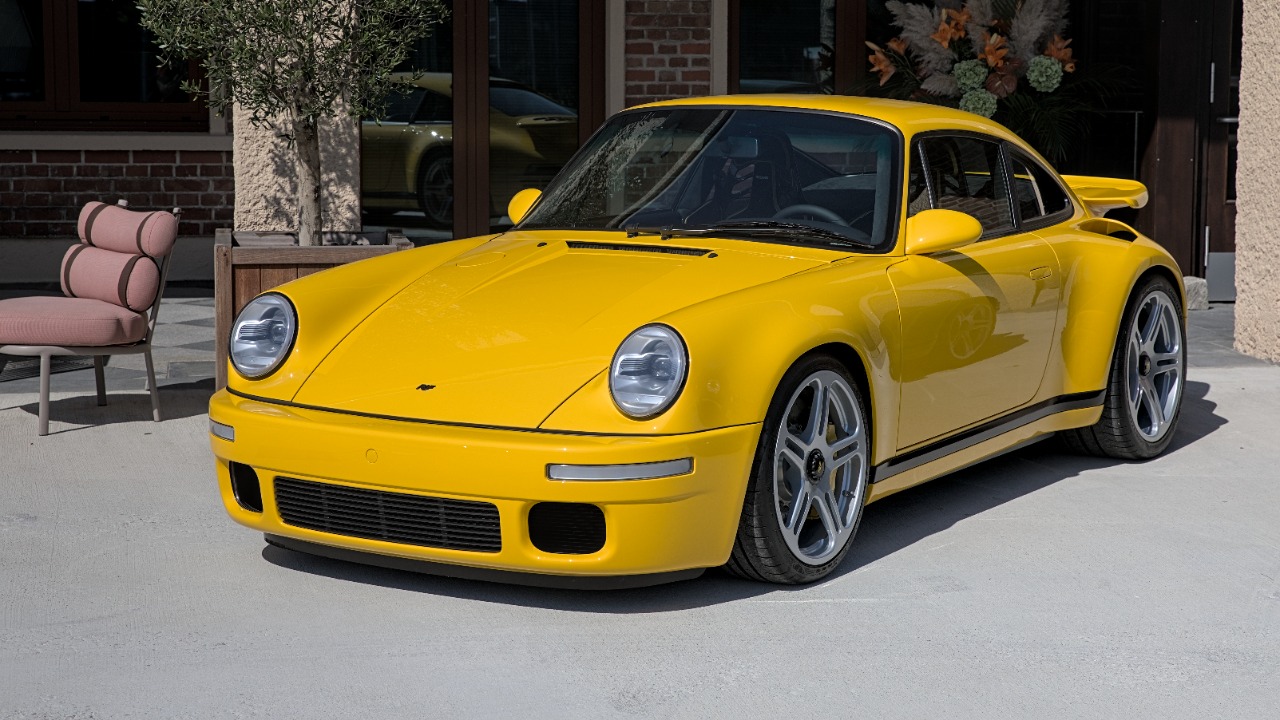
The Ruf CTR became legendary for its extraordinary performance and lightweight construction. Based on the Porsche 911 platform but heavily re-engineered by Ruf, it combined a twin-turbocharged flat-six with a highly developed chassis. Production numbers were tiny compared with ordinary 911s. The original CTR is now extraordinarily valuable, making a real-world encounter extremely unlikely.
Nissan R390 GT1 Road Car
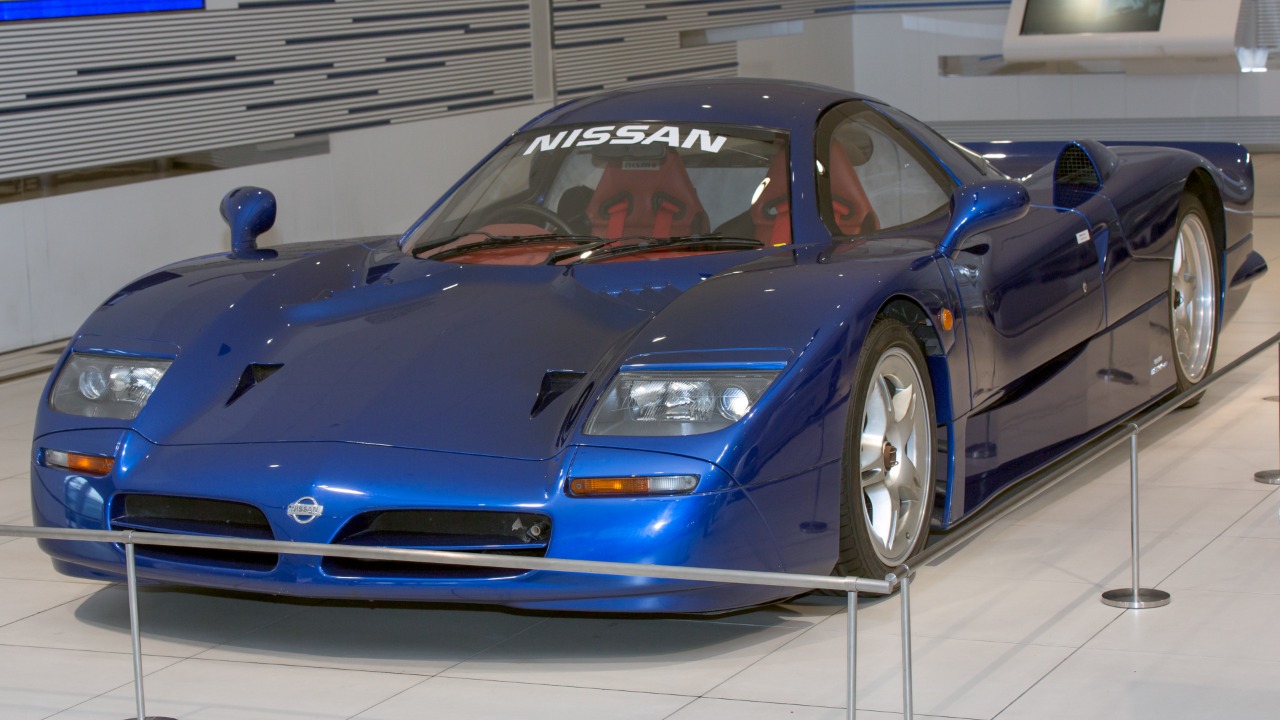
The Nissan R390 GT1 road car was created to satisfy homologation requirements for Nissan’s endurance-racing program. Its mid-mounted twin-turbocharged V8 and race-derived chassis gave it extraordinary performance. Only a tiny number of road cars were produced. Most remain closely protected within collections, making the R390 GT1 one of the hardest Japanese supercars to encounter.
Toyota 2000GT
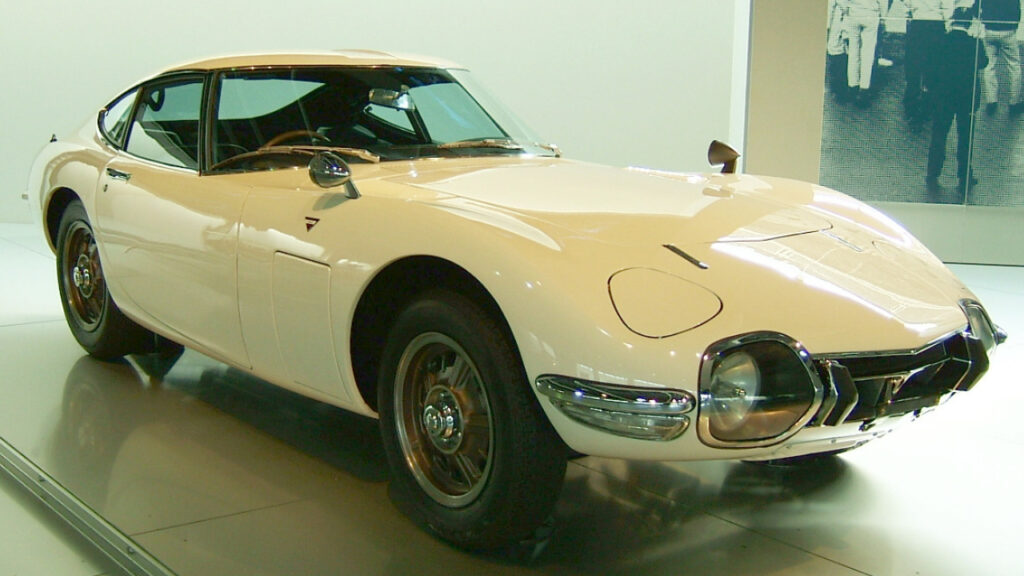
The Toyota 2000GT became one of Japan’s most important early sports cars. Its elegant styling, sophisticated chassis, and limited production separated it from ordinary Toyota models. Only a small number were built, and surviving cars are now highly valuable. For most enthusiasts, seeing an authentic 2000GT in person remains a rare opportunity.
Mazda RX-7 Spirit R
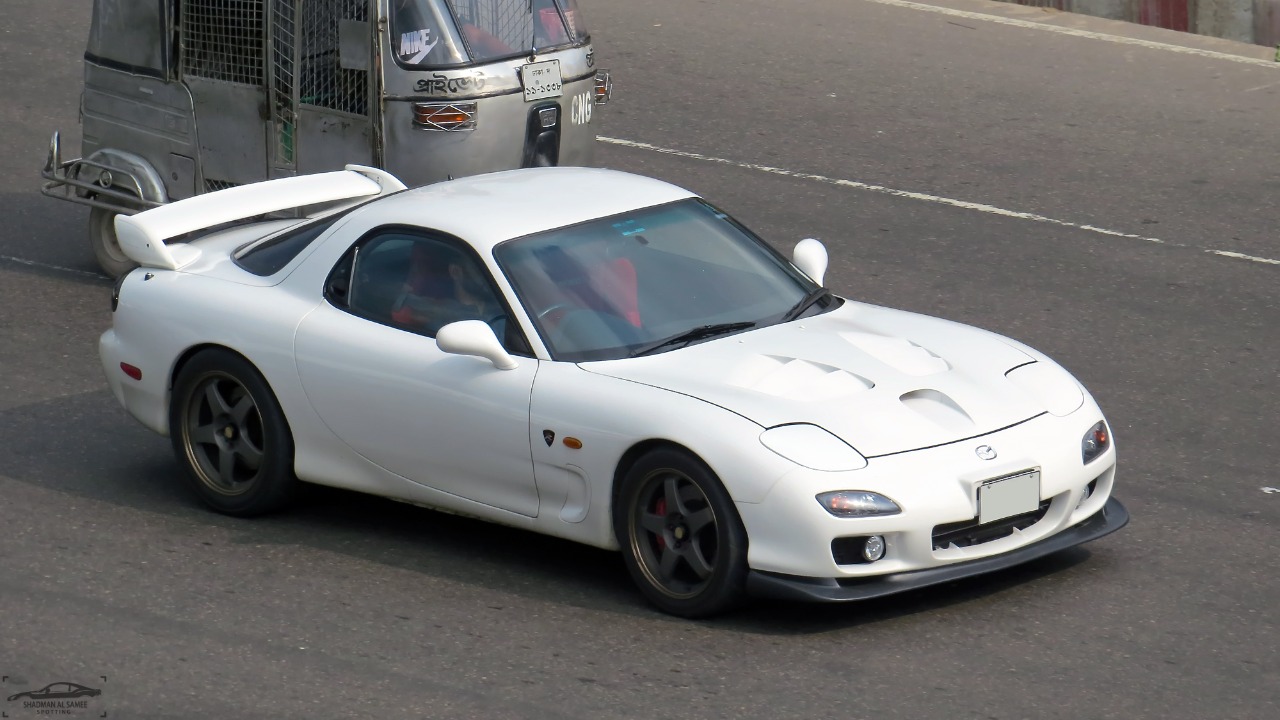
The Mazda RX-7 Spirit R represented the final and most focused version of the third-generation RX-7. Its twin-turbocharged rotary engine, lightweight construction, upgraded suspension, and performance-oriented equipment made it highly desirable. Production was limited, and many examples were exported or modified. Finding a completely original Spirit R outside Japan is particularly difficult.
More from Fast Lane Only
- Unboxing the WWII Jeep in a Crate
- 15 rare Chevys collectors are quietly buying
- 10 underrated V8s still worth hunting down
- Police notice this before you even roll window down
*Research for this article included AI assistance, with all final content reviewed by human editors