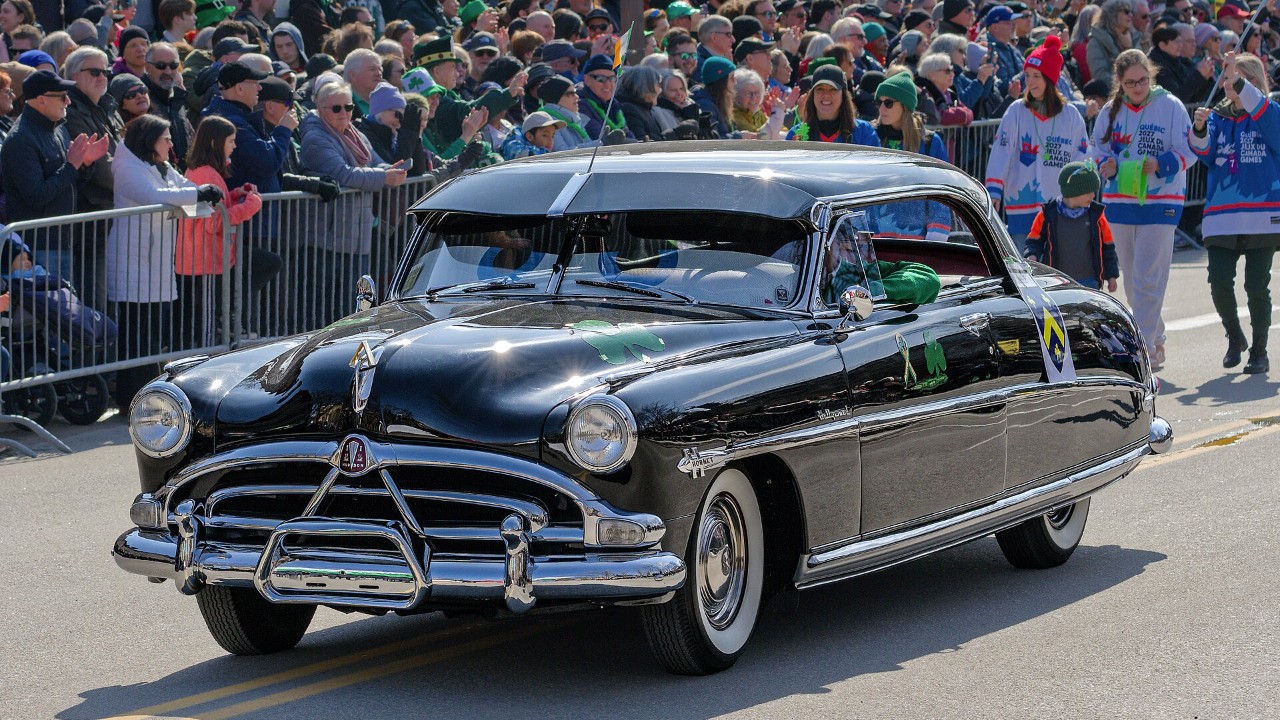
Mopar’s history is filled with engines that pushed Chrysler’s performance ambitions in unexpected directions. Some arrived just before regulations changed the industry, while others had short production runs or were developed for specialized purposes. These seven Mopar powerplants represent some of the most unusual and important engines in Chrysler’s performance history.
Chrysler 426 Max Wedge
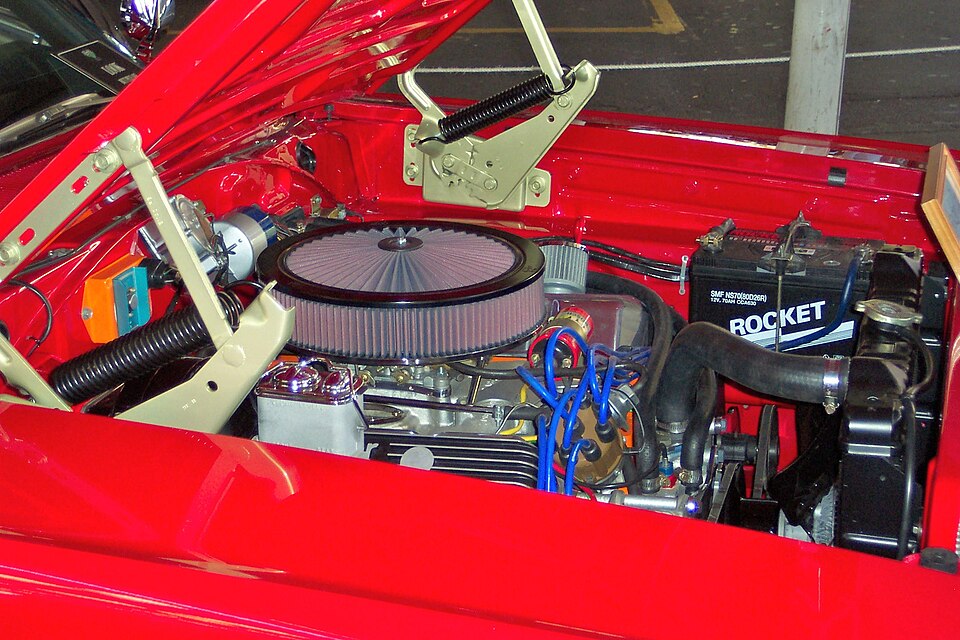
The Chrysler 426 Max Wedge represented one of Mopar’s most aggressive approaches to early-1960s drag racing. Its large-displacement design, specialized cylinder heads, high-flow intake, and distinctive exhaust system were engineered for serious competition. Changing racing requirements eventually brought the Max Wedge era to an end. Today, surviving engines are prized reminders of Chrysler’s early drag-racing ambitions.
Chrysler 426 Hemi
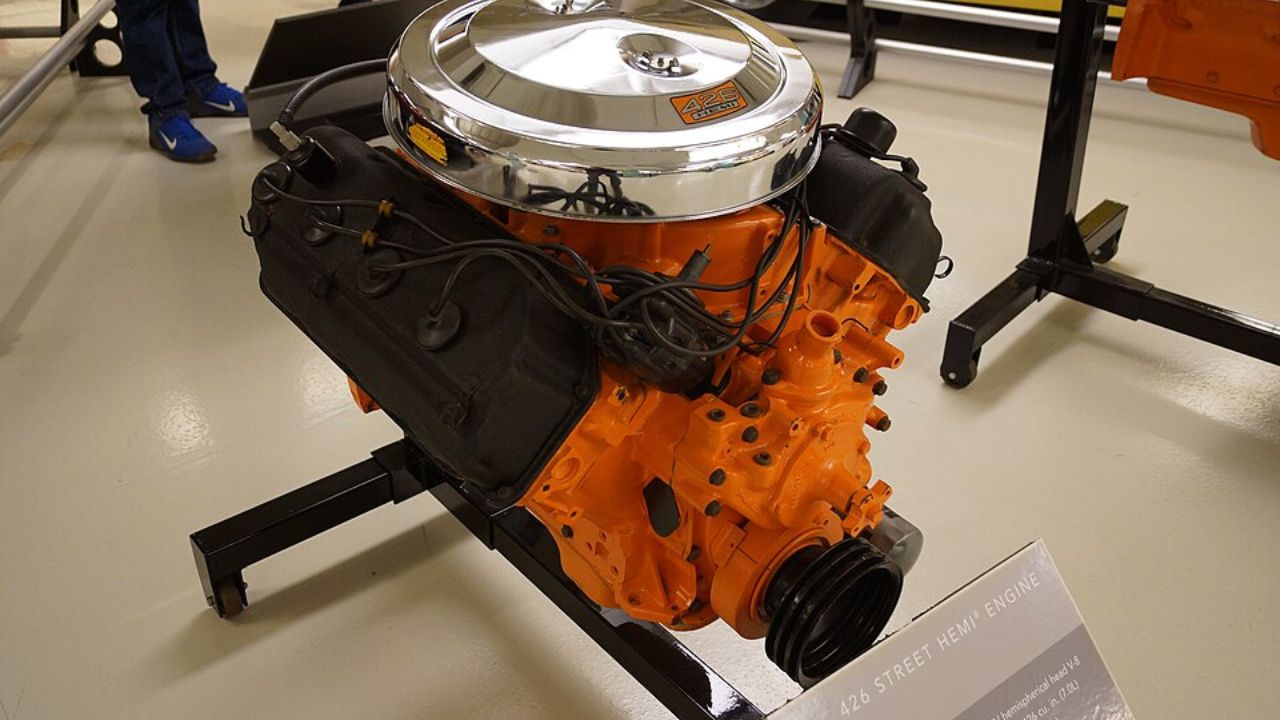
The 426 Hemi became one of Mopar’s most famous performance engines, but its origins were closely tied to racing. Its hemispherical combustion chambers and powerful breathing characteristics gave Chrysler a major advantage in competition. The engine eventually reached street cars in limited numbers, but changing racing regulations and emissions requirements threatened its future. Its brief street-car availability helped create its legendary status.
Chrysler 440 Six-Pack
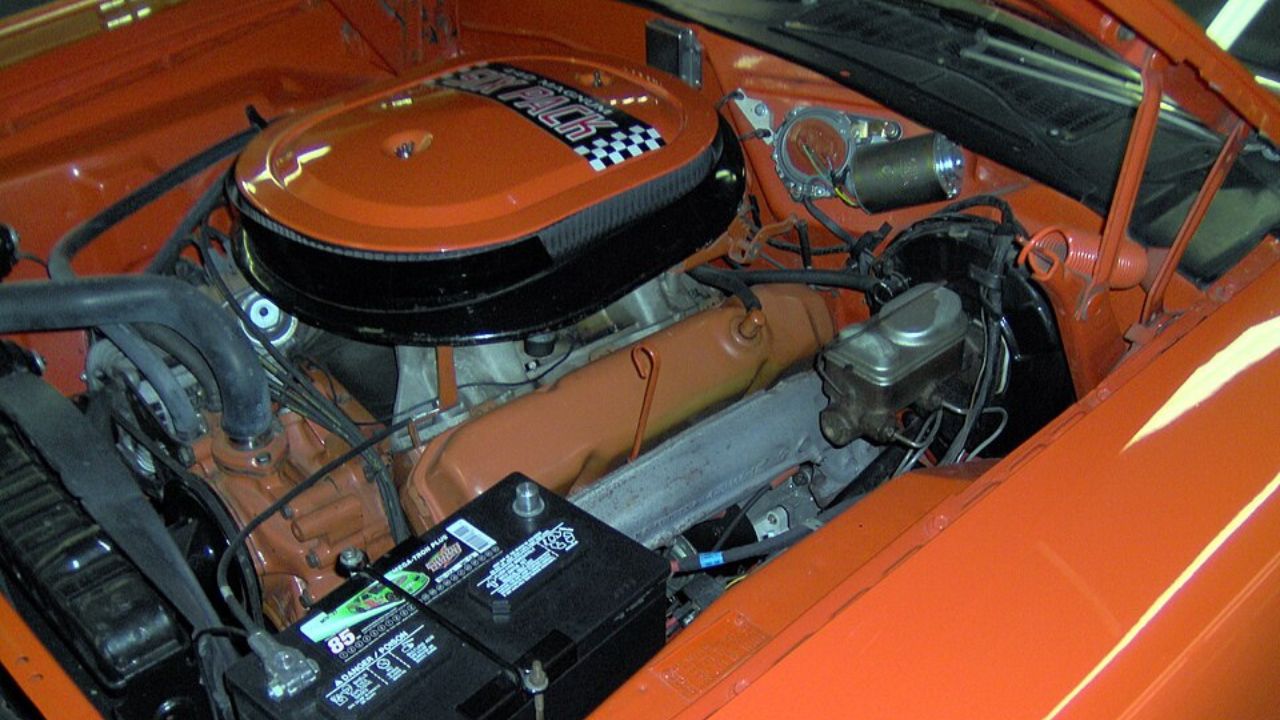
The 440 Six-Pack combined the enormous torque of Chrysler’s 440-cubic-inch big-block with a multiple-carburetor intake system. It gave Dodge and Plymouth performance cars serious straight-line capability during the final years of the classic muscle-car era. The combination arrived just as emissions rules, insurance costs, and fuel concerns were transforming the market. Its limited production made it one of Mopar’s most memorable big-block configurations.
Chrysler 340 Six-Pack
CC BY-SA 2.0 / Wiki Commons
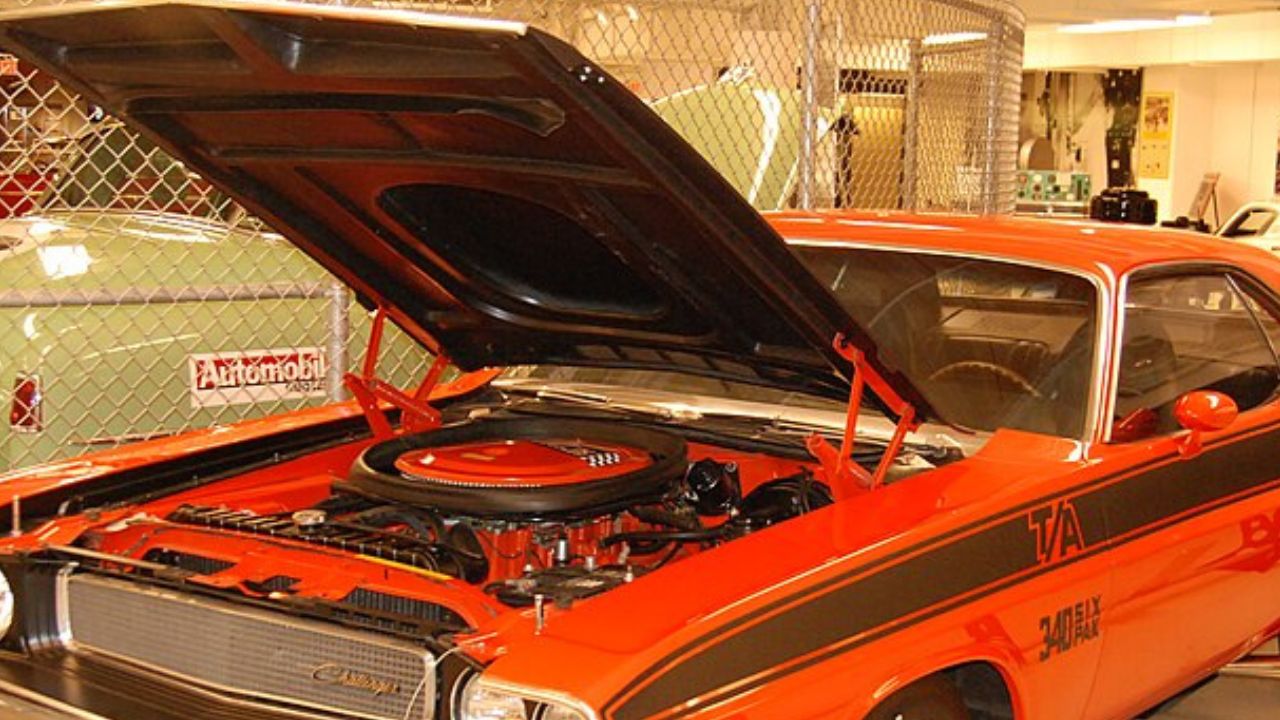
The Chrysler 340 Six-Pack gave Mopar a high-performance small-block capable of producing impressive power without the weight of a big-block. Multiple carburetors helped the engine breathe at higher engine speeds, giving it a distinctive performance character. Its production period was short, however, as tightening emissions requirements and changing market conditions reduced the demand for specialized performance engines.
Chrysler 392 Hemi

The Chrysler 392 Hemi was part of the first generation of Chrysler’s hemispherical V8 engines. Its large displacement and sophisticated combustion-chamber design made it a formidable performance engine during the 1950s. Chrysler eventually moved toward newer engine families, ending production of the original Hemi. Its historical importance remains considerable because it established the foundation for the later 426 Hemi legend.
Chrysler 383 Magnum
CC BY 2.0 / Wiki Commons
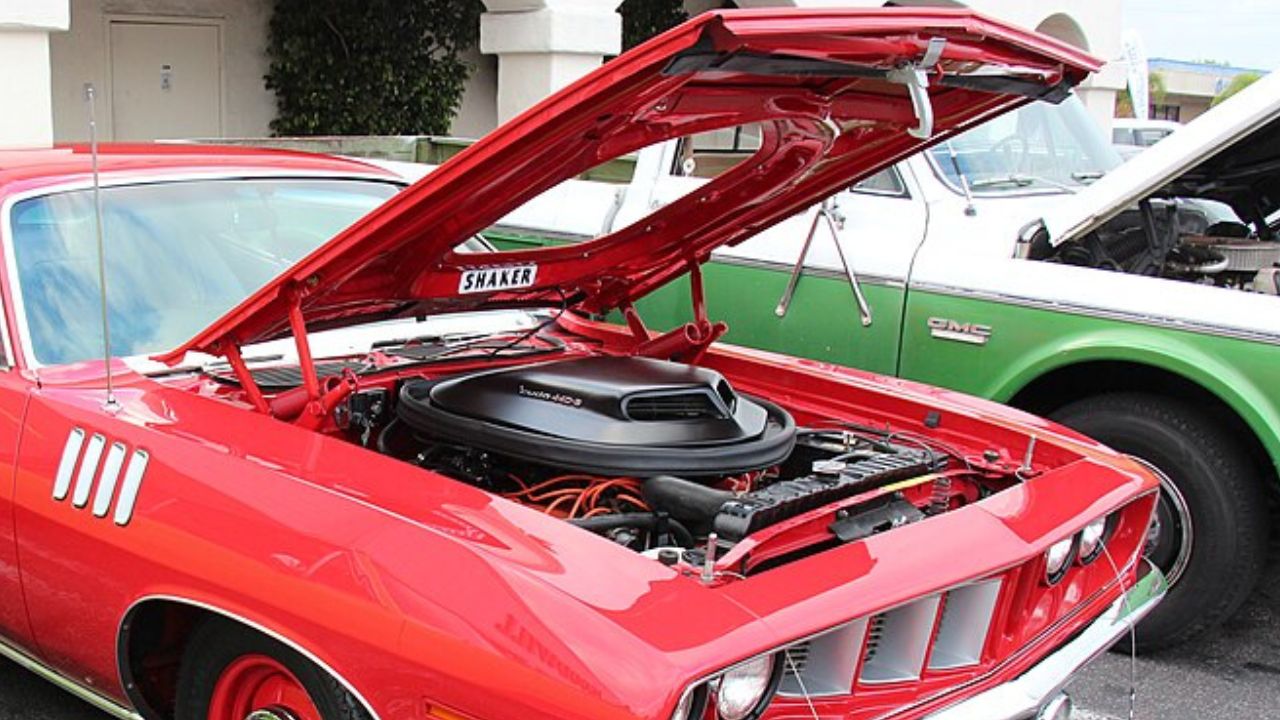
The Chrysler 383 Magnum provided a strong combination of displacement, torque, and everyday usability. It powered numerous Dodge and Plymouth performance cars and became an important part of the muscle-car era. As emissions regulations and fuel-economy concerns intensified, large-displacement performance engines became increasingly difficult to sustain. The 383’s high-performance years therefore became a relatively short chapter in Mopar history.
Chrysler 426 Street Hemi
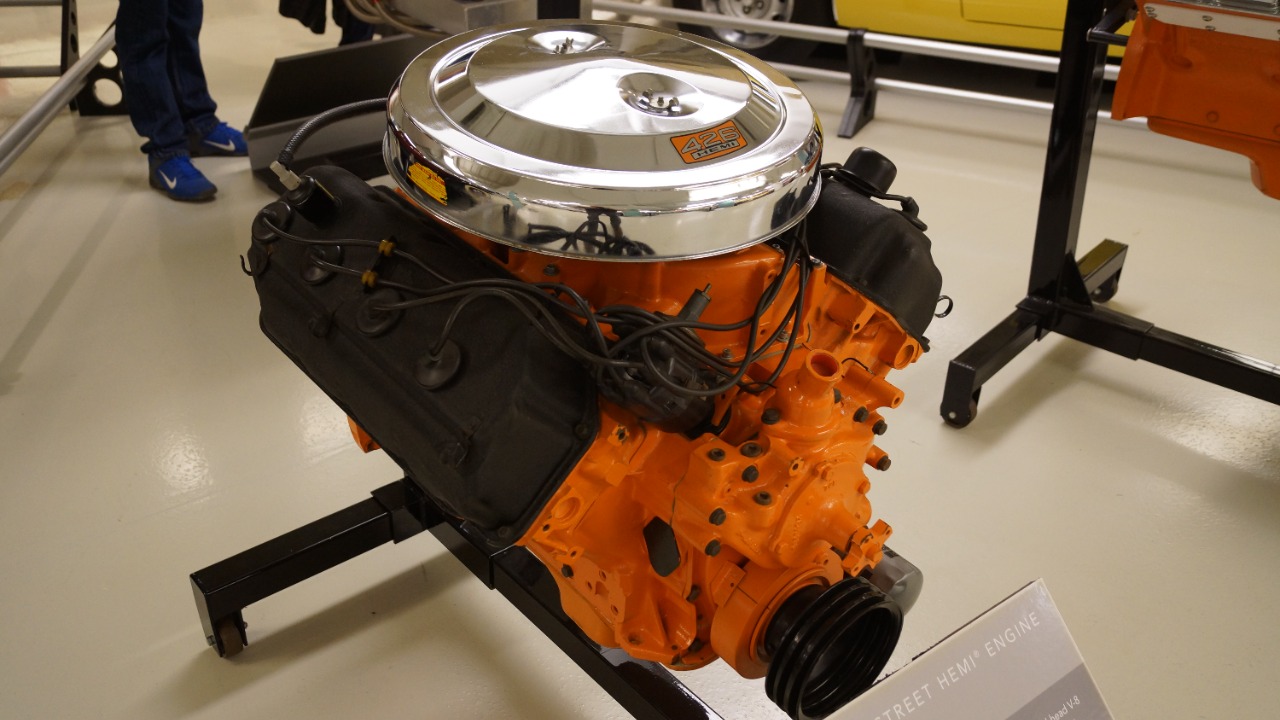
The Chrysler 426 Street Hemi represented the moment when Chrysler’s race-bred Hemi technology reached ordinary road cars. Its heavy-duty components, dual four-barrel carburetors, and hemispherical combustion chambers gave it enormous performance potential. It was expensive and produced in limited quantities, while insurance and emissions pressures were already threatening the muscle-car market. Its survival into production remains one of Mopar’s most remarkable achievements.
More from Fast Lane Only
- Unboxing the WWII Jeep in a Crate
- 15 rare Chevys collectors are quietly buying
- 10 underrated V8s still worth hunting down
- Police notice this before you even roll window down
*Research for this article included AI assistance, with all final content reviewed by human editors