Station wagons once filled American driveways, school parking lots, and family road trips. They carried everything from groceries to camping gear, yet most were treated as ordinary transportation rather than future collectibles. Decades of hard use, rust, and neglect have taken their toll. These 11 wagons are now becoming surprisingly difficult to encounter in good original condition.
Chevrolet Nomad

The Chevrolet Nomad combined station-wagon practicality with some of the most stylish bodywork Chevrolet offered. Its distinctive roofline, chrome details, and two-door configuration gave it far more personality than a typical family wagon. Many examples were used extensively, making surviving originals scarce. Today, the Nomad is one of the most recognizable vintage American wagons among collectors.
Oldsmobile Vista Cruiser
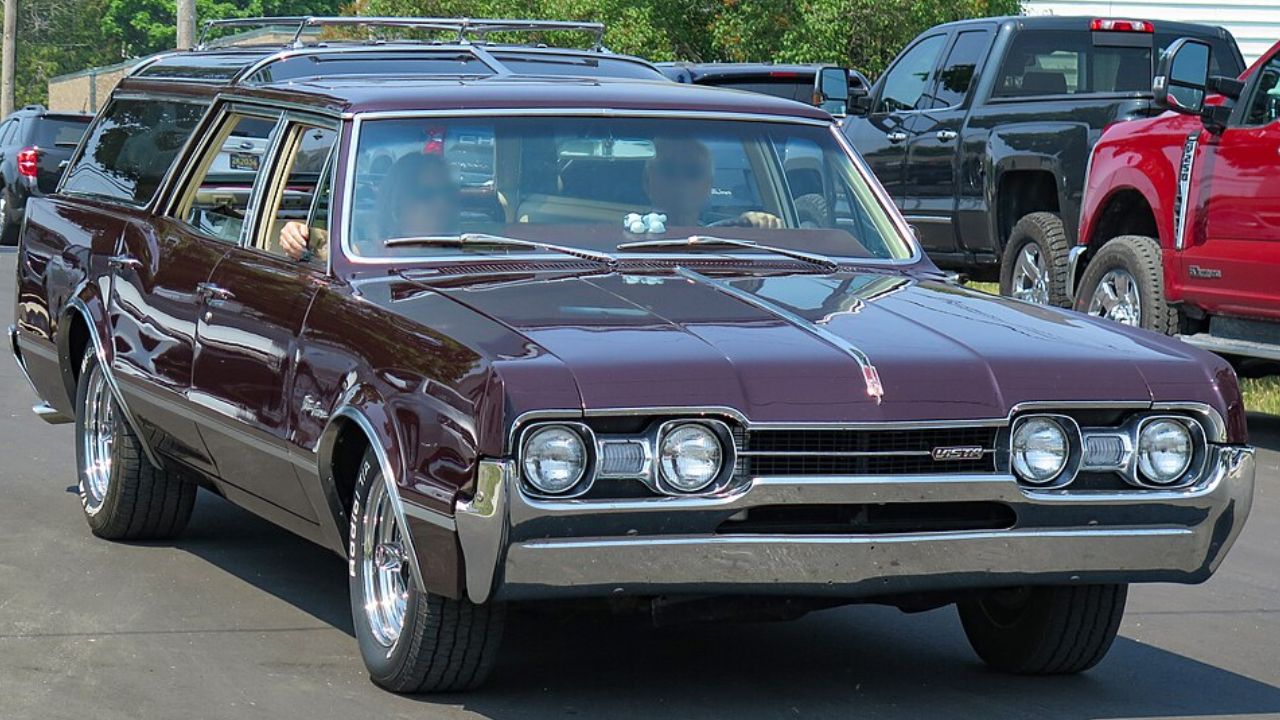
The Oldsmobile Vista Cruiser became famous for its raised roof and distinctive glass panels, which gave passengers an unusually airy cabin. Its spacious interior and available V8 power made it an ideal family road-trip vehicle. Most were used hard rather than preserved. Clean examples are now increasingly desirable because the Vista Cruiser represents one of the most distinctive American wagon designs ever produced.
Ford Country Squire
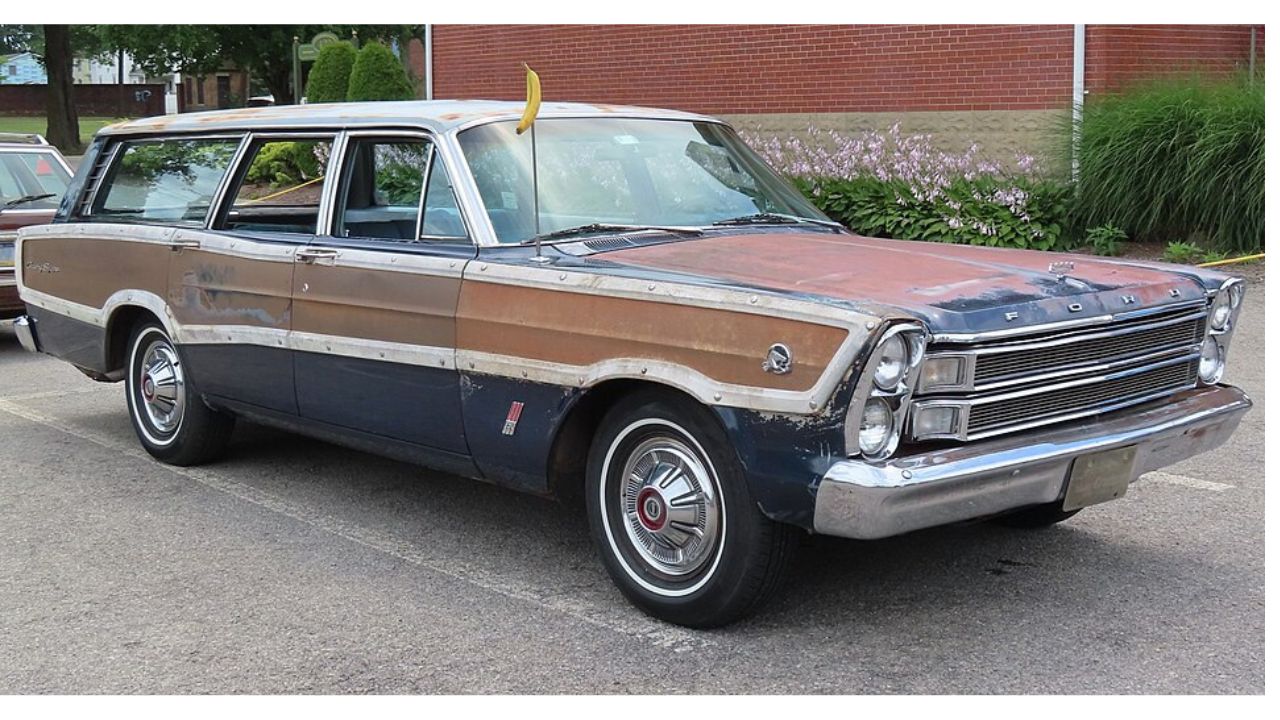
The Ford Country Squire was the quintessential American family wagon, complete with its famous woodgrain exterior treatment. Large cabins, powerful V8 engines, and generous cargo space made it perfect for long family trips. Unfortunately, decades of exposure and heavy use eliminated many examples. A well-preserved Country Squire now provides an unmistakable reminder of the era of enormous family haulers.
Pontiac Safari
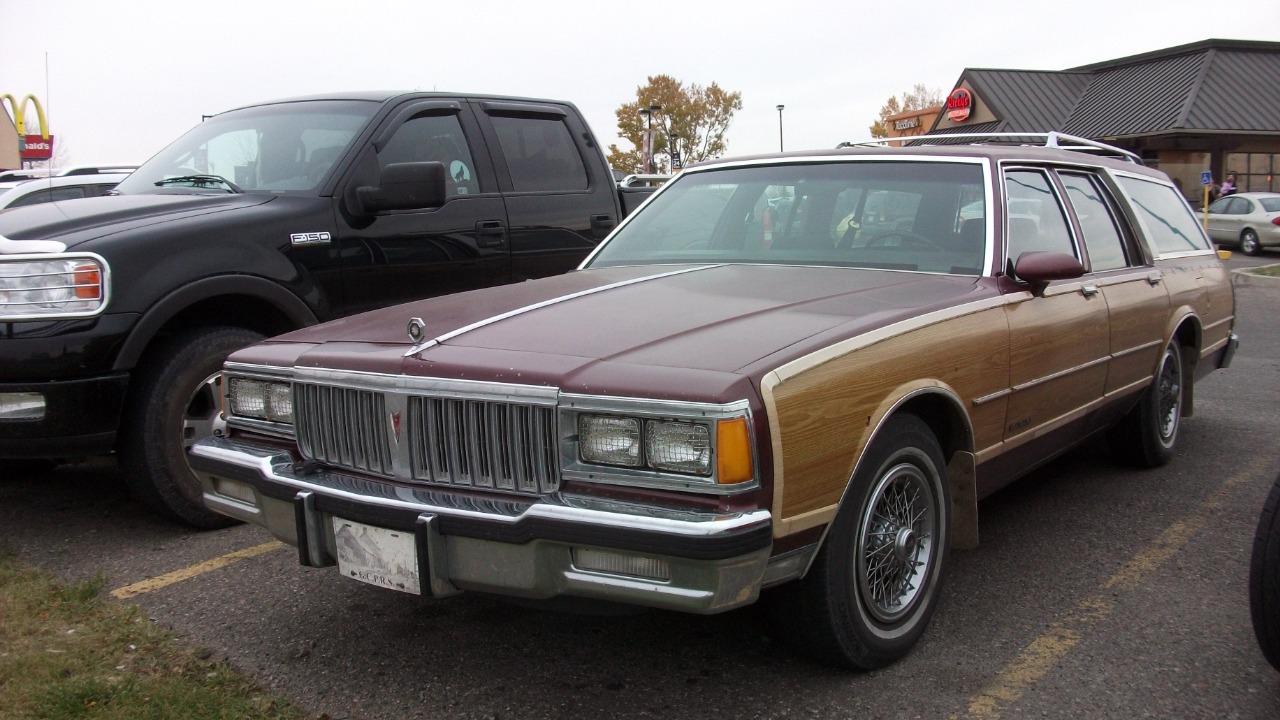
The Pontiac Safari combined dramatic Pontiac styling with the practicality of a full-size station wagon. Its long body, substantial chrome, and powerful engines gave it a distinctive presence. Families often used these wagons for years before they were passed down or scrapped. Surviving examples are now much harder to find, particularly cars retaining their original interiors and exterior trim.
Mercury Colony Park
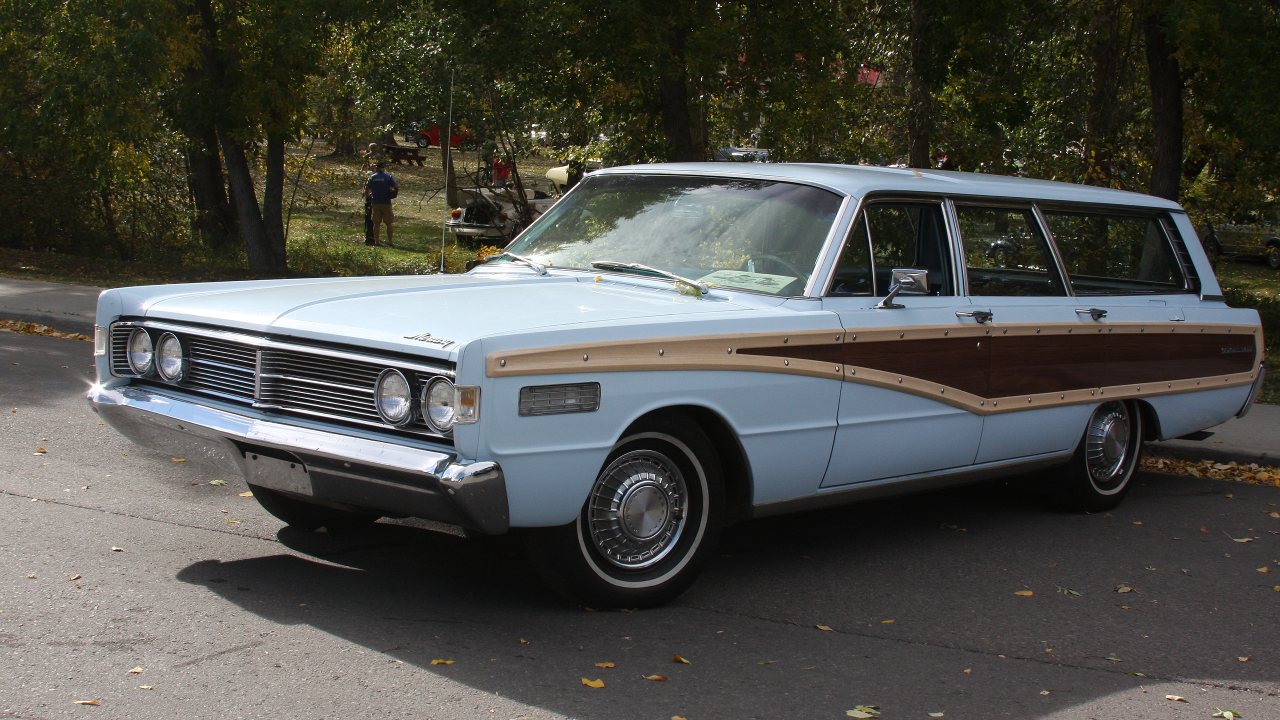
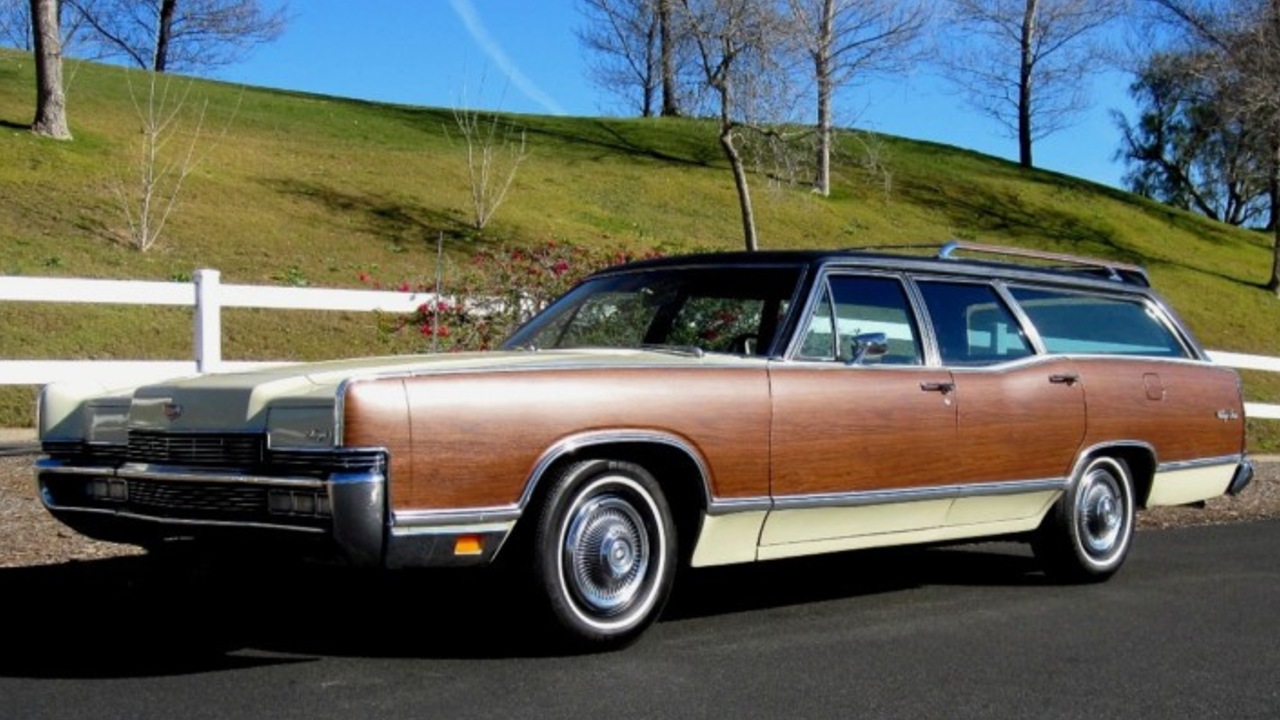
The Mercury Colony Park offered a more upscale interpretation of the traditional American family wagon. Its large dimensions, comfortable cabin, and woodgrain exterior made it a popular choice for buyers who wanted space with a touch of luxury. Like most wagons, many were used until they wore out. Clean examples are increasingly valuable to collectors chasing authentic 1960s and 1970s Americana.
Buick Estate Wagon
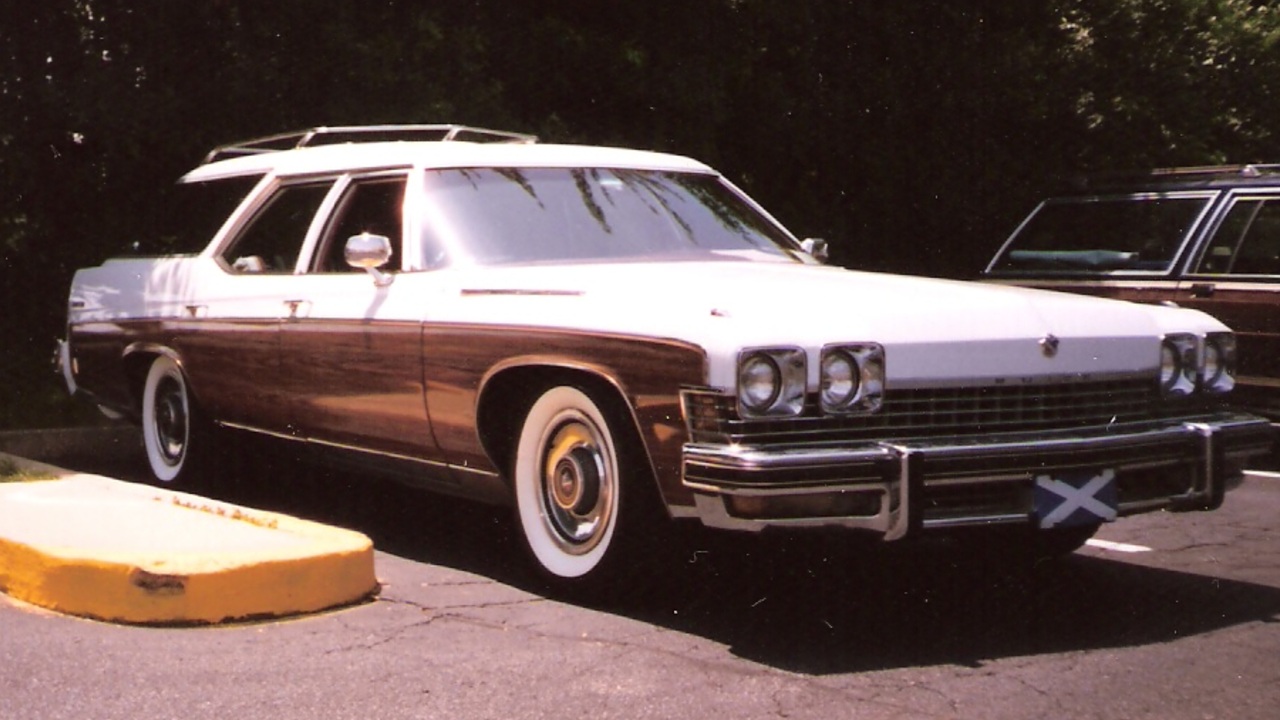
The Buick Estate Wagon combined a large family-friendly interior with the smooth V8 power and comfortable ride associated with the brand. Its substantial size made it useful for hauling people and cargo, but that same size contributed to heavy use. Today, surviving examples are increasingly interesting because they capture an era when a family wagon could be nearly as large as a house.
Plymouth Satellite Wagon
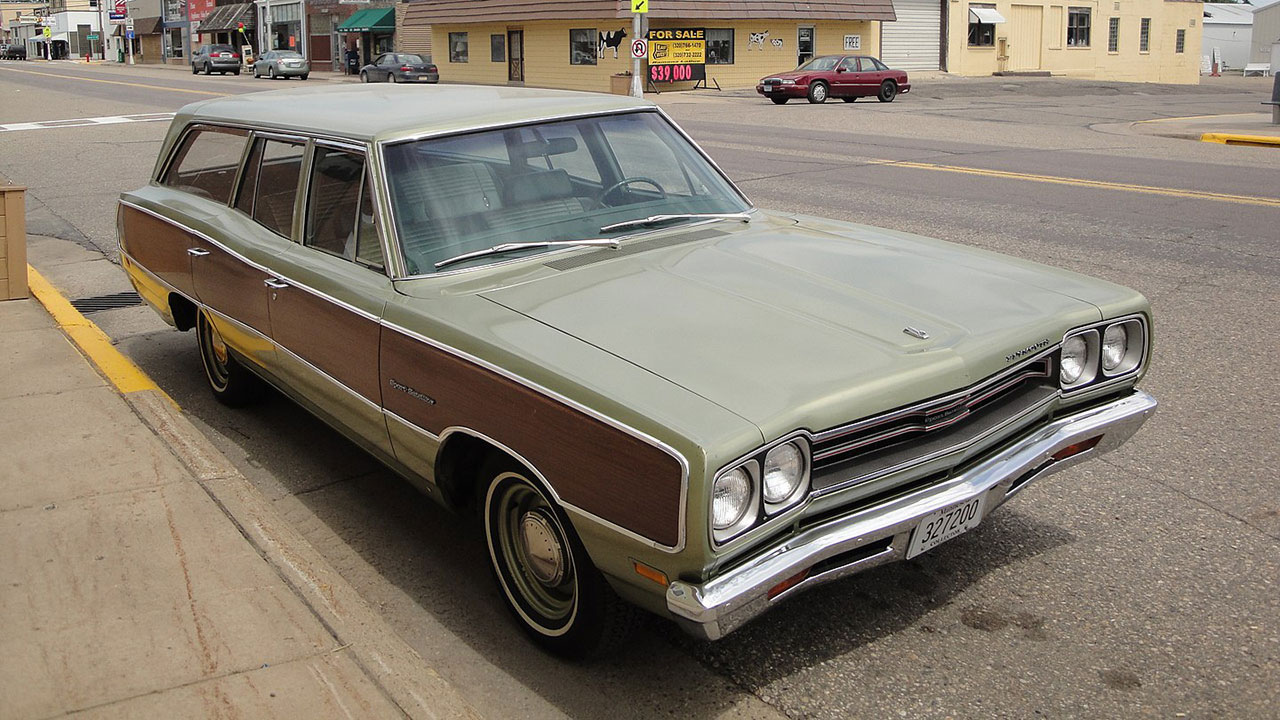
The Plymouth Satellite wagon provided practical family transportation while retaining some of the visual character associated with Plymouth’s midsize cars. Available V8 engines gave it more capability than its family-oriented image suggested. Most examples were driven into the ground rather than preserved. As a result, clean wagons are becoming increasingly interesting to collectors looking beyond conventional muscle cars.
AMC Matador Wagon
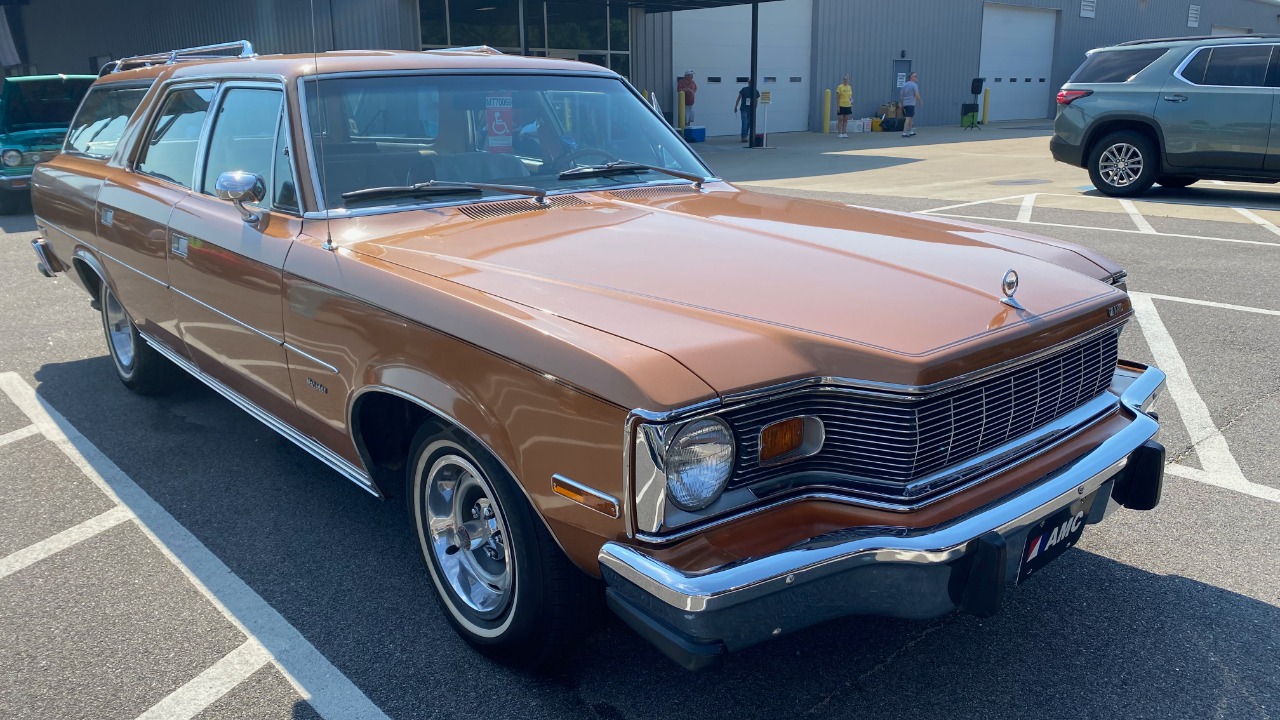
The AMC Matador wagon represented a different approach to the American family hauler. Its distinctive styling, roomy interior, and available V8 engines gave it plenty of character without looking like a typical Ford or Chevrolet. AMC wagons were never produced in the same numbers as Detroit’s biggest sellers. Surviving Matadors are consequently becoming harder to encounter at shows.
Chevrolet Caprice Estate
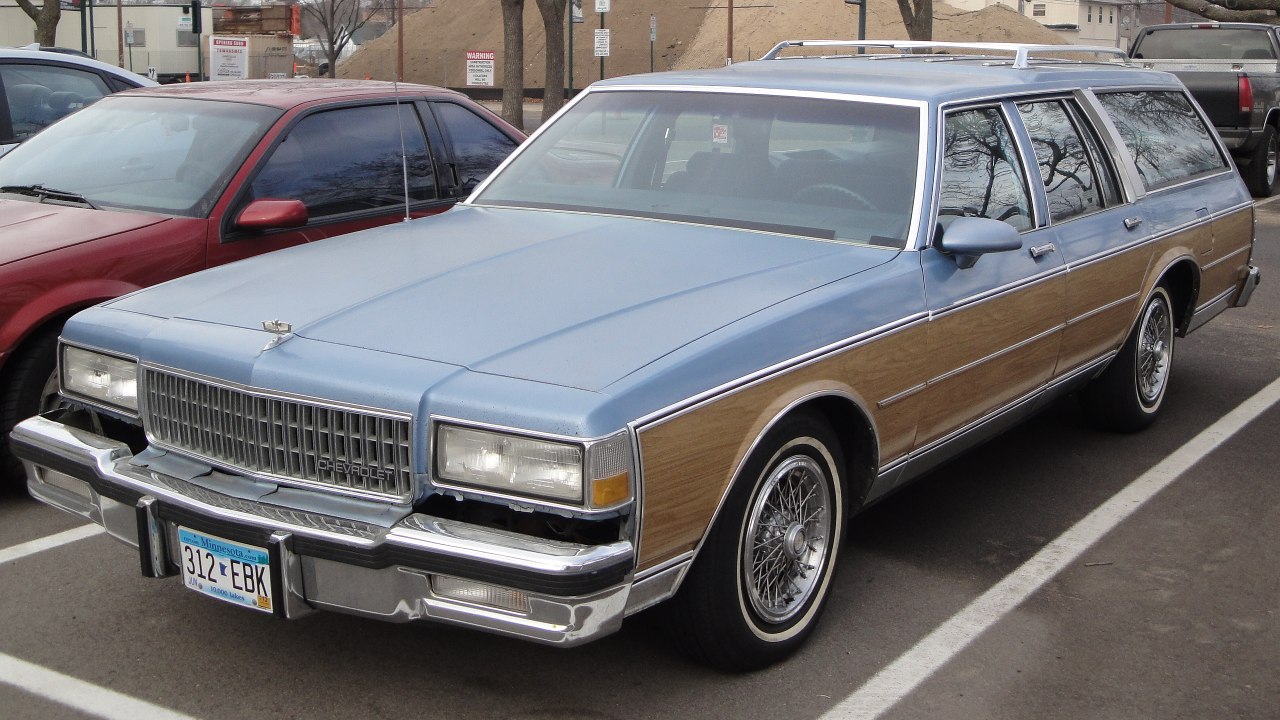
The Chevrolet Caprice Estate combined full-size comfort with a practical cargo area and traditional American wagon styling. Its woodgrain exterior treatment became one of its most recognizable features. Families appreciated the space, but decades of daily use took their toll. Original examples are now attracting attention because they represent the final era of the classic full-size American station wagon.
Pontiac Grand Safari

The Pontiac Grand Safari was one of the largest and most extravagant family wagons of its time. Its substantial body, powerful engine options, and generous interior reflected an era when bigger often meant better. These cars were frequently loaded with passengers and cargo, which made preservation difficult. A clean Grand Safari today can be an impressive centerpiece at any vintage car gathering.
Volvo 240 Wagon
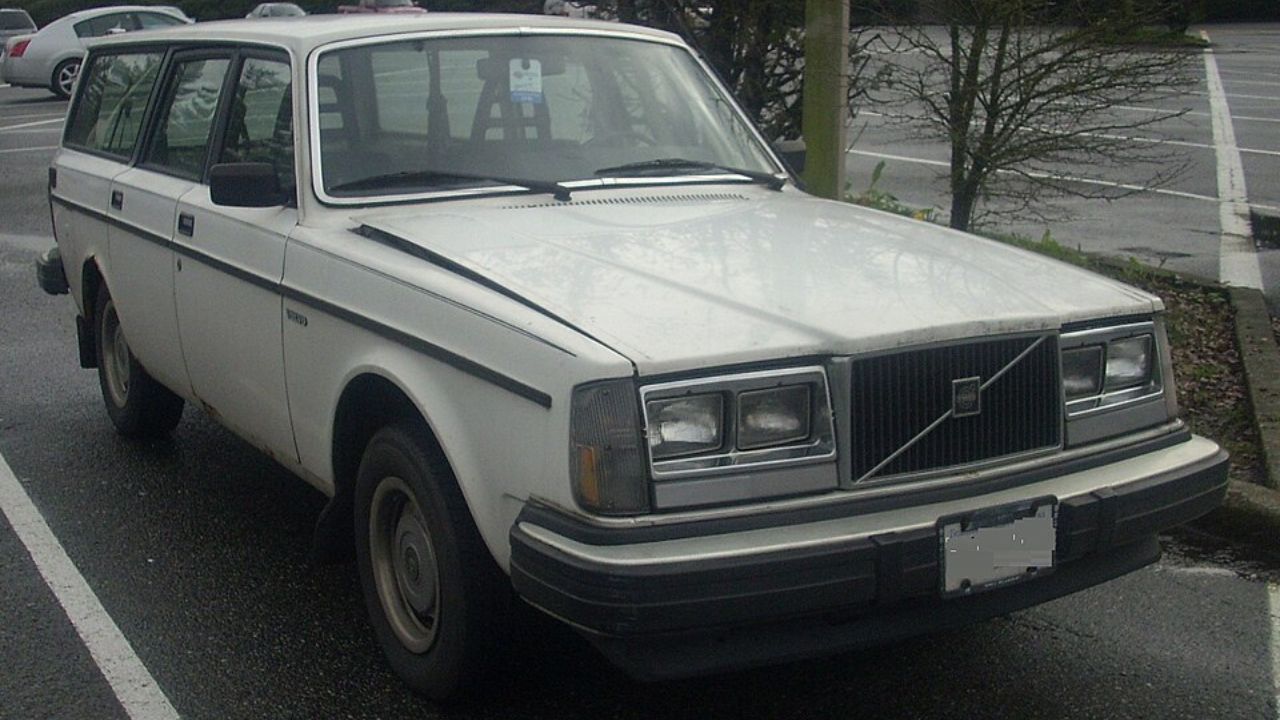
The Volvo 240 wagon earned a reputation for durability, practicality, and sensible Scandinavian design. Its boxy shape became iconic, while the spacious cargo area made it a favorite for families and outdoor enthusiasts. Many survived for enormous mileages, but heavy everyday use eventually took its toll. Increasing appreciation for practical classics has made clean, original 240 wagons much harder to find.
More from Fast Lane Only
- Unboxing the WWII Jeep in a Crate
- 15 rare Chevys collectors are quietly buying
- 10 underrated V8s still worth hunting down
- Police notice this before you even roll window down
*Research for this article included AI assistance, with all final content reviewed by human editors