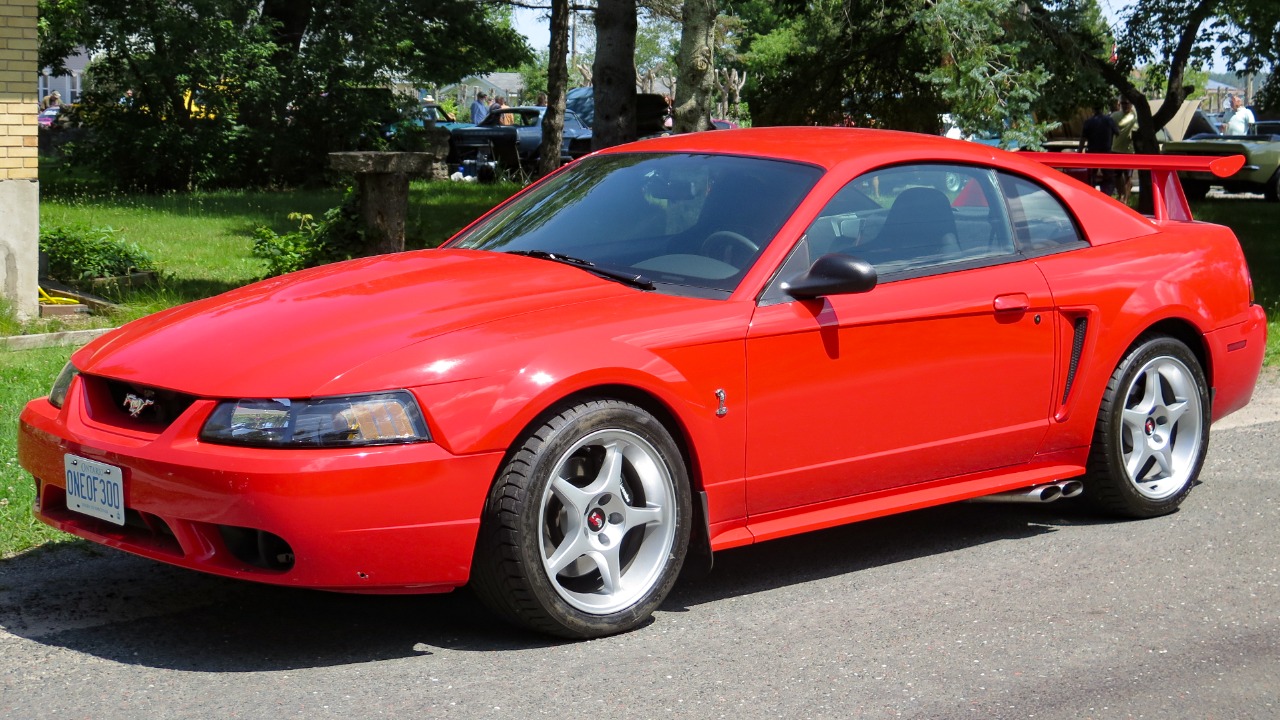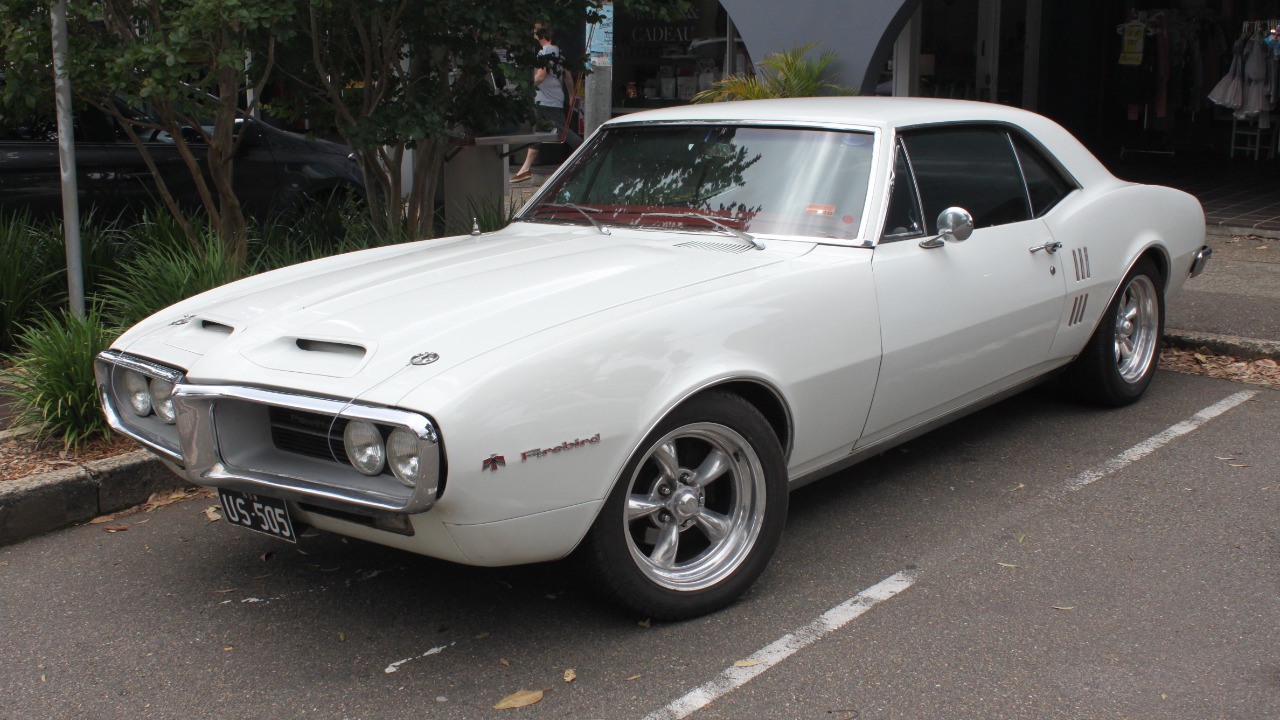
The first Pontiac Firebird arrived for the 1967 model year as General Motors’ late but carefully calculated entry into the booming pony car class. Where the Ford Mustang had defined the segment, the new Firebird gave Pontiac loyalists a stylish, performance-focused alternative that reflected the division’s own identity. In one move, Pontiac gained a halo model, a fresh motorsport platform, and a direct line into the youth market that Detroit was racing to capture.
What happened
Pontiac developed the original Firebird on the same F-body architecture as the Chevrolet Camaro, but the division refused to accept a simple badge-engineered twin. Designers gave the Firebird its own front-end sheet metal, a split grille that echoed the brand’s full-size cars, and a sculpted rear treatment that separated it visually from its Chevrolet cousin. The result was a car that shared structure and many mechanicals with the Camaro yet carried a distinct Pontiac character that appealed to buyers who already associated the brand with performance.
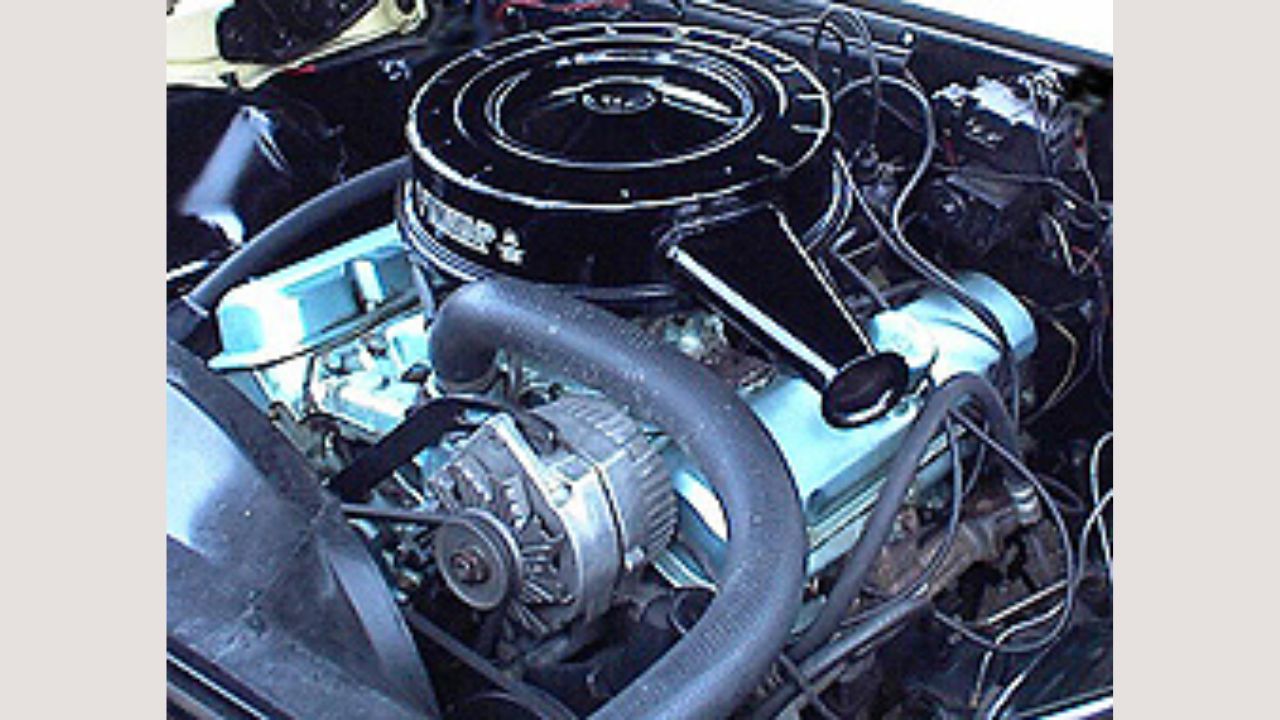
Under the hood, the 1967 Firebird launched with a wide range of engines that let Pontiac compete with virtually every Mustang configuration. At the entry level, buyers could choose a 230 cubic inch overhead-cam inline-six, including a hotter Sprint version that used a four-barrel carburetor and higher compression for stronger output. Above that, Pontiac offered several 326 cubic inch V8s, and at the top of the early lineup, the Firebird 400 borrowed much of its powertrain hardware from the division’s larger muscle cars. This tiered strategy mirrored the Mustang’s broad menu of sixes and V8s while giving Pontiac-specific hardware to enthusiasts who wanted something different from Ford’s small-block lineup.
The Firebird 400 quickly became the image leader. It paired the 400 cubic inch V8 with functional hood scoops, heavy-duty suspension pieces, and visual cues such as unique emblems and striping. Contemporary coverage of the car’s evolution has highlighted how that early 400 package set the tone for later high-performance Firebirds, including the Ram Air variants and the Trans Am that would arrive at the end of the decade. Later retrospectives on Firebird history trace this lineage directly back to the ambitions Pontiac baked into the 1967 model.
From the start, the Firebird was positioned inside a larger wave of new pony cars. The Mercury Cougar and other competitors joined the fray around the same time, but Pontiac’s car stood out because it combined GM’s engineering scale with the division’s established street performance image. Coverage of the class often notes that the Firebird and the Cougar both entered the market as more upscale or specialized alternatives to the Mustang, each using a shared corporate platform while targeting a slightly different buyer.
Over the following years, Pontiac refined the formula. The 1968 Firebird introduced detail changes and continued the performance emphasis, leading some later owners to single out that second model year as a sweet spot between early purity and added power. One enthusiast who bought a 1968 Firebird decades later described how the car’s combination of compact dimensions, V8 torque, and simple mechanicals made it both approachable and engaging, a reflection of what Pontiac had been aiming for from the beginning.
Why it matters
The arrival of the 1967 Firebird mattered because it finally gave Pontiac a seat at the table in a segment that was reshaping the American car market. The Mustang had proven that buyers wanted sporty, reasonably affordable coupes with long-hood, short-deck proportions and extensive personalization options. By entering that space with a car that shared GM’s new F-body but carried Pontiac-specific engines and styling, the division could reach younger drivers without abandoning its focus on performance and image.
Analysts looking back at the period often point to the Firebird’s engine strategy as a key difference from its rivals. The overhead-cam six, unusual for Detroit at the time, gave Pontiac a technical talking point and offered smoother, higher-revving character than many competing base engines. At the same time, the availability of the 400 cubic inch V8 meant the Firebird could trade blows with Mustang GT and Shelby variants in straight-line performance. Modern breakdowns of the 1967 Firebird emphasize that this breadth of choice, along with the car’s distinctive styling, helped it stand as a genuine competitor rather than a derivative copy.
The Firebird also helped solidify Pontiac’s reputation as GM’s performance division. Earlier models such as the GTO had already given the brand credibility among enthusiasts, but those cars were intermediate-sized muscle machines. The Firebird brought that attitude into a smaller, more agile package that could be driven daily and taken to the drag strip or autocross on weekends. Later historical surveys of major Firebird iterations consistently start with the 1967 car as the foundation that made later high-performance versions possible.
Over time, the Firebird’s cultural impact extended beyond its original rivalry with the Mustang. Subsequent generations produced icons such as the second-generation Trans Am, which became a pop culture fixture and pushed the car deeper into enthusiast lore. Yet even as styling and regulations changed, the basic idea that Pontiac had established in 1967 remained in place: a pony car that shared corporate underpinnings but expressed a more aggressive, Pontiac-flavored personality.
The car’s lasting appeal can be seen in how it continues to inspire restorations and personal stories. One widely shared account from Wisconsin described how a 14-year-old enthusiast revived her brother’s neglected Firebird, bringing the car back from years of storage with determination and family help. That story of a teenager rescuing an abandoned Firebird underscores how the model still connects across generations, decades after Pontiac itself left the market.
Collectors and hobbyists also treat early Firebirds as accessible entry points into classic muscle and pony cars. Compared with some high-dollar Mustangs or rare Mopars, many first-generation Firebirds remain relatively attainable, especially in non-Trans Am trims. Guides aimed at enthusiasts often highlight the 1967 to 1969 cars as rewarding restoration projects, with strong parts support and a loyal community that shares knowledge about everything from factory-correct details to modern drivability upgrades.
Within that community, debates about the “best” Firebird generation often circle back to the balance that Pontiac struck at the start. Later models gained power and technology, but the 1967 car is frequently praised for its clean lines, compact footprint, and direct driving feel. Enthusiast histories of the Firebird nameplate argue that the original model captured a moment when Detroit performance was still relatively light, mechanical, and analog, before emissions rules and safety requirements reshaped the breed.
What to watch next
Interest in the first-generation Firebird shows little sign of fading, and several trends suggest that the car’s role as a former Mustang rival will only become more appreciated. Auction results and private sales point to steady demand for well-preserved or correctly restored 1967 and 1968 examples, especially those with desirable V8 options and original drivetrains. While top-tier Trans Am models tend to grab headlines, more modest Firebird 400 and Sprint cars are gaining recognition among collectors who value driving enjoyment as much as investment potential.
At the same time, coverage of the model’s broader history continues to reframe how enthusiasts think about different eras of the car. Recent roundups of standout Firebird versions often place the 1967 car alongside later high-water marks, not only for its historical importance but for the way it set the styling and performance template. As more writers and historians revisit the pony car story, the Firebird’s role as a serious Mustang alternative rather than a secondary player is receiving fresh emphasis.
There is also growing attention on how younger enthusiasts engage with these cars. Stories like the Wisconsin teenager’s restoration project show that the Firebird can still capture imaginations even for those who were born long after Pontiac closed its doors. That generational handoff matters for the long-term health of the hobby, since it suggests that first-generation Firebirds will continue to be driven, modified, and preserved rather than disappearing into static collections.
More From Fast Lane Only: